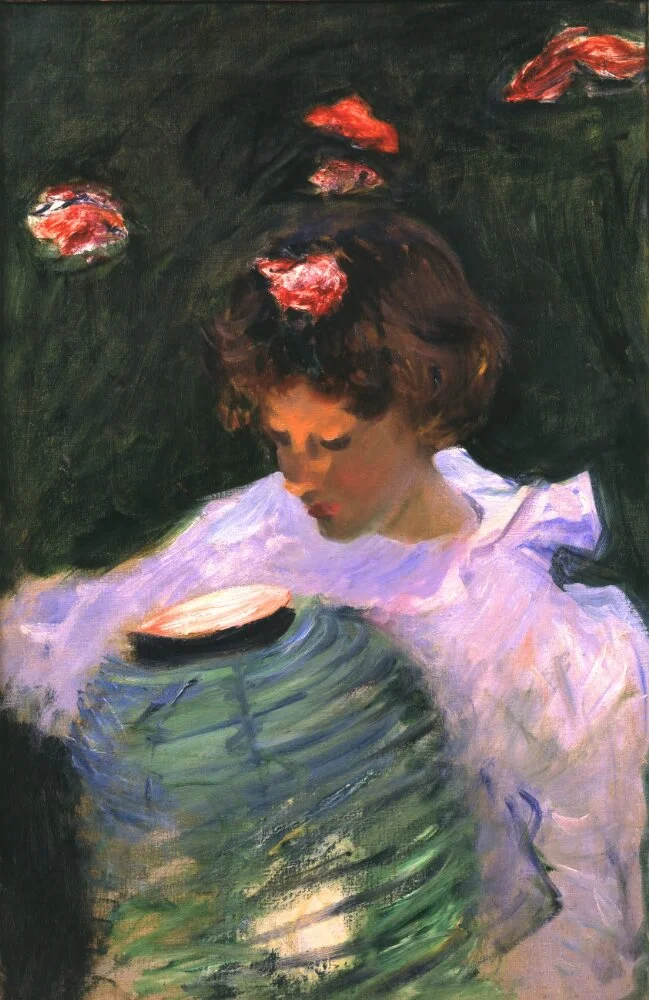
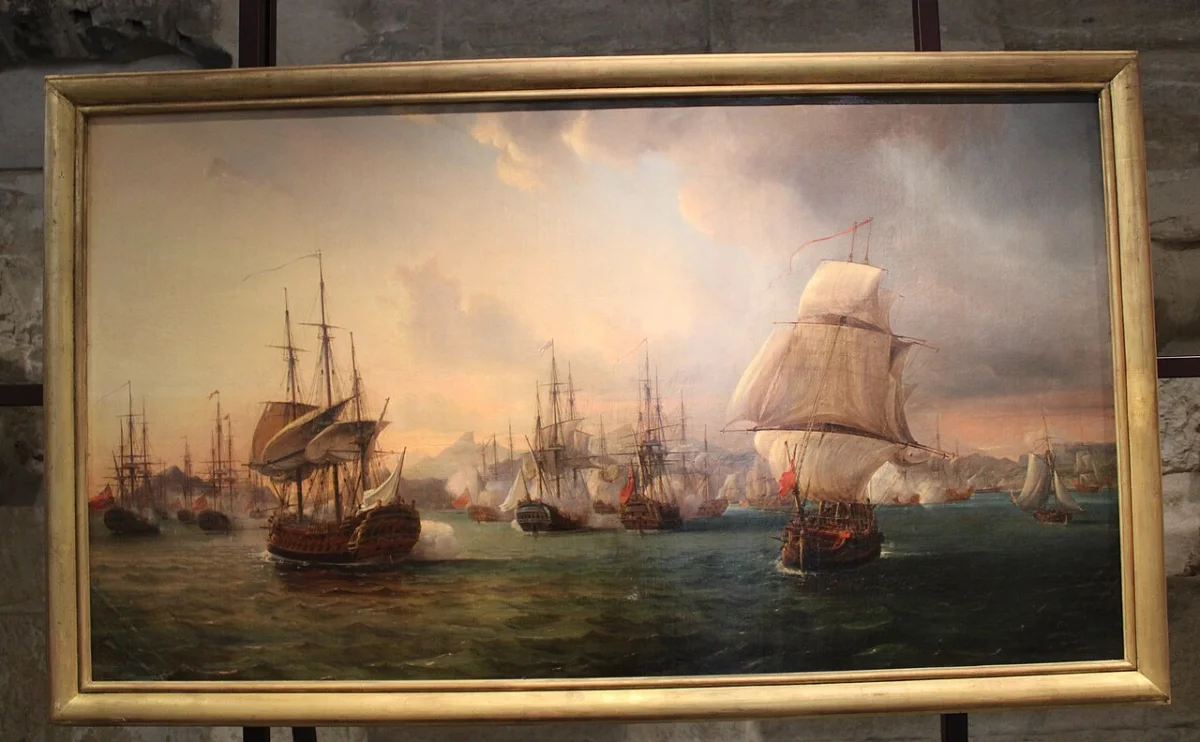
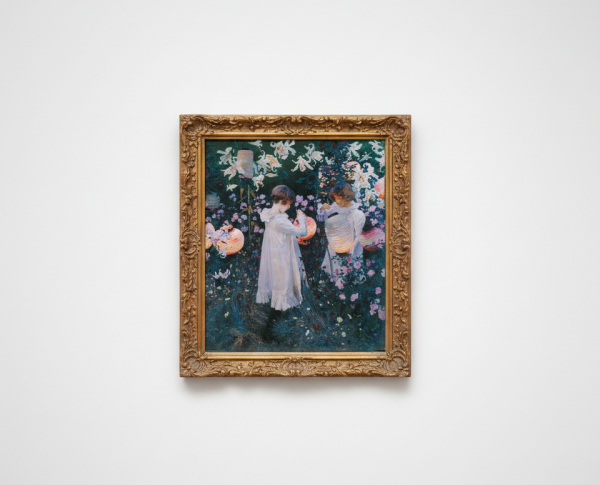
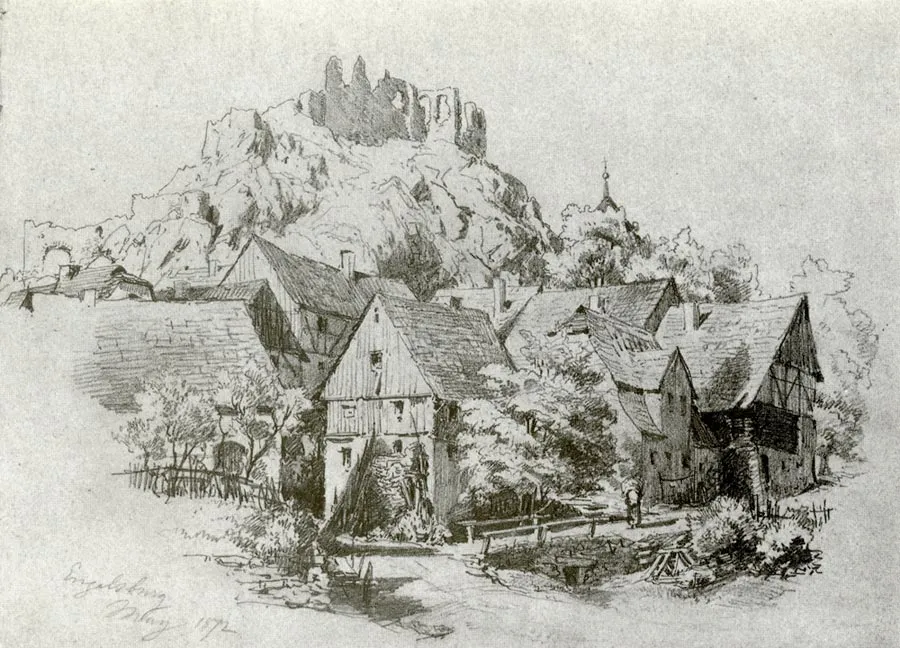
Sargent’s "Engelsburg" showcases his exceptional command of oil on canvas, blending light and color with an effortless grace unique to American Impressionism. The brushwork reveals both precision and spontaneity, embodying the movement’s hallmark vibrancy. Collectors seeking pieces with similar technical mastery often turn to works like "Study For Carnation Lily" or "In The Luxembourg Gardens" for complementary additions to their collections, further celebrating Sargent’s profound influence.
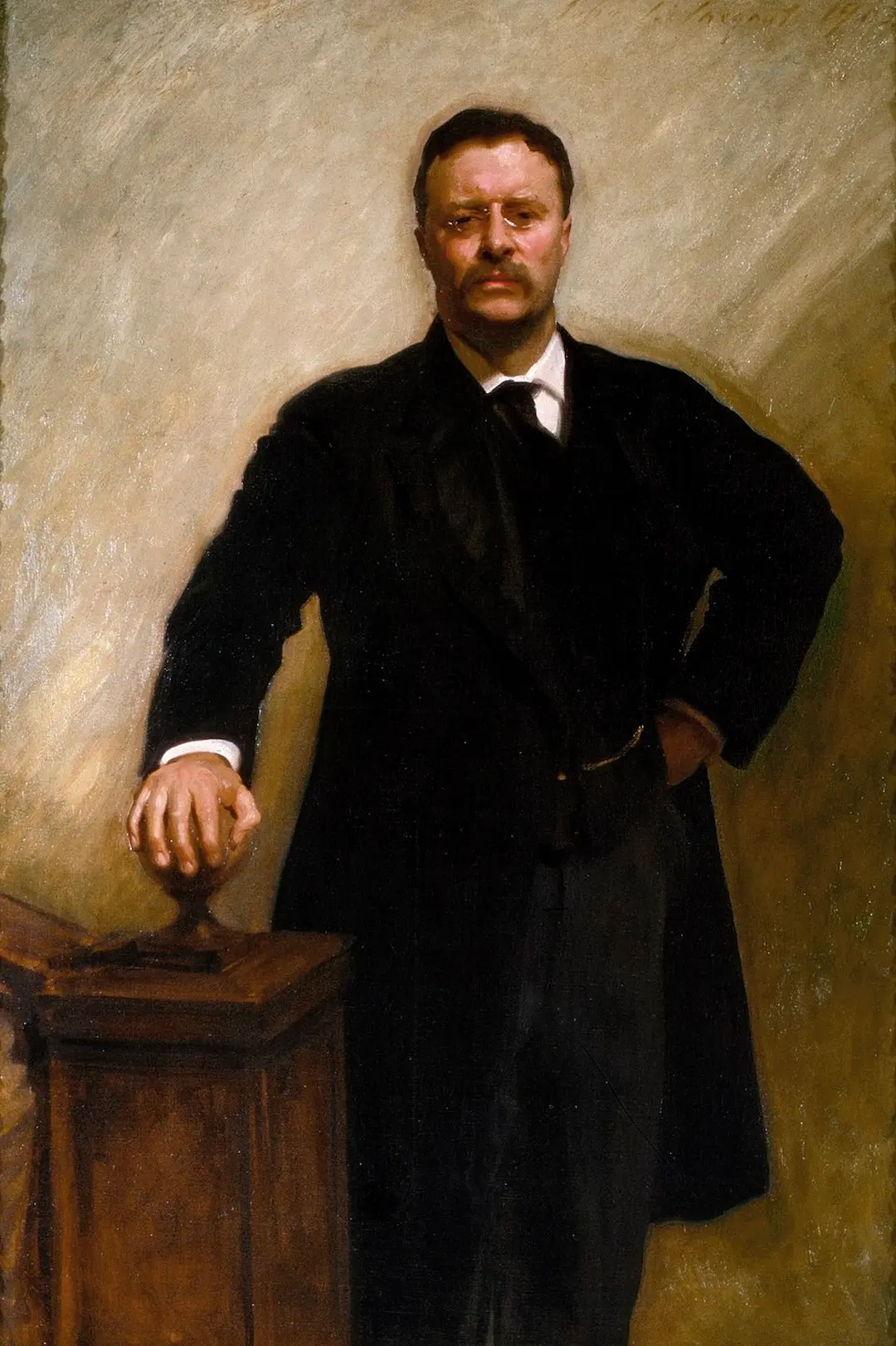
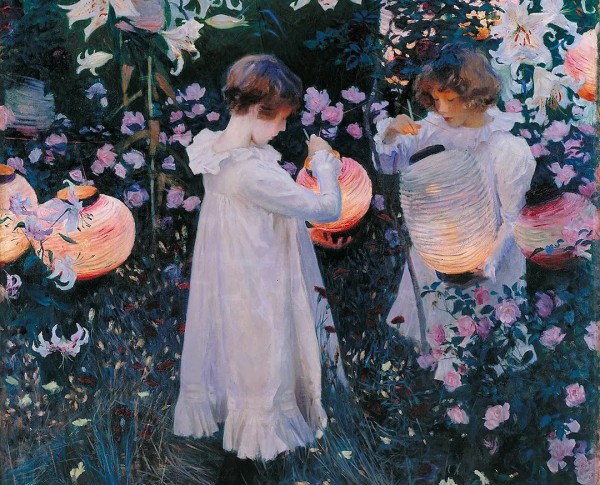
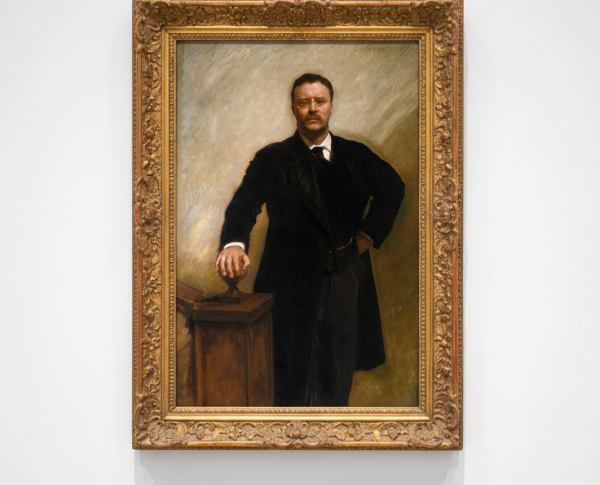
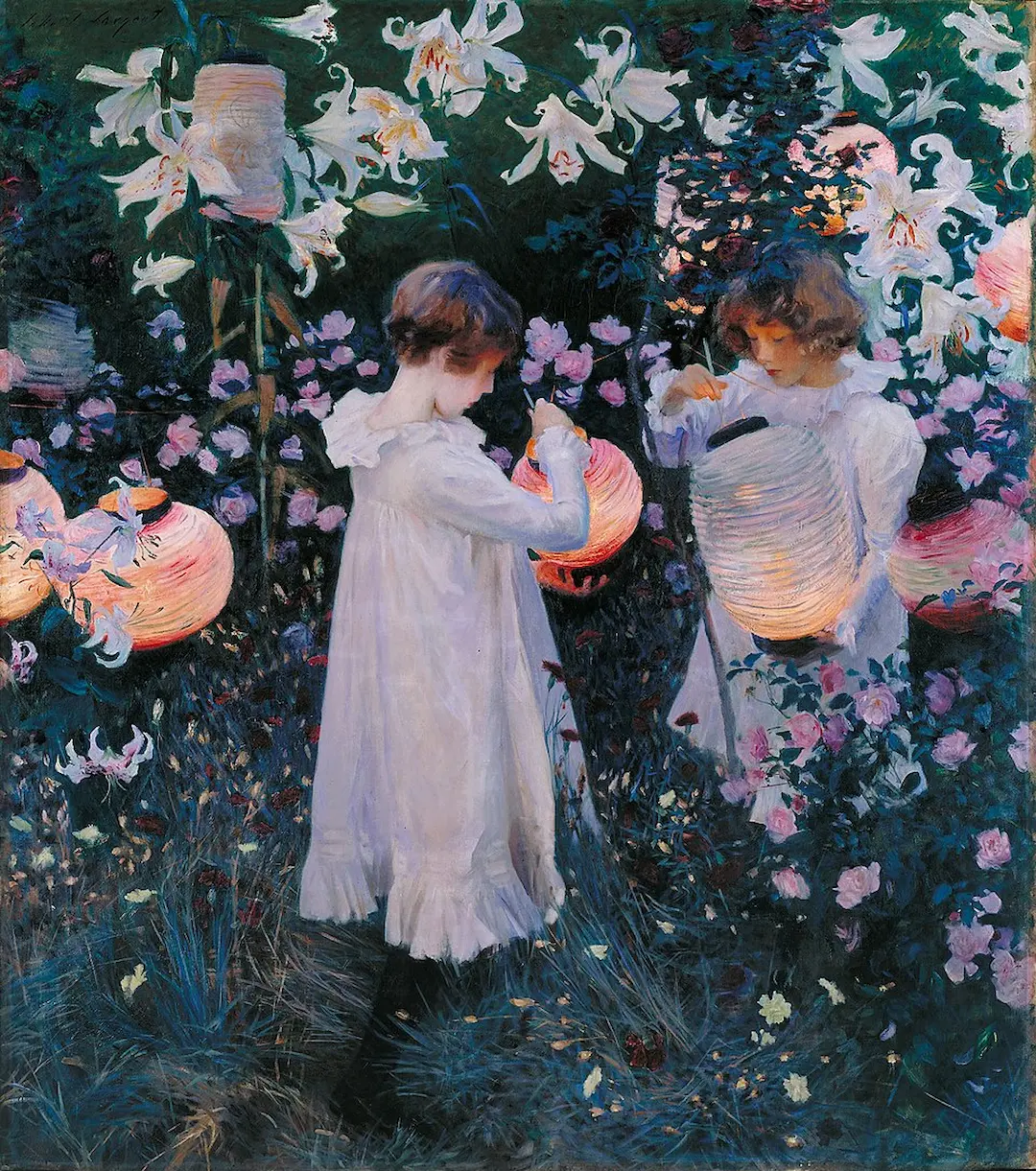
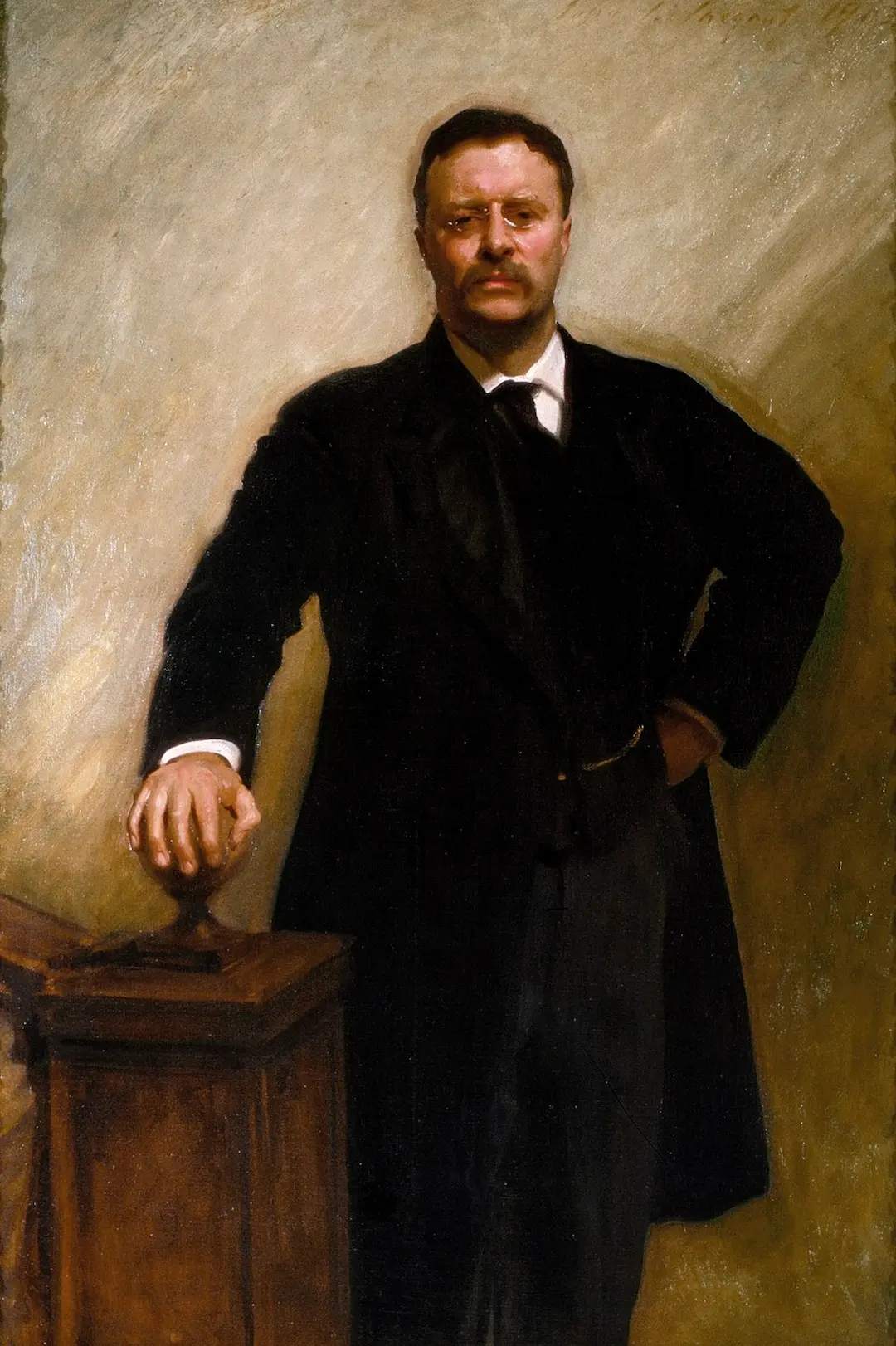
Beneath the surface of "Engelsburg," Sargent weaves subtle narratives and symbols that invite viewers to contemplate the scene’s deeper meaning. As a fine art painting for sale, it offers not just visual pleasure but also a window into the cultural and historical context of American Impressionism. Enthusiasts may also appreciate related works such as "President Theodore Roosevelt" and "Carnation, Lily, Lily, Rose," which similarly reflect Sargent’s storytelling prowess.
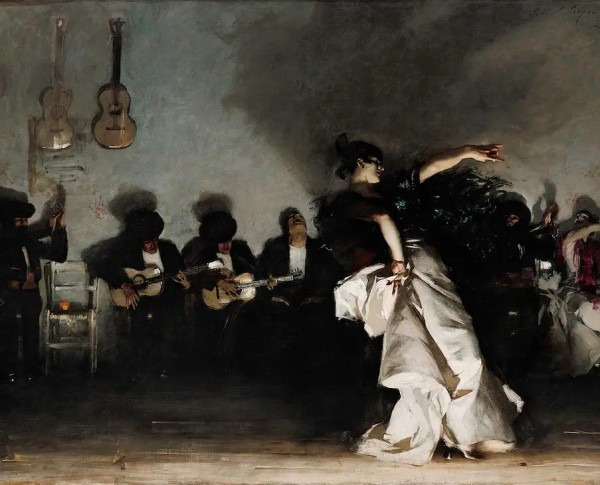
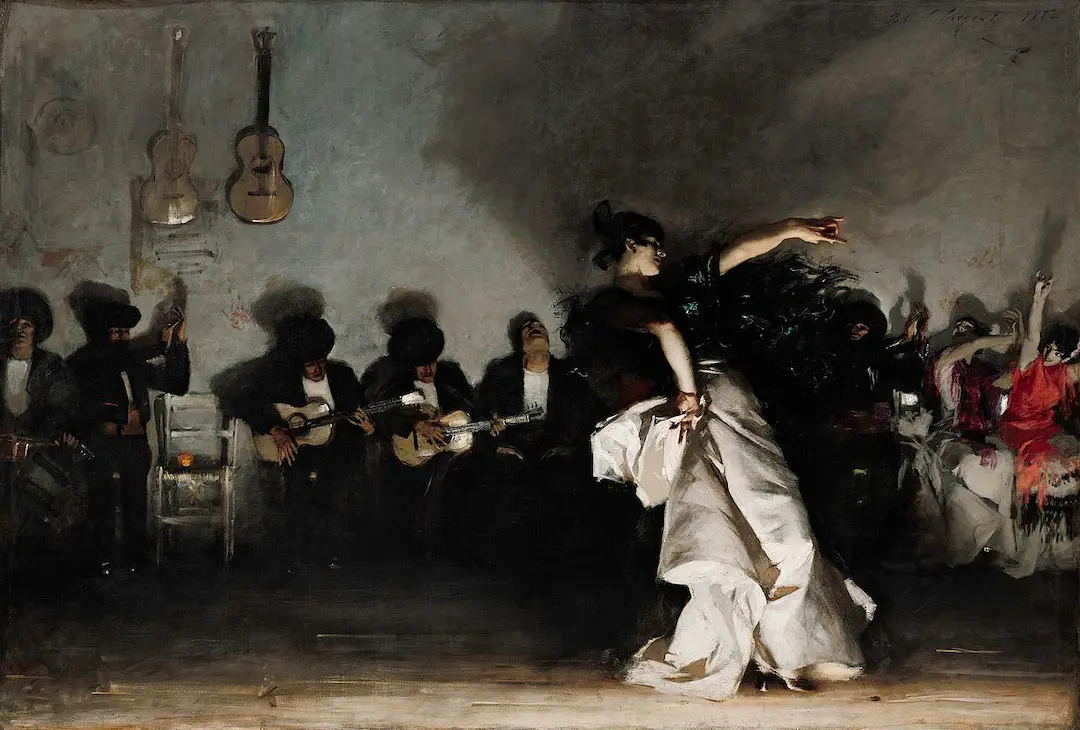
For discerning collectors, "Engelsburg" by John Singer Sargent represents an exceptional hand-painted oil painting that embodies the spirit of American Impressionism. Its provenance and artistic merit make it a sought-after addition to any collection. Pairing this masterpiece with related products like "El Jaleo" or "The Pink Dress" enhances any gallery, underscoring the timeless appeal and investment value of Sargent’s fine art paintings for sale.
When Art Meets History
John Singer Sargent’s “Engelsburg” stands as a testament to the enduring power of American Impressionism, capturing a unique moment where art intersects with the historical grandeur of its subject. This hand-painted oil painting not only showcases Sargent’s deft skill but also echoes the nuanced atmospheres found in related works like “The Signal Fire” and “Along the Seine.” Collectors and admirers alike cherish “Engelsburg” for its evocative blend of history, place, and artistic mastery.
Techniques That Speak
The brilliance of “Engelsburg” lies in Sargent’s masterful use of oil on canvas, a hallmark of his technique within the American Impressionism movement. Through expressive brushwork and luminous color, Sargent brings the scene to life, much like he does in “Winter” and “Buffalo Hunt.” The interplay of light and shadow in this piece demonstrates the artist’s innovative approach, making it a standout among fine art painting for sale in today’s market.
Emotions on Display
In “Engelsburg,” Sargent conveys a profound sense of atmosphere and mood, characteristic of American Impressionism. The hand-painted oil painting draws viewers into a contemplative space, evoking feelings of nostalgia and wonder. This emotional resonance is mirrored in related masterpieces such as “When the Land Belonged to God” and “Whose Meat?”, where Sargent’s brushwork and color palette invite personal reflection and emotional engagement, making each viewing a unique experience.
Coveted by Collectors
As a fine art painting for sale, “Engelsburg” has become highly sought after by collectors who value both historical significance and artistic innovation. John Singer Sargent’s reputation, solidified by iconic works like “The Signal Fire” and “Winter,” ensures that this oil on canvas remains a prized addition to any collection. Its standing within the American Impressionism movement enhances its desirability, making it a centerpiece for discerning art enthusiasts worldwide.
Related American Impressionism Hand-Painted Oil Paintings by Other Artists
Other Famous American Impressionism Artists:
Frequently Asked Questions About Engelsburg
What is the historical context of "Engelsburg"?
"Engelsburg" was painted by John Singer Sargent during a period marked by significant artistic experimentation and the rise of modernism in the early 20th century. The painting reflects Sargent's engagement with European architectural motifs and his fascination with the interplay of light and shadow.
What artistic techniques did Sargent use in "Engelsburg"?
Sargent employed a combination of oil painting techniques, utilizing both broad brushstrokes and fine detailing to create texture and depth. His mastery of light is evident in the way it interacts with the surfaces of the architecture depicted.
What is the significance of the architectural elements in "Engelsburg"?
The architectural elements in "Engelsburg" symbolize the grandeur and historical weight of the structure. Sargent's portrayal captures not only the physicality of the building but also evokes a sense of nostalgia for the past.
How does "Engelsburg" reflect Sargent's artistic style?
The painting exemplifies Sargent's signature style, characterized by a blend of realism and impressionism. His ability to convey atmosphere and emotion through color and brushwork is a hallmark of his oeuvre.
What themes are explored in "Engelsburg"?
"Engelsburg" explores themes of memory, history, and the passage of time. The painting invites viewers to reflect on the stories embedded within the architecture and the lives that have intersected with it.
In what ways does "Engelsburg" connect to Sargent's other works?
What influences can be seen in "Engelsburg"?
"Engelsburg" reflects influences from both the European tradition of landscape painting and the burgeoning modernist movement. Sargent's exposure to various artistic styles throughout his travels is evident in the painting's composition and execution.
What role does color play in "Engelsburg"?
Color in "Engelsburg" serves to enhance the mood and atmosphere of the scene. Sargent's strategic use of a muted palette juxtaposed with vibrant highlights creates a sense of depth and invites the viewer to engage with the painting on multiple levels.
How has "Engelsburg" been received by art critics and historians?
What is the symbolic meaning of "Engelsburg"?
The painting symbolizes the intersection of history and memory, serving as a reminder of the enduring nature of architecture and its role in shaping cultural identity. Sargent's depiction encourages viewers to consider the stories that buildings hold and their impact on our collective heritage.






















_GFM_Painting_(1).webp)


 100% Hand-Painted: Finished in 3-6 Weeks

.png)













.webp)



_(1).webp)