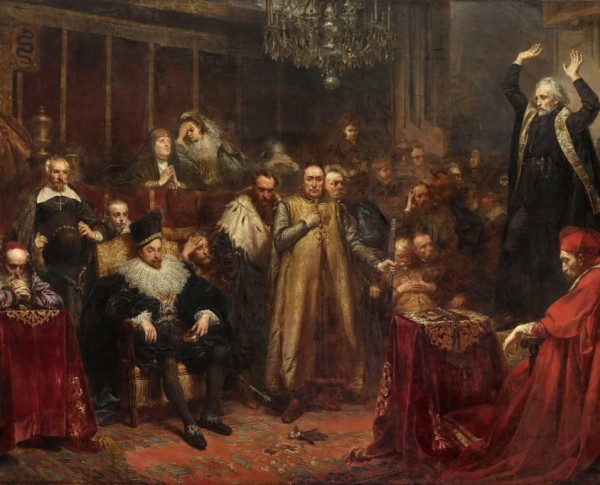
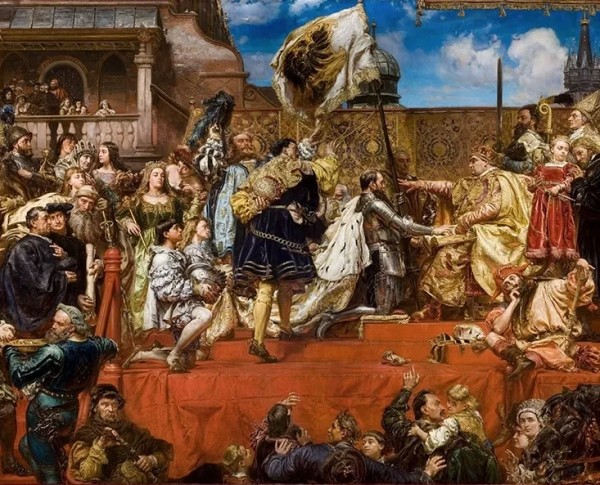
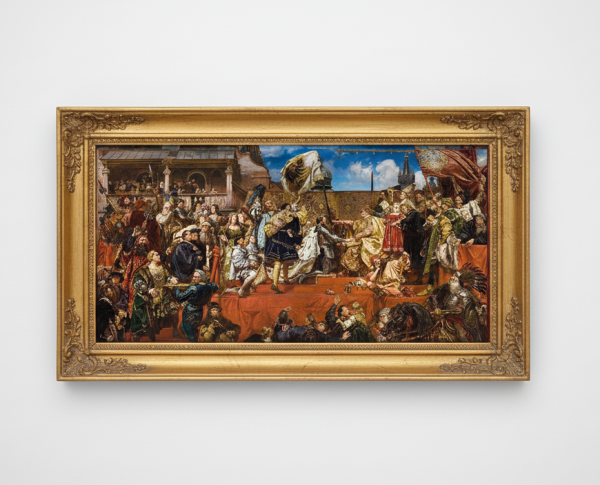
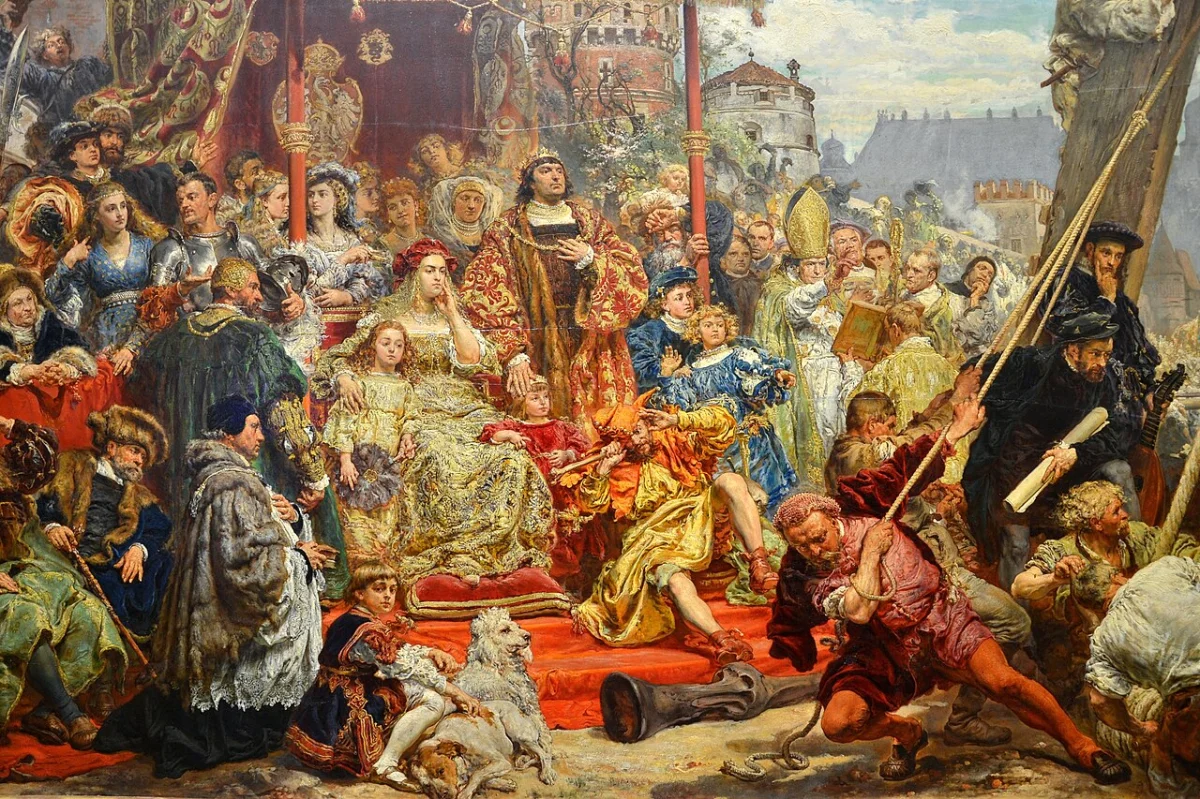
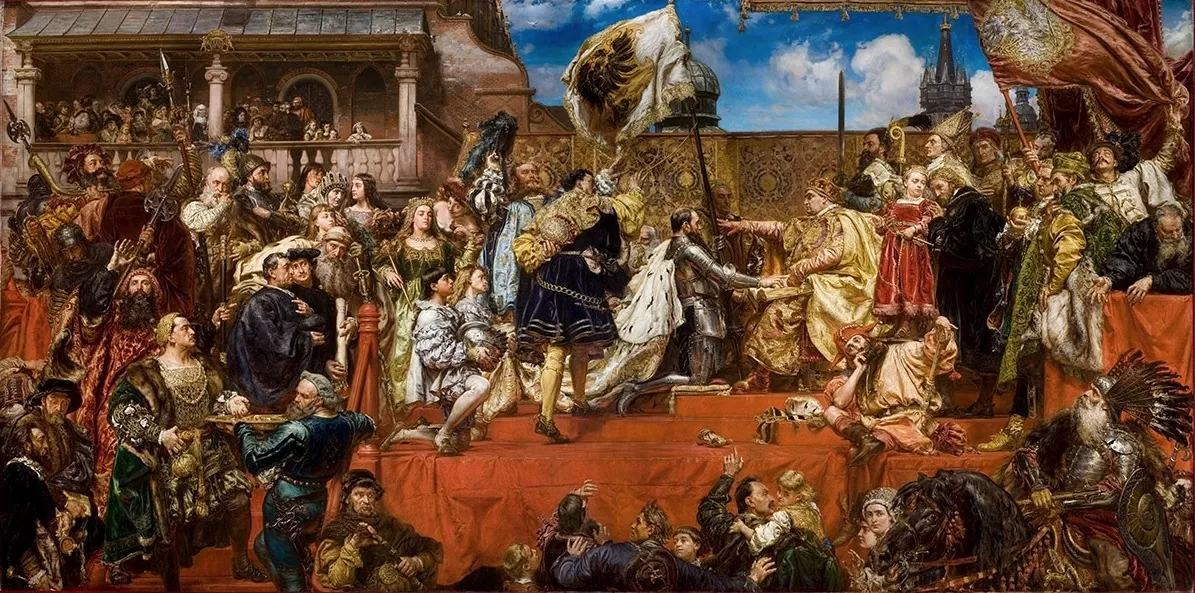
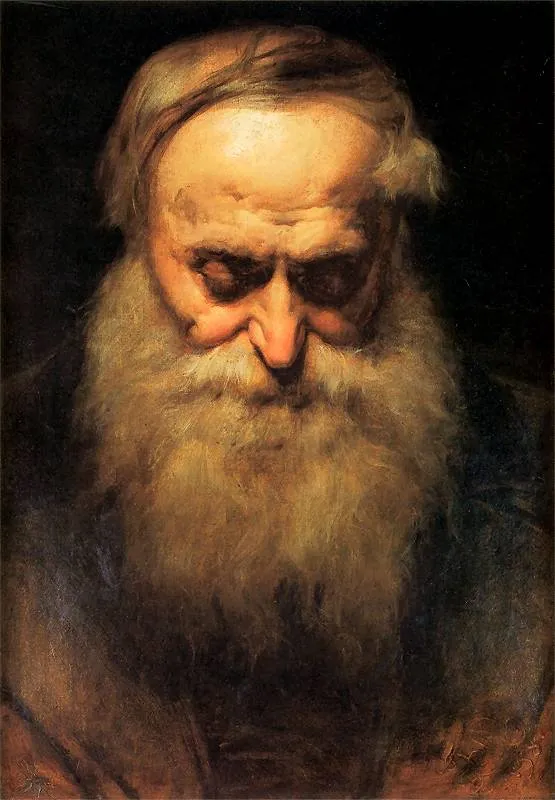
Renowned for his meticulous technique, Jan Matejko demonstrates extraordinary skill in this oil on canvas. Each brushstroke in "Hanging of the Sigismund bell at the cathedral tower in 1521 in Kraków" reveals his commitment to detail and historical accuracy, hallmarks of the Historicism movement. Matejko’s artistry is equally evident in pieces such as "Jan Kochanowski over the dead body of his daughter" and "Old man's head," making his paintings prized among enthusiasts of classic oil on canvas works.
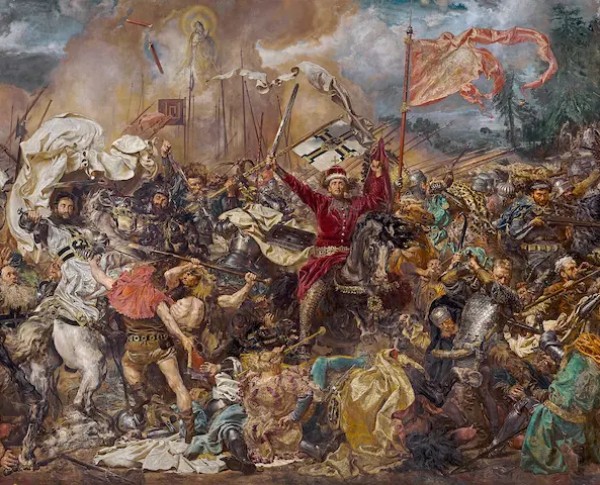
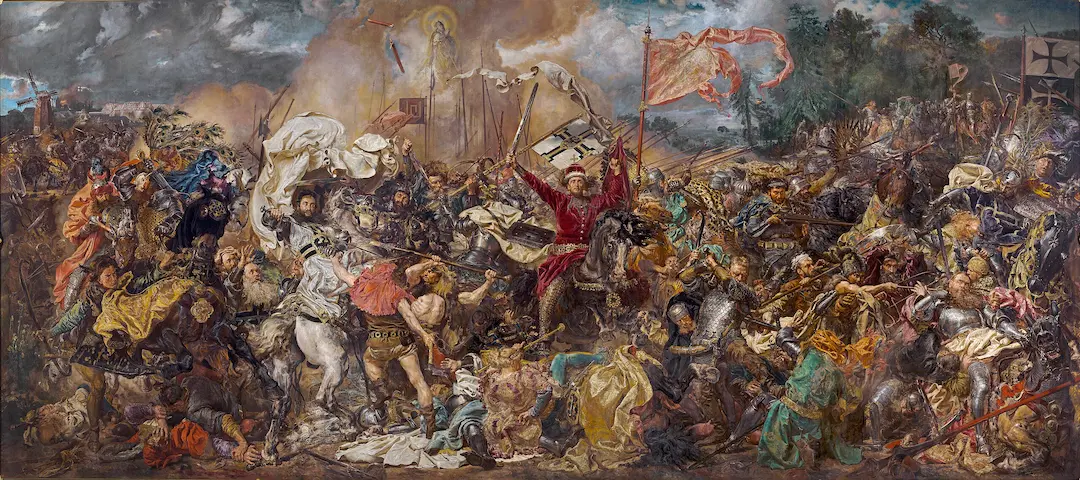
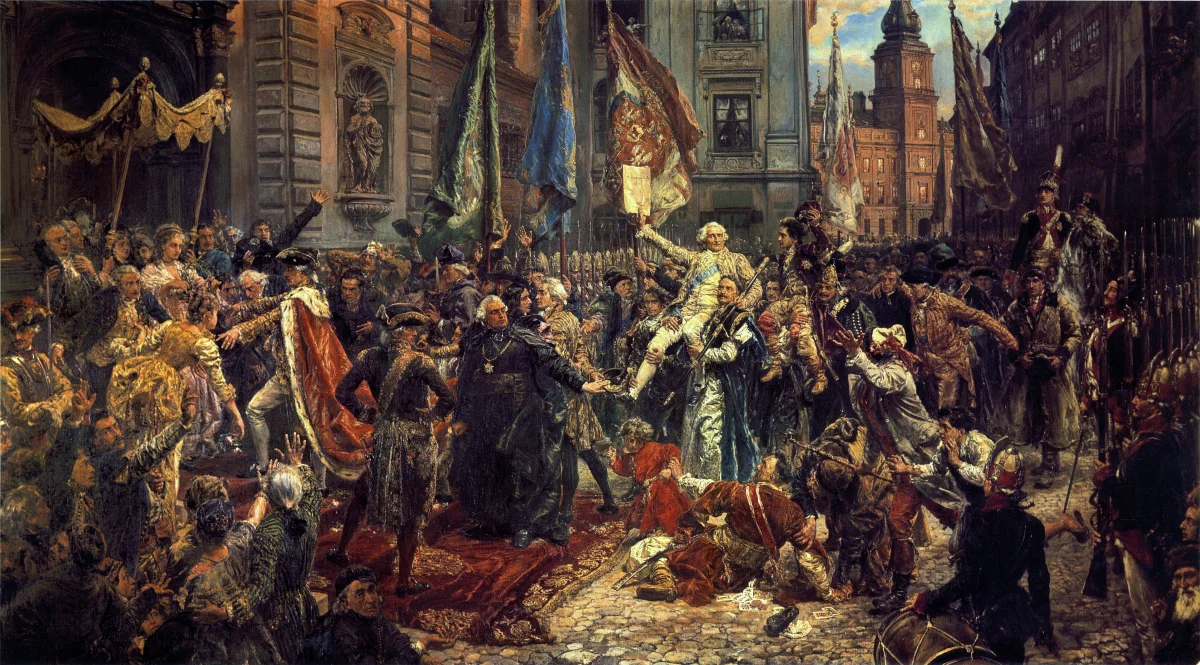
This fine art painting for sale not only portrays the dramatic installation of the Sigismund bell but also weaves symbolic elements throughout its composition. Matejko’s narrative approach, seen here and in works like "Constitution of May 3, 1791" and "Battle of Grunwald," highlights Poland’s resilience and unity. Each character and detail within the painting enriches the story, making it a compelling piece for collectors who appreciate historical depth in their fine art painting for sale.
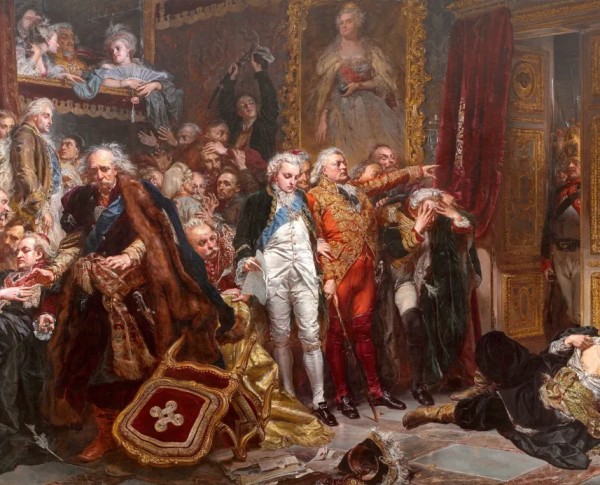
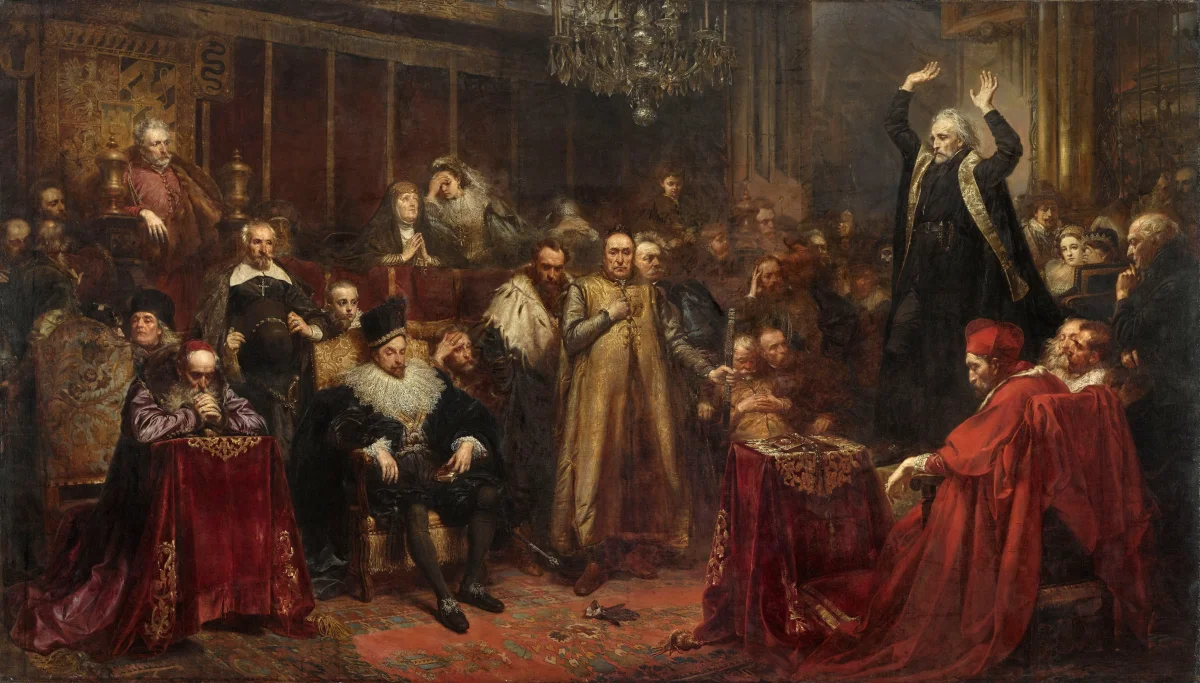
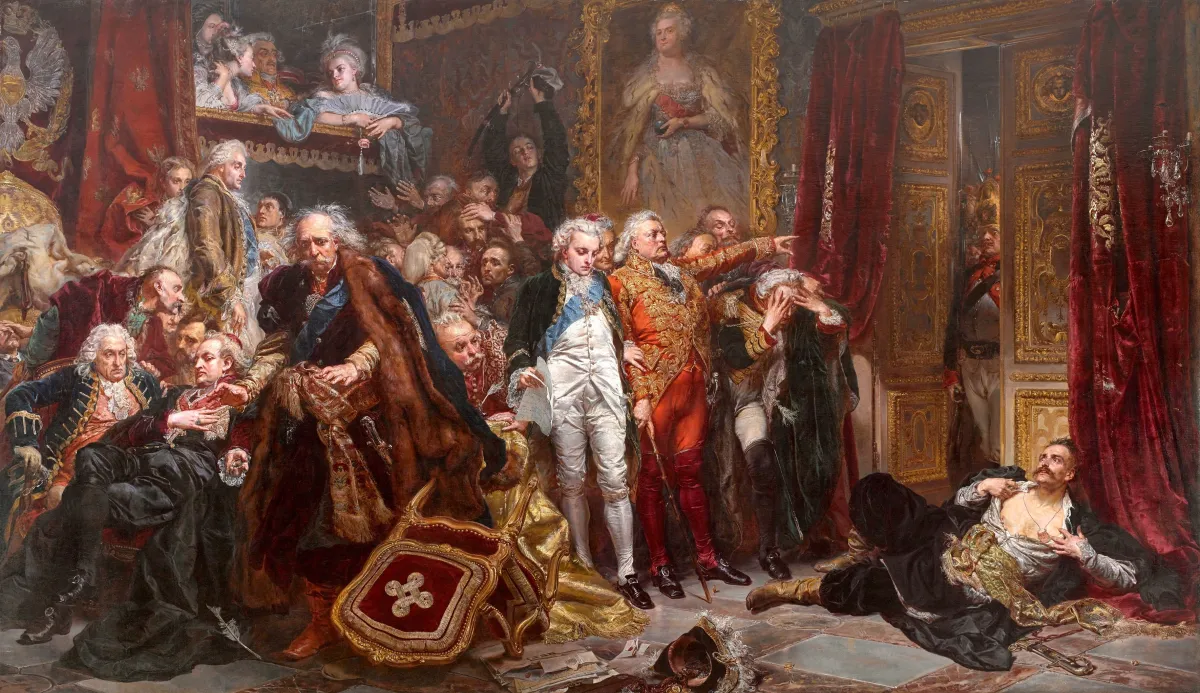
"Hanging of the Sigismund bell at the cathedral tower in 1521 in Kraków" stands out as a remarkable hand-painted oil painting, perfect for those seeking authentic historic art. Jan Matejko’s legacy in the Historicism movement ensures that his works, including related products like "Rejtan" and "Battle of Grunwald," remain highly sought after. Investing in this painting means owning a piece of history, masterfully rendered by one of Poland’s most celebrated artists.
When Art Meets History
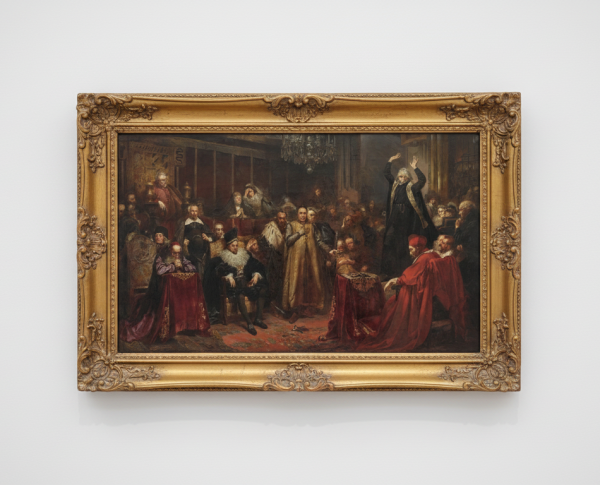
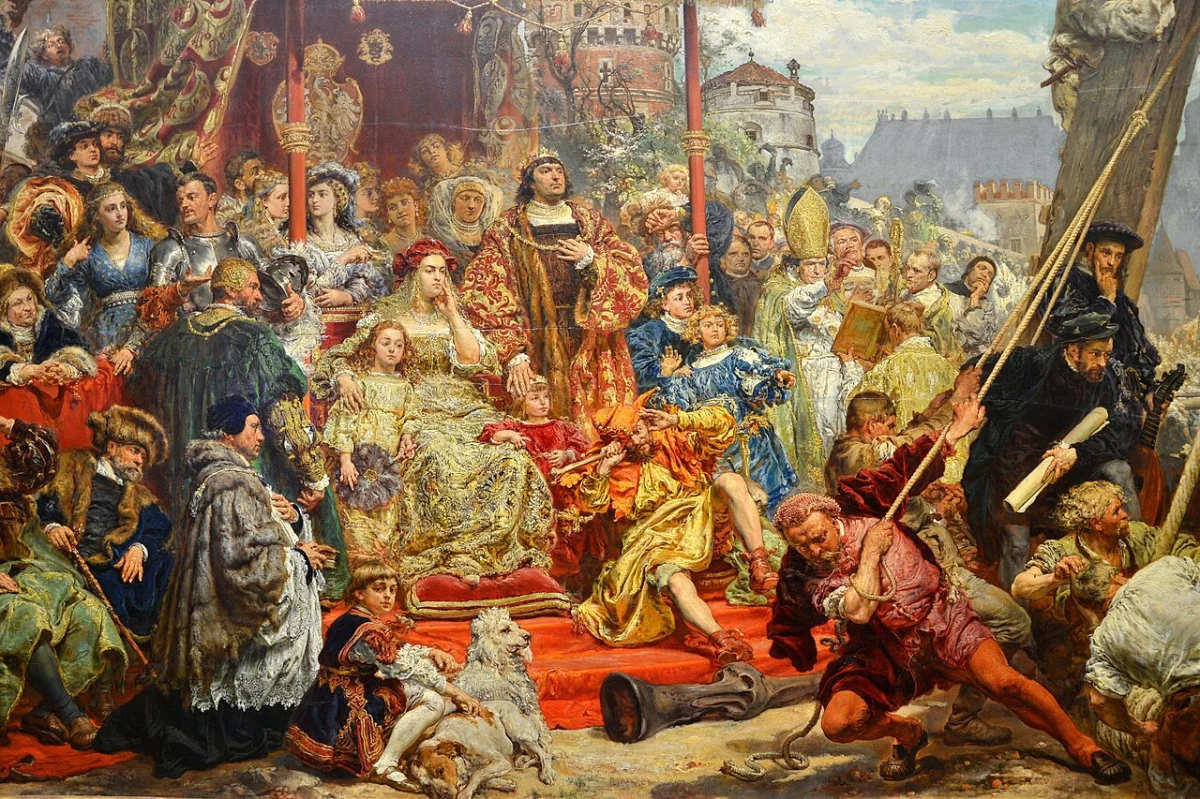
Jan Matejko’s "Hanging of the Sigismund bell at the cathedral tower in 1521 in Kraków" is a remarkable hand-painted oil painting that captures a pivotal moment in Polish history. As a leading figure of the Historicism movement, Matejko meticulously reconstructs the atmosphere of 16th-century Kraków. This masterpiece, like many of Matejko’s works, intertwines national pride with artistic vision, making the painting a significant cultural artifact and a fine example of historical narrative in art.
Techniques That Speak
Matejko’s expertise with oil on canvas shines through in this painting, evident in the detailed rendering of the cathedral architecture and the lifelike expressions of the figures. The artist’s brushwork and use of rich, vibrant colors are hallmarks of his Historicism style, breathing life into the historical scene. "Hanging of the Sigismund bell at the cathedral tower in 1521 in Kraków" showcases Matejko’s mastery, similar to his other celebrated oil on canvas works depicting Polish heritage.
Emotions on Display
The drama and excitement of the historic event are palpable in this fine art painting for sale. Matejko skillfully conveys the collective effort and national pride of the townspeople as they raise the massive Sigismund bell. The artist’s attention to facial expressions and body language captures a range of emotions, from determination to awe, immersing viewers in the moment. This emotional depth is a defining characteristic of Matejko’s contributions to the Historicism movement.
Coveted by Collectors
Collectors worldwide seek out Jan Matejko’s masterpieces, with "Hanging of the Sigismund bell at the cathedral tower in 1521 in Kraków" being a prime example of a hand-painted oil painting that holds immense historical and artistic value. As a standout Historicism work, it appeals to enthusiasts of Polish history and fine art painting for sale. Matejko’s unique perspective and technical skill make his paintings highly desirable, ensuring their place in prominent art collections.
Frequently Asked Questions About Hanging of the Sigismund bell at the cathedral tower in 1521 in Kraków
What historical event does the painting depict?
The painting illustrates the moment of the hanging of the Sigismund bell at the Wawel Cathedral in Kraków in 1521, a significant event in Polish history symbolizing national pride and unity.
Who is the artist of this painting?
The artwork was created by Jan Matejko, a renowned Polish painter known for his historical scenes and ability to capture the essence of Polish culture and history.
What is the significance of the Sigismund bell?
The Sigismund bell is one of the most famous bells in Poland, symbolizing the strength and resilience of the Polish nation. It is often associated with important national events and ceremonies.
What artistic techniques did Jan Matejko employ in this painting?
Jan Matejko utilized a combination of realism and dramatic composition, employing rich colors and intricate details to convey the emotional weight of the historical moment.
How does the painting reflect Polish identity?
The painting reflects Polish identity through its depiction of a pivotal moment in the nation's history, showcasing the importance of tradition, faith, and national symbols in shaping cultural identity.
What elements in the painting symbolize power and authority?
The towering presence of the cathedral and the act of hanging the bell itself symbolize both religious and royal authority, representing the intertwining of church and state in Polish society during that era.
What role does the setting play in the painting?
The setting of Wawel Cathedral, a historic and cultural landmark, serves as a backdrop that enhances the significance of the event, reinforcing the connection between the bell and Polish heritage.
What emotions are conveyed through the expressions of the figures in the painting?
The expressions of the figures range from solemnity to pride, reflecting the gravity of the occasion and the collective emotional response of the Polish people to this historical event.
How does this painting fit into Jan Matejko's broader body of work?
This painting is representative of Matejko's dedication to Polish history and culture, as he frequently depicted significant historical events, aiming to instill a sense of national pride and awareness among his viewers.
What impact did the painting have on Polish art and culture?
The painting has had a lasting impact on Polish art and culture by inspiring future generations of artists to explore historical themes, reinforcing the importance of national identity and heritage in artistic expression.























_GFM_Painting_(1).webp)


 100% Hand-Painted: Finished in 3-6 Weeks

.png)















_(1).webp)