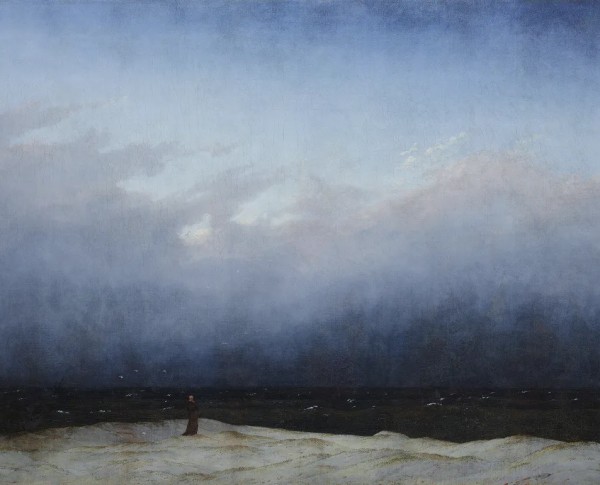
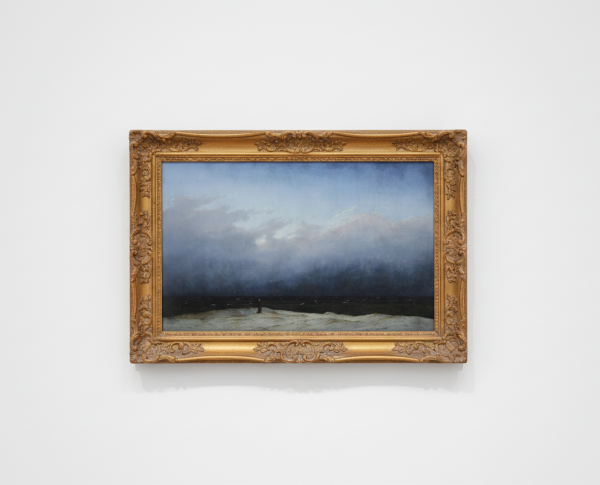
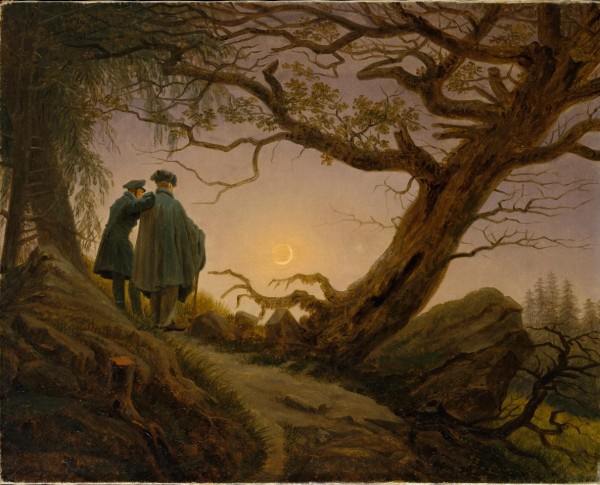
The meticulous technique in "Grave by the Sea" showcases Friedrich’s mastery of oil on canvas, a medium he employed to evoke mood and meaning. The painting’s subtle color palette and atmospheric effects reflect the Romanticism movement’s fascination with nature’s sublime power. Collectors drawn to similar works may also appreciate "Sea Beach with Fisherman" or "Wolves in the Forest in Front of a Cave," which exemplify Friedrich’s skill in capturing emotion through landscape.
"Grave by the Sea" is more than just a landscape; it is rich with symbolism and narrative, hallmarks of the Romanticism era. The solitary grave and vast seascape invite viewers to reflect on mortality and the infinite. This hand-painted oil painting resonates with themes found in Friedrich’s "Self-portrait as a Young Man" and Ernst Theodor Johann Bruckner’s contemplative works, offering a profound experience for those seeking a meaningful fine art painting for sale.
As a prime example of oil on canvas from the Romanticism movement, "Grave by the Sea" by Caspar David Friedrich is an essential addition to any serious collection. Its emotional depth and technical brilliance make it a standout among Friedrich’s masterpieces. Collectors interested in this period often seek related products like "Dolmen in Snow" and "The Monk by the Sea," appreciating the timeless allure of a fine art painting for sale crafted by a true master.
When Art Meets History
"Grave by the Sea" by Caspar David Friedrich stands as a poignant example of the Romanticism movement, where art and history converge. Created in the early 19th century, this hand-painted oil painting reflects Friedrich’s fascination with themes of mortality and nature’s grandeur. Like his contemporaries in works such as "Fishermen at Sea" and "In the Forest," Friedrich used his art to explore the human condition. The painting’s enduring legacy cements its place in art history.
Techniques That Speak
Caspar David Friedrich masterfully employed oil on canvas to capture the somber mood of "Grave by the Sea." Through delicate brushwork and atmospheric perspective, Friedrich achieved a haunting sense of depth and tranquility. The subtle interplay of light and shadow in this painting is reminiscent of his other works, including "Portrait of Louis-Marie-Joseph, comte de Brigode-Kemlandt." Such technique is characteristic of Romanticism, where artists sought to evoke emotion through landscape and portraiture.
Emotions on Display
"Grave by the Sea" evokes a profound sense of melancholy and introspection, hallmarks of the Romanticism movement. Caspar David Friedrich’s fine art painting for sale invites viewers to contemplate life, death, and the sublime beauty of nature. The solitary grave amid the vast seascape stirs deep emotions, much like his other evocative works such as "Portrait of a Gentleman." Friedrich’s ability to convey emotion through landscape painting remains unparalleled.
Coveted by Collectors
As a highly regarded piece within the Romanticism movement, "Grave by the Sea" is sought after by collectors who appreciate both historical significance and artistic mastery. This hand-painted oil painting, along with Friedrich’s other notable works, continues to attract attention at auctions and galleries. Collectors of fine art recognize the value in owning an original or reproduction, as these masterpieces—like "Colonel Count Claude Etienne Guyot"—represent the pinnacle of 19th-century European art.
Related Romanticism Hand-Painted Oil Paintings by Other Artists
Other Famous Romanticism Artists:
Frequently Asked Questions About Grave by the Sea
What is the historical context of "Grave by the Sea"?
"Grave by the Sea" was painted by Caspar David Friedrich in 1817, a period marked by Romanticism, which emphasized emotion, nature, and individualism in response to the Enlightenment's focus on reason and order.
What artistic techniques did Friedrich use in "Grave by the Sea"?
Friedrich employed a combination of chiaroscuro and atmospheric perspective to create depth and evoke a sense of melancholy. The use of light and shadow enhances the emotional impact of the scene.
What symbols are present in "Grave by the Sea"?
The grave symbolizes mortality and the transient nature of life, while the sea represents the infinite and the unknown, reflecting the Romantic fascination with nature's power and mystery.
How does "Grave by the Sea" reflect Romantic ideals?
The painting embodies Romantic ideals through its emphasis on emotion, the sublime beauty of nature, and contemplation of death, inviting viewers to reflect on their own existence and connection to the natural world.
What is the significance of the solitary figure in the painting?
The solitary figure serves as a representation of the individual confronting existential themes, embodying the Romantic notion of introspection and the search for meaning in a vast, indifferent universe.
How does the composition of "Grave by the Sea" contribute to its meaning?
The composition, with its vertical gravestone juxtaposed against the horizontal expanse of the sea, creates a dynamic tension that emphasizes the contrast between life and death, grounding the viewer's focus on the themes of loss and contemplation.
What role does nature play in "Grave by the Sea"?
Nature is depicted as both beautiful and foreboding, reflecting the Romantic belief in its duality. The sea's vastness serves as a metaphor for the unknown, while the grave signifies the inevitable end of life.
In what ways does "Grave by the Sea" connect to Friedrich's other works?
This painting shares thematic elements with Friedrich's other works, such as the exploration of solitude, the sublime, and the human condition, showcasing his consistent focus on the interplay between humanity and nature.
What emotions does "Grave by the Sea" evoke in viewers?
The painting evokes feelings of melancholy, introspection, and awe, prompting viewers to contemplate their own mortality and the beauty and transience of life.
How has "Grave by the Sea" influenced modern art?
The painting has influenced modern art by inspiring artists to explore themes of existentialism, nature, and the human experience, continuing to resonate with contemporary audiences and artists alike.























_GFM_Painting_(1).webp)


 100% Hand-Painted: Finished in 3-6 Weeks

.png)















_(1).webp)