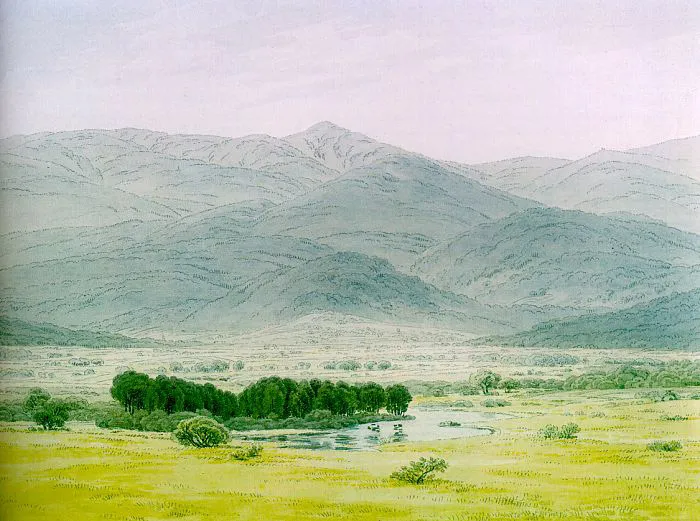
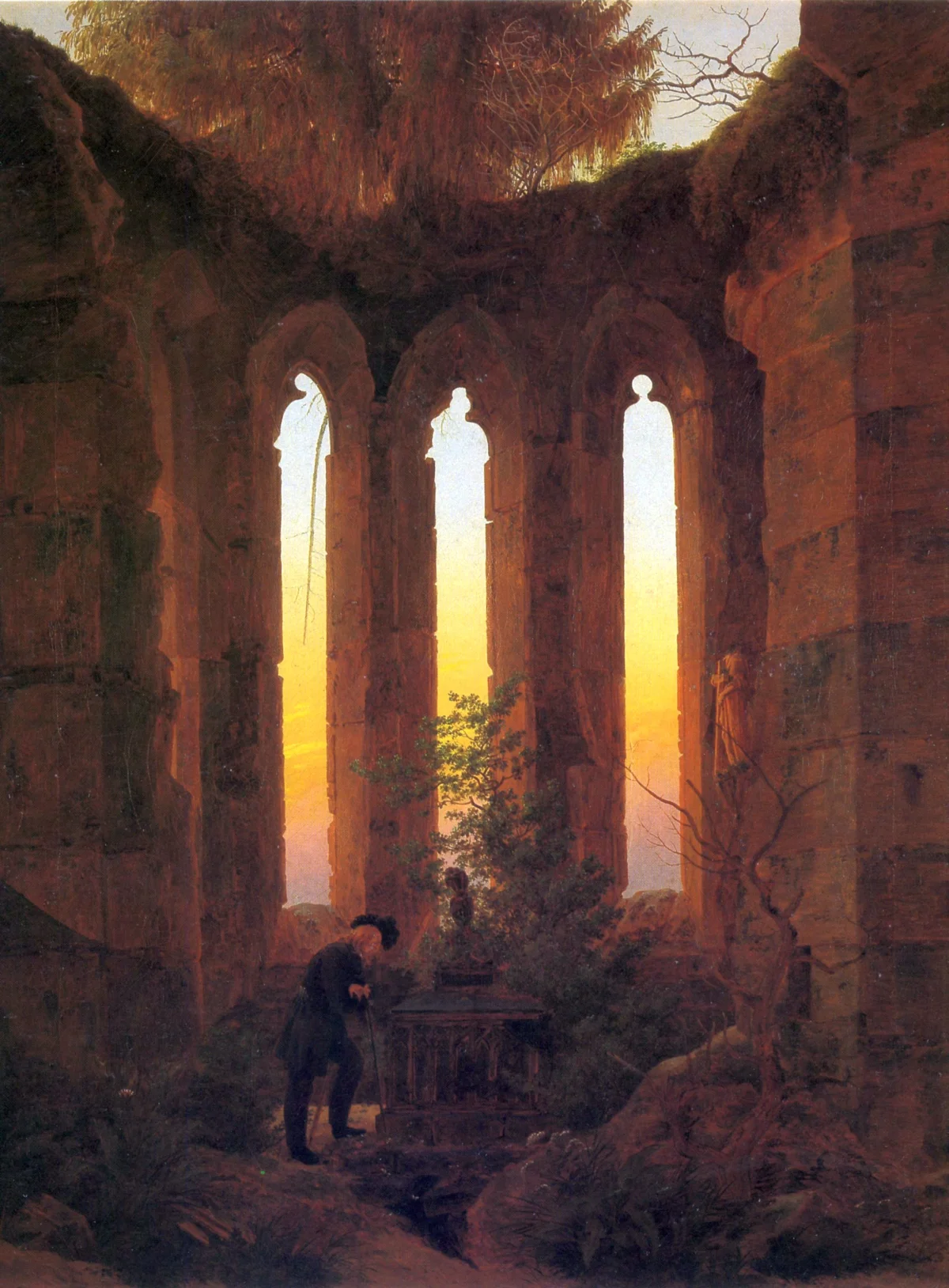
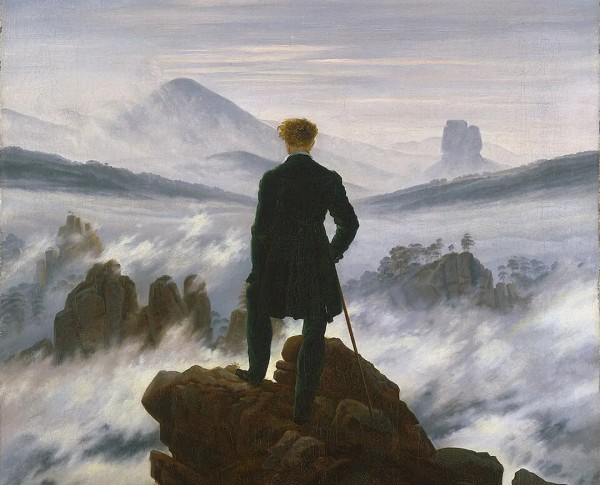
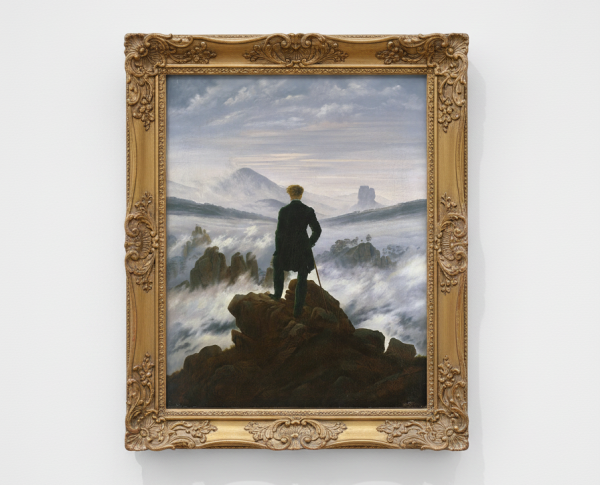
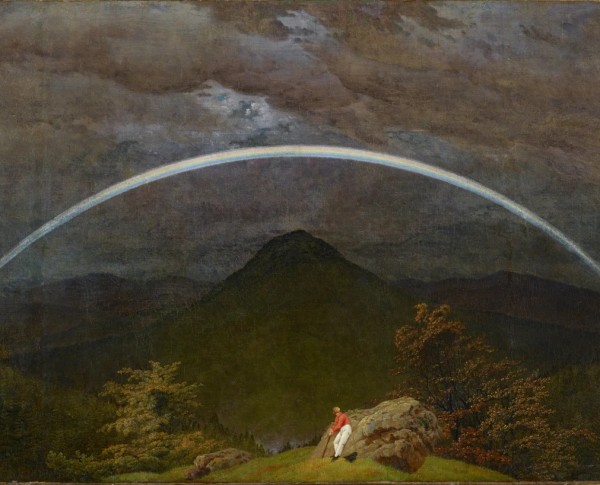
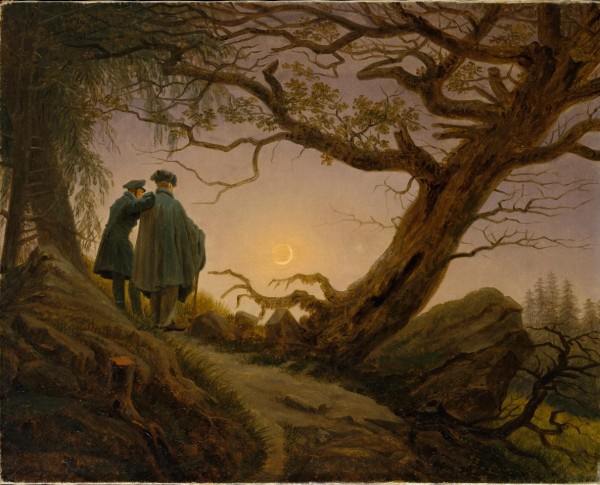
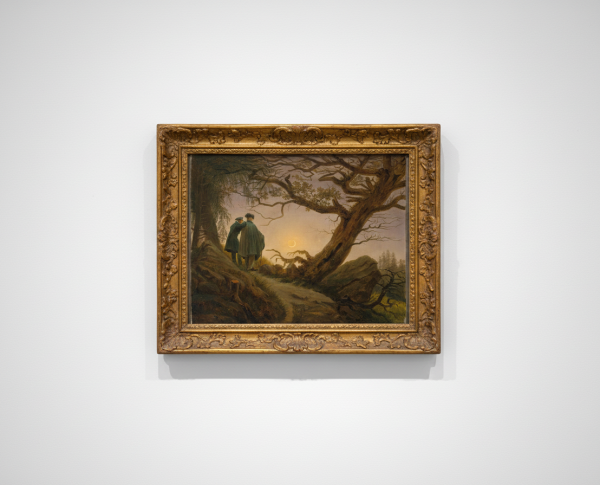
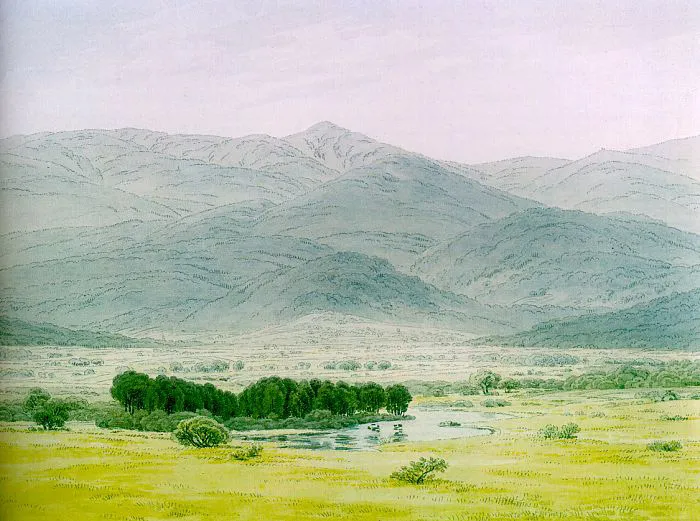
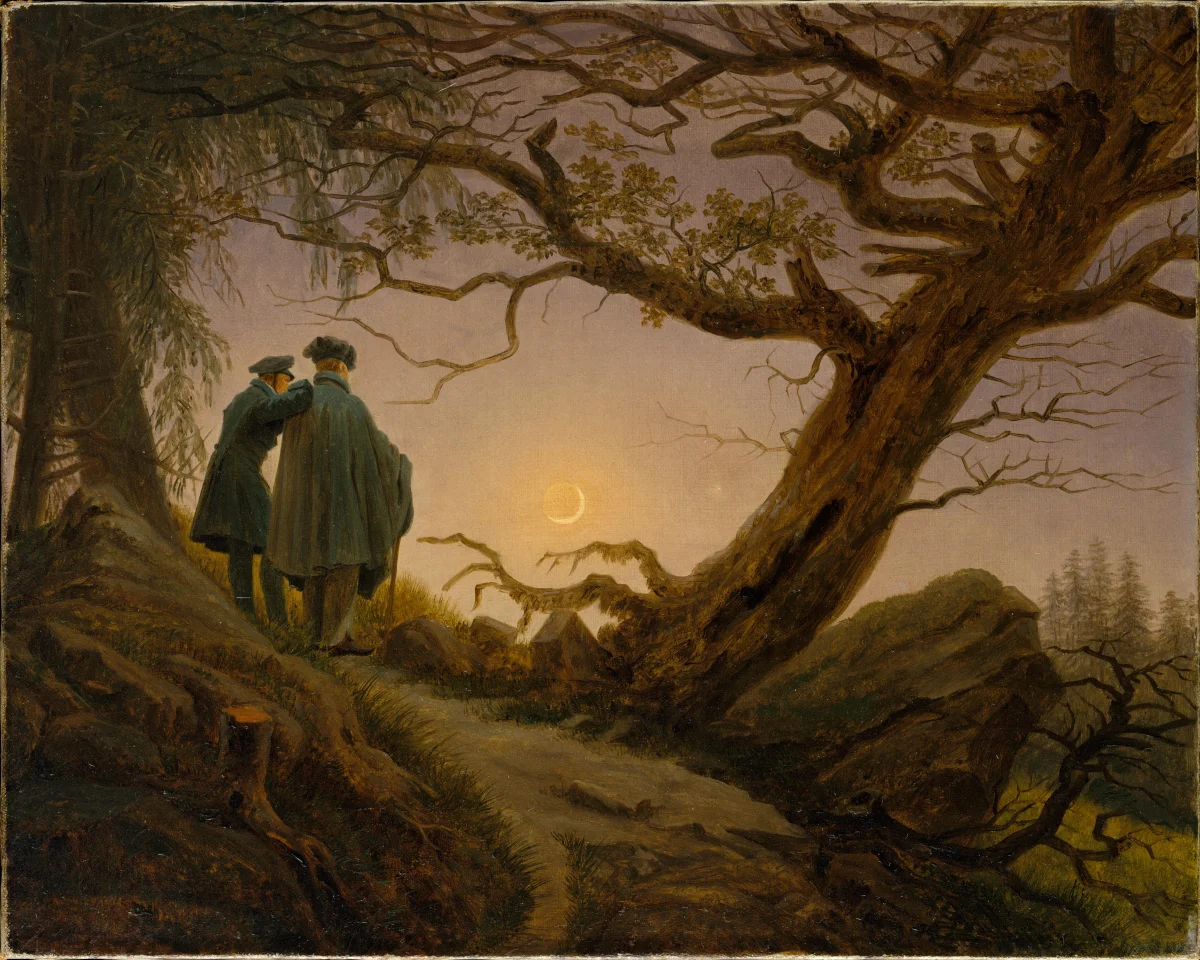
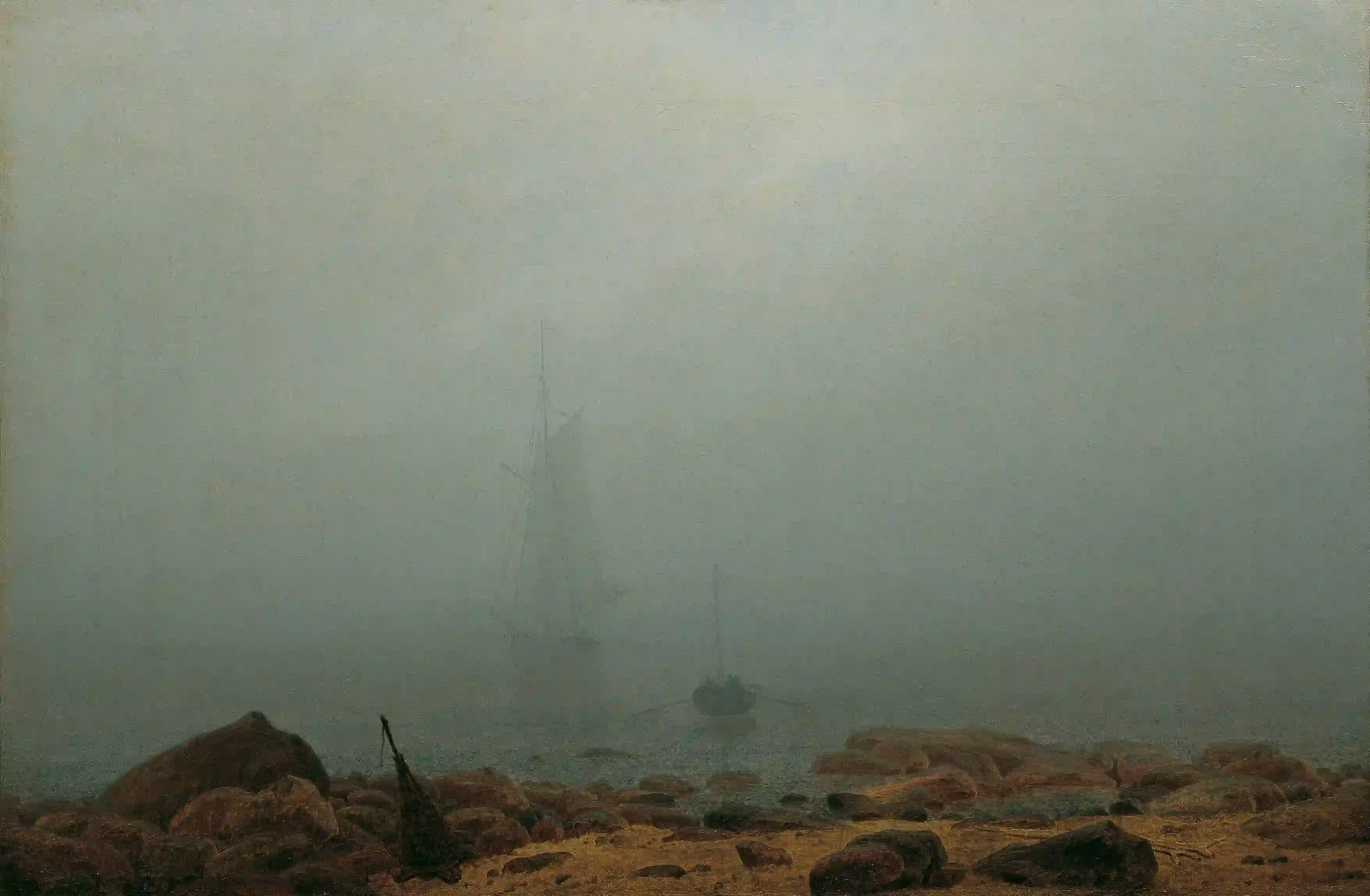
Friedrich’s mastery is evident in every brushstroke of this oil on canvas, where the interplay of light and shadow creates a profound sense of depth and emotion. His technique, honed through years of dedication, brings the Riesengebirge landscape to life with remarkable realism. This painting aligns with other iconic works such as "Two men contemplating the Moon" and "Wolves in the Forest in Front of a Cave," showcasing the artist’s signature style within the Romanticism movement.
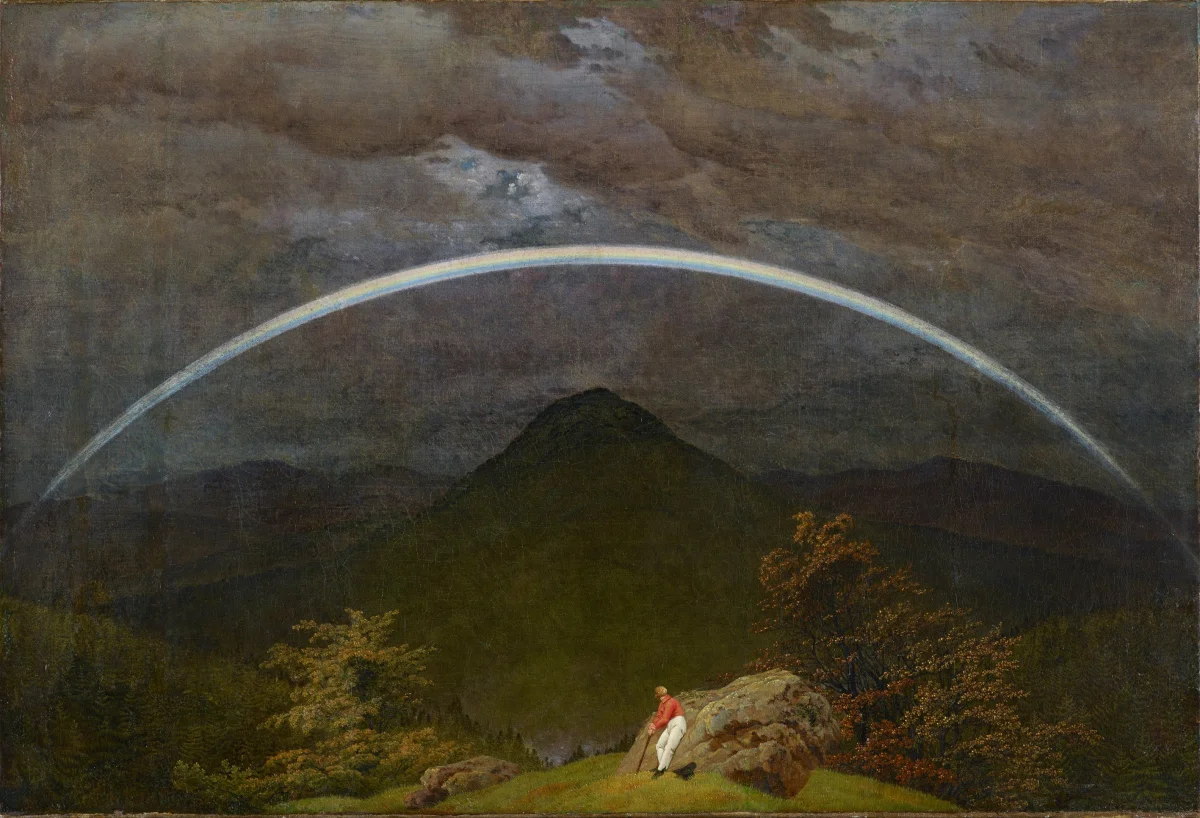
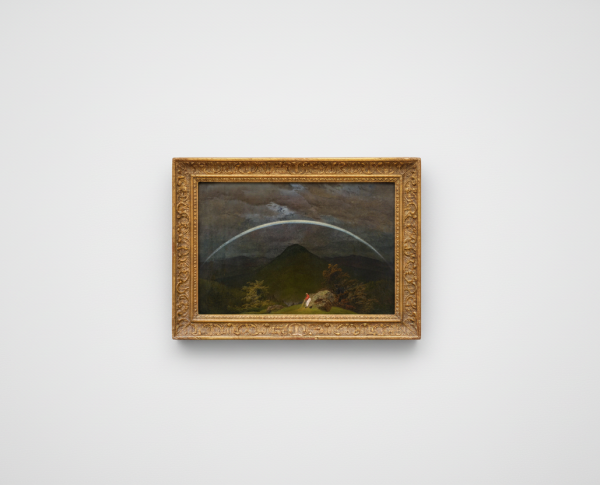
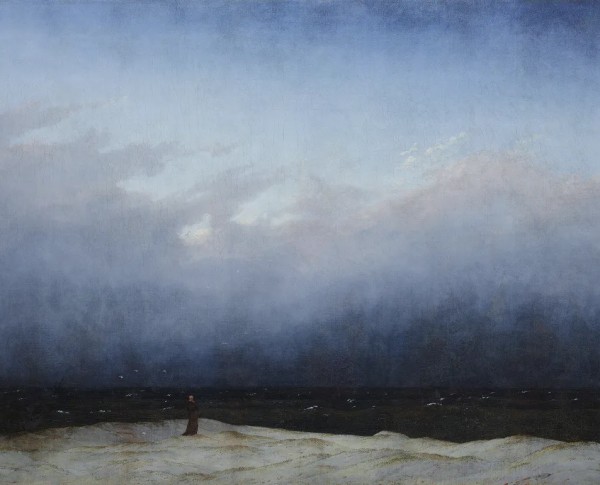
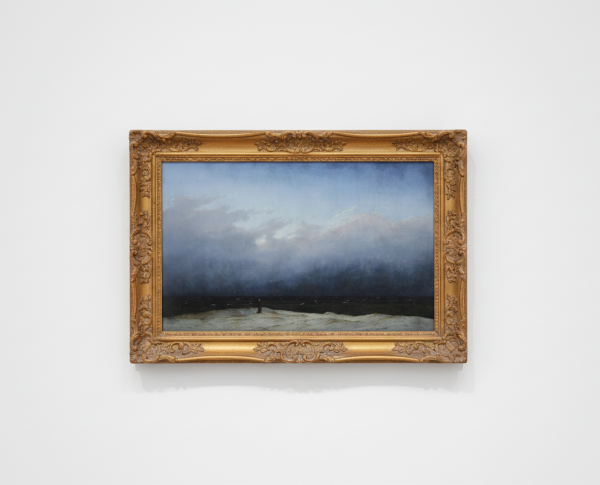
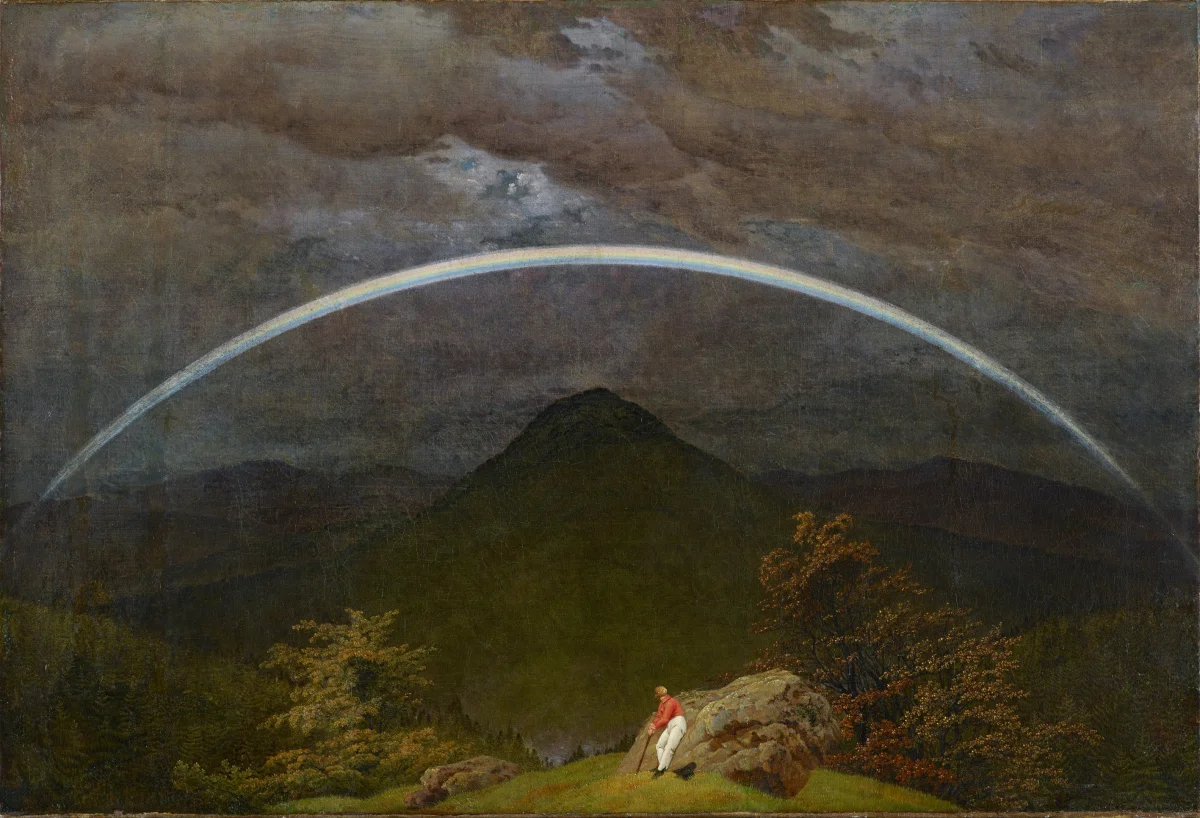
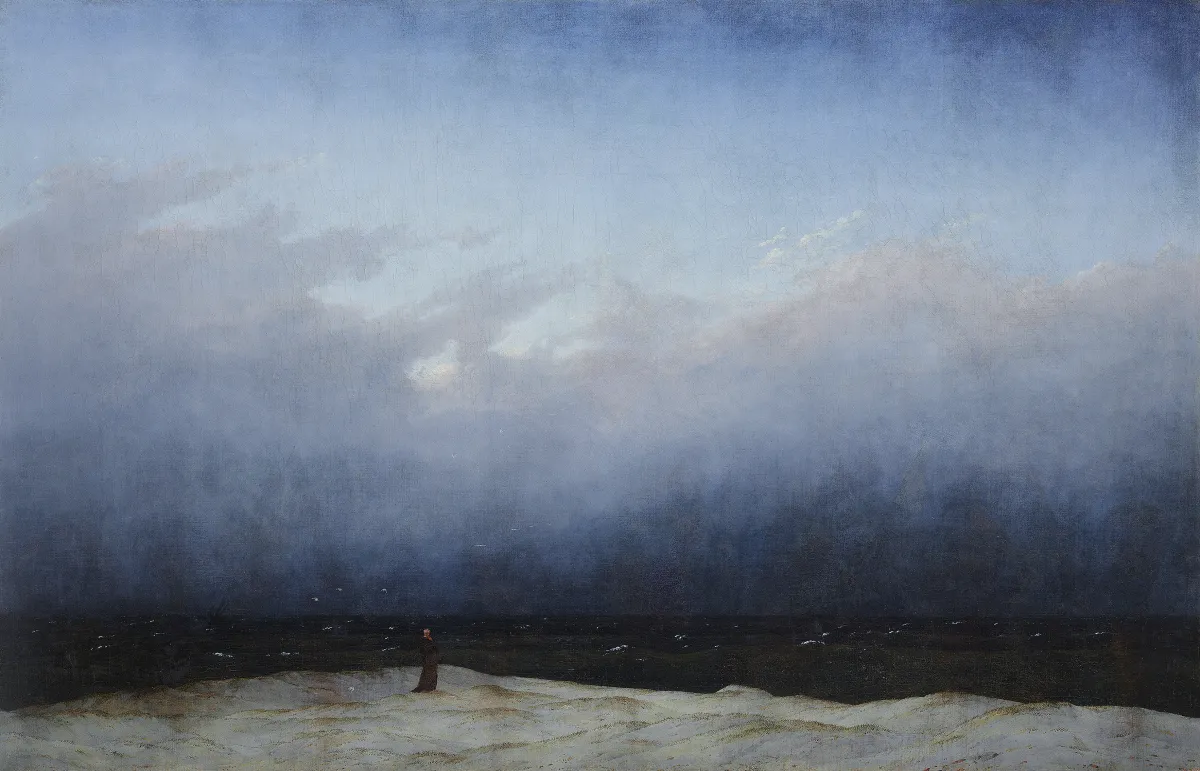
"Landscape in the Riesengebirge" weaves stories and symbols into its vast expanse, reflecting the Romantic fascination with nature’s sublime forces. Friedrich infuses this fine art painting for sale with layers of meaning, inviting contemplation of humanity’s place within the world. Much like "The Monk by the Sea" and "Mountain Landscape with Rainbow," this painting encourages viewers to seek deeper significance, making it a compelling piece for collectors and enthusiasts of Romantic era art.
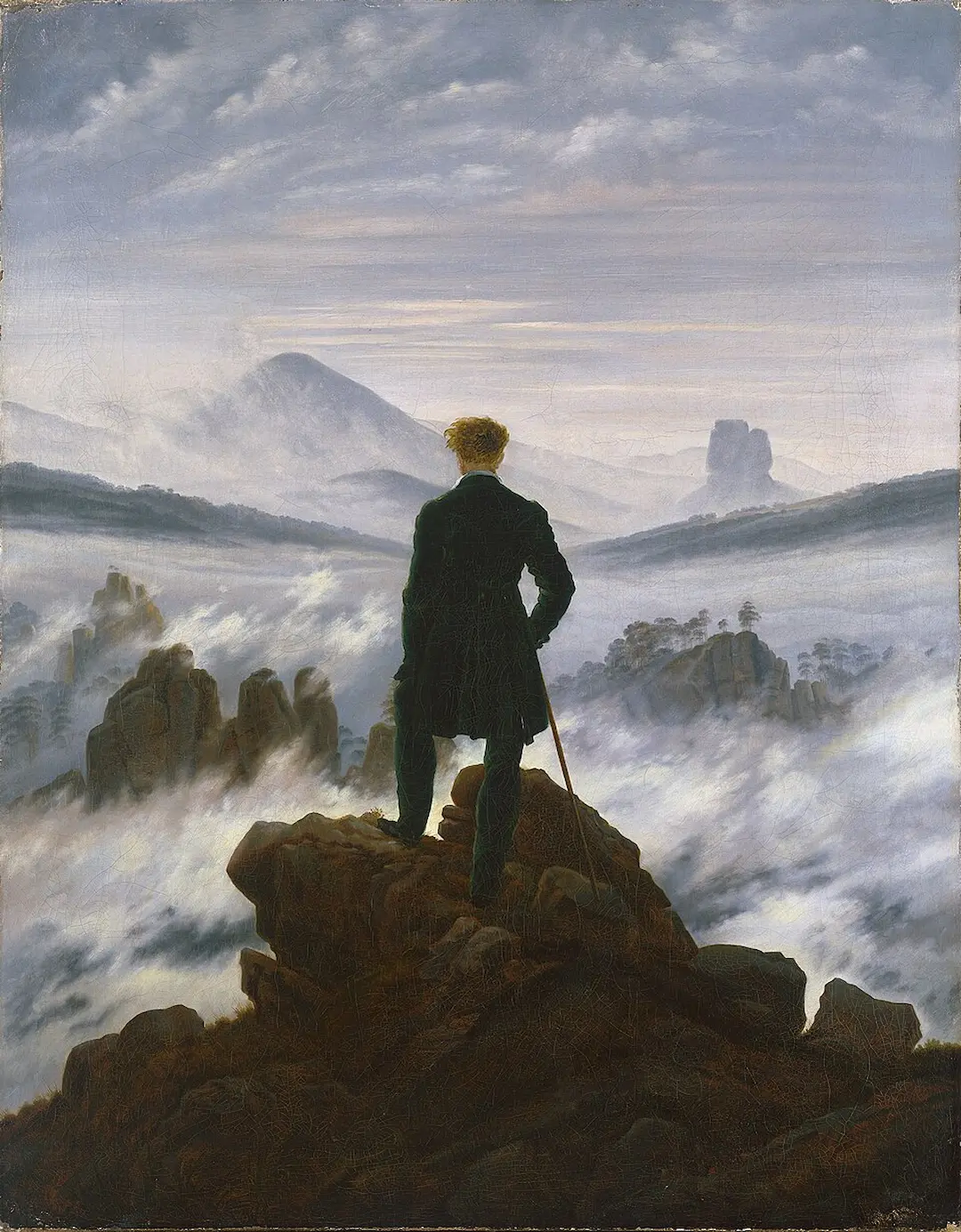
Owning "Landscape in the Riesengebirge" by Caspar David Friedrich is more than acquiring an artwork—it’s embracing a piece of Romantic history. This hand-painted oil painting offers unmatched elegance and emotional depth, elevating any space. Collectors who appreciate works like "Fog," "Two men contemplating the Moon," and "The Wanderer above the Mists 1817-18" will find this masterpiece a valuable addition, blending seamlessly into curated collections of fine art painting for sale from the Romanticism movement.
When Art Meets History
"Landscape in the Riesengebirge" by Caspar David Friedrich stands as a testament to the Romanticism movement's fascination with nature and the sublime. This hand-painted oil painting captures the spiritual connection between humanity and the vastness of the natural world. Friedrich, renowned for works like "Portrait of Baron Ségoing de Laborde" and "Family Portrait," uses his mastery to evoke a sense of awe, making each piece, including this one, an enduring symbol of its era.
Techniques That Speak
Caspar David Friedrich’s "Landscape in the Riesengebirge" showcases the artist’s signature oil on canvas technique, distinguished by meticulous brushwork and subtle gradations of light. The interplay of shadow and mist creates atmospheric depth, a hallmark of Romanticism. Similar to the nuanced techniques seen in "Crossing the Brook" and "The Battle of Trafalgar," Friedrich’s attention to detail invites viewers to lose themselves in the scene, reaffirming the timeless appeal of oil on canvas masterpieces.
Emotions on Display
With "Landscape in the Riesengebirge," Friedrich channels powerful emotions through his evocative landscape, a defining trait of Romanticism. The painting’s sweeping vistas and solitary figures evoke introspection and longing, much like his contemporaries achieved in "Westward the Course of Empire Takes Its Way." This fine art painting for sale resonates with collectors and art lovers, offering a window into the emotional depth that Friedrich and his era so passionately explored.
Coveted by Collectors
As a quintessential example of Romantic landscape, "Landscape in the Riesengebirge" is highly sought after by collectors around the world. The demand for authentic hand-painted oil paintings by Caspar David Friedrich remains strong, especially for pieces that capture the spirit of Romanticism. Collectors who appreciate works like "Family Portrait" and "The Battle of Trafalgar" recognize the enduring value and historical significance found in every fine art painting for sale from this period.
Related Romanticism Hand-Painted Oil Paintings by Other Artists
Other Famous Romanticism Artists:
Frequently Asked Questions About Landscape in the Riesengebirge
What is the historical context of "Landscape in the Riesengebirge"?
"Landscape in the Riesengebirge," painted by Caspar David Friedrich in 1810, reflects the Romantic movement in art, which emphasized emotion, nature, and individualism in response to the Enlightenment and Industrial Revolution.
What artistic techniques did Caspar David Friedrich use in this painting?
Friedrich employed a technique known as chiaroscuro, contrasting light and shadow to create depth. His use of atmospheric perspective enhances the sense of vastness in the landscape.
What is the significance of the Riesengebirge mountains in the painting?
The Riesengebirge mountains symbolize the sublime beauty of nature, a central theme in Friedrich's work, representing both the majesty and the overwhelming power of the natural world.
How does "Landscape in the Riesengebirge" reflect Romantic ideals?
The painting embodies Romantic ideals by showcasing the emotional connection between humanity and nature, emphasizing the beauty and mystery of the landscape, which evokes feelings of awe and introspection.
What role does light play in "Landscape in the Riesengebirge"?
Light in this painting serves to highlight the peaks of the mountains and the sky, creating a sense of hope and transcendence, while also suggesting the fleeting nature of beauty and life.
What emotions does the painting evoke in viewers?
The painting evokes a sense of solitude and contemplation, inviting viewers to reflect on their own place within the vastness of nature and the universe.
How does Friedrich's use of color contribute to the painting's mood?
Friedrich's palette features muted tones and soft contrasts, which create a serene and melancholic mood, enhancing the emotional depth of the landscape.
What is the significance of the foreground in the painting?
The foreground often includes elements such as trees or rocky outcrops that serve to ground the viewer in the scene, creating a pathway into the vastness of the background landscape.
How does "Landscape in the Riesengebirge" compare to Friedrich's other works?
Similar to Friedrich's other works, this painting emphasizes the relationship between man and nature, but it uniquely captures the grandeur of the Riesengebirge, showcasing his ability to depict vast landscapes with emotional resonance.
What influence did "Landscape in the Riesengebirge" have on later artists?
This painting influenced subsequent generations of artists by establishing a precedent for landscape painting that prioritizes emotional expression and the sublime qualities of nature, impacting movements such as Impressionism and Symbolism.























_GFM_Painting_(1).webp)


 100% Hand-Painted: Finished in 3-6 Weeks

.png)















_(1).webp)