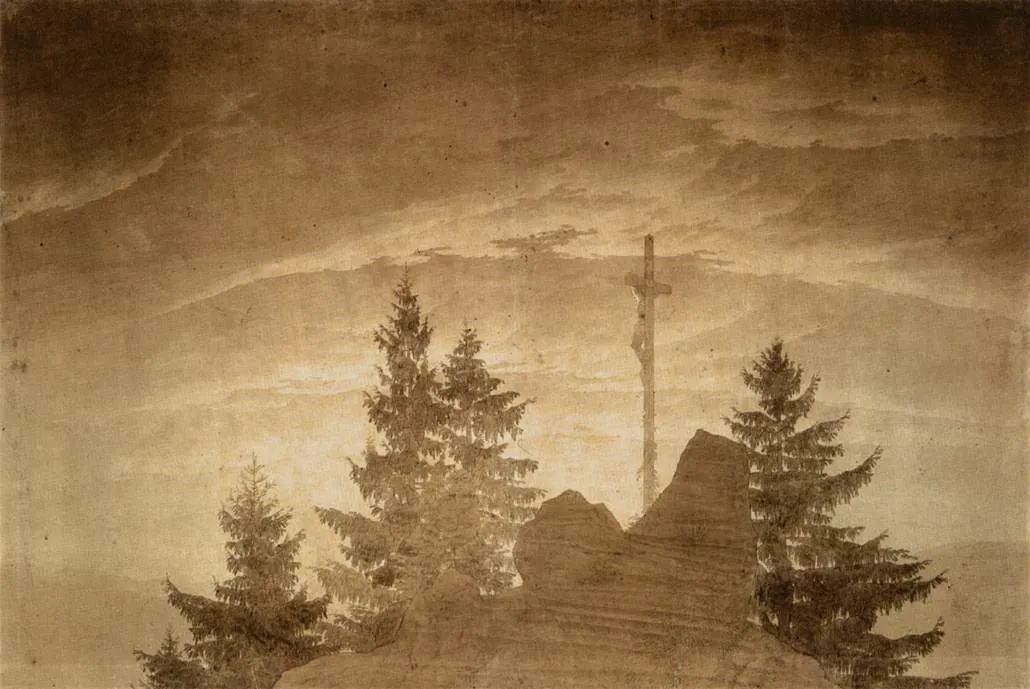
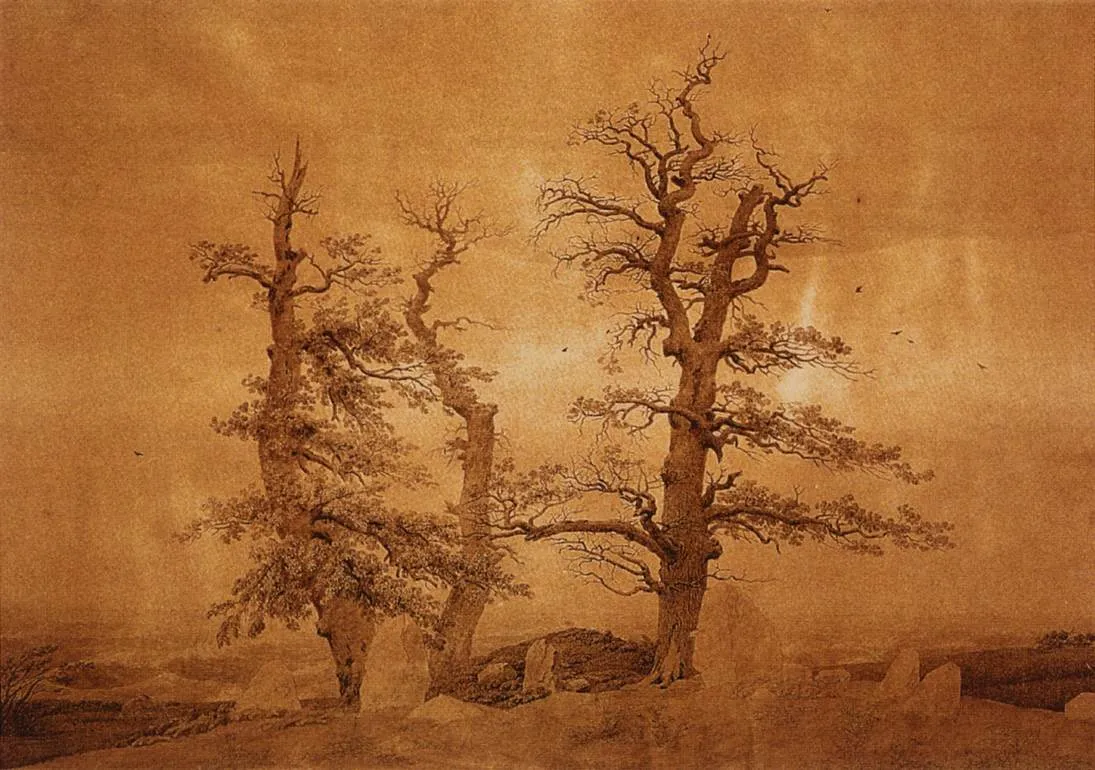
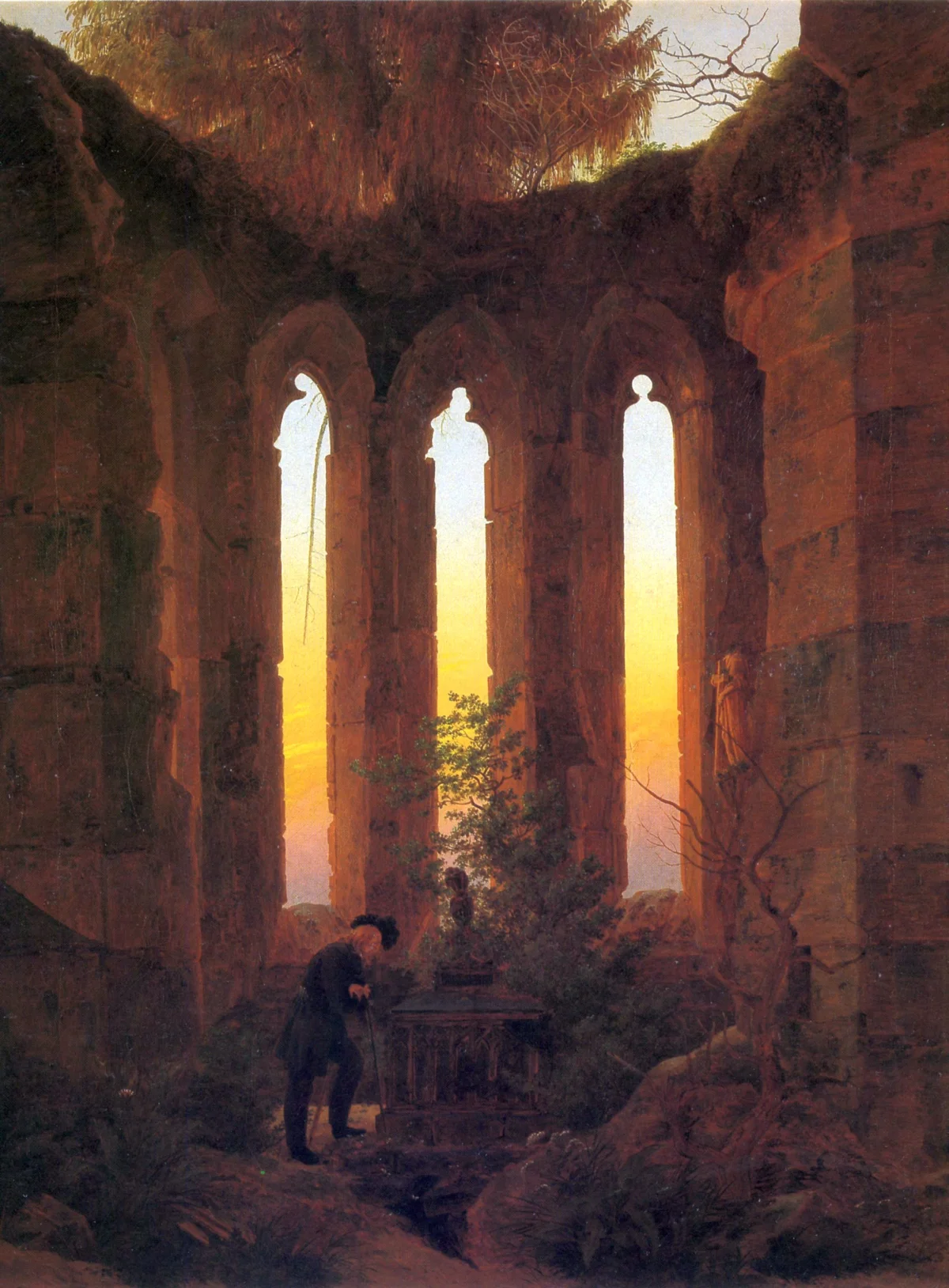
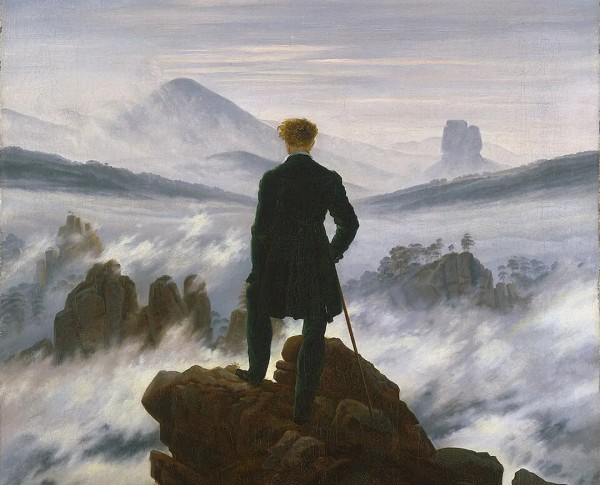
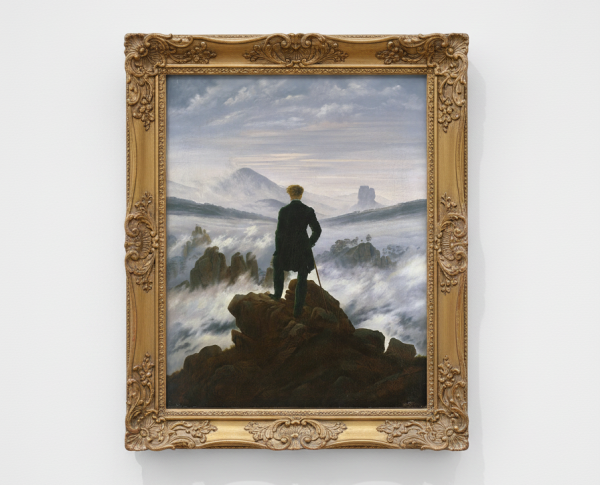
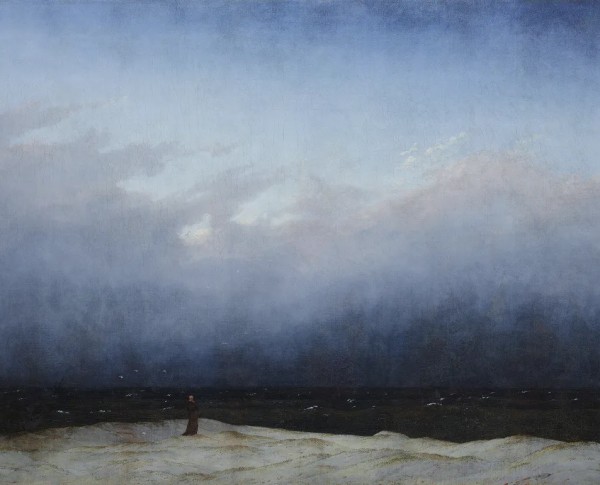
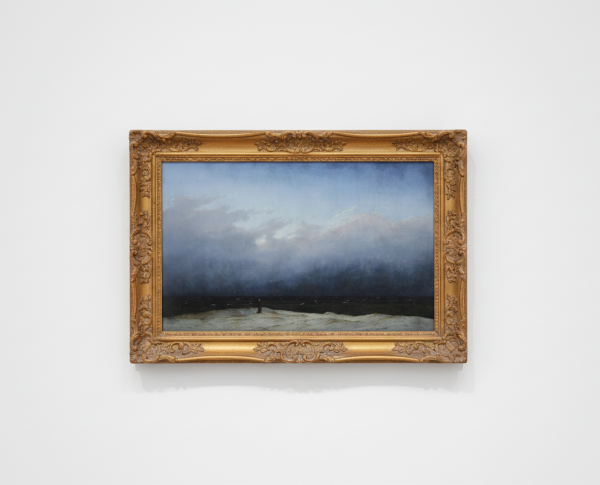
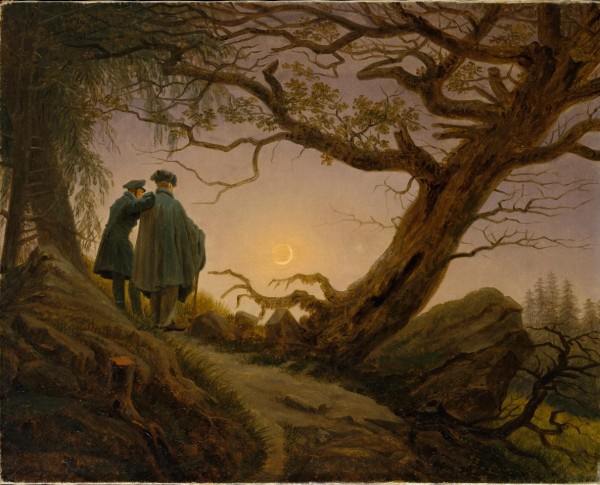
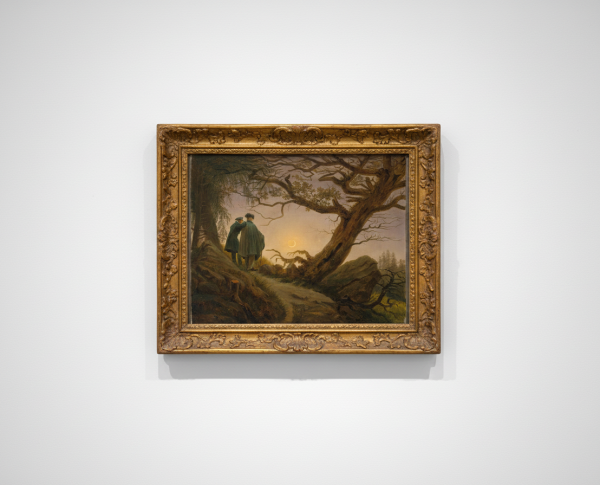
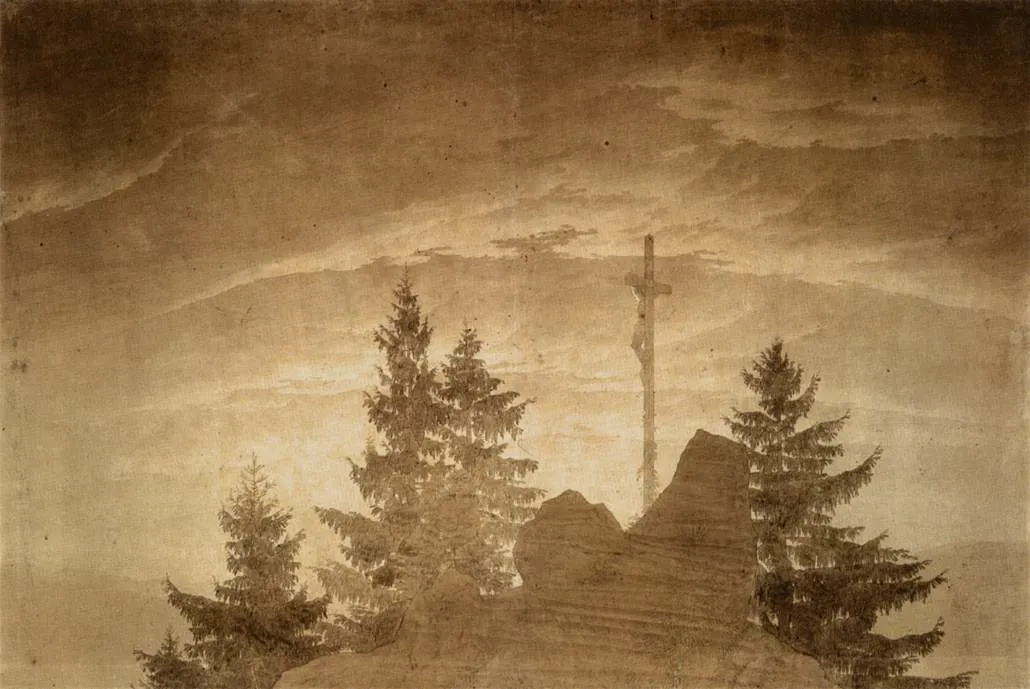
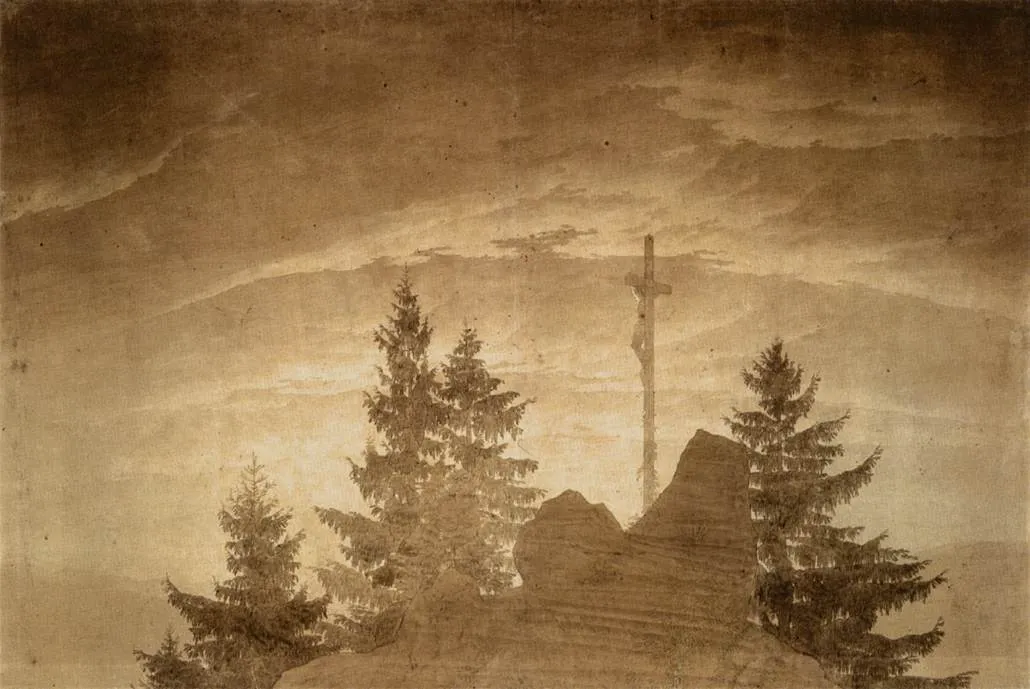
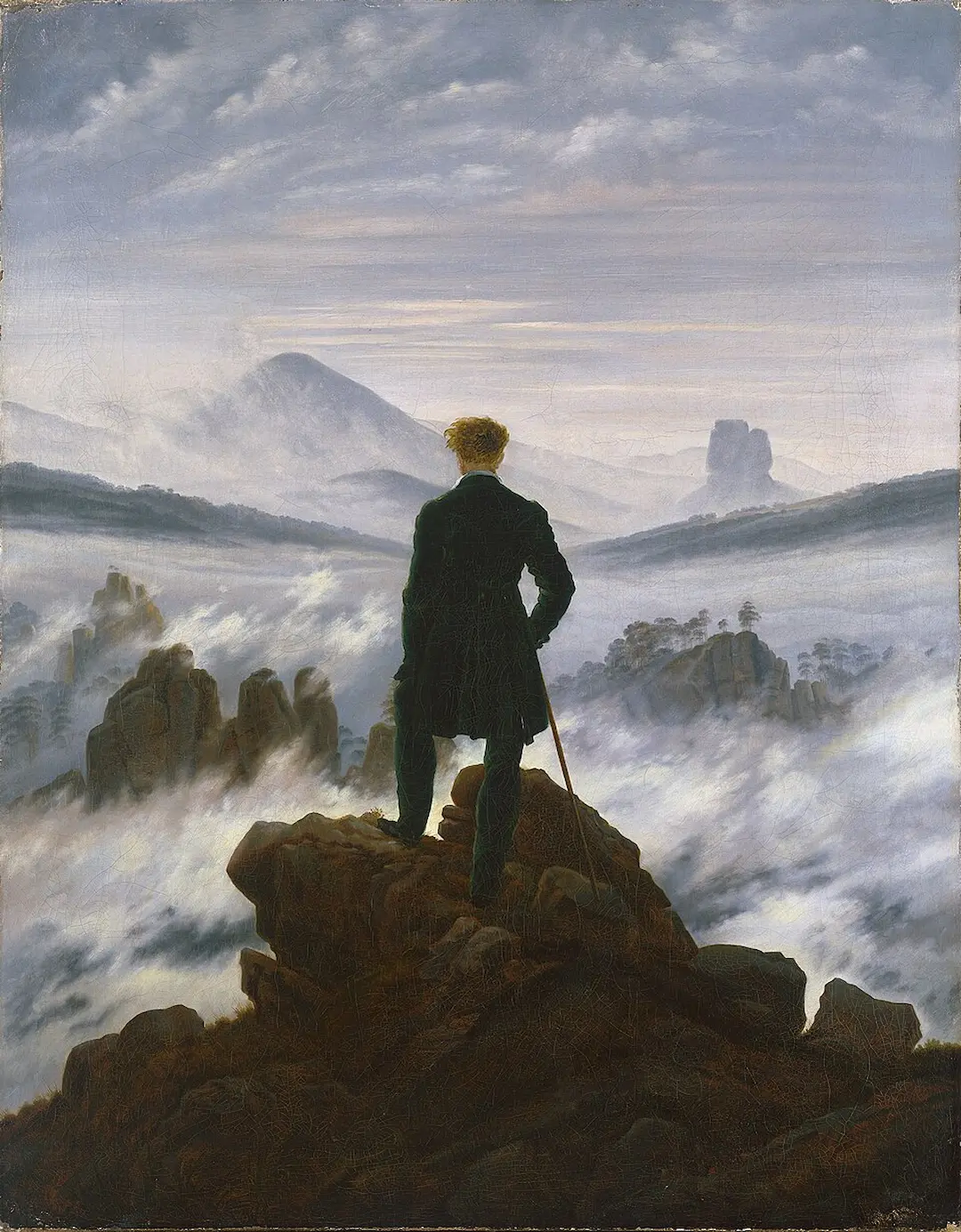
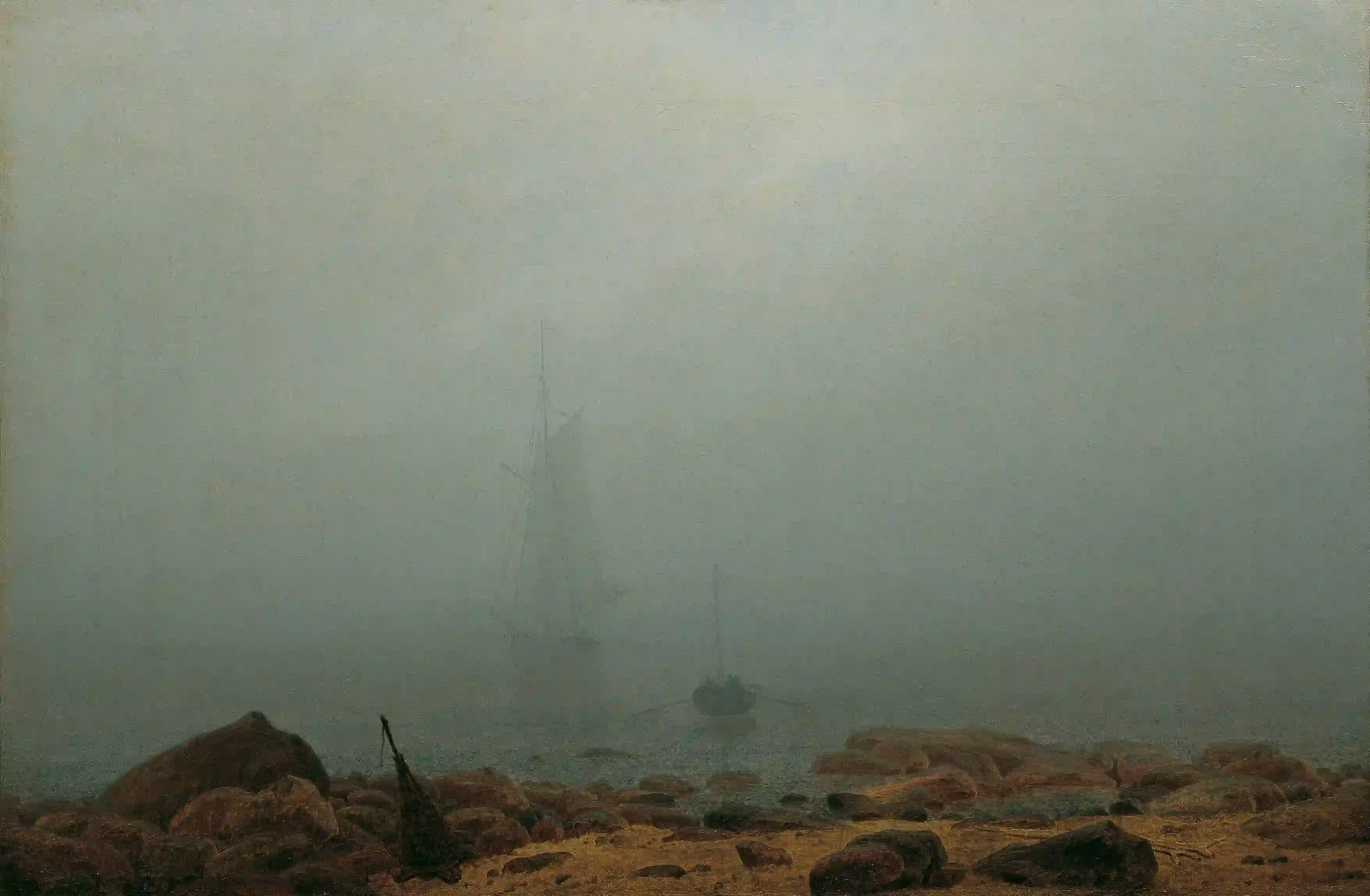
Caspar David Friedrich’s "Cross in the Mountains" demonstrates his exceptional technique with oil on canvas. Each brushstroke reveals the artist’s dedication to detail and his unique approach to capturing light and atmosphere. As with his other works like "Wolves in the Forest in Front of a Cave" and "Fog," this painting showcases the emotional depth characteristic of the Romanticism movement, making it a sought-after piece among those who appreciate the finest examples of oil on canvas artistry.
"Cross in the Mountains" is rich with symbolism, reflecting Caspar David Friedrich’s fascination with spiritual themes within the Romanticism movement. The serene landscape, combined with the solitary cross, invites reflection on the relationship between humanity and nature. As seen in related works like "By the townwall" and "Self-portrait as a young man," Friedrich’s paintings often encourage viewers to find personal meaning, making this fine art painting for sale a compelling addition to any thoughtful collection.
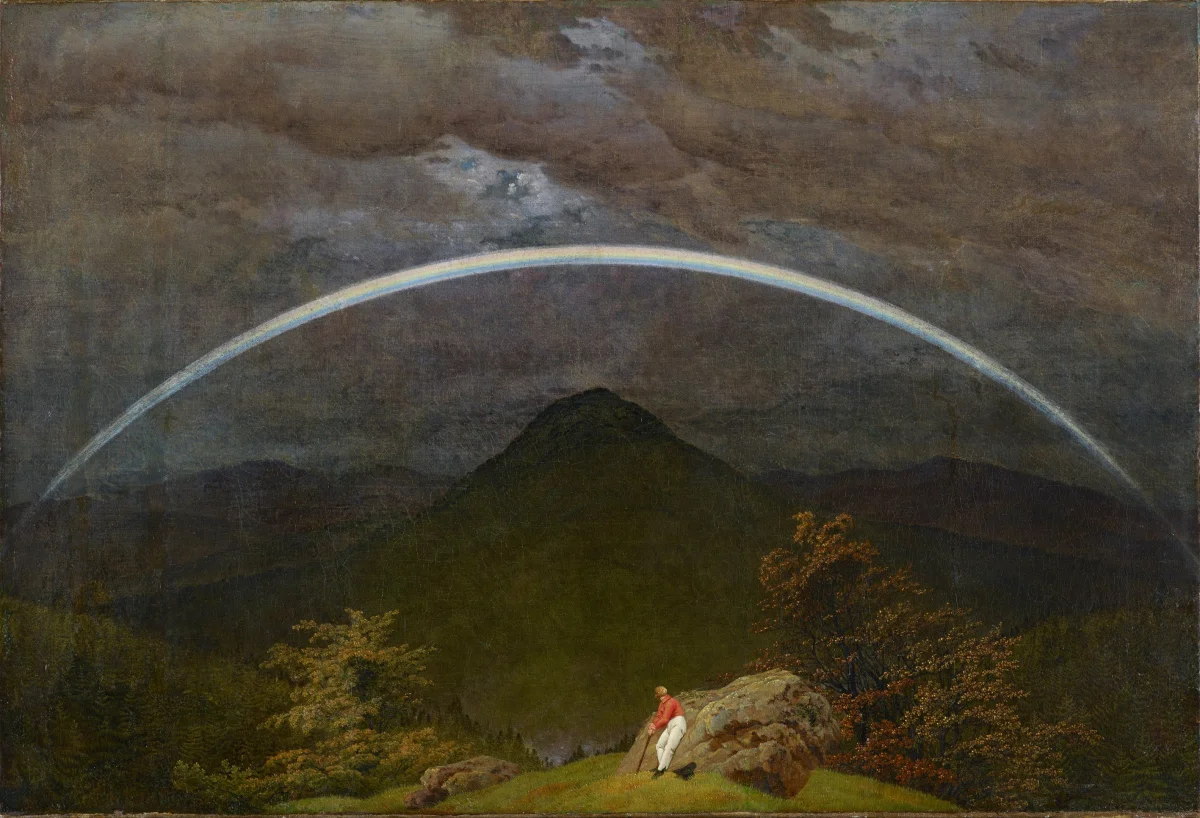
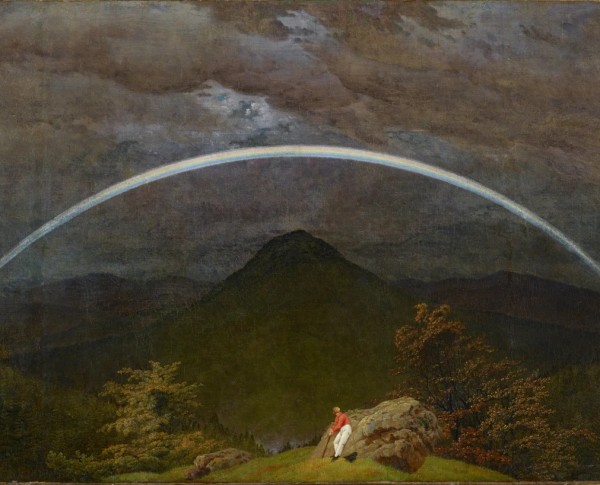
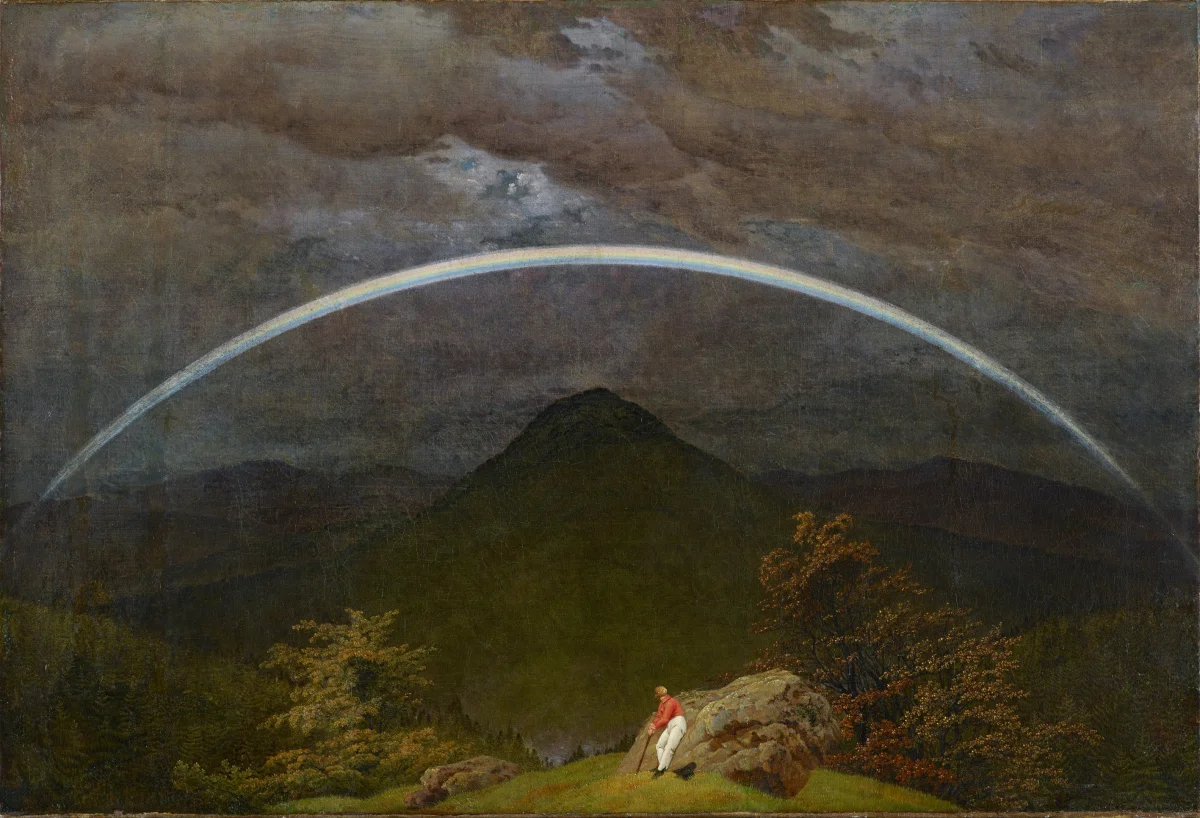
For collectors seeking a piece that embodies the essence of Romanticism, "Cross in the Mountains" by Caspar David Friedrich is a true treasure. This hand-painted oil painting stands alongside masterpieces such as "Landscape in the Riesengebirge" and "Mountain Landscape with Rainbow." Its enduring beauty and emotional resonance make it a prized possession, and with other fine art painting for sale from Friedrich’s portfolio, enthusiasts can enrich their collections with works of profound historic and artistic significance.
When Art Meets History
"Cross in the Mountains" by Caspar David Friedrich stands as a pivotal work in the Romanticism movement, merging spiritual symbolism with landscape mastery. Created during an era when art reflected personal and national identity, this hand-painted oil painting captures the essence of early 19th-century thought. Friedrich’s approach can be compared to other masterpieces like "Lightning Struck a Flock of Witches" and "Dido building Carthage," each echoing the era’s fascination with nature and the sublime.
Techniques That Speak
Caspar David Friedrich’s use of oil on canvas in "Cross in the Mountains" demonstrates his technical prowess and innovative spirit. Through delicate layering and atmospheric perspective, the artist creates a luminous, ethereal effect that draws viewers into the spiritual landscape. This technique, also seen in works such as "Self-Portrait in the Studio," elevates the painting’s emotional depth and highlights Friedrich’s influential role within Romanticism, setting his art apart from other fine art painting for sale from the period.
Emotions on Display
Embodying the emotional intensity of Romanticism, "Cross in the Mountains" evokes solitude, reverence, and awe. Caspar David Friedrich masterfully channels these feelings, inviting viewers to contemplate the relationship between humanity and the divine. This hand-painted oil painting shares a contemplative mood with works like "George Washington Baines By" and "Laocoon," both of which explore profound themes through evocative imagery and atmospheric settings unique to this transformative art movement.
Coveted by Collectors
As a cornerstone of Romanticism, "Cross in the Mountains" is highly sought after by collectors and art enthusiasts worldwide. The painting’s historical significance and exquisite execution make it a prime example of a fine art painting for sale. Caspar David Friedrich’s works, alongside related paintings such as "Dido building Carthage" and "Laocoon," continue to inspire admiration and command attention in galleries and private collections, reflecting their enduring cultural and artistic value.
Related Romanticism Hand-Painted Oil Paintings by Other Artists
Other Famous Romanticism Artists:
Frequently Asked Questions About Cross in the Mountains
What is the historical context of "Cross in the Mountains"?
"Cross in the Mountains" was painted by Caspar David Friedrich in 1807, a time when Romanticism was emerging as a significant artistic movement in Europe. This period emphasized emotion, nature, and individualism, contrasting with the rationalism of the Enlightenment.
What artistic techniques did Friedrich use in this painting?
Friedrich employed a technique known as chiaroscuro, which utilizes strong contrasts between light and dark to create a dramatic effect. The use of light in "Cross in the Mountains" highlights the cross and enhances the spiritual atmosphere of the scene.
What does the cross symbolize in this artwork?
The cross in "Cross in the Mountains" symbolizes faith, sacrifice, and the presence of the divine in nature. It serves as a reminder of spirituality amidst the vastness of the natural world, reflecting Friedrich's belief in the connection between nature and the divine.
How does the landscape contribute to the painting's meaning?
The dramatic mountains and expansive sky in the painting evoke a sense of awe and the sublime, representing the power of nature. This landscape serves as a backdrop that emphasizes the insignificance of humanity in the face of the divine, enhancing the painting's spiritual themes.
In what ways does "Cross in the Mountains" reflect Romantic ideals?
The painting embodies key Romantic ideals, such as the glorification of nature, the exploration of the human spirit, and the expression of deep emotion. Friedrich's focus on the individual experience of nature aligns with the Romantic belief in the importance of personal introspection and emotional depth.
What role does light play in "Cross in the Mountains"?
Light in "Cross in the Mountains" is used to draw attention to the cross, symbolizing hope and divine presence. The interplay of light and shadow creates a mystical atmosphere, inviting viewers to contemplate the spiritual significance of the scene.
How did Friedrich's personal beliefs influence this painting?
Friedrich was deeply influenced by his own spiritual beliefs and experiences. His Lutheran background and fascination with nature's beauty are evident in "Cross in the Mountains," where he merges personal faith with the grandeur of the natural landscape.
What is the significance of the solitary figure in the painting?
The solitary figure in "Cross in the Mountains" represents the individual soul in contemplation. This figure emphasizes the theme of introspection and the search for meaning within the vastness of nature, a common motif in Friedrich's work.
How does "Cross in the Mountains" compare to other works by Friedrich?
Similar to other works by Friedrich, "Cross in the Mountains" features themes of spirituality and the sublime. However, this painting uniquely combines the elements of faith and nature, showcasing Friedrich's ability to convey profound philosophical ideas through landscape art.
What impact did "Cross in the Mountains" have on later artists?
"Cross in the Mountains" has influenced numerous artists and movements, particularly those exploring themes of spirituality and nature. Its emotive power and innovative use of landscape have inspired subsequent generations of Romantic and Symbolist artists.























_GFM_Painting_(1).webp)


 100% Hand-Painted: Finished in 3-6 Weeks

.png)















_(1).webp)