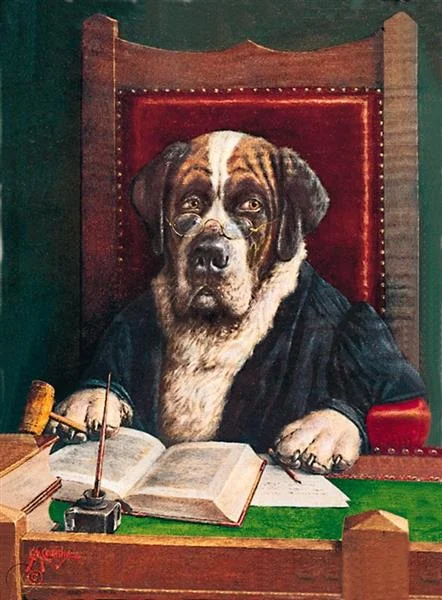
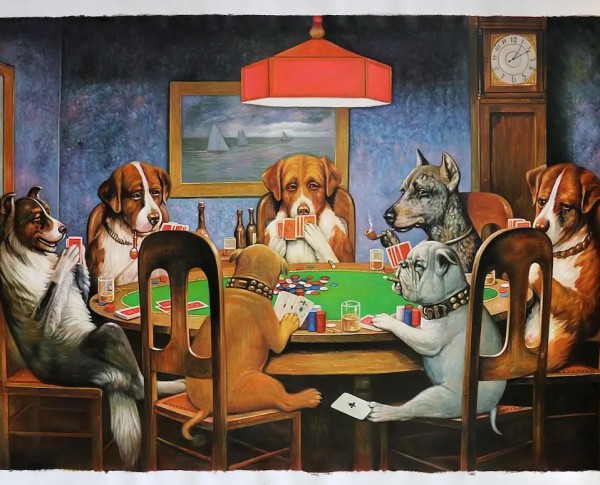
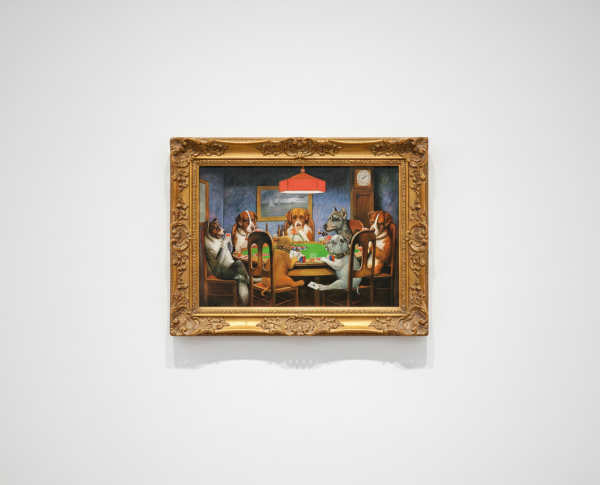
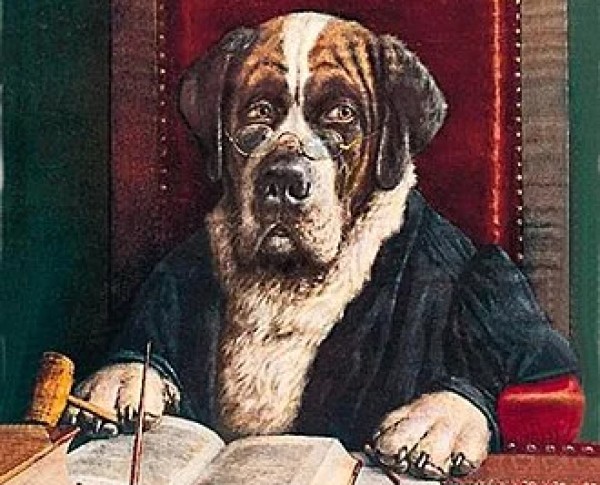
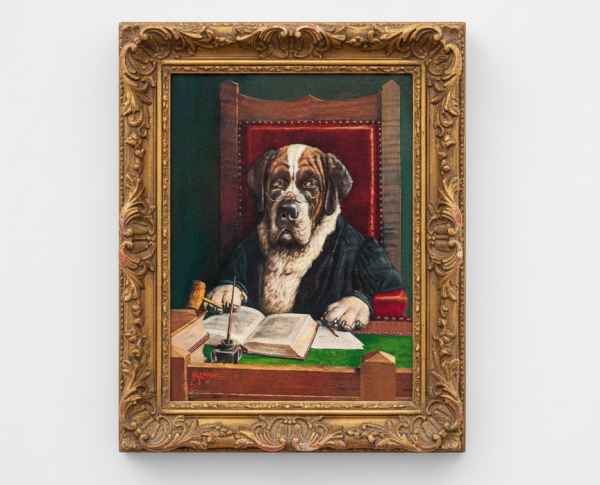
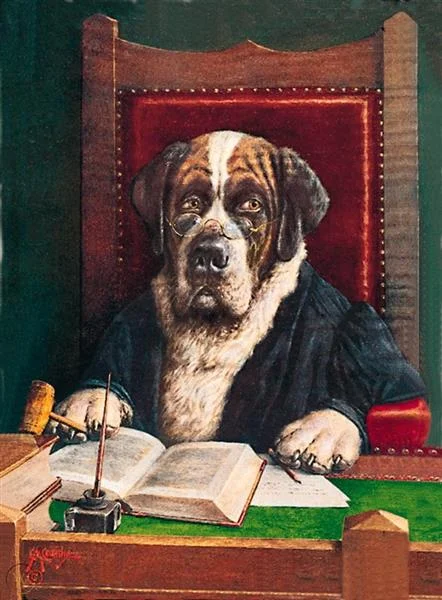
"Injured Innocence" showcases Coolidge’s refined technique in oil on canvas, a medium synonymous with durability and depth. His precise brushwork and attention to detail exemplify the hallmarks of American Realism, bringing the subject’s vulnerability to life. This piece, alongside works such as "Scene Vi - Evenings down Town Man at Bar" and "Scene II - Betrothed Woman on Man's Lap," highlights the artist’s enduring influence and technical mastery in the realm of oil on canvas artistry.
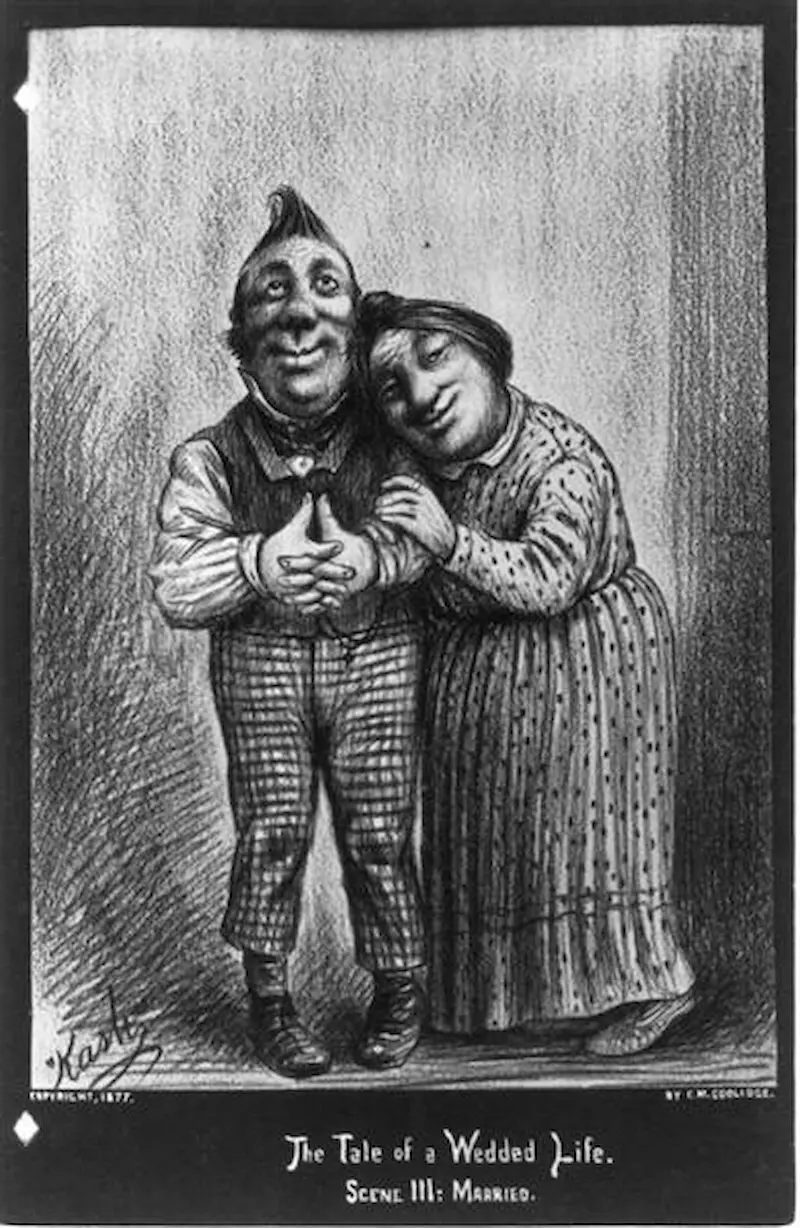
Coolidge’s "Injured Innocence" is more than a fine art painting for sale; it is a narrative woven with symbolism and emotion. The painting invites viewers to interpret themes of trust, loss, and hope—common motifs in American Realism. Collectors often pair this piece with others like "Scene V - Muscle Couple Fighting" or "The Tale of a Wedded Life" to create a gallery that tells compelling stories through Coolidge’s evocative imagery and symbolic depth.
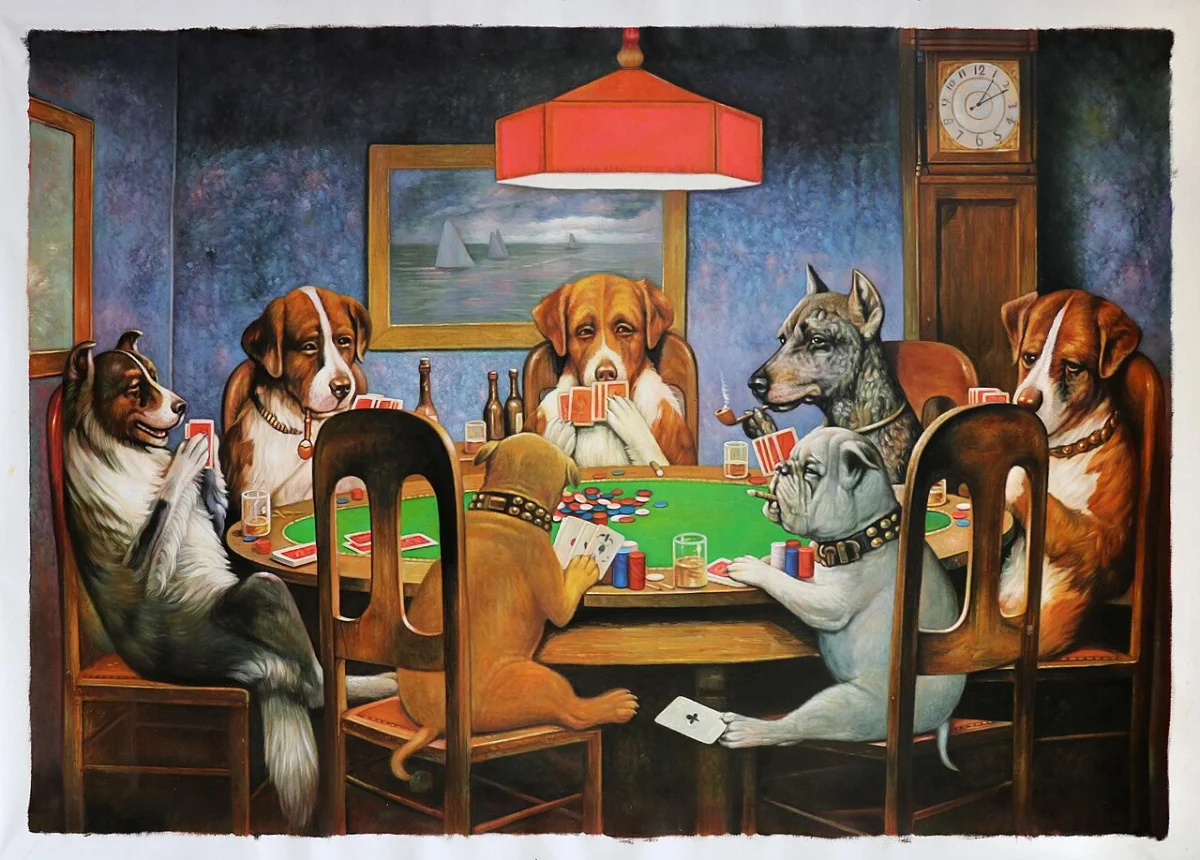
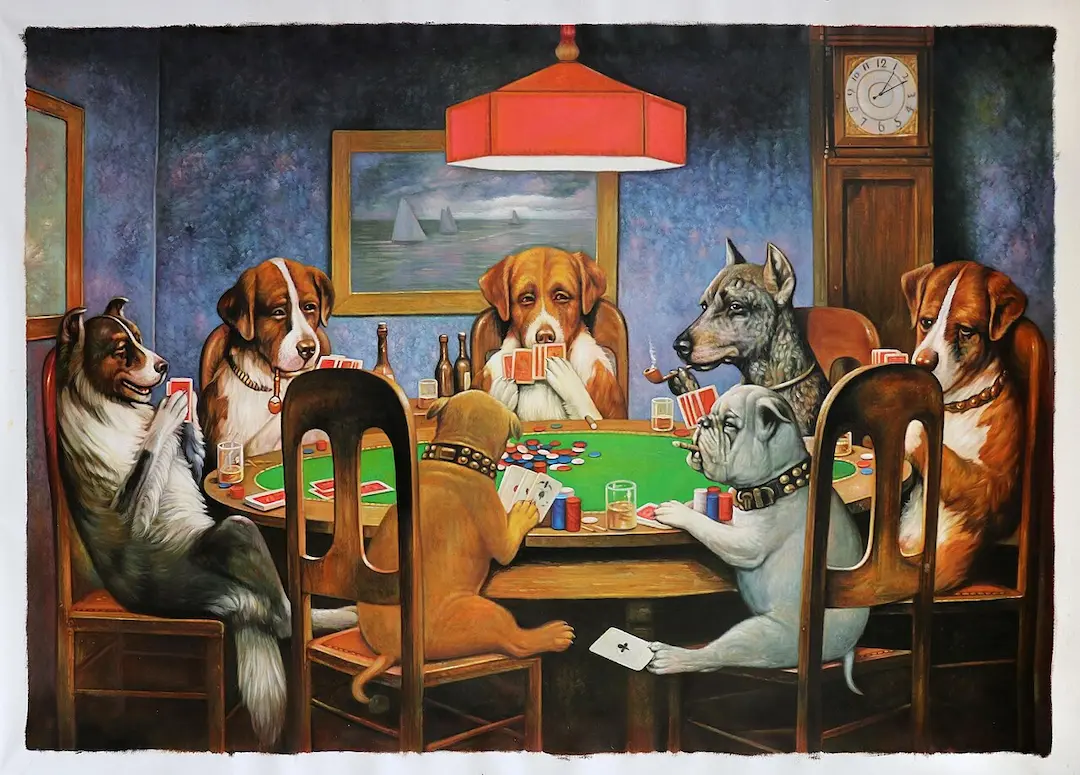
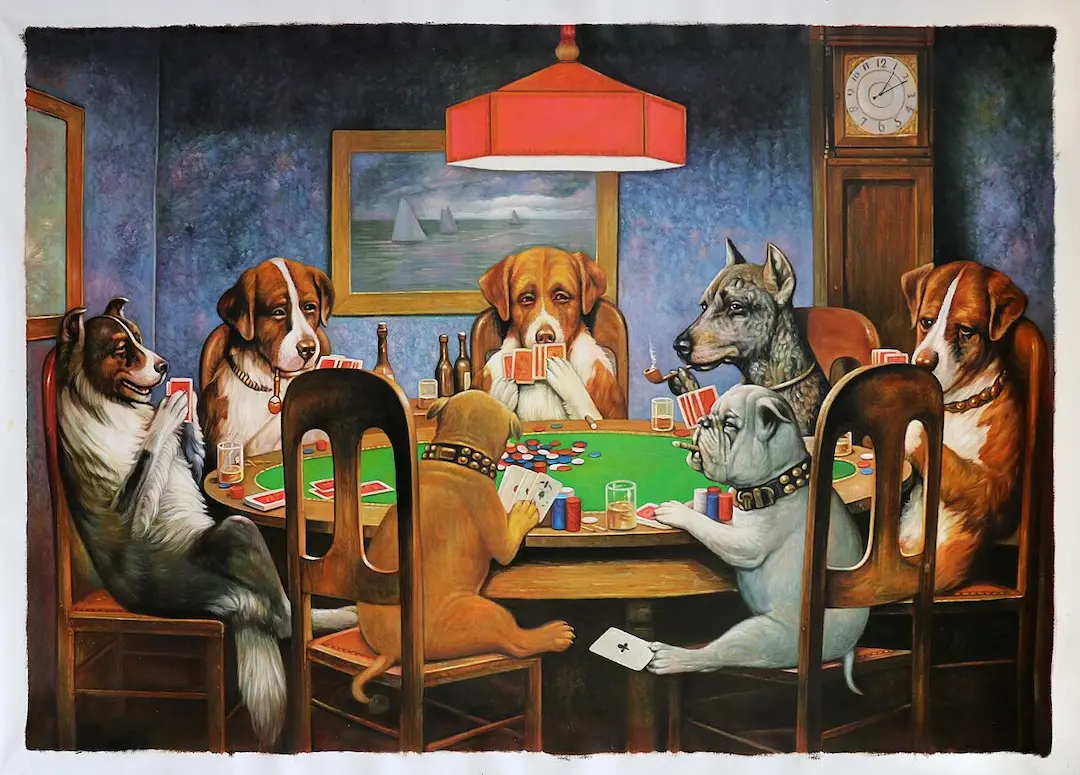
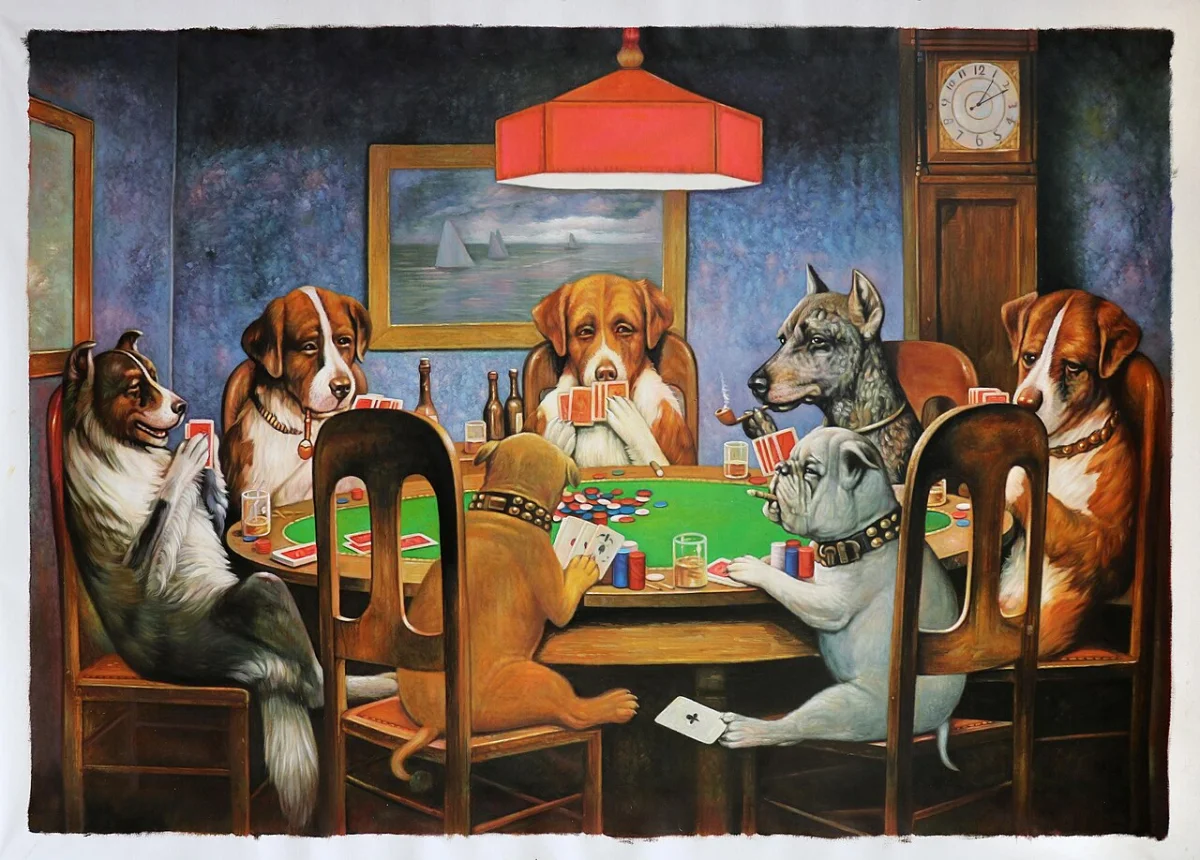
For art aficionados seeking a hand-painted oil painting by a master of American Realism, "Injured Innocence" by Cassius Marcellus Coolidge is a prized acquisition. Its rarity and emotional resonance make it a standout among fine art painting for sale. Many collectors complement this work with related pieces such as "Dogs Playing Poker" and "No Graft Here," curating a distinguished collection that reflects Coolidge’s artistic vision and the movement’s enduring appeal.
When Art Meets History
"Injured Innocence" by Cassius Marcellus Coolidge stands as a remarkable example of the American Realism movement. This hand-painted oil painting captures a pivotal moment in art history, merging genuine emotion with everyday subject matter. Like Coolidge’s other works such as "Ground Swell" and "Model in Towel," this painting reflects the values and challenges of its era. The artist’s dedication to realism ensures that viewers are transported to the very heart of the scene depicted.
Techniques That Speak
Coolidge’s mastery of oil on canvas is evident in every brushstroke of "Injured Innocence." His technique, characterized by meticulous attention to detail and lifelike textures, brings the subject to life. Drawing inspiration from related paintings like "Sitting on Box" and "Paris Street," Coolidge utilizes light and shadow to enhance the realism and narrative depth. The use of oil on canvas allows for rich, layered colors, making the painting a standout piece within American Realism.
Emotions on Display
"Injured Innocence" evokes a profound emotional response, showcasing Coolidge’s talent for conveying vulnerability and humanity. This fine art painting for sale resonates with viewers through its honest portrayal of innocence and pain, similar to works like "Steps in Paris" and "Study of a Standing Woman." By focusing on the subject’s expressive features, Coolidge invites us to empathize with their experience, reinforcing his status as a master of American Realism.
Coveted by Collectors
Collectors highly prize "Injured Innocence" for its authentic representation of American Realism and the signature style of Cassius Marcellus Coolidge. The hand-painted oil painting is frequently sought after, much like related masterpieces such as "Paris Street" and "Model in Towel." Its historical significance and artistry make it a fine art painting for sale that appeals to both seasoned collectors and new enthusiasts, ensuring its continued relevance in the art market.
Related American Realism Hand-Painted Oil Paintings by Other Artists
Other Famous American Realism Artists:
Frequently Asked Questions About Injured Innocence
What is the historical context of "Injured Innocence"?
"Injured Innocence" was created during the early 20th century, a period marked by significant social and political changes in America. The painting reflects the complexities of innocence and the impact of societal issues on youth during this time.
Who is Cassius Marcellus Coolidge?
Cassius Marcellus Coolidge was an American painter known for his humorous and whimsical depictions of dogs in human-like situations. He gained fame for his work in advertising and is often associated with the genre of American folk art.
What artistic techniques are employed in "Injured Innocence"?
The painting utilizes a combination of realism and caricature, showcasing Coolidge's ability to blend detailed representation with exaggerated features to convey emotion and narrative effectively.
What symbolism is present in "Injured Innocence"?
The painting symbolizes the loss of childhood innocence, often represented by the juxtaposition of playful elements with underlying themes of vulnerability and societal pressures faced by children.
How does "Injured Innocence" reflect the values of its time?
The artwork reflects the early 20th-century American values of family and community, as well as the emerging concerns about the welfare of children amidst industrialization and urbanization.
What emotions does "Injured Innocence" evoke?
The painting evokes a sense of nostalgia and empathy, prompting viewers to reflect on the fragility of innocence and the harsh realities that can disrupt a child's carefree existence.
In what ways does "Injured Innocence" differ from Coolidge's other works?
Unlike many of Coolidge's more humorous dog-themed paintings, "Injured Innocence" carries a more serious tone and a poignant message, showcasing his versatility as an artist beyond lighthearted subjects.
What is the significance of the title "Injured Innocence"?
The title signifies the theme of lost innocence, suggesting that the purity of childhood can be marred by external influences, a concept that resonates deeply in both personal and societal contexts.
How has "Injured Innocence" been received by critics and the public?
The painting has been praised for its emotional depth and artistic merit, often sparking discussions about childhood and societal responsibilities, making it a significant piece in Coolidge's oeuvre.
What influences can be seen in "Injured Innocence"?
The painting shows influences from both the American folk art tradition and the broader narrative art movements of the time, blending storytelling with visual representation to engage the viewer's imagination.























_GFM_Painting_(1).webp)


 100% Hand-Painted: Finished in 3-6 Weeks

.png)















_(1).webp)