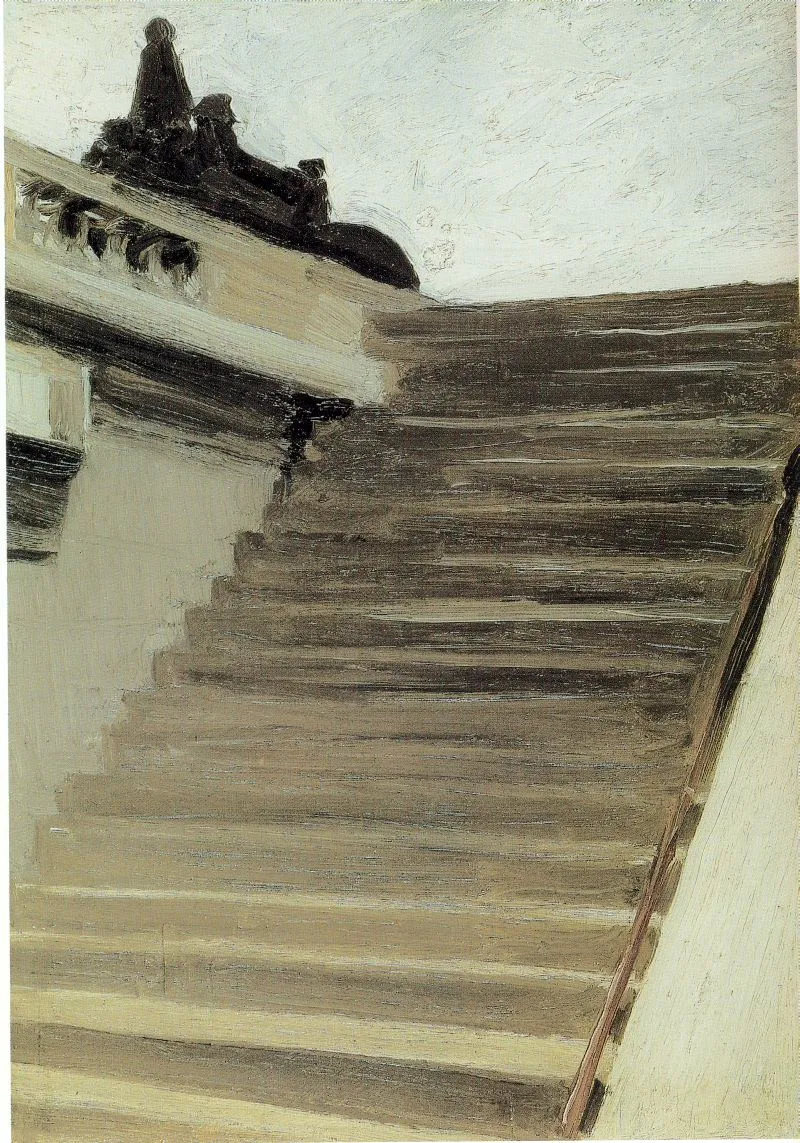
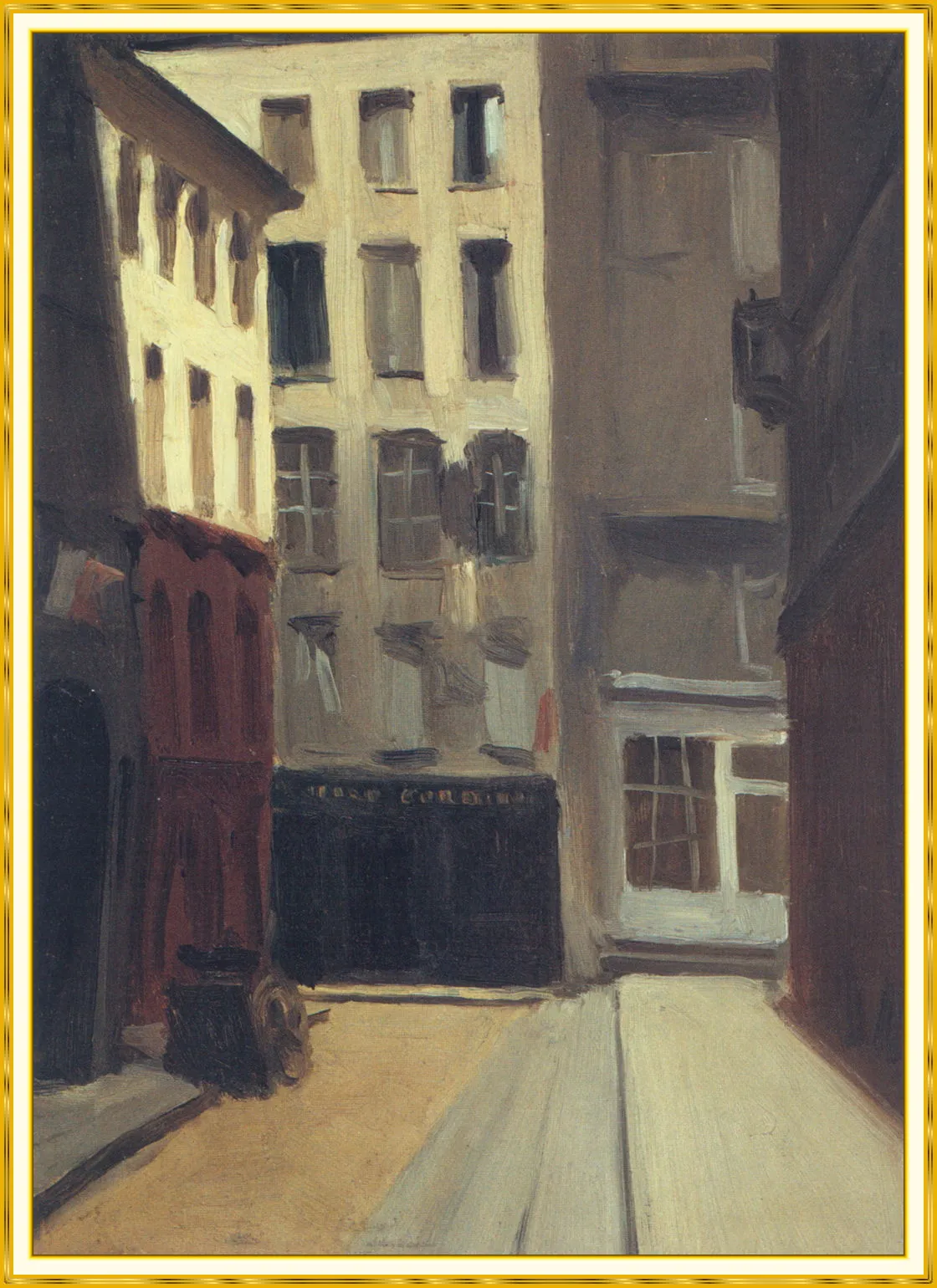
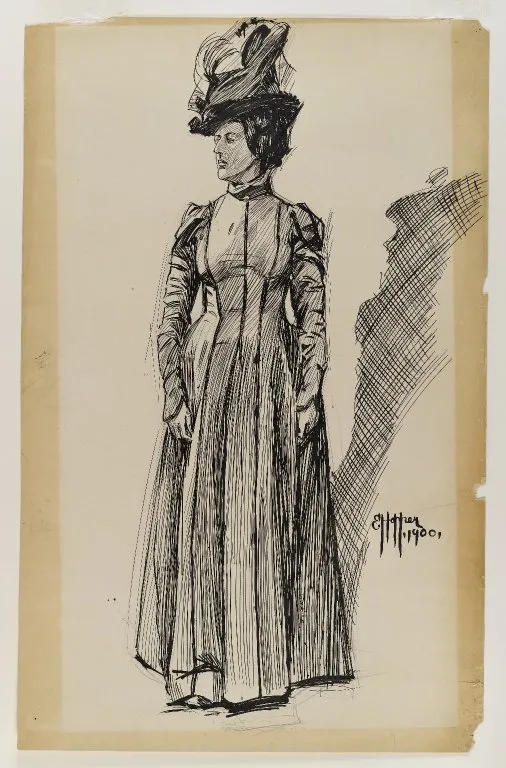
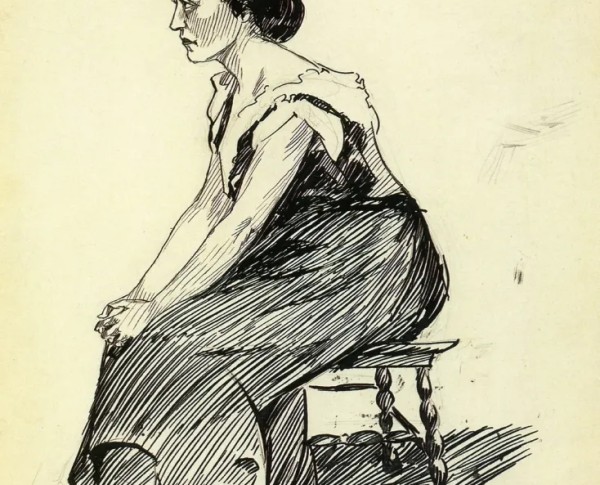
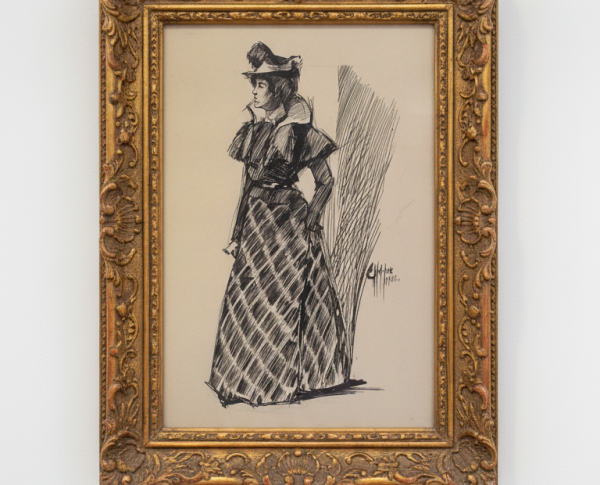
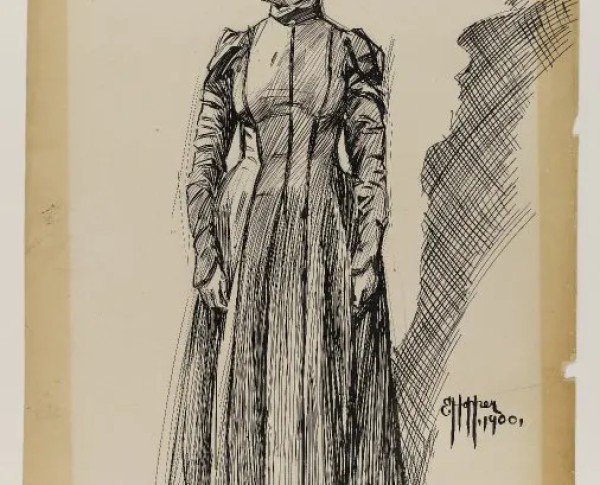
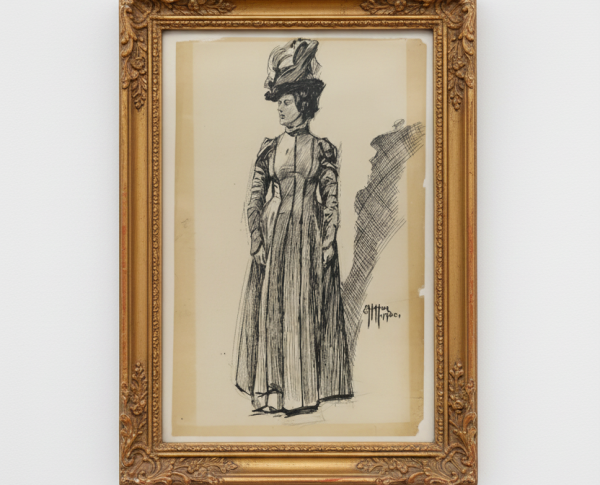
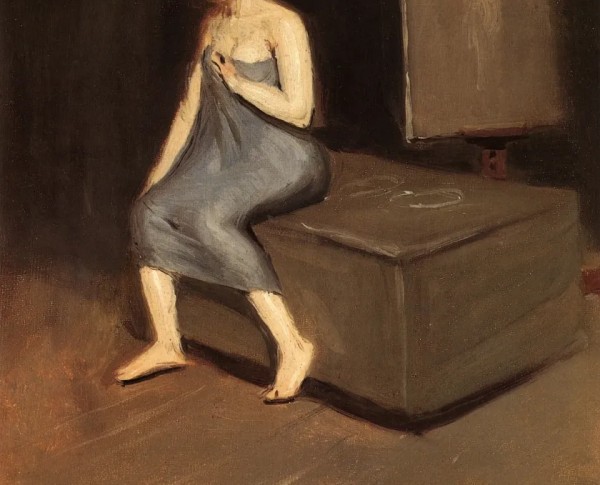
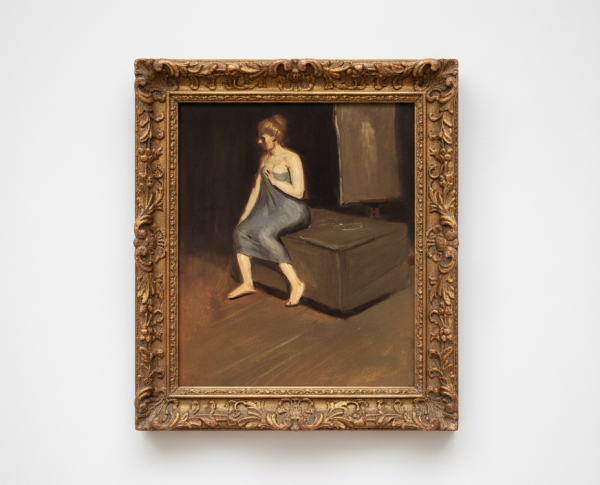
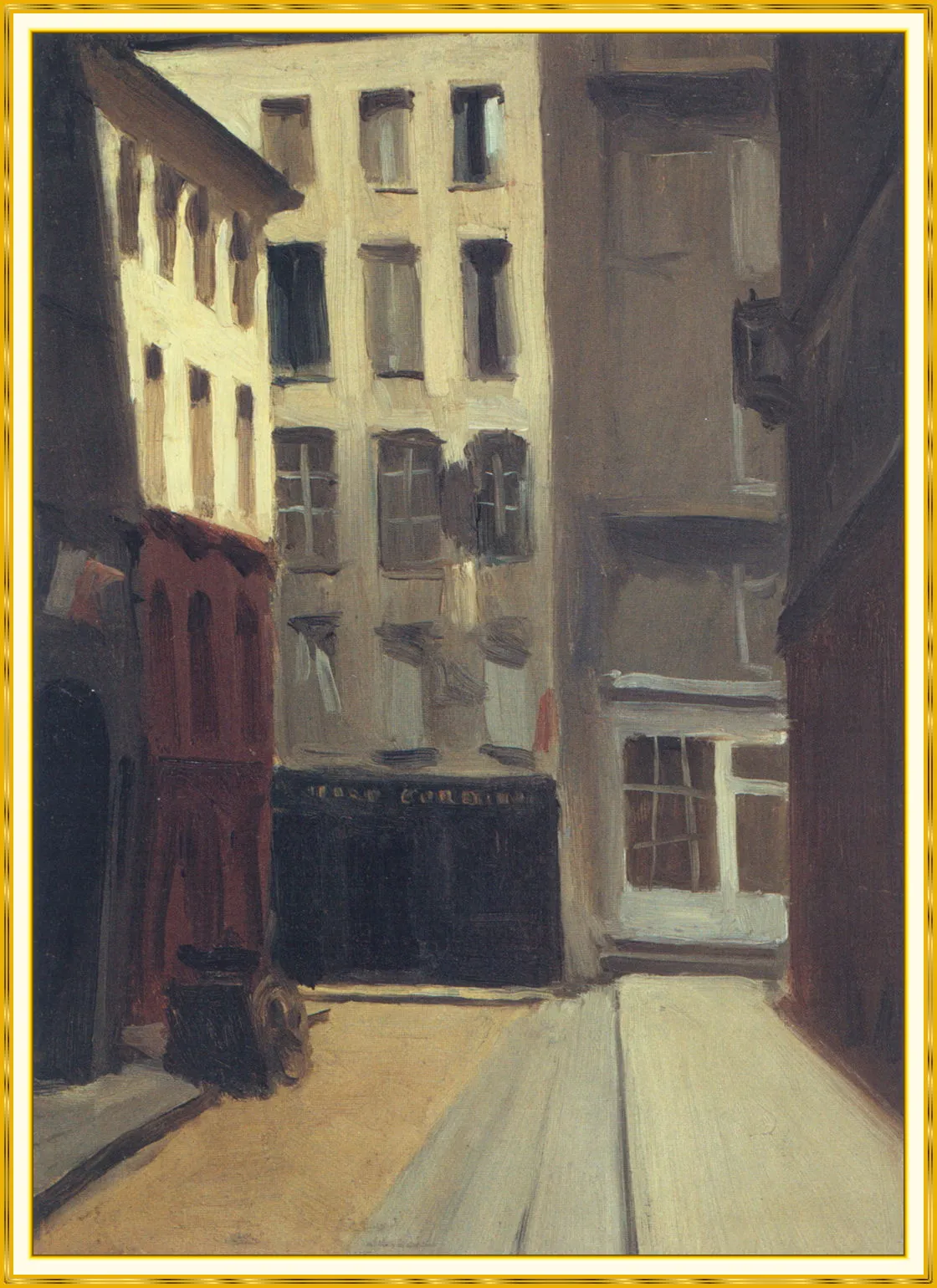
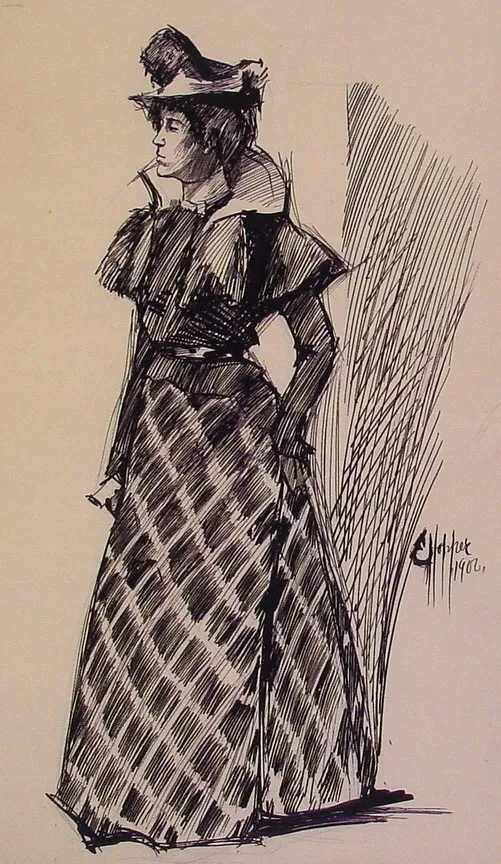
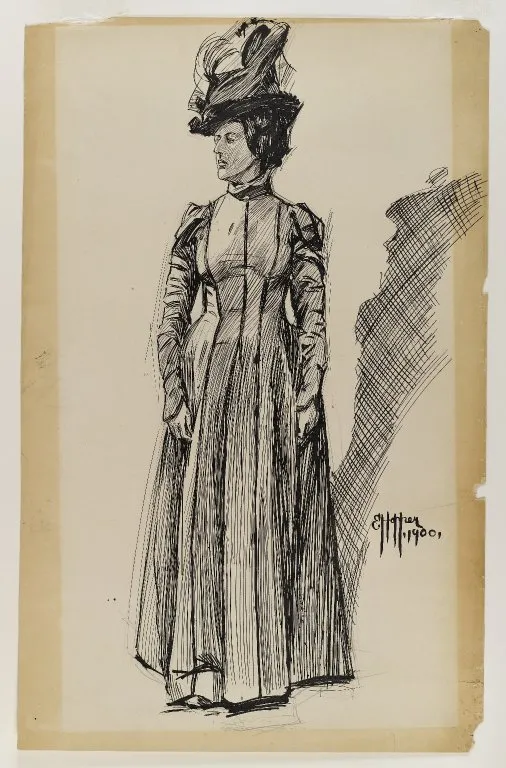
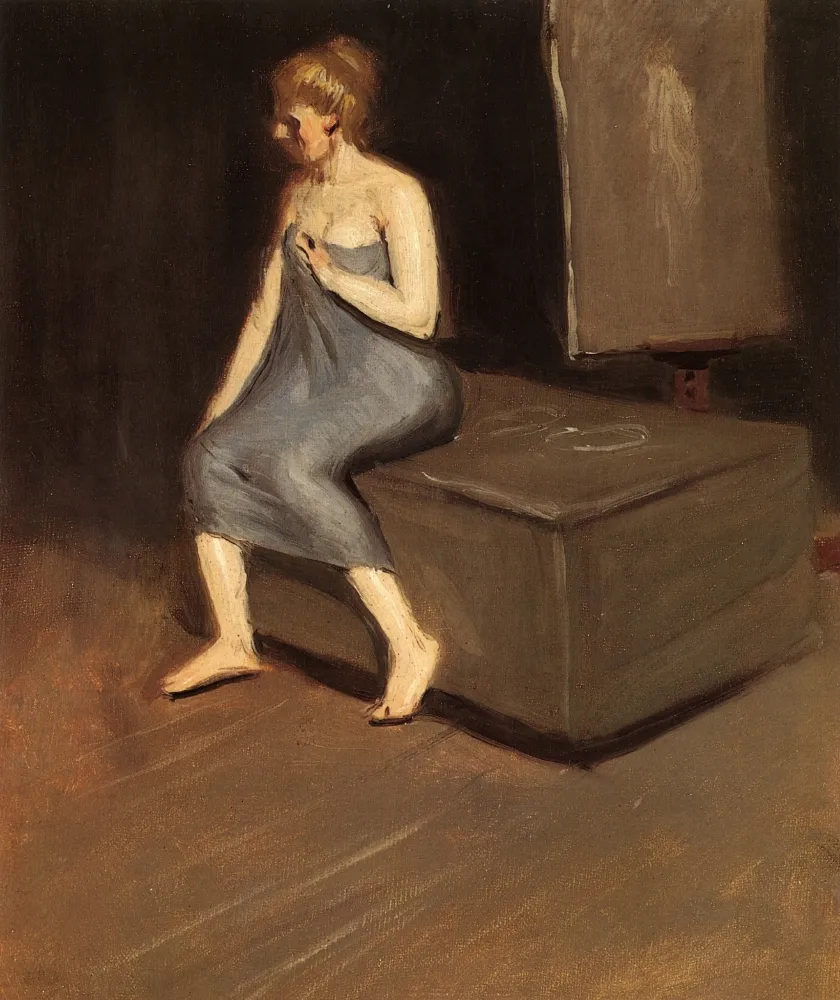
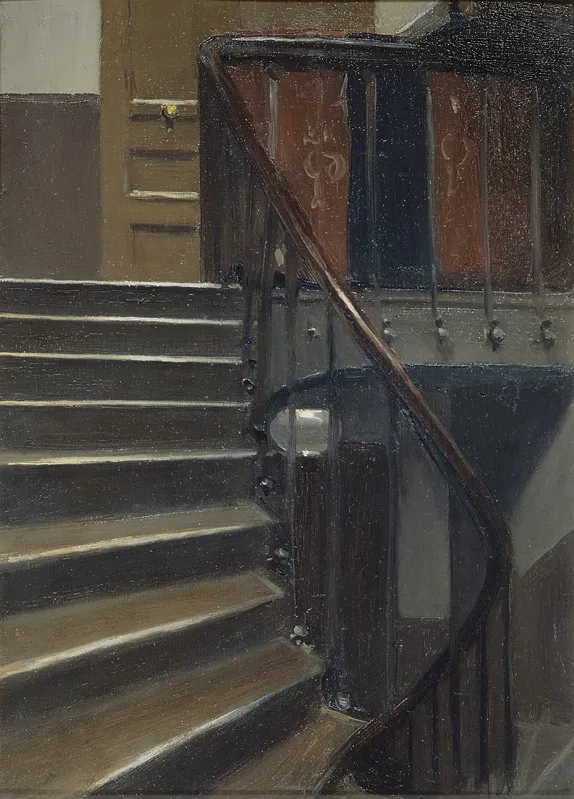
Edward Hopper’s mastery is evident in every detail of "Paris Street." The artist’s precise technique with oil on canvas brings to life the urban landscape, showcasing his deep understanding of light and shadow. This painting embodies the essence of American Realism, highlighting Hopper’s skill at depicting everyday scenes. Collectors of his work often seek out related pieces like "Sitting on Box" and "Standing Female Figure" to complement their collections.
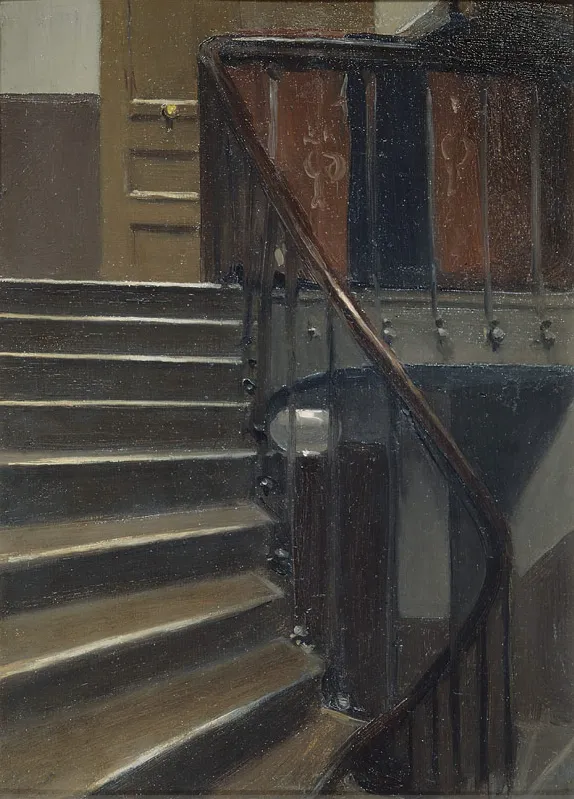
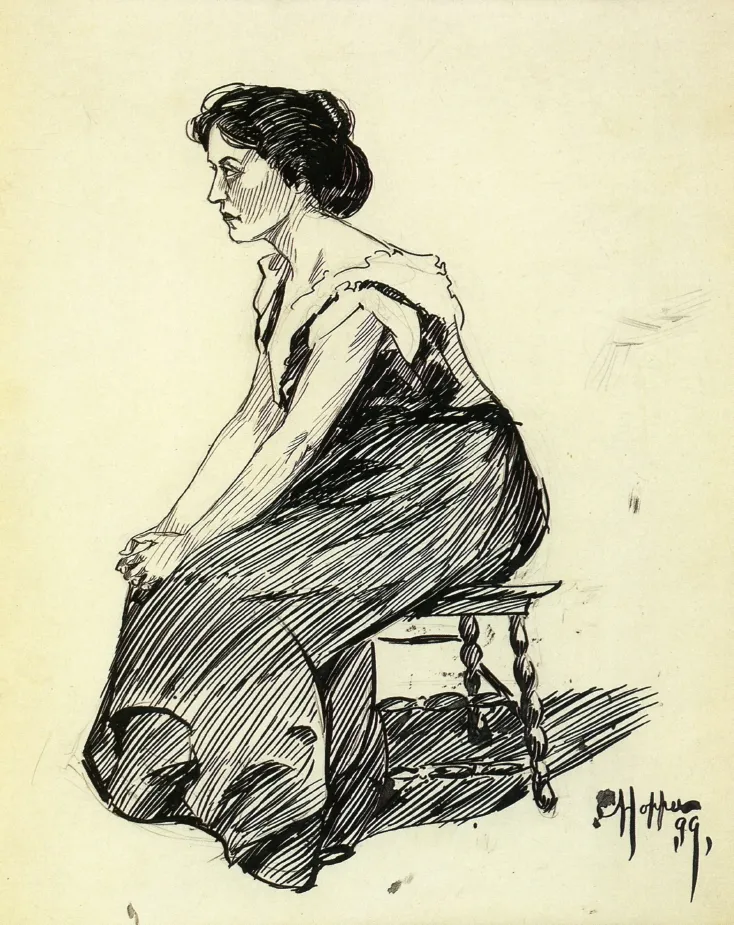
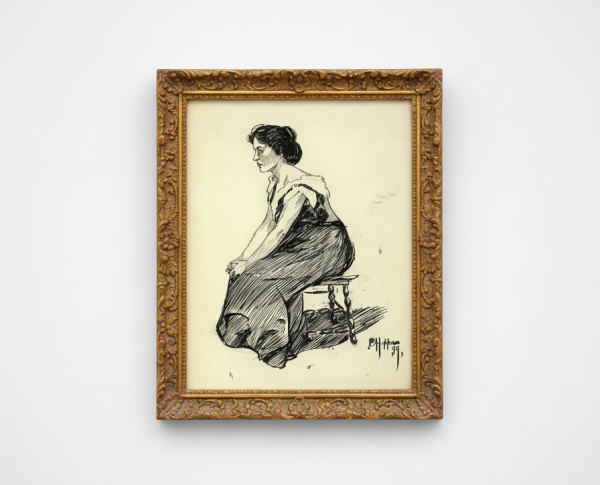
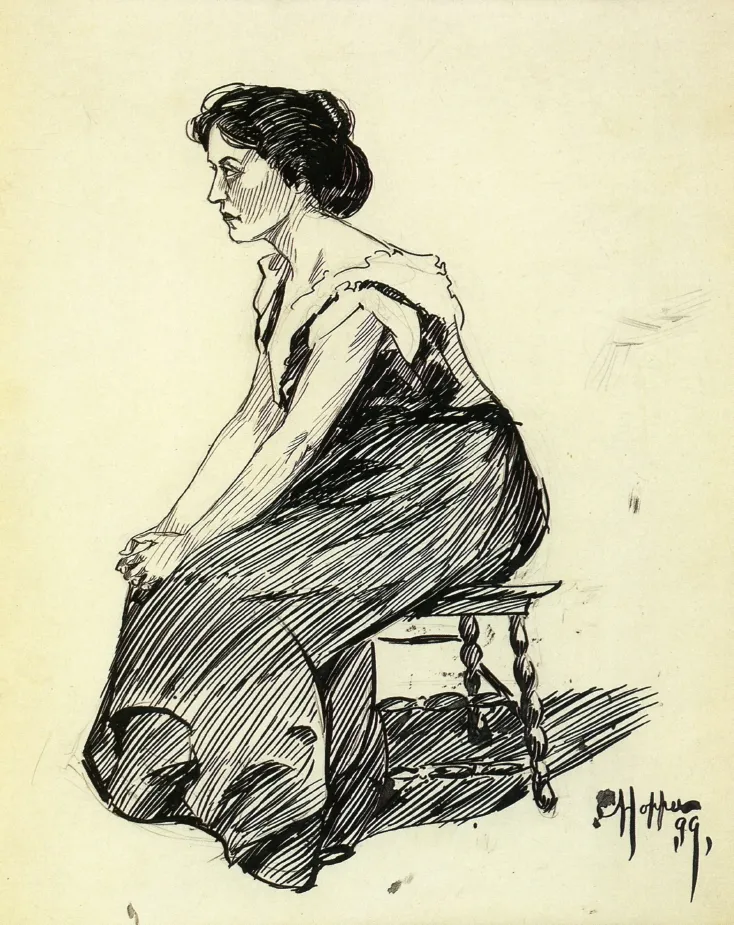
Within "Paris Street," Edward Hopper weaves subtle stories and symbols that define his approach to American Realism. The hand-painted oil painting invites viewers to interpret the interactions and emotions of its subjects, making each viewing experience unique. Fans of Hopper’s narrative style may also enjoy related products such as "Steps in Paris" and "Study of a Seated Woman," both of which offer similar depth and intrigue.
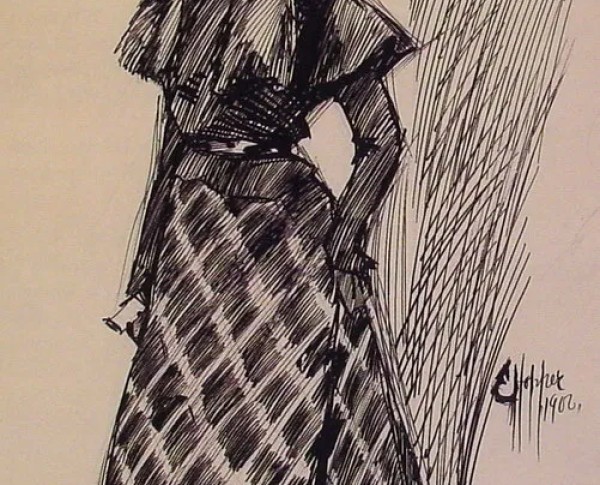
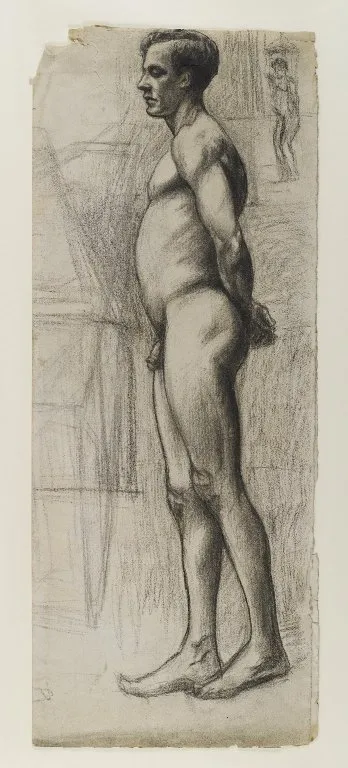
For those seeking a fine art painting for sale, "Paris Street" by Edward Hopper is a true collector’s gem. This oil on canvas masterpiece not only represents the American Realism movement but also adds timeless elegance to any art collection. Art enthusiasts might also consider related works like "Male Nude" and "Study of a Standing Woman" to further enrich their appreciation of Hopper’s enduring artistry.
When Art Meets History
Edward Hopper’s "Paris Street" stands as a remarkable example of American Realism, capturing the spirit of early twentieth-century urban life. This hand-painted oil painting offers a window into Parisian streets, echoing the authenticity seen in Hopper’s contemporaries. Comparable to works like "A Bachelor’s Dog" and "A Waterloo," Hopper’s attention to historic detail places "Paris Street" among the era’s most memorable masterpieces, making it a coveted piece for collectors and enthusiasts of fine art painting for sale.
Techniques That Speak
Edward Hopper’s mastery is evident in "Paris Street," where his oil on canvas technique brings everyday city scenes to life. The brushwork and subtle use of light mirror the style found in other American Realism works such as "A Friend in Need" and "Dogs Playing Poker." Hopper’s attention to architectural details and atmospheric perspective enhances the painting’s realism, making "Paris Street" a must-see for anyone interested in the technical prowess of oil on canvas artistry.
Emotions on Display
"Paris Street" by Edward Hopper evokes a quiet introspection, characteristic of the American Realism movement. The hand-painted oil painting creates a sense of solitude and contemplation, much like the emotional depth found in "Dream of the Fisherman’s Wife." Hopper’s portrayal of urban isolation resonates with viewers, making this fine art painting for sale not just a visual experience, but an emotional journey into the heart of city life and human connection.
Coveted by Collectors
Collectors worldwide seek out Edward Hopper’s "Paris Street" for its unique position within American Realism. As a hand-painted oil painting, it holds immense value alongside iconic works like "Dogs Playing Poker." Its authenticity, historical relevance, and technique make it a centerpiece for any art collection. If you are searching for a fine art painting for sale that embodies both artistic mastery and cultural significance, "Paris Street" is an exceptional choice.
Related American Realism Hand-Painted Oil Paintings by Other Artists
Other Famous American Realism Artists:
Frequently Asked Questions About Paris Street
What is the historical context of Edward Hopper's "Paris Street"?
"Paris Street" was painted in 1927, during a time when Hopper was deeply influenced by the urban landscapes of modern cities. This period marked a significant evolution in American art, reflecting the complexities of urban life and the isolation often felt within it.
What artistic techniques did Edward Hopper employ in "Paris Street"?
Hopper utilized a combination of light and shadow to create a sense of depth and atmosphere. His use of bold colors and geometric forms contributes to the painting's dynamic composition, while the careful placement of figures enhances the narrative quality of the scene.
What themes are explored in "Paris Street"?
The painting explores themes of solitude and alienation in urban life. The figures depicted appear disconnected from one another, suggesting a commentary on the emotional distance often experienced in bustling city environments.
How does "Paris Street" reflect Hopper's artistic style?
"Paris Street" exemplifies Hopper's signature style, characterized by a focus on light, architecture, and the human condition. His ability to capture the interplay between solitude and the urban experience is a hallmark of his work.
What is the significance of the setting in "Paris Street"?
The setting of Paris serves as a backdrop that enhances the painting's exploration of modernity. The architectural elements and street layout reflect the influence of European culture on Hopper, while also highlighting the universal themes of isolation and introspection.
What role do the figures play in "Paris Street"?
The figures in "Paris Street" serve as focal points that embody the themes of loneliness and disconnection. Their positioning within the urban landscape invites viewers to reflect on their own experiences of isolation in crowded spaces.
How does light function in "Paris Street"?
Light in "Paris Street" is used not only to illuminate the scene but also to evoke mood and emotion. Hopper's manipulation of natural light creates dramatic contrasts that enhance the painting's sense of depth and psychological complexity.
What influences can be seen in "Paris Street"?
Hopper was influenced by both European modernism and American realism. The painting reflects elements of Impressionism in its treatment of light, while also incorporating the narrative depth characteristic of American realist traditions.
What is the overall message of "Paris Street"?
The overall message of "Paris Street" can be interpreted as a commentary on the paradox of urban life—where one can feel profoundly alone amidst a crowd. Hopper invites viewers to contemplate their own feelings of connection and isolation in the modern world.
How has "Paris Street" been received by critics and art historians?
"Paris Street" has been widely praised for its emotional depth and technical mastery. Critics have noted its ability to resonate with viewers on a personal level, making it a significant work in Hopper's oeuvre and a vital piece in the study of 20th-century American art.






















_GFM_Painting_(1).webp)


 100% Hand-Painted: Finished in 3-6 Weeks

.png)















_(1).webp)