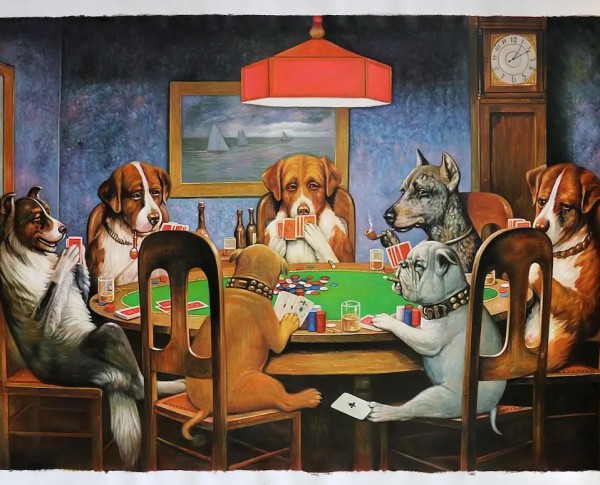
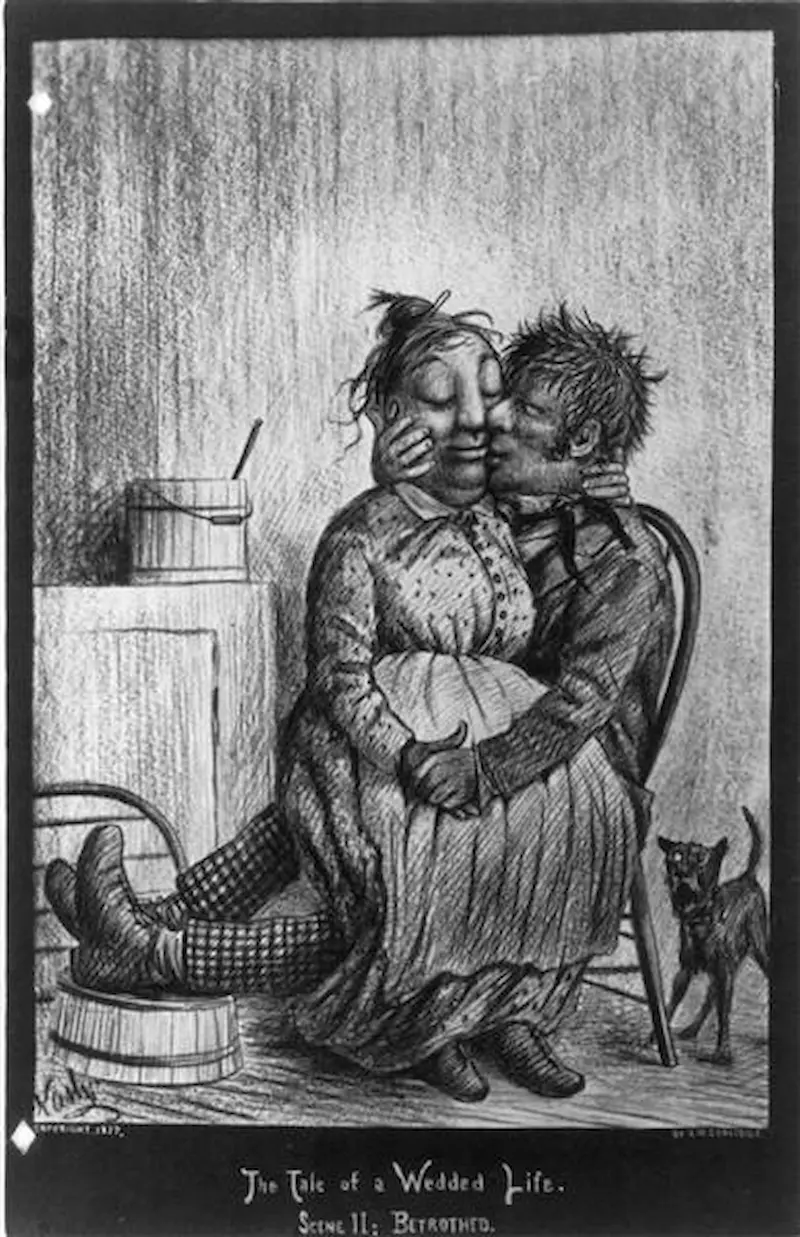
Coolidge’s technique in "Scene II - Betrothed Woman on Man's Lap" showcases his exceptional skill with oil on canvas. Each brushstroke reveals the artist’s attention to detail and emotional depth, hallmarks of the American Realism movement. The painting’s composition and color palette bring the figures to life, echoing the mastery seen in works like "Scene VI - Evenings Down Town Man at Bar." Owning such oil on canvas pieces offers a glimpse into Coolidge’s creative genius.
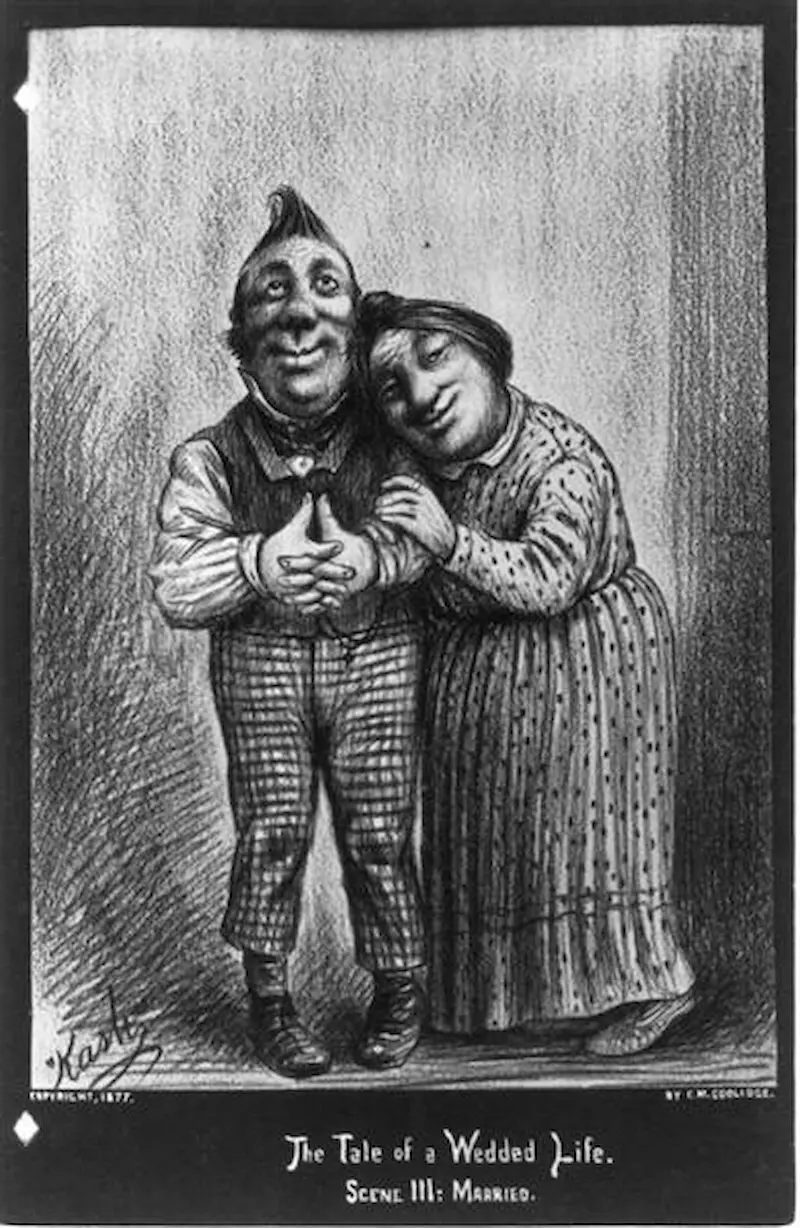
Every fine art painting for sale by Cassius Marcellus Coolidge, including "Scene II - Betrothed Woman on Man's Lap," tells a unique story. The painting symbolizes love and companionship, rendered with the realism that defines Coolidge’s approach. Collectors often pair it with works like "Scene III - Married Couple Standing" for a richer narrative. American Realism thrives in these subtle, meaningful depictions, ensuring each fine art painting for sale resonates with viewers.
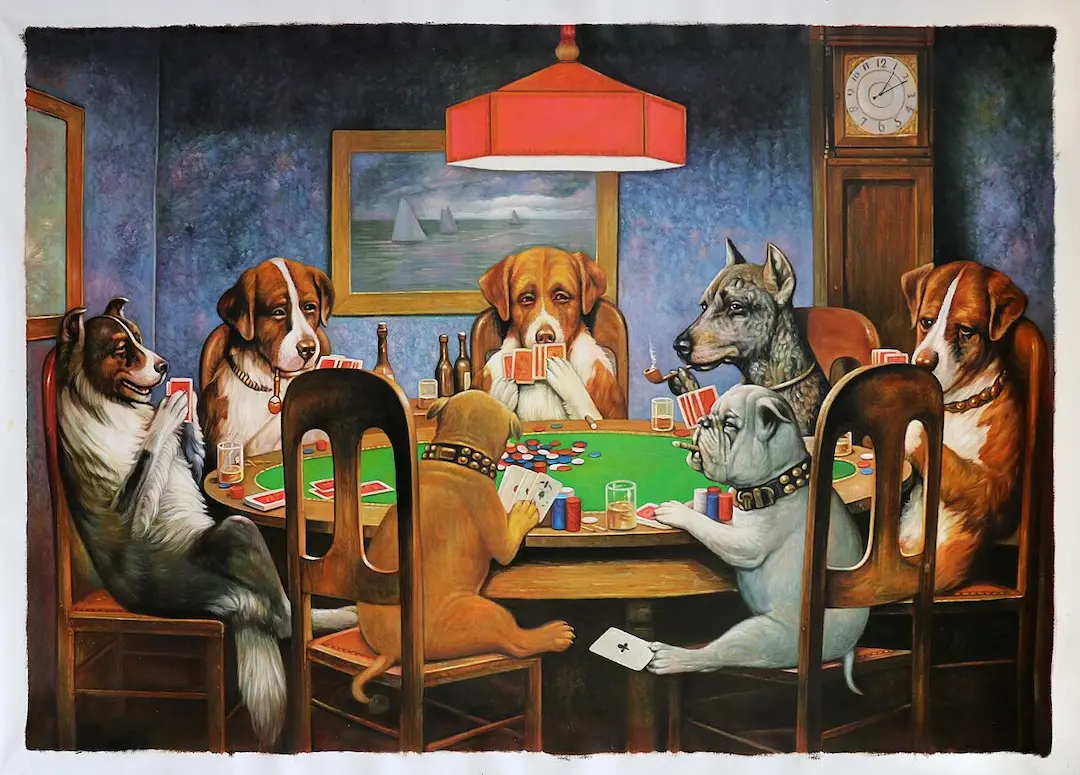
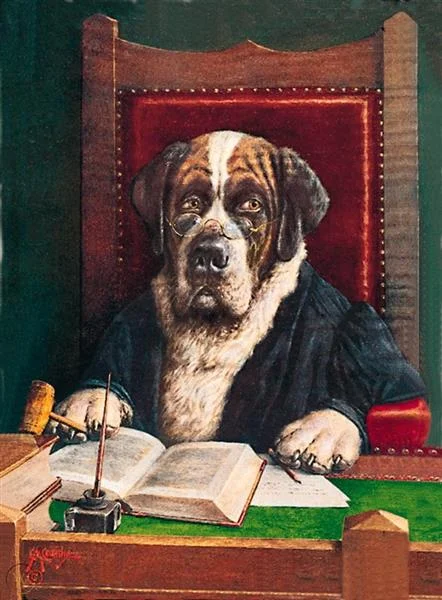
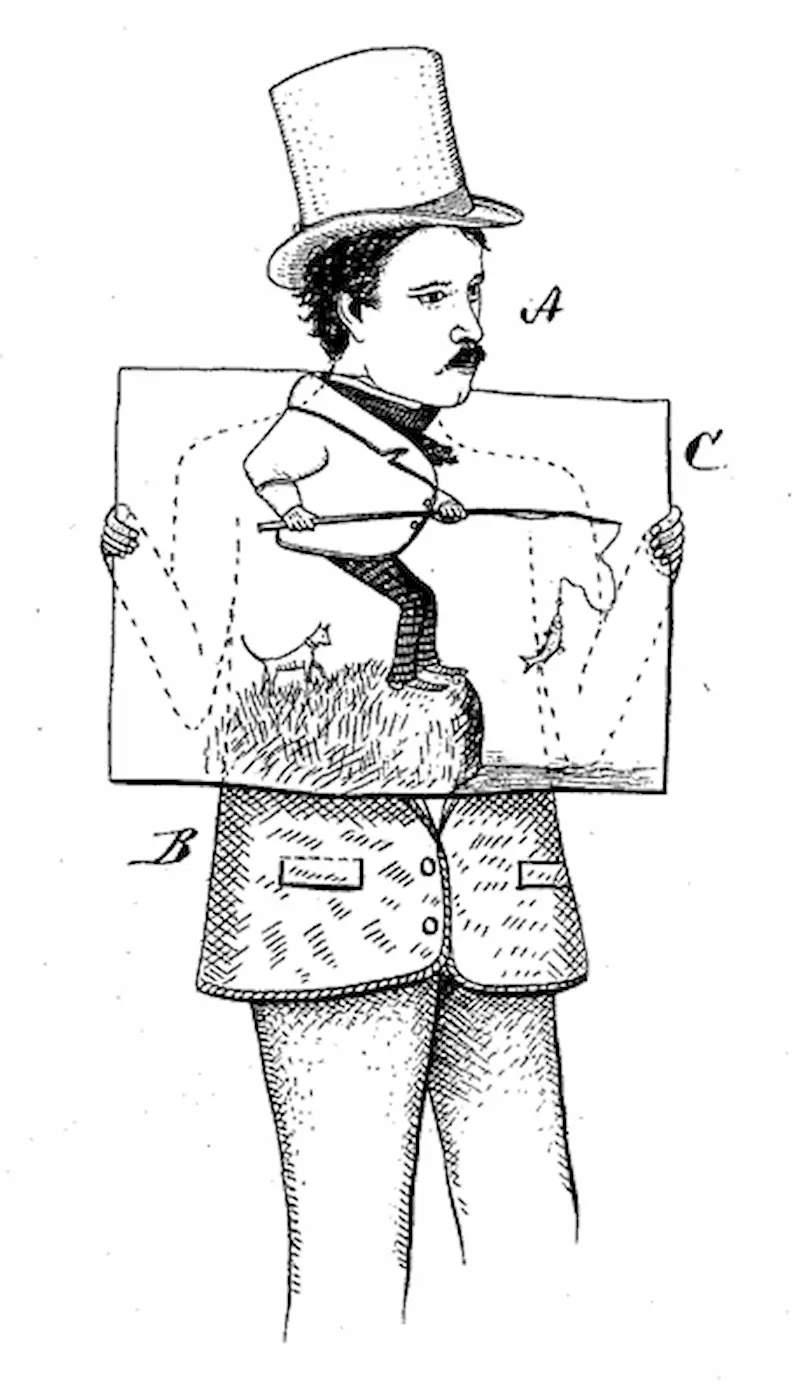
For art lovers seeking a distinctive addition, "Scene II - Betrothed Woman on Man's Lap" is a prized hand-painted oil painting by Cassius Marcellus Coolidge. As a representative of the American Realism movement, it stands alongside sought-after pieces such as "Man Holding up a Comic Foreground That Puts Him in a Fishing Scene" and "Dogs Playing Poker." This fine art painting for sale is a testament to Coolidge’s enduring impact and a treasure for any discerning collector.
When Art Meets History
Cassius Marcellus Coolidge’s "Scene II - Betrothed Woman on Man's Lap" stands as a striking example of the American Realism movement. This hand-painted oil painting captures a pivotal moment in both art and cultural history, reflecting the nuanced relationships of its era. Coolidge, renowned for his unique narrative style, also created related paintings such as "Steps in Paris" and "Sitting on Box." Each piece offers a glimpse into the everyday lives that shaped the American Realist tradition.
Techniques That Speak
In "Scene II - Betrothed Woman on Man's Lap," Coolidge employs masterful oil on canvas techniques to bring depth and realism to his subjects. His attention to detail and use of light evoke a palpable atmosphere, immersing viewers in the intimate scene. The brushwork, reminiscent of his other works like "Stairway at 48 rue de Lille, Paris," demonstrates the technical skill that defines the American Realism movement and sets this oil on canvas painting apart.
Emotions on Display
Coolidge’s fine art painting for sale, "Scene II - Betrothed Woman on Man's Lap," radiates emotional intensity through the expressive poses and subtle gestures of its figures. The connection between the betrothed couple is rendered with sensitivity, much like in "Dream of the Fisherman’s Wife" or "Model in Towel." This ability to convey complex emotions is a hallmark of Cassius Marcellus Coolidge’s contributions to American Realism, inviting viewers to connect on a personal level.
Coveted by Collectors
Collectors highly seek "Scene II - Betrothed Woman on Man's Lap" for its historical significance and superb artistry. As a hand-painted oil painting from the American Realism movement, it stands alongside Coolidge’s other notable works, including "Male Nude." The authenticity and narrative depth make it a fine art painting for sale that appeals to discerning art lovers, ensuring its continued prominence in prestigious collections worldwide.
Related American Realism Hand-Painted Oil Paintings by Other Artists
Other Famous American Realism Artists:
Frequently Asked Questions About Scene II - Betrothed Woman on Man's Lap
What is the historical context of "Scene II - Betrothed Woman on Man's Lap"?
This painting was created by Cassius Marcellus Coolidge during the early 20th century, a time characterized by significant changes in American society, including shifts in gender roles and the rise of popular culture.
What artistic techniques did Coolidge employ in this painting?
Coolidge utilized a blend of realism and caricature, emphasizing expressive facial features and body language to convey humor and narrative within the scene.
What symbolism is present in the painting?
The positioning of the betrothed woman on the man's lap suggests themes of intimacy and societal norms regarding courtship during the period, reflecting both affection and the playful dynamics of romantic relationships.
How does this painting reflect the cultural attitudes of its time?
The painting captures the lightheartedness of courtship rituals in the early 1900s, showcasing a blend of traditional values and emerging modern perspectives on relationships.
What role did humor play in Coolidge's works, including this painting?
Humor is a central element in Coolidge's art, often used to critique social norms and relationships, making his work accessible and relatable to a broad audience.
How does "Scene II - Betrothed Woman on Man's Lap" compare to Coolidge's other works?
This painting shares thematic similarities with Coolidge's other works, particularly his depictions of social interactions and human behavior, often infused with a sense of whimsy and satire.
What influences can be seen in Coolidge's artistic style in this painting?
Coolidge's style is influenced by the American genre painting movement, which emphasizes everyday life and social commentary, as well as the caricature tradition that highlights exaggerated features for comedic effect.
What emotions does the painting evoke in viewers?
The painting elicits a sense of nostalgia and amusement, inviting viewers to reflect on their own experiences with love and courtship, while also appreciating the humor inherent in the depicted scenario.
What is the significance of the title "Scene II"?
The title suggests a narrative progression, indicating that this painting is part of a larger story or series, inviting viewers to consider the broader context of relationships and social interactions depicted by Coolidge.
How has "Scene II - Betrothed Woman on Man's Lap" been received by art critics and historians?
Art critics and historians often recognize this painting as a quintessential example of Coolidge's ability to blend humor with social commentary, appreciating its cultural significance and enduring appeal in American art history.























_GFM_Painting_(1).webp)


 100% Hand-Painted: Finished in 3-6 Weeks

.png)















_(1).webp)