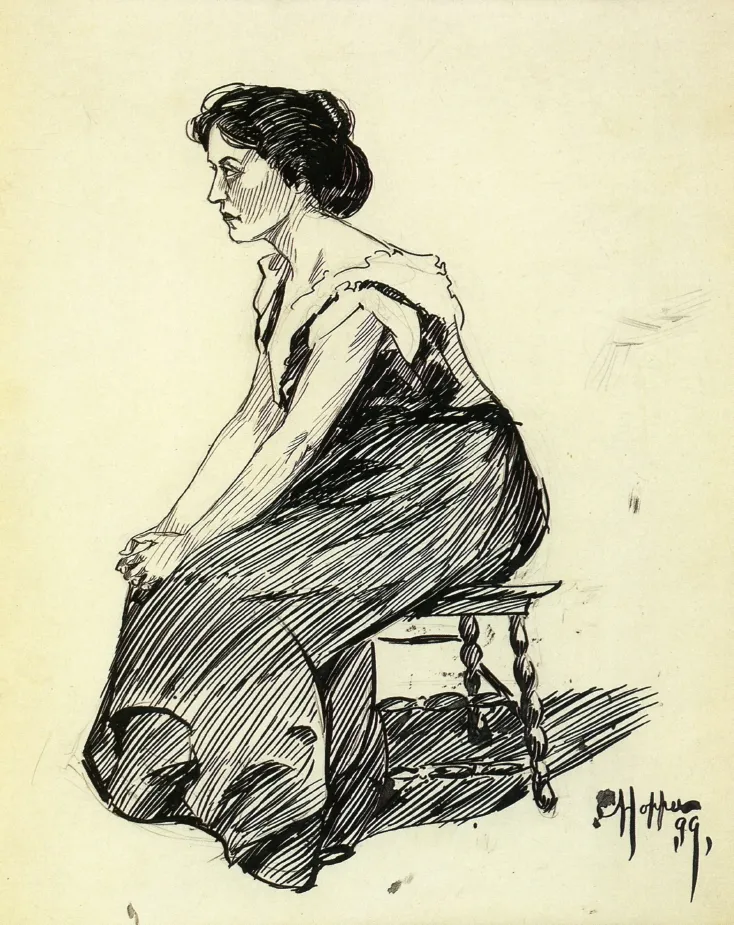
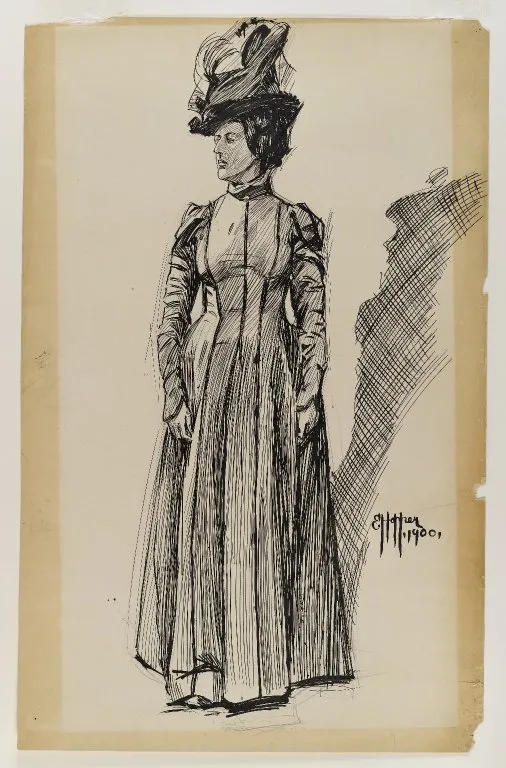
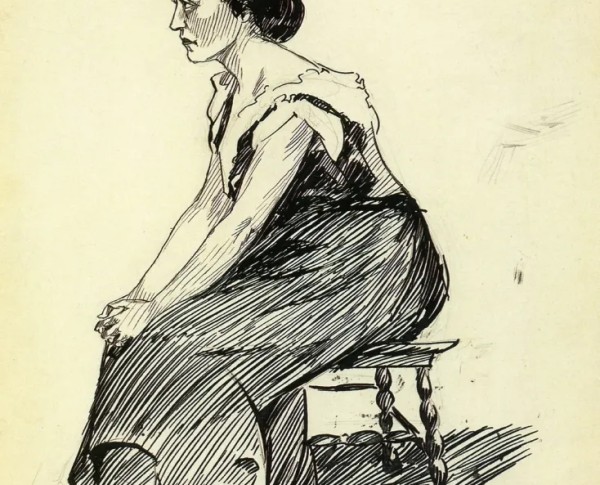
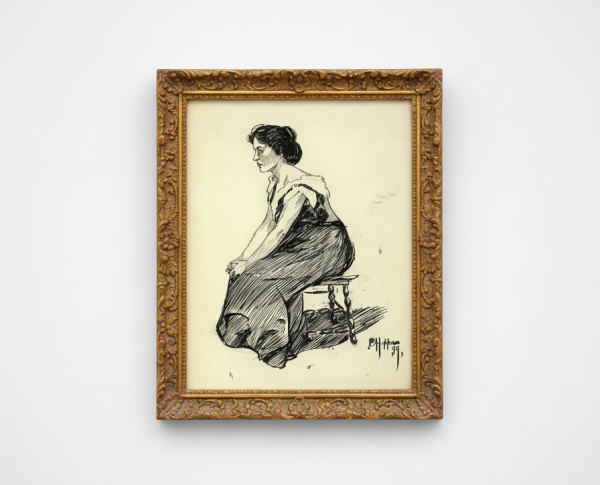
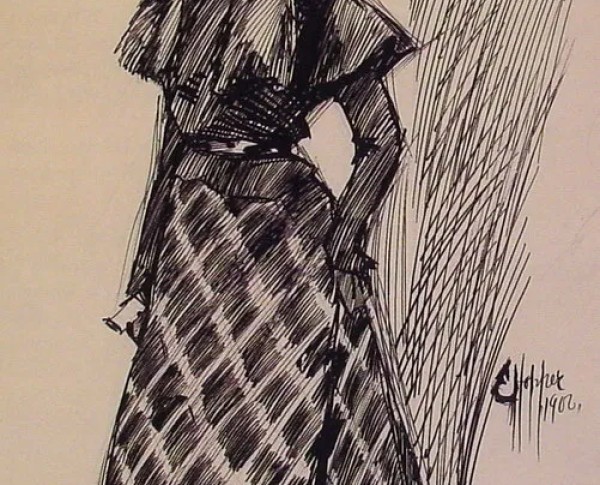
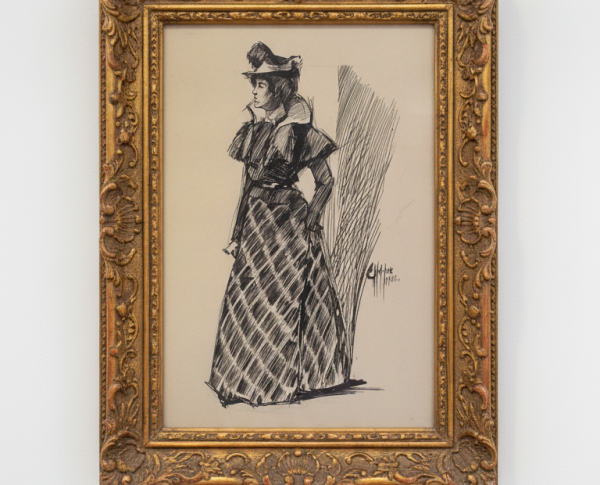
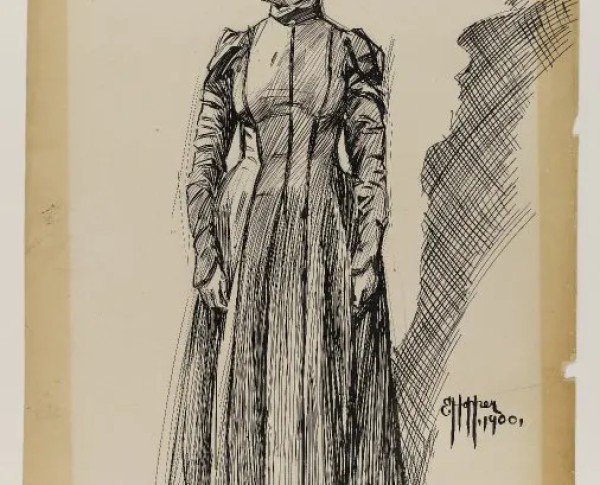
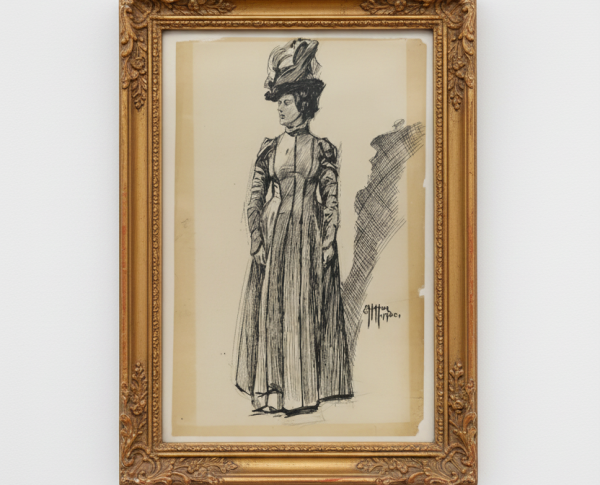
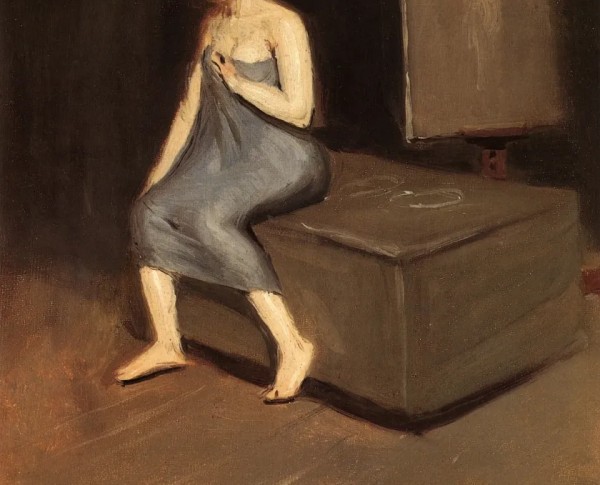
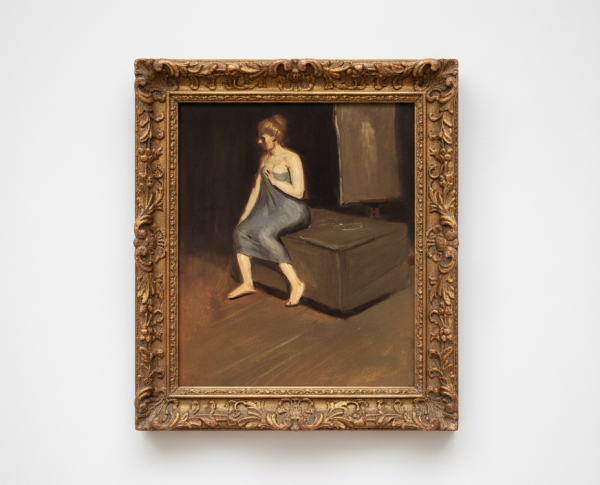
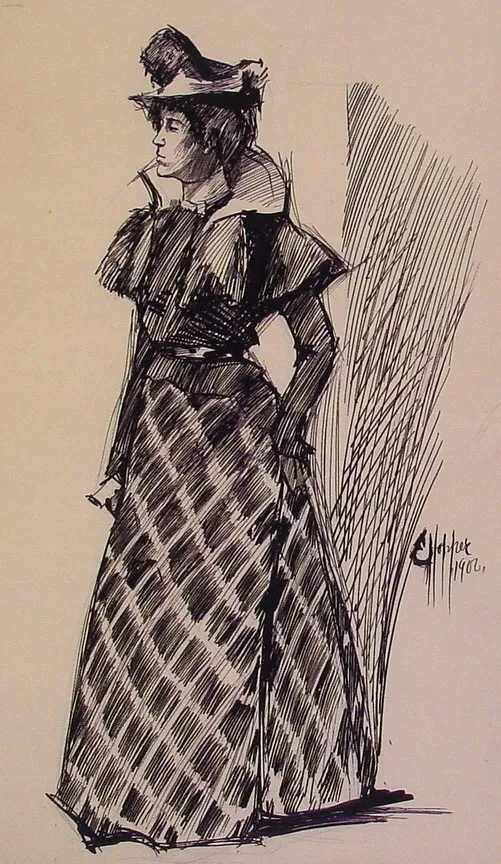
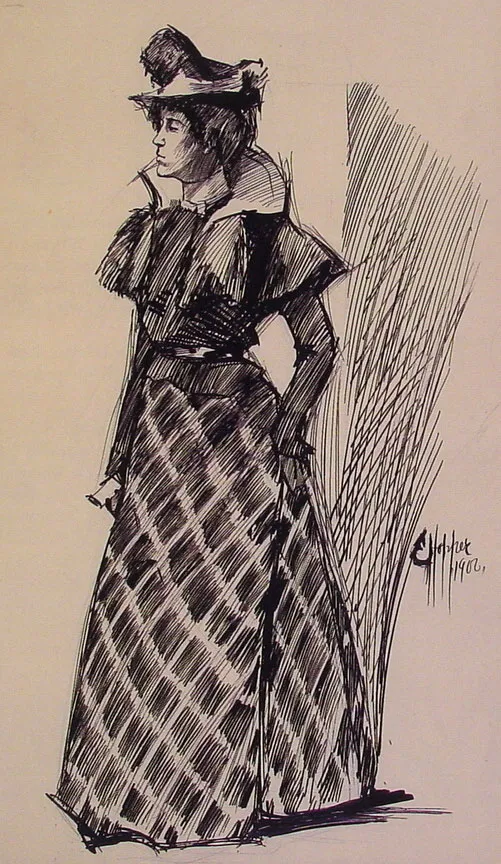
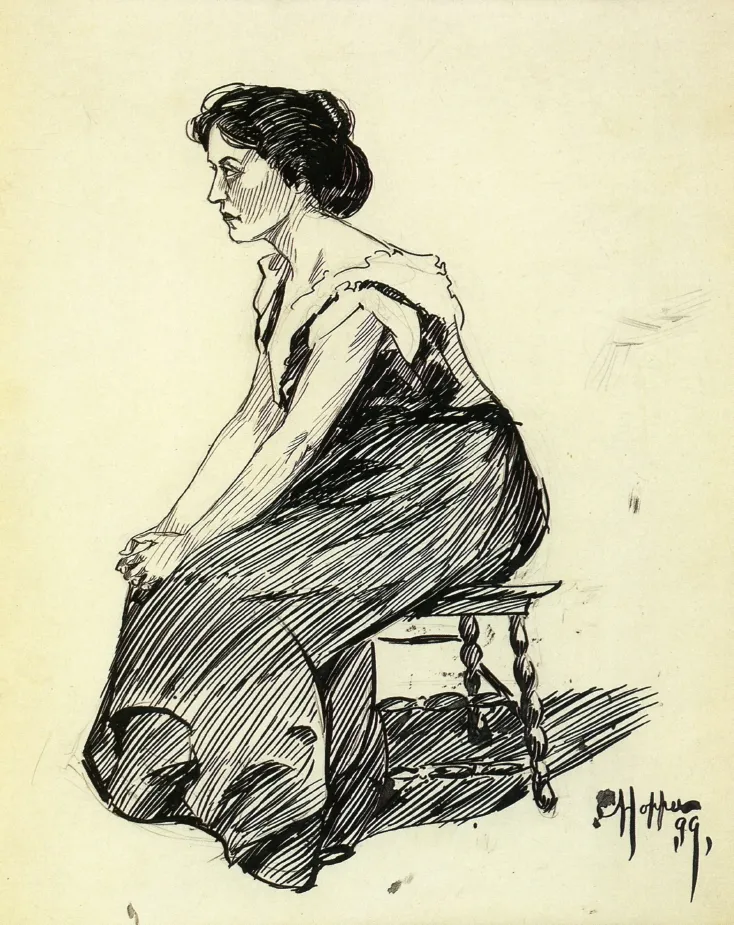
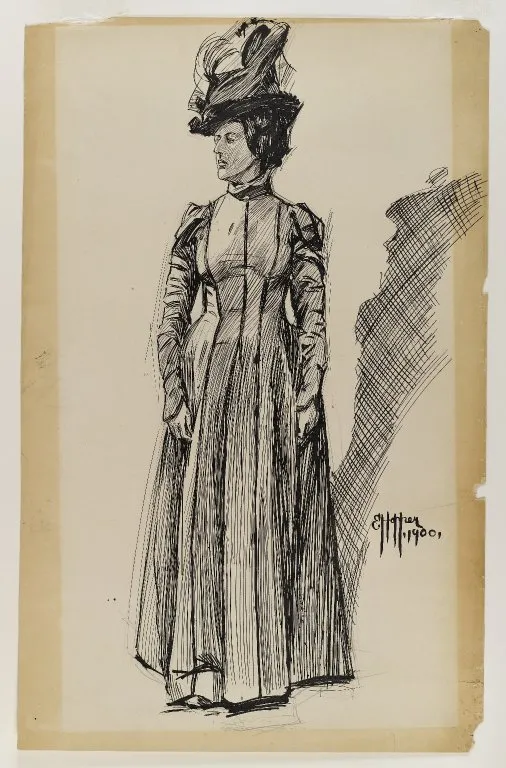
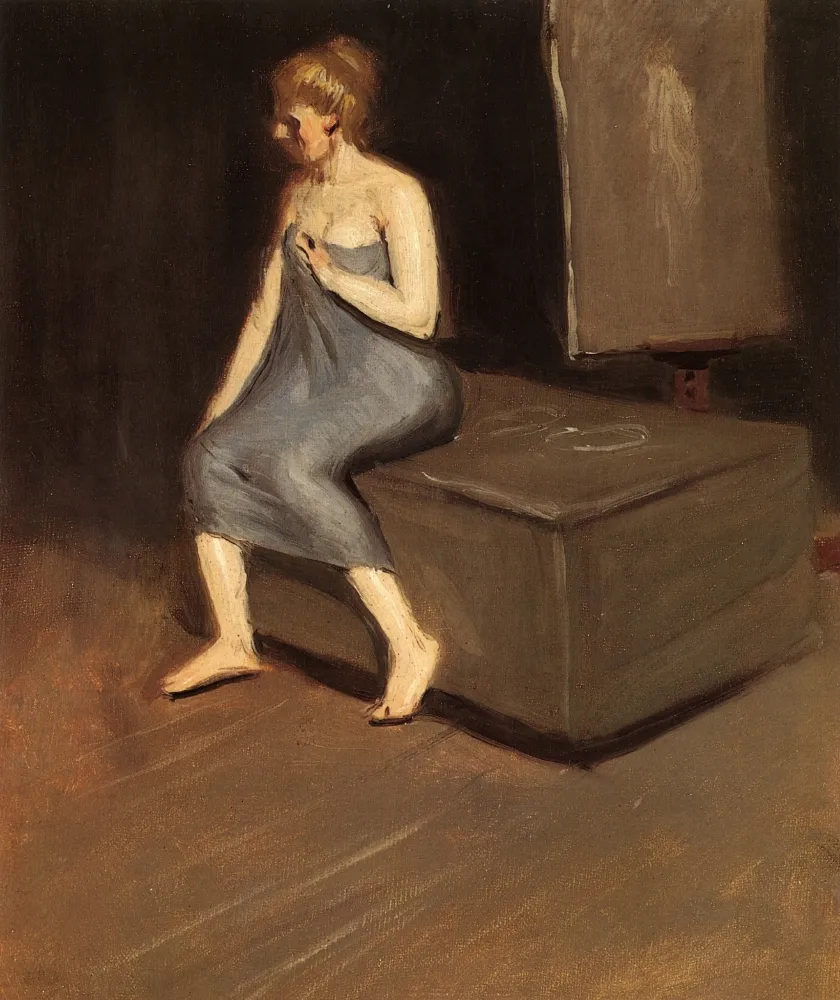
"Study of a Standing Woman" is a remarkable example of Hopper’s technique, showcasing the depth and texture achievable with oil on canvas. The artist’s careful attention to light and shadow brings the subject to life, a hallmark of American Realism. This piece, along with related products like "Study of a Seated Woman," demonstrates Hopper’s skill in creating atmosphere and realism with each brushstroke, making his work highly sought after by collectors.
In "Study of a Standing Woman," Edward Hopper employs subtle symbolism and storytelling, inviting viewers to interpret the subject’s stance and expression. The hand-painted oil painting captures the solitude and resilience often found in his work. As part of the American Realism movement, this piece—and others like "Study of a Seated Woman"—offers a glimpse into the everyday lives and emotions of early twentieth-century America, making it a compelling addition to any collection.
For collectors seeking a hand-painted oil painting with historical and artistic significance, "Study of a Standing Woman" by Edward Hopper is an exceptional choice. The painting exemplifies the American Realism movement, offering depth, emotion, and technical mastery. Related products, such as "Study of a Seated Woman," further enrich the experience for art enthusiasts. Owning such a work means acquiring a piece of art history and a timeless symbol of American artistry.
When Art Meets History
Edward Hopper’s "Study of a Standing Woman" is an evocative example of American Realism, a movement that sought to depict the truths of everyday life. Painted as an oil on canvas, this artwork captures the essence of early 20th-century America. Hopper, renowned for his mastery in portraying solitude, connects with other notable pieces like "No Graft Here" and "A Friend in Need," creating a historical tapestry that continues to inspire admiration among art enthusiasts.
Techniques That Speak
In "Study of a Standing Woman," Hopper demonstrates his expertise in hand-painted oil painting, utilizing subtle brushwork and a muted palette to bring his subject to life. His technique, typical of American Realism, focuses on capturing light and shadow to create depth and mood. Similar approaches can be seen in related works such as "Dogs Playing Poker" and "A Waterloo," highlighting Hopper’s influence within the movement and the enduring appeal of his artistic methods.
Emotions on Display
The emotional resonance in Hopper’s "Study of a Standing Woman" is undeniable, as the painting’s subject exudes quiet introspection. This fine art painting for sale invites viewers to contemplate the inner world of its figure, much like the evocative storytelling found in "Dream of the Fisherman's Wife." Hopper’s ability to convey emotion through pose and expression is a hallmark of American Realism, making this piece a poignant addition to any collection.
Coveted by Collectors
Collectors highly seek "Study of a Standing Woman" for its exceptional representation of oil on canvas by Edward Hopper, a leading artist of American Realism. The painting’s rarity and connection to related works such as "No Graft Here" and "Dogs Playing Poker" enhance its desirability. As a fine art painting for sale, it stands out for its historical significance and masterful execution, making it a prized acquisition for connoisseurs of Hopper and American art.
Related American Realism Hand-Painted Oil Paintings by Other Artists
Other Famous American Realism Artists:
Frequently Asked Questions About Study of a Standing Woman
What is the historical context of "Study of a Standing Woman"?
"Study of a Standing Woman" was created in 1929, during a period when Edward Hopper was exploring themes of isolation and introspection in American life. This era was marked by significant social change, including the aftermath of World War I and the onset of the Great Depression, which influenced Hopper's artistic vision.
What artistic techniques did Edward Hopper employ in this painting?
Hopper utilized oil on canvas to create "Study of a Standing Woman." His characteristic use of light and shadow enhances the figure's form, while the simplified composition reflects his interest in capturing the essence of his subjects rather than intricate details.
What themes are represented in "Study of a Standing Woman"?
The painting explores themes of solitude and contemplation. The standing woman appears introspective, suggesting a moment of personal reflection that resonates with the viewer's own experiences of isolation.
How does the composition of the painting contribute to its meaning?
The vertical orientation of the figure against a minimal background emphasizes her presence and solitude. The lack of additional context or detail invites viewers to focus on the emotional state of the woman, enhancing the painting's introspective quality.
What is the significance of the figure's posture in the painting?
The woman's upright posture conveys a sense of strength and resilience, yet her turned head suggests a moment of vulnerability. This duality reflects the complexity of human emotions and the tension between strength and fragility.
How does "Study of a Standing Woman" fit into Hopper's overall body of work?
This painting is emblematic of Hopper's focus on the human condition, particularly the themes of loneliness and introspection. It aligns with his broader oeuvre, which often features solitary figures in urban settings, highlighting the emotional landscape of modern life.
What influences can be seen in Hopper's portrayal of women in his artworks?
Hopper's portrayal of women often reflects the complexities of their roles in society during the early 20th century. In "Study of a Standing Woman," the figure embodies both strength and vulnerability, capturing the multifaceted nature of women's experiences in a changing world.
What role does light play in "Study of a Standing Woman"?
Light serves as a crucial element in this painting, creating depth and dimension while also highlighting the emotional tone. Hopper's use of natural light enhances the figure's solitude, reinforcing the themes of introspection and isolation.
How has "Study of a Standing Woman" been received by critics and art historians?
The painting is often praised for its emotional depth and technical precision. Critics have noted Hopper's ability to evoke a sense of stillness and contemplation, making it a significant work within his artistic legacy.
What symbolic interpretations can be drawn from the painting?
The standing woman can be seen as a symbol of resilience and introspection, representing the human experience of navigating solitude. Her poised stance juxtaposed with her contemplative expression invites viewers to reflect on their own moments of solitude and self-discovery.






















_GFM_Painting_(1).webp)


 100% Hand-Painted: Finished in 3-6 Weeks

.png)















_(1).webp)