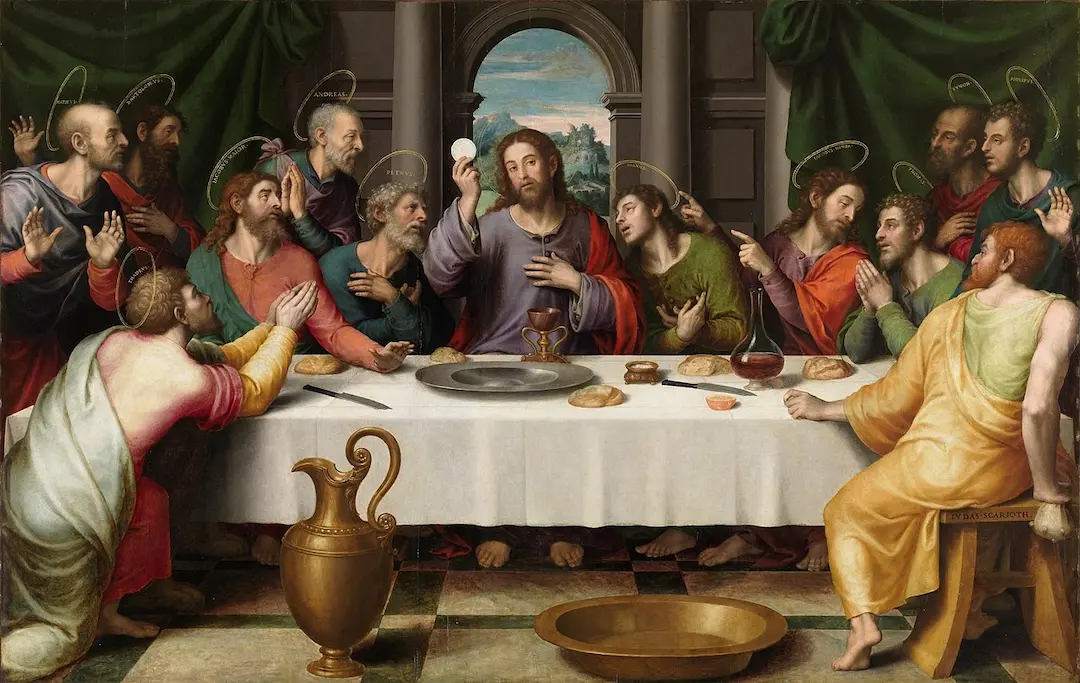
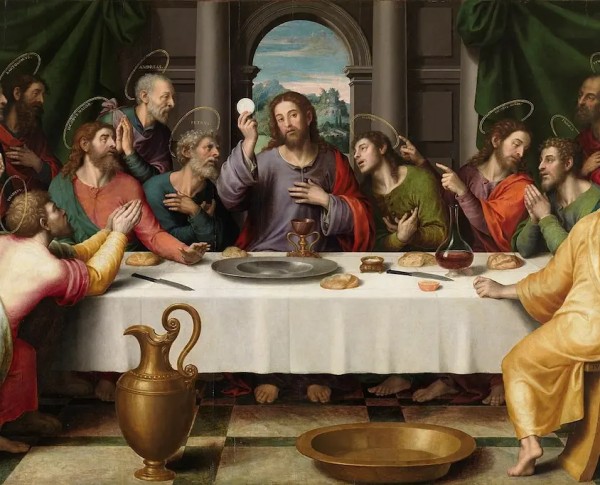
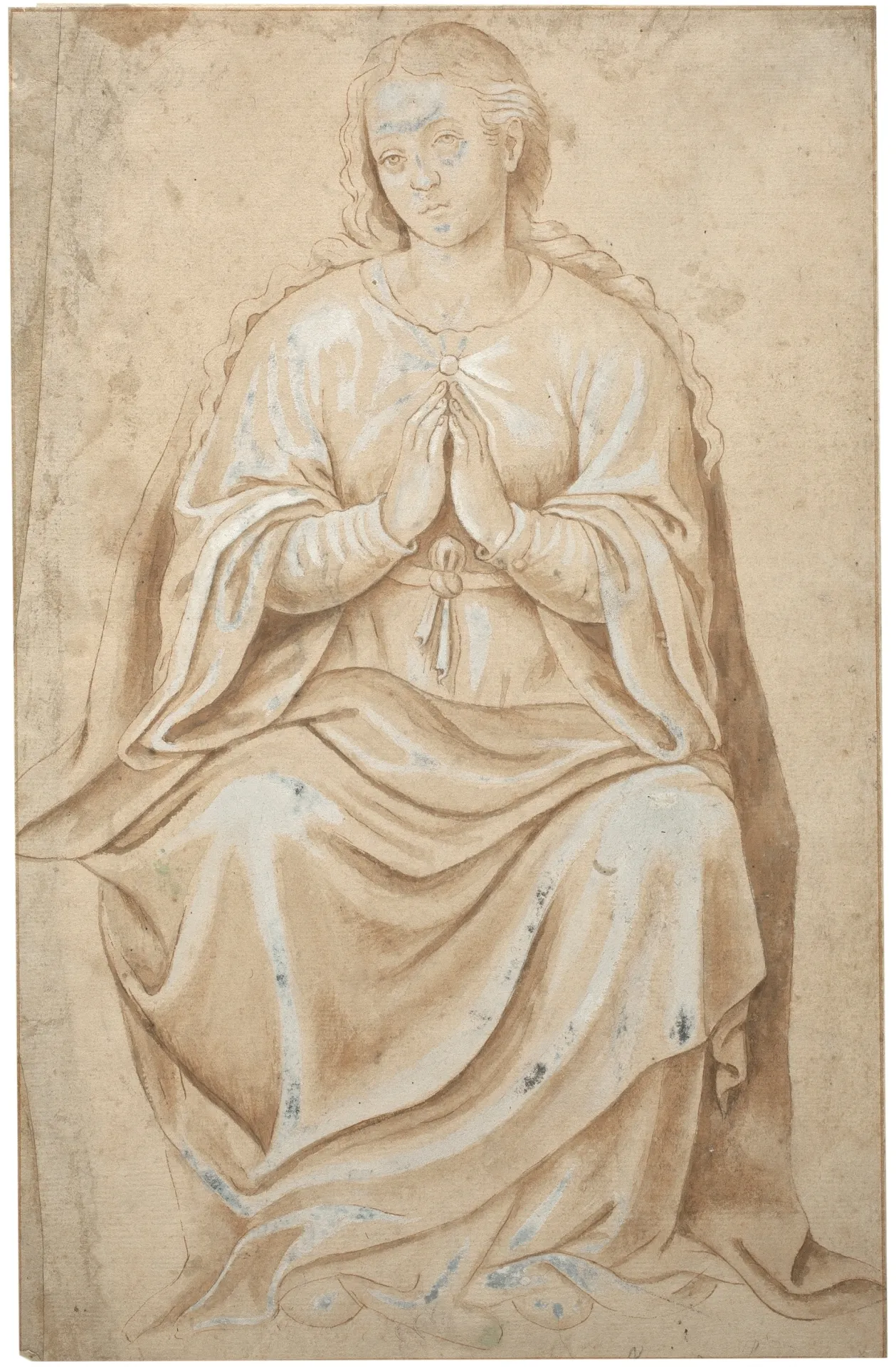
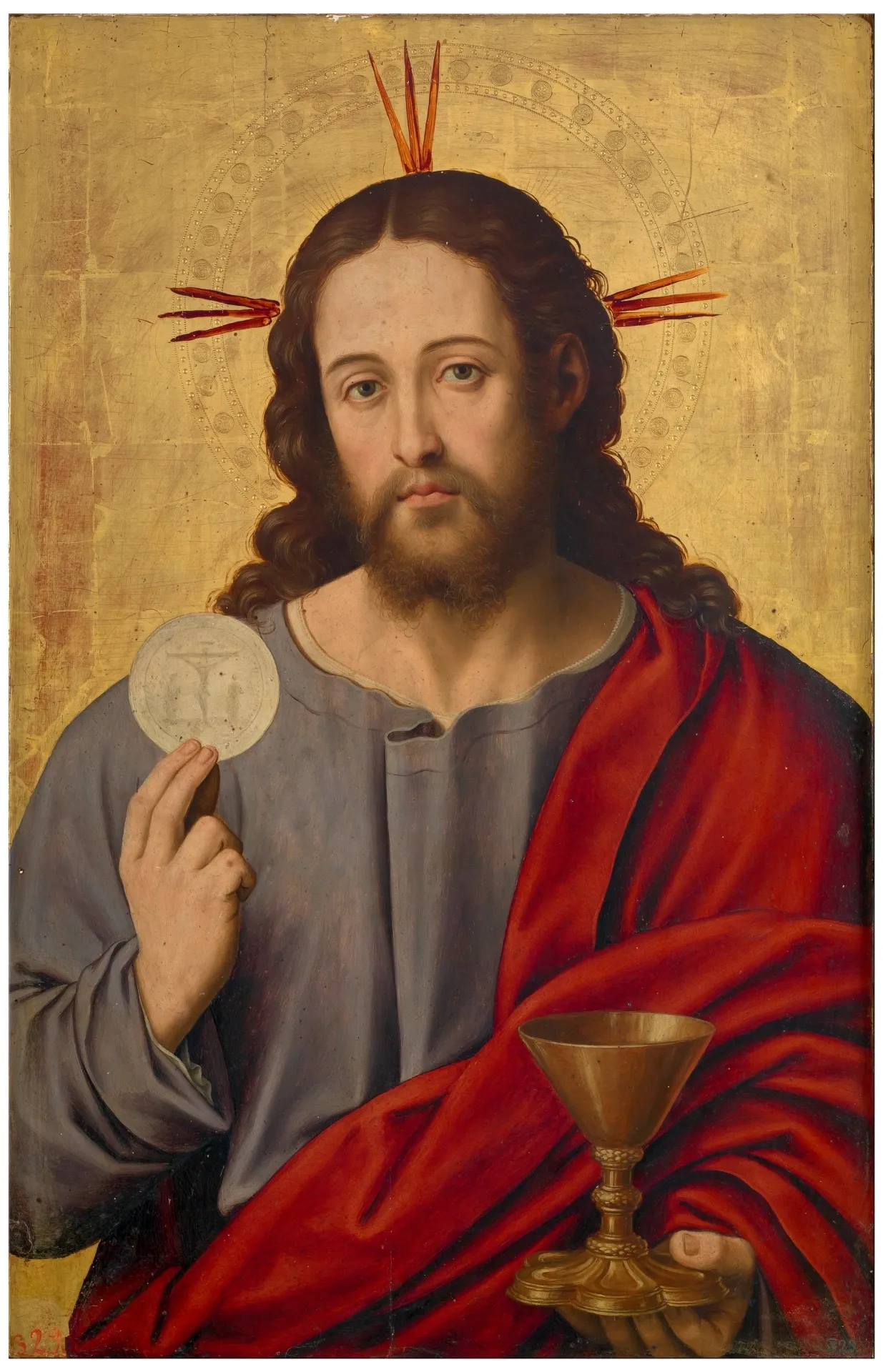
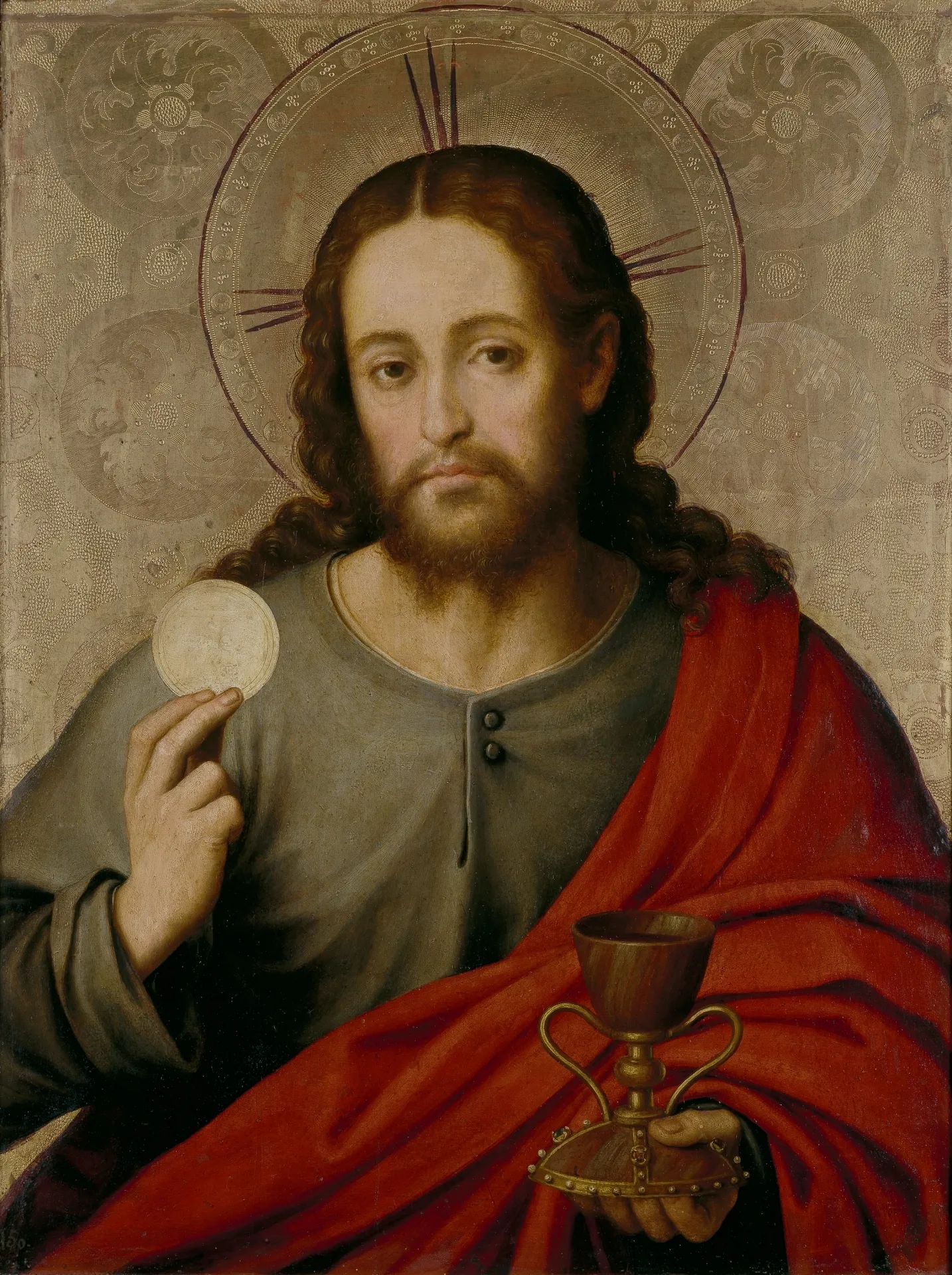
"La Virgen, Sedente" by Vicente Juan Juan de Juanes, also known as Masip (Macip), stands as a profound testament to the Spanish Renaissance. This exquisite hand-painted oil painting captures the spiritual essence and technical brilliance of its era. The artist’s reputation for religious themes is evident here, echoing through related works like "The Last Supper (2) 1560s" and "El Salvador." Collectors and enthusiasts alike cherish such masterpieces for their timeless beauty and historical significance.
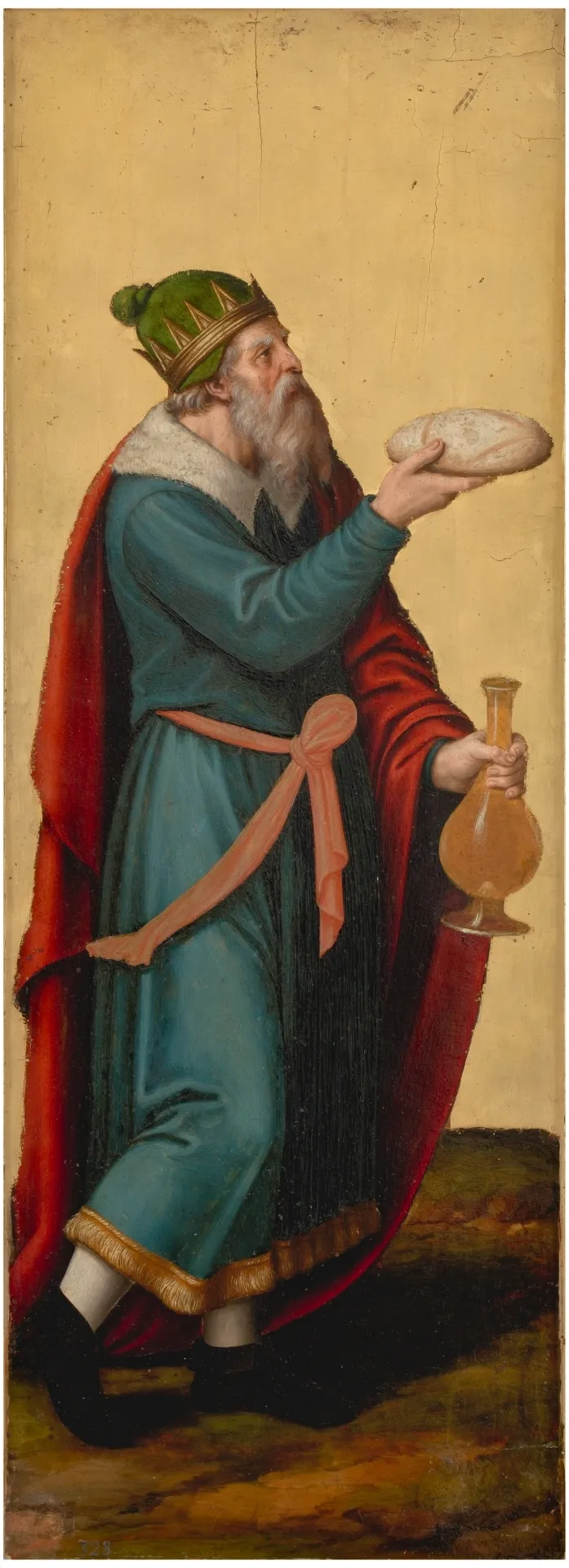
This fine art painting for sale, "La Virgen, Sedente," is rich in symbolism, portraying the Virgin Mary with grace and serenity. Vicente Juan Juan de Juanes / Masip (Macip) weaves religious narratives into his composition, a signature of Spanish Renaissance painters. Admirers of this piece often explore related artworks such as "Melquisedec, Rey De Salem" and "El Salvador Con La Eucaristia," which further exemplify the era’s deep spiritual storytelling and allegorical imagery.
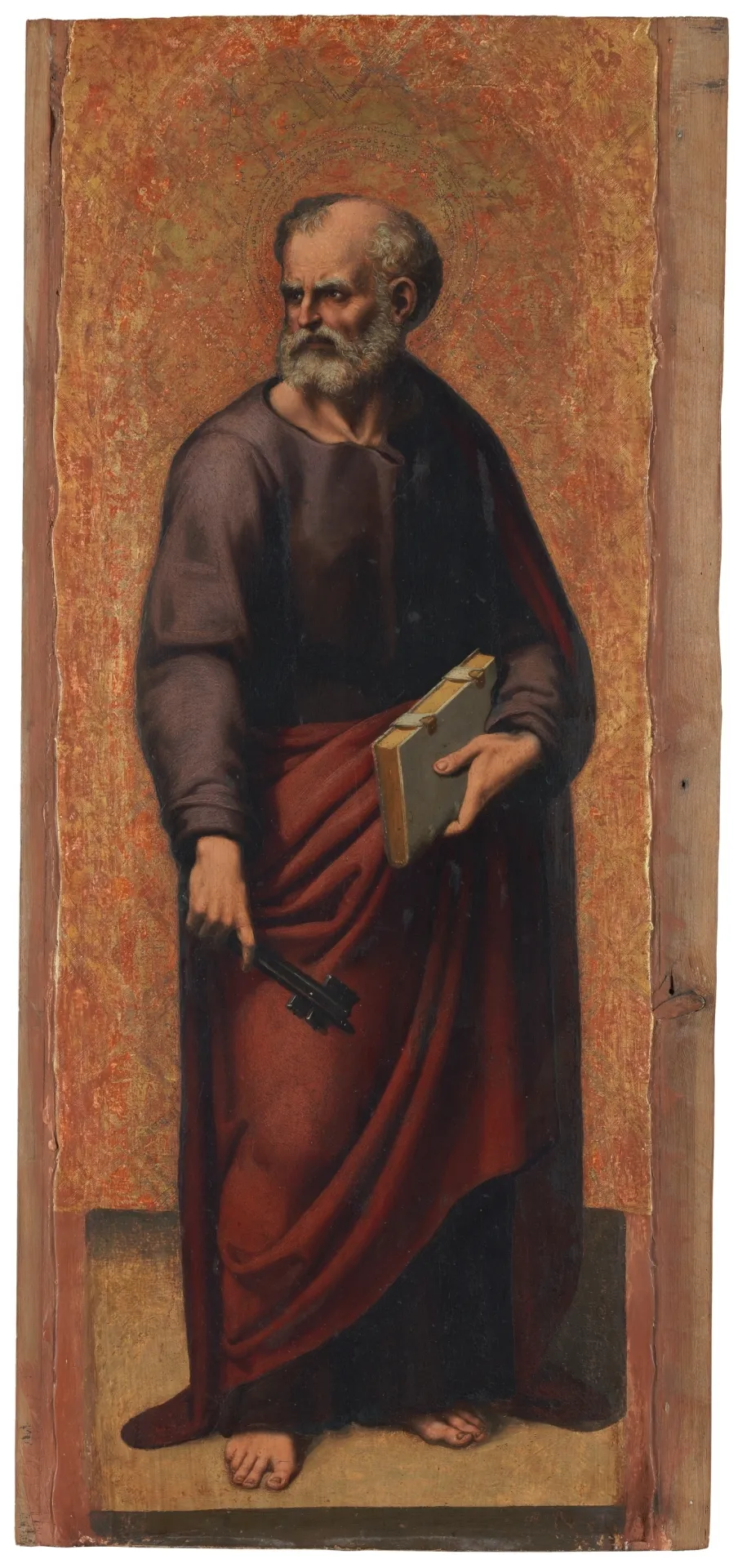
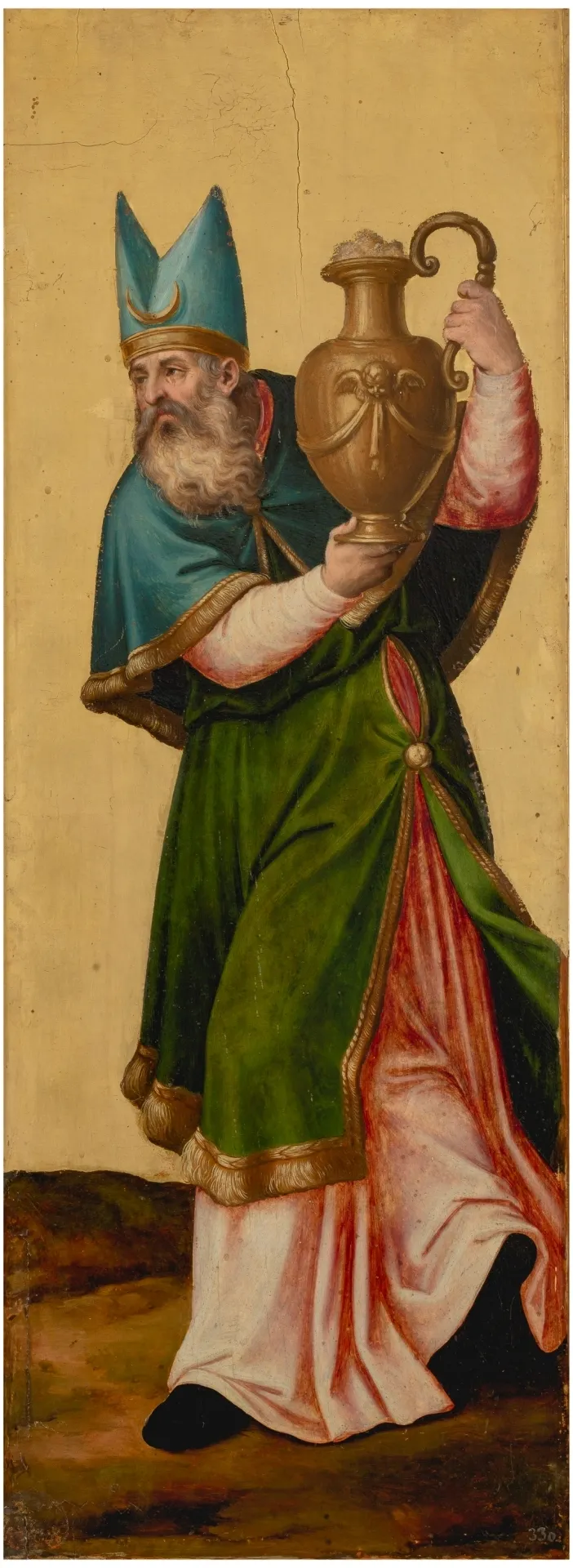
Owning "La Virgen, Sedente" offers collectors a rare opportunity to possess a hand-painted oil painting from the illustrious Spanish Renaissance. Vicente Juan Juan de Juanes / Masip (Macip) remains revered for his devotion to sacred art. Art lovers seeking to expand their collection will find value in related products like "El Salvador," "San Pedro," and "El Sumo Sacerdote Aaron," each embodying the movement’s enduring legacy and exceptional craftsmanship.
When Art Meets History
"La Virgen, Sedente" by Vicente Juan Juan de Juanes, also known as Vicente Masip, stands as a remarkable example of the Spanish Renaissance movement. Painted during a period of immense artistic innovation, this hand-painted oil painting reflects the deep religious devotion and technical mastery of its era. Juanes, a celebrated Spanish painter, drew inspiration from both his contemporaries and the Italian Renaissance, making this work a vital link in the evolution of Spanish sacred art.
Techniques That Speak
In "La Virgen, Sedente," Vicente Juan Juan de Juanes employs exquisite oil on canvas techniques to achieve a luminous, lifelike quality. His delicate brushwork and mastery of color bring the Virgin’s serene expression and flowing garments to life. The refined layering and attention to detail distinguish this painting from others of the Spanish Renaissance, echoing the artist’s signature style and his influence on related paintings of the period.
Emotions on Display
This fine art painting for sale captures the gentle tenderness and spiritual purity of the Virgin Mary, a recurring theme in the works of Vicente Juan Juan de Juanes. Through subtle gestures and expressive faces, the painting invites viewers to experience profound reverence and introspection. As with other masterpieces from the Spanish Renaissance, "La Virgen, Sedente" showcases the artist’s unique ability to convey emotion and sanctity through his brush.
Coveted by Collectors
"La Virgen, Sedente" remains highly sought after by collectors of Spanish Renaissance art, prized for its historical significance and exceptional artistry. As a hand-painted oil painting by Vicente Juan Juan de Juanes, it represents an important chapter in the evolution of European religious art. Collectors value its rarity and the connection to related paintings by the same master, making it a centerpiece in any fine art collection.
Frequently Asked Questions About La Virgen, Sedente
What is the historical context of "La Virgen, Sedente"?
"La Virgen, Sedente" was created during the Spanish Renaissance, a period marked by a resurgence of interest in classical themes and a focus on religious subjects. The painting reflects the socio-political climate of 16th-century Spain, where Catholicism played a central role in daily life and artistic expression.
Who was Vicente Juan Juan de Juanes / Masip?
Vicente Juan Juan de Juanes, also known as Masip, was a prominent Spanish painter of the Renaissance. He is celebrated for his religious works and his ability to convey deep emotional resonance through his art, often employing vibrant colors and intricate details.
What are the main themes depicted in "La Virgen, Sedente"?
The primary themes of "La Virgen, Sedente" include motherhood, divinity, and the sacred nature of the Virgin Mary. The painting emphasizes the maternal qualities of Mary, portraying her as a nurturing figure, which resonates with the audience's spiritual and emotional connections.
What artistic techniques did Juanes employ in this painting?
Juanes utilized oil on canvas, allowing for rich color saturation and fine detail. His technique includes a careful balance of light and shadow, known as chiaroscuro, which enhances the three-dimensionality of the figures and adds depth to the composition.
What symbolism can be found in "La Virgen, Sedente"?
The painting is rich in symbolism, with the Virgin Mary often representing purity and grace. The seated position suggests stability and authority, while the presence of certain objects, such as flowers or a child, may symbolize innocence and the promise of salvation.
How does "La Virgen, Sedente" compare to other works by Juanes?
Compared to other works by Juanes, "La Virgen, Sedente" showcases his signature style of combining emotional depth with technical precision. While many of his paintings focus on similar religious themes, this piece stands out for its intimate portrayal of the Virgin Mary, emphasizing her role as a mother.
What influences can be seen in Juanes' artistic style?
Juanes was influenced by both Italian Renaissance artists and the local Spanish tradition. His work reflects the integration of classical elements with a distinctly Spanish sensibility, resulting in a unique style that bridges cultural influences while maintaining a strong religious focus.
What is the significance of the Virgin Mary in Spanish Renaissance art?
The Virgin Mary holds a central place in Spanish Renaissance art as a symbol of piety and devotion. Artists often depicted her in ways that emphasized her maternal virtues, making her a relatable figure for viewers and reinforcing the Catholic faith during a time of religious fervor.
Where can "La Virgen, Sedente" be viewed today?
"La Virgen, Sedente" is housed in [insert museum or gallery name], where it is part of a collection that highlights the richness of Spanish Renaissance art. Visitors can appreciate the painting's historical and artistic significance in person.
What impact did "La Virgen, Sedente" have on later artists?
The impact of "La Virgen, Sedente" can be seen in the works of later artists who sought to emulate Juanes' emotional depth and technical skill. His portrayal of the Virgin Mary influenced subsequent generations, shaping the depiction of religious figures in Spanish art.























_GFM_Painting_(1).webp)

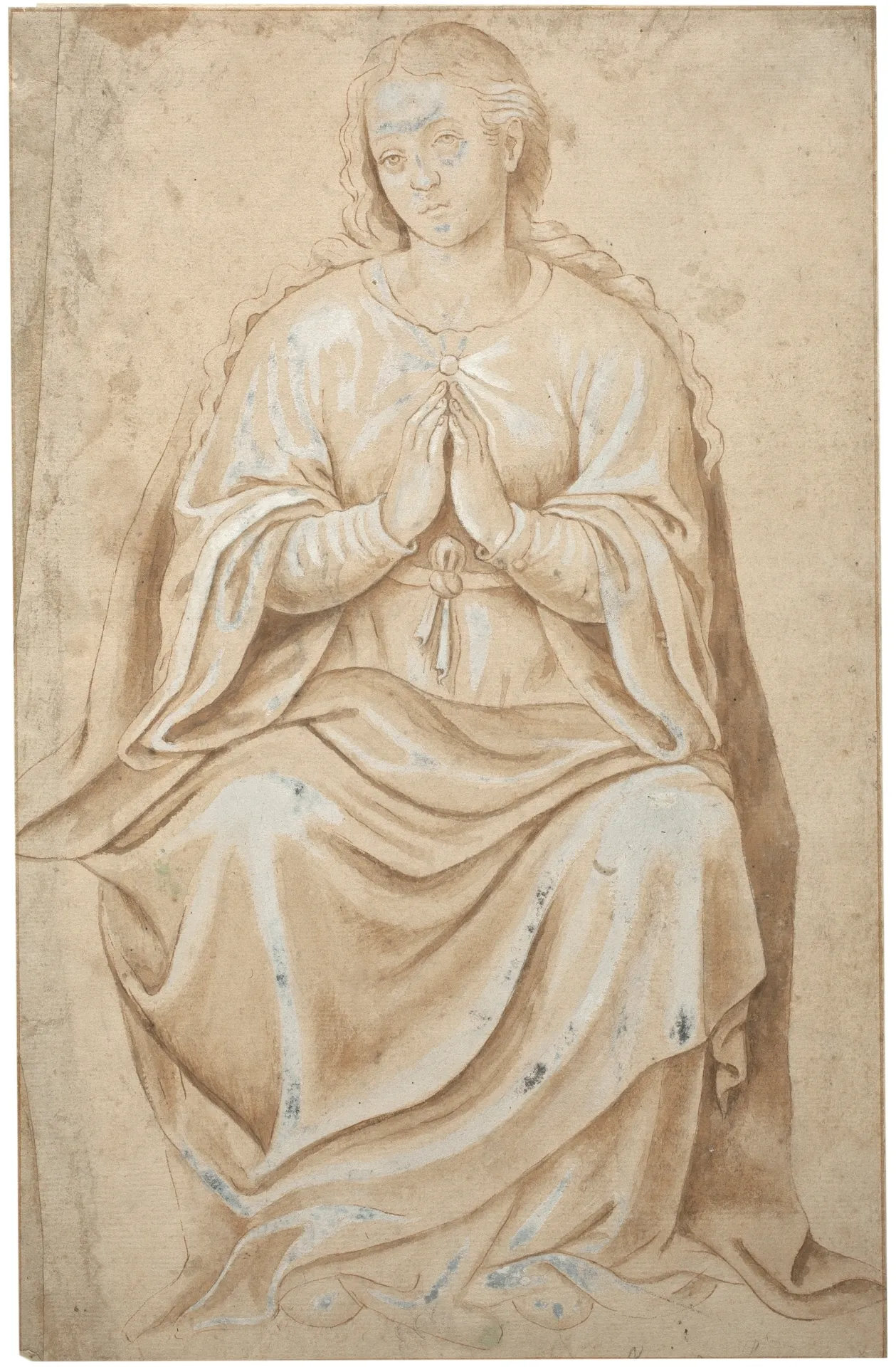

 100% Hand-Painted: Finished in 3-6 Weeks

.png)












_1560s.webp)



_(1).webp)