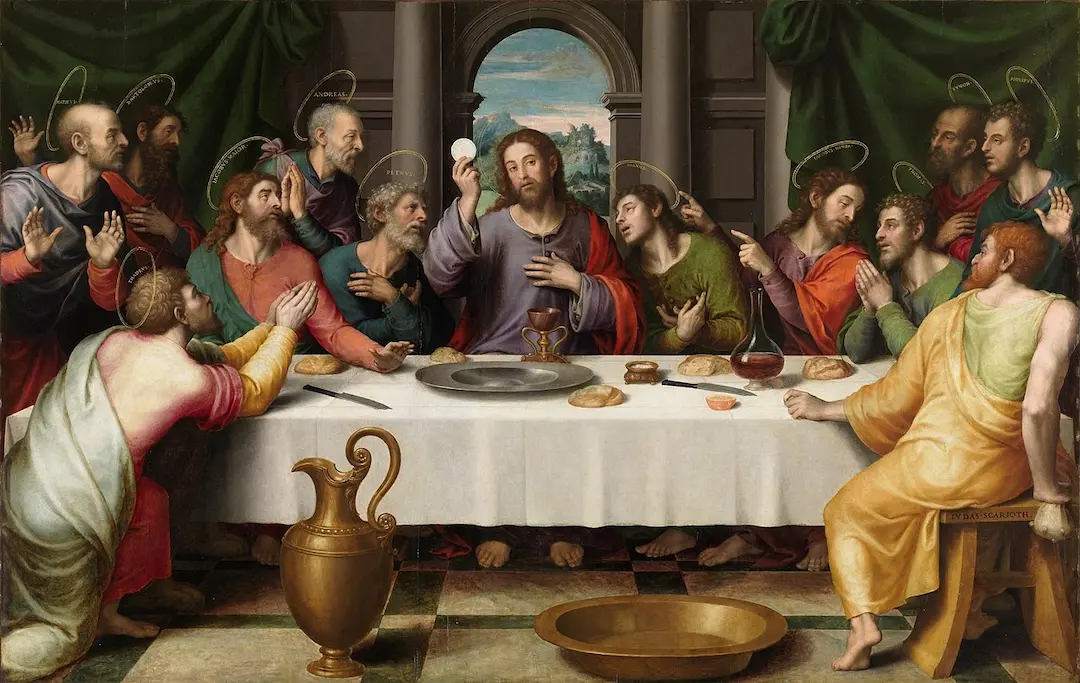
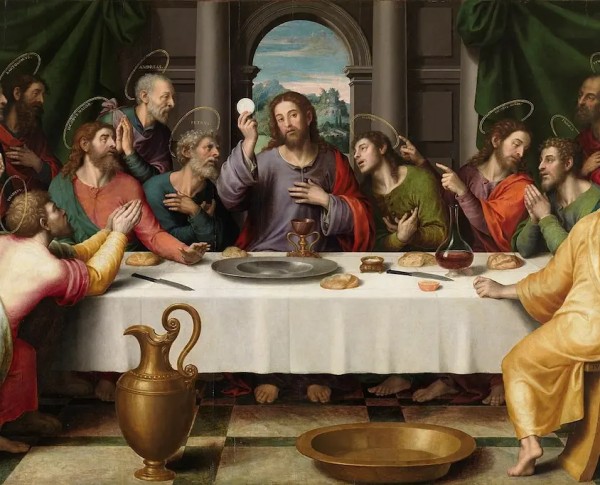
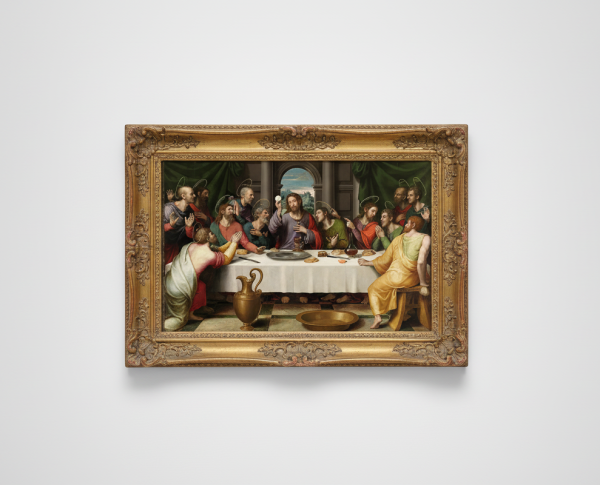
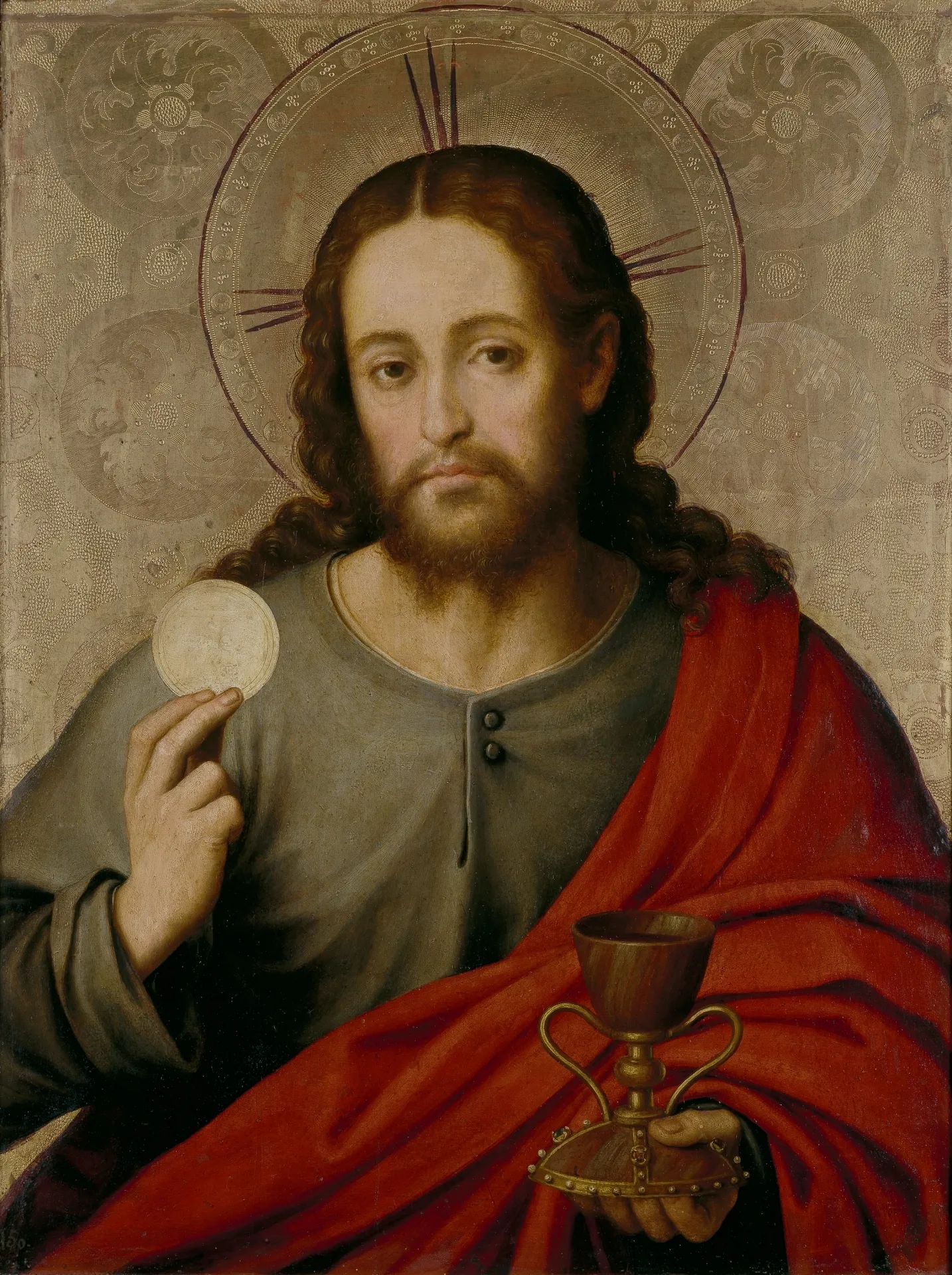
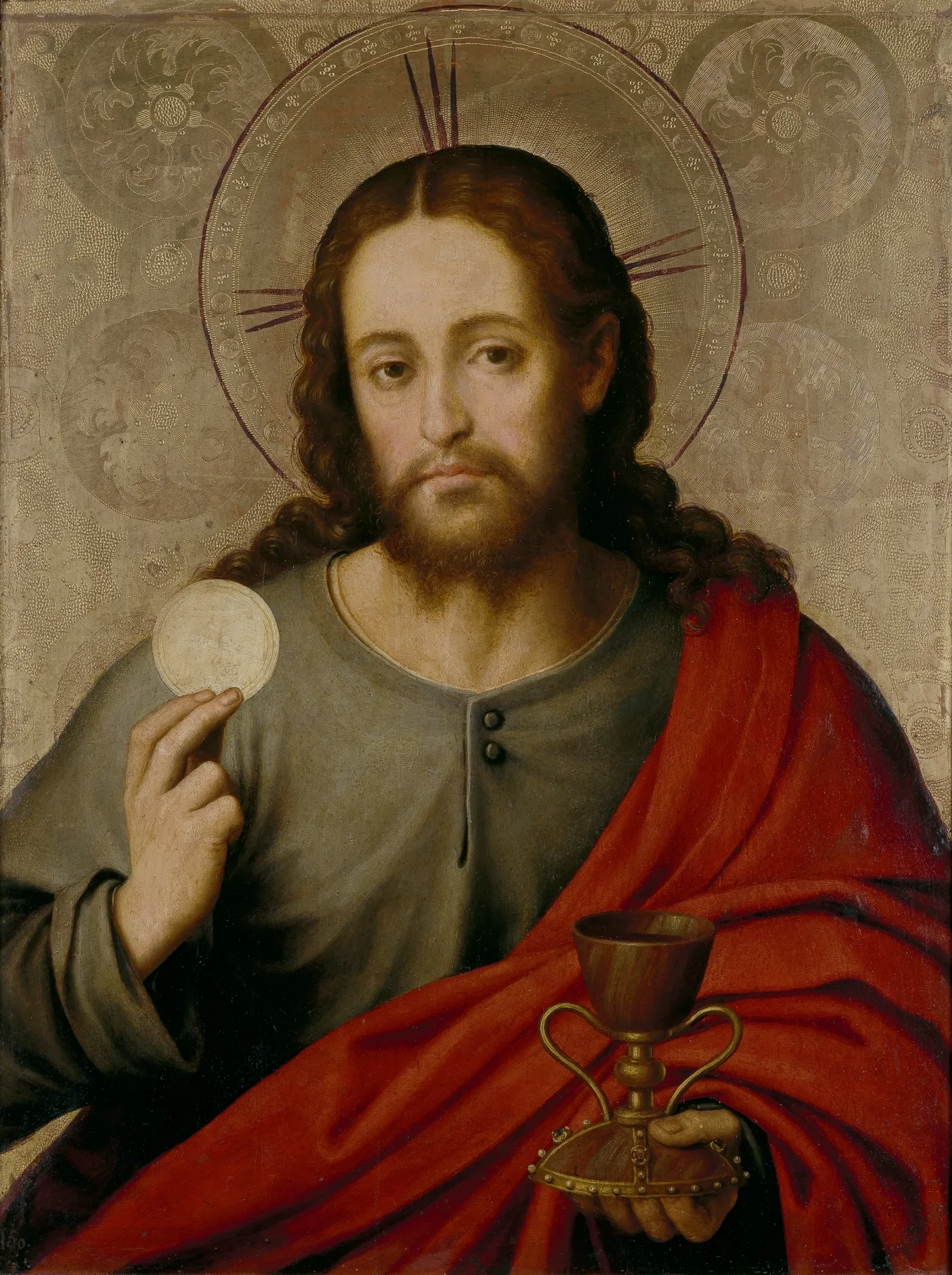
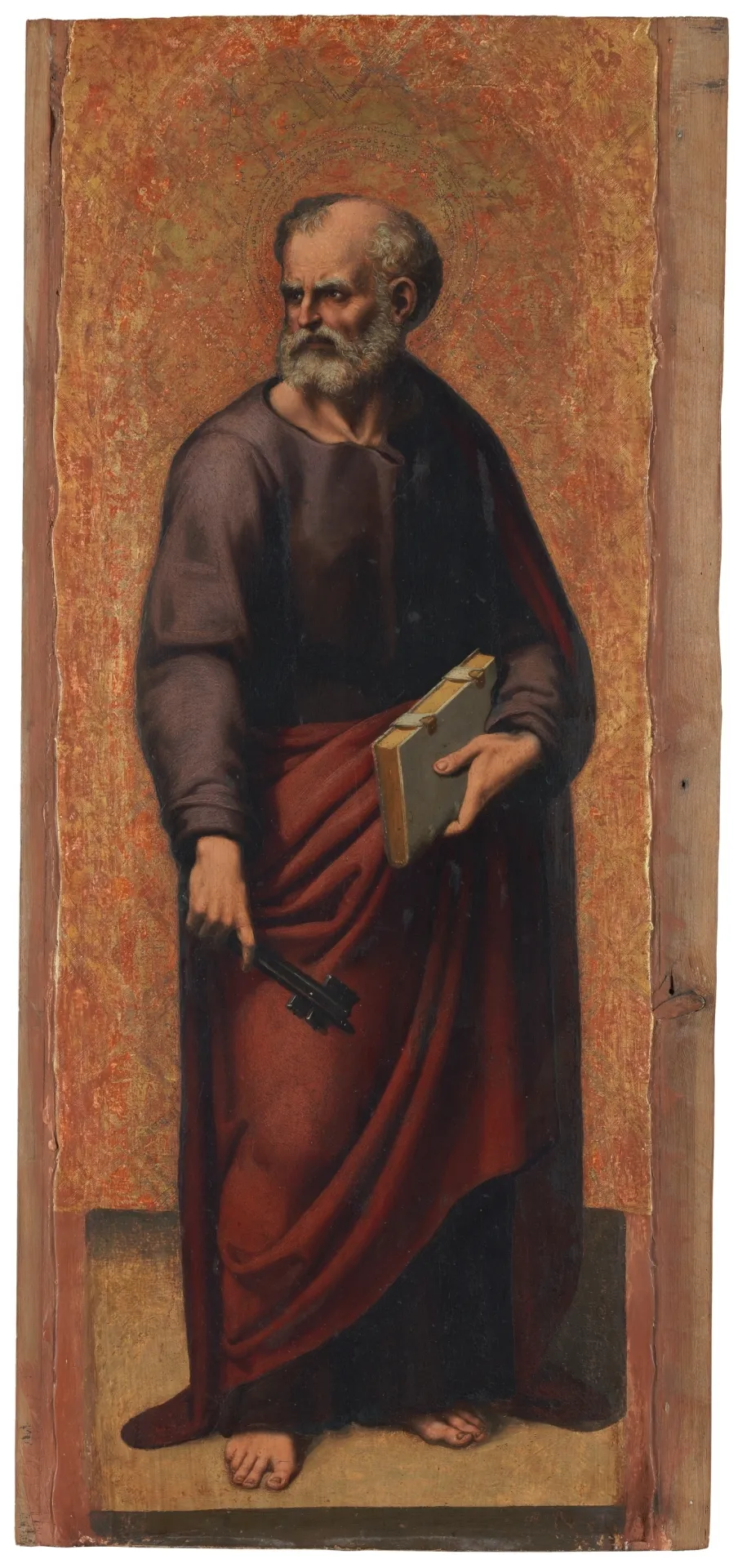
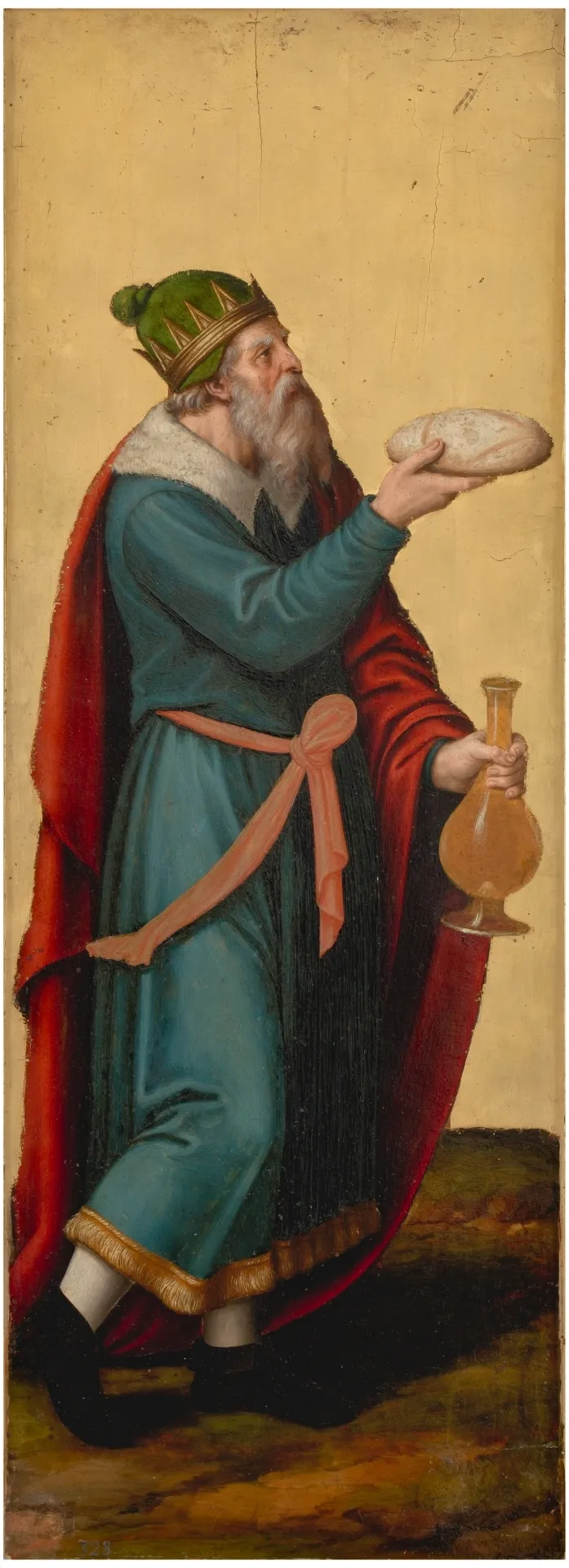
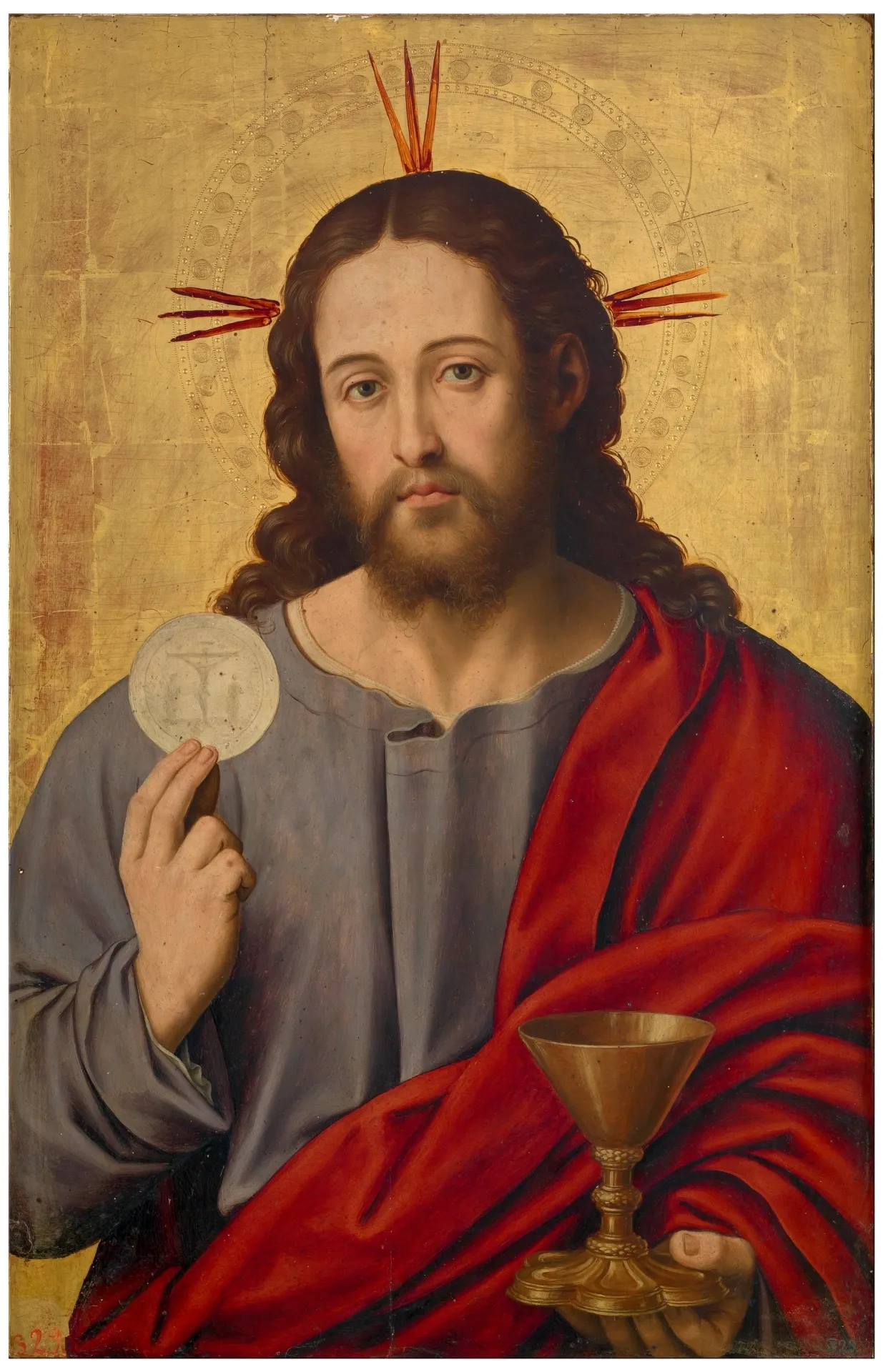
"El Salvador" by Vicente Juan Juan de Juanes, also known as Masip (Macip), is a remarkable hand-painted oil painting that stands as an icon of the Spanish Renaissance movement. This masterpiece not only reflects the religious fervor of its era but also showcases the artist’s exceptional skill. Collectors and enthusiasts seeking a fine art painting for sale will appreciate its historical significance, especially when paired with related works like "Melquisedec, Rey De Salem" or "San Pedro."
The detailed brushwork and luminous color palette of this oil on canvas highlight Vicente Juan Juan de Juanes’ mastery. As a leading figure of the Spanish Renaissance, his technique brings depth and realism to "El Salvador." Each deliberate stroke demonstrates his dedication to religious themes, making this painting a true gem for admirers of classical art. Related pieces such as "El Salvador Con La Eucaristia" and "The Last Supper (2) 1560s" offer further insight into his artistic range.
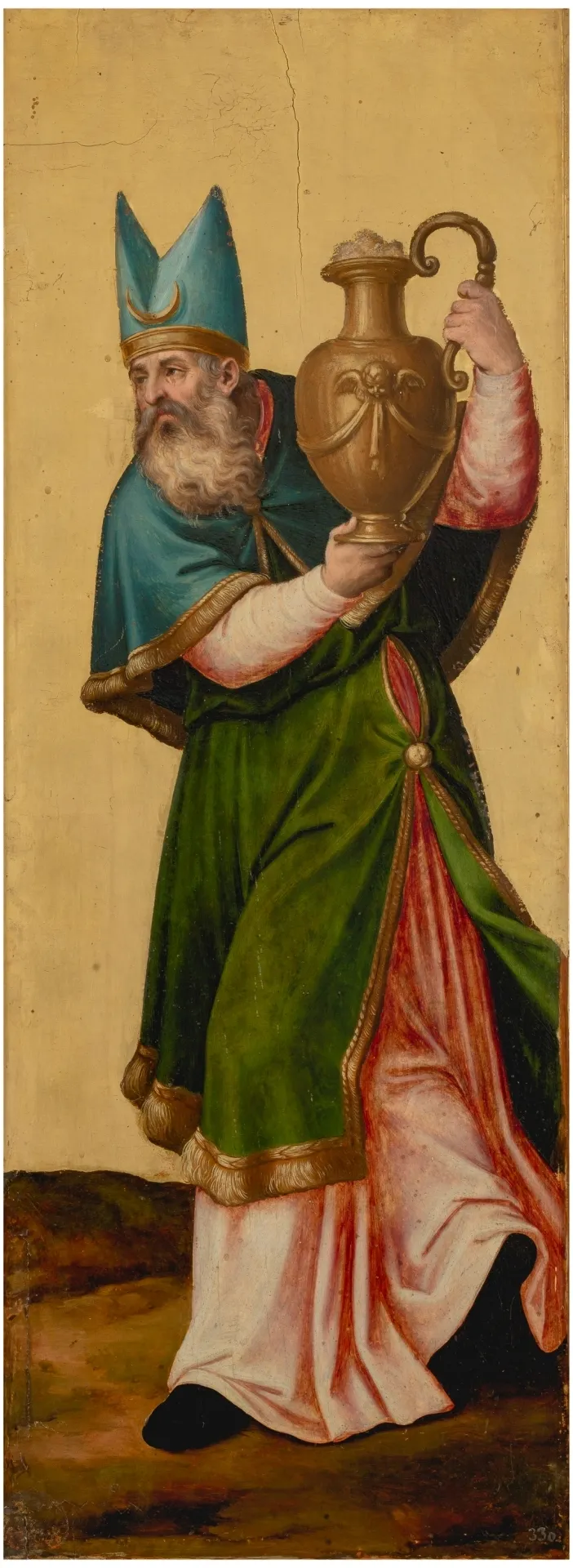
"El Salvador" is rich with symbolic elements that invite viewers into the spiritual narratives of the Spanish Renaissance. Vicente Juan Juan de Juanes infused this hand-painted oil painting with iconography that reflects deep theological meaning. Collectors interested in religious art will find its themes echoed in related works like "El Sumo Sacerdote Aaron." Each symbol in the composition adds to the enduring story, making this piece a fascinating subject for study and admiration.
For art enthusiasts and collectors, "El Salvador" by Vicente Juan Juan de Juanes represents an exceptional fine art painting for sale. As an authentic example of oil on canvas from the Spanish Renaissance, it brings museum-quality beauty to any collection. Pairing it with works such as "Melquisedec, Rey De Salem" or "San Pedro" can create a compelling display of the period’s artistry and devotion, making it a true collector’s treasure.
When Art Meets History
"El Salvador" by Vicente Juan Juan de Juanes, also known as Masip (Macip), is a significant hand-painted oil painting from the Spanish Renaissance movement. This period was marked by a revival of classical ideals and religious themes, evident in Juanes’s devotional works. The painting reflects the era’s deep spiritual fervor and artistic innovation, standing alongside other masterpieces by the artist. "El Salvador" offers a window into the cultural and religious landscape of Renaissance Spain.
Techniques That Speak
Vicente Juan Juan de Juanes meticulously employed oil on canvas, a favored medium of the Spanish Renaissance, to create "El Salvador." His technique showcases delicate brushwork, rich color palettes, and subtle gradations of light, resulting in lifelike textures and spiritual depth. The careful layering of oils brings the subject to life, making this painting a prime example of Renaissance artistry. Juanes’s mastery of oil on canvas is also seen in his other religious works from the same era.
Emotions on Display
"El Salvador" radiates a profound sense of serenity and devotion, capturing the emotional intensity characteristic of Spanish Renaissance art. Juanes’s composition and use of color evoke a spiritual connection, inviting viewers to contemplate the divine. This fine art painting for sale continues to inspire with its expressive portrayal of sacred themes, much like the artist’s other iconic religious paintings. The emotional resonance of the piece is a testament to Juanes’s enduring legacy.
Coveted by Collectors
As a notable hand-painted oil painting from the Spanish Renaissance, "El Salvador" by Vicente Juan Juan de Juanes is highly sought after by collectors and art enthusiasts. Its historical significance and exquisite technique make it a prized addition to any collection. The painting’s rarity and connection to the celebrated Spanish master ensure its place among the most desirable fine art pieces. Collectors value works like "El Salvador" for their timeless appeal and cultural importance.
Frequently Asked Questions About El Salvador
What is the historical significance of "El Salvador" by Vicente Juan Juan de Juanes?
"El Salvador" is a significant work from the Spanish Renaissance, reflecting the religious fervor and artistic innovation of the period. Created in the late 16th century, it showcases the transition from medieval to modern artistic techniques in Spain.
What artistic techniques are employed in "El Salvador"?
The painting utilizes oil on canvas, a technique popularized during the Renaissance. Juanes demonstrates mastery in chiaroscuro, creating depth and volume, while the intricate detailing of textures highlights his skill in realism.
What are the main themes depicted in "El Salvador"?
The primary themes of "El Salvador" include redemption, divinity, and the human experience. The portrayal of Christ emphasizes his role as a savior, inviting contemplation on faith and spirituality.
How does "El Salvador" reflect the cultural context of its time?
The painting reflects the Counter-Reformation's influence, aiming to inspire devotion and reinforce Catholic beliefs. It embodies the era's emphasis on religious imagery as a means of communication and education for the faithful.
What symbols are present in "El Salvador" and what do they represent?
Key symbols include the halo surrounding Christ, representing holiness, and the gesture of blessing, which signifies divine authority. These elements collectively reinforce the painting's spiritual message and Christ's significance in Christianity.
Who was Vicente Juan Juan de Juanes and what is his contribution to art?
Vicente Juan Juan de Juanes, also known as Masip, was a prominent Spanish painter of the Renaissance. His works are characterized by their emotional depth and religious themes, contributing significantly to the development of Spanish Baroque art.
What influences can be seen in the style of "El Salvador"?
The style of "El Salvador" is influenced by Italian Renaissance artists, particularly in the use of perspective and anatomical accuracy. Juanes synthesized these influences with Spanish traditions, creating a unique blend that defined his artistic voice.
In what ways does "El Salvador" exemplify Renaissance ideals?
The painting exemplifies Renaissance ideals through its focus on humanism, realism, and the celebration of divine beauty. The meticulous attention to detail and the emotional expression of Christ reflect the era's quest for knowledge and understanding of the human condition.
What impact did "El Salvador" have on later artists?
"El Salvador" influenced later generations of artists by setting a standard for religious painting in Spain. Its emotional resonance and technical prowess inspired subsequent artists to explore similar themes and techniques in their own works.
Where can "El Salvador" be viewed today?
"El Salvador" is housed in a prominent art collection, allowing visitors to appreciate its historical and artistic significance. The painting is often featured in exhibitions focused on Renaissance art and Spanish heritage.























_GFM_Painting_(1).webp)


 100% Hand-Painted: Finished in 3-6 Weeks

.png)












_1560s.webp)



_(1).webp)