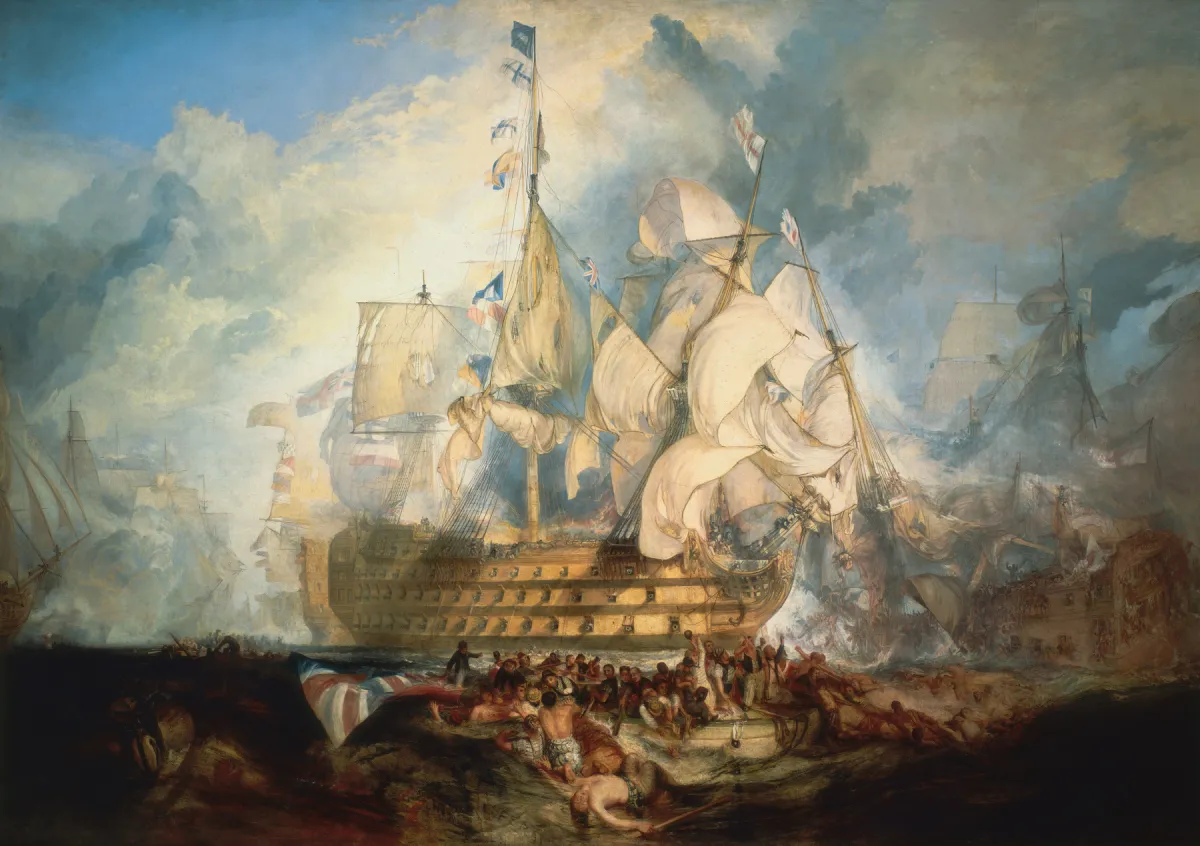
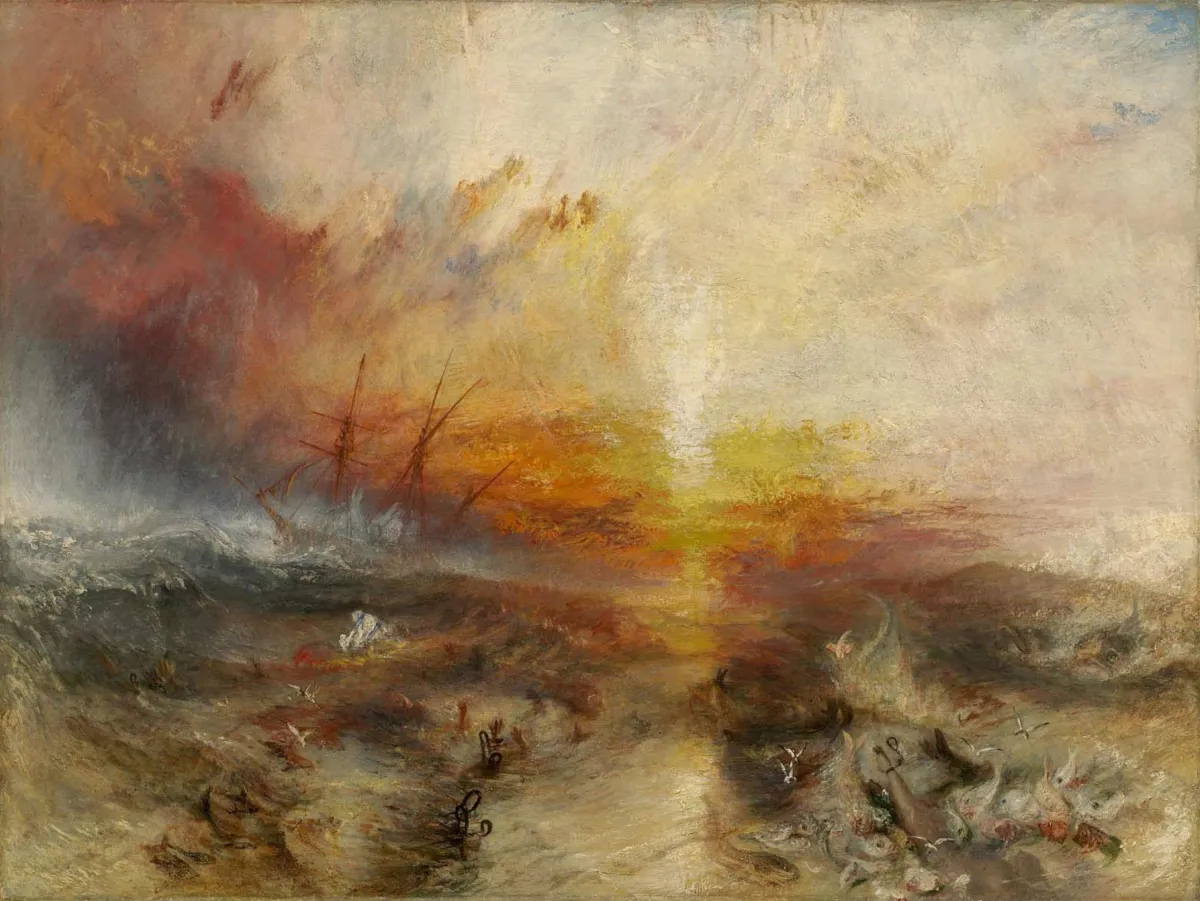
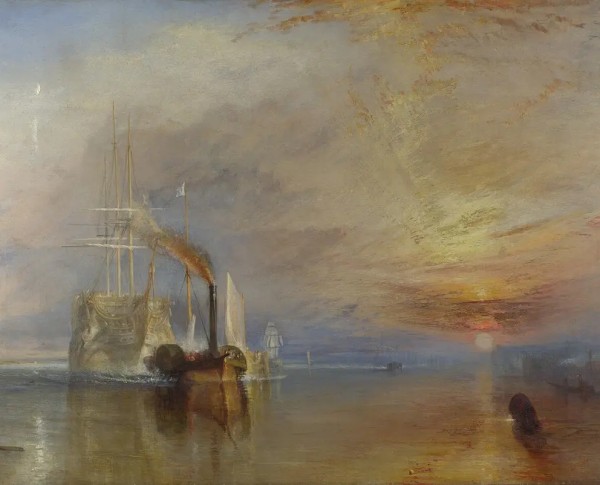
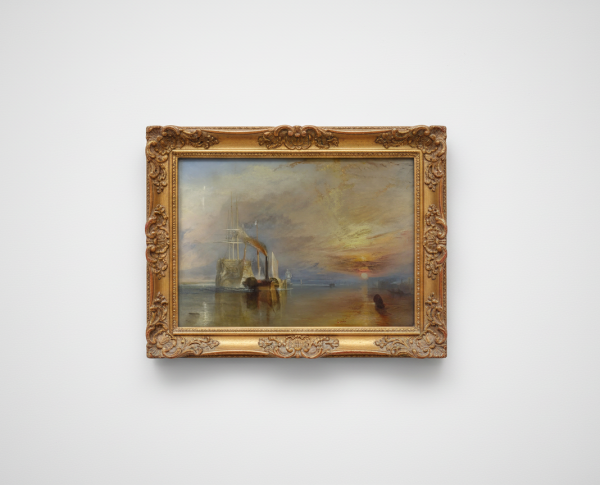
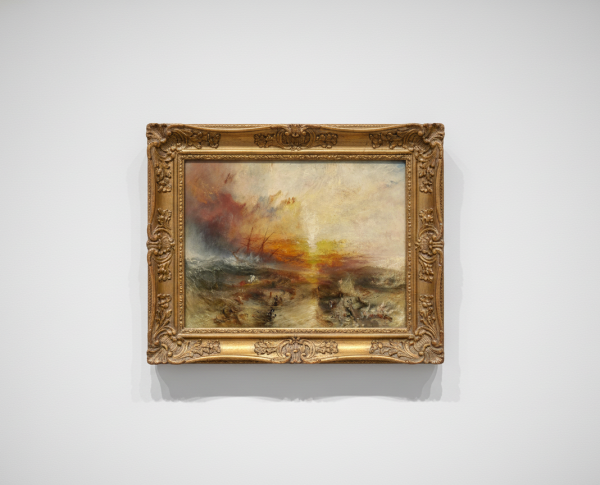
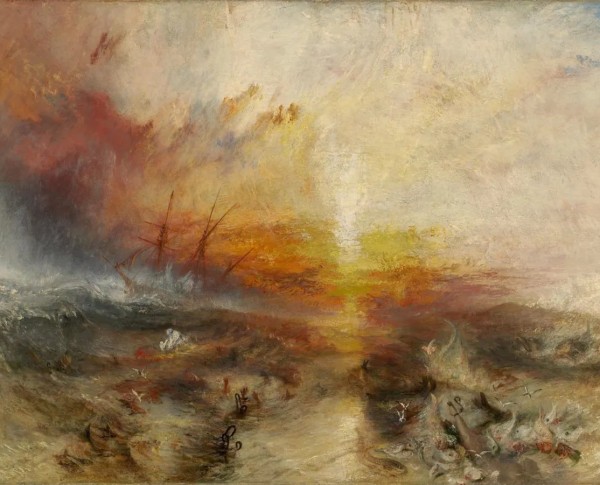
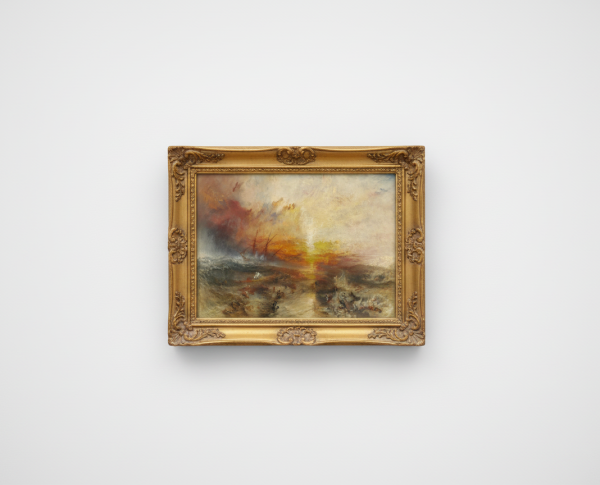
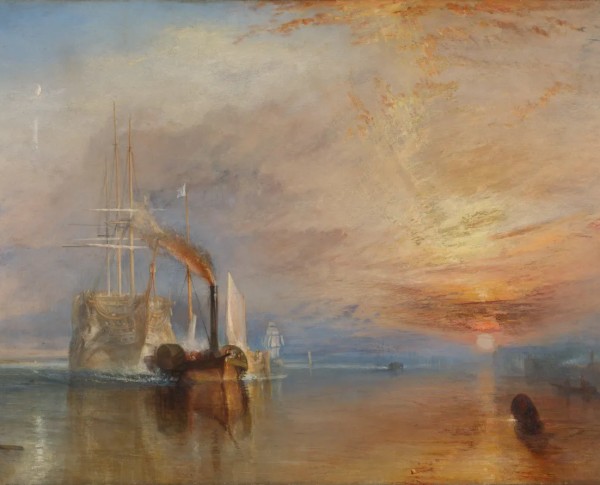
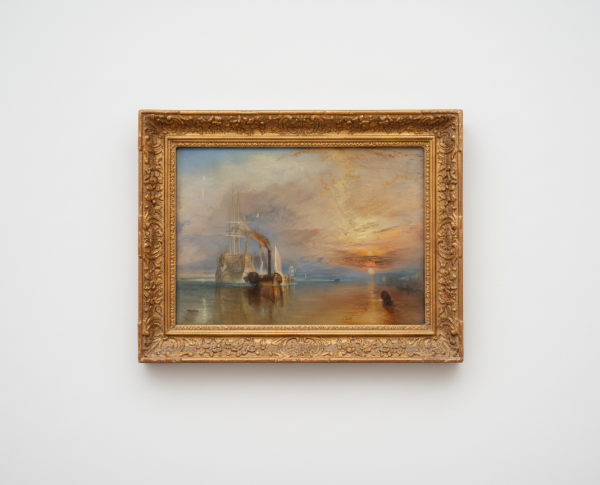
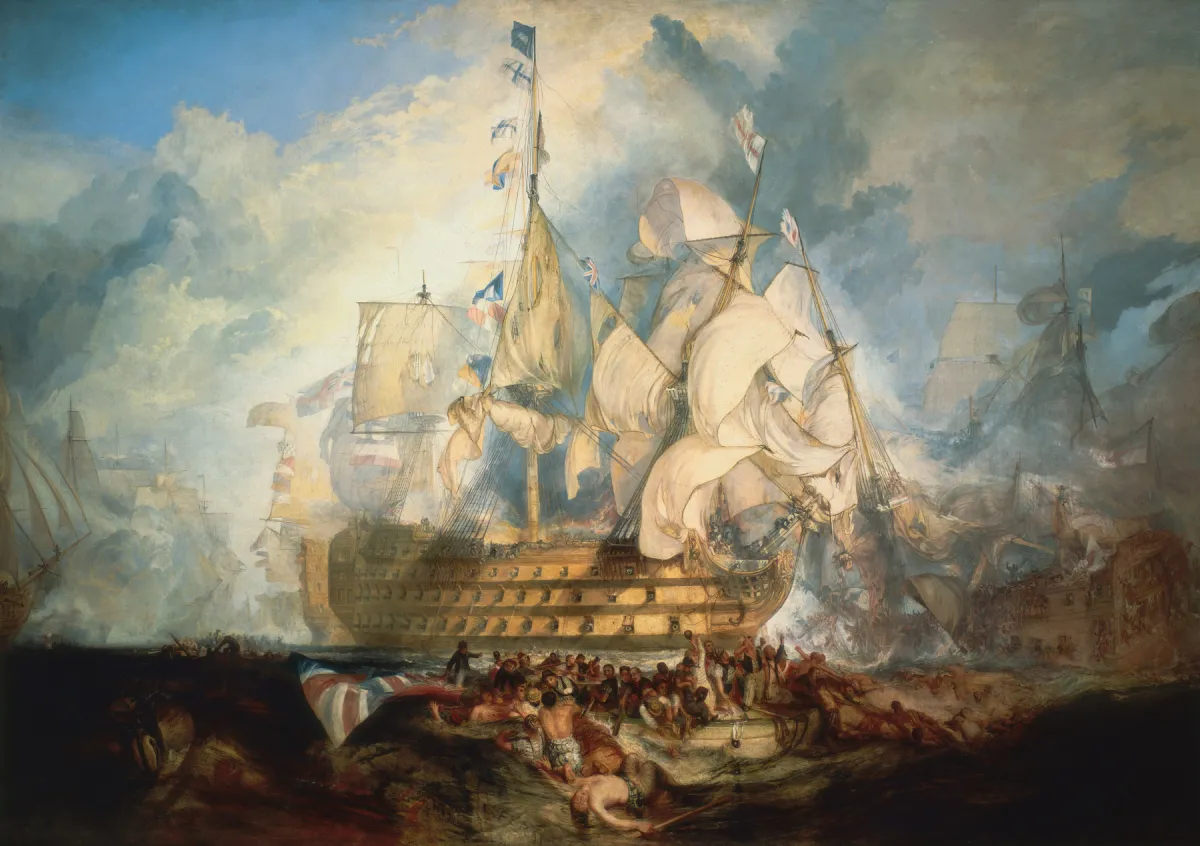
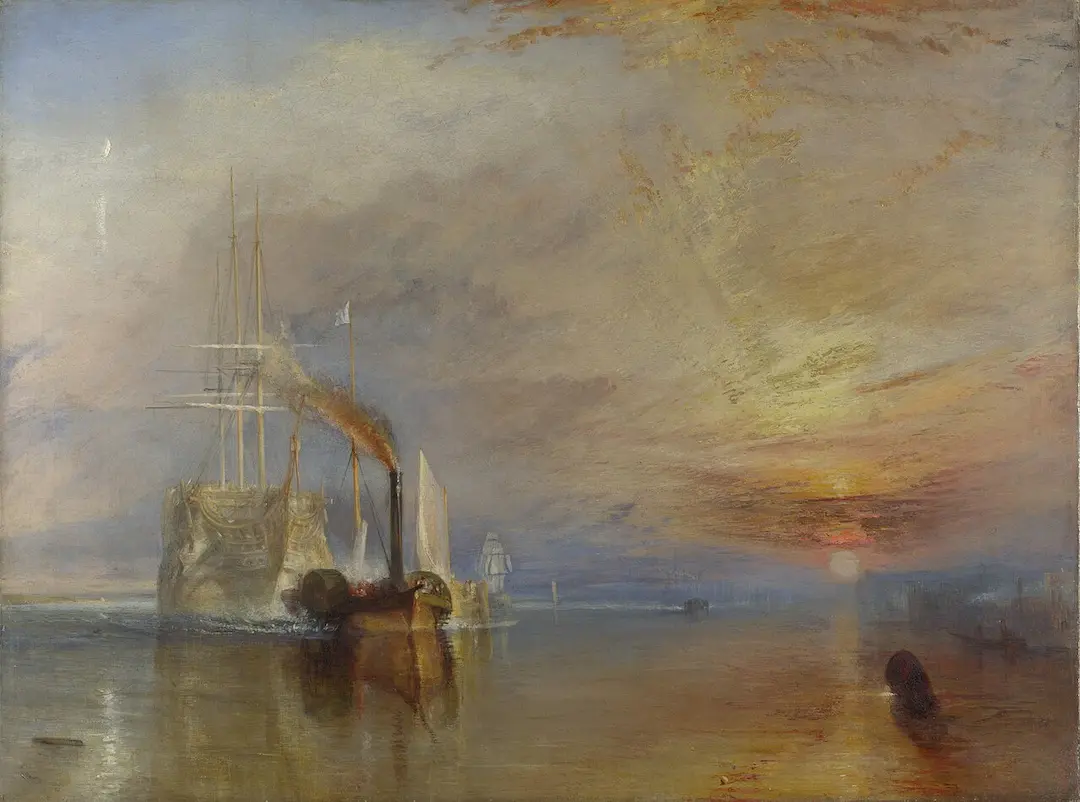
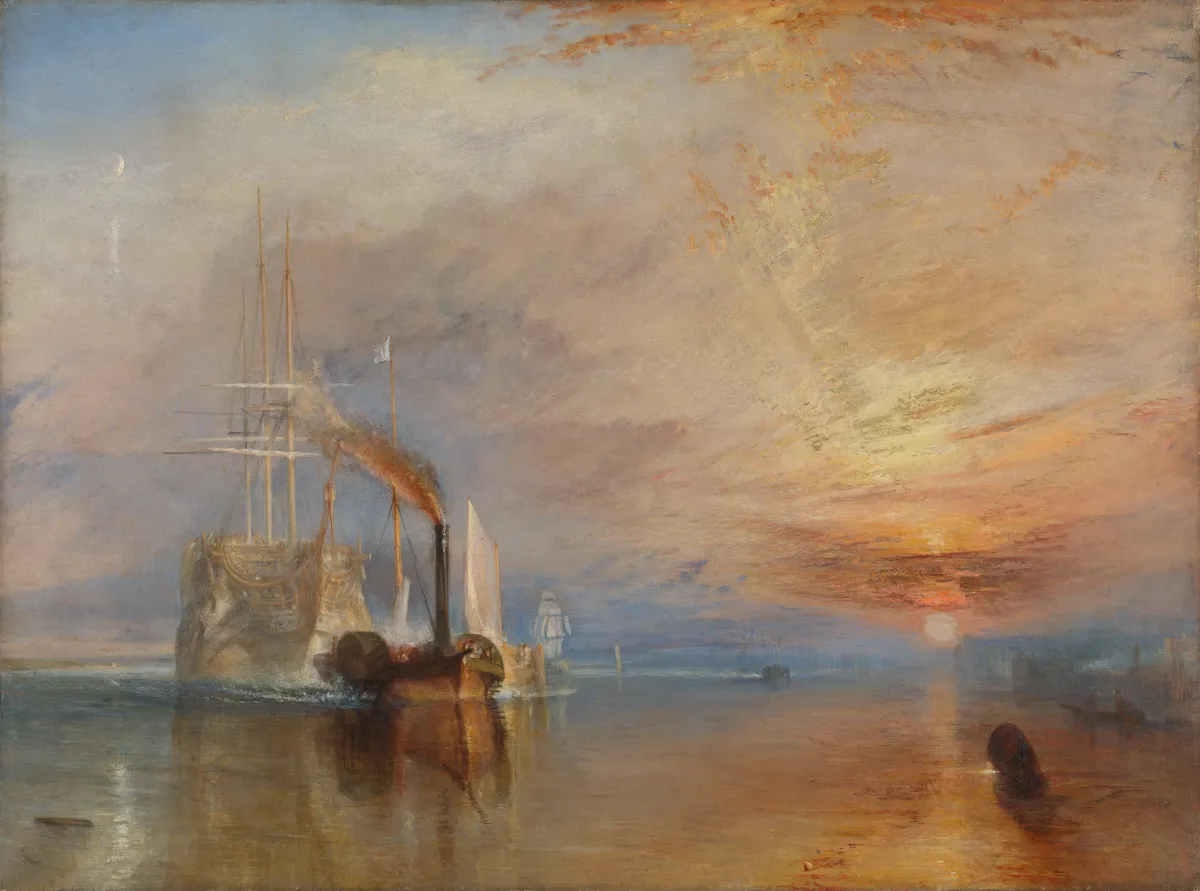
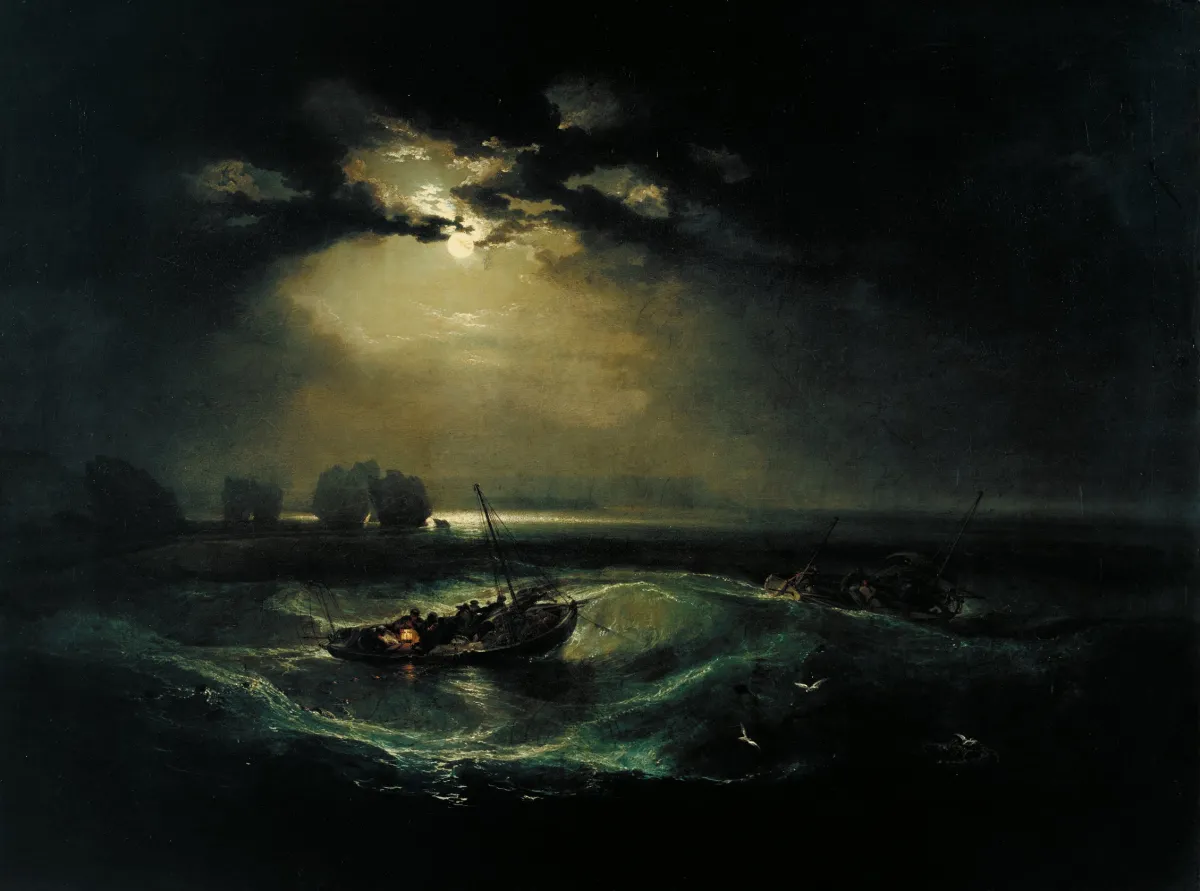
Turner’s technique in "The Battle of Trafalgar" exemplifies the mastery of oil on canvas that defines the Romanticism era. His dynamic brushwork and luminous color palette bring the chaos and heroism of battle to life. Art admirers often compare this painting to related products like "The Fighting 'Téméraire' tugged to her last Berth to be broken up" and "Fishermen at Sea," which also demonstrate his extraordinary skill in capturing the power of the sea.
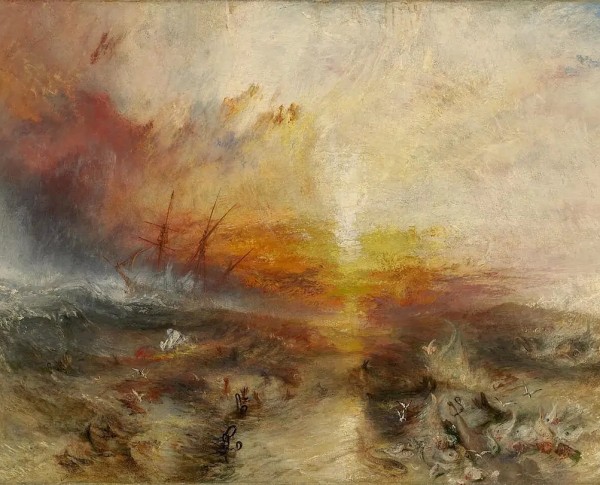
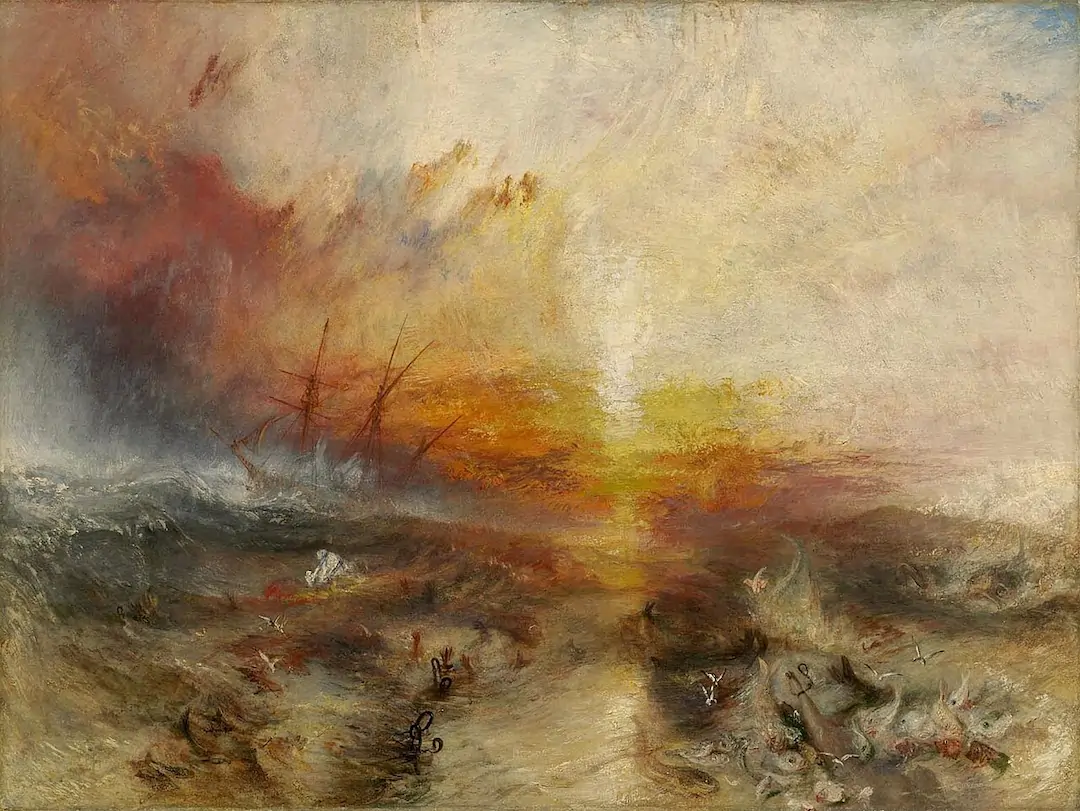
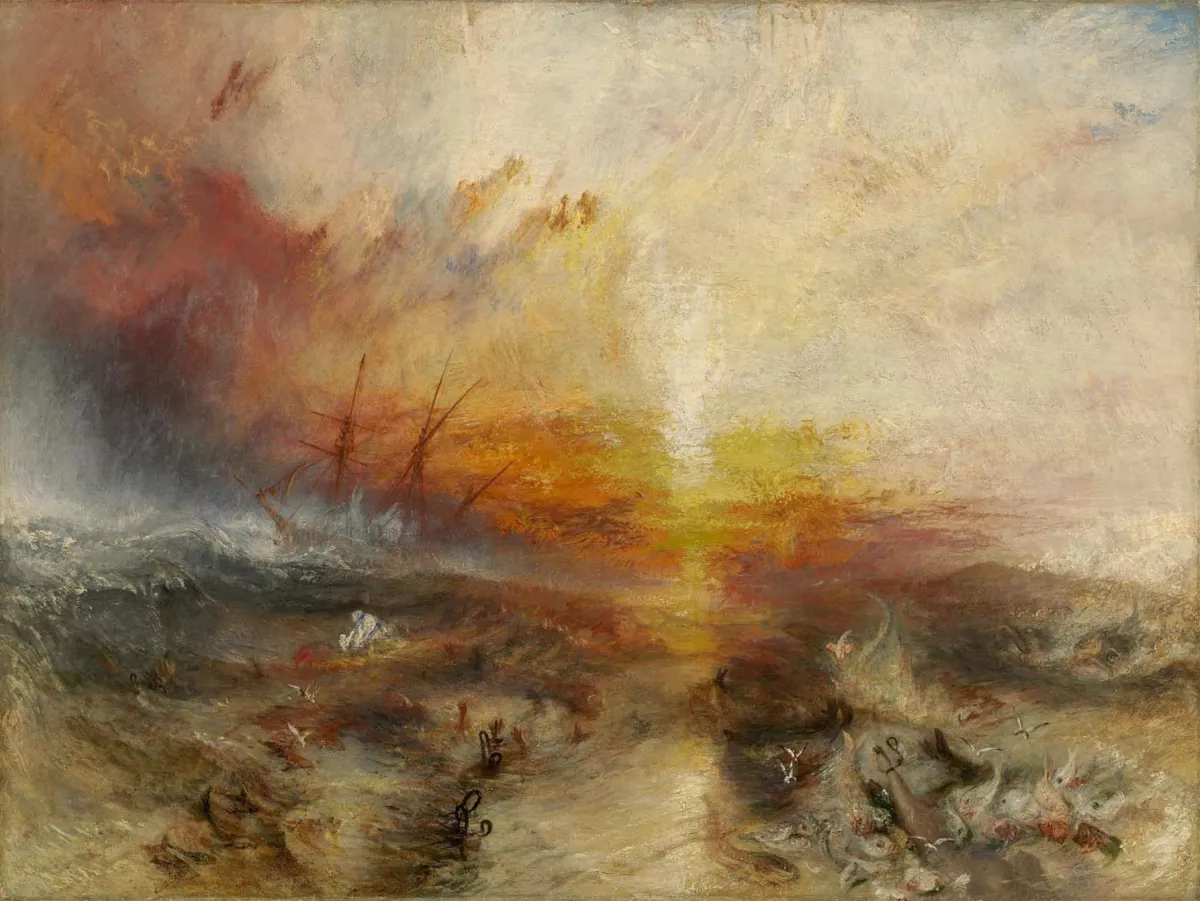
Every element in "The Battle of Trafalgar" tells a story, making it more than just an oil on canvas. Turner weaves symbolism throughout the scene, from the entangled ships to the brooding skies, reflecting both triumph and tragedy. This hand-painted oil painting shares thematic depth with other fine works, such as "The Fighting Temeraire" and "The Slave Ship 1840," which Turner used to comment on contemporary events and human emotion.
Owning "The Battle of Trafalgar" or a related Turner masterpiece is a dream for any collector seeking a fine art painting for sale. As a leading figure in the Romanticism movement, Turner’s works, including "Light and Colour (Goethe's Theory) – The Morning after the Deluge – Moses Writing the Book of Genesis," are highly prized. These paintings not only elevate a collection but also connect the owner with a rich legacy of artistic brilliance and historical resonance.
When Art Meets History
"The Battle of Trafalgar" by Joseph Mallord William Turner masterfully captures a pivotal moment in British naval history within the Romanticism movement. This hand-painted oil painting immortalizes the famous 1805 conflict, blending dramatic realism with emotional intensity. Turner’s ability to intertwine historical narrative and visual splendor echoes in related works like "Cottage at East Bergholt" and "Mountain Landscape with Rainbow," making this piece a cornerstone for those seeking historical and artistic depth.
Techniques That Speak
Turner’s "The Battle of Trafalgar" is renowned for its innovative use of oil on canvas, a technique that allows for luminous effects and dynamic contrasts. His swirling brushwork and bold color choices evoke the chaos of battle and the grandeur of the sea. Similar technical mastery is evident in related paintings such as "Fishing Boats Beating up to Windward" and "Salisbury Cathedral from the Meadows," highlighting Turner’s pivotal role in advancing Romanticism through oil painting.
Emotions on Display
Through "The Battle of Trafalgar," Turner channels the emotional turbulence of war, a hallmark of the Romanticism movement. The painting’s tempestuous skies and tumultuous waters stir feelings of awe and reverence. As with "Two men contemplating the Moon," Turner’s compositions evoke both grandeur and vulnerability, making each scene resonate deeply with viewers. Collectors and art enthusiasts often seek such evocative works when searching for a fine art painting for sale.
Coveted by Collectors
Joseph Mallord William Turner’s "The Battle of Trafalgar" is highly coveted by collectors for its historical significance and artistic innovation within Romanticism. This hand-painted oil painting stands alongside masterpieces like "Mountain Landscape with Rainbow" and "Salisbury Cathedral from the Meadows" as a testament to Turner’s enduring legacy. Art lovers searching for an exceptional fine art painting for sale are consistently drawn to such iconic works that bridge history and emotion.
Related Romanticism Hand-Painted Oil Paintings by Other Artists
Other Famous Romanticism Artists:
Frequently Asked Questions About The Battle of Trafalgar
What historical event does "The Battle of Trafalgar" depict?
"The Battle of Trafalgar" depicts the naval battle that took place on October 21, 1805, during the Napoleonic Wars, where the British Royal Navy, led by Admiral Horatio Nelson, achieved a decisive victory against the combined fleets of France and Spain.
Who was the artist of "The Battle of Trafalgar" and what is his significance in art history?
The painting was created by Joseph Mallord William Turner, a prominent British artist known for his innovative use of light and color. Turner is often regarded as a precursor to Impressionism, and his works have had a lasting impact on landscape painting.
What artistic techniques did Turner employ in this painting?
Turner utilized dramatic lighting, dynamic brushwork, and a vibrant color palette to convey the chaos and energy of the battle. His use of atmospheric effects, particularly in the depiction of smoke and water, enhances the sense of movement and emotion.
What symbolism can be found in "The Battle of Trafalgar"?
The painting symbolizes British naval supremacy and the triumph of the Royal Navy. The turbulent sea and stormy sky reflect the tumult of war, while the ship's sails and flags represent national pride and the spirit of resilience.
How does Turner's portrayal of the sea contribute to the painting's overall theme?
Turner's portrayal of the sea is both tumultuous and majestic, emphasizing its power and unpredictability. This reflects the broader theme of nature's dominance over human endeavors, highlighting the fragility of life amidst the grandeur of the natural world.
What was the public's initial reaction to "The Battle of Trafalgar" upon its unveiling?
Upon its unveiling in 1822, the painting received mixed reviews. While some praised Turner's dramatic interpretation and emotional depth, others criticized it for its abstraction and departure from traditional representation of historical events.
In what ways does "The Battle of Trafalgar" reflect the Romantic movement?
The painting embodies key characteristics of the Romantic movement, including an emphasis on emotion, the sublime power of nature, and individual heroism. Turner's focus on the dramatic interplay between light and dark also aligns with Romantic ideals.
What role did the Battle of Trafalgar play in British history?
The Battle of Trafalgar was a pivotal moment in British history, securing British naval dominance for over a century and significantly weakening Napoleon's influence at sea. It solidified Admiral Nelson's status as a national hero.
How has "The Battle of Trafalgar" influenced subsequent artists?
The painting has influenced numerous artists, particularly those interested in maritime themes and the use of light. Turner's innovative techniques have inspired generations of painters, leading to new explorations in color and abstraction in art.
Where can I view "The Battle of Trafalgar" today?
"The Battle of Trafalgar" is part of the collection at the National Gallery in London, where it is displayed alongside other significant works by Turner and his contemporaries.























_GFM_Painting_(1).webp)


 100% Hand-Painted: Finished in 3-6 Weeks

.png)















_(1).webp)