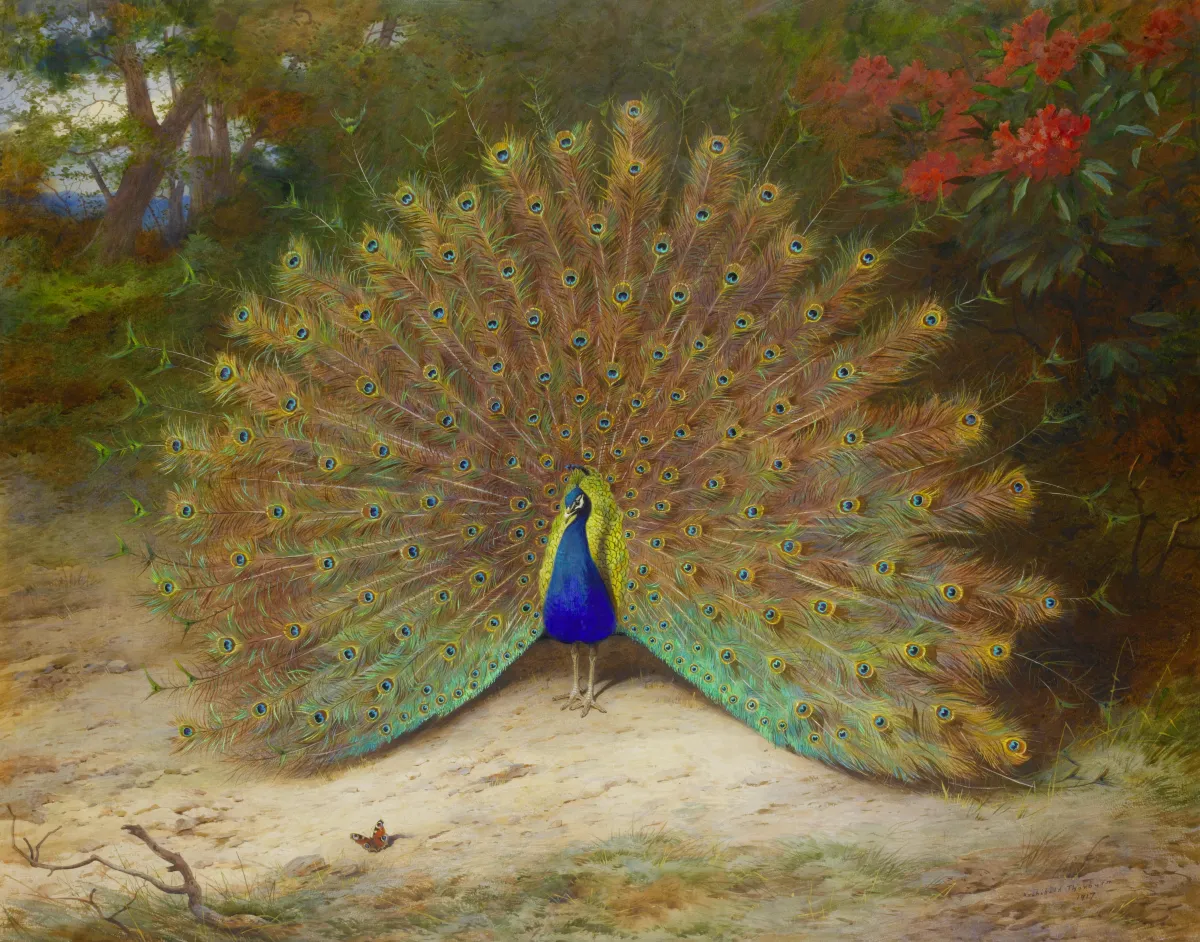
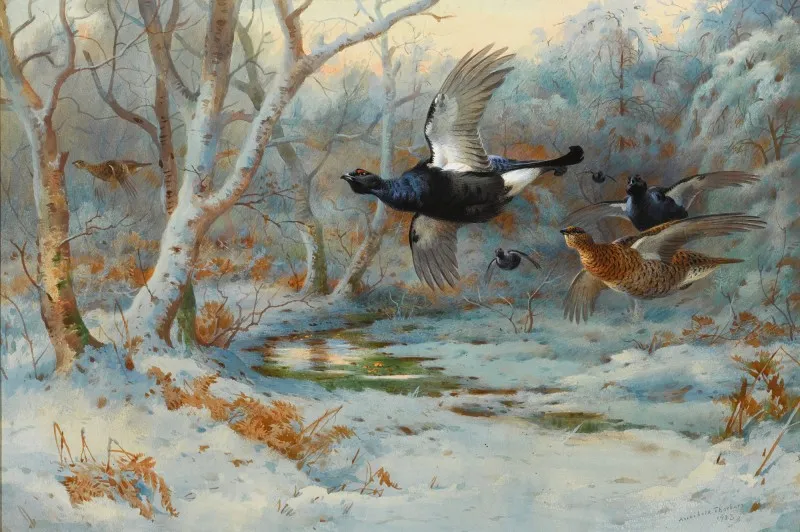
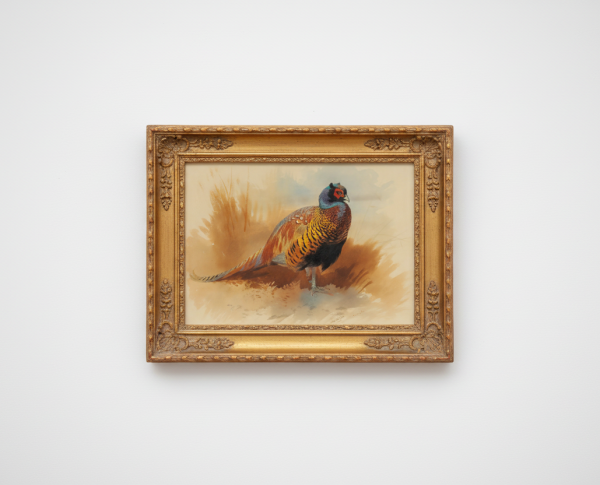
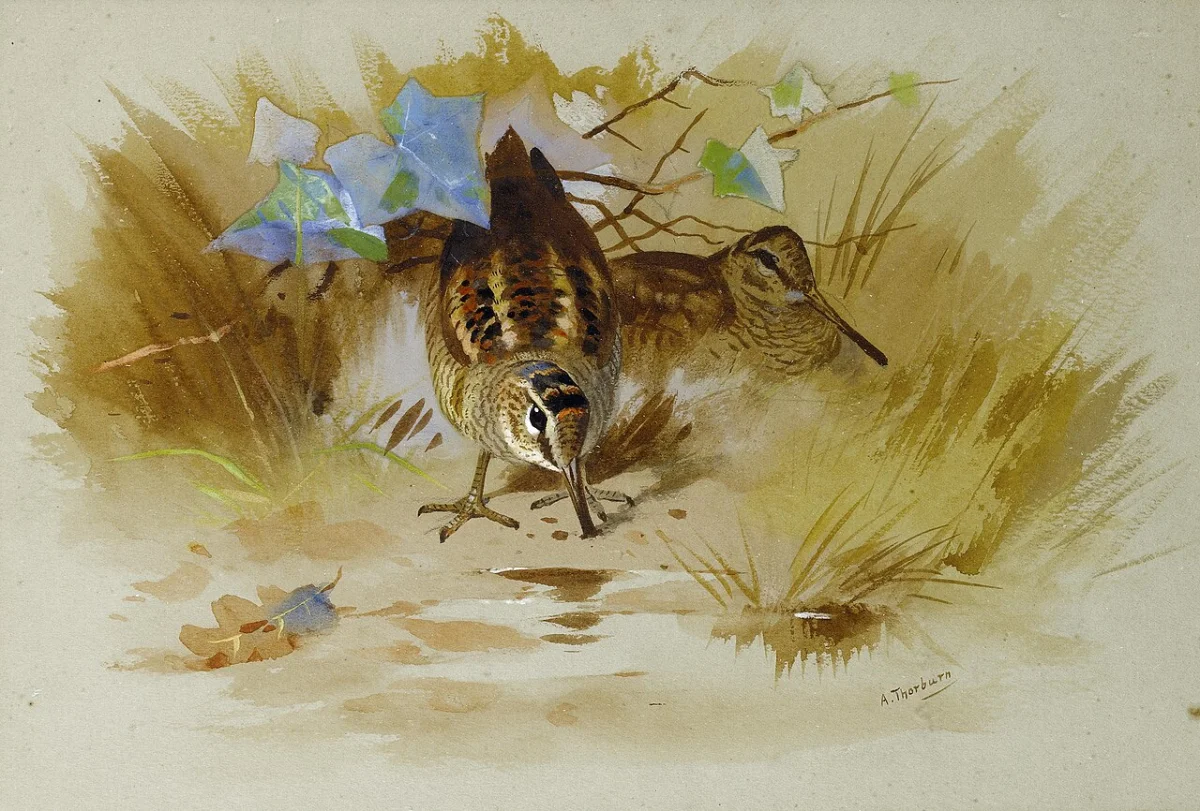
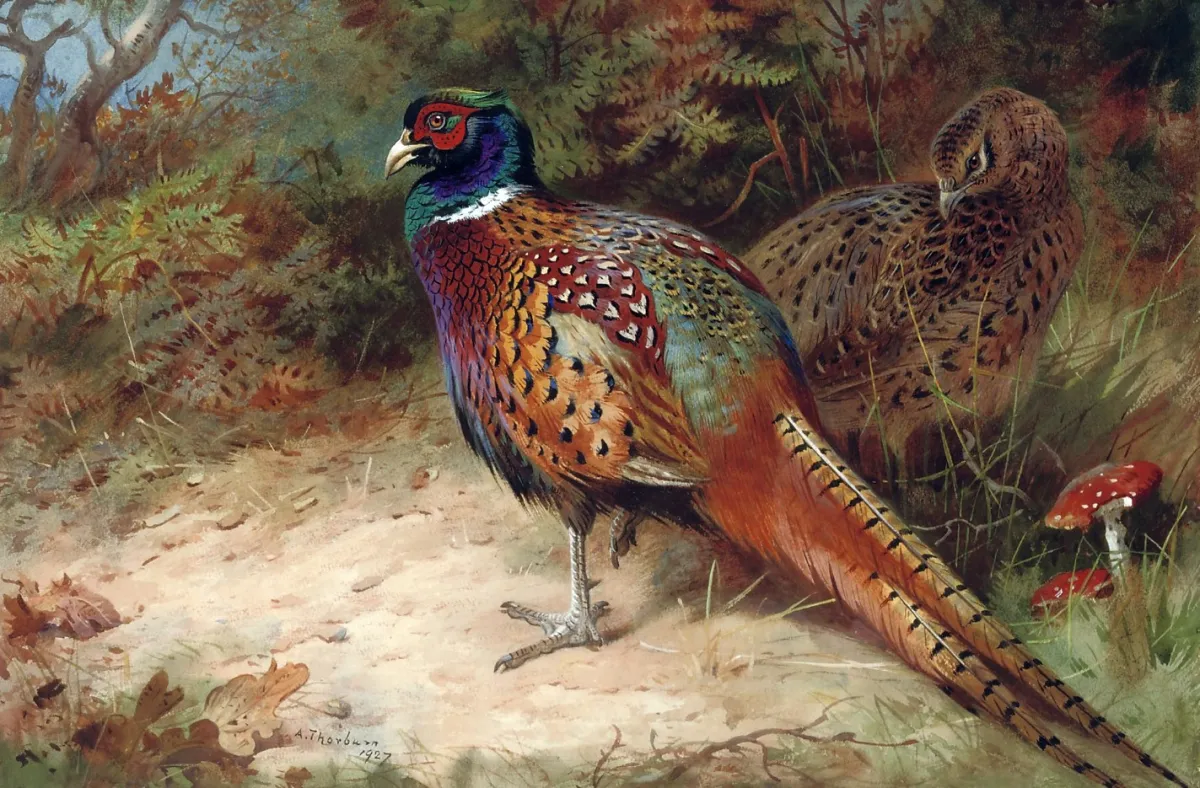
With "Woodcock in a sandy hollow.", Thorburn’s expertise in oil on canvas shines through. Every brushstroke highlights the intricate details of the woodcock and its environment, reflecting the Naturalism movement’s focus on realism. The artist’s careful observation and technical skill bring the scene vividly to life, making it a standout among wildlife art. Collectors often seek out related works such as "Cock and hen pheasant in the undergrowth" for their own collections.
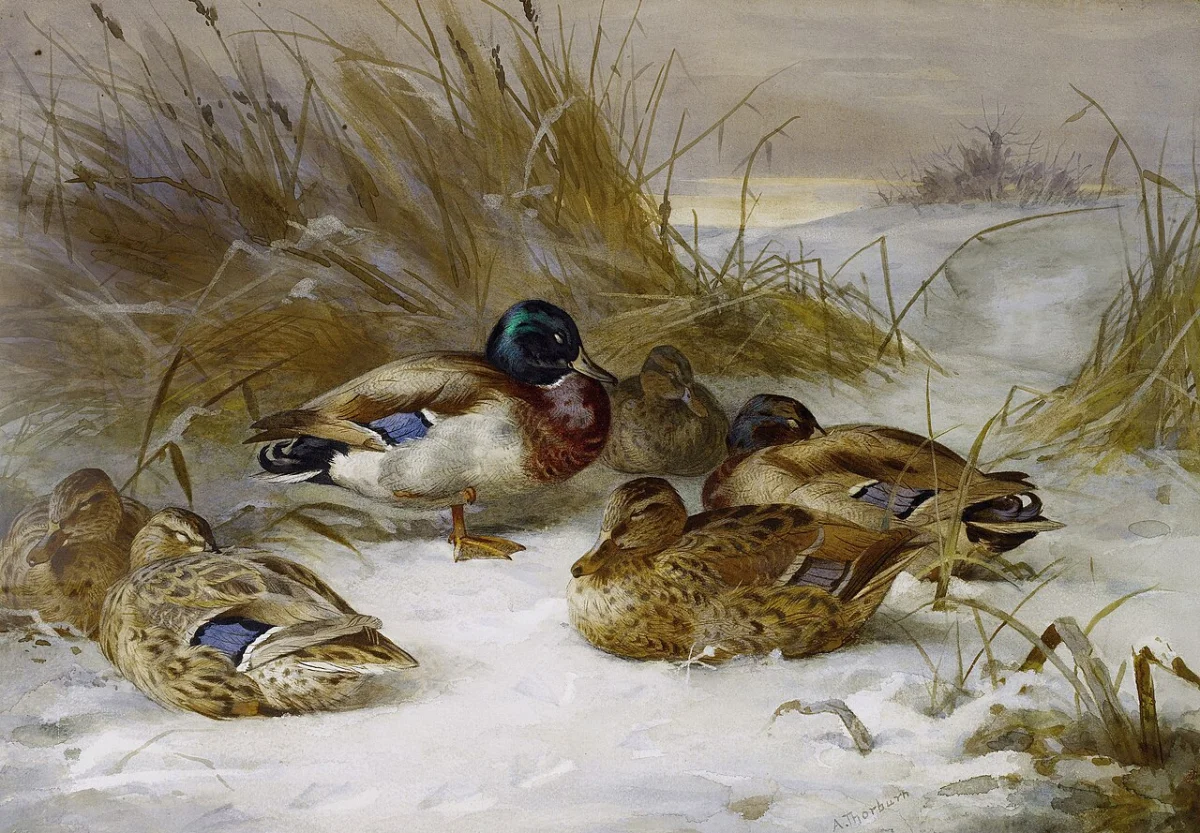
This fine art painting for sale tells a story beyond its visual beauty. "Woodcock in a sandy hollow." encapsulates the quiet elegance of nature, a recurring theme in Thorburn’s oeuvre. The painting invites viewers to reflect on the delicate balance of wildlife and environment. As with "Wigeon and Teal by the water's edge.", Thorburn’s art often symbolizes harmony and tranquility found in the natural world, appealing to those who cherish both art and nature.
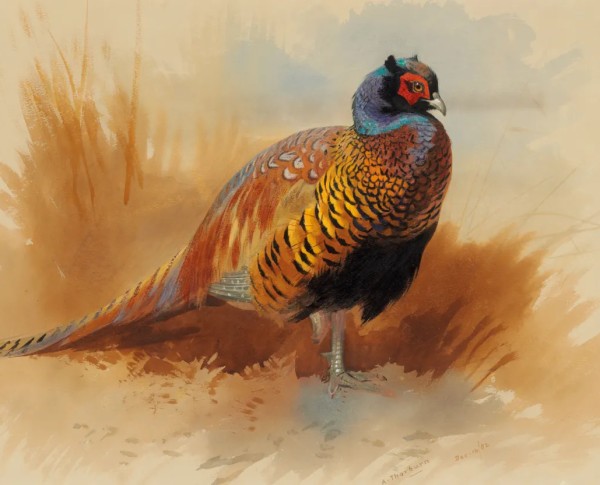
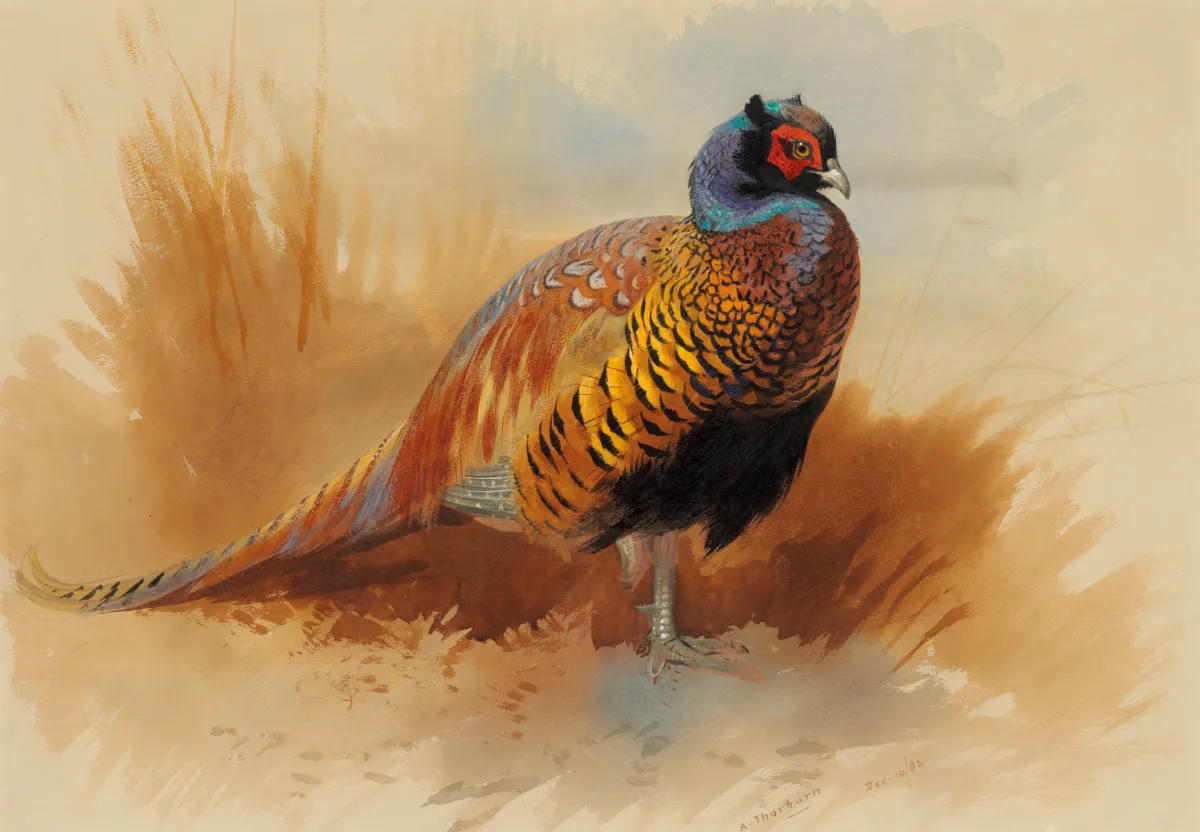
For collectors, "Woodcock in a sandy hollow." is more than just a hand-painted oil painting; it’s a prized piece from the Naturalism movement. Archibald Thorburn’s works are cherished for their authenticity and attention to detail. Owning this piece, or related products such as "Pheasants." or "Wigeon and Teal by the water's edge.", elevates a collection and brings a touch of natural beauty into any space, making it a true treasure for art lovers.
When Art Meets History
Archibald Thorburn’s "Woodcock in a Sandy Hollow" stands as a captivating testament to the Naturalism movement, capturing the delicate balance between wildlife and their environment. This hand-painted oil painting transports viewers to a serene woodland scene, resonating with the late 19th-century passion for observing nature in its unaltered state. Thorburn’s mastery echoes throughout the Naturalism era, influencing contemporaries and future artists who sought to portray wildlife with such authenticity and reverence.
Techniques That Speak
Thorburn’s meticulous brushwork in "Woodcock in a Sandy Hollow" exemplifies his commitment to lifelike representation through oil on canvas. Each feather and sandy texture is rendered with extraordinary attention to detail, reflecting the artist’s deep understanding of avian anatomy and habitat. The Naturalism movement celebrated such technical prowess, encouraging artists to closely observe and faithfully depict the natural world, a hallmark evident in Thorburn’s celebrated wildlife portraits.
Emotions on Display
"Woodcock in a Sandy Hollow" evokes a quiet, contemplative mood, inviting viewers to appreciate the subtle beauty of the woodland scene. Thorburn’s sensitive handling of light and shadow infuses the hand-painted oil painting with a sense of tranquility and intimacy. Naturalism’s focus on genuine emotion and the unembellished truth of nature is beautifully realized here, allowing the audience to connect with the woodcock’s peaceful moment in its natural habitat.
Coveted by Collectors
As a fine art painting for sale, "Woodcock in a Sandy Hollow" is highly sought after by collectors who value the blend of technical mastery and emotional resonance. Archibald Thorburn’s works, particularly within the Naturalism movement, remain prized for their authenticity and attention to detail. The enduring appeal of this oil on canvas piece is further enhanced by its historical significance, making it a cherished addition to any art collection celebrating wildlife and nature.
Frequently Asked Questions About Woodcock in a sandy hollow.
What is the historical context of "Woodcock in a sandy hollow"?
"Woodcock in a sandy hollow" was created during the early 20th century, a period marked by a growing interest in naturalism and wildlife art. Archibald Thorburn, a prominent British artist, was known for his detailed depictions of birds and their habitats, reflecting the Victorian and Edwardian fascination with nature.
What artistic techniques did Archibald Thorburn employ in this painting?
Thorburn utilized meticulous brushwork and a keen eye for detail to capture the texture of the woodcock's feathers and the sandy environment. His use of light and shadow enhances the three-dimensionality of the subject, while the composition draws the viewer's attention to the bird's natural behavior.
What symbolism is present in "Woodcock in a sandy hollow"?
The woodcock often symbolizes adaptability and resourcefulness in the face of challenges. In this painting, the bird's serene presence in a natural setting may evoke themes of tranquility and the importance of preserving wildlife habitats.
How does "Woodcock in a sandy hollow" reflect the artist's style?
This painting exemplifies Thorburn's signature style, characterized by realistic portrayals of wildlife set against their natural backgrounds. His ability to convey the essence of the subject while maintaining a harmonious relationship with the environment is a hallmark of his work.
What influences shaped Archibald Thorburn's artistic vision?
Thorburn was influenced by the naturalist movement and the works of earlier artists such as John James Audubon. His passion for ornithology and extensive studies of birds in their habitats greatly informed his artistic approach, leading to a deep understanding of avian anatomy and behavior.
What role did nature play in the art of Archibald Thorburn?
Nature was central to Thorburn's art, serving as both subject and inspiration. His paintings often highlight the beauty and fragility of wildlife, encouraging viewers to appreciate and protect the natural world. "Woodcock in a sandy hollow" is a testament to this philosophy.
In what ways did Thorburn contribute to wildlife conservation through his art?
Thorburn's detailed depictions of birds raised public awareness about the importance of wildlife conservation. His work often highlighted the beauty of species that were threatened by habitat loss, thus fostering a greater appreciation for biodiversity and the need for conservation efforts.
How does "Woodcock in a sandy hollow" compare to other works by Thorburn?
This painting stands out among Thorburn's oeuvre for its intimate portrayal of the woodcock in a natural setting. Compared to his other works, which may depict more dynamic scenes, this piece captures a moment of stillness, emphasizing the beauty of quiet observation in nature.
What techniques did Thorburn use to depict the environment in this painting?
Thorburn employed a combination of fine brushwork and layered glazing techniques to create depth and realism in the sandy hollow. His attention to the interplay of light and texture enhances the authenticity of the setting, making it feel alive and immersive.
What impact did "Woodcock in a sandy hollow" have on the genre of wildlife art?
This painting contributed to the evolution of wildlife art by setting a high standard for realism and detail. Thorburn's ability to marry artistic expression with scientific accuracy inspired future generations of wildlife artists to pursue similar ideals in their work.






















_GFM_Painting_(1).webp)


 100% Hand-Painted: Finished in 3-6 Weeks

.png)















_(1).webp)