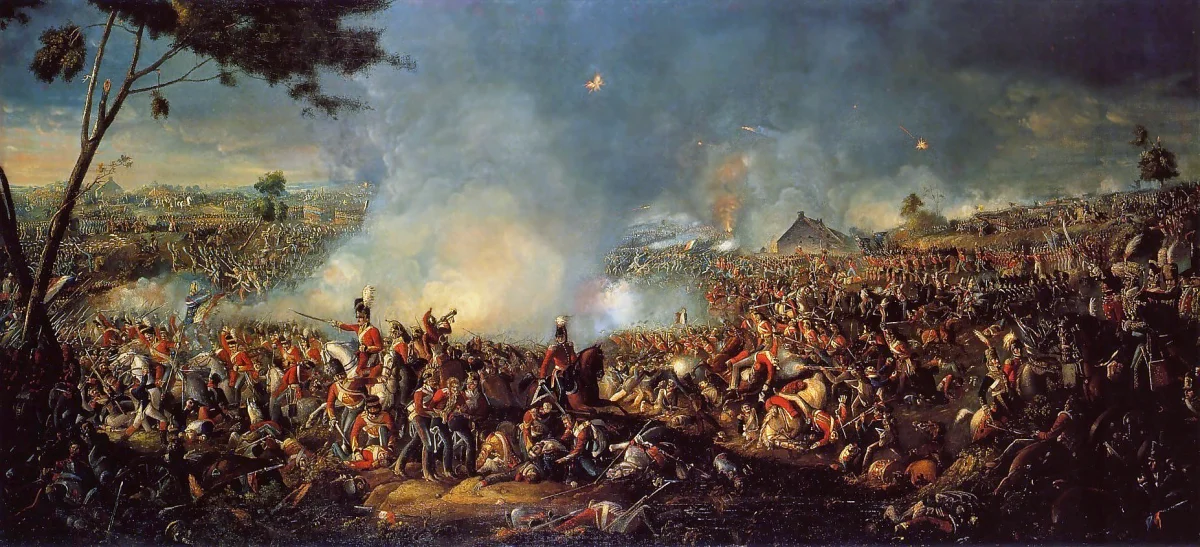
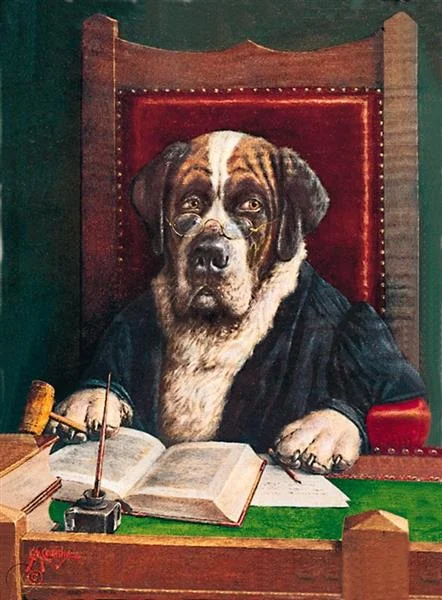
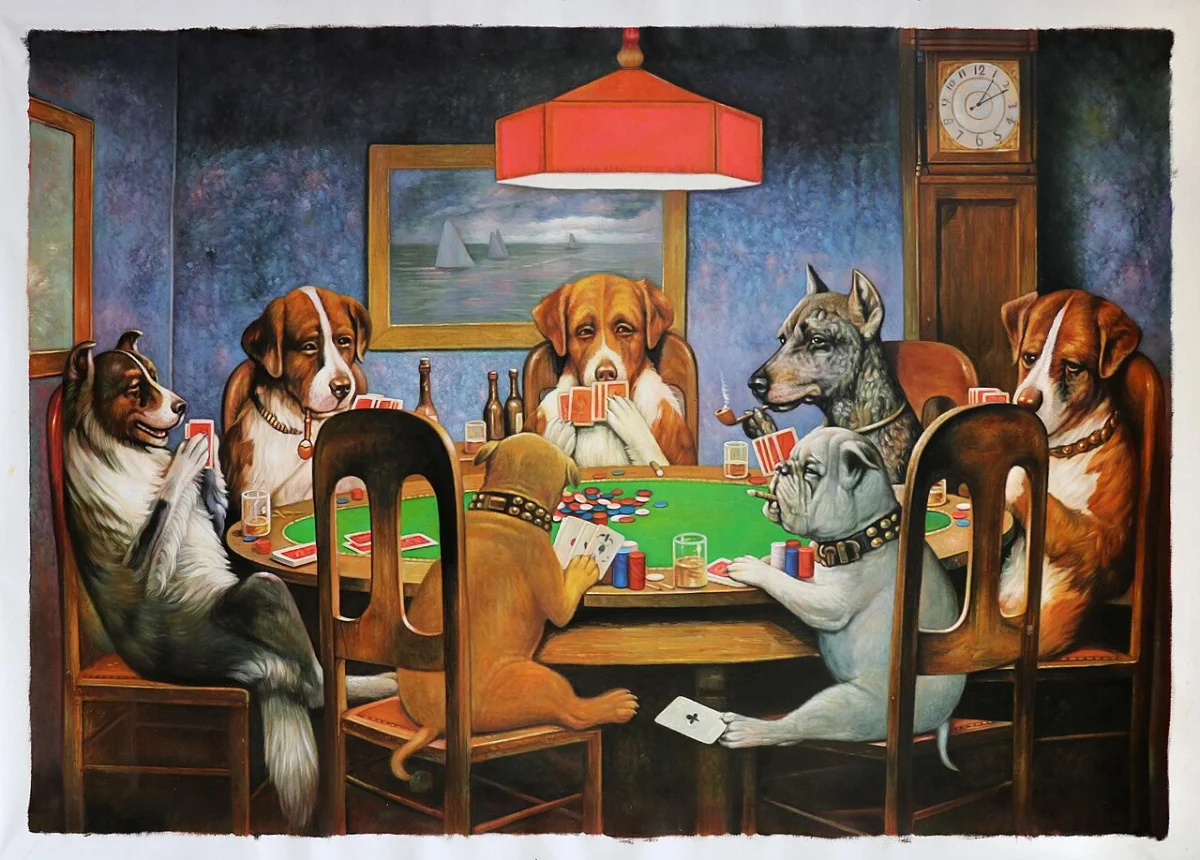
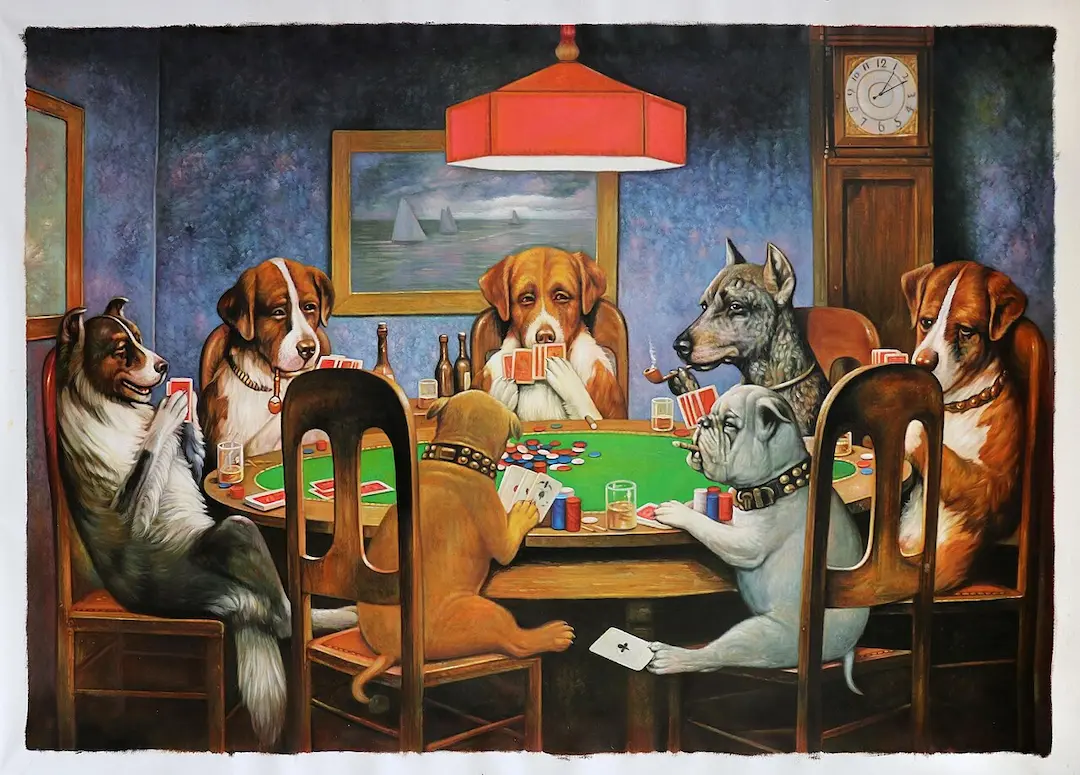
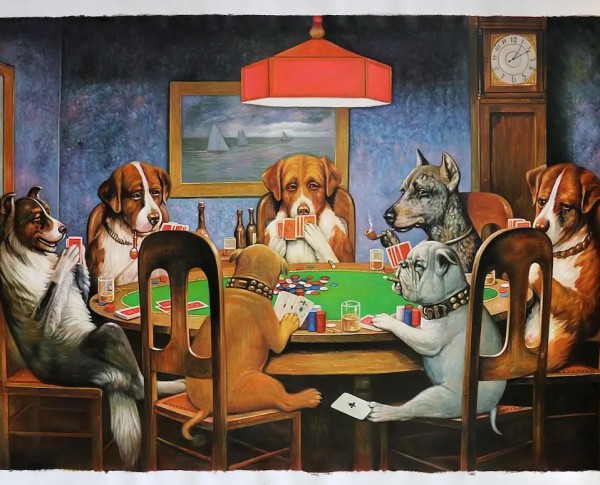
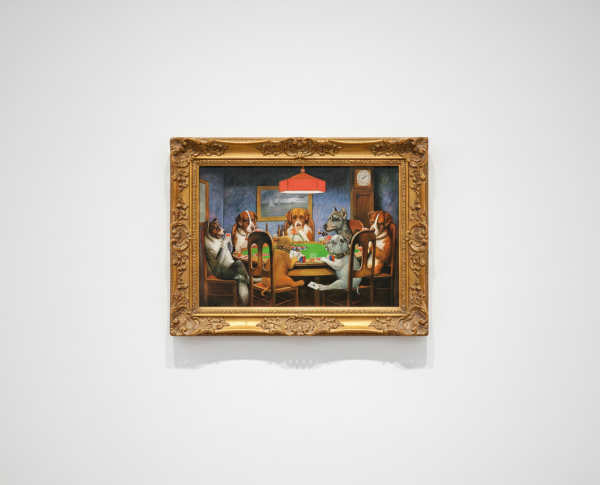
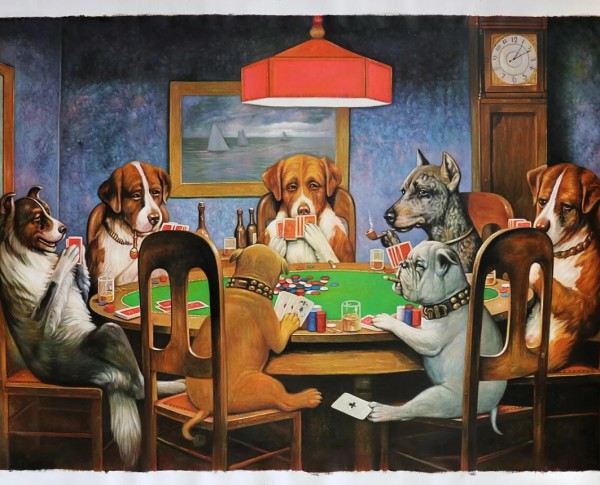
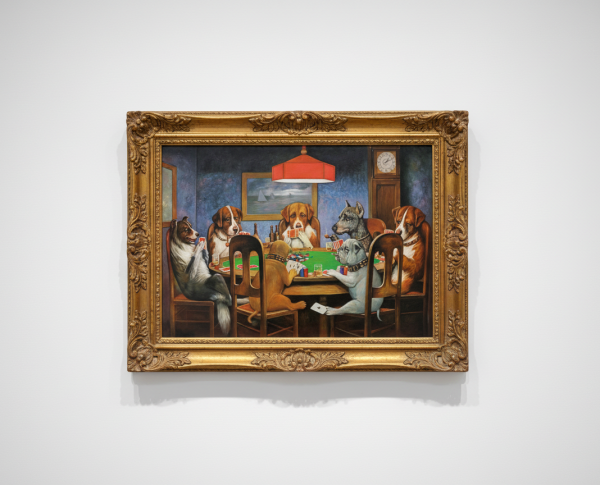
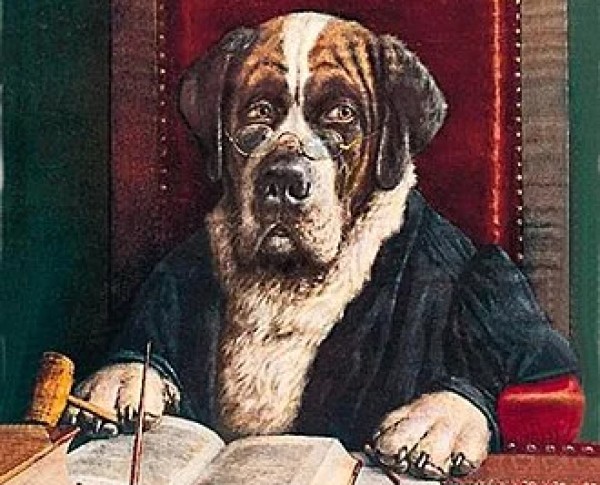
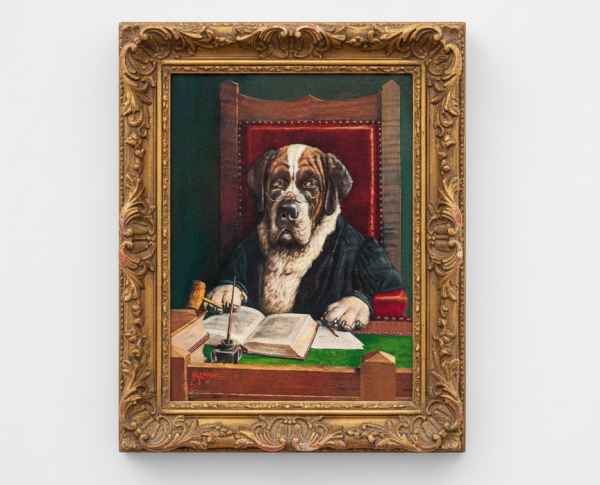
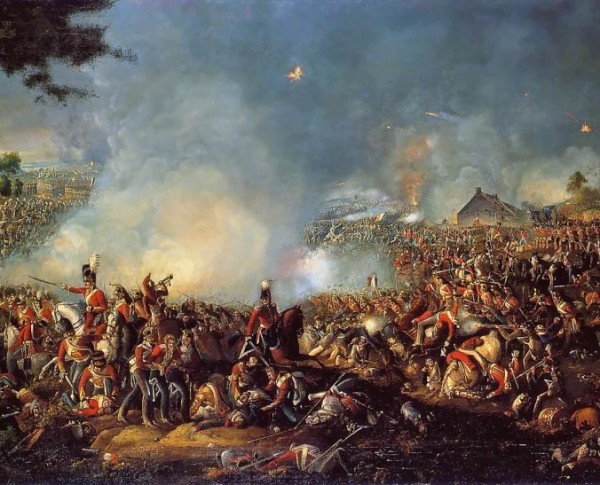
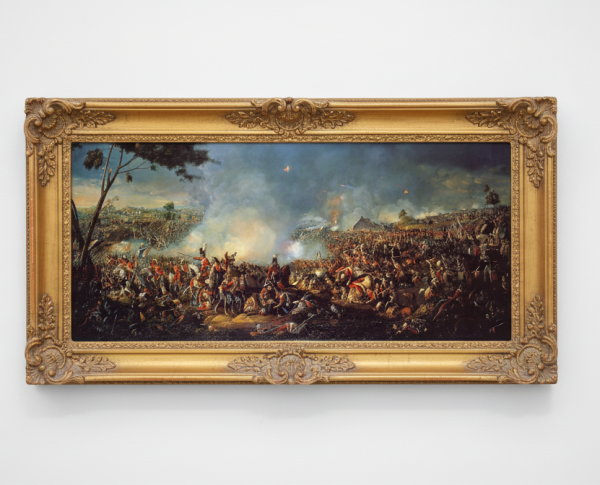
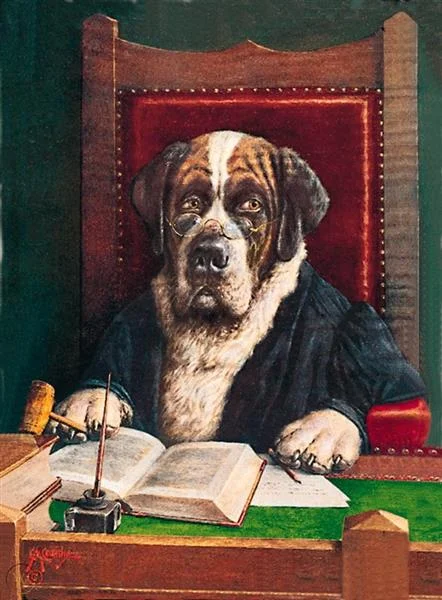
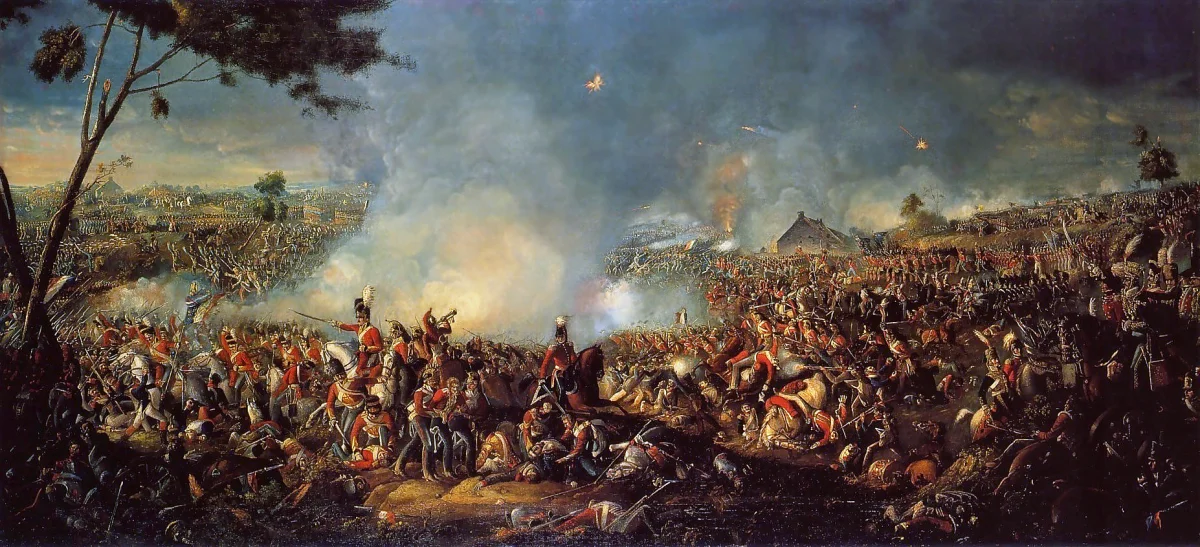
Coolidge’s technical prowess shines through in this oil on canvas, where meticulous brushwork and vibrant colors breathe life into the composition. The painting’s clever use of perspective and playful subject matter demonstrate the artist's command of the American Realism movement. Collectors who appreciate the masterful details in "No Graft Here" and "A Waterloo" will find similar artistry here, showcasing why oil on canvas remains a timeless medium for expressing complex narratives.
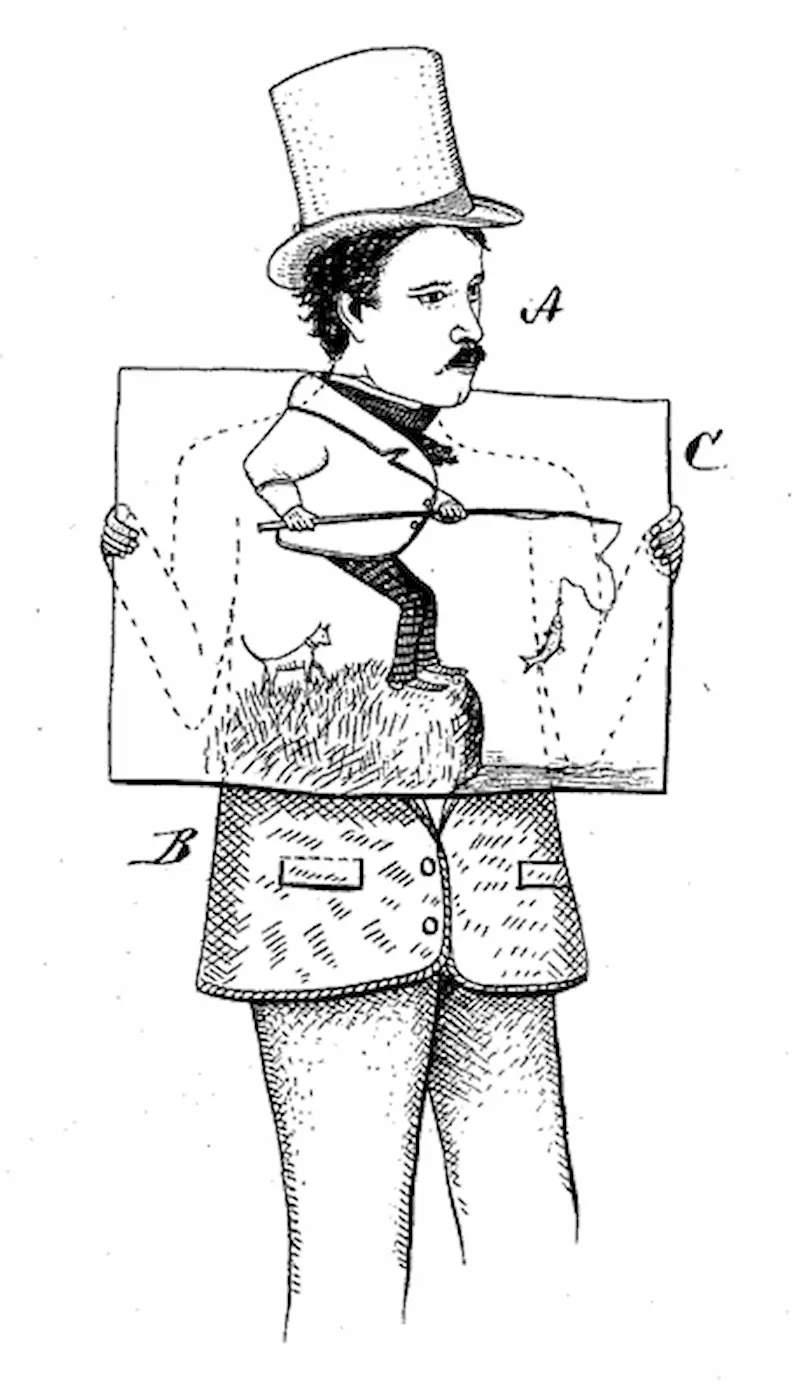
"Man Holding up a Comic Foreground That Puts Him in a Fishing Scene" is more than just a visual delight; it is a narrative-rich piece by Cassius Marcellus Coolidge. The juxtaposition of reality and comic fantasy invites viewers to ponder the stories behind the image, a hallmark of American Realism. Fans of "A Friend in Need" and "Dogs Playing Poker" will recognize Coolidge’s signature humor, making this hand-painted oil painting a conversation starter in any collection.
For enthusiasts of American Realism, this fine art painting for sale stands alongside classics like "No Graft Here" and "A Waterloo" by Cassius Marcellus Coolidge. Its unique blend of wit, technical skill, and cultural commentary makes it a prized addition to any art collection. The painting’s enduring charm and the artist’s legacy ensure its lasting value, appealing to those who seek both historical significance and artistic excellence in their acquisitions.
When Art Meets History
"Man Holding up a Comic Foreground That Puts Him in a Fishing Scene" by Cassius Marcellus Coolidge is a remarkable work within the American Realism movement. This hand-painted oil painting humorously blends the everyday with the imaginative, reflecting Coolidge's wit and keen observation. Like his related paintings such as "Study of a Standing Woman" and "Steps in Paris," this piece captures a unique slice of life, providing insight into both the era and the artist's playful approach to realism.
Techniques That Speak
Coolidge’s mastery is evident in the detailed brushstrokes and lifelike textures, hallmarks of oil on canvas. The painting’s comic foreground, cleverly juxtaposed with the fishing scene, demonstrates his innovative use of perspective and composition. Similar to works like "Model in Towel" and "Male Nude," Coolidge’s technique brings vibrancy and depth, making each figure and object pop. This approach invites viewers to appreciate not only the humor but also the technical prowess behind the artwork.
Emotions on Display
The expressive features of the man, combined with the whimsical fishing backdrop, evoke both amusement and curiosity. Coolidge, renowned for infusing character into his subjects, ensures the viewer feels both the absurdity and relatability of the scene. As in "Dream of the Fisherman’s Wife" and "Sitting on Box," this fine art painting for sale showcases the emotional range possible within American Realism, offering a delightful blend of satire and sentiment in each brushstroke.
Coveted by Collectors
Collectors prize "Man Holding up a Comic Foreground That Puts Him in a Fishing Scene" for its unique blend of humor, technical skill, and historical context. As a hand-painted oil painting by Cassius Marcellus Coolidge, it stands out among American Realism masterpieces. Its connection to related works like "Model in Towel" and "Male Nude" increases its desirability, making it a sought-after addition for those looking for a distinctive fine art painting for sale from a celebrated American artist.
Related American Realism Hand-Painted Oil Paintings by Other Artists
Other Famous American Realism Artists:
Frequently Asked Questions About Man Holding up a Comic Foreground That Puts Him in a Fishing Scene
What is the historical context of "Man Holding up a Comic Foreground That Puts Him in a Fishing Scene"?
This painting was created by Cassius Marcellus Coolidge during the early 20th century, a time when American culture was increasingly influenced by humor and leisure activities. Coolidge is best known for his anthropomorphic dog paintings, which reflect the playful spirit of the era.
What artistic techniques did Coolidge employ in this painting?
Coolidge utilized a blend of realism and caricature in this work. His use of vibrant colors and exaggerated features helps convey humor while maintaining a sense of realism in the fishing scene depicted.
What is the significance of the comic foreground in the painting?
The comic foreground serves to juxtapose the serious nature of fishing with a playful, humorous element. This contrast invites viewers to reflect on the absurdity of the scene, enhancing the overall enjoyment of the artwork.
How does this painting reflect the themes of leisure and recreation?
This artwork captures the essence of leisure activities popular in the early 1900s, particularly fishing, which was a favored pastime. Coolidge's portrayal emphasizes the joy and relaxation associated with these recreational pursuits.
What symbolism can be found in the depiction of the man in the painting?
The man in the painting symbolizes the everyman, engaging in a universally relatable activity. His expression and posture suggest a lighthearted approach to life, embodying the spirit of enjoyment and camaraderie often found in outdoor activities.
What impact did Coolidge's work have on American art and culture?
Coolidge's work, particularly his anthropomorphic dog paintings, has had a lasting impact on American pop culture, influencing humor in visual arts and contributing to the rise of cartoonish styles in illustration and advertising.
How does the painting fit into Coolidge's broader body of work?
This painting is part of Coolidge's larger oeuvre that often features animals in humorous situations. It exemplifies his unique ability to blend humor with everyday life, making his work accessible and relatable to a wide audience.
What emotions does the painting evoke in viewers?
The painting evokes feelings of joy and amusement through its whimsical portrayal of a fishing scene. The lightheartedness invites viewers to share in the humor, creating a sense of connection with the subject matter.
In what ways does this painting reflect the cultural values of its time?
The painting reflects the cultural values of the early 20th century, which emphasized leisure, humor, and the enjoyment of nature. It highlights a societal shift towards valuing personal happiness and recreational activities as essential aspects of life.
How has the interpretation of this painting changed over time?
Over time, interpretations of this painting have evolved, with contemporary viewers often appreciating its humor and nostalgia. Initially seen as simple entertainment, it is now recognized for its artistic merit and cultural significance within American art history.























_GFM_Painting_(1).webp)


 100% Hand-Painted: Finished in 3-6 Weeks

.png)















_(1).webp)