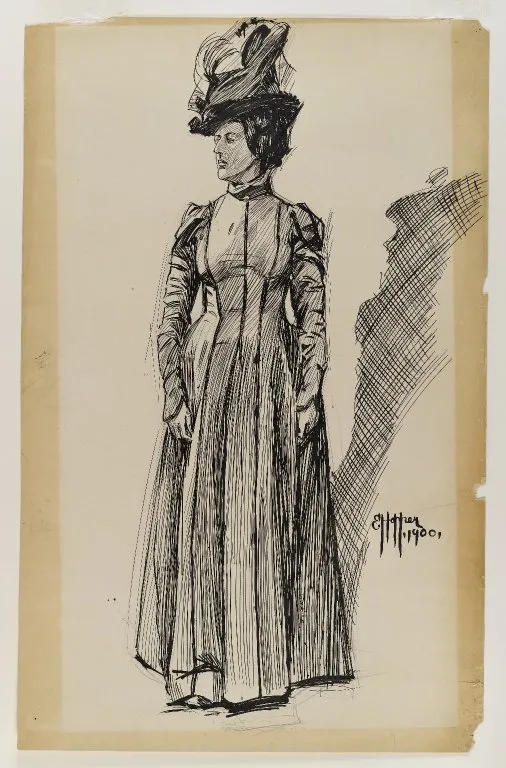
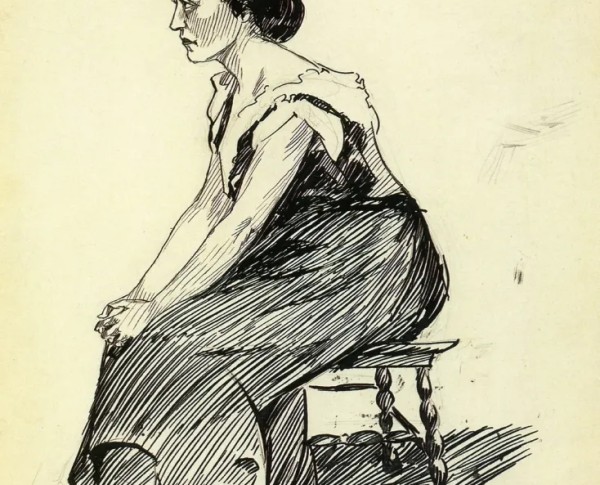
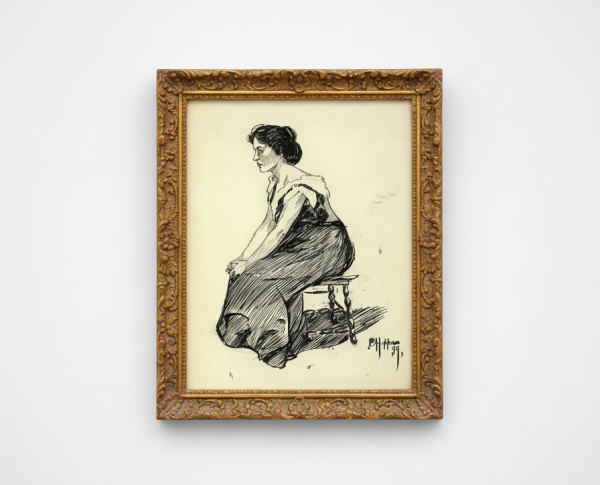
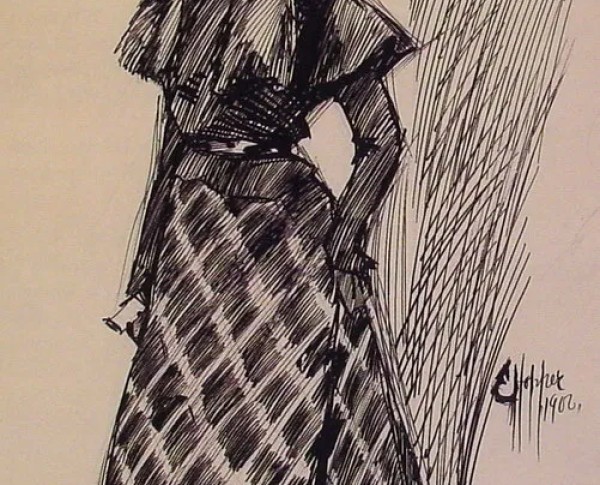
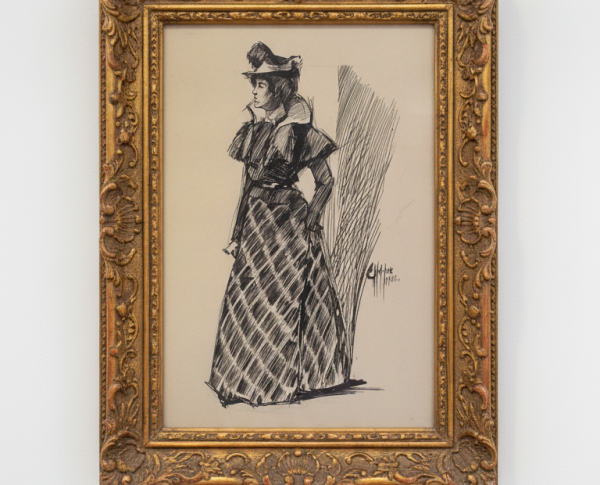
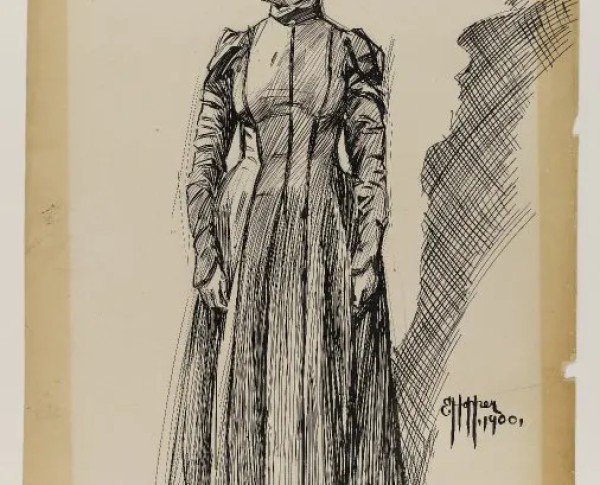
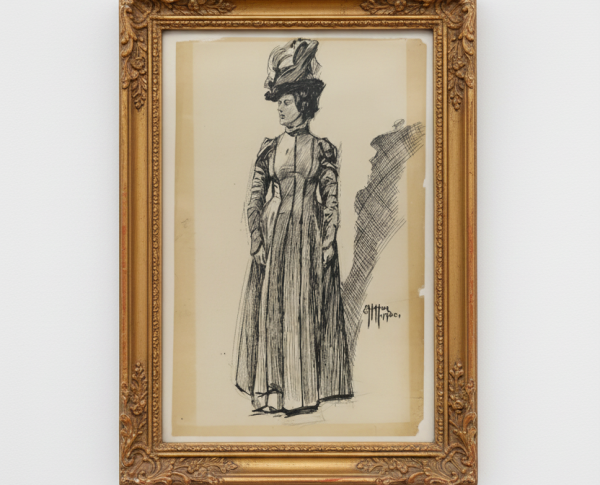
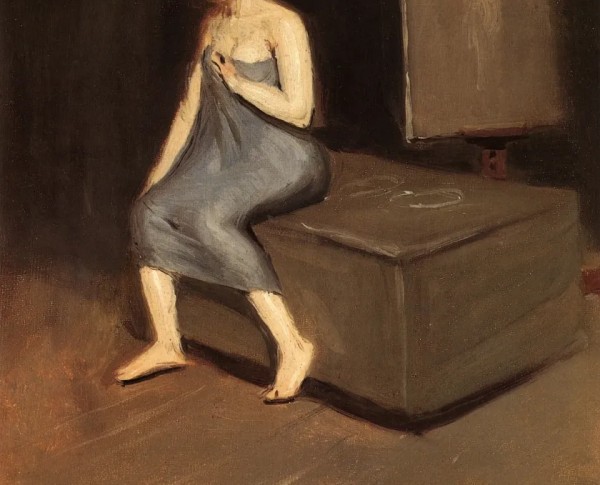
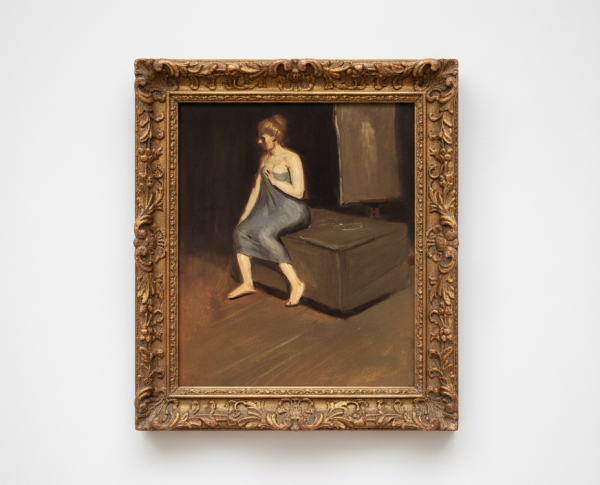
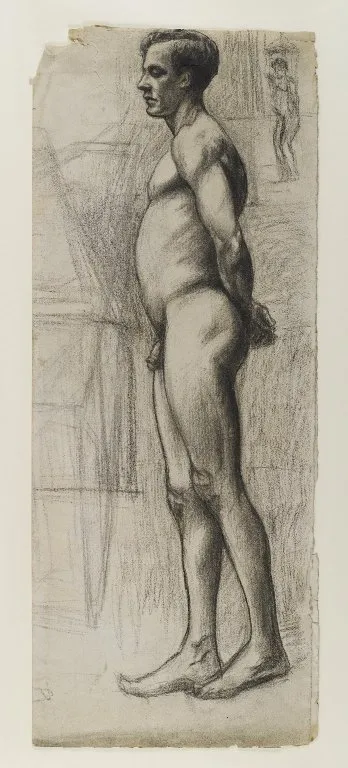
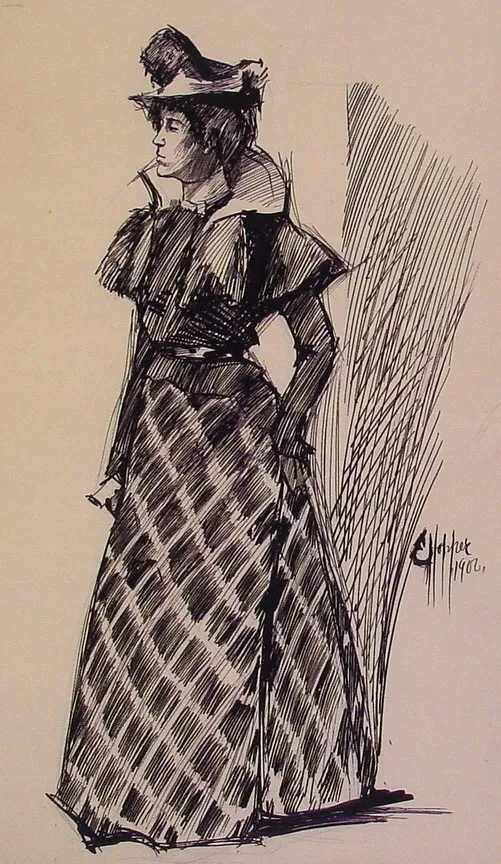
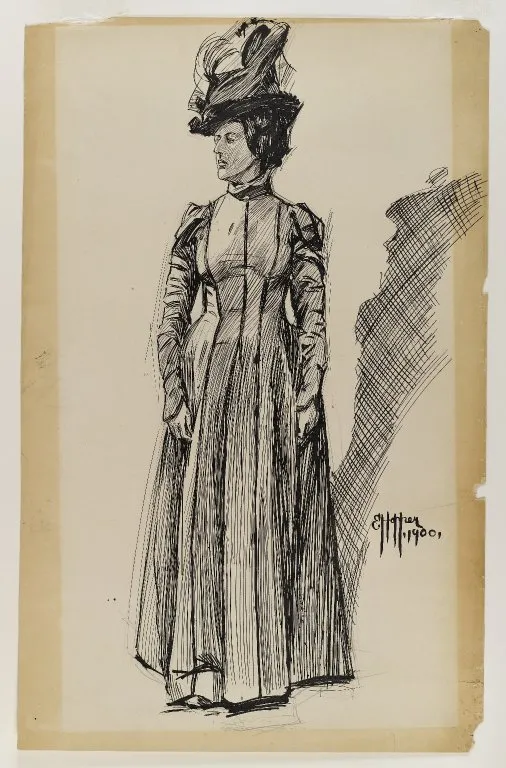
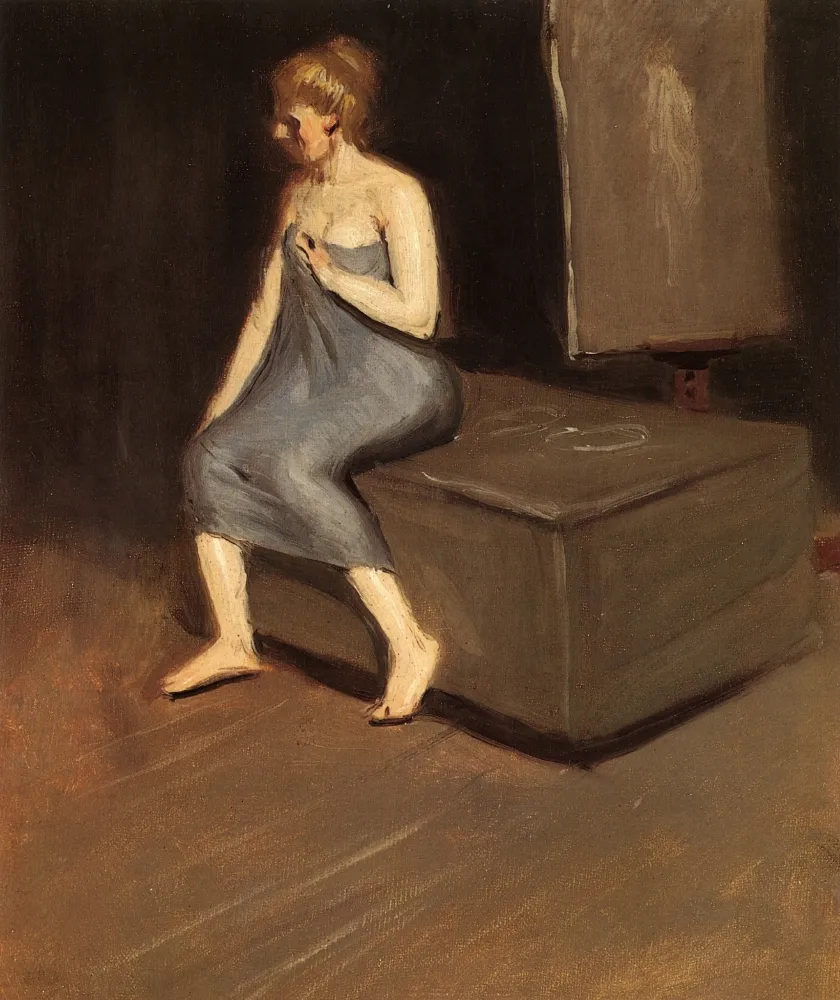
The meticulous technique Hopper employed in "Male Nude" is evident in the lifelike rendering and subtle play of light across the subject’s body. Utilizing oil on canvas, Hopper masterfully balances realism and emotional depth, hallmarks of the American Realism movement. This piece, along with related fine art paintings like "Sitting on Box" and "Standing Female Figure," showcases Hopper’s dedication to capturing the complexity of the human form in his signature style.
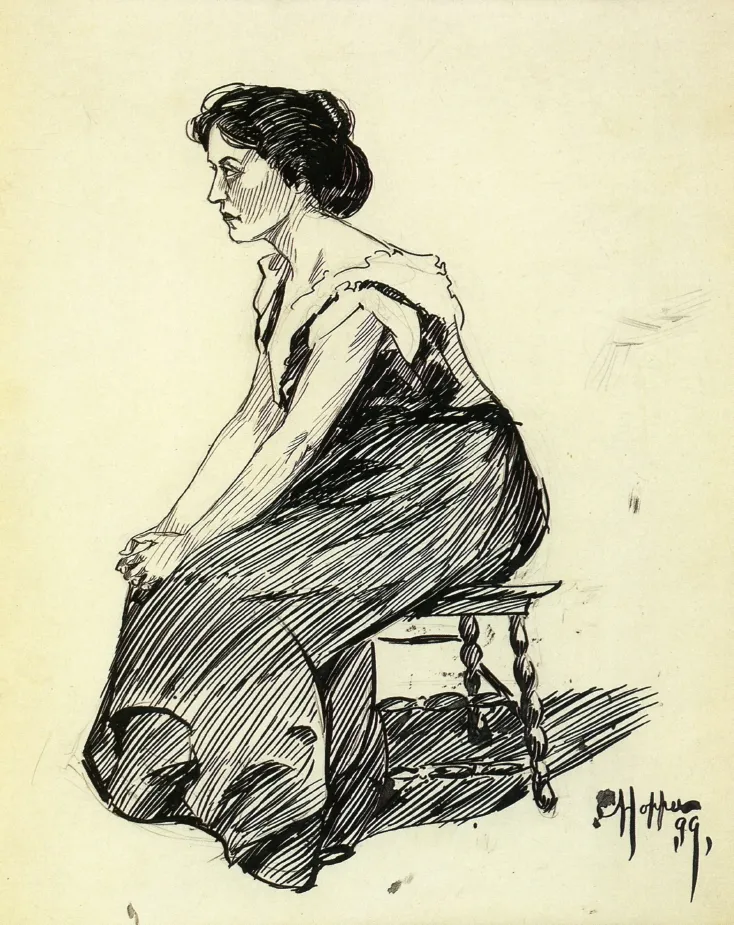
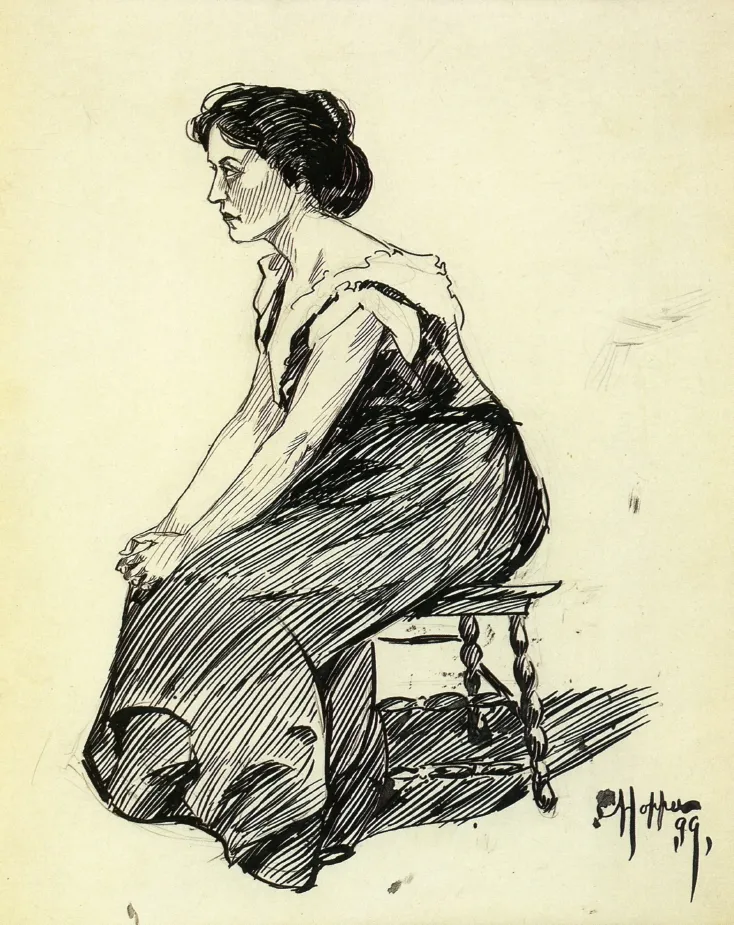
"Male Nude" is more than a study of anatomy; it is imbued with the quiet narratives that define Edward Hopper’s oeuvre. Every detail in this hand-painted oil painting hints at stories untold, drawing viewers into the subject’s world. The painting’s simplicity and intensity align with other works from the American Realism era, such as "Study of a Seated Woman," inviting art lovers to discover deeper meanings within the everyday.
For collectors seeking a fine art painting for sale that exemplifies American Realism, "Male Nude" by Edward Hopper is an outstanding choice. Its timeless composition and emotional resonance make it a prized addition to any collection. Pairing this masterpiece with related works like "Model in Towel" or "Standing Female Figure" further enhances its value, offering a cohesive narrative of Hopper’s exploration of the human figure in oil on canvas.
When Art Meets History
"Male Nude" by Edward Hopper stands as a testament to the American Realism movement, capturing the essence of early 20th-century life. This hand-painted oil painting reflects Hopper's keen observation of his surroundings, much like his contemporaries in works such as "A Friend in Need" and "A Bachelor’s Dog." Through this masterpiece, Hopper invites viewers to explore the intersection of art and history, where each brushstroke preserves a moment in time.
Techniques That Speak
Edward Hopper’s mastery in "Male Nude" shines through his innovative use of oil on canvas, a hallmark of American Realism. The painting’s realistic textures and nuanced lighting mirror the technical prowess seen in works like "No Graft Here" and "Dream of the Fisherman’s Wife." Hopper’s attention to detail and subtle color palette create a vivid, lifelike image, drawing the viewer into the intimate world he so carefully constructs.
Emotions on Display
"Male Nude" expresses a raw vulnerability, a theme prevalent in Hopper's portfolio and echoed in related paintings such as "A Waterloo." Through this fine art painting for sale, the artist delves into the complexities of human emotion, using posture and light to convey solitude and introspection. The emotional depth of this piece continues to resonate, highlighting why Hopper remains a pivotal figure in the American Realism movement.
Coveted by Collectors
Collectors prize "Male Nude" for its exceptional representation of American Realism and Hopper’s signature style. As a hand-painted oil painting, it stands alongside celebrated works like "A Friend in Need" and "No Graft Here." Its provenance and artistry make it a sought-after addition to any collection, exemplifying the enduring appeal of Edward Hopper’s work and the continued demand for authentic oil on canvas masterpieces.
Related American Realism Hand-Painted Oil Paintings by Other Artists
Other Famous American Realism Artists:
Frequently Asked Questions About Male Nude
What is the historical context of Edward Hopper's "Male Nude"?
"Male Nude" was created during a time when American art was evolving, particularly in the early 20th century. Hopper's work reflects the transition from traditional realism to modernism, capturing the complexities of human emotion and isolation.
What artistic techniques did Edward Hopper employ in "Male Nude"?
Hopper utilized a combination of chiaroscuro and bold color contrasts to enhance the three-dimensionality of the figure. His use of light and shadow creates a sense of depth and emphasizes the contours of the male form.
What themes are explored in "Male Nude"?
The painting explores themes of vulnerability, solitude, and the human condition. Hopper often depicted figures in isolation, and "Male Nude" is no exception, inviting viewers to contemplate the emotional state of the subject.
How does "Male Nude" reflect Edward Hopper's overall artistic style?
What influence did "Male Nude" have on subsequent artists?
Hopper's exploration of light, space, and human emotion in "Male Nude" has influenced many contemporary artists. His ability to convey psychological complexity through simplicity has inspired a generation of painters to explore similar themes.
How does "Male Nude" fit within the broader context of American art?
"Male Nude" is significant within American art as it reflects the shift towards modernism and the exploration of personal and psychological themes. Hopper's work is often seen as a precursor to later movements that focused on the human experience.
What symbolic meanings can be derived from "Male Nude"?
The painting can symbolize the tension between vulnerability and strength, as well as the exploration of identity. The nude form invites viewers to confront societal norms regarding masculinity and the human experience.
In what ways does "Male Nude" challenge traditional representations of the male body?
Hopper's depiction of the male body in a vulnerable state challenges the conventional ideals of masculinity. By presenting the figure in a moment of introspection, he invites a more nuanced understanding of male identity.
What impact did Edward Hopper's personal life have on "Male Nude"?
Hopper's personal experiences and introspective nature influenced his work. His exploration of solitude and emotional depth in "Male Nude" reflects his own views on isolation and the human condition, making the painting deeply personal.






















_GFM_Painting_(1).webp)


 100% Hand-Painted: Finished in 3-6 Weeks

.png)















_(1).webp)