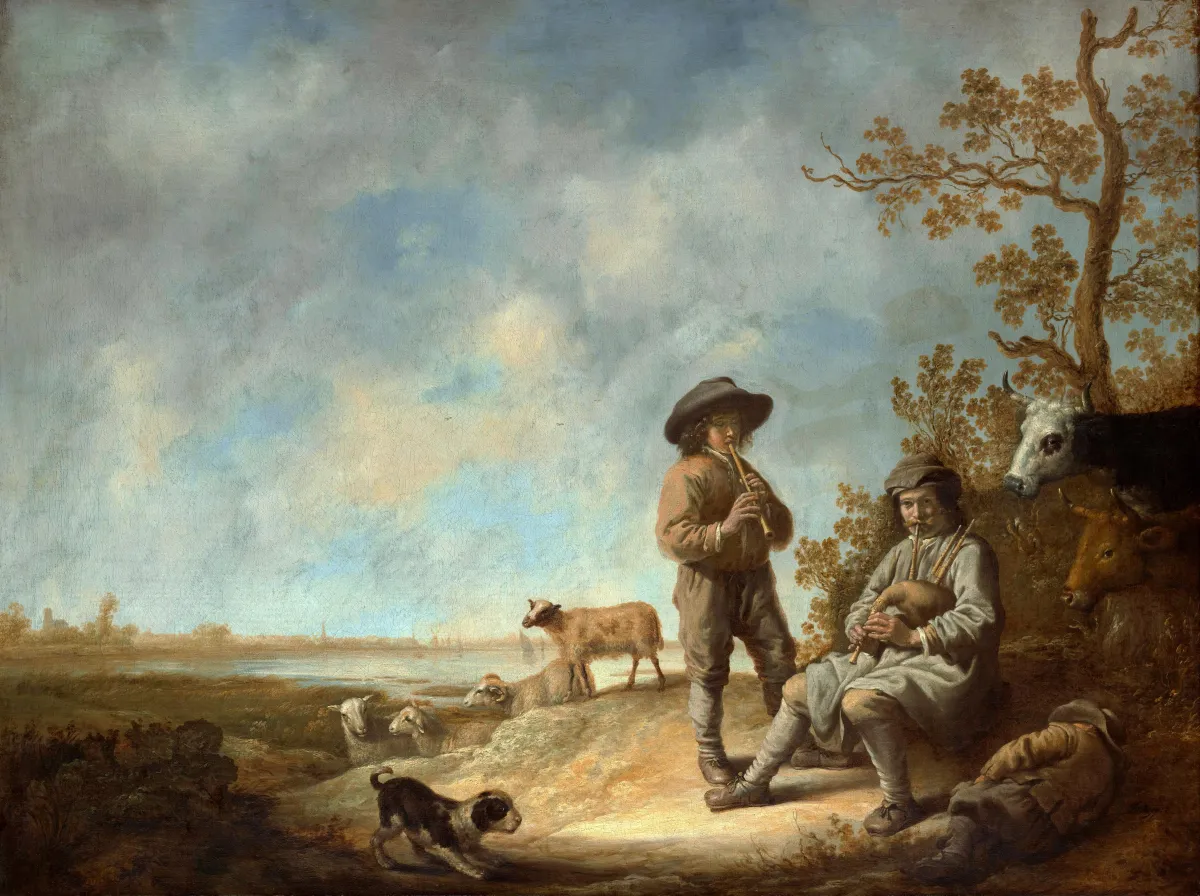
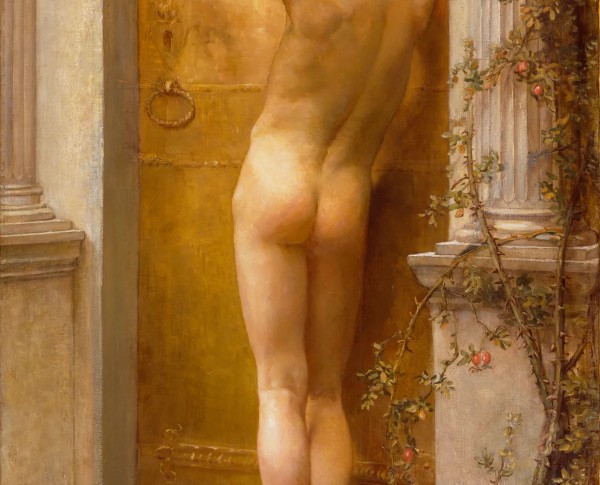
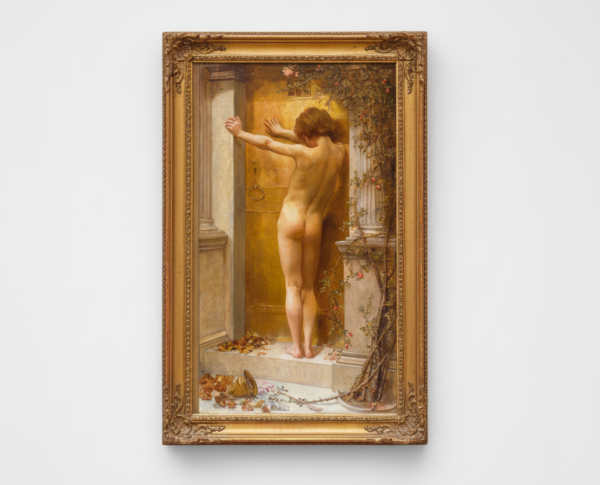
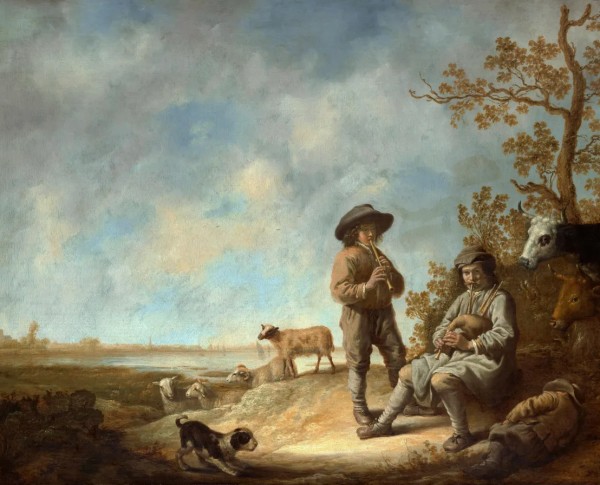
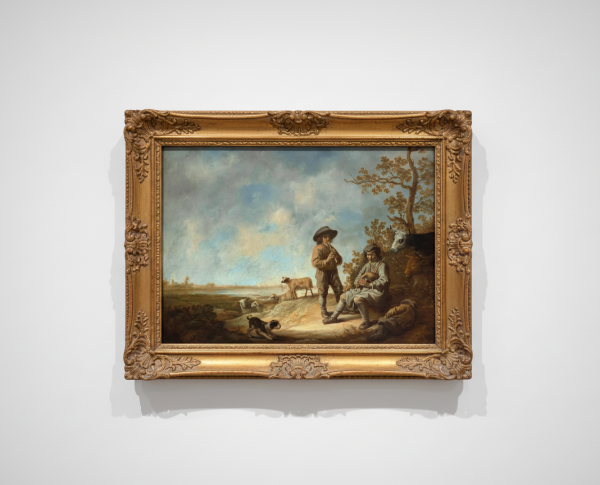
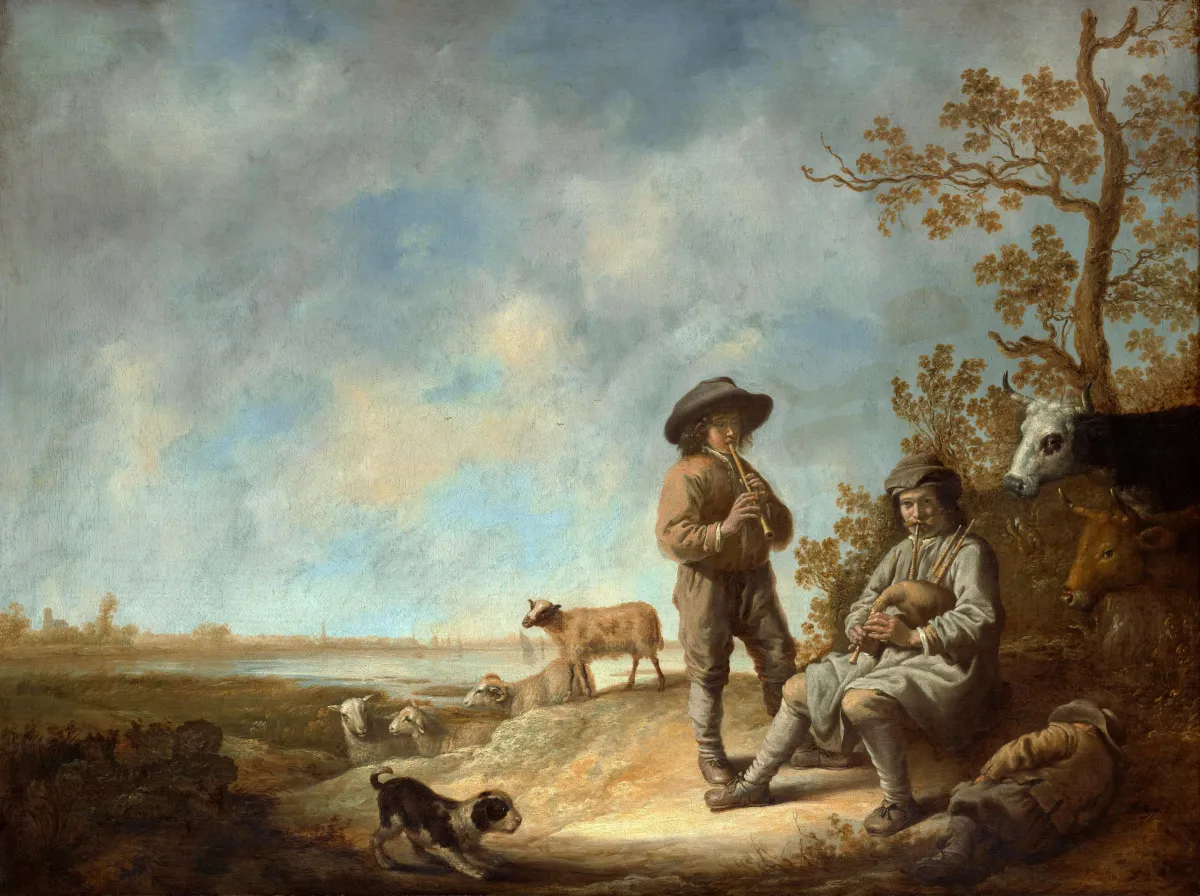
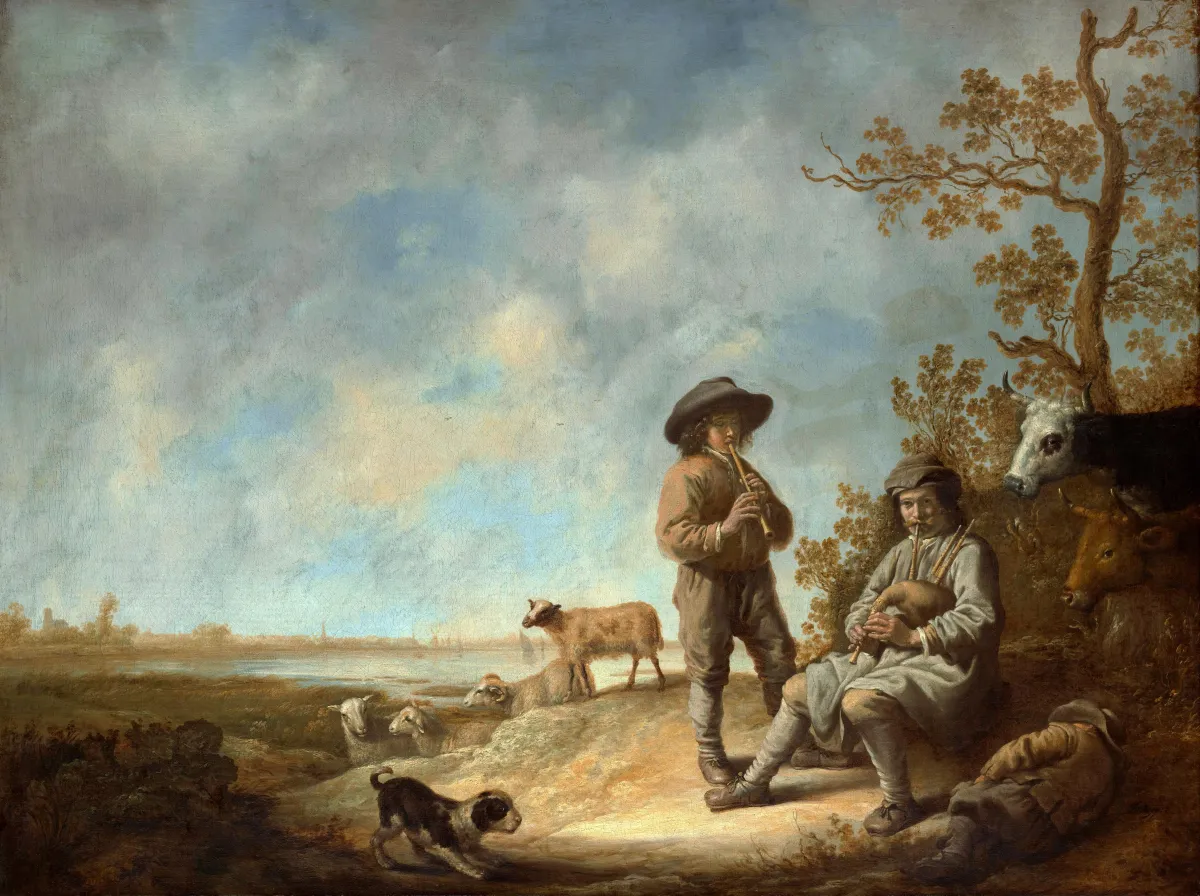
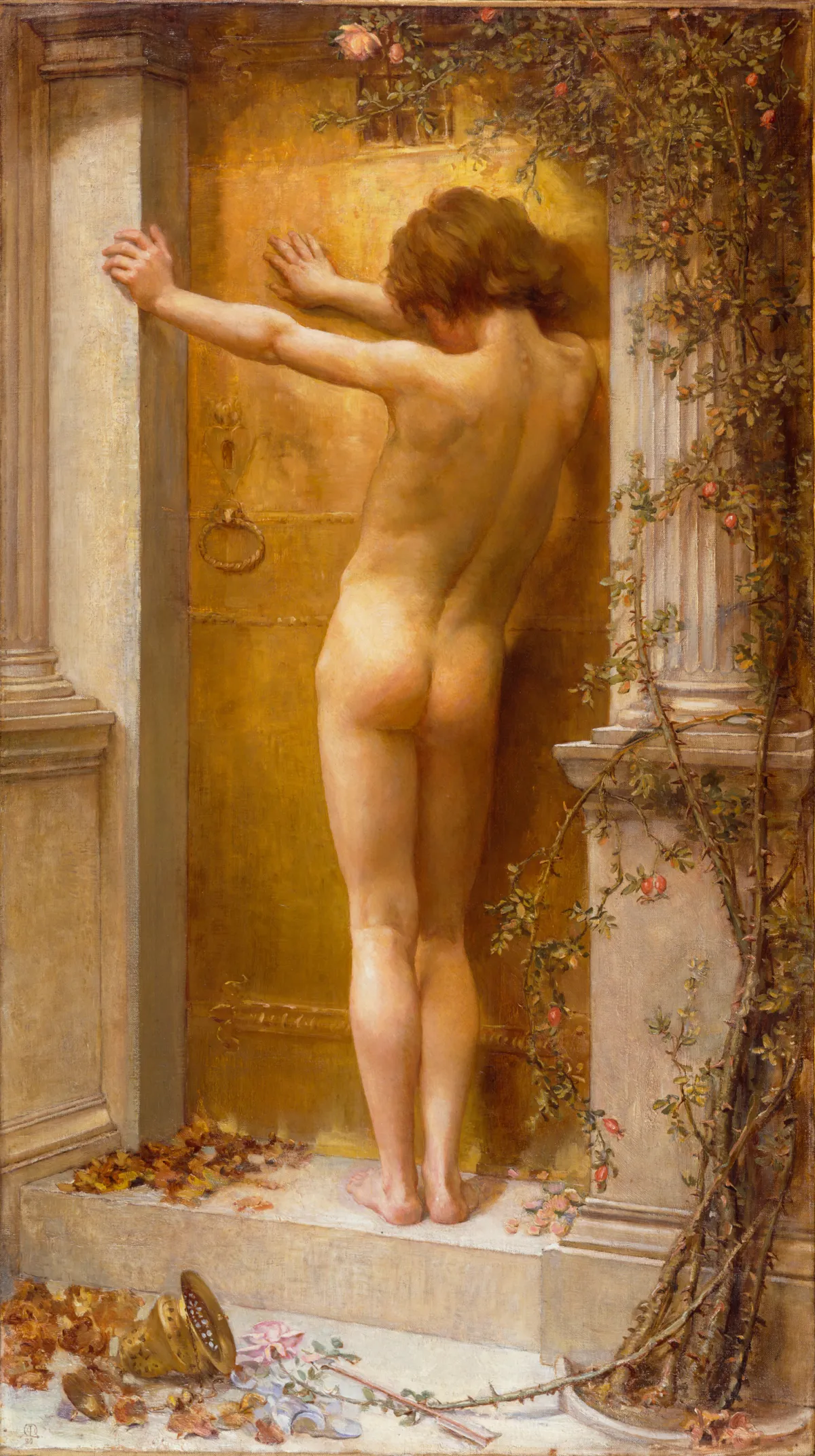
" Piping Shepherd" by Anna Lea Merritt exemplifies the meticulous attention to detail characteristic of oil on canvas works from the Pre-Raphaelites. The artist’s brushwork reveals both technical skill and deep emotional insight, bringing the tranquil countryside and its central shepherd to life. This painting, like Merritt’s acclaimed "Love Locked Out," demonstrates why oil on canvas remains a favored medium for those who appreciate classic, expressive artistry within the fine art tradition.
Every hand-painted oil painting by Anna Lea Merritt contains rich layers of meaning, and "Piping Shepherd" is no exception. The shepherd’s gentle posture and the lush landscape evoke themes of innocence and harmony, resonating with the Pre-Raphaelites’ fascination with nature and allegory. Collectors often pair this work with Merritt’s "Love Locked Out" to explore how her paintings blend narrative storytelling and symbolic depth, making each piece a compelling fine art painting for sale.
For art enthusiasts and collectors, Anna Lea Merritt’s "Piping Shepherd" is a prized oil on canvas that embodies the spirit of the Pre-Raphaelites. Its enduring appeal lies in both its aesthetic beauty and its historical significance. As with her renowned "Love Locked Out," this painting is sought after as a fine art painting for sale, appealing to those who value hand-painted oil painting techniques and the timeless allure of classical movements in art history.
When Art Meets History
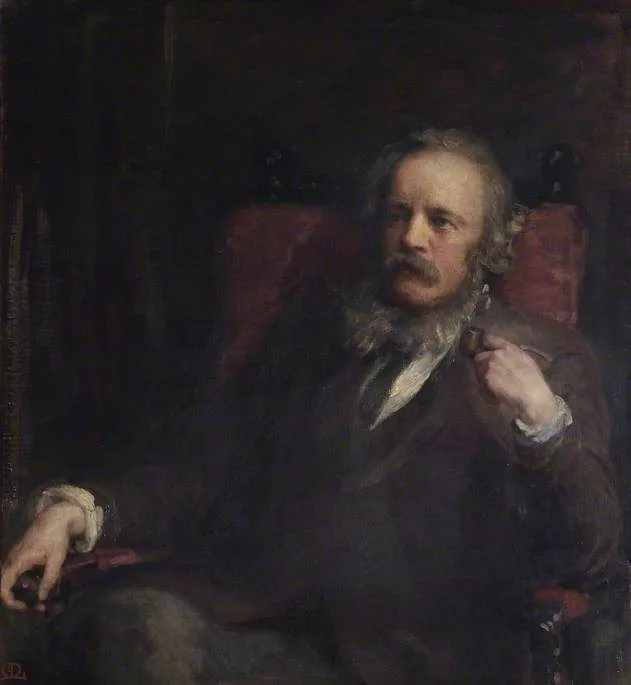
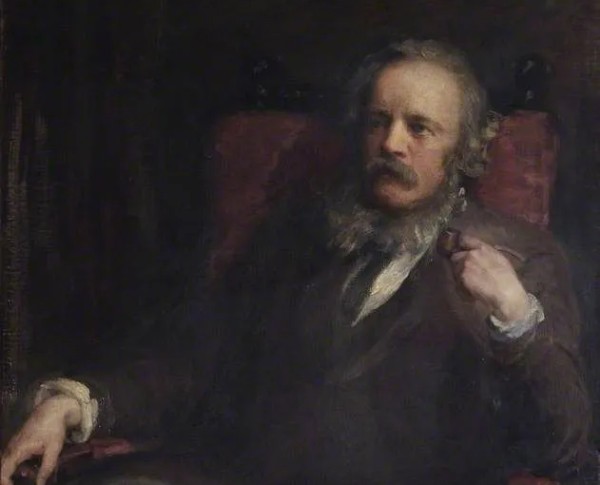
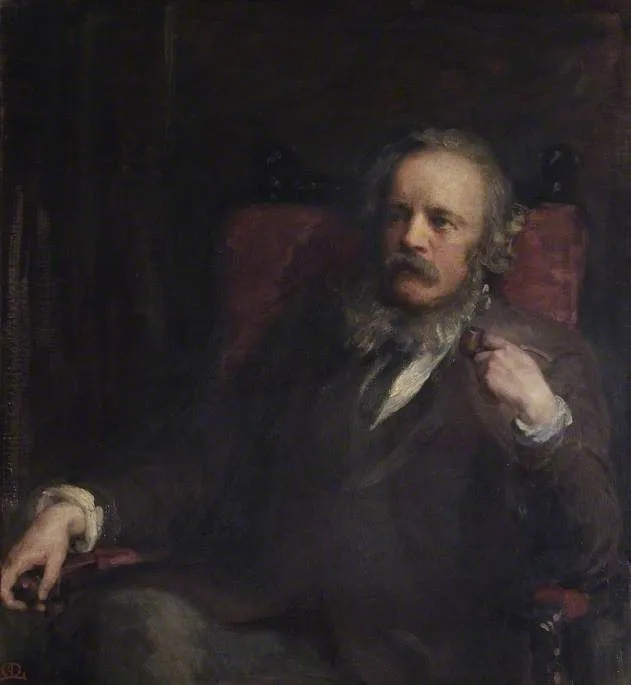
Anna Lea Merritt’s "Piping Shepherd" is a captivating hand-painted oil painting that stands as a testament to the Pre-Raphaelites movement. Created during the late 19th century, this masterpiece reflects a period when artists sought to revive the purity and detail of early Renaissance art. Merritt, renowned for works like "The Soul of the Rose 1908" and "Portrait of Gray Hill," masterfully captures pastoral serenity, echoing the movement’s emphasis on nature and romanticized history.
Techniques That Speak
The "Piping Shepherd" showcases Merritt’s exceptional skill with oil on canvas, a medium favored by many Pre-Raphaelites, including the creators of "Hylas and the Nymphs 1896." Through delicate brushwork and luminous color, she brings the shepherd and his surroundings to life, demonstrating meticulous attention to detail. The interplay of light and shadow enhances the naturalistic setting, a hallmark of Pre-Raphaelite technique, while the finely rendered textures evoke a sense of tranquility and timelessness.
Emotions on Display
Merritt’s "Piping Shepherd" evokes a gentle, contemplative mood, capturing the quiet solitude of rural life. This fine art painting for sale resonates with viewers through its expressive depiction of the shepherd immersed in music. Similar emotional depth can be seen in related paintings such as "Landscape with Trees" and "Fisher Lane by Great Bridge, Cambridge," where the artist’s sensitivity to human emotion and landscape invites viewers into a world of reflection and peace.
Coveted by Collectors
As a remarkable example of Pre-Raphaelite art, "Piping Shepherd" is highly sought-after by collectors of hand-painted oil paintings. Merritt’s work, alongside her contemporaries, holds enduring value in the art market, especially for those seeking masterpieces with historical and aesthetic significance. Collectors often pursue similar works, including "The Soul of the Rose 1908" and "Portrait of Gray Hill," making Merritt’s paintings prized additions to any discerning collection.
Related Pre-Raphaelites Hand-Painted Oil Paintings by Other Artists
Other Famous Pre-Raphaelites Artists:
Frequently Asked Questions About Piping Shepherd
What is the historical context of "Piping Shepherd"?
"Piping Shepherd," created by Anna Lea Merritt in the late 19th century, reflects the artistic movements of its time, particularly the Pre-Raphaelite Brotherhood's influence, which emphasized realism and emotional expression in art.
What artistic techniques did Anna Lea Merritt employ in "Piping Shepherd"?
Merritt utilized a combination of detailed realism and vibrant color palettes, characteristic of the late 19th-century art scene, to convey depth and emotion in her portrayal of the shepherd.
What themes are explored in "Piping Shepherd"?
The painting explores themes of pastoral life, innocence, and the connection between humanity and nature, encapsulating a serene moment that invites contemplation.
How does "Piping Shepherd" reflect the role of women in the art world during Merritt's time?
As a female artist in a predominantly male-dominated field, Merritt's work challenges traditional gender roles and showcases the capabilities of women in creating significant and impactful art.
What symbolism can be found in "Piping Shepherd"?
The shepherd in the painting symbolizes guidance and protection, while the pastoral setting represents tranquility and the simplicity of rural life, inviting viewers to reflect on harmony with nature.
How does "Piping Shepherd" compare to other works by Anna Lea Merritt?
This painting exemplifies Merritt's signature style, characterized by emotional depth and meticulous detail, similar to her other works that often depict themes of love, nature, and femininity.
What influences can be seen in the composition of "Piping Shepherd"?
The composition reflects influences from both Romanticism and Realism, with a focus on natural landscapes and the emotional resonance of the subject, creating a balance between idealism and reality.
What impact did "Piping Shepherd" have on contemporary art during its time?
The painting contributed to the growing recognition of female artists in the late 19th century and inspired discussions around the representation of women and pastoral themes in art.
What can be inferred about the shepherd's character in "Piping Shepherd"?
The shepherd is portrayed as a figure of peace and simplicity, embodying the virtues of pastoral life, which contrasts with the complexities of urban existence prevalent during Merritt's lifetime.
In what ways does "Piping Shepherd" reflect the cultural values of its era?
The painting reflects the Victorian era's appreciation for nature, simplicity, and the idealization of rural life, highlighting a cultural longing for a more harmonious existence away from industrialization.






















_GFM_Painting_(1).webp)


 100% Hand-Painted: Finished in 3-6 Weeks

.png)
















_(1).webp)