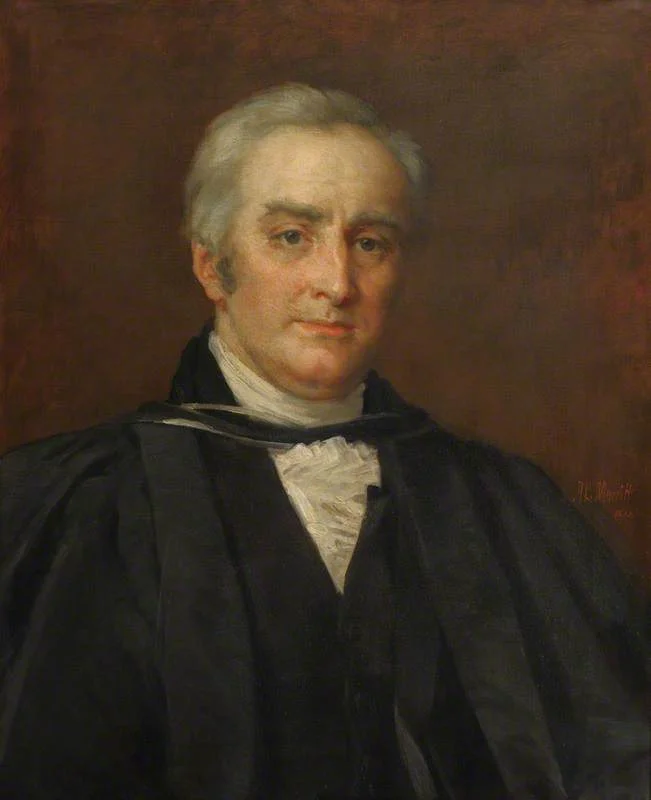
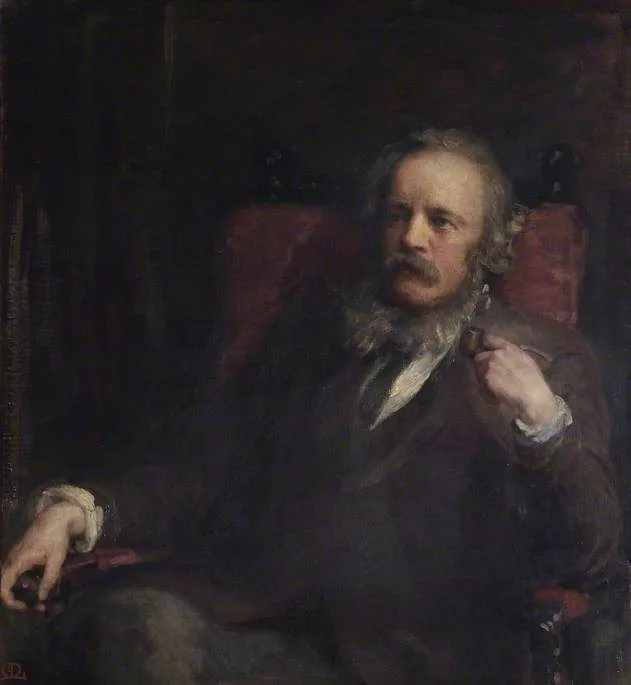
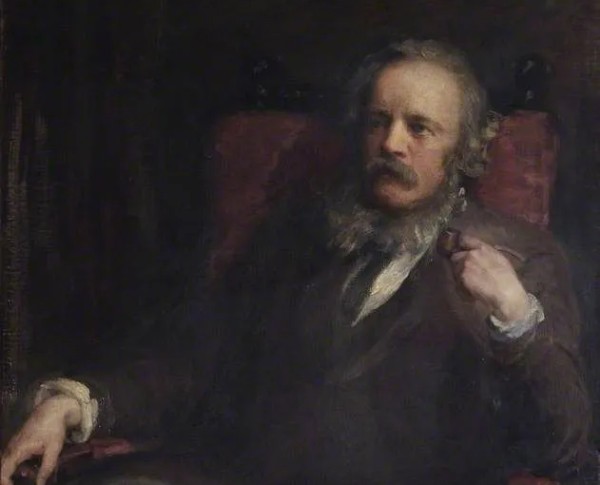
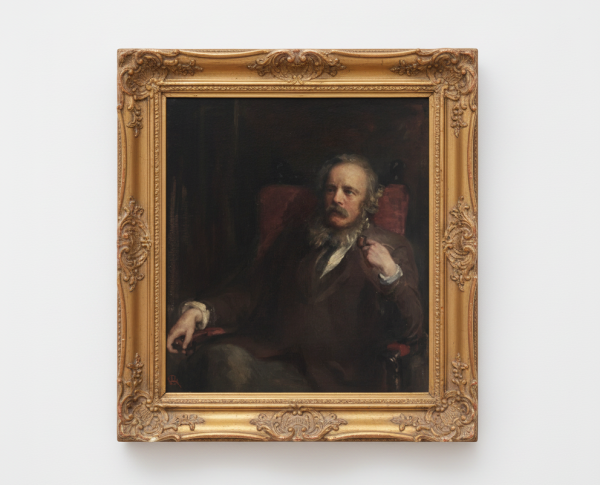
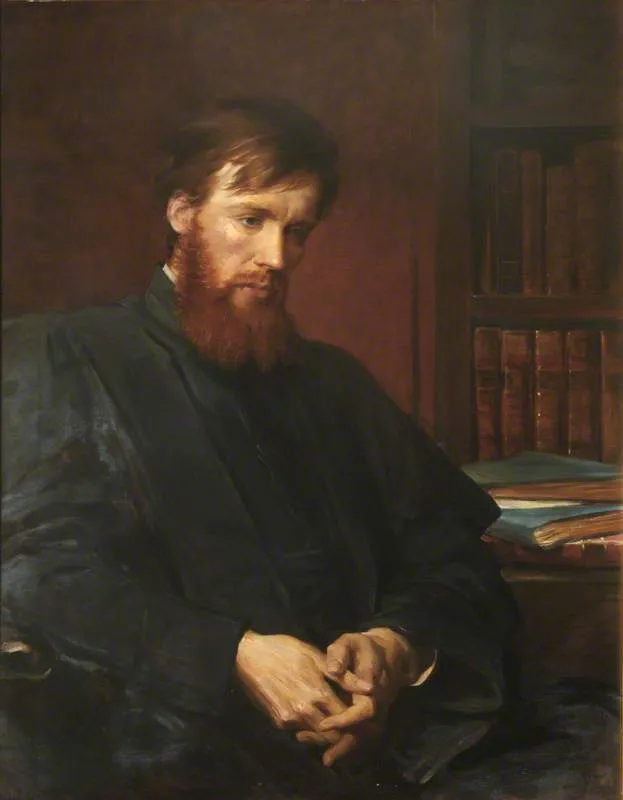
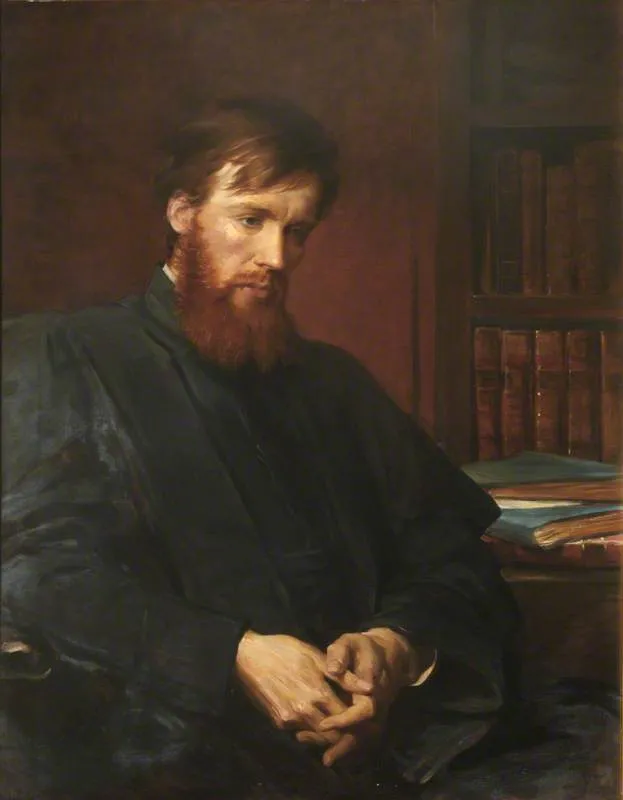
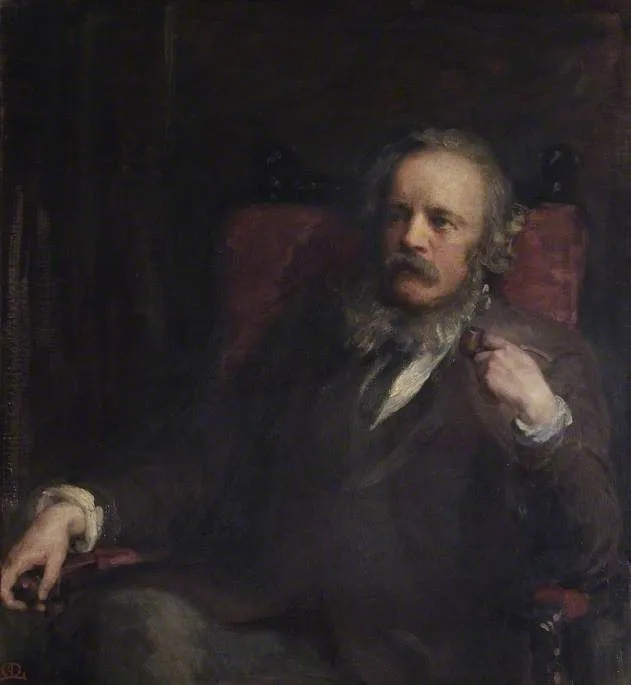
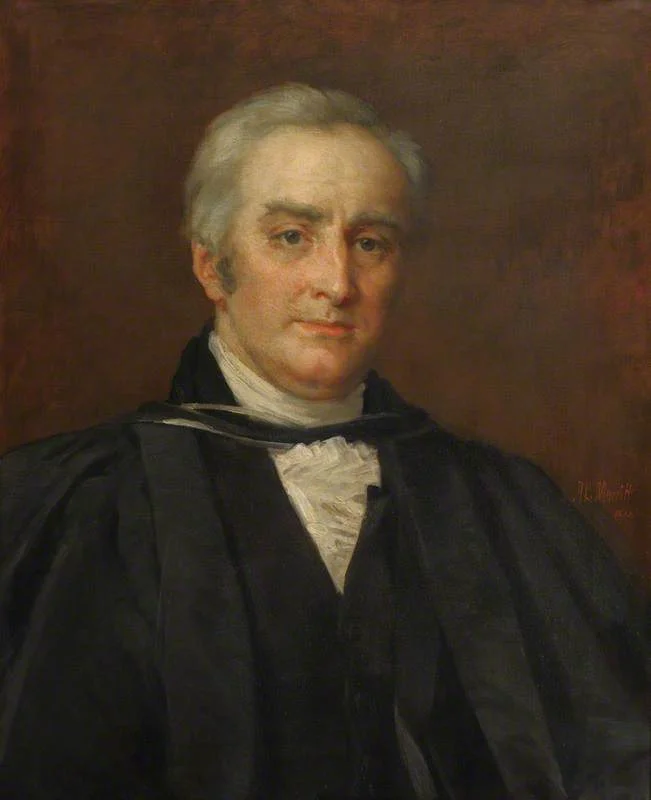
Anna Lea Merritt’s technique in "Right Reverend Talbot" demonstrates her command of oil on canvas, a hallmark of the Pre-Raphaelite Brotherhood. Each brushstroke reveals her careful observation and skillful rendering, a trait she shares with contemporaries who created pieces like "John Owen, Fellow, Secretary, British and Foreign Bible Society." Merritt’s ability to infuse life into her portraits distinguishes her as a leading artist, making this painting an enduring testament to the era’s artistic excellence.
Within "Right Reverend Talbot," Anna Lea Merritt weaves subtle narratives and symbols, echoing the storytelling tradition of the Pre-Raphaelites. The dignified presence of the Reverend, paired with thoughtful background elements, invites viewers to ponder deeper meanings. Similar to her "Alfred and Charles, Grandchildren of Alfred Tennyson" and "James Russell Lowell," this fine art painting for sale captivates collectors who appreciate works rich in allegory and historical significance, making it a conversation piece in any collection.
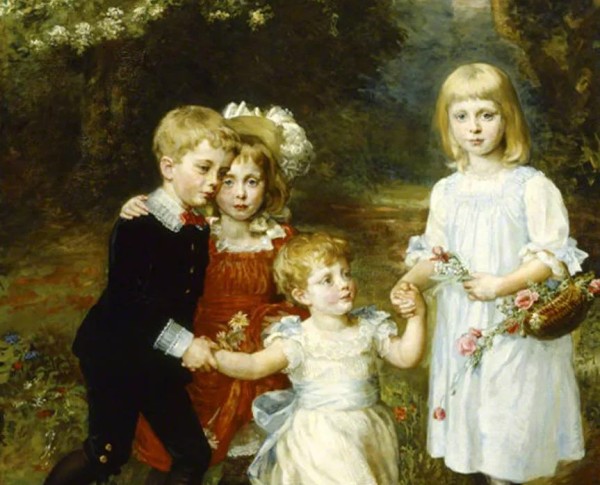
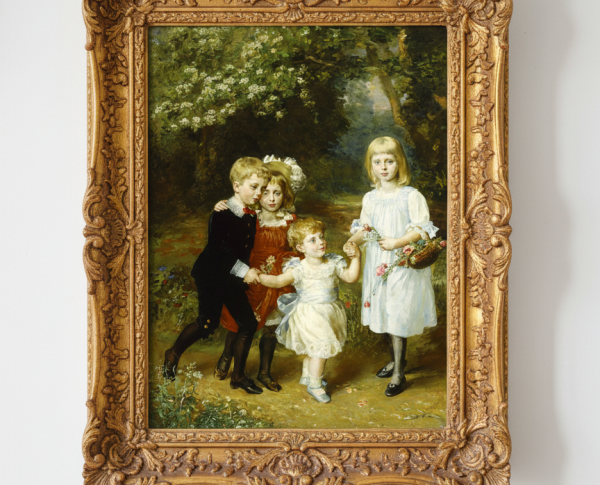
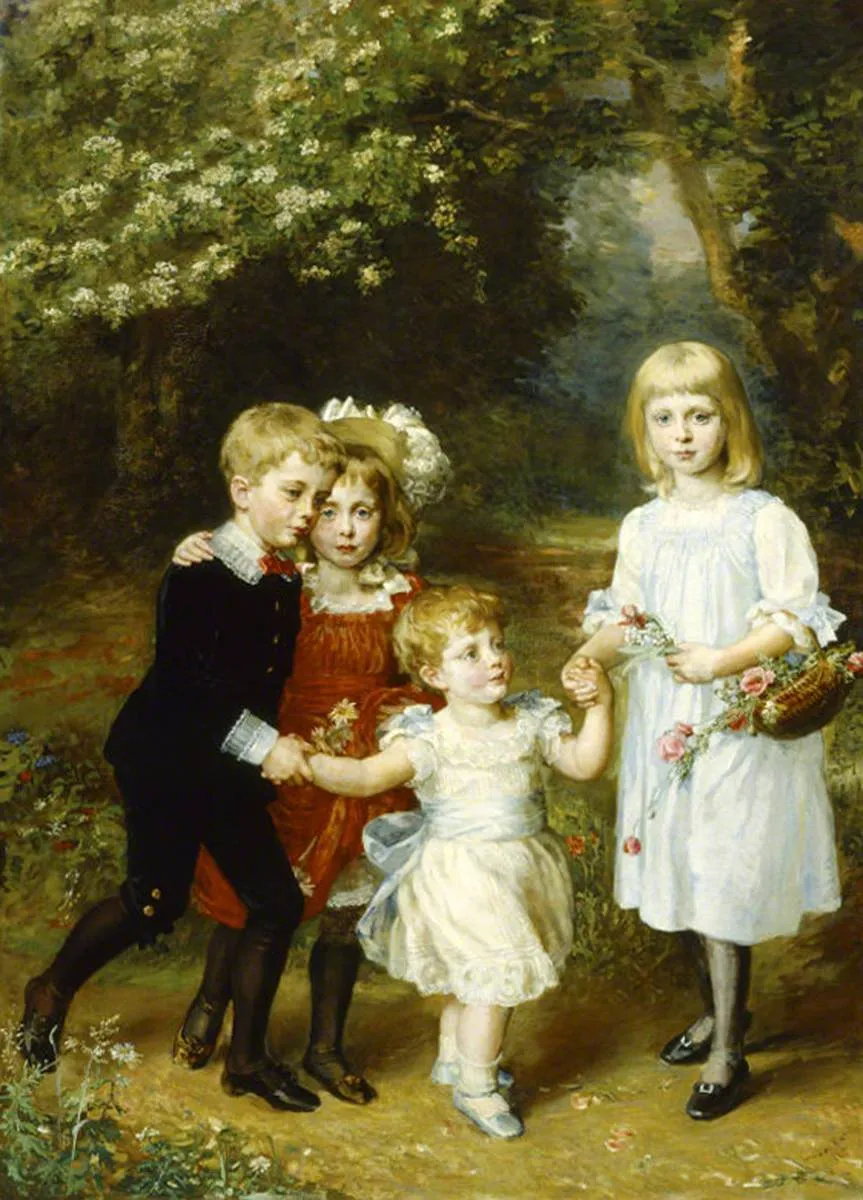
For art collectors, "Right Reverend Talbot" by Anna Lea Merritt is more than a portrait; it is a prized acquisition from the Pre-Raphaelite movement. Its hand-painted oil painting technique and historical resonance align it with other sought-after works such as "The Four Elder Agar-Robartes Children." Owning this painting offers the opportunity to preserve a piece of art history, while enjoying the timeless beauty and craftsmanship that define Merritt’s celebrated legacy.
When Art Meets History
Anna Lea Merritt’s "Right Reverend Talbot" stands as a testament to the enduring legacy of the Pre-Raphaelites. This hand-painted oil painting captures not only the likeness of its subject but also the spirit of an era deeply invested in artistic innovation. Merritt, renowned for works like "Midsummer Eve" and "Portrait of Caroline Hill," brings historical reverence and personal insight to this portrait, making it a significant piece within the Pre-Raphaelite movement and a remarkable example of 19th-century portraiture.
Techniques That Speak
Crafted with meticulous attention to detail, "Right Reverend Talbot" exemplifies the Pre-Raphaelite dedication to realism and vibrant color in oil on canvas. Anna Lea Merritt employs luminous glazes and layered brushwork, techniques she also utilized in "Landscape with Trees" and "Portrait of Gray Hill." Her approach ensures every aspect of the composition radiates life, affirming her mastery among the Pre-Raphaelites and enhancing the painting’s appeal to both art lovers and scholars.
Emotions on Display
In "Right Reverend Talbot," Anna Lea Merritt skillfully conveys a profound sense of dignity and introspection, hallmarks of a fine art painting for sale from the Pre-Raphaelite movement. The sitter’s thoughtful gaze and composed posture evoke empathy and respect, much like the emotional depth found in "Hylas and the Nymphs 1896." Merritt’s sensitive portrayal invites viewers to connect with the subject on a personal level, demonstrating her ability to infuse oil portraits with genuine feeling.
Coveted by Collectors
As a distinguished hand-painted oil painting by Anna Lea Merritt, "Right Reverend Talbot" is highly sought after by collectors of Pre-Raphaelite art. Its historical significance and artistic excellence place it alongside celebrated works such as "Portrait of Gray Hill" and "Midsummer Eve." With its masterful execution and emotional resonance, this artwork remains a prized acquisition, representing the enduring allure of Pre-Raphaelite masterpieces and the unique vision Merritt brought to her portraits.
Related Pre-Raphaelites Hand-Painted Oil Paintings by Other Artists
Other Famous Pre-Raphaelites Artists:
Frequently Asked Questions About Right Reverend Talbot
Who is depicted in the painting "Right Reverend Talbot"?
The painting features Right Reverend Talbot, who was a prominent figure in the Anglican Church during the late 19th century, known for his contributions to religious and social issues of his time.
What is the significance of the artist, Anna Lea Merritt?
Anna Lea Merritt was a pioneering female artist in the 19th century, recognized for her ability to blend traditional portraiture with emotional depth, making her works significant in the context of women's contributions to art during that era.
What artistic techniques did Anna Lea Merritt employ in this painting?
Merritt utilized a combination of realistic portraiture and symbolic elements, employing techniques such as chiaroscuro to create depth and focus on the subject's expression, enhancing the overall emotional impact of the piece.
What is the historical context surrounding the creation of "Right Reverend Talbot"?
The painting was created during a period of significant social change in the late 19th century, reflecting the evolving role of the church and its leaders in addressing contemporary societal issues, including education and social reform.
What symbols are present in "Right Reverend Talbot" and what do they represent?
The painting includes various symbols, such as the bishop's robes and mitre, which signify ecclesiastical authority, while the background elements may represent the community and the spiritual responsibilities of the clergy.
How does "Right Reverend Talbot" reflect the values of its time?
This artwork encapsulates the Victorian ideals of morality, duty, and the importance of religion in public life, showcasing how religious leaders were viewed as moral guides during a time of industrialization and social upheaval.
What influences can be seen in Merritt's style in this painting?
Merritt's style in "Right Reverend Talbot" exhibits influences from both the Pre-Raphaelite movement and traditional portraiture, characterized by meticulous detail, vibrant colors, and an emphasis on emotional expression.
What role does lighting play in "Right Reverend Talbot"?
The strategic use of lighting in the painting highlights the subject's face and attire, drawing the viewer's attention to the Right Reverend's expression and conveying a sense of dignity and reverence.
How has "Right Reverend Talbot" been received by art critics and historians?
The painting has been praised for its technical skill and emotional depth, with critics noting its importance in showcasing the capabilities of women artists in a male-dominated field during the 19th century.
What impact did "Right Reverend Talbot" have on subsequent portraiture in art?
This work has influenced later portrait artists by demonstrating the power of combining personal narrative with broader social themes, encouraging a more introspective approach to portraiture that resonates with viewers on multiple levels.






















_GFM_Painting_(1).webp)


 100% Hand-Painted: Finished in 3-6 Weeks

.png)















_(1).webp)