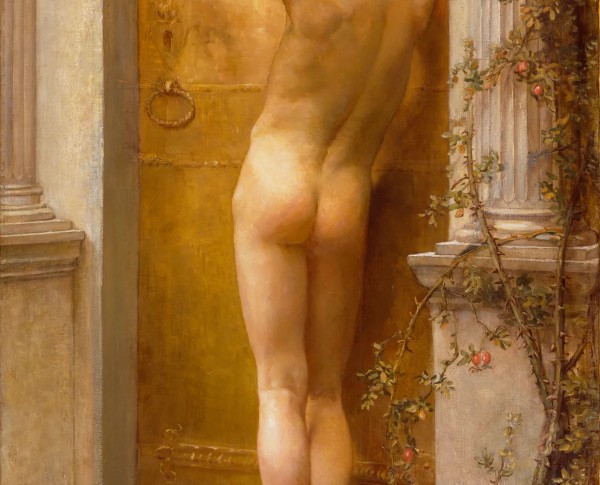
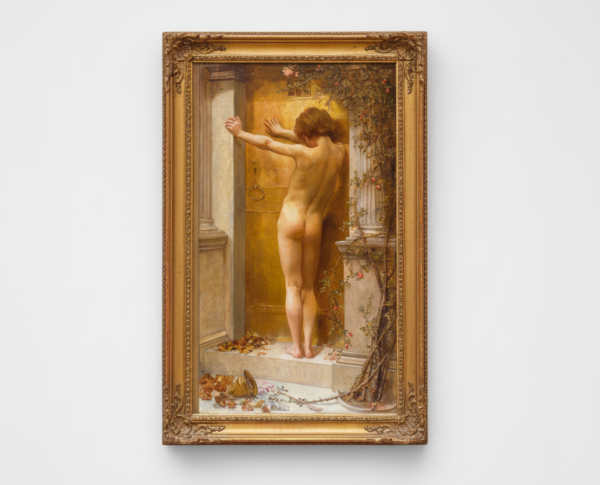
Anna Lea Merritt’s "Luna" exemplifies mastery in the use of oil on canvas, a hallmark of Pre-Raphaelite technique. The delicate brushwork and luminous palette bring the moonlit subject to life, demonstrating Merritt’s exceptional skill. Collectors seeking similar fine art can explore related products like "Young Girl Embracing a Woman" or "Mrs Arnold Toynbee," each reflecting the meticulous attention to detail and rich textures found in Merritt’s celebrated paintings.
Every fine art painting for sale by Anna Lea Merritt, including "Luna," is rich with symbolism and narrative depth. The serene figure in "Luna" embodies themes of femininity, mystery, and the celestial, resonating with the Pre-Raphaelite fascination with myth and beauty. Comparable works such as "Mrs I. Holman Hunt" and "Treasurer of Lady Margaret Hall" also weave stories through symbolism, inviting viewers to explore layers of meaning within the canvas.
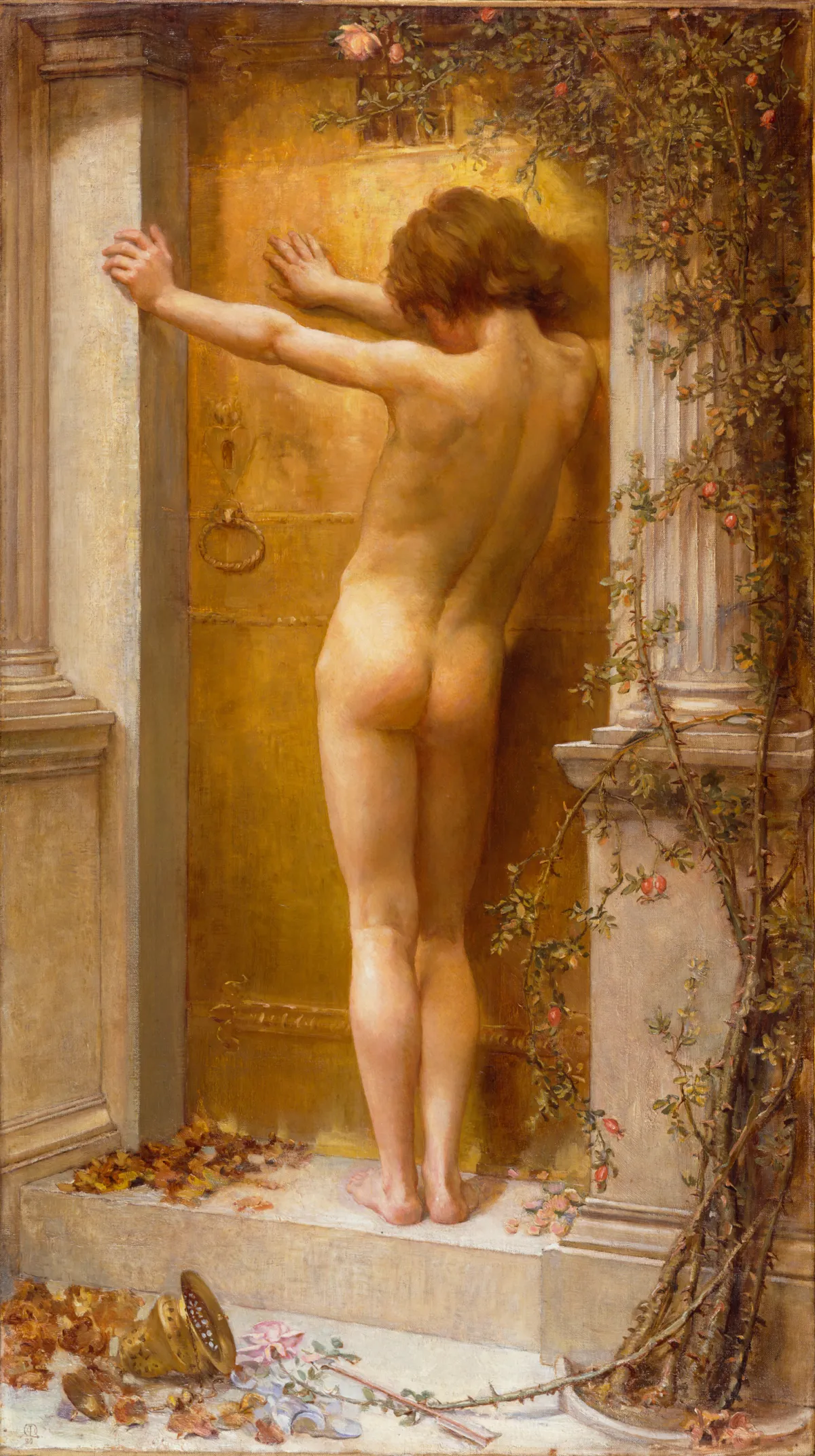
Owning "Luna" by Anna Lea Merritt means embracing a piece of Pre-Raphaelite history. This hand-painted oil painting is a sought-after collector’s item, valued for its exquisite artistry and historical significance. Art enthusiasts may also consider related products like "John Owen, Fellow, Secretary, British and Foreign Bible Society" and "Love Locked Out," which offer further opportunities to acquire masterful works from this remarkable artist and movement.
When Art Meets History
"Luna" by Anna Lea Merritt stands as a testament to the enduring beauty of the Pre-Raphaelites movement. Created in the late 19th century, this hand-painted oil painting captures the era's fascination with mythological themes and intricate detail. Merritt, celebrated for her evocative works, draws inspiration from related paintings like "Midsummer Eve" and "Night with her Train of Stars," weaving historical context into every brushstroke. "Luna" remains a significant piece for art historians and enthusiasts alike.
Techniques That Speak
Anna Lea Merritt’s "Luna" showcases the artist’s mastery of oil on canvas, a medium favored by Pre-Raphaelites for its ability to render luminous skin tones and delicate fabrics. Her technique involves meticulous layering and glazing, which brings an ethereal glow to the moonlit subject. Similar to her "Portrait of Caroline Hill" and "A Mermaid 1900," Merritt’s careful attention to light and texture elevates "Luna" into a timeless masterpiece within the movement.
Emotions on Display
The emotional resonance of "Luna" is palpable; Anna Lea Merritt imbues her subject with a sense of quiet introspection, characteristic of fine art painting for sale from the Pre-Raphaelites era. The soft, dreamy expression and gentle illumination evoke feelings of longing and mystery. Like "The Soul of the Rose 1908," this piece invites viewers to explore the deeper emotions that lie beneath the surface, making "Luna" a captivating study in sentiment and symbolism.
Coveted by Collectors
"Luna" is highly sought after by collectors who appreciate the unique allure of hand-painted oil paintings from the Pre-Raphaelites. Anna Lea Merritt’s attention to detail and use of oil on canvas make this work a prized addition to any collection. Alongside related paintings such as "Midsummer Eve" and "A Mermaid 1900," "Luna" continues to attract those searching for a fine art painting for sale that embodies both artistic mastery and historical significance.
Related Pre-Raphaelites Hand-Painted Oil Paintings by Other Artists
Other Famous Pre-Raphaelites Artists:
Frequently Asked Questions About Luna
What is the historical context of Luna?
Luna was created during the late 19th century, a period marked by significant artistic movements such as Symbolism and Pre-Raphaelitism. Anna Lea Merritt, the artist, was influenced by these movements, which sought to convey deeper emotional and spiritual meanings through art.
What themes are explored in Luna?
Luna explores themes of femininity, nature, and the celestial. The moon, often associated with femininity and intuition, serves as a central symbol in the painting, inviting viewers to contemplate the relationship between the natural world and the human experience.
What artistic techniques did Anna Lea Merritt use in Luna?
Merritt employed a combination of oil painting techniques, utilizing rich colors and soft brushwork to create a dreamlike quality. Her use of light and shadow enhances the ethereal atmosphere of the piece, drawing the viewer's eye to the central figure and the moon.
Who are the influences on Anna Lea Merritt's work?
Merritt was influenced by the Pre-Raphaelite Brotherhood, known for their attention to detail, vibrant colors, and themes of beauty and nature. Additionally, her exposure to Symbolism shaped her approach to conveying deeper meanings through her art.
What is the significance of the moon in Luna?
The moon in Luna symbolizes mystery, intuition, and the subconscious mind. It serves as a metaphor for the complexities of the human experience, particularly the emotional and spiritual aspects that are often hidden from view.
How does Luna reflect the role of women in art during the 19th century?
Luna reflects the evolving role of women in the art world during the 19th century, as female artists began to gain recognition for their contributions. Merritt's work challenges traditional gender roles by presenting a strong, contemplative female figure, embodying both strength and vulnerability.
What is the composition of Luna like?
The composition of Luna is characterized by a harmonious balance between the figure and the moon, creating a sense of unity. The placement of the figure in relation to the moon draws the viewer's attention and emphasizes the connection between humanity and the cosmos.
What emotions does Luna evoke in viewers?
Luna evokes a sense of tranquility and introspection. The serene expression of the figure, combined with the soft illumination of the moon, invites viewers to reflect on their own emotions and experiences, fostering a personal connection to the artwork.
How does Luna compare to other works by Anna Lea Merritt?
Compared to other works by Merritt, Luna showcases her mastery of color and light, as well as her ability to convey complex emotions. While many of her pieces explore similar themes of femininity and nature, Luna stands out for its ethereal quality and symbolic depth.
What impact did Luna have on the art community during its time?
Luna contributed to the growing recognition of female artists in the late 19th century, challenging the male-dominated art scene. Its unique blend of symbolism and emotional depth resonated with contemporary audiences, paving the way for future generations of women in art.






















_GFM_Painting_(1).webp)


 100% Hand-Painted: Finished in 3-6 Weeks

.png)















_(1).webp)