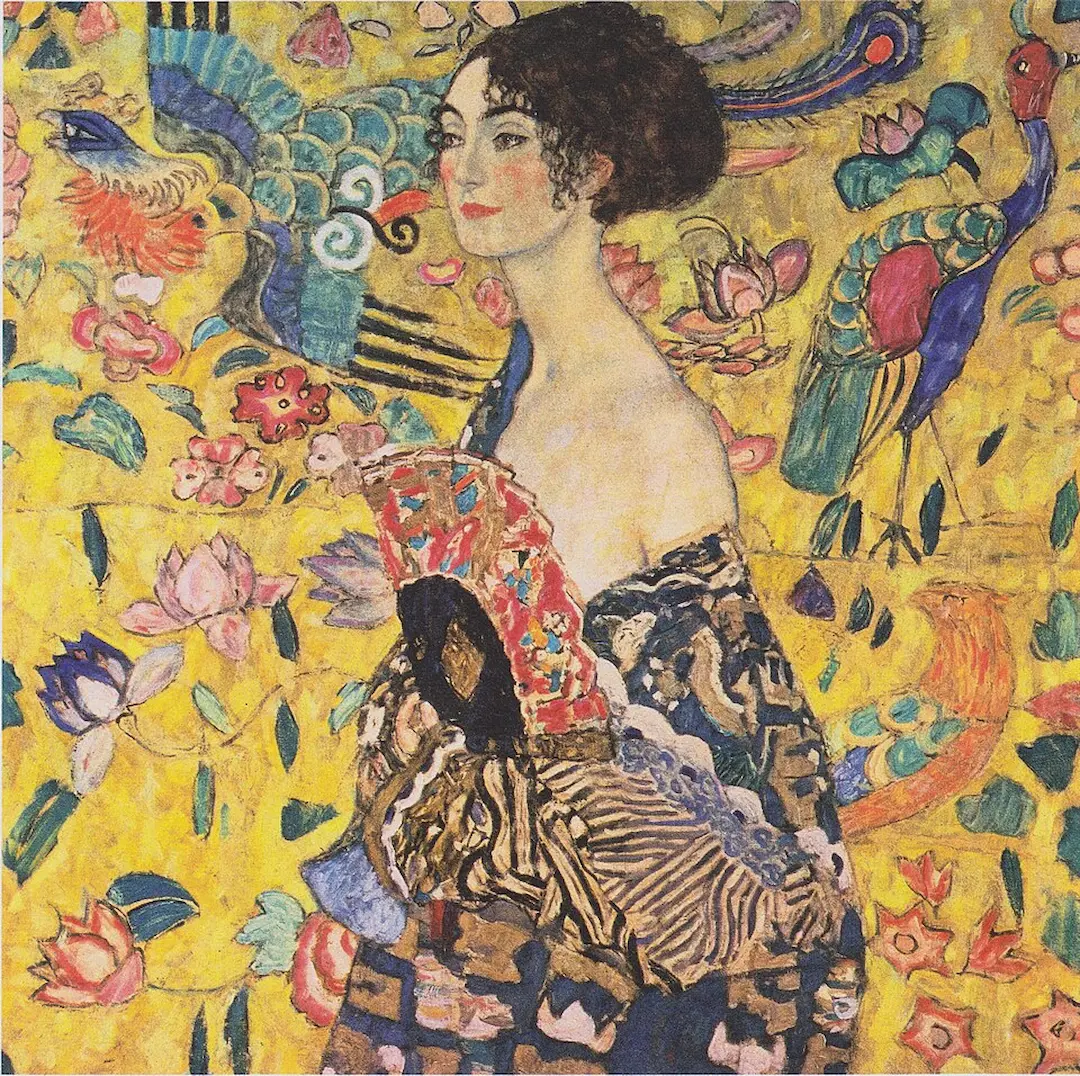
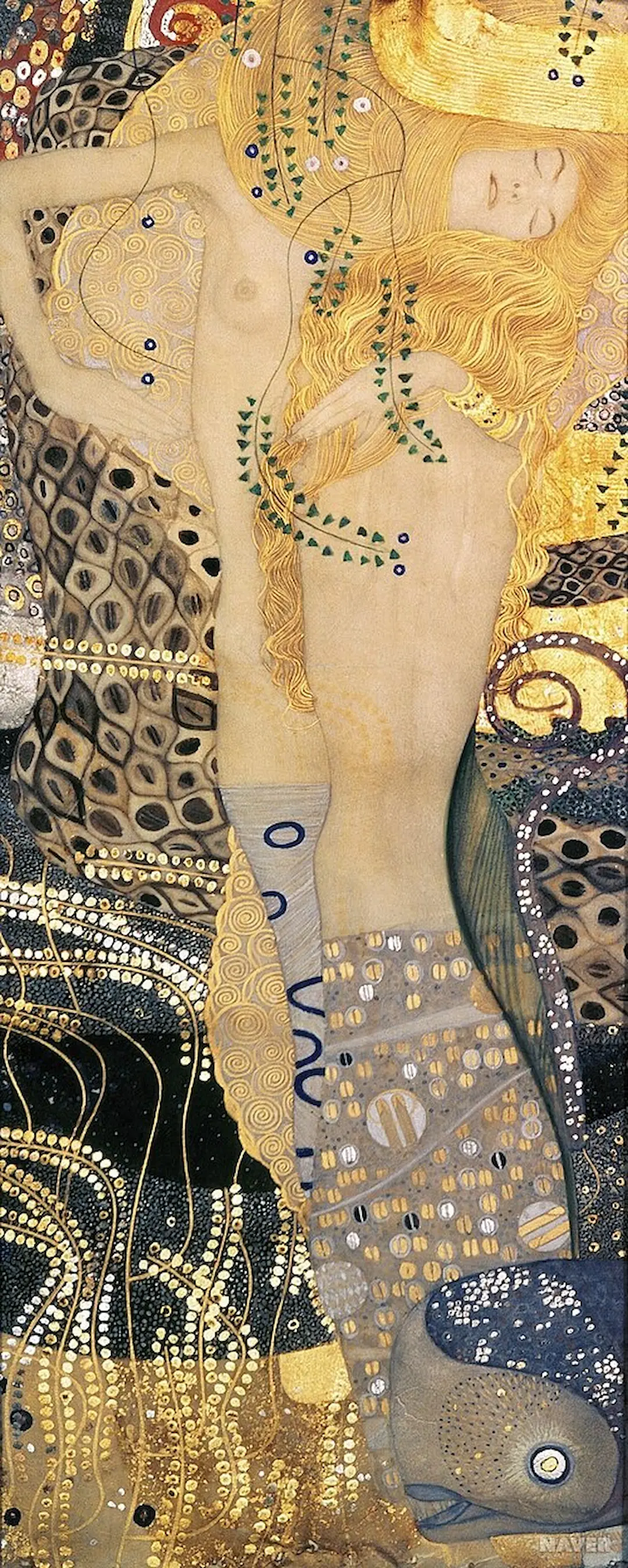
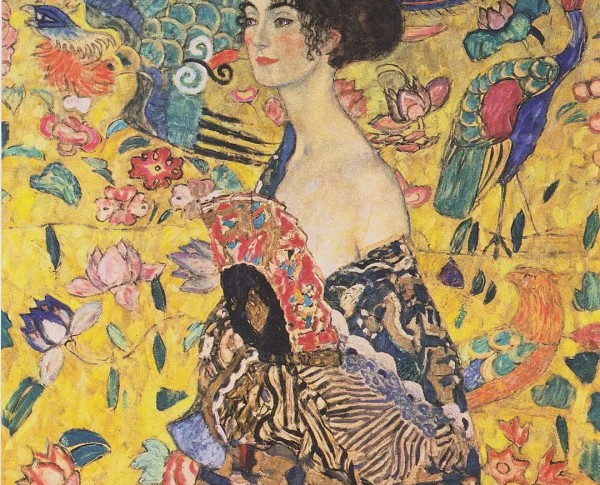
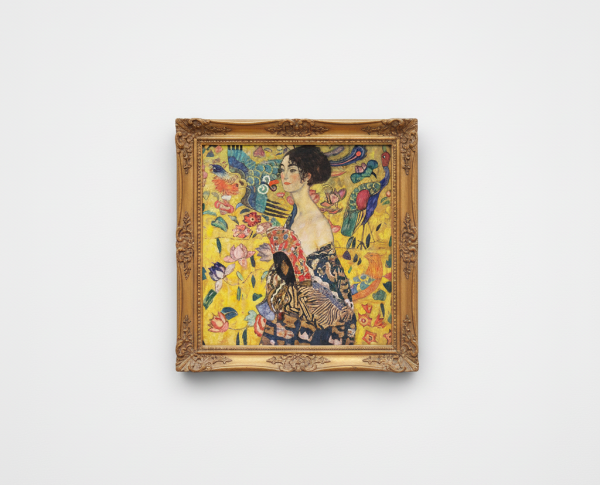
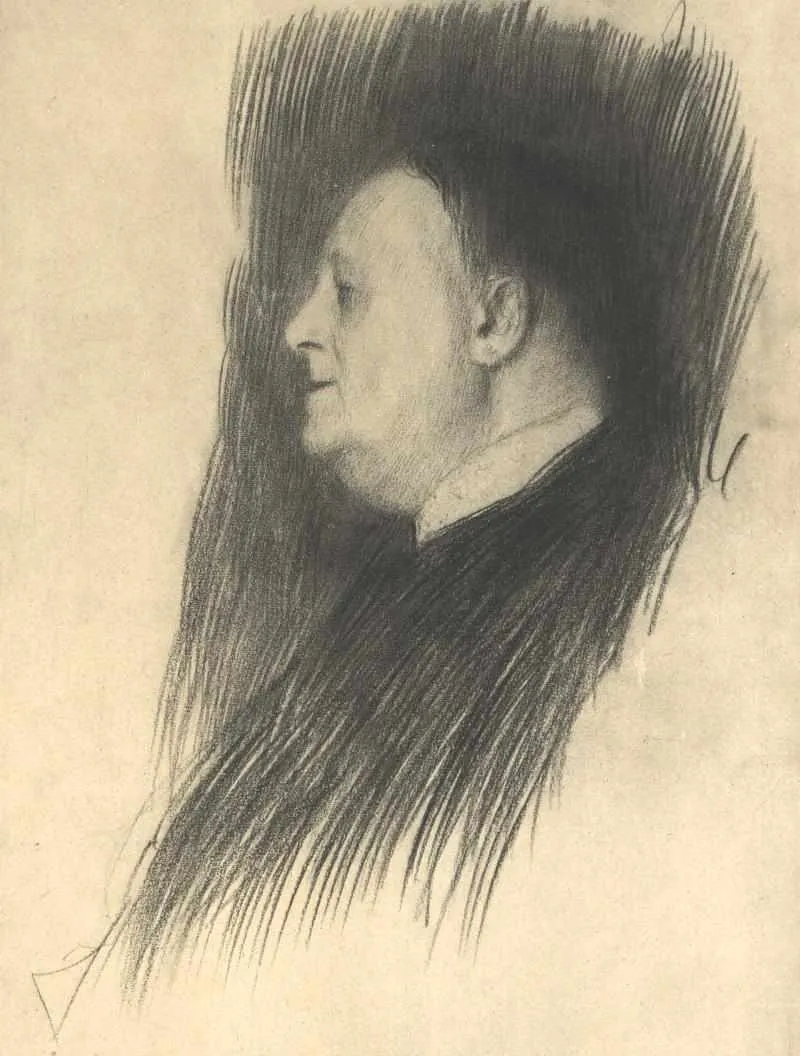
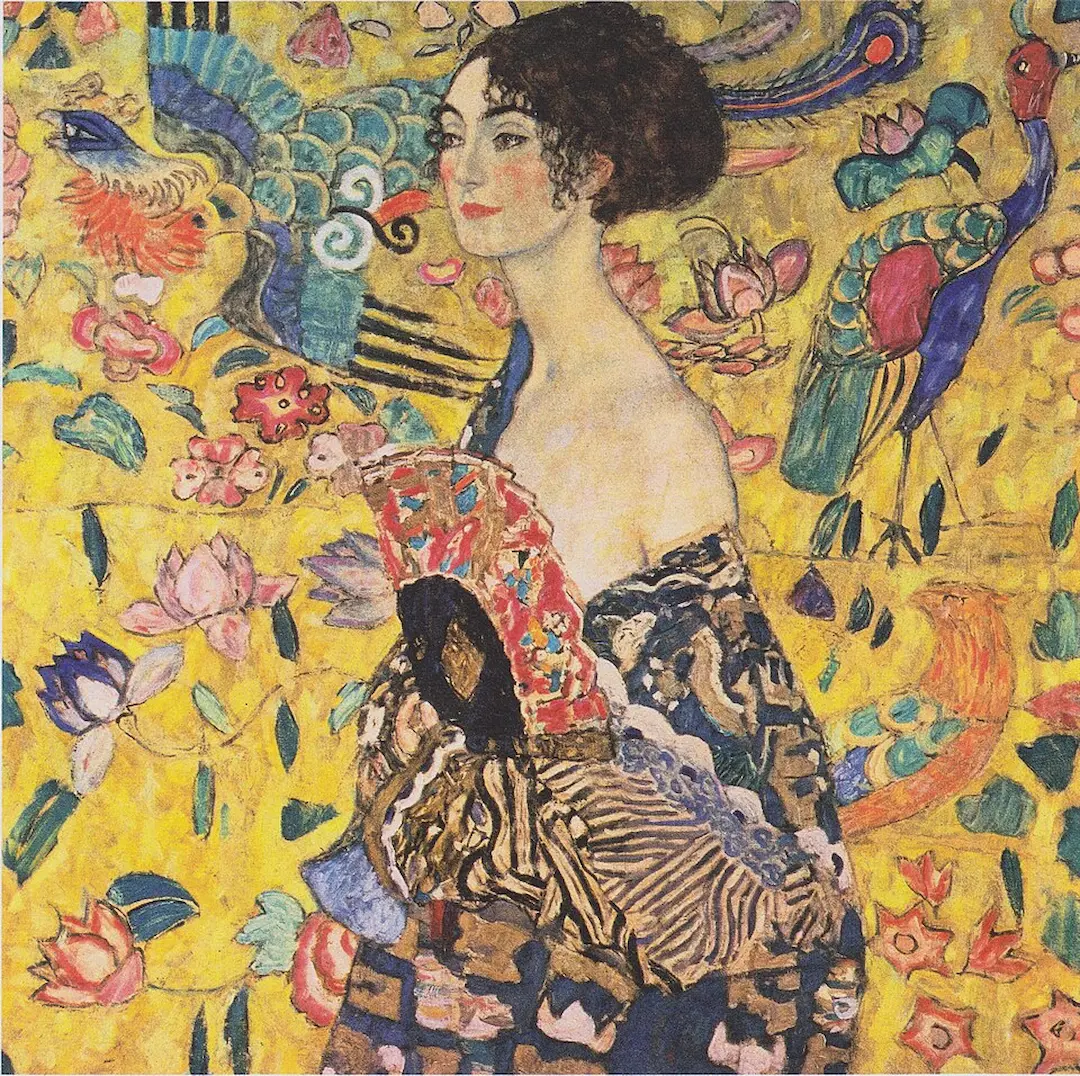
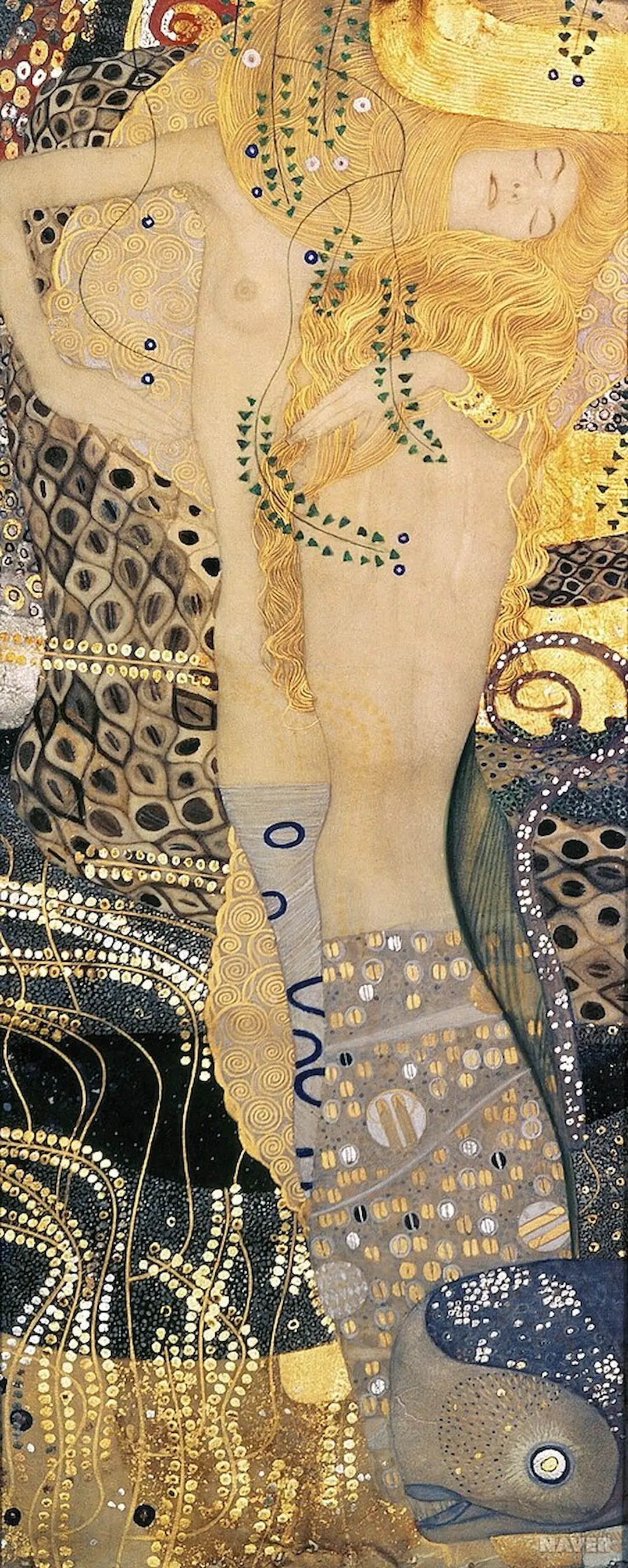
Every detail of "Portrait of a Man Facing Left" demonstrates Klimt’s technical prowess in oil on canvas. His signature brushwork and subtle use of color bring the subject to life, showcasing the Vienna Secession’s emphasis on individuality and emotion. This painting, alongside related pieces like "Lady With Fan" and "Water Serpents I," exemplifies Klimt’s dedication to craftsmanship and innovation, making it a standout example for those seeking a truly exceptional oil on canvas artwork.
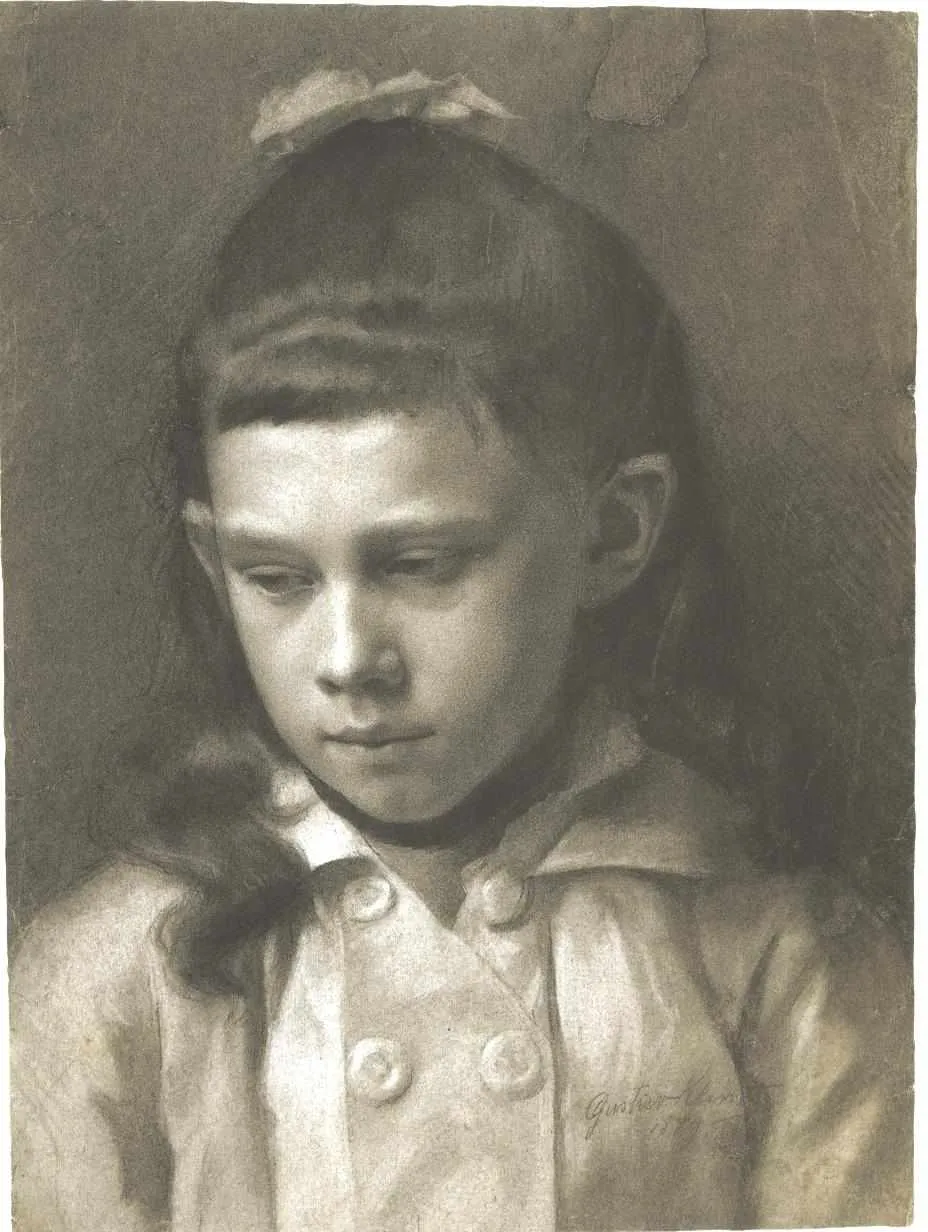
Within the "Portrait of a Man Facing Left," Gustav Klimt weaves stories and symbols that invite viewers to look beyond the surface. This fine art painting for sale is not just a representation—it’s an exploration of identity and introspection, hallmarks of the Vienna Secession movement. Collectors often pair this piece with related works such as "Portrait of a man with beard" or "Sitting Nude Man Turned to the Left" to deepen their appreciation of Klimt’s symbolic language.
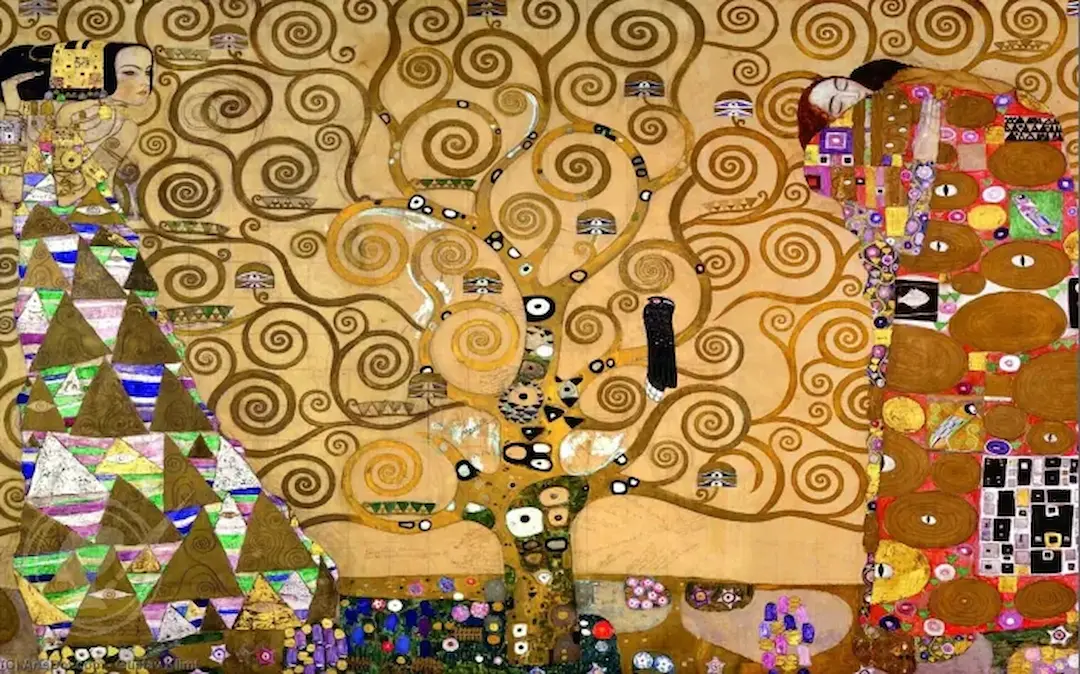
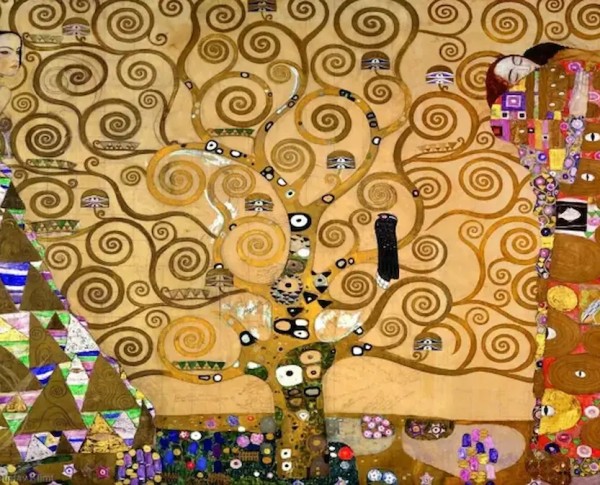
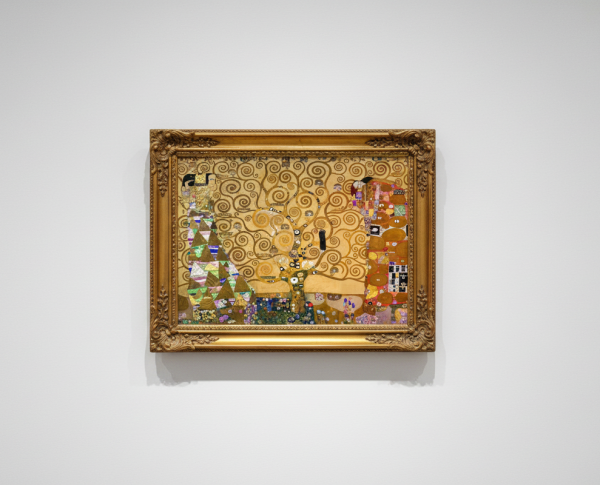
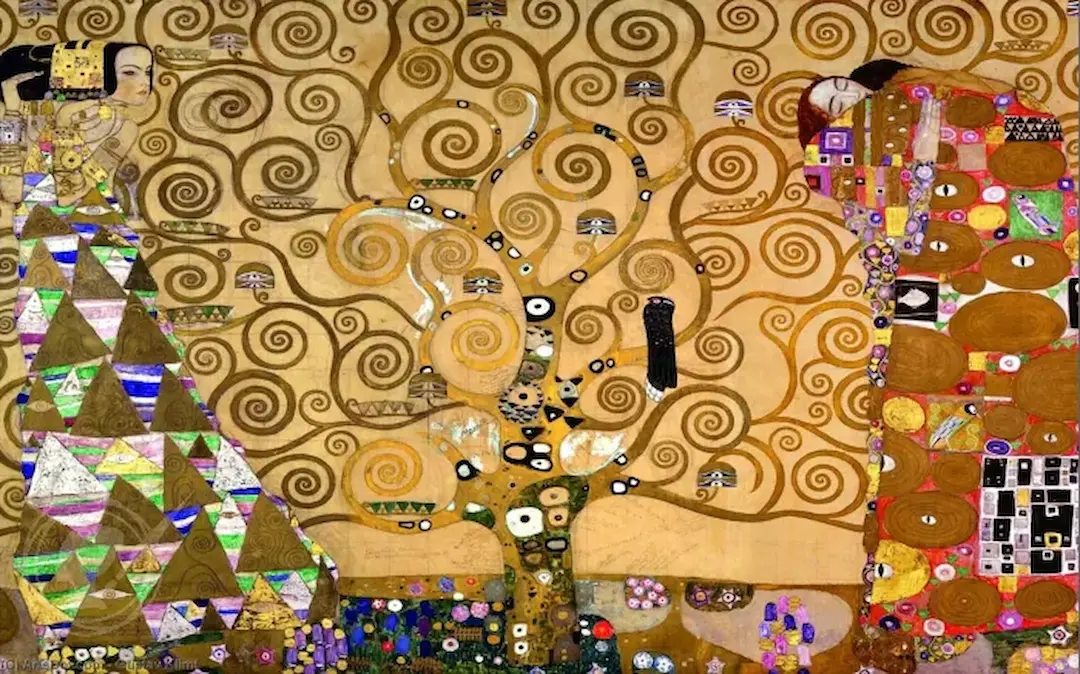
For art lovers, owning "Portrait of a Man Facing Left" by Gustav Klimt is a rare opportunity to possess a hand-painted oil painting from the renowned Vienna Secession movement. As a fine art painting for sale, it stands alongside masterpieces like "The Tree of Life" and "Lady With Fan." This work’s enduring appeal and historical significance make it a prized acquisition for any collection, capturing the essence of Klimt’s artistic vision and the movement’s revolutionary ideals.
When Art Meets History
"Portrait of a Man Facing Left" by Gustav Klimt, a notable figure in the Vienna Secession movement, stands as a testament to a transformative era in European art. This hand-painted oil painting captures the spirit of innovation and rebellion against traditional artistic norms. Klimt’s work, alongside other masterpieces from the Secessionist period, reflects a unique blend of historicism and modernism. Today, such pieces are celebrated for their cultural significance and enduring influence on the world of art.
Techniques That Speak
Gustav Klimt’s mastery is evident in the meticulous brushwork and nuanced use of color in "Portrait of a Man Facing Left." Executed in oil on canvas, this painting demonstrates the artist’s signature approach to texture and composition. The Vienna Secession movement, known for its experimental techniques, is beautifully represented here. Similar to other works by Klimt, this portrait reveals a delicate balance between realism and decorative abstraction, making it a standout in early modern European art.
Emotions on Display
In "Portrait of a Man Facing Left," Gustav Klimt conveys a profound sense of introspection and quiet dignity. The sitter’s expression and posture evoke a subtle emotional depth, characteristic of Klimt’s style within the Vienna Secession movement. This fine art painting for sale offers viewers a glimpse into the complex inner world of its subject, much like Klimt’s other portraits. The emotional resonance of the piece continues to captivate both art enthusiasts and scholars alike.
Coveted by Collectors
"Portrait of a Man Facing Left" remains highly sought after by collectors and institutions worldwide. Its status as a hand-painted oil painting by Gustav Klimt, a leader in the Vienna Secession movement, contributes to its desirability. Comparable to other renowned Klimt works, this piece’s provenance and historical context enhance its value. Collectors recognize it as a cornerstone of early twentieth-century art, reflecting the innovation and elegance of its time.
Frequently Asked Questions About Portrait of a Man Facing Left
What is the historical context of "Portrait of a Man Facing Left"?
"Portrait of a Man Facing Left" was created during the early 20th century, a period marked by significant artistic innovation and the emergence of modernism. Gustav Klimt, an influential figure of the Vienna Secession movement, sought to break away from traditional artistic conventions, which is reflected in this work.
What artistic techniques did Gustav Klimt employ in this painting?
Klimt is renowned for his use of decorative patterns and gold leaf, which are evident in "Portrait of a Man Facing Left." The artist skillfully combines realism with ornamental elements, creating a striking visual contrast that enhances the subject's presence.
Who is the subject of "Portrait of a Man Facing Left"?
The identity of the man portrayed in "Portrait of a Man Facing Left" remains uncertain. Klimt often depicted individuals from Vienna's elite society, and this painting is likely a representation of a contemporary figure, emphasizing the artist's focus on the human form and character.
What symbolism is present in "Portrait of a Man Facing Left"?
The painting is rich in symbolism, with the subject's pose and expression suggesting introspection and contemplation. Klimt often infused his works with deeper meanings, and the left-facing orientation may symbolize a connection to the past or an inward journey of self-discovery.
How does "Portrait of a Man Facing Left" reflect Klimt's overall artistic style?
This painting embodies Klimt's signature style, characterized by a blend of realism and decorative abstraction. The intricate patterns and the use of color not only highlight the subject's features but also create a harmonious balance between the figure and the background.
What influences can be seen in Klimt's work in this painting?
Klimt was influenced by various artistic movements, including Symbolism and Art Nouveau. In "Portrait of a Man Facing Left," these influences manifest through the decorative elements and the emphasis on sensuality and emotion, which are hallmarks of Klimt's oeuvre.
What materials were used in the creation of "Portrait of a Man Facing Left"?
The painting is executed in oil on canvas, a medium that allows for rich texture and depth. Klimt's use of gold leaf is also notable, adding a luminous quality that enhances the overall impact of the portrait.
How does this painting fit into Klimt's body of work?
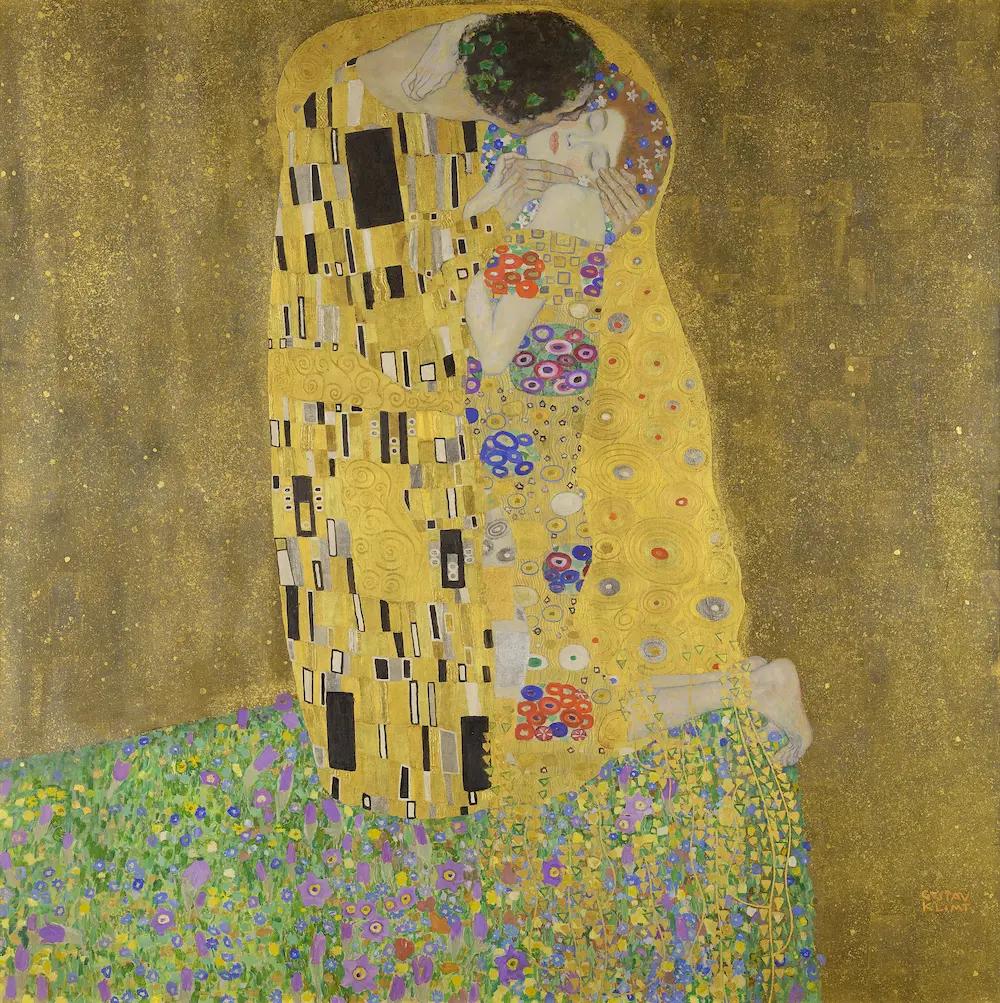
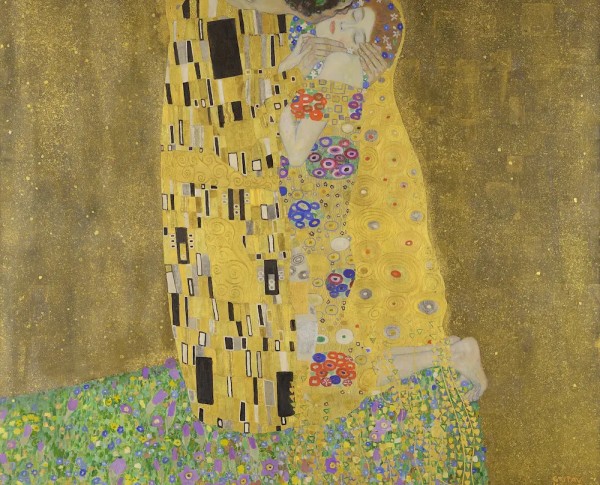
"Portrait of a Man Facing Left" is an important example of Klimt's portraiture, showcasing his ability to convey personality and emotion. It stands alongside his more famous works, such as "The Kiss," as a testament to his innovative approach to depicting the human figure.
What impact did "Portrait of a Man Facing Left" have on contemporary art?
The painting contributed to the evolving dialogue around portraiture in the early 20th century, influencing future generations of artists. Klimt's unique approach to form and decoration encouraged a reevaluation of traditional portrait techniques, paving the way for modern interpretations.
Is "Portrait of a Man Facing Left" part of any significant collections?
Yes, "Portrait of a Man Facing Left" is housed in a prominent art collection, where it is recognized for its artistic and historical significance. Its presence in major exhibitions has further solidified Klimt's legacy as a pivotal figure in the art world.























_GFM_Painting_(1).webp)


 100% Hand-Painted: Finished in 3-6 Weeks

.png)















_(1).webp)