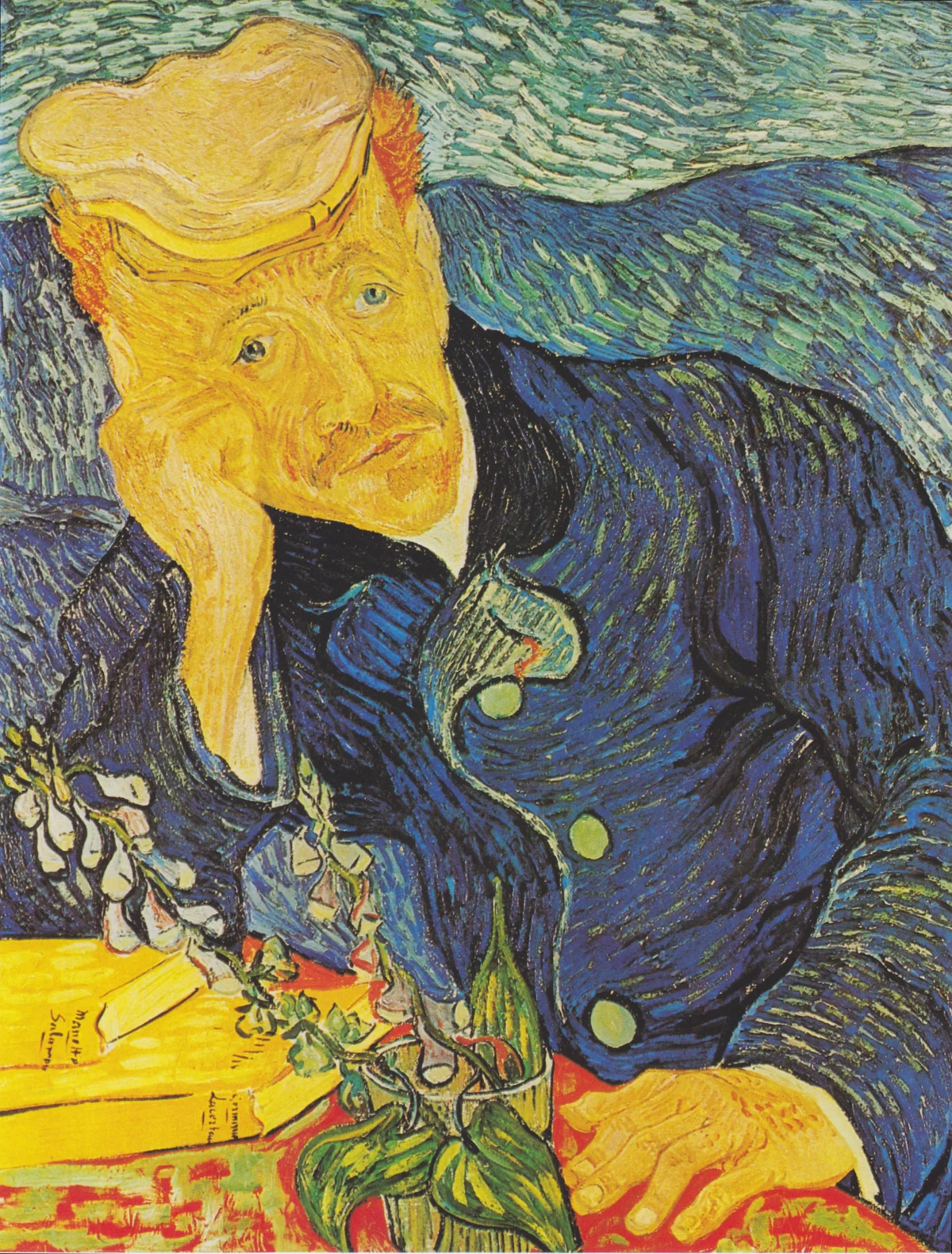
Van Gogh’s "Portrait of Dr. Gachet" exemplifies his remarkable technique, with expressive brushwork and bold color choices that define the Post-Impressionism era. Crafted as an oil on canvas, this artwork reveals Van Gogh’s ability to convey emotion and psychological insight. For those inspired by his genius, fine art painting for sale options such as "Vase With Twelve Sunflowers II" and "Skull With Burning Cigarette" offer a glimpse into his creative mastery.
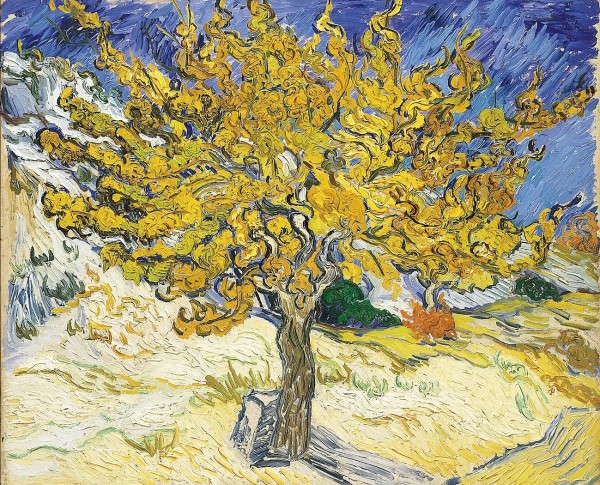
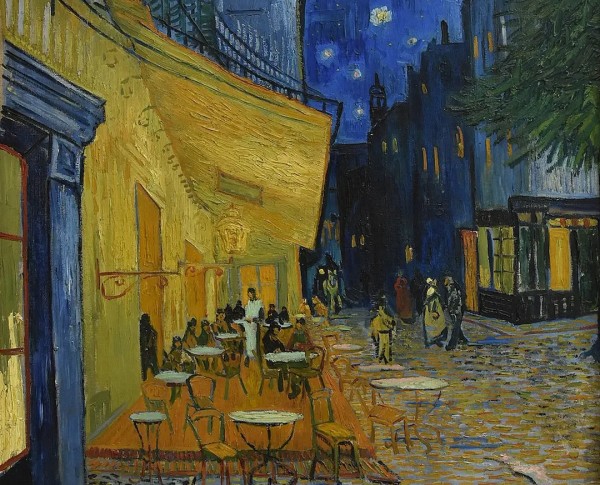
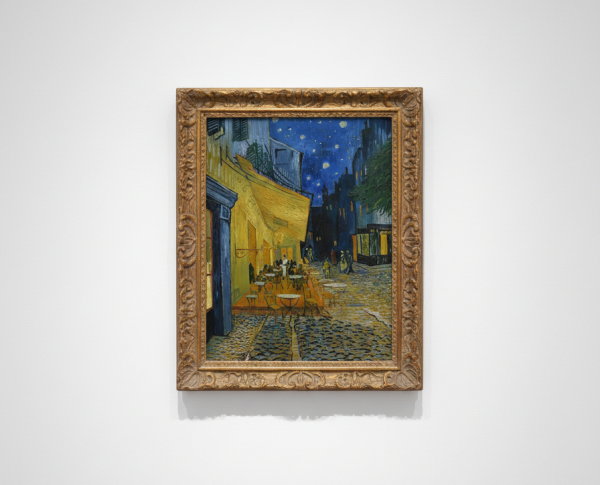
The "Portrait of Dr. Gachet" is more than just a hand-painted oil painting; it’s a narrative filled with symbolism and feeling. Van Gogh infused personal meaning into every detail, using objects and colors to reflect Dr. Gachet’s compassionate nature. Collectors often pair this masterpiece with related products like "Cafe Terrace on the Place du Forum" and "Mulberry Tree" to enrich their understanding of Van Gogh’s symbolic storytelling within the Post-Impressionism movement.
As one of Van Gogh’s most iconic works, "Portrait of Dr. Gachet" is a coveted fine art painting for sale among enthusiasts of Post-Impressionism. Its historical significance and emotional resonance make it a prized addition to any collection. Art lovers often seek complementary pieces such as "The Potato Eaters" and "Vase With Twelve Sunflowers II" to create a curated display honoring Vincent Van Gogh’s extraordinary legacy.
When Art Meets History
"Portrait of Dr. Gachet" by Vincent Van Gogh stands as a testament to the Post-Impressionism movement, capturing a significant moment in art history. This hand-painted oil painting immortalizes Dr. Paul Gachet, Van Gogh’s physician during his final months. Alongside masterpieces like "One Of The Family" and "A Sunday Afternoon on the Island of La Grande Jatte," this work reflects the profound shift toward expressive and emotional art, marking a pivotal period in late nineteenth-century painting.
Techniques That Speak
Vincent Van Gogh’s mastery is evident in every brushstroke of this oil on canvas. The swirling backgrounds and vibrant colors exemplify the Post-Impressionism style, setting "Portrait of Dr. Gachet" apart from other fine art paintings for sale. Techniques reminiscent of works like "Two Tahitian Women" showcase Van Gogh’s ability to blend color and emotion, creating an artwork whose texture and movement continue to captivate viewers and inspire artists worldwide.
Emotions on Display
In "Portrait of Dr. Gachet," Van Gogh channels deep empathy and melancholy, using the hand-painted oil painting to explore the sitter’s inner world. The expressive lines and poignant gaze evoke a sense of vulnerability, reflecting the artist’s own struggles. Like "A Sunday Afternoon on the Island of La Grande Jatte," this painting from the Post-Impressionism movement invites viewers to connect emotionally, revealing the profound human stories behind fine art painting for sale.
Coveted by Collectors
"Portrait of Dr. Gachet" is renowned not only for its artistic brilliance but also for its status as a coveted fine art painting for sale. Its rich history and connection to Vincent Van Gogh and the Post-Impressionism movement have made it highly desirable among collectors. Alongside celebrated works such as "One Of The Family" and "Two Tahitian Women," this oil on canvas continues to command attention and admiration in the global art market.
Related Post-Impressionism Hand-Painted Oil Paintings by Other Artists
Other Famous Post-Impressionism Artists:
Frequently Asked Questions About Portrait of Dr. Gachet
What is the historical significance of "Portrait of Dr. Gachet"?
"Portrait of Dr. Gachet," painted in 1890, is significant as it represents Vincent Van Gogh's emotional state during his final days. The painting captures the essence of the artist's struggles with mental illness and his relationship with his physician, Dr. Gachet, who cared for him during his time in Auvers-sur-Oise.
Who is the subject of the painting?
The subject of the painting is Dr. Paul Gachet, a physician who treated Van Gogh in the last months of his life. Dr. Gachet was known for his compassionate approach to mental health, and he is depicted in a contemplative pose, reflecting his understanding of Van Gogh's turmoil.
What artistic techniques did Van Gogh use in this painting?
Van Gogh employed his signature impasto technique in "Portrait of Dr. Gachet," using thick brushstrokes to create texture and depth. The vibrant colors and expressive lines convey emotion, characteristic of Van Gogh's post-impressionist style.
What do the colors in the painting symbolize?
The colors in "Portrait of Dr. Gachet" are rich and emotive. The use of blue and green hues suggests melancholy and introspection, while the warm tones of the background contrast with the subject's somber expression, symbolizing the complexity of human emotion.
How does this painting reflect Van Gogh's mental state?
The painting reflects Van Gogh's mental state through Dr. Gachet's expression, which is both thoughtful and troubled. This duality mirrors Van Gogh's own struggles with mental health, making the artwork a poignant representation of his inner turmoil.
What is the significance of the objects included in the painting?
The objects in the painting, such as the flowers and the table, add layers of meaning. The presence of the foxglove plant, known for its medicinal properties, symbolizes healing and the complexities of mental health, while the still life elements ground the portrait in reality.
How does "Portrait of Dr. Gachet" fit into Van Gogh's body of work?
This painting is a pivotal piece in Van Gogh's oeuvre, showcasing his evolution as an artist. It encapsulates his exploration of psychological depth and emotional expression, marking a transition into his later works that delve into themes of suffering and introspection.
What impact did "Portrait of Dr. Gachet" have on the art world?
"Portrait of Dr. Gachet" has had a profound impact on the art world, influencing the expressionist movement and later artists who sought to convey emotional depth through their work. Its sale in 1990 for a record price underscored Van Gogh's lasting legacy and the value of emotional authenticity in art.
What is the current status of "Portrait of Dr. Gachet"?
The painting is currently part of a private collection and is not on public display. Its historical significance and artistic merit continue to be celebrated in exhibitions and scholarly discussions about Van Gogh's life and work.
How does "Portrait of Dr. Gachet" relate to the themes of isolation and companionship?
The painting embodies themes of isolation and companionship through the portrayal of Dr. Gachet as both a caregiver and a reflective figure. This duality highlights the importance of human connection in the face of mental health struggles, a recurring theme in Van Gogh's life and work.
















_GFM_Painting_(1).webp)


 100% Hand-Painted: Finished in 3-6 Weeks

.png)















_(1).webp)