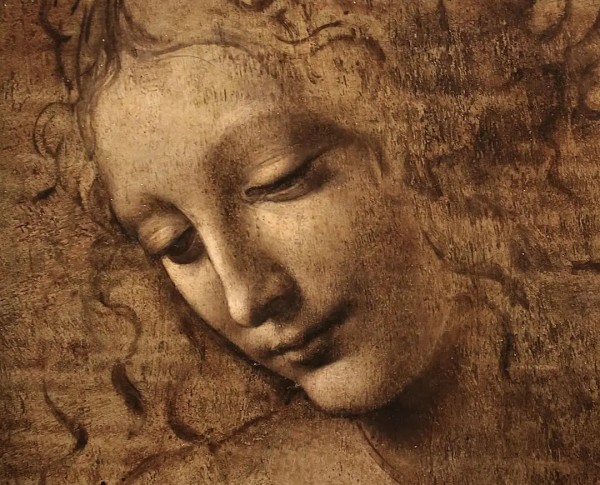
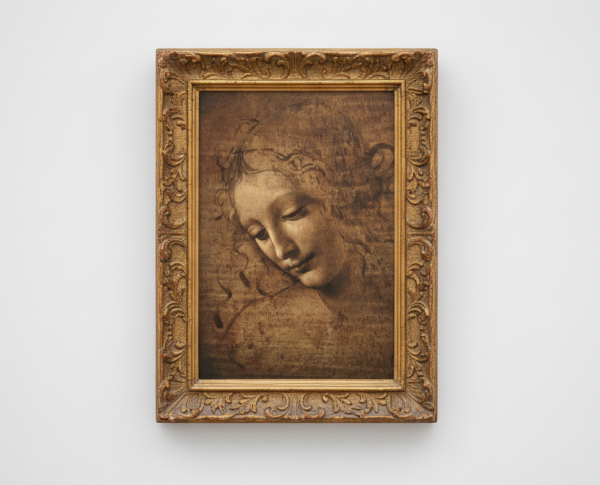
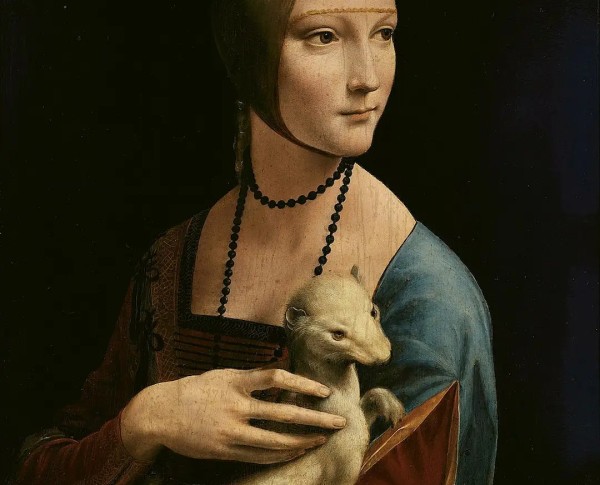
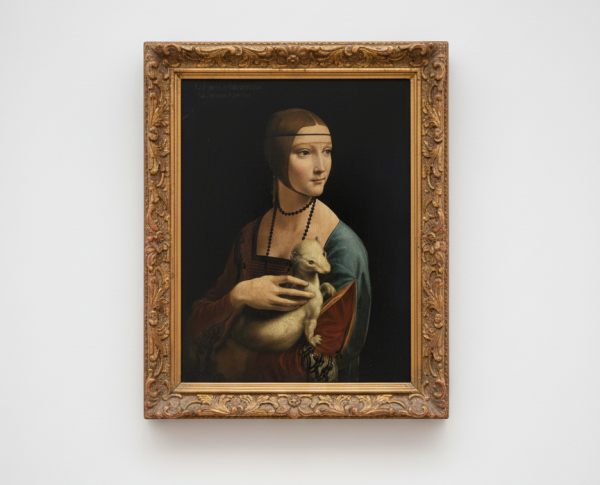
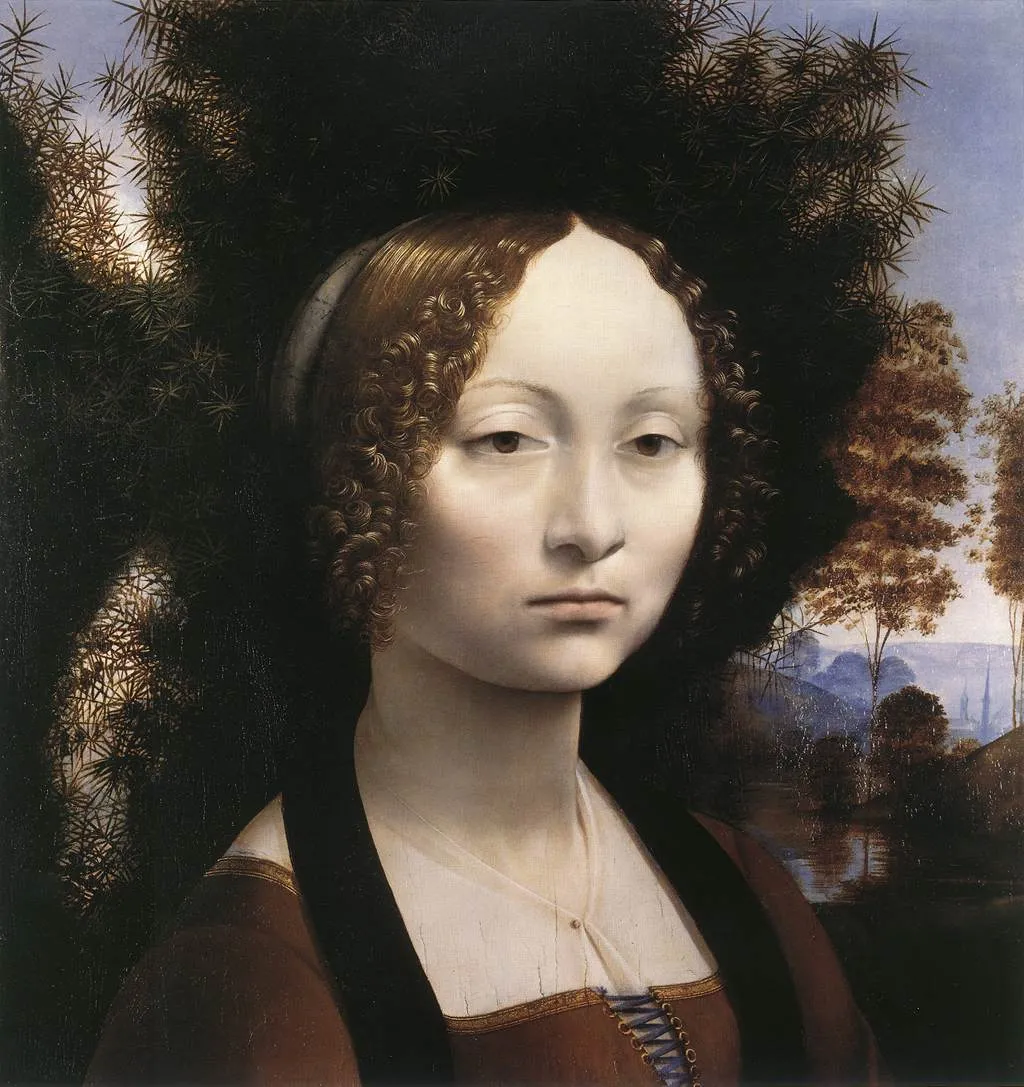
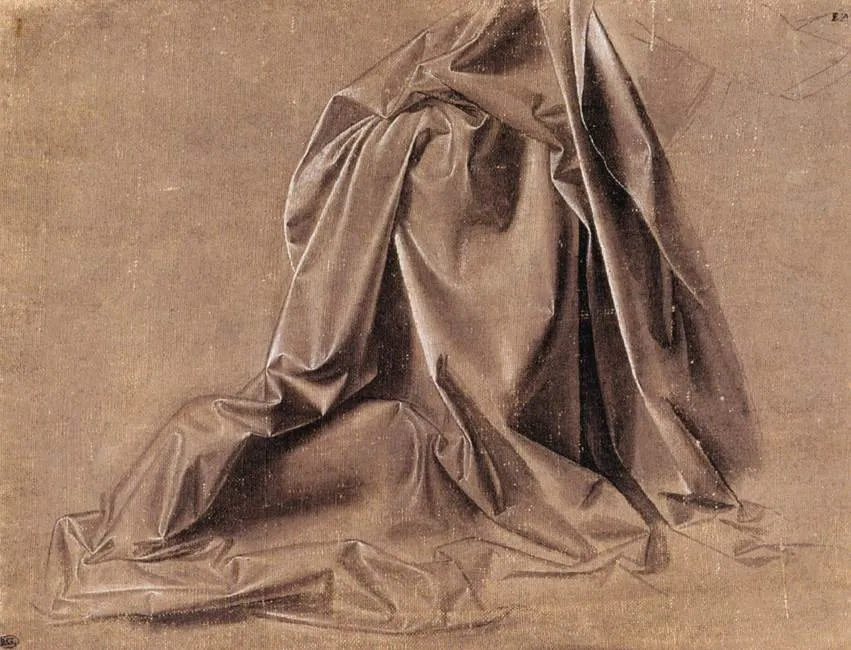
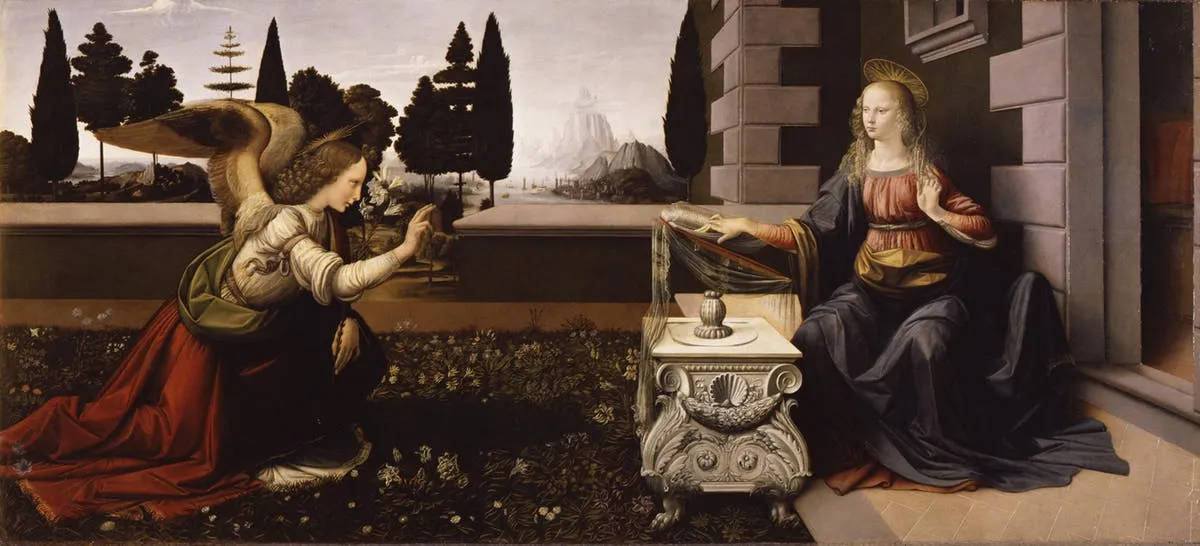
Da Vinci’s technique in "Portrait of Ginevra Benci" exemplifies the precision and subtlety characteristic of the High Renaissance. The delicate play of light and shadow in this oil on canvas creates a lifelike presence, highlighting his skill as a master painter. Art lovers searching for a fine art painting for sale often admire Da Vinci’s other works, such as "Sleeve Study for the Annunciation" and "The Study of Drapery of a Seated Figure", for their technical brilliance.
Every hand-painted oil painting by Leonardo Da Vinci is rich with symbolism, and "Portrait of Ginevra Benci" is no exception. The juniper bush behind Ginevra alludes to her name and virtue, blending personal narrative with Renaissance ideals. This fine art painting for sale draws connections to Da Vinci’s "Landscape drawing for Santa Maria della Neve" and "Woman's Head", revealing the artist’s fascination with nature and hidden meanings.
"Portrait of Ginevra Benci" is a coveted masterpiece for any collection, reflecting the heights of the High Renaissance. As an oil on canvas, it exemplifies Leonardo Da Vinci’s innovative spirit and attention to detail. Collectors often pair this iconic piece with related products like "Profile of a warrior in helmet" to enhance their galleries. Such works remain highly sought after by those searching for a fine art painting for sale from this celebrated era.
When Art Meets History
"Portrait of Ginevra Benci" by Leonardo Da Vinci stands as an iconic work of the High Renaissance movement. This hand-painted oil painting not only captures the delicate features of Ginevra but also reflects the evolving artistic ideals of the era. Alongside masterpieces like "The Vision of Ezekiel" and "Madonna of Belvedere," this portrait demonstrates Da Vinci's innovative approach, making it a cornerstone in Renaissance art history and a true testament to his genius.
Techniques That Speak
Leonardo Da Vinci employed masterful oil on canvas techniques in "Portrait of Ginevra Benci," showcasing his signature sfumato and subtle gradations of light. The High Renaissance movement is evident in the harmonious composition and lifelike textures. This painting, much like "Joanna Of Aragon" and "The Triumph Of Galatea," reveals Da Vinci's relentless pursuit of naturalism and detail, setting a benchmark for future artists and solidifying his influence in fine art.
Emotions on Display
In "Portrait of Ginevra Benci," Leonardo Da Vinci captures a profound psychological depth, an achievement emblematic of the High Renaissance. The subject’s enigmatic expression invites viewers to ponder her inner thoughts, much like the mysterious allure found in "La Donna Velata." This fine art painting for sale resonates with viewers due to its emotional intensity, subtle gaze, and the masterful rendering that Da Vinci is celebrated for, making it a timeless treasure.
Coveted by Collectors
Collectors have long sought works like "Portrait of Ginevra Benci" by Leonardo Da Vinci, recognizing their immense value within the High Renaissance movement. The painting’s rarity and historical significance, akin to "Madonna del Prato" and "The Triumph Of Galatea," make it a prized acquisition. As a hand-painted oil painting, it continues to captivate art enthusiasts and collectors, representing the pinnacle of Renaissance portraiture and the enduring legacy of Da Vinci’s artistry.
Related High Renaissance Hand-Painted Oil Paintings by Other Artists
Other Famous High Renaissance Artists:
Frequently Asked Questions About Portrait of Ginevra Benci
Who is Ginevra Benci?
Ginevra Benci was a young Florentine noblewoman, known for her beauty and intelligence. She was the daughter of a wealthy family and became a prominent figure in the Renaissance society of Florence.
What is the significance of the portrait in art history?
The "Portrait of Ginevra Benci" is significant as it is one of Leonardo da Vinci's earliest works and showcases his innovative techniques in portraiture, particularly in the use of sfumato and the psychological depth of the subject.
What artistic techniques did Leonardo use in this painting?
Leonardo employed techniques such as chiaroscuro to create depth, sfumato for soft transitions between colors, and a detailed rendering of textures, particularly in Ginevra's hair and clothing.
What is the symbolism behind the background of the painting?
The background features a lush, natural landscape, symbolizing Ginevra's connection to nature and her noble status. The cypress trees are often interpreted as a symbol of mourning, possibly hinting at themes of love and loss.
What does Ginevra Benci's expression convey?
Ginevra's expression is often described as serene yet introspective, suggesting a complex inner life. This psychological depth was a hallmark of Renaissance portraiture, reflecting the subject's personality and social status.
How does this painting reflect Renaissance ideals?
The portrait exemplifies Renaissance ideals through its focus on individualism, the beauty of the human form, and the integration of natural elements, emphasizing the harmony between humanity and nature.
What materials were used in the creation of this painting?
The "Portrait of Ginevra Benci" was painted using oil on wood, a medium that allowed Leonardo to achieve rich colors and fine details, contributing to the overall realism of the artwork.
When was the painting created?
The painting was created around 1474-1478, during the early period of Leonardo da Vinci's career, marking a significant development in his artistic style and approach to portraiture.
What is the current location of the painting?
The "Portrait of Ginevra Benci" is housed in the National Gallery of Art in Washington, D.C., where it is part of the museum's permanent collection and is frequently exhibited to the public.
What influence did this painting have on later artists?
This portrait influenced many later artists by setting a standard for the portrayal of women in art, emphasizing psychological complexity and the use of naturalistic settings, which became prevalent in subsequent portraiture.






















_GFM_Painting_(1).webp)


 100% Hand-Painted: Finished in 3-6 Weeks

.png)













_c._1503-05_.webp)
_(or_La_Scapigliata).webp)
_1483-90.webp)



_(1).webp)