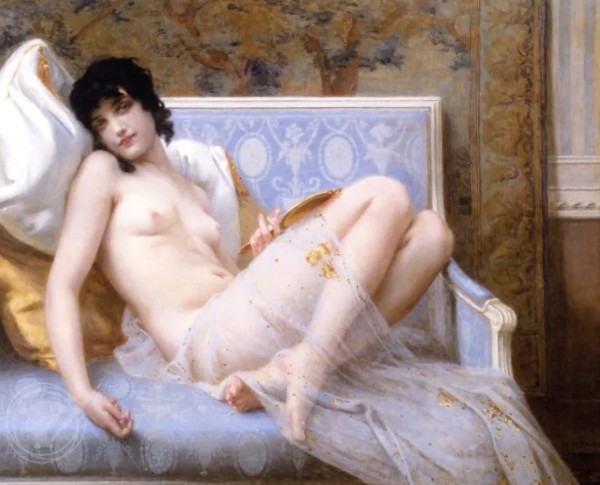
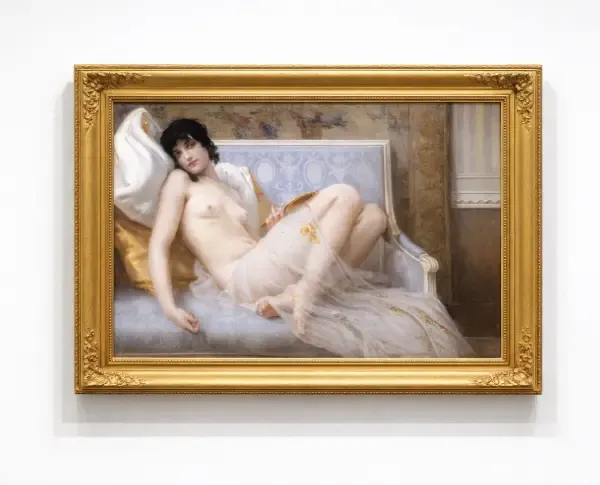
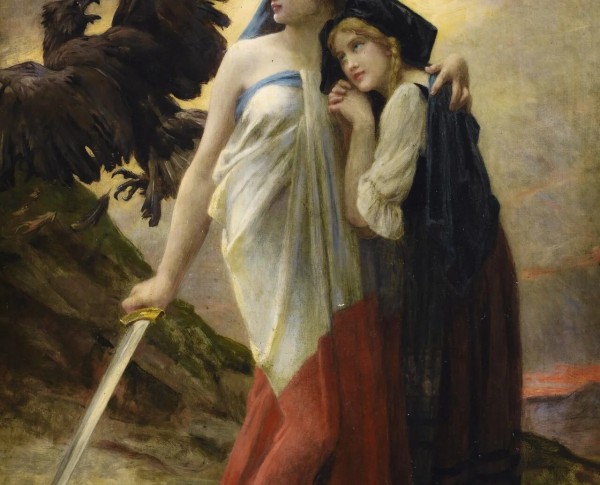
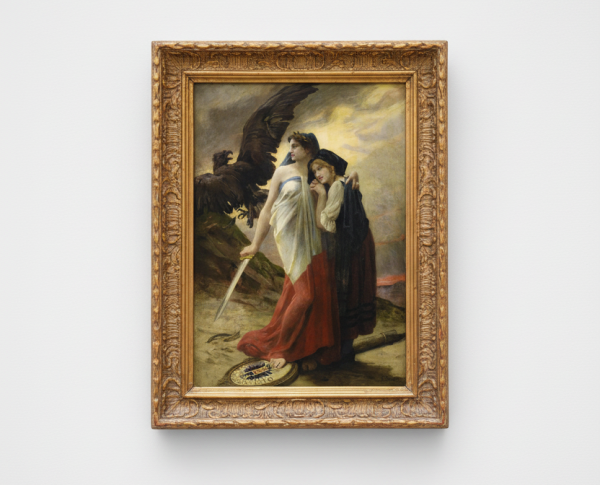
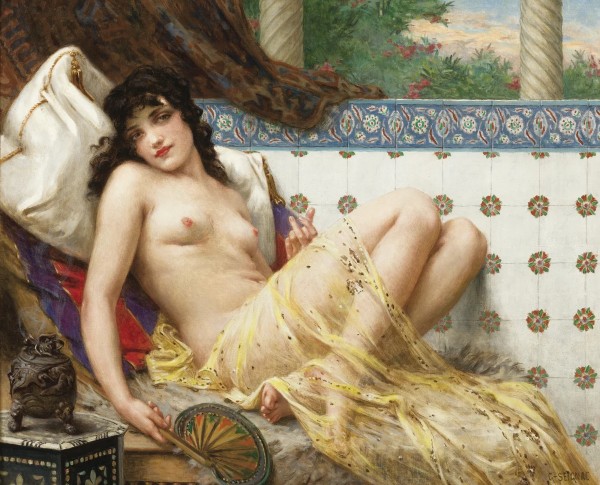
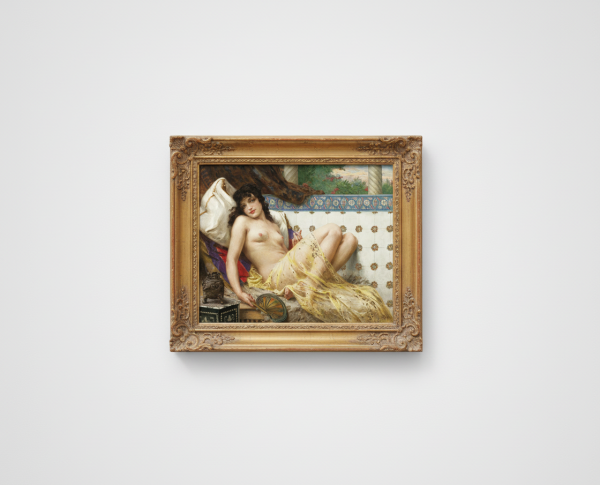
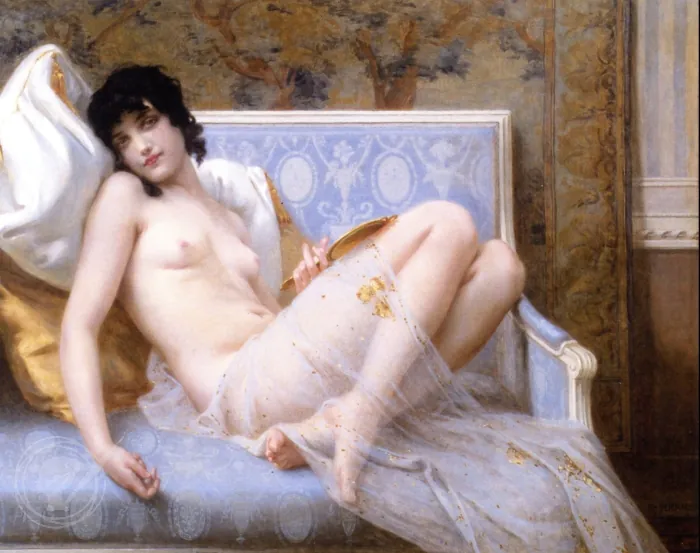
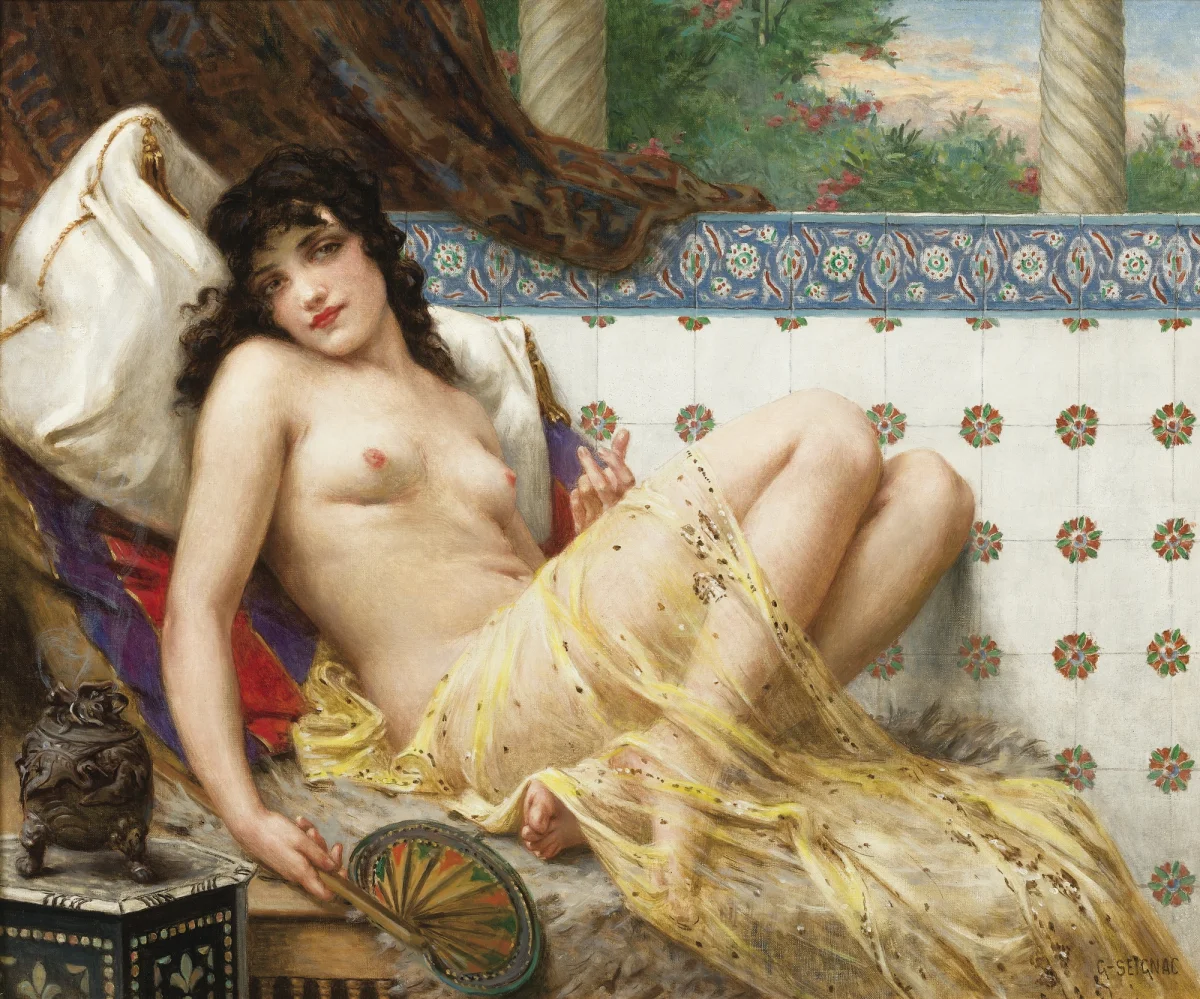
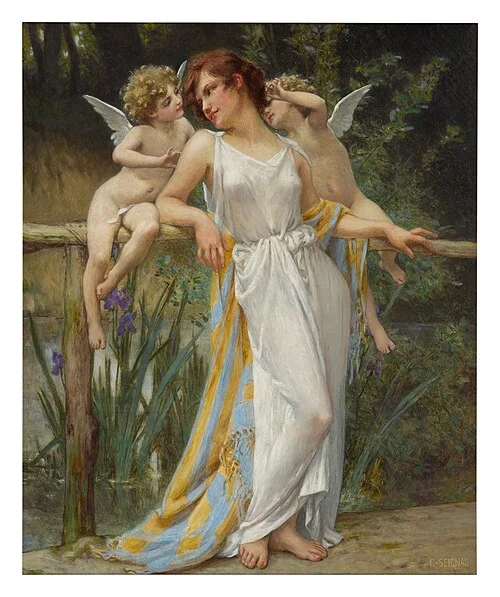
"Reflections" by Guillaume Seignac demonstrates the meticulous attention to detail characteristic of oil on canvas masterpieces. The artist’s delicate rendering of light and texture exemplifies the high standards of the Academic Art movement. Seignac’s technique brings the subject to life, inviting viewers to appreciate the skill behind every brushstroke. For those captivated by such artistry, works like "Love's Offering" and "Odalisque with a Fan" offer further examples of this exceptional oil on canvas tradition.
Within "Reflections," Guillaume Seignac weaves subtle narratives and symbolic undertones, hallmark traits of a fine art painting for sale from the Academic Art era. The composition invites contemplation, encouraging viewers to interpret the emotions and stories hidden within the subject’s gaze. Collectors intrigued by meaningful artworks may also explore related pieces such as "Odalisque" and "Reunited," each offering their own unique blend of symbolism and narrative depth within the fine art painting for sale category.
Owning "Reflections" by Guillaume Seignac is an opportunity to possess a remarkable hand-painted oil painting rooted in the prestigious Academic Art movement. This exquisite work not only enhances any collection but also connects art lovers to a legacy of classical beauty. Discerning collectors may find similar allure in related products like "The Awakening of Psyche" and "Diana the Huntress," each representing the pinnacle of fine art painting for sale from this celebrated period.
When Art Meets History
Guillaume Seignac’s "Reflections" stands as a testament to the enduring allure of the Academic Art movement. This hand-painted oil painting beautifully captures the elegance and technical mastery that defined late 19th-century French art. Seignac, renowned for his attention to detail, is also celebrated for works like "Mud Pies" and "The Wolf of Agubbio." "Reflections" continues to intrigue art lovers, offering a window into an era when classical traditions and realism were at the forefront of artistic expression.
Techniques That Speak
"Reflections" showcases Seignac’s expertise with oil on canvas, a medium that allows for rich color blending and lifelike textures. His brushwork and use of light create a captivating sense of depth, similar to his approach in "The Hunchback of Notre-Dame." The Academic Art movement prized technical precision, and Seignac’s meticulous layering and subtle gradations highlight his mastery. This painting exemplifies the refined techniques that have made his works highly regarded among connoisseurs.
Emotions on Display
In "Reflections," Guillaume Seignac delicately portrays a moment of introspection, imbuing the subject with a gentle, contemplative mood. The fine art painting for sale invites viewers to connect emotionally, much like his pieces "Mud Pies" and "The Wolf of Agubbio." Through soft lighting and expressive poses, Seignac reveals the inner world of his figures, making Academic Art both accessible and deeply moving. Each brushstroke contributes to the painting’s evocative and timeless quality.
Coveted by Collectors
Guillaume Seignac’s "Reflections" is highly sought after by art collectors who appreciate the sophistication of Academic Art. As a hand-painted oil painting, it combines historical significance with exquisite craftsmanship, much like his celebrated works "The Hunchback of Notre-Dame" and "Mud Pies." Collectors value the authenticity and artistry found in Seignac’s oeuvre, making this piece a prized addition to any collection. Its enduring appeal ensures it remains a centerpiece among fine art enthusiasts.
Related Academic Art Hand-Painted Oil Paintings by Other Artists
Other Famous Academic Art Artists:
Frequently Asked Questions About Reflections
What is the historical context of "Reflections"?
"Reflections" was created during the early 20th century, a period marked by significant changes in art movements, including Impressionism and Symbolism. This painting reflects the transition towards modernism while still embracing classical techniques.
Who is Guillaume Seignac and what is his significance in art history?
Guillaume Seignac was a French painter known for his neoclassical style and depictions of the female form. His work often combines elements of romanticism and realism, making him a notable figure in the early 20th-century art scene.
What artistic techniques are employed in "Reflections"?
In "Reflections," Seignac utilizes oil painting techniques, characterized by smooth brushwork and a rich color palette. The play of light and shadow enhances the three-dimensionality of the figures, creating a sense of depth and realism.
What themes are explored in "Reflections"?
The painting explores themes of introspection and femininity. The serene expression of the subject suggests a moment of contemplation, inviting viewers to reflect on their own thoughts and emotions.
What is the significance of the title "Reflections"?
The title "Reflections" symbolizes both the literal reflection seen in the water and the metaphorical reflection of the subject's inner thoughts. It encourages viewers to consider the duality of appearance and reality.
How does "Reflections" compare to other works by Seignac?
<p"reflections" is="" representative="" of="" seignac's="" signature="" style,="" which="" often="" features="" idealized="" female="" figures.="" compared="" to="" his="" other="" works,="" this="" painting="" emphasizes="" a="" more="" contemplative="" mood,="" diverging="" from="" dynamic="" compositions.
What cultural influences are present in "Reflections"?
The painting reflects the influence of classical art and mythology, as seen in the idealized representation of the female form. This aligns with the broader cultural movement of the time, which sought to revive classical themes in modern contexts.
What role does color play in "Reflections"?
Color in "Reflections" serves to evoke emotion and set the mood. The soft, muted tones create a tranquil atmosphere, while the contrast between light and shadow highlights the subject's features and enhances the painting's depth.
What is the impact of "Reflections" on contemporary art?
"Reflections" continues to influence contemporary artists who explore themes of identity and introspection. Its blend of classical techniques with modern sensibilities resonates with current artistic explorations of self and perception.
How does "Reflections" exemplify the transition from traditional to modern art?
"Reflections" exemplifies this transition by incorporating traditional techniques while also embracing a more subjective and emotional approach to subject matter. This balance reflects the evolving nature of art during the early 20th century.






















_GFM_Painting_(1).webp)


 100% Hand-Painted: Finished in 3-6 Weeks

.png)















_(1).webp)