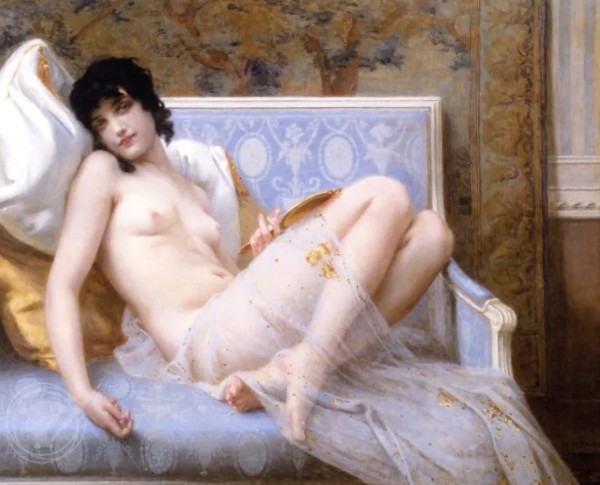
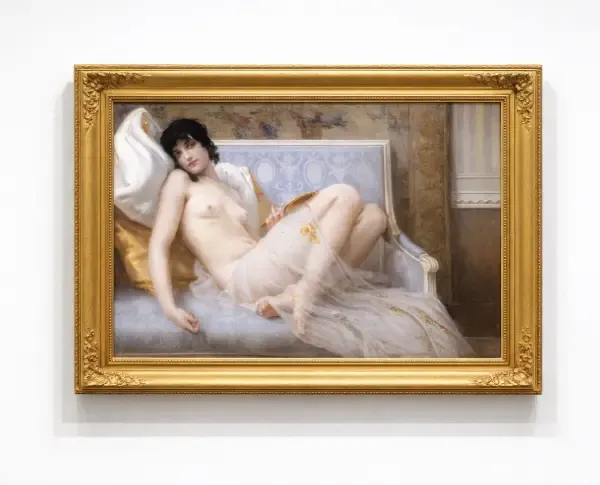
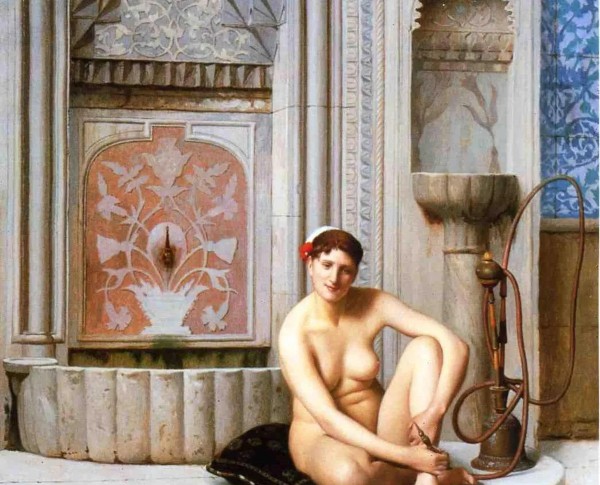
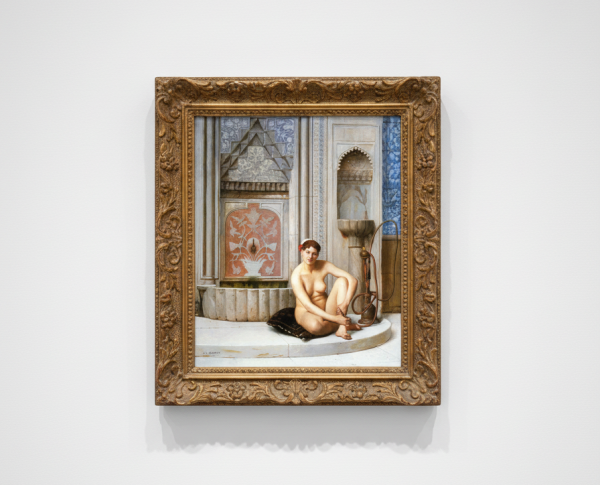
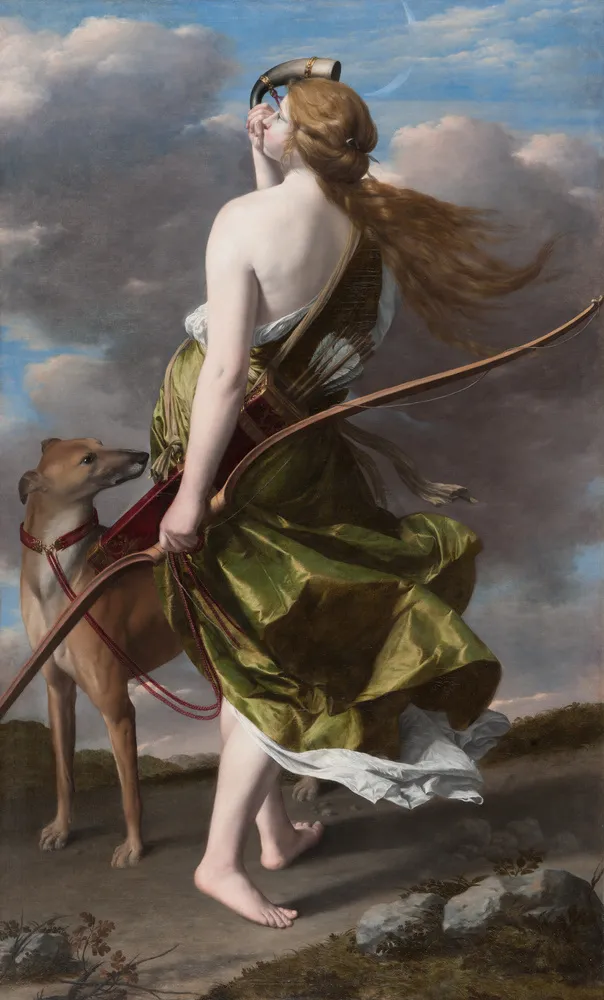
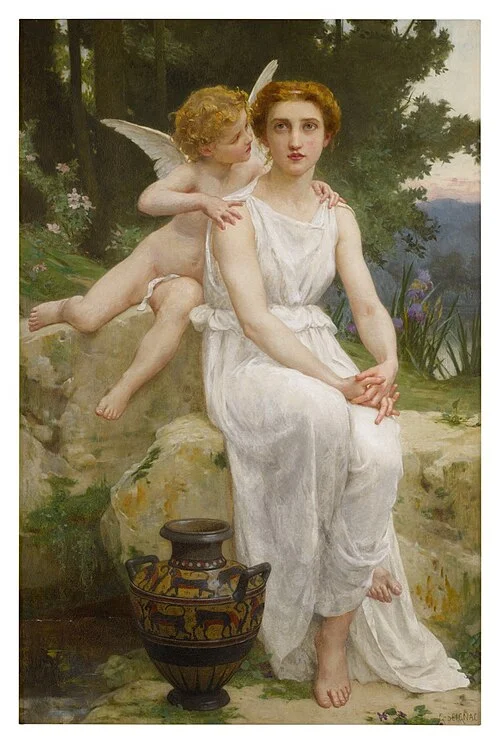
The remarkable technique displayed in "Diana the Huntress" showcases Seignac’s command of oil on canvas, a hallmark of the Academic Art movement. Delicate brushwork and luminous colors bring the goddess to life, highlighting the artist’s dedication to classical form and realism. For those seeking a fine art painting for sale, Seignac’s works, including "A Beauty of Nature" and "Psyche with Putti," represent the pinnacle of craftsmanship and sophistication in nineteenth-century French art.
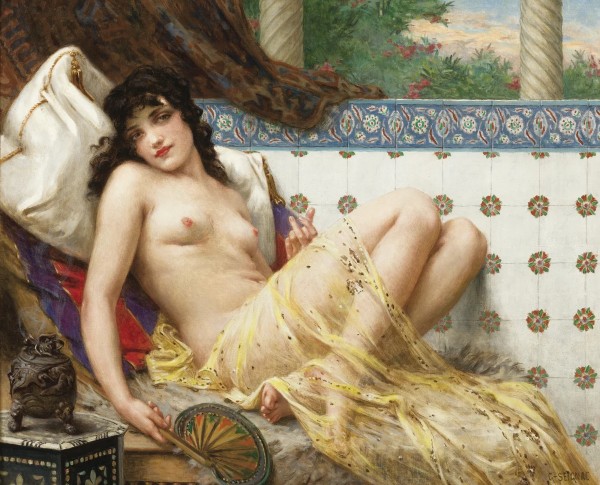
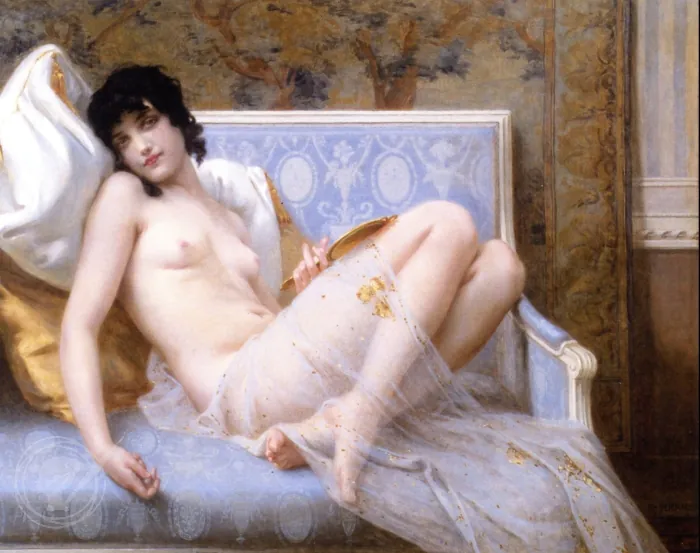
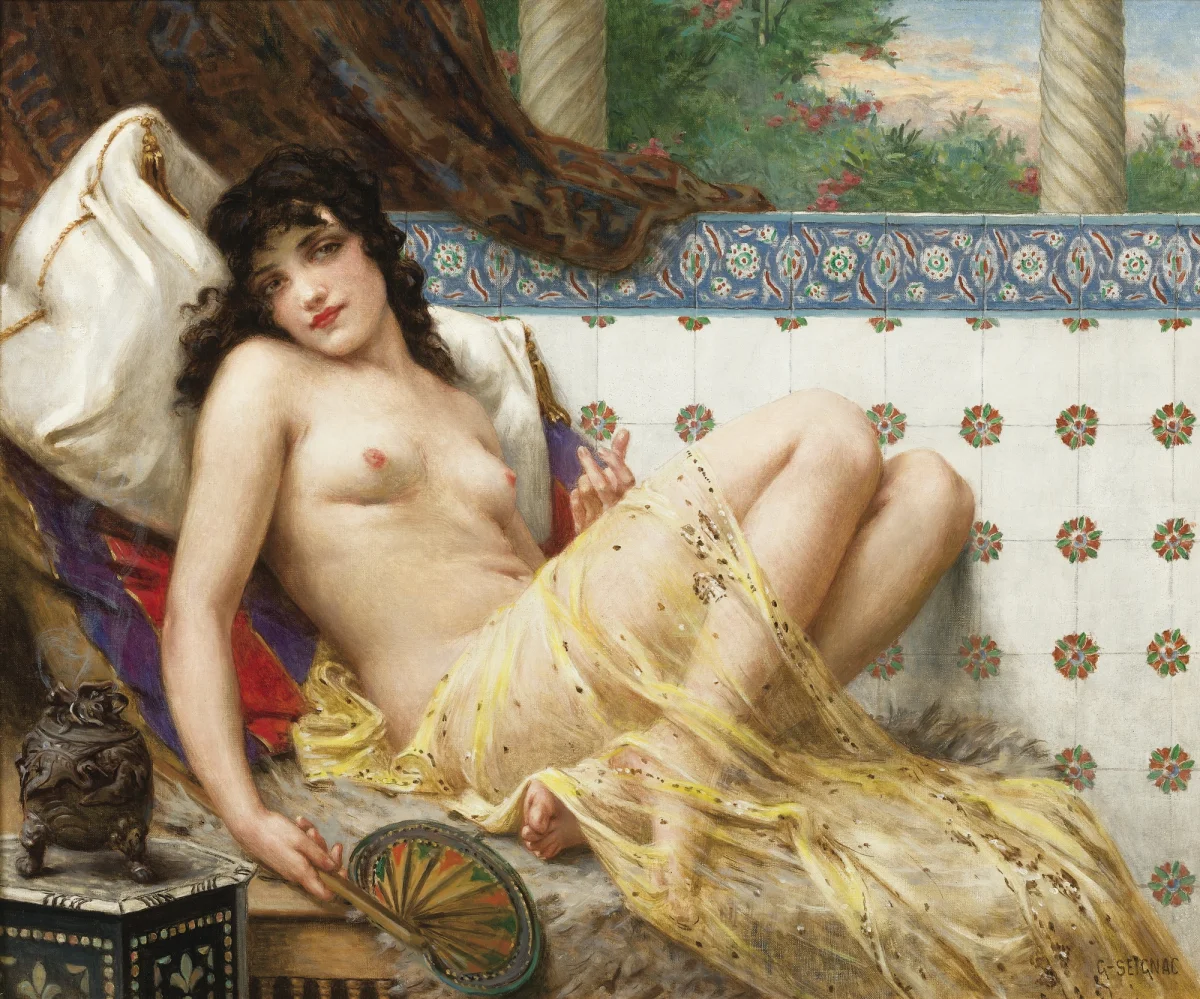
"Diana the Huntress" is rich with mythological symbolism, as Seignac weaves ancient stories into his hand-painted oil painting. Diana, the Roman goddess of the hunt, is depicted with grace and power, embodying independence and virtue. This narrative depth is a signature of Academic Art, inviting viewers to explore the layers of meaning within the artwork. Collectors may also appreciate similar themes in "Reclining Odalisque" and other fine art paintings for sale from this period.
Owning "Diana the Huntress" by Guillaume Seignac means acquiring a piece of art history, crafted with oil on canvas in the esteemed Academic Art tradition. This fine art painting for sale is ideal for discerning collectors seeking both aesthetic beauty and cultural significance. Enhance your collection by considering related products like "By the Well," , "Odalisque with a Fan," each reflecting Seignac’s remarkable legacy and the enduring appeal of Academic Art.
When Art Meets History
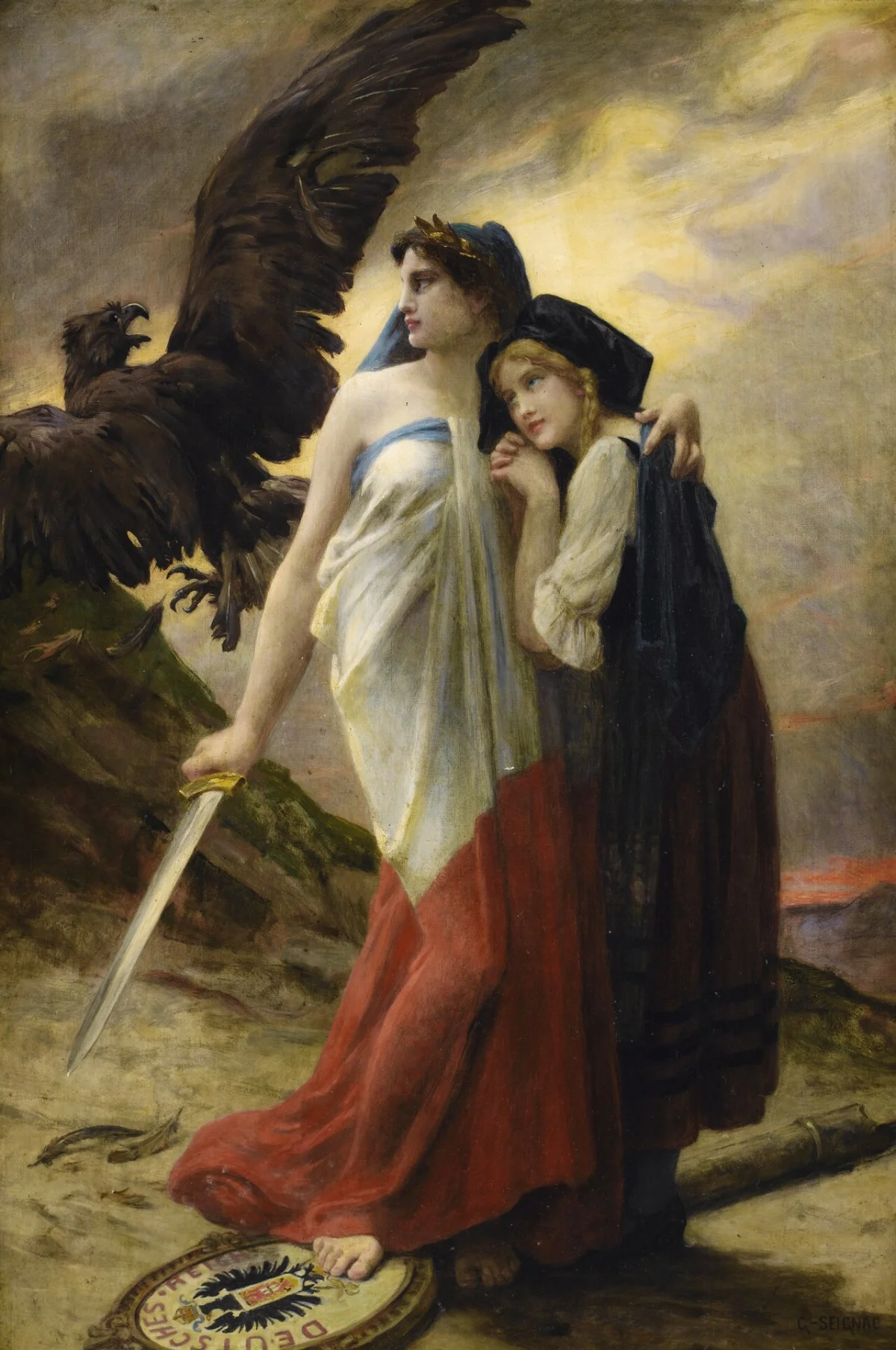
"Diana the Huntress" by Guillaume Seignac is a remarkable example of the Academic Art movement, reflecting both mythological inspiration and historical technique. This hand-painted oil painting captures the essence of classical beauty and draws on ancient legends, much like Seignac’s contemporaries. Related paintings such as "The Truant" and "Battle of Auvours, 10 January 1871" also demonstrate the era’s fascination with storytelling through art, making Seignac’s work a timeless link between past and present.
Techniques That Speak
Guillaume Seignac’s mastery is evident in every brushstroke of "Diana the Huntress," which is rendered in exquisite oil on canvas. The smooth blending of colors and meticulous attention to anatomical detail are hallmarks of the Academic Art movement. This painting stands alongside Seignac’s other works like "Mud Pies" and "A Forester at Home," all of which showcase his technical prowess and commitment to realism, making each piece a testament to classical technique in oil on canvas.
Emotions on Display
"Diana the Huntress" evokes a sense of strength and serenity, embodying the duality often explored in Academic Art. Guillaume Seignac’s composition invites viewers to connect emotionally with the mythological figure, much as he does in related works. This fine art painting for sale offers a glimpse into the artist’s ability to merge emotion with technical excellence, making it a sought-after piece for those who appreciate narrative depth in art.
Coveted by Collectors
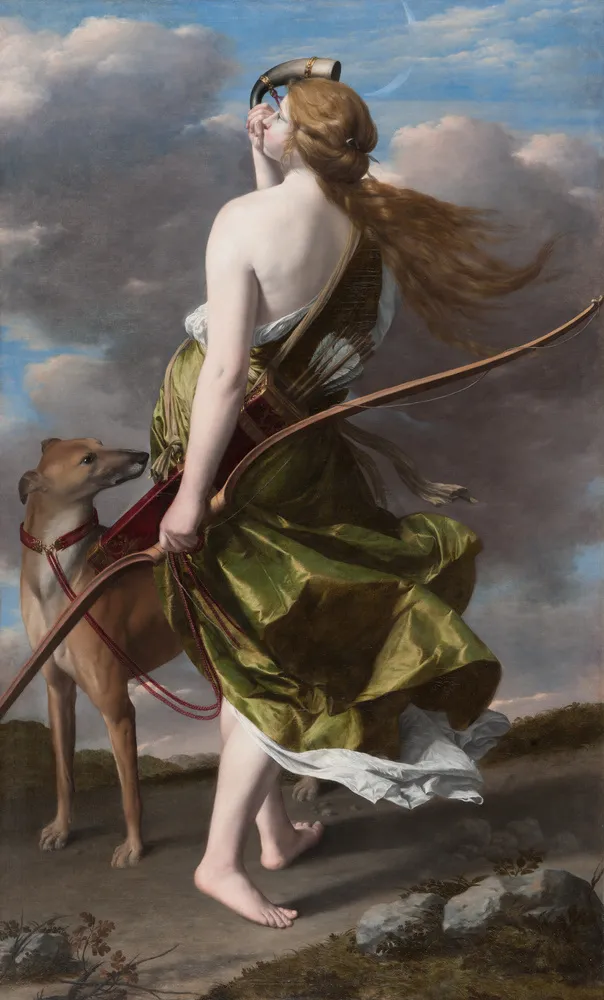
Collectors highly prize "Diana the Huntress" for its representation of the Academic Art movement and Guillaume Seignac’s distinctive style. As with his other notable works, this hand-painted oil painting is celebrated for its blend of mythological themes and artistic skill. Art enthusiasts often seek out pieces like "Battle of Auvours, 10 January 1871" and "Mud Pies," but "Diana the Huntress" stands out as a particularly desirable fine art painting for sale among connoisseurs.
Related Academic Art Hand-Painted Oil Paintings by Other Artists
Other Famous Academic Art Artists:
Frequently Asked Questions About Diana the Huntress
What is the historical significance of "Diana the Huntress"?
"Diana the Huntress" is significant as it reflects the Neoclassical movement, which sought to revive the classical ideals of ancient Greece and Rome. Created by Guillaume Seignac in the early 20th century, it showcases the enduring influence of classical mythology in art.
Who is the figure depicted in "Diana the Huntress"?
The painting depicts Diana, the Roman goddess of the hunt, wilderness, and moon. She is often associated with nature and is a symbol of feminine strength and independence.
What artistic techniques did Guillaume Seignac employ in this painting?
Seignac utilized oil on canvas to create "Diana the Huntress," employing a soft color palette and delicate brushwork to enhance the ethereal quality of the goddess. His use of light and shadow adds depth and dimension to the figure.
What themes are explored in "Diana the Huntress"?
The painting explores themes of nature, femininity, and empowerment. Diana embodies the harmony between woman and nature, highlighting the strength and independence of women in a male-dominated society.
How does "Diana the Huntress" compare to other representations of Diana in art?
Unlike many classical representations that emphasize Diana's hunting prowess, Seignac's portrayal focuses on her grace and beauty, capturing a moment of serene contemplation rather than action, which is a distinctive interpretation of the goddess.
What is the symbolism behind the elements in "Diana the Huntress"?
The elements in the painting, such as the bow and arrows, symbolize Diana's role as a huntress and protector of wildlife. The natural setting emphasizes her connection to the earth and the wild, reinforcing her identity as a goddess of nature.
What influence did the Neoclassical movement have on Seignac's work?
The Neoclassical movement influenced Seignac by encouraging a return to classical themes and aesthetics. His work embodies the ideals of beauty, harmony, and proportion that were central to Neoclassicism, while also incorporating a modern sensibility.
In what ways does "Diana the Huntress" reflect the cultural values of its time?
The painting reflects early 20th-century cultural values that celebrated femininity and nature. It aligns with the period's growing appreciation for women's roles in society and the arts, as well as a renewed interest in mythology and classical themes.
What impact did "Diana the Huntress" have on later artists?
"Diana the Huntress" has inspired later artists to explore themes of mythology and femininity in their works. Seignac's unique interpretation of the goddess has encouraged a re-examination of female figures in art, influencing both contemporary and modern artists.
Where can I view "Diana the Huntress" today?
"Diana the Huntress" is part of the permanent collection at select art galleries and museums. Please check our gallery's exhibition schedule for current display information and any upcoming events related to this artwork.






















_GFM_Painting_(1).webp)


 100% Hand-Painted: Finished in 3-6 Weeks

.png)















_(1).webp)