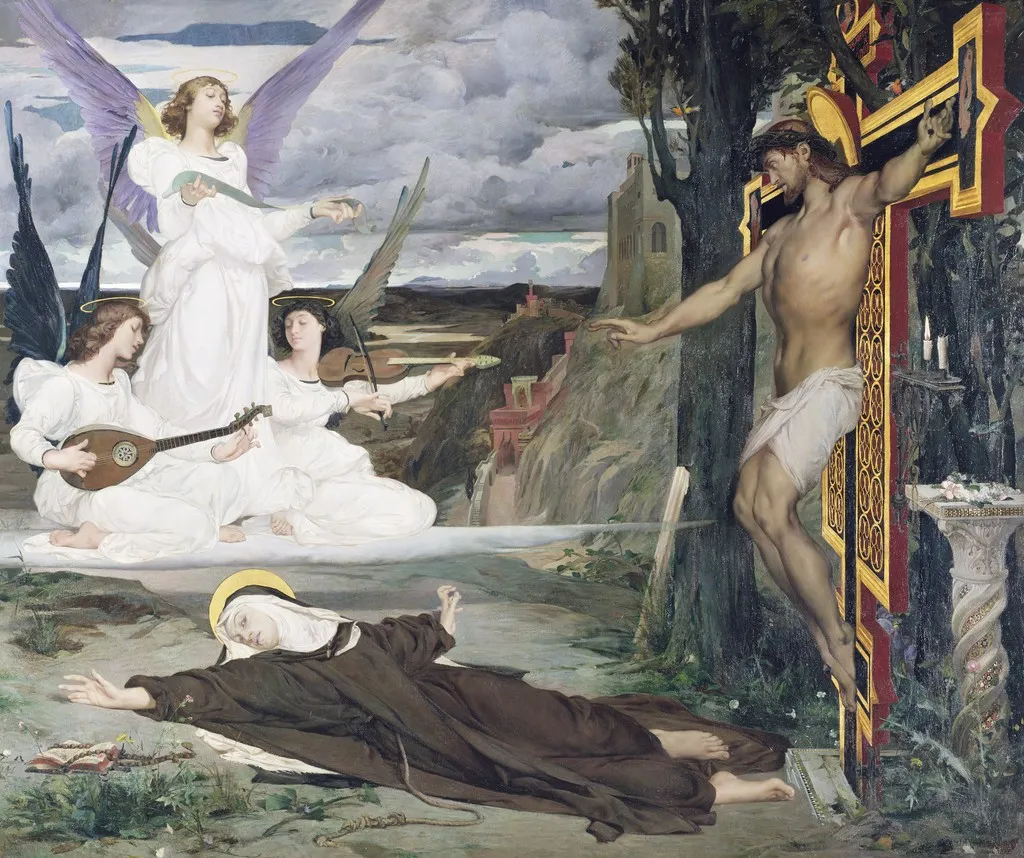
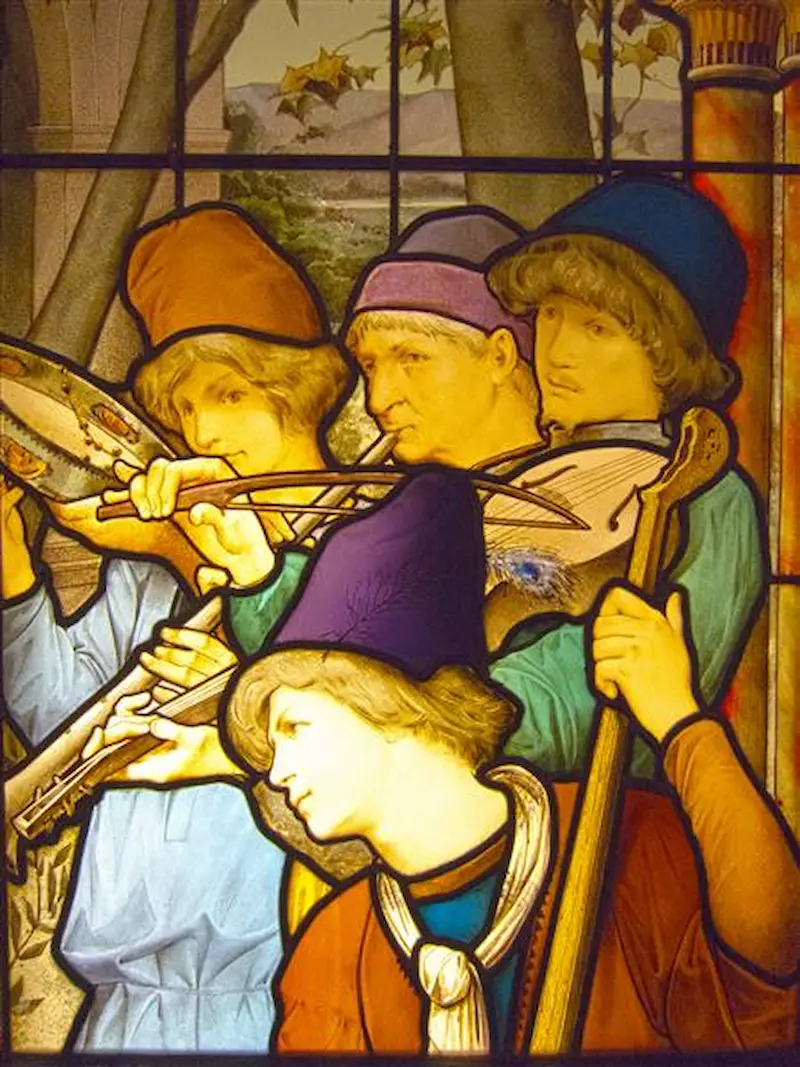
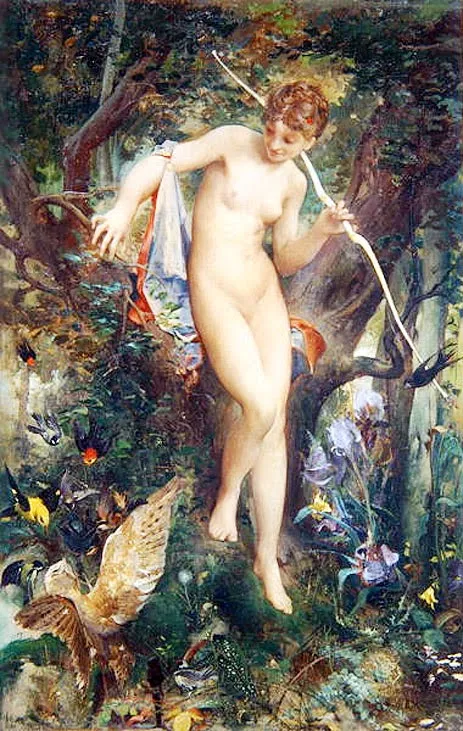
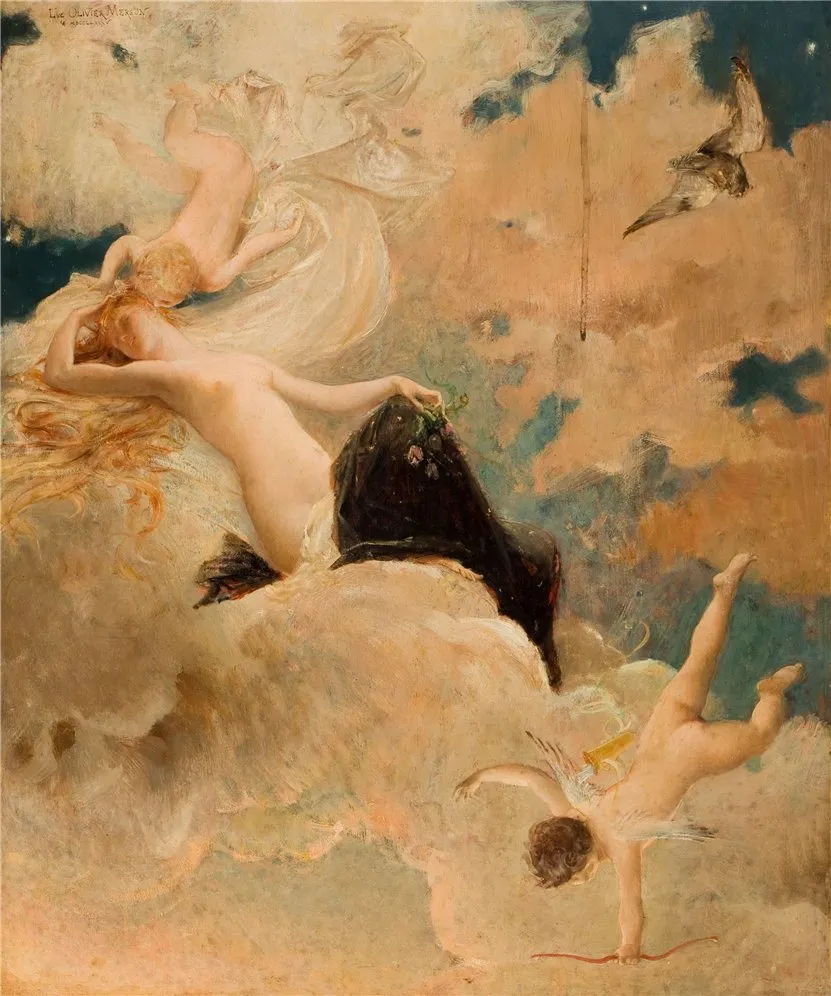
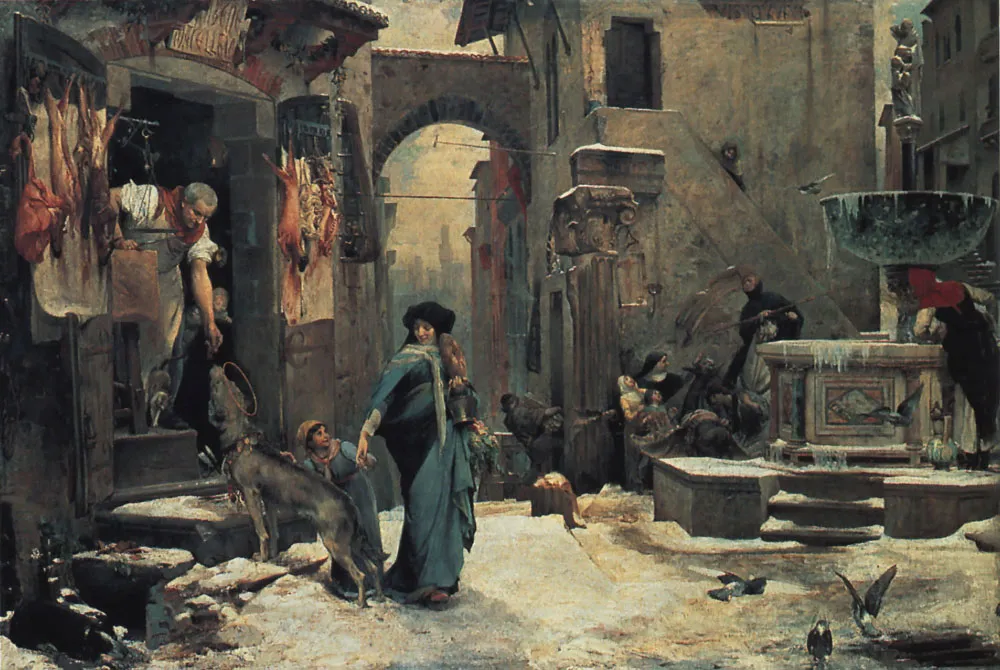
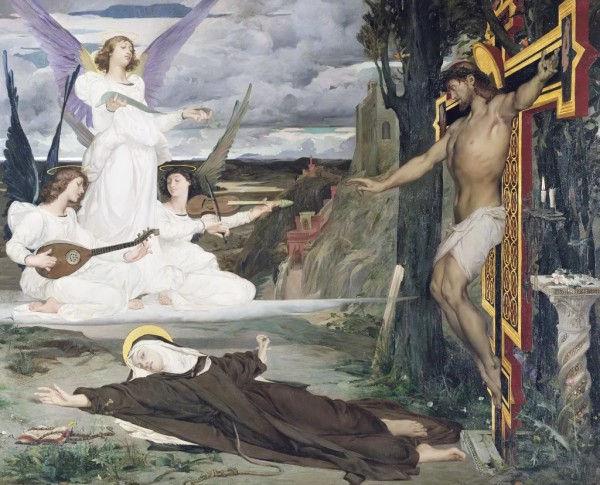
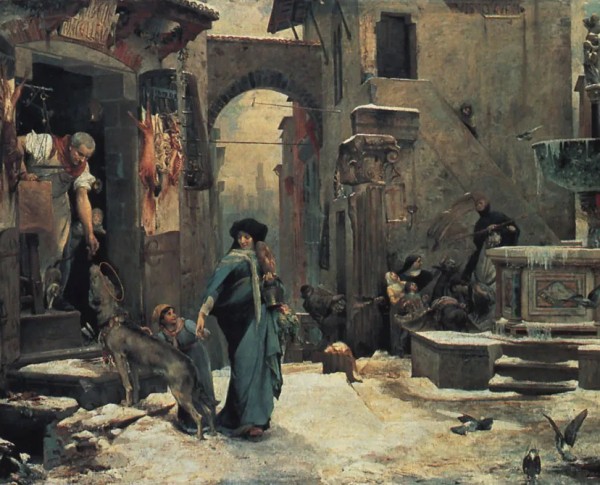
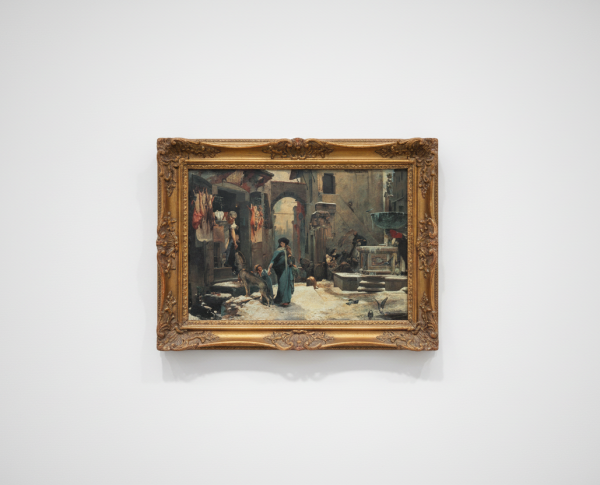
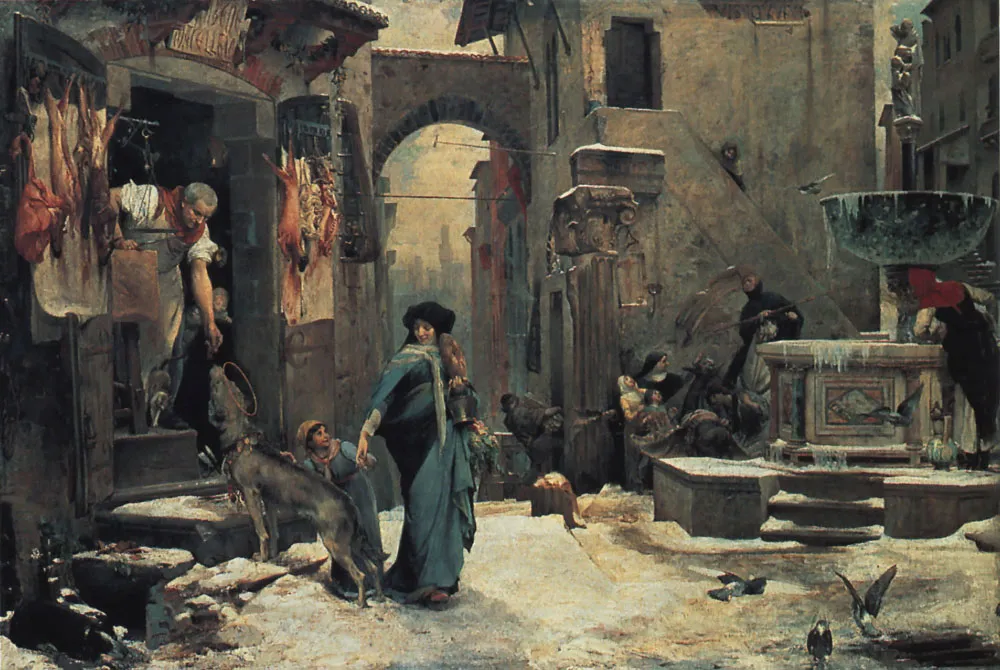
"The Wolf of Agubbio" showcases Merson’s expert technique in oil on canvas, evident in his detailed rendering and lifelike forms. As a key contributor to Academic Art, Merson’s brushwork and composition create a compelling visual narrative. For those who appreciate traditional artistry, similar works like "The Vision" and "Legend of the 14th Century" demonstrate his commitment to excellence in oil painting, making these pieces highly desirable for collectors of classic art.
Rich in narrative and symbolism, "The Wolf of Agubbio" delves into themes of redemption and compassion, hallmarks of Luc-Olivier Merson’s storytelling within the Academic Art tradition. This fine art painting for sale resonates with audiences seeking works that blend legend and morality. Collectors often pair this piece with others. which also embody Merson’s unique ability to infuse historical tales with vivid imagery and emotional depth.
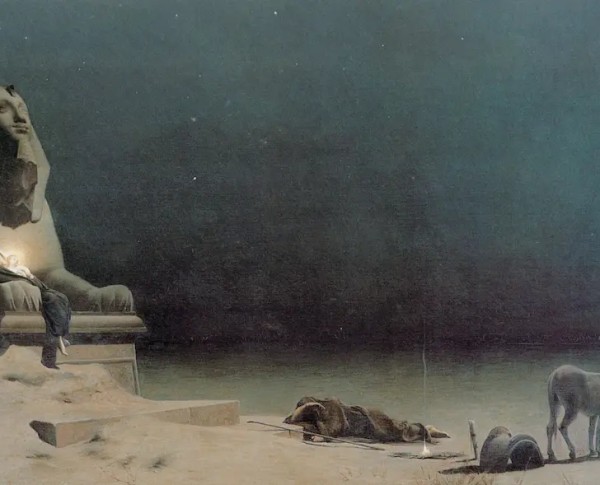
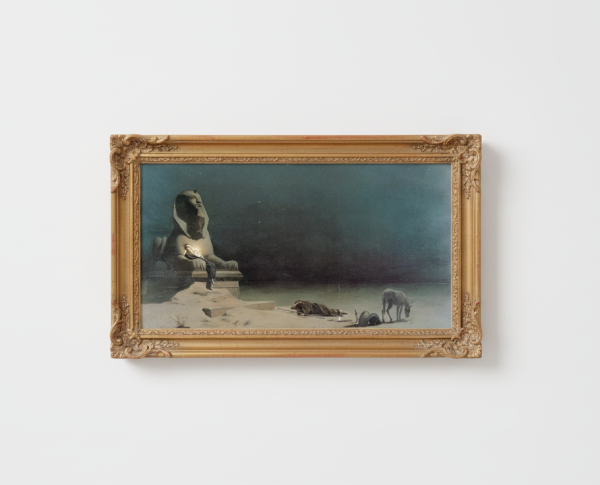
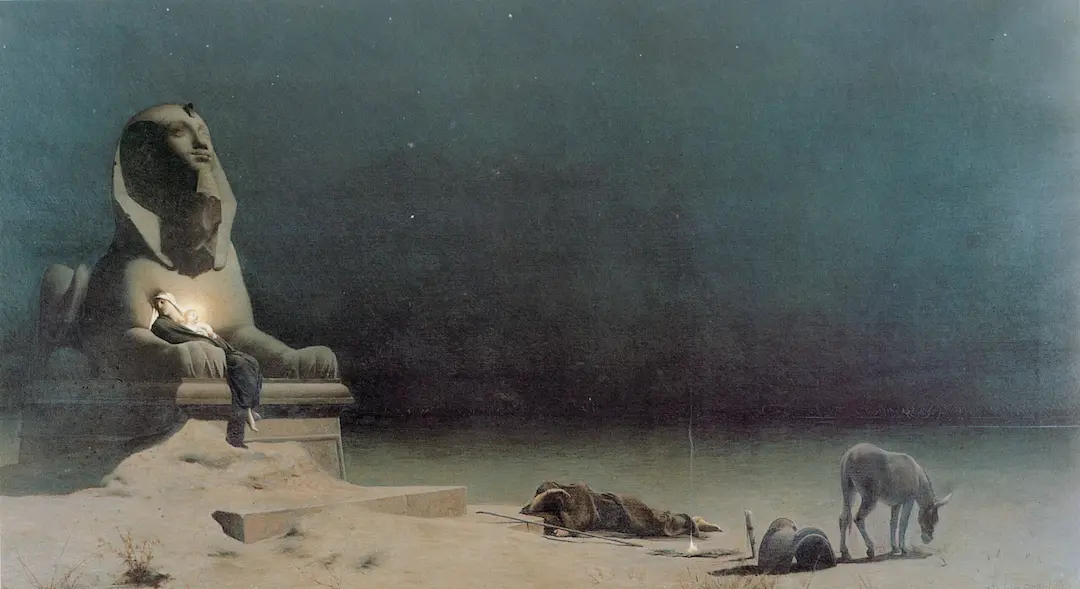
Owning "The Wolf of Agubbio" by Luc-Olivier Merson means possessing a remarkable oil on canvas from the Academic Art movement. This piece, along with related products like "Rest on the Flight into Egypt," is prized for its craftsmanship and narrative power. As a fine art painting for sale, it appeals to discerning collectors who value the lasting significance and exquisite hand-painted details that define Merson’s celebrated artistic legacy.
When Art Meets History
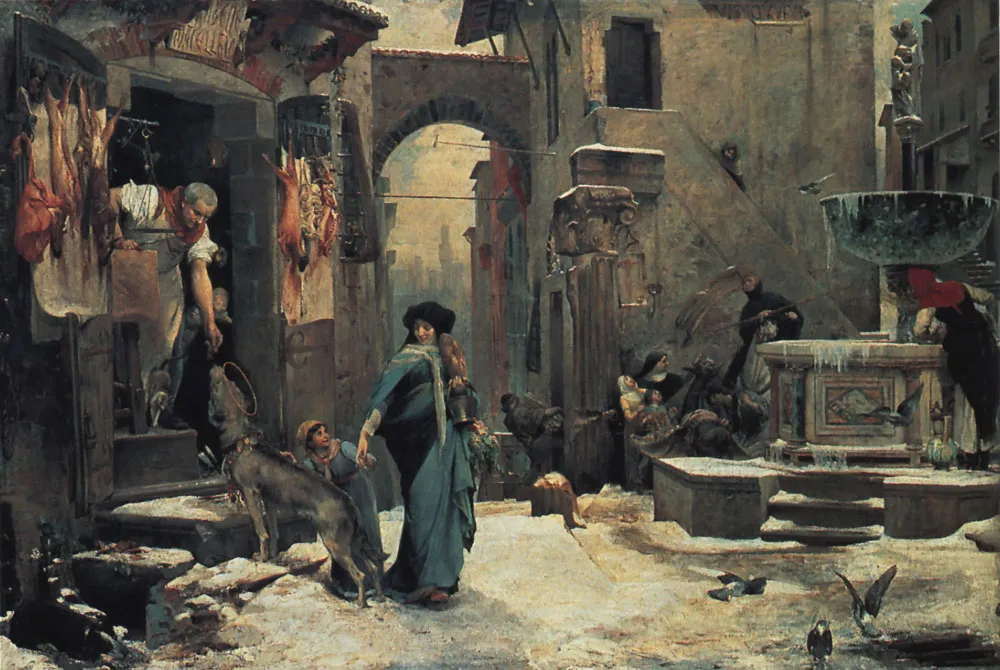
"The Wolf of Agubbio" by Luc-Olivier Merson is a striking example of Academic Art, masterfully blending storytelling with visual beauty. This hand-painted oil painting draws inspiration from historical and legendary tales, much like Merson’s other works such as "Odalisque with a Fan" and "Psyche with Putti." The artist’s attention to historical detail and narrative depth makes this piece a timeless treasure within the Academic Art movement.
Techniques That Speak
Luc-Olivier Merson’s "The Wolf of Agubbio" showcases exceptional skill through its intricate brushwork and rich use of oil on canvas. The painting’s textures and luminous colors highlight the artist’s dedication to traditional Academic Art techniques. Similar to his works "Promenade" and "Odalisque," this piece demonstrates Merson’s ability to create depth and realism, making it a standout example of classical oil on canvas artistry.
Emotions on Display
In "The Wolf of Agubbio," Merson captures a powerful emotional narrative, drawing viewers into the story’s drama and tension. The expressive faces and dynamic composition evoke empathy, much like his painting "The Truant." This fine art painting for sale resonates with collectors who appreciate works that communicate deep emotion, illustrating why Luc-Olivier Merson remains a prominent figure in the Academic Art movement.
Coveted by Collectors
Collectors prize "The Wolf of Agubbio" for its masterful execution and captivating story, placing it among the most sought-after works in Academic Art. As a hand-painted oil painting, it stands alongside Merson’s other celebrated pieces such as "Odalisque" and "Promenade." Its historical significance and artistic excellence make it a fine art painting for sale that appeals to discerning art lovers and collectors worldwide.
Related Academic Art Hand-Painted Oil Paintings by Other Artists
Other Famous Academic Art Artists:
Frequently Asked Questions About The Wolf of Agubbio
What is the historical context of "The Wolf of Agubbio"?
"The Wolf of Agubbio" was painted by Luc-Olivier Merson in the late 19th century, a time when Romanticism was at its peak. The painting draws inspiration from the legend of St. Francis of Assisi, who is said to have tamed a ferocious wolf that terrorized the town of Agubbio in Italy.
What artistic style is employed in "The Wolf of Agubbio"?
The painting exemplifies the Romantic style, characterized by its dramatic use of light and shadow, emotional intensity, and a focus on nature and the sublime. Merson's work reflects a deep appreciation for narrative and symbolism, typical of the Romantic movement.
What are the main themes depicted in the painting?
The primary themes of "The Wolf of Agubbio" include the struggle between man and nature, the power of compassion, and the transformative potential of love. The work captures the moment of reconciliation between St. Francis and the wolf, symbolizing peace and harmony.
How does Merson use color in "The Wolf of Agubbio"?
Merson employs a rich palette of earthy tones and vibrant colors to evoke emotion and highlight the dramatic encounter. The contrasting colors between the figures and the natural surroundings enhance the tension and focus on the central narrative.
What symbolic elements are present in the painting?
The wolf represents both fear and the wildness of nature, while St. Francis symbolizes peace, humility, and the power of faith. The interaction between the two figures serves as a metaphor for overcoming fear through understanding and compassion.
What techniques did Merson use to create depth in the painting?
Merson utilized techniques such as chiaroscuro, which involves the strong contrast between light and dark, to create depth and volume. Additionally, the careful arrangement of figures and the use of atmospheric perspective contribute to the three-dimensional effect of the scene.
What is the significance of St. Francis in the context of the painting?
St. Francis is a pivotal figure in Christianity, known for his love of animals and nature. In "The Wolf of Agubbio," he embodies the message of coexistence and compassion, illustrating the idea that understanding and kindness can bridge the gap between humanity and the natural world.
How does "The Wolf of Agubbio" reflect the values of the Romantic era?
The painting reflects Romantic values through its emphasis on emotion, nature, and individual experience. It celebrates the beauty of the natural world while also addressing the complexities of human-animal relationships, a common theme in Romantic art.
What impact did "The Wolf of Agubbio" have on later artists?
The painting has influenced subsequent generations of artists by highlighting the importance of narrative and emotional depth in art. Merson's ability to blend realism with symbolism has inspired many to explore similar themes in their own works.
Where can I see "The Wolf of Agubbio" displayed?
"The Wolf of Agubbio" is part of the permanent collection at the [Gallery Name]. Visitors can view this remarkable work in the [specific exhibition or section] dedicated to Romantic art and its historical significance.






















_GFM_Painting_(1).webp)


 100% Hand-Painted: Finished in 3-6 Weeks

.png)















_(1).webp)