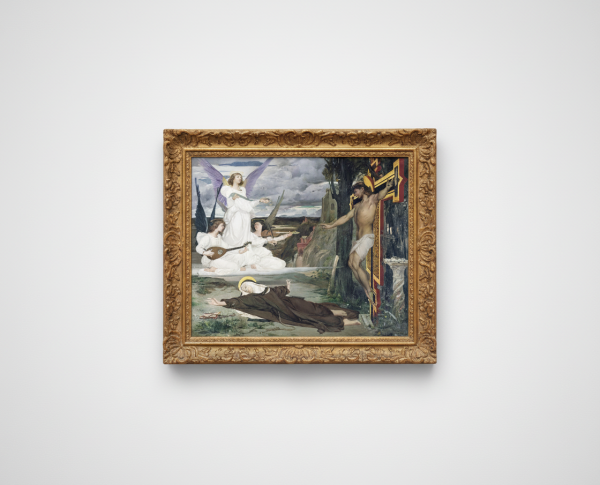
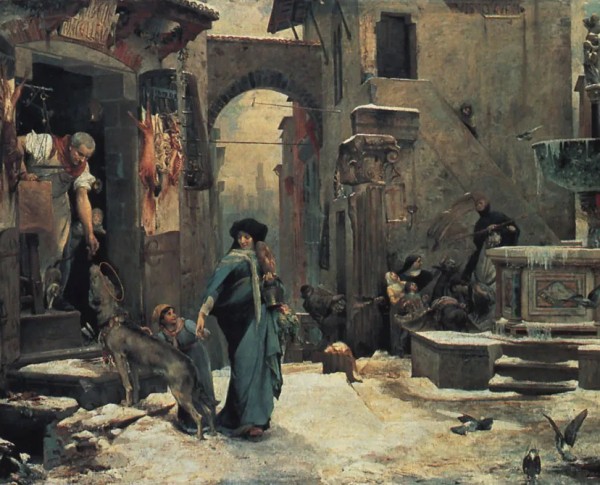
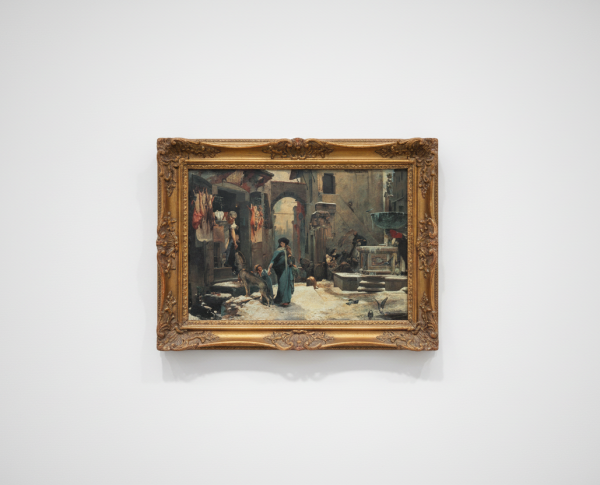
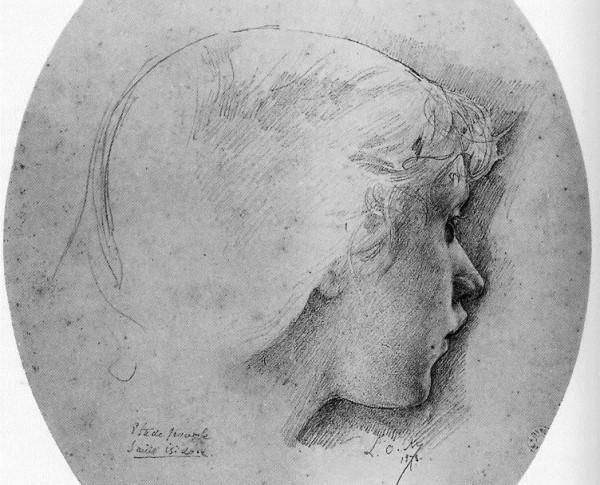
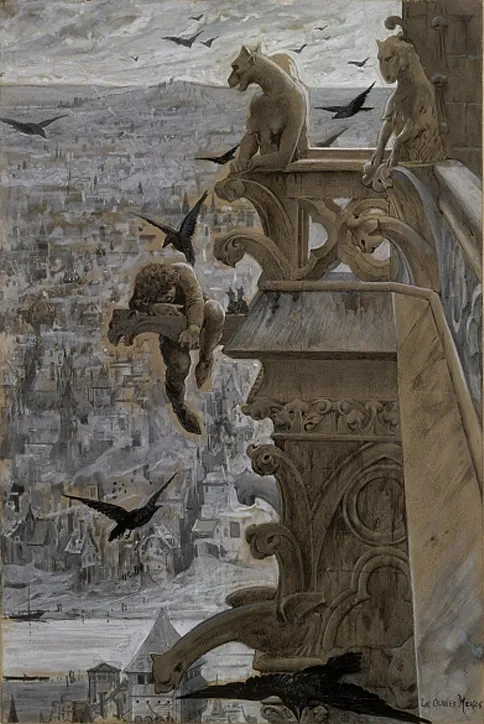
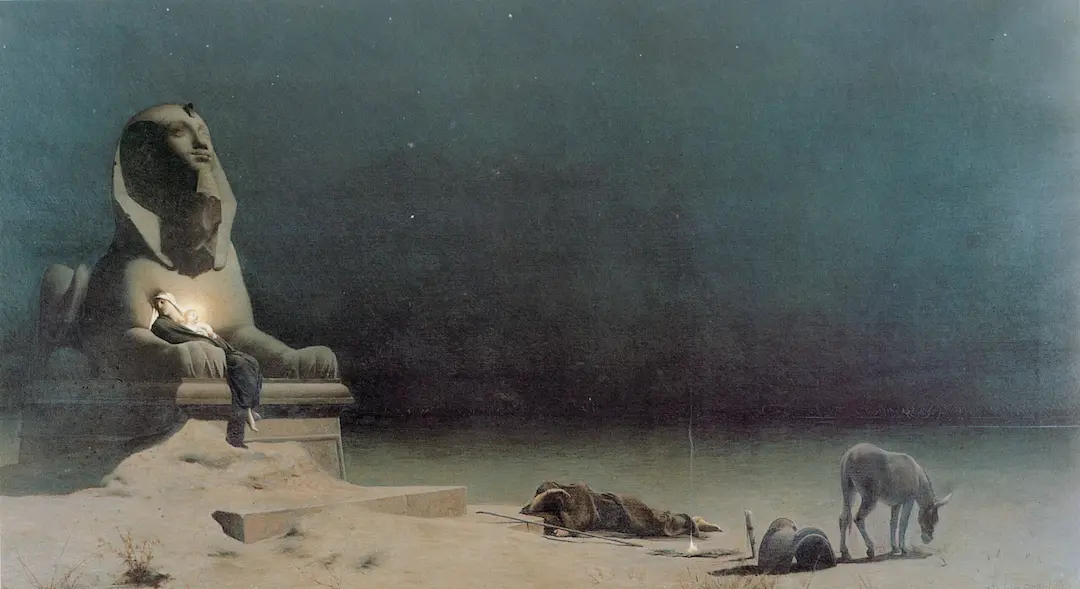
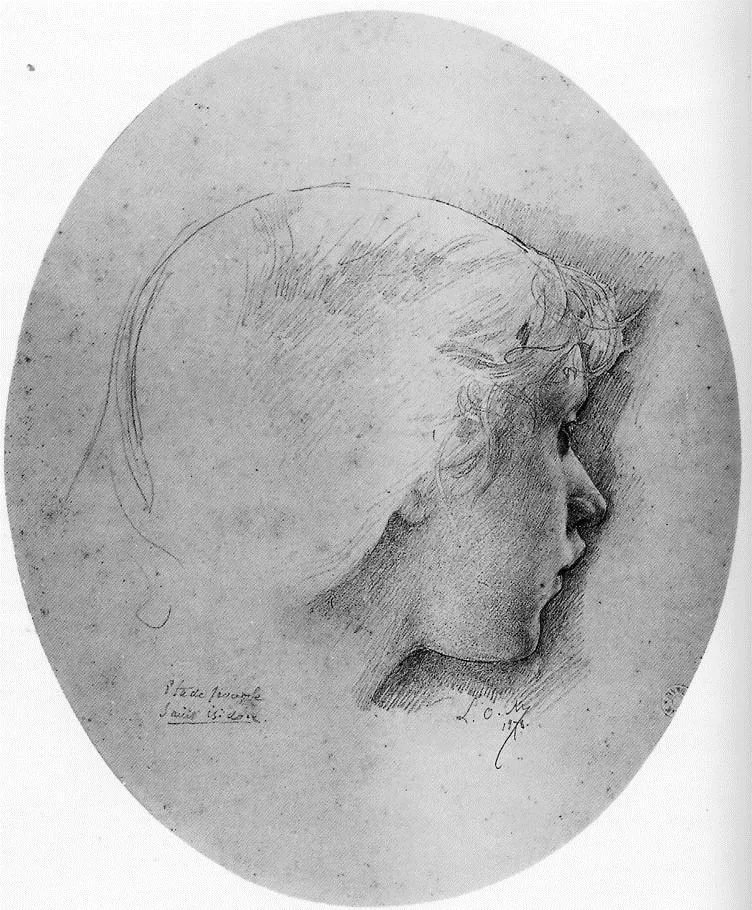
Merson’s technique in "The Hunchback of Notre-Dame" exemplifies the skill expected of Academic Art. Each detail, from Quasimodo’s expression to the cathedral’s grandeur, is rendered with precision using oil on canvas. This method allows for vivid textures and a luminous finish, making the painting a highlight among his works. Collectors interested in oil on canvas pieces may also appreciate "Rest on the Flight into Egypt" and "Study for the Head of an Angel in Saint Isidore."
"The Hunchback of Notre-Dame" by Luc-Olivier Merson is more than a fine art painting for sale; it is an intricate tapestry of narrative and symbolism. The Academic Art movement’s emphasis on storytelling is evident in the painting’s portrayal of character and architecture. Merson’s other works, such as "Q17492454" and "Q17491190," also weave complex stories, making them sought-after pieces for enthusiasts who value both visual splendor and literary depth in their collections.
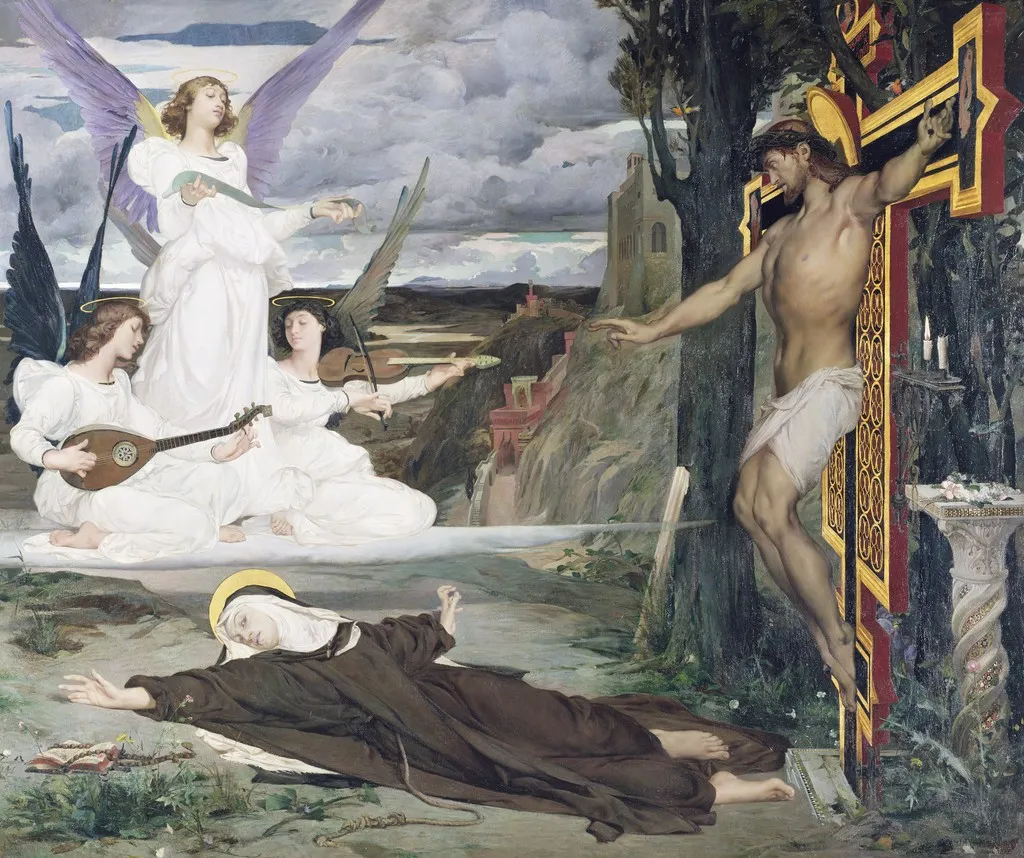
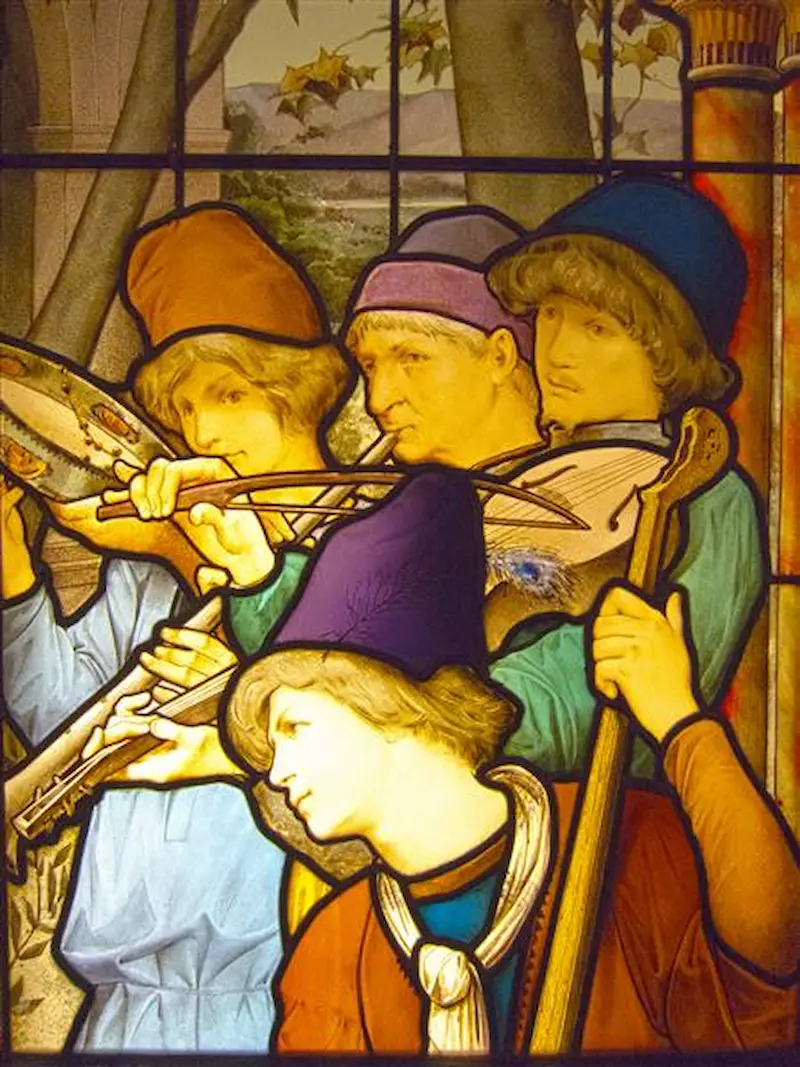
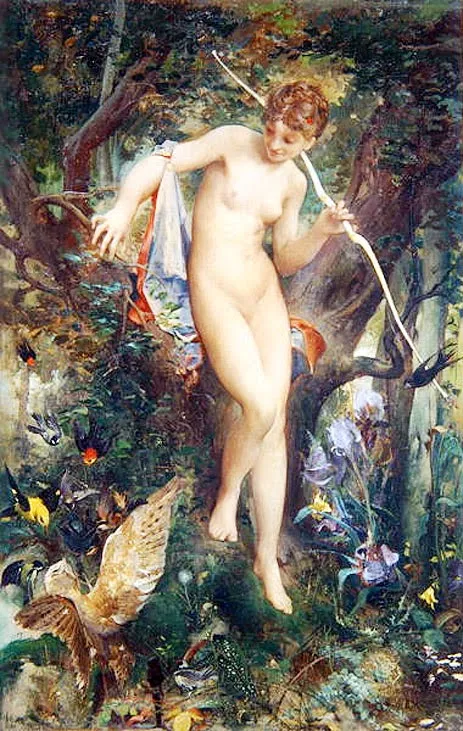
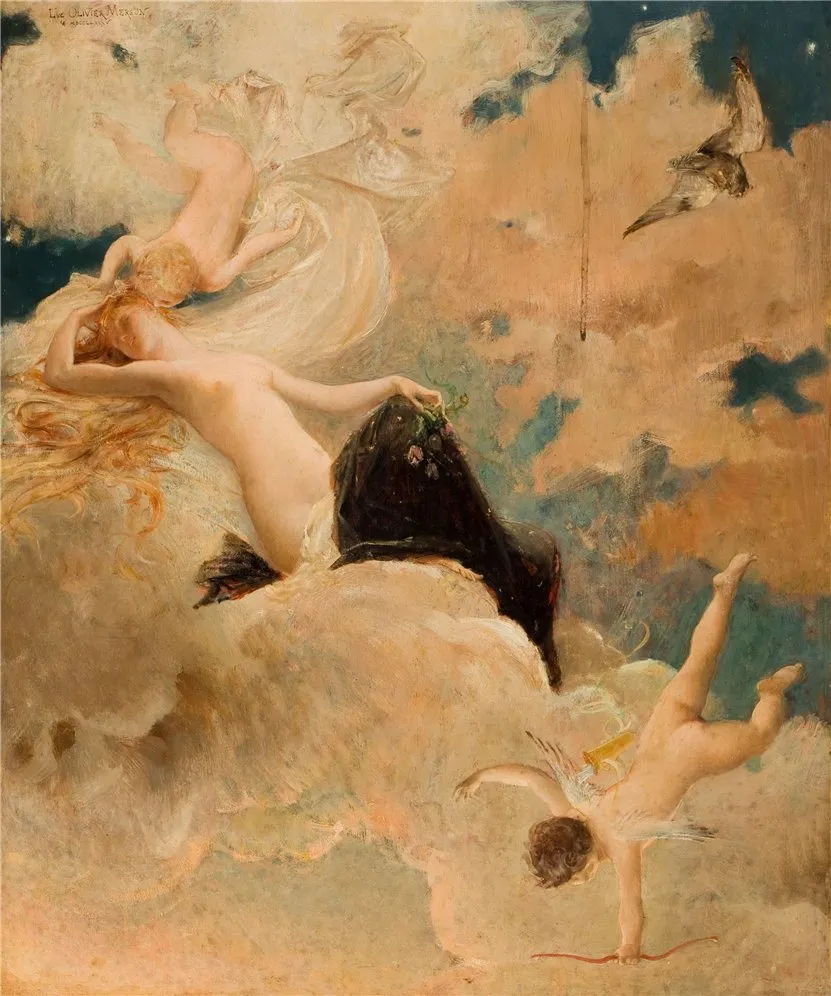
For art collectors, "The Hunchback of Notre-Dame" by Luc-Olivier Merson offers a unique opportunity to own a hand-painted oil painting that epitomizes Academic Art. Its historical significance and masterful execution make it a standout among fine art painting for sale. Collectors often seek complementary works like "Christ in Majesty in Basilique du Sacré-Cœur de Montmartre" and "Rest on the Flight into Egypt" to enrich their collections with pieces that share a legacy of artistic excellence.
When Art Meets History
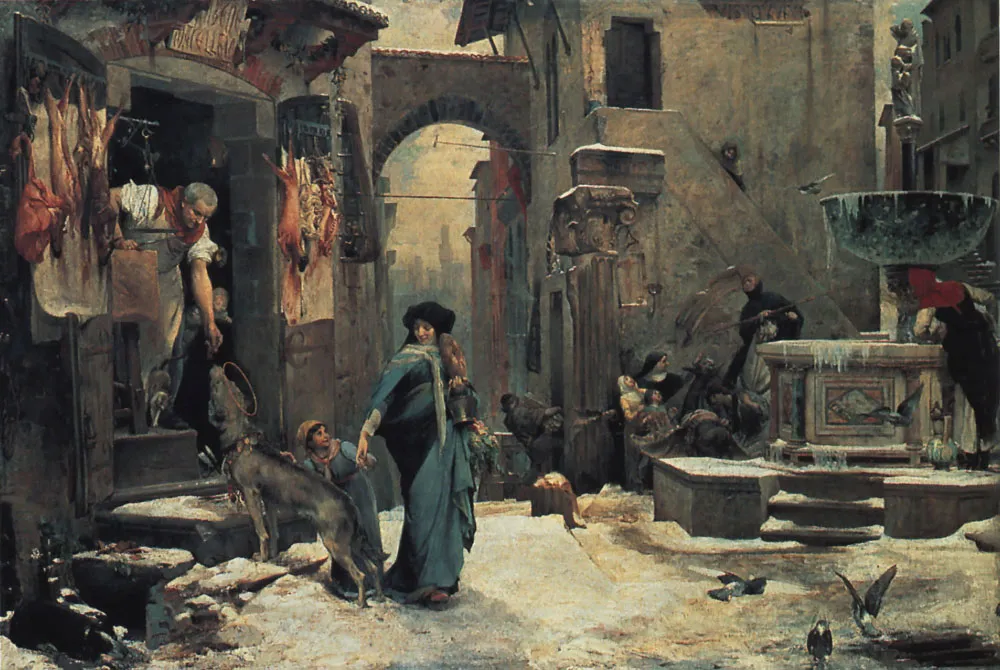
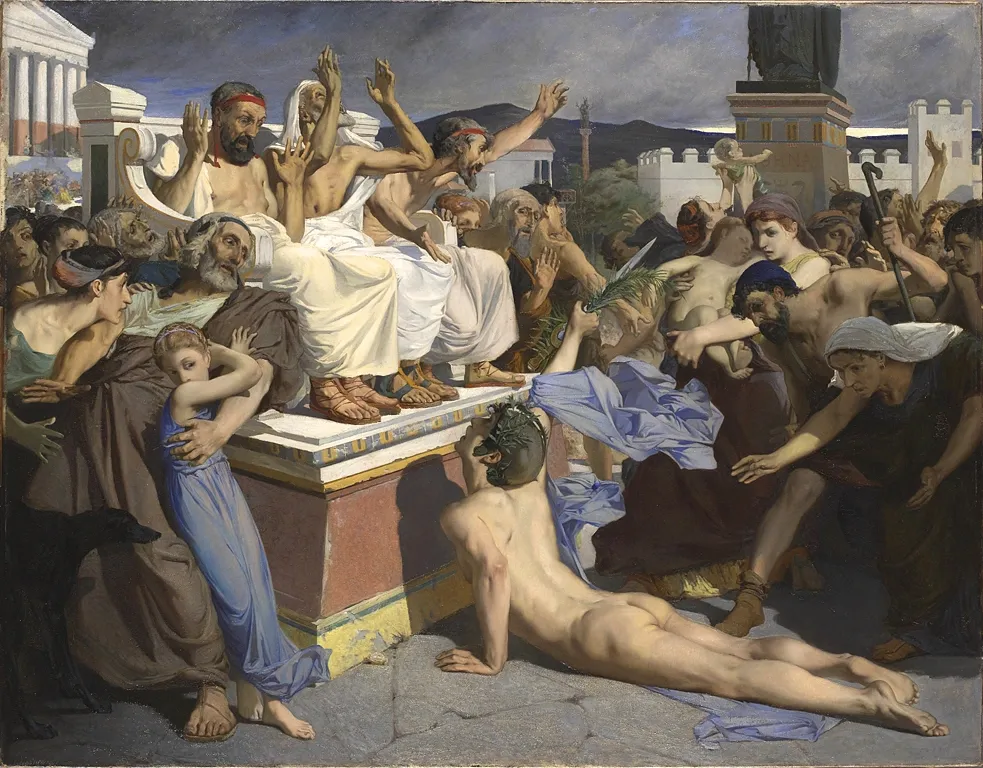
Luc-Olivier Merson’s The Hunchback of Notre-Dame stands as a testament to the Academic Art movement’s reverence for historical themes. This hand-painted oil painting draws inspiration from Victor Hugo’s iconic novel, bringing to life the drama and grandeur of medieval Paris. Like his works Love's Offering and Vercingetorix Throwing down His Weapons at the feet of Julius Caesar, Merson captures a pivotal narrative moment, intertwining art and history in a visually compelling composition.
Techniques That Speak
Merson’s mastery is evident in his meticulous use of oil on canvas, a hallmark of Academic Art. His brushwork and attention to detail create depth and texture, enhancing the realism of The Hunchback of Notre-Dame. Similar to his other pieces, such as Promenade and Drunken peasants, Merson employs classical techniques, layering colors and glazes to achieve a luminous effect that draws viewers into the scene’s emotional intensity.
Emotions on Display
The emotional resonance of The Hunchback of Notre-Dame lies in Merson’s ability to convey vulnerability and strength through his figures. This fine art painting for sale captures the poignant drama between Quasimodo and Esmeralda, evoking empathy and admiration. Merson, much like in Love's Offering and Drunken peasants, uses expressive faces and dynamic poses, inviting the audience to connect deeply with the story and the characters’ inner turmoil.
Coveted by Collectors
Collectors and enthusiasts of Academic Art highly prize Merson’s The Hunchback of Notre-Dame. The painting’s historical significance and technical excellence make it a sought-after hand-painted oil painting. Alongside masterpieces such as Vercingetorix Throwing down His Weapons at the feet of Julius Caesar, works by Luc-Olivier Merson continue to attract interest in galleries and auctions, symbolizing the enduring appeal of narrative-driven fine art from this celebrated movement.
Related Academic Art Hand-Painted Oil Paintings by Other Artists
Other Famous Academic Art Artists:
Frequently Asked Questions About The Hunchback of Notre-Dame
What is the historical context of "The Hunchback of Notre-Dame" painting?
"The Hunchback of Notre-Dame," created by Luc-Olivier Merson in the late 19th century, reflects the Romantic movement's fascination with medieval themes and the resurgence of interest in Gothic architecture, particularly in France.
Who is the central figure depicted in the painting?
The central figure of the painting is Quasimodo, the hunchbacked bell-ringer of Notre-Dame Cathedral, a character from Victor Hugo's novel. His portrayal evokes themes of isolation and societal rejection.
What artistic techniques did Luc-Olivier Merson employ in this work?
Merson utilized a combination of vivid colors, dramatic lighting, and intricate details to enhance the emotional depth of the scene, typical of the Romantic style that emphasizes individual experience and emotion.
How does the painting symbolize the themes of love and acceptance?
The painting captures the poignant moment of Quasimodo's unrequited love for Esmeralda, symbolizing the longing for acceptance and the struggle against societal norms that often marginalize those who are different.
What role does the Notre-Dame Cathedral play in the painting?
The Notre-Dame Cathedral serves as a powerful backdrop, symbolizing both the beauty and the tragedy of the characters' lives. It represents the cultural and historical significance of Paris during the time of Hugo's narrative.
In what ways does the painting reflect the Romantic movement?
The painting embodies the Romantic movement's emphasis on emotion, individualism, and the glorification of the past, particularly through its dramatic subject matter and expressive use of color.
What emotions does Merson aim to evoke through this artwork?
Merson aims to evoke a sense of empathy and sorrow for Quasimodo, highlighting the beauty in his tragic existence and inviting viewers to reflect on themes of love, loss, and societal judgment.
How does the composition of the painting contribute to its overall impact?
The composition draws the viewer's eye towards Quasimodo, using diagonal lines and contrasting colors to create a sense of movement and emotional tension, enhancing the viewer's engagement with the narrative.
What is the significance of the color palette used in the painting?
The color palette features rich, warm tones that evoke a sense of nostalgia and melancholy, reinforcing the emotional weight of the scene and the characters' struggles within the historical context.
How has "The Hunchback of Notre-Dame" influenced modern interpretations of the story?
This painting has contributed to the enduring legacy of Hugo's story, influencing various adaptations in literature, film, and theater, and shaping contemporary perceptions of themes such as beauty, monstrosity, and redemption.






















_GFM_Painting_(1).webp)


 100% Hand-Painted: Finished in 3-6 Weeks

.png)















_(1).webp)