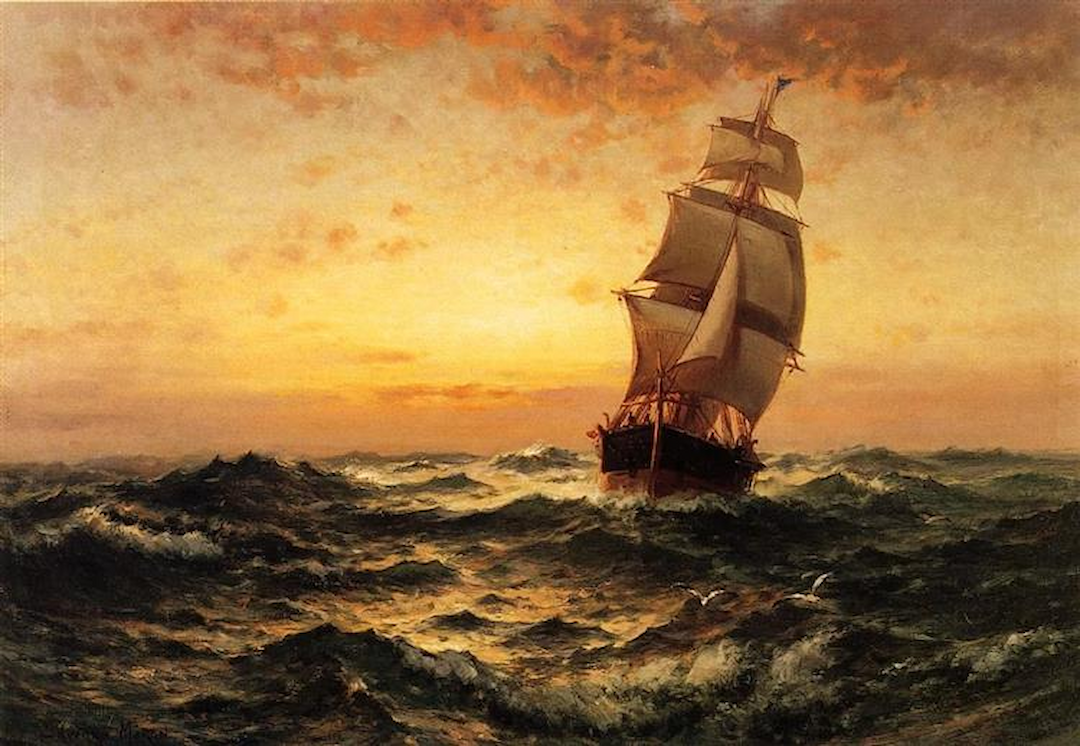
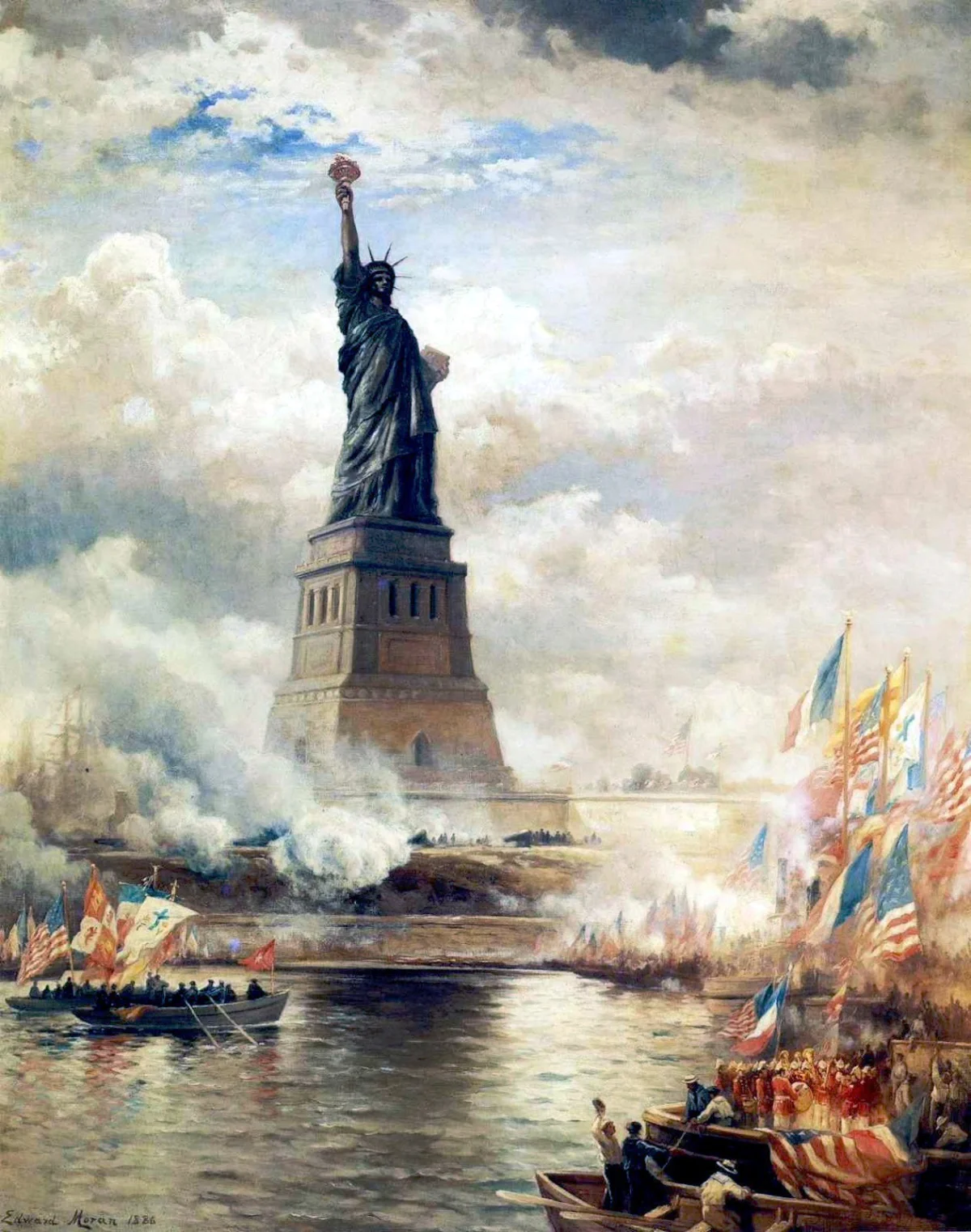
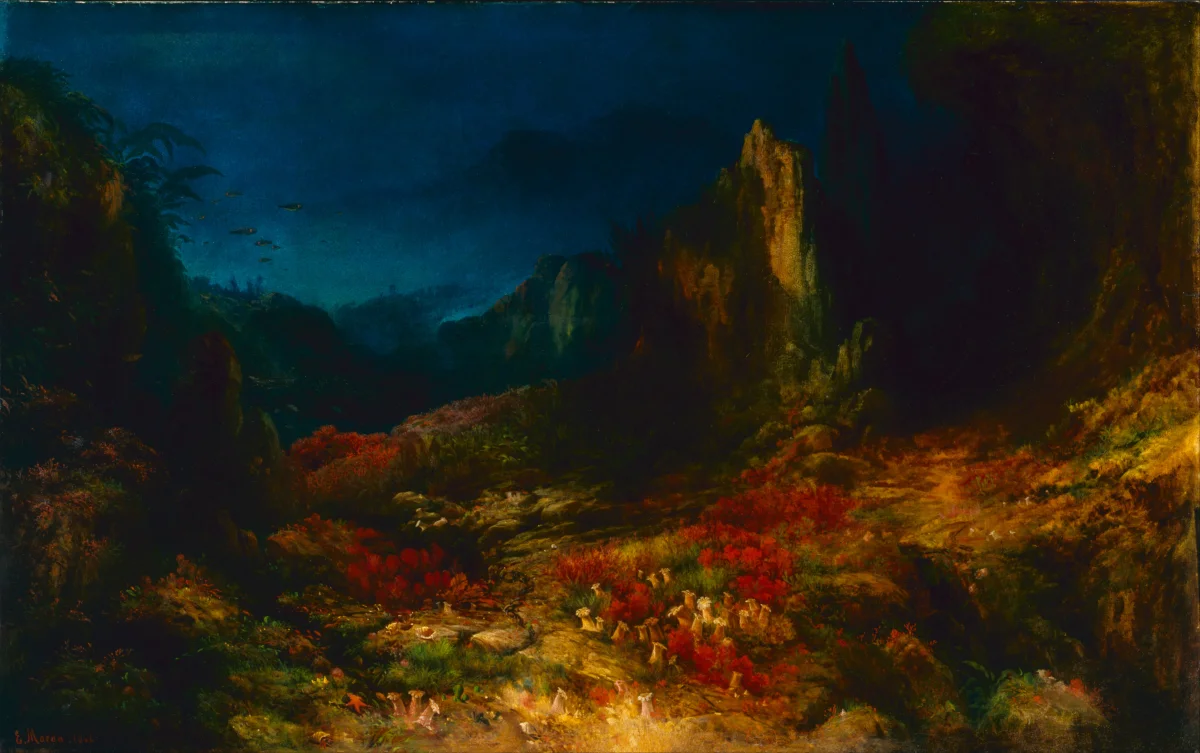
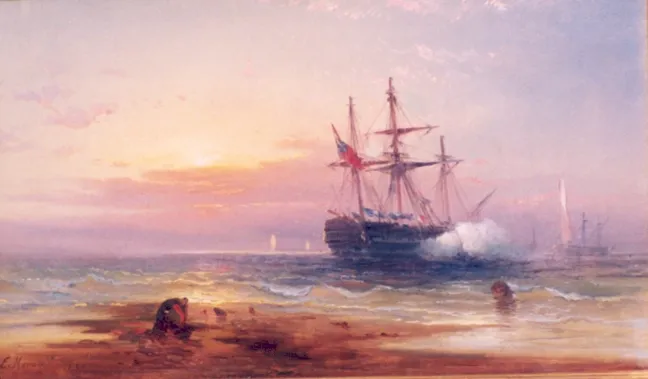
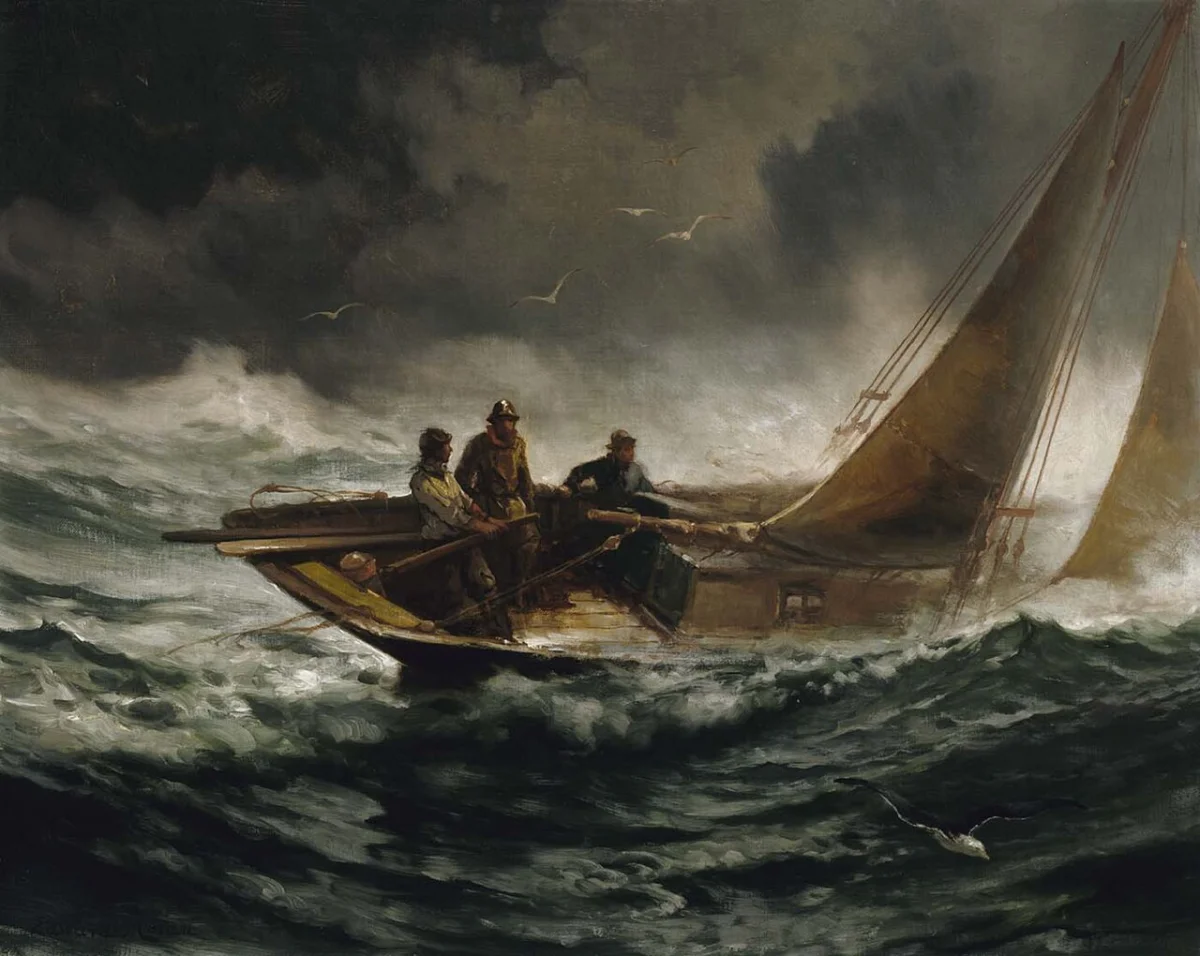
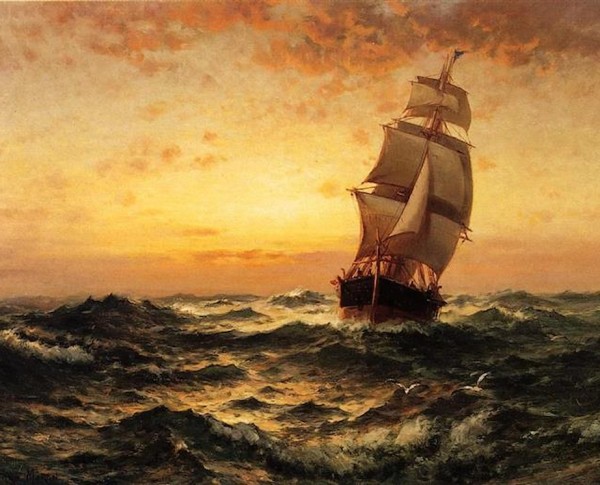
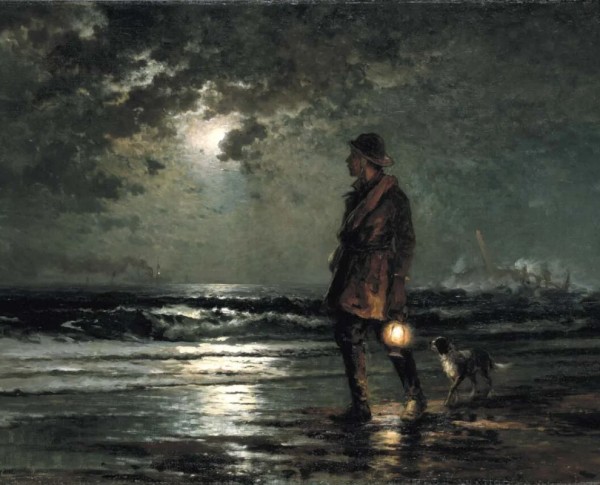
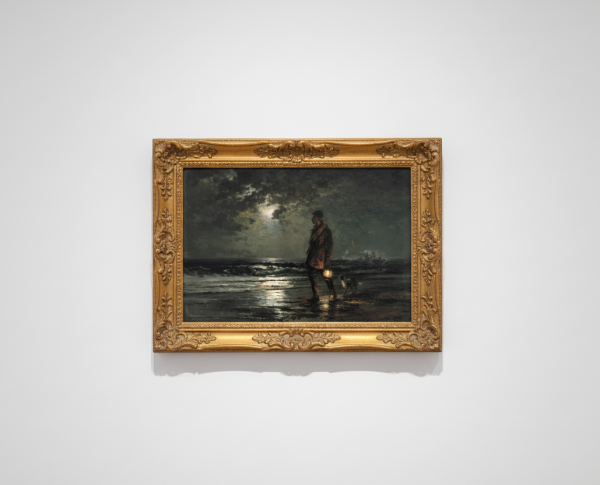
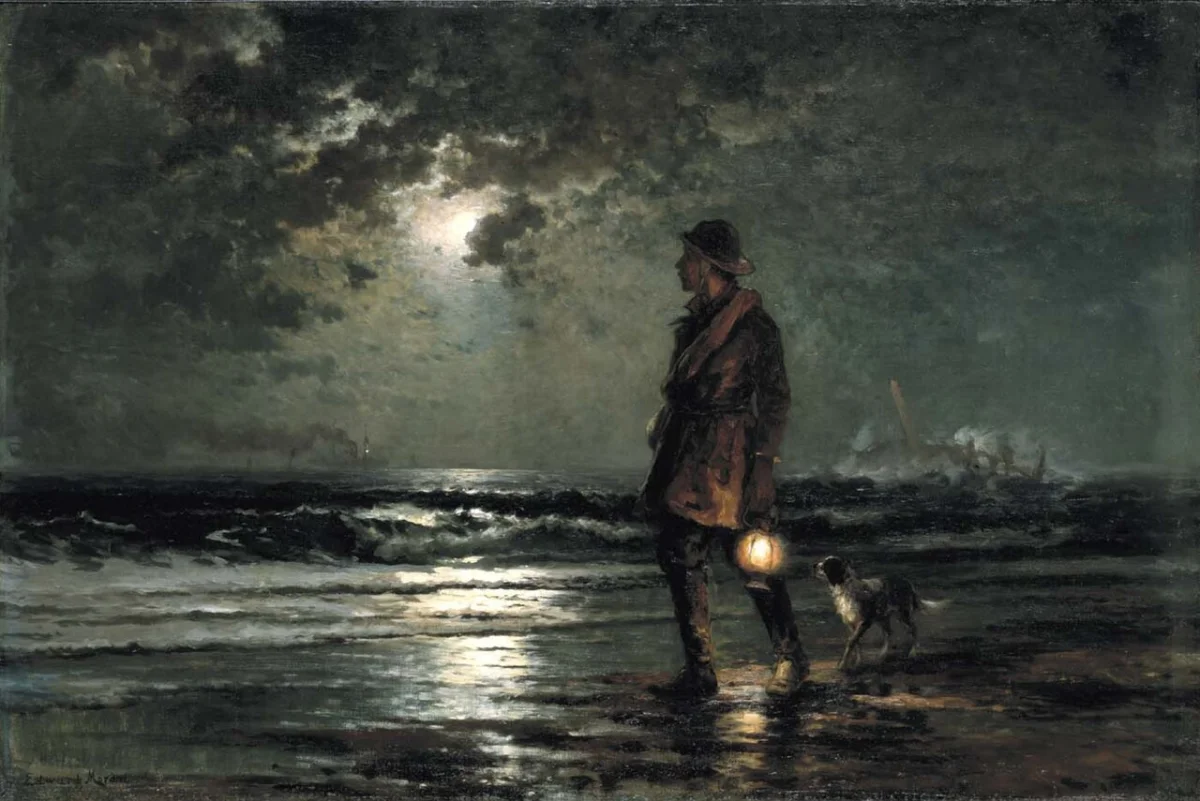
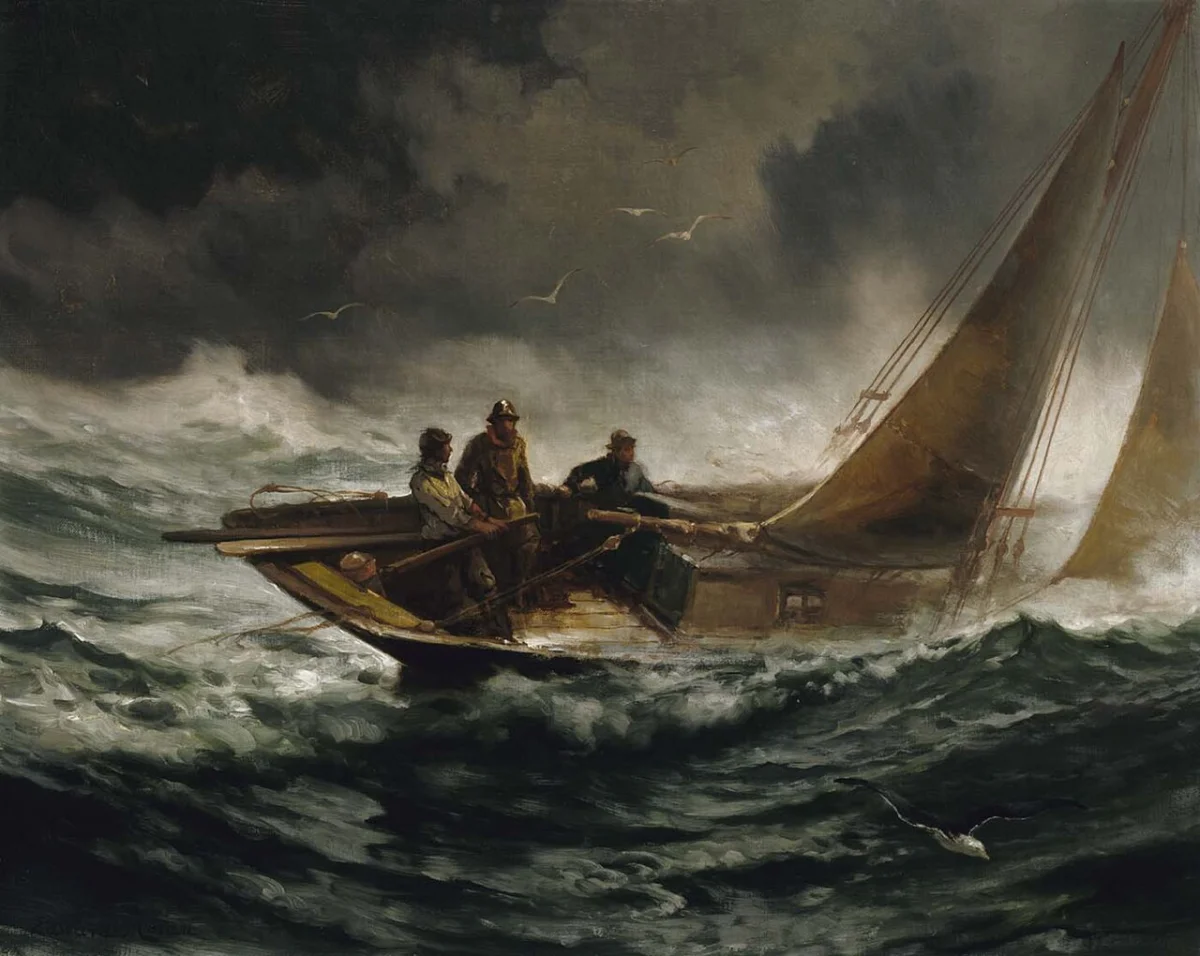
Edward Moran’s "Life Saving Patrol" showcases remarkable technique, with every detail rendered in vibrant oil on canvas. The artist’s deft brushwork and nuanced color palette bring the tumultuous sea and valiant figures to life, embodying the spirit of Romanticism. Those seeking an impressive addition to their home or gallery will find this piece, and others like "Brig off Sandy Hook" or "Fishermans Home," to be exemplary choices among fine maritime art.
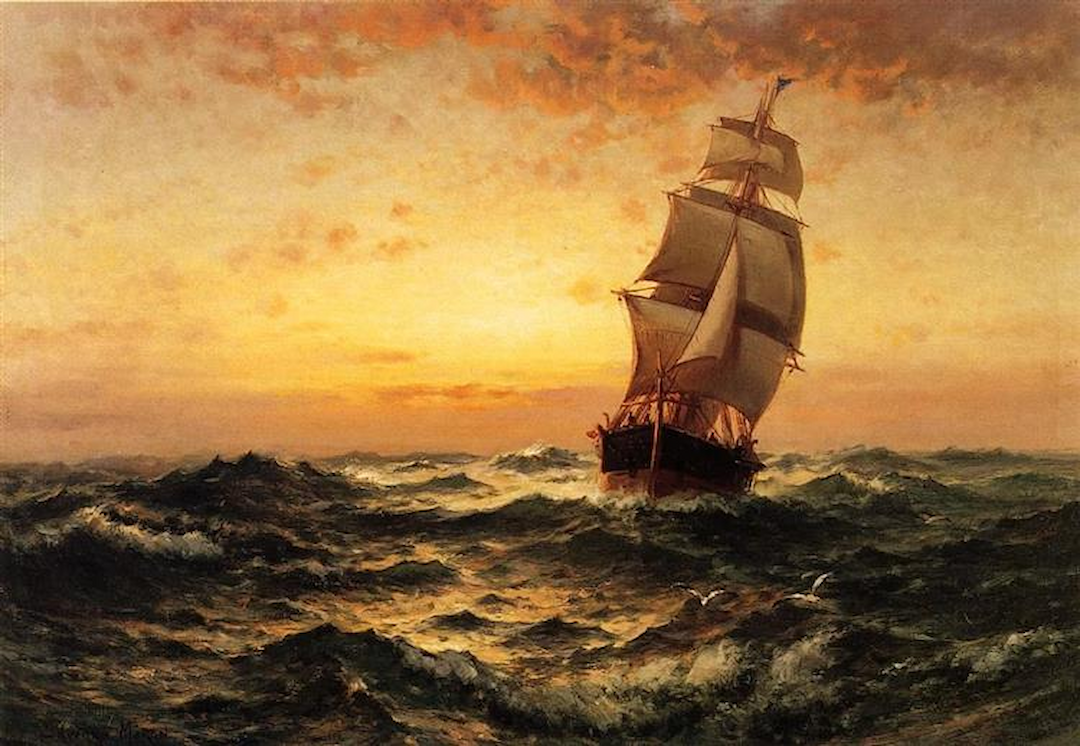
Rich with narrative, "Life Saving Patrol" invites viewers into a world where courage and nature’s might collide. This fine art painting for sale is more than a visual feast; it is a story of hope and survival, emblematic of the Romantic era’s fascination with emotion and nature. Fans of Edward Moran’s work may also appreciate related pieces such as "Ship at Sea" and "Sunset," which similarly evoke stirring maritime tales.
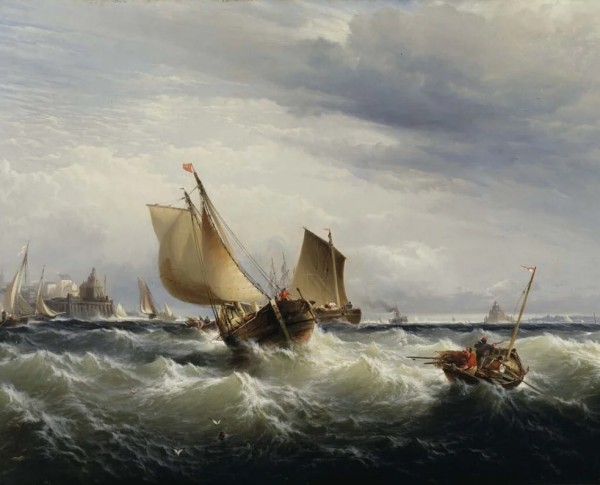
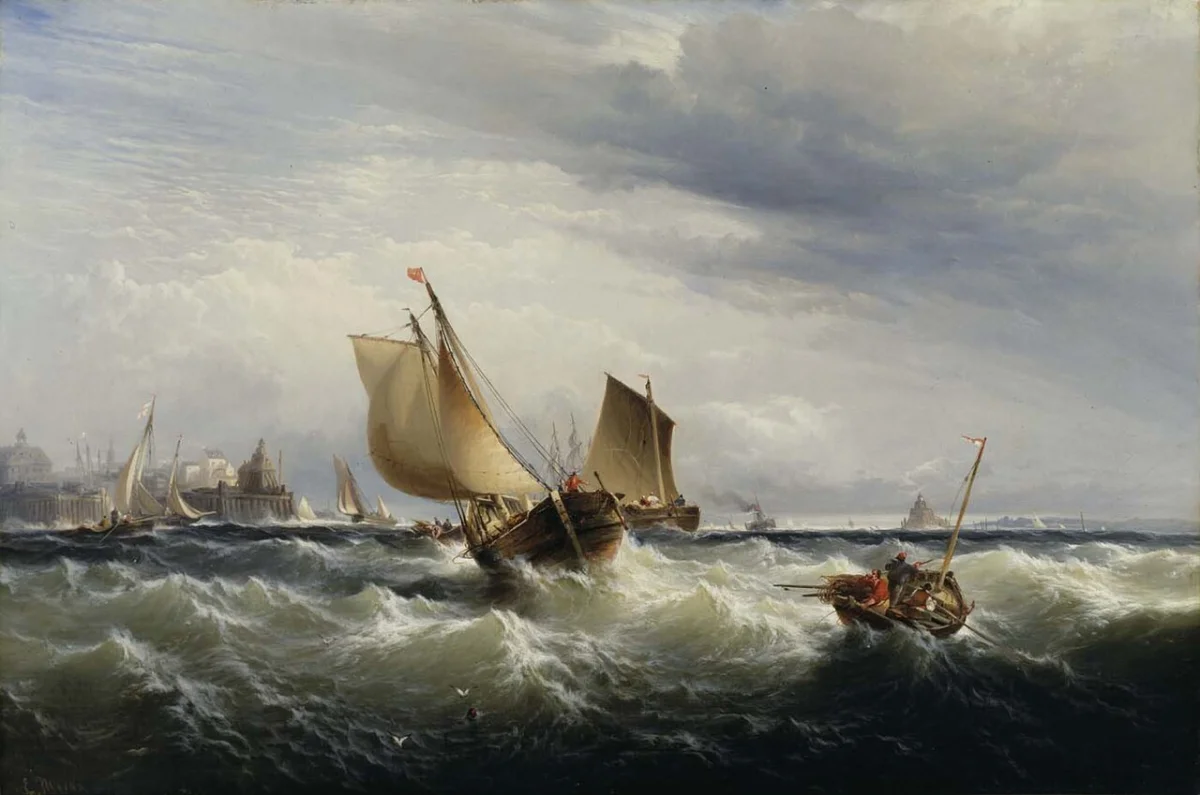
Owning an original or reproduction of "Life Saving Patrol" by Edward Moran offers collectors a unique piece of the Romanticism movement. This hand-painted oil painting is not only an artistic triumph but also a historical artifact. Discerning buyers seeking a fine art painting for sale will find Moran’s work, along with "Fishing Boats Beating up to Windward" and other maritime scenes, to be enduring treasures for any curated collection.
When Art Meets History
Edward Moran’s "Life Saving Patrol" stands as a testament to the Romanticism movement, capturing the heroism of maritime rescue with vivid detail. This hand-painted oil painting transports viewers to the turbulent shores of the 19th century, where human bravery and nature’s power collide. Like related works such as "The Fighting 'Téméraire' tugged to her last Berth to be broken up" and "Phantom Crane," Moran’s masterpiece bridges art and history, making it a significant piece for enthusiasts and scholars alike.
Techniques That Speak
Moran’s mastery of oil on canvas is evident in "Life Saving Patrol," where sweeping brushstrokes and dramatic lighting evoke the spirit of Romanticism. The artist’s technique, reminiscent of works like "Salisbury Cathedral from the Meadows" and "Pietro Rossi prisonner of the Scaligeri," draws attention to the interplay of light and shadow. Each detail in this painting demonstrates Moran’s dedication to realism and emotion, making it a standout example of oil on canvas artistry.
Emotions on Display
"Life Saving Patrol" by Edward Moran stirs deep emotions, depicting the peril and hope of a daring rescue at sea. As with many Romantic era works, the painting’s expressive composition invites viewers to connect with the courage of its subjects. Similar feelings are evoked in "In the Forest," where the human experience is central. This fine art painting for sale is renowned for its ability to move audiences and inspire admiration for its emotional depth.
Coveted by Collectors
Collectors prize Edward Moran’s "Life Saving Patrol" not only for its historical significance but also for its artistry within the Romanticism movement. This hand-painted oil painting is often compared to masterpieces like "Phantom Crane" and "Salisbury Cathedral from the Meadows," making it a sought-after addition to any collection. With its dramatic storytelling and technical brilliance, "Life Saving Patrol" remains a fine art painting for sale that continues to captivate and inspire art lovers worldwide.
Related Romanticism Hand-Painted Oil Paintings by Other Artists
Other Famous Romanticism Artists:
Frequently Asked Questions About Life Saving Patrol
What is the historical context of "Life Saving Patrol"?
"Life Saving Patrol," painted by Edward Moran in the late 19th century, reflects the period's maritime culture and the increasing importance of life-saving services along the American coastline, particularly in response to the growing number of shipwrecks.
What artistic techniques did Edward Moran employ in this painting?
Moran utilized a combination of realism and romanticism, employing dramatic lighting and dynamic composition to convey the urgency of the rescue scene, while also capturing the beauty of the ocean and sky.
What symbolism is present in "Life Saving Patrol"?
The painting symbolizes heroism and the human spirit's resilience, as it depicts the bravery of the life-saving crew in their mission to save lives, emphasizing themes of sacrifice and duty.
How does "Life Saving Patrol" reflect the values of its time?
The artwork embodies the late 19th-century American values of bravery, community service, and the importance of maritime safety, resonating with a society that revered its seafaring traditions and the individuals who risked their lives for others.
What role did Edward Moran play in American art history?
Edward Moran was a significant figure in American art, known for his marine paintings and historical scenes. His work contributed to the popularization of maritime themes in American art during the 19th century.
What is the significance of the life-saving crew depicted in the painting?
The life-saving crew represents the dedication and courage of those who served in the U.S. Life-Saving Service, a precursor to the Coast Guard, highlighting the importance of their role in maritime safety during the era.
How does the composition of "Life Saving Patrol" enhance its narrative?
The composition features a diagonal arrangement that draws the viewer's eye toward the action, creating a sense of movement and urgency, which enhances the narrative of the rescue operation taking place.
In what ways does the painting depict the relationship between man and nature?
"Life Saving Patrol" illustrates the struggle between man and the formidable forces of nature, showcasing both the beauty and danger of the sea, and the human determination to overcome these challenges.
What influence did "Life Saving Patrol" have on subsequent maritime art?
The painting set a precedent for future maritime artists by emphasizing dramatic rescue scenes, inspiring a generation of artists to explore similar themes of heroism and the sea in their works.
Where can I view "Life Saving Patrol" today?
"Life Saving Patrol" is part of the collection at the [insert gallery/museum name], where it continues to be appreciated for its artistic and historical significance.






















_GFM_Painting_(1).webp)


 100% Hand-Painted: Finished in 3-6 Weeks

.png)















_(1).webp)