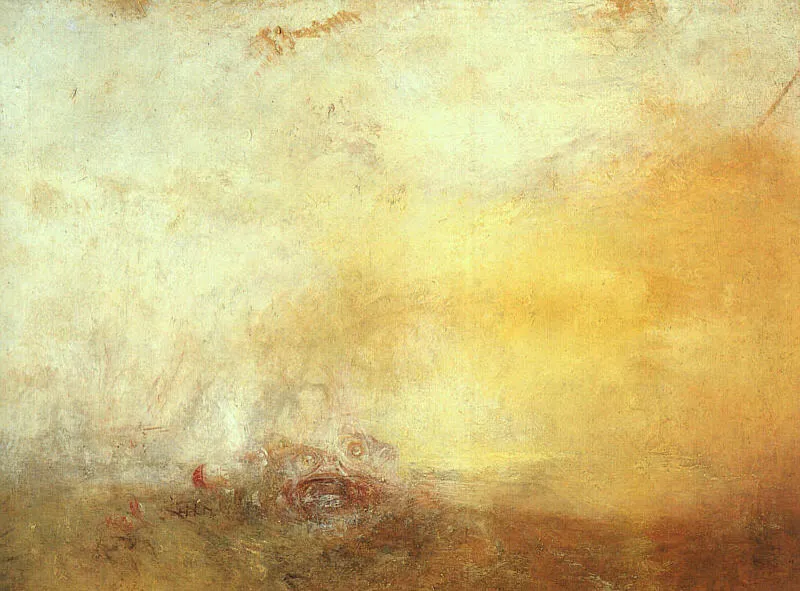
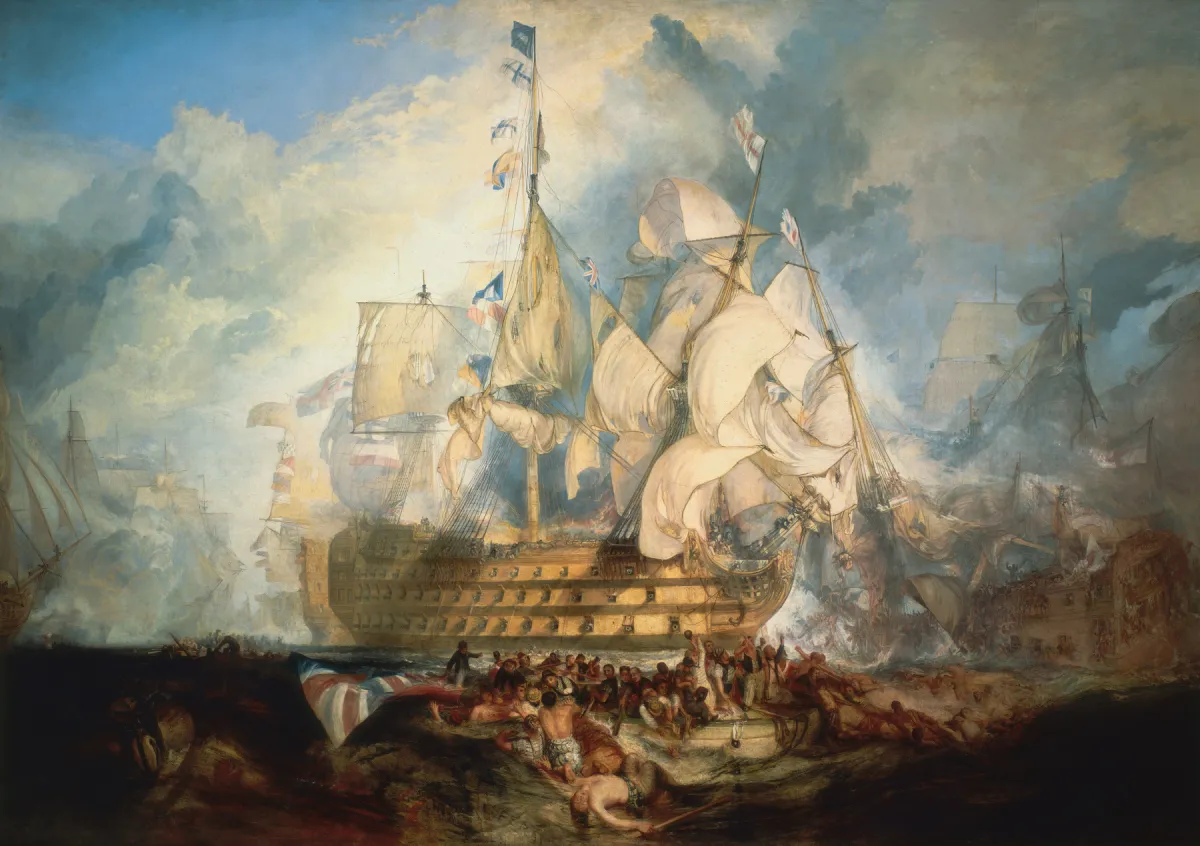
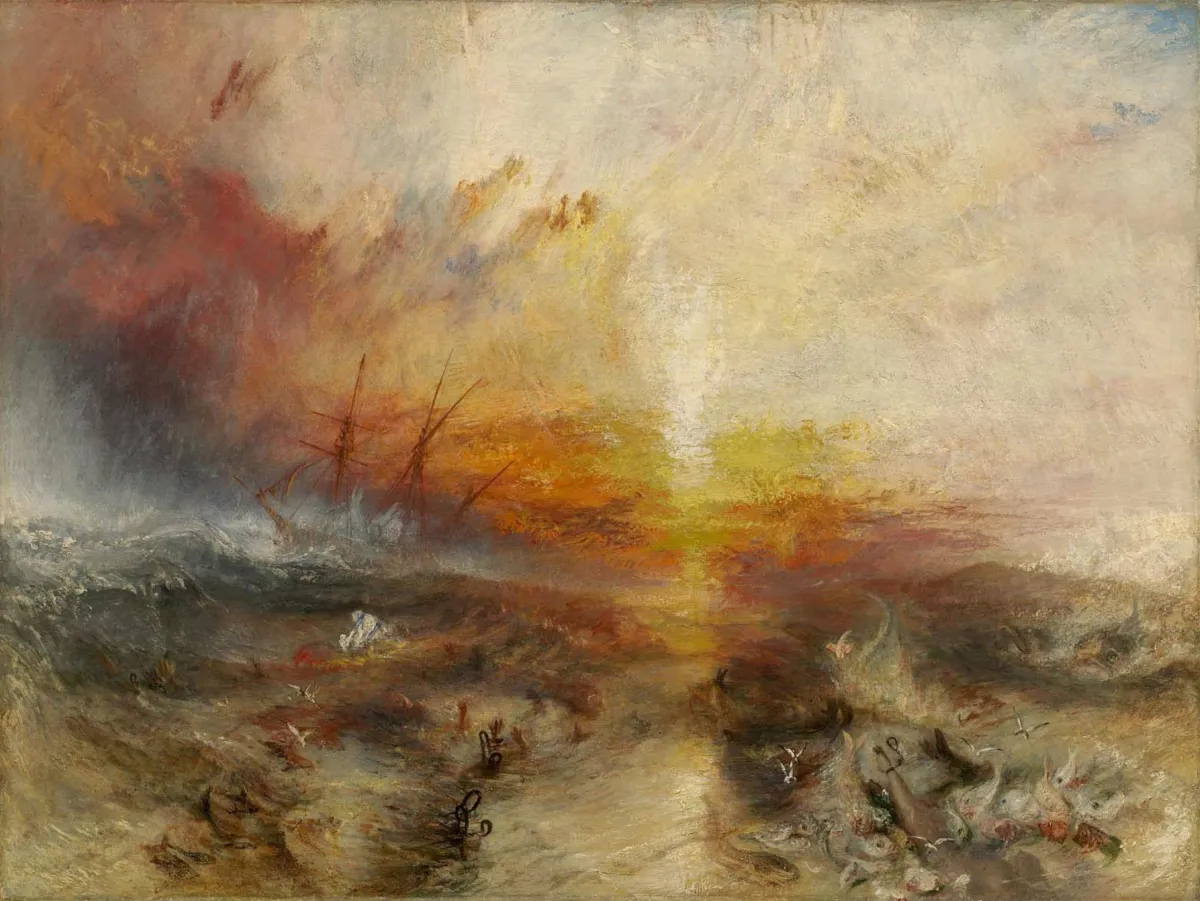
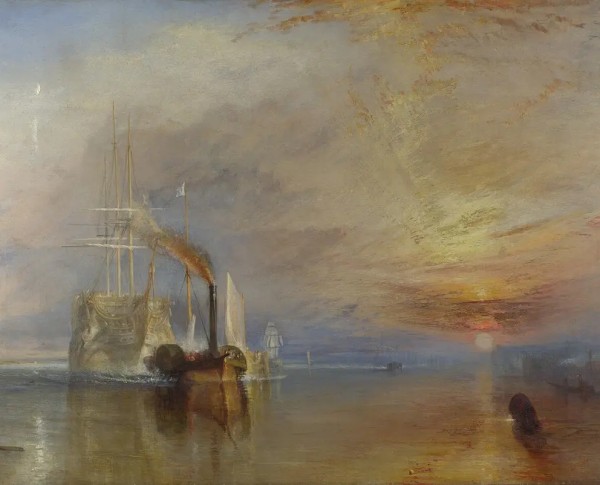
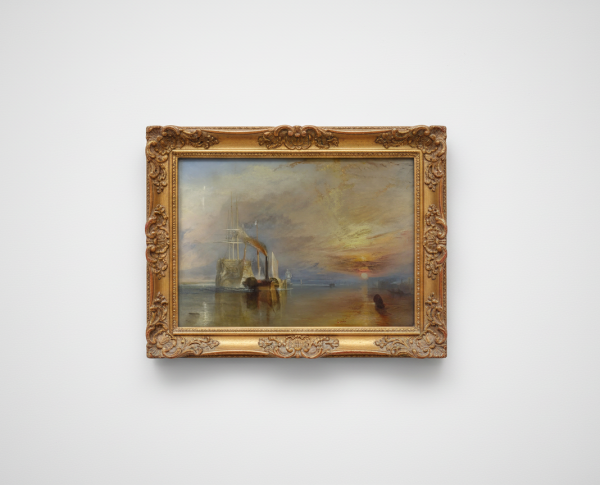
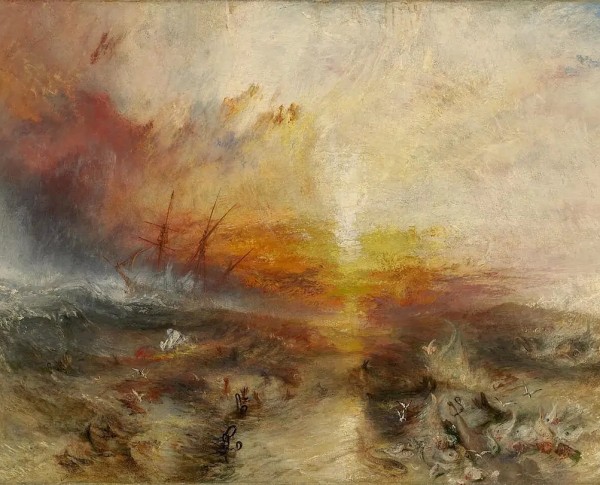
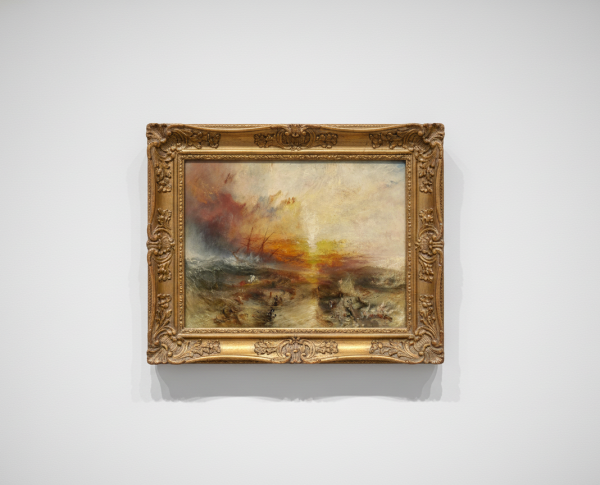
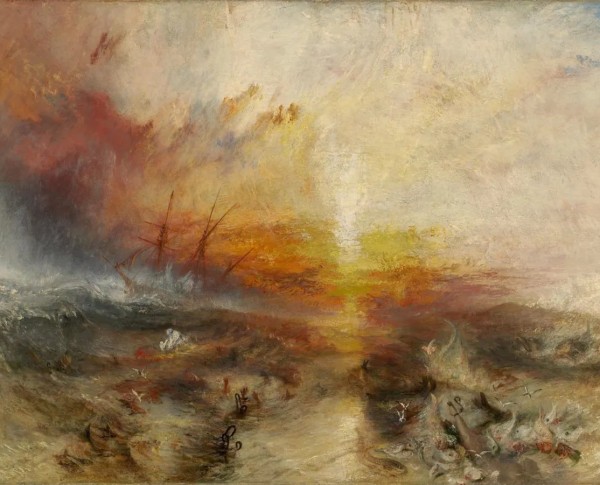
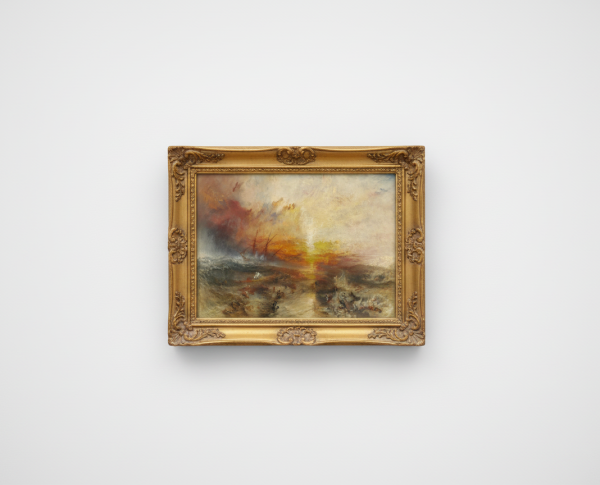
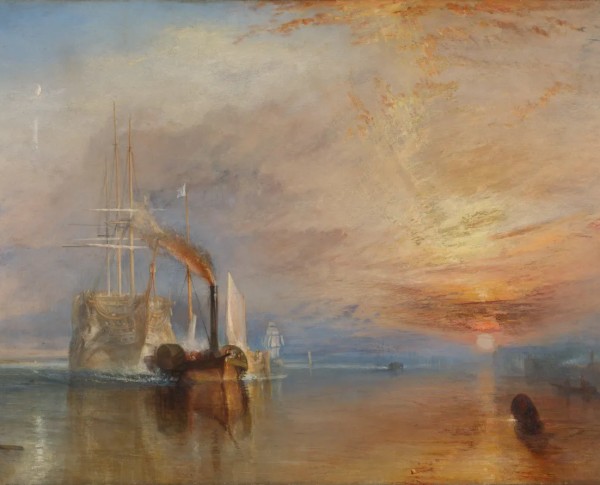
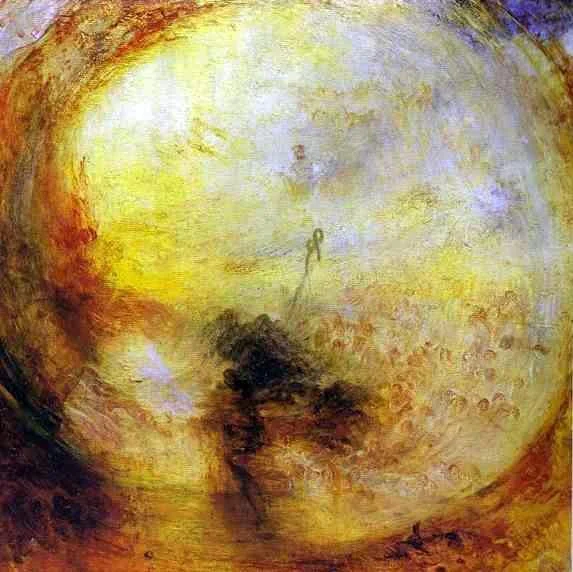
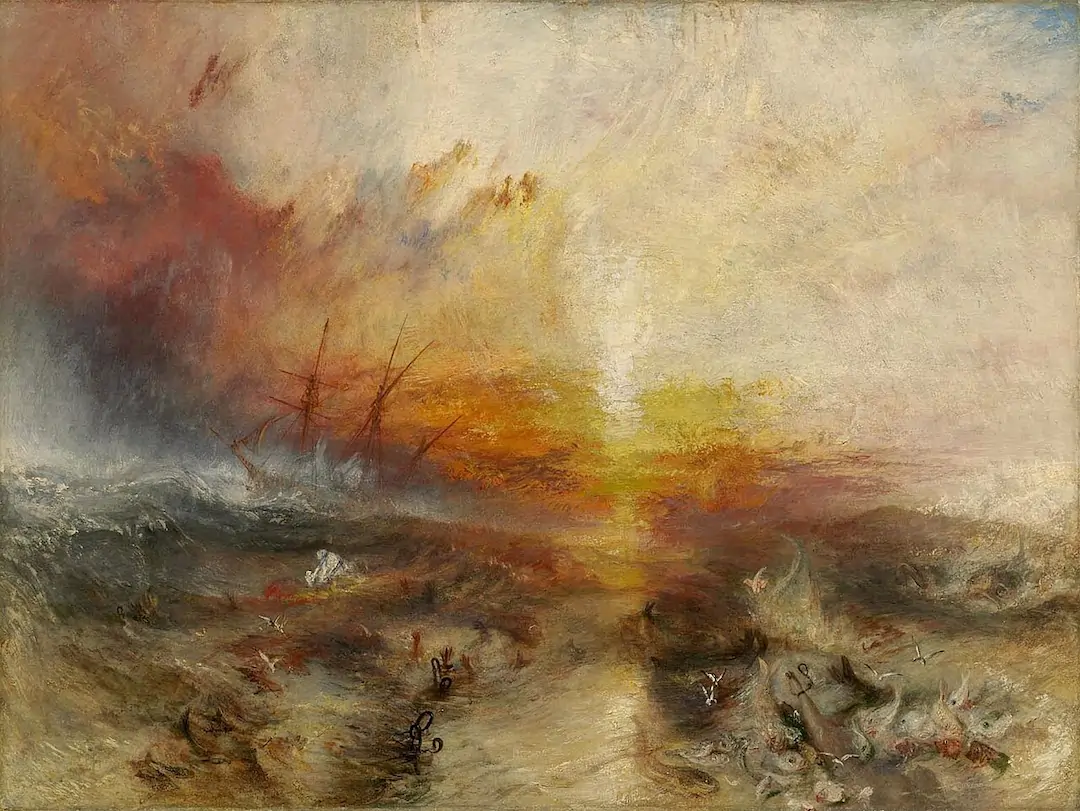
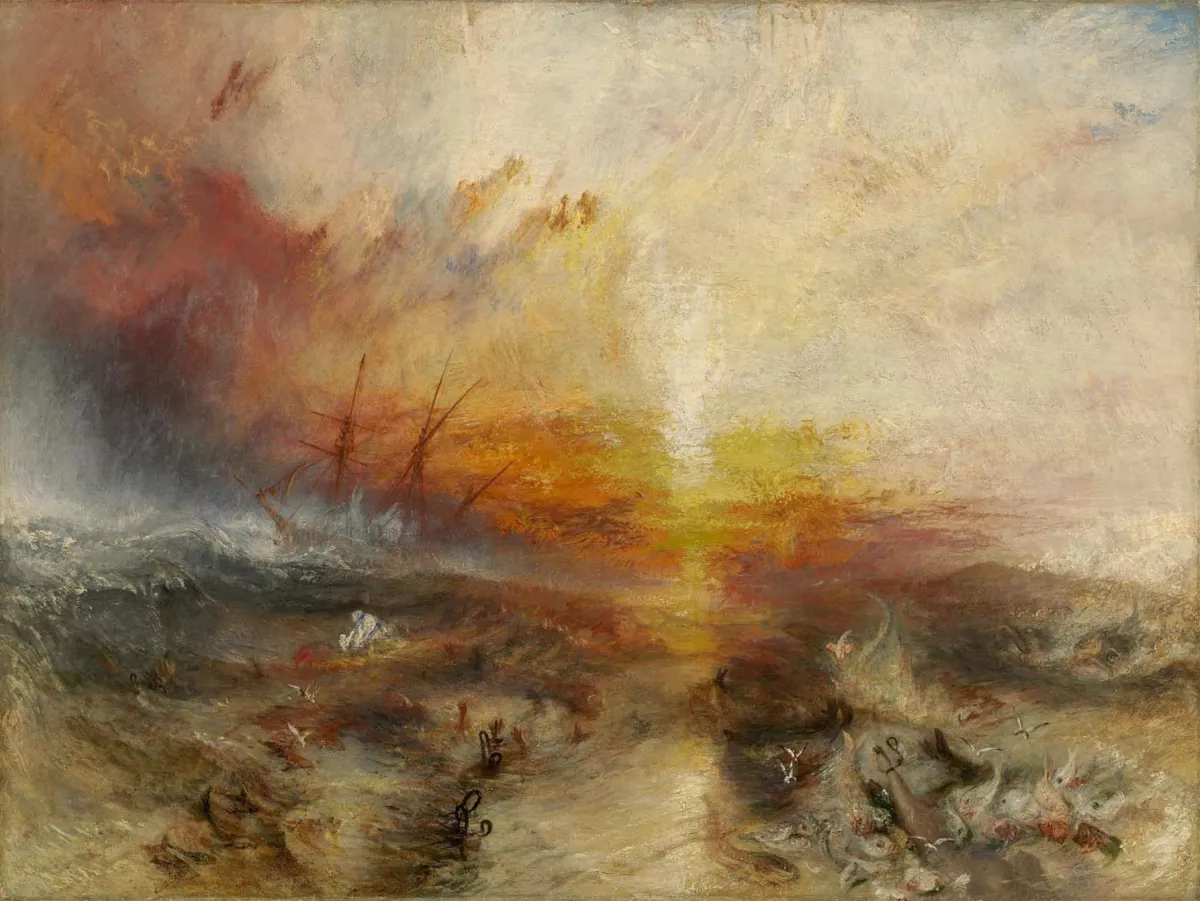
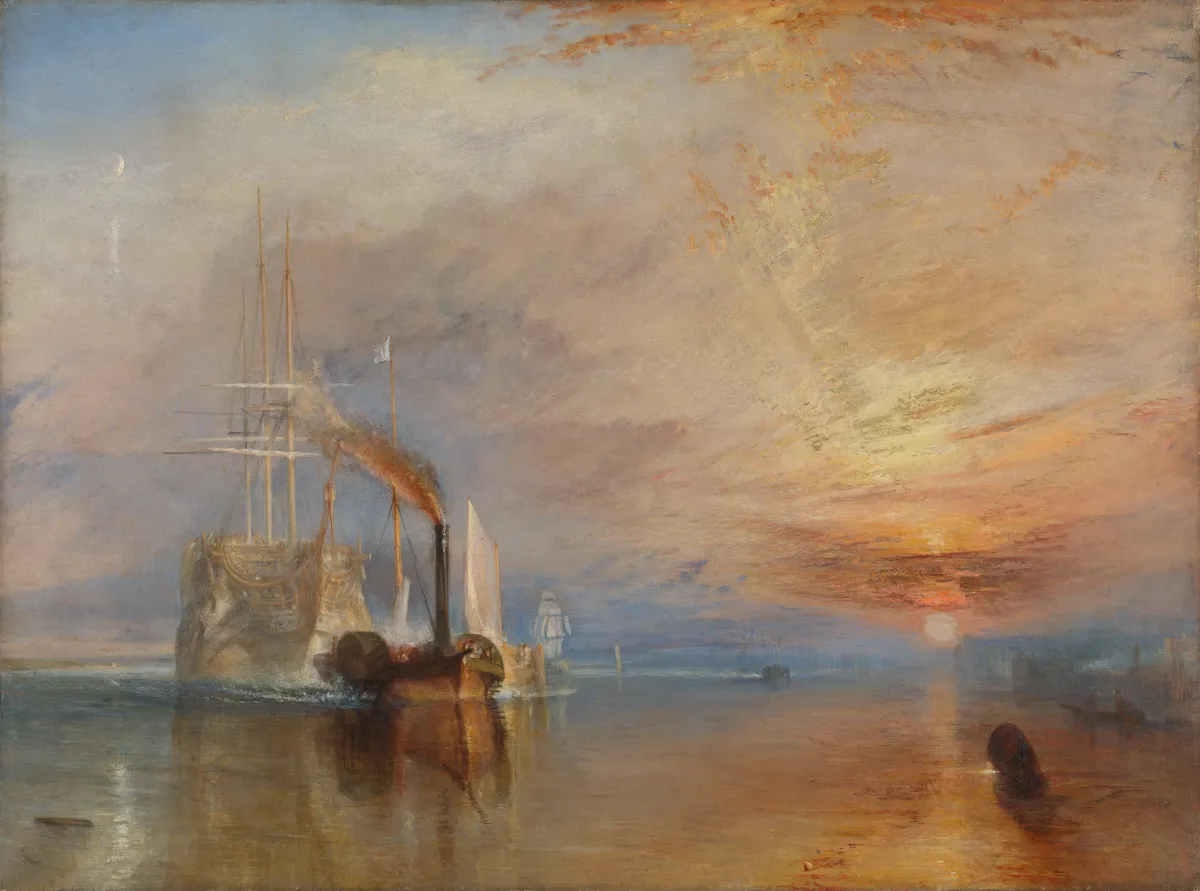
"Light and Colour (Goethe's Theory) – The Morning after the Deluge – Moses Writing the Book of Genesis" by Joseph Mallord William Turner stands as a testament to the Romanticism movement. This hand-painted oil painting captures the artist's fascination with light, nature, and human spirituality. Turner’s innovative approach set the stage for later artistic revolutions. Collectors and enthusiasts seeking fine art painting for sale often look to Turner’s masterpieces, alongside related works like "The Slave Ship" and "The Fighting Temeraire."
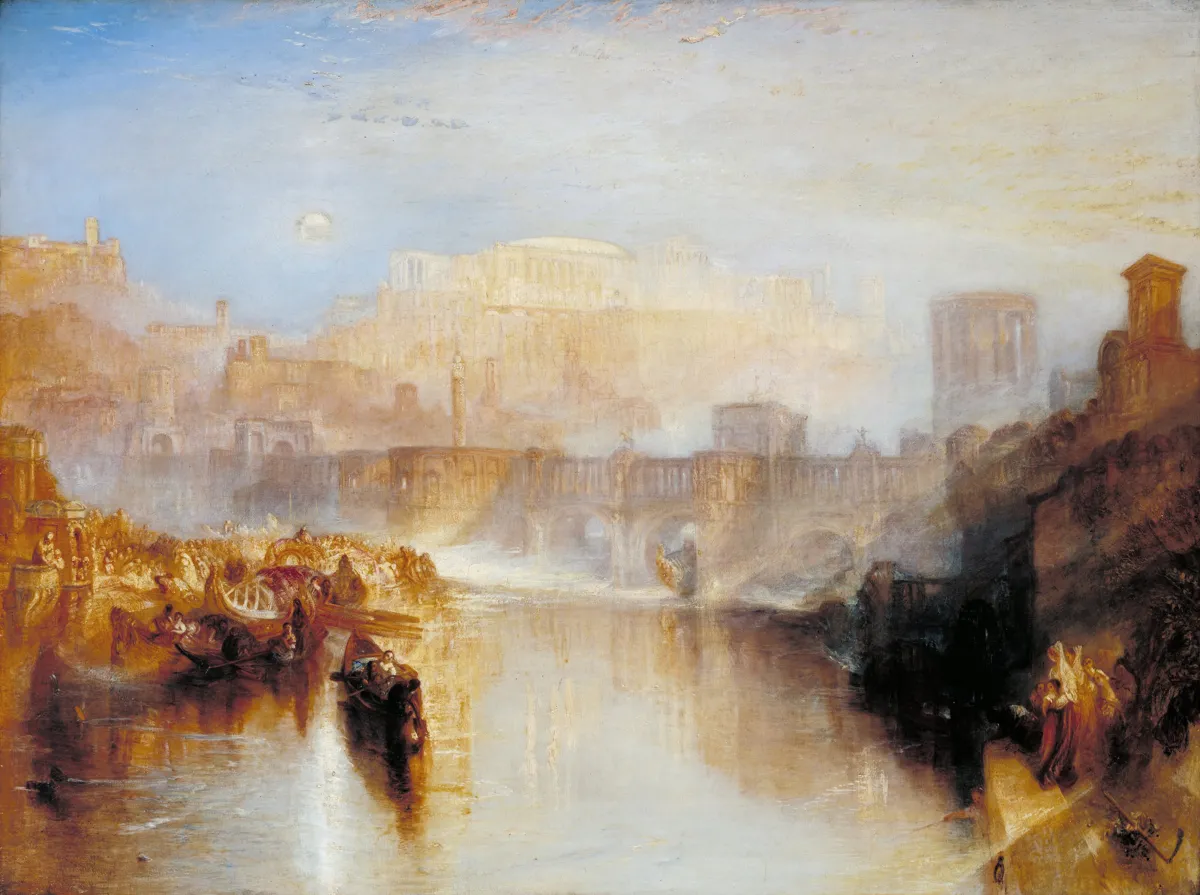
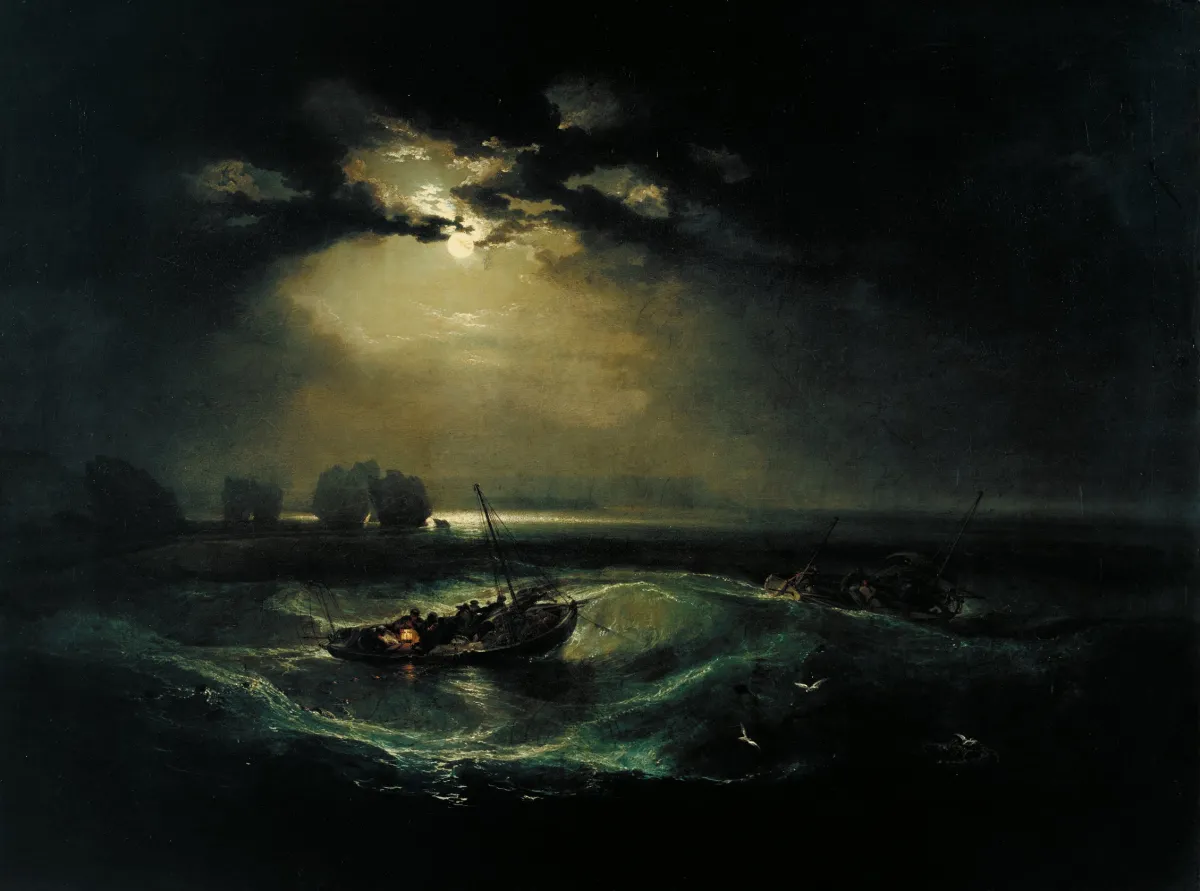
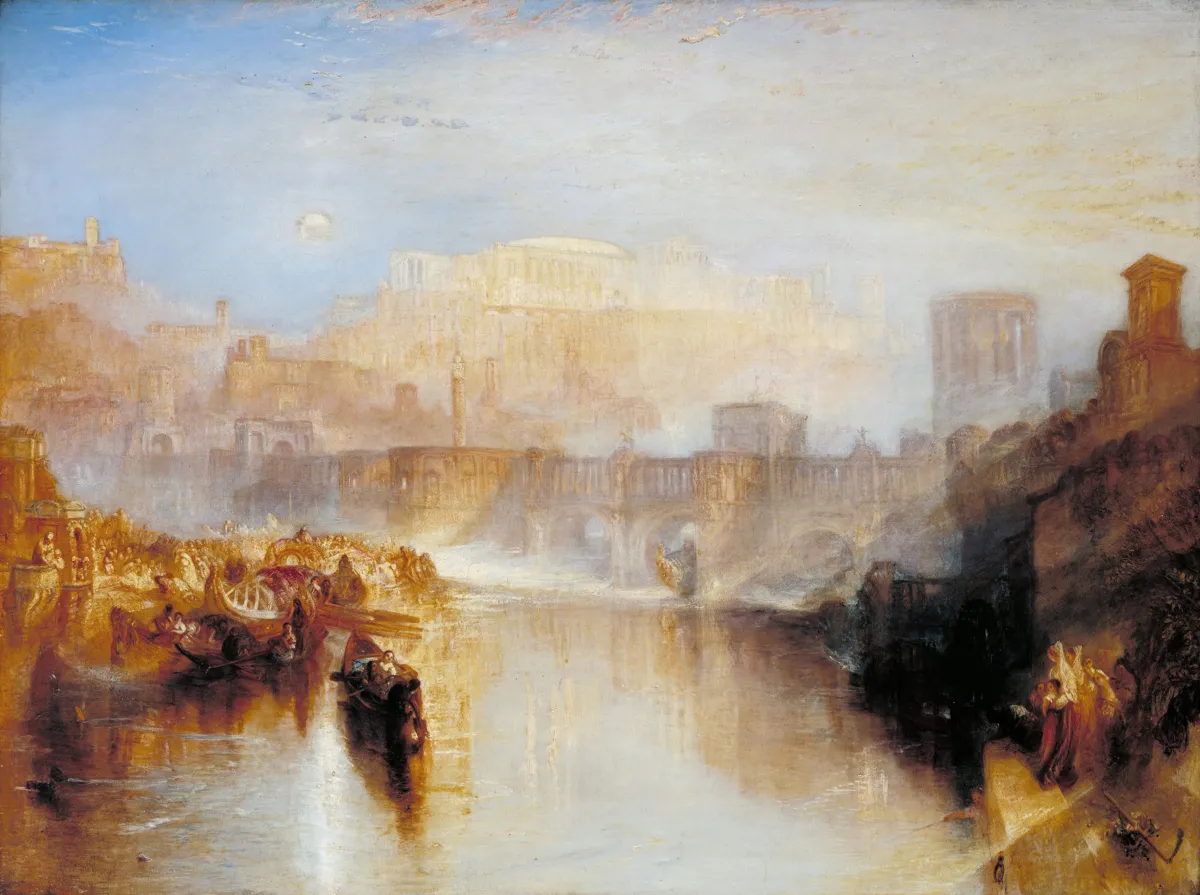
Turner’s use of oil on canvas in this remarkable piece demonstrates his unparalleled skill in manipulating color and atmosphere. The swirling, radiant hues evoke a sense of awe and wonder, embodying the core of Romanticism. His masterful technique can also be seen in related paintings such as "Fishermen at Sea" and "Ancient Rome; Agrippina Landing with the Ashes of Germanicus." For collectors, owning a Turner oil on canvas is owning a piece of art history.
This hand-painted oil painting weaves together biblical narrative and Goethe’s color theory, creating layers of meaning and symbolism. Turner depicts Moses writing the Book of Genesis amid the aftermath of the deluge, using light and color to symbolize hope and renewal. The painting’s profound storytelling is echoed in other works by Turner, including "The Slave Ship 1840" and "The Fighting 'Téméraire' tugged to her last Berth to be broken up," making each piece a fine art painting for sale with deep narrative value.
For art connoisseurs, "Light and Colour (Goethe's Theory) – The Morning after the Deluge – Moses Writing the Book of Genesis" by Joseph Mallord William Turner is a prime example of Romanticism and a coveted fine art painting for sale. Its historic significance and artistic mastery elevate it among Turner’s most celebrated works, alongside masterpieces like "The Slave Ship" and "The Fighting Temeraire." Acquiring such an oil on canvas enriches any collection with the spirit and legacy of Turner.
When Art Meets History
"Light and Colour (Goethe's Theory) – The Morning after the Deluge – Moses Writing the Book of Genesis" is a masterpiece by Joseph Mallord William Turner, a celebrated figure in the Romanticism movement. This hand-painted oil painting captures a pivotal biblical moment with Turner's characteristic intensity. The painting, like related works such as "Two Men by the Sea" and "Mountain Landscape with Rainbow," merges historical narrative with the artist's fascination for nature and light, making it a significant piece in art history.
Techniques That Speak
Turner's innovative use of oil on canvas shines in this painting, where swirling colors and radiant light evoke the aftermath of a great flood. His brushwork, reminiscent of "Flowers at the Window of the Harem" and "Hutten's Grave," demonstrates mastery in blending hues and creating atmospheric effects. Through these techniques, Turner elevates the Romanticism movement, emphasizing emotion and drama. The painting’s dynamic composition is a testament to Turner's technical prowess and visionary approach to landscape art.
Emotions on Display
The emotional impact of this fine art painting for sale is undeniable. Turner’s rendering of the morning after the deluge, with Moses writing the Book of Genesis, evokes awe, hope, and renewal. The swirling light and color reflect the artist’s deep engagement with human emotion, a hallmark of Romanticism. Similar to "Huttens Grave," Turner's work invites viewers to contemplate the sublime power of nature and the resilience of the human spirit through evocative visual storytelling.
Coveted by Collectors
Joseph Mallord William Turner's "Light and Colour" is highly sought after by collectors who appreciate the Romanticism movement. As with other masterpieces like "Mountain Landscape with Rainbow," this hand-painted oil painting has become a prized possession in art circles. Its historical significance, emotional depth, and technical brilliance make it a standout among Turner's works. Collectors value its unique approach to biblical themes, ensuring its place as a coveted gem in the world of fine art.
Related Romanticism Hand-Painted Oil Paintings by Other Artists
Other Famous Romanticism Artists:
Frequently Asked Questions About Light and Colour (Goethe's Theory) – The Morning after the Deluge – Moses Writing the Book of Genesis
What is the significance of the title "Light and Colour (Goethe's Theory)" in relation to the painting?
The title reflects Turner's exploration of the interplay between light and color, drawing inspiration from Johann Wolfgang von Goethe's theories on color perception. This indicates Turner's interest in the emotional and psychological effects of color in his work.
What historical event does the painting depict?
The painting illustrates the biblical story of the Great Flood, specifically the moment after the deluge when Moses is depicted writing the Book of Genesis. This scene symbolizes renewal and the divine promise of a new beginning.
How does Turner use color to convey emotion in this painting?
Turner employs a vibrant palette to evoke a sense of awe and wonder, utilizing warm hues to represent the dawn of a new day. The dramatic contrasts between light and dark enhance the emotional intensity of the scene.
What artistic techniques did Turner use to create depth in the painting?
Turner utilized atmospheric perspective, layering colors and employing soft brushwork to create a sense of depth. The hazy background contrasts with the more defined foreground, drawing the viewer's eye into the composition.
What role does the figure of Moses play in the painting?
Moses serves as a central figure representing divine authority and the transmission of knowledge. His presence emphasizes the importance of faith and the continuity of human history following the cataclysmic event of the flood.
How does this painting reflect Turner's overall artistic style?
This work exemplifies Turner's signature style characterized by dramatic light effects, expressive color, and a focus on nature's sublime power. It marks a transition towards Impressionism, showcasing his innovative approach to landscape painting.
What symbolic meanings can be derived from the use of light in the painting?
The light in the painting symbolizes hope, rebirth, and divine intervention. It suggests a transition from chaos to order, reflecting the biblical theme of salvation and the promise of a new covenant between God and humanity.
In what ways does the painting reflect the Romantic movement?
The painting embodies key elements of the Romantic movement, including an emphasis on emotion, nature's grandeur, and the sublime. Turner's focus on the dramatic interplay of light and color aligns with Romantic ideals of individual experience and the power of nature.
What is the significance of the landscape in the painting?
The landscape serves as a backdrop that enhances the narrative of renewal and transformation. The tumultuous waters and emerging light symbolize the struggle between destruction and the promise of a new beginning, reinforcing the painting's thematic depth.
How does this painting compare to Turner's other works?
This painting is notable for its ambitious scale and complex composition, setting it apart from some of Turner's more straightforward landscapes. It reflects his evolving interest in color theory and emotional expression, making it a pivotal work in his oeuvre.






















_GFM_Painting_(1).webp)


 100% Hand-Painted: Finished in 3-6 Weeks

.png)















_(1).webp)