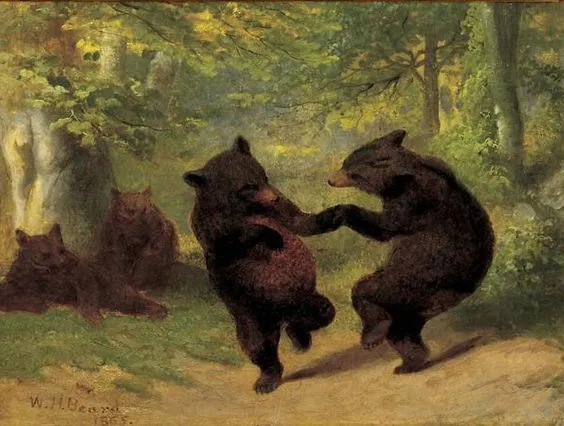
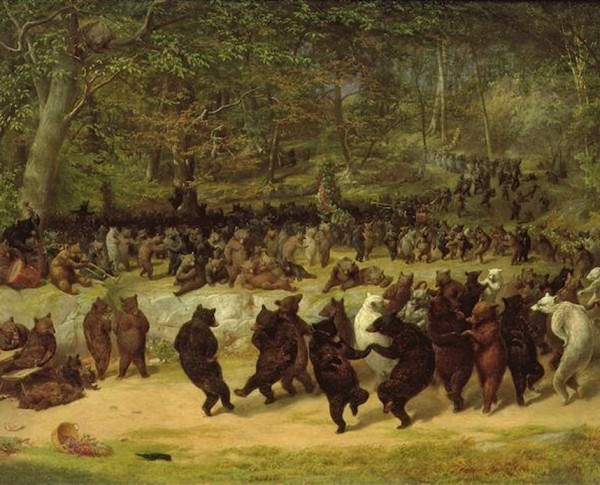
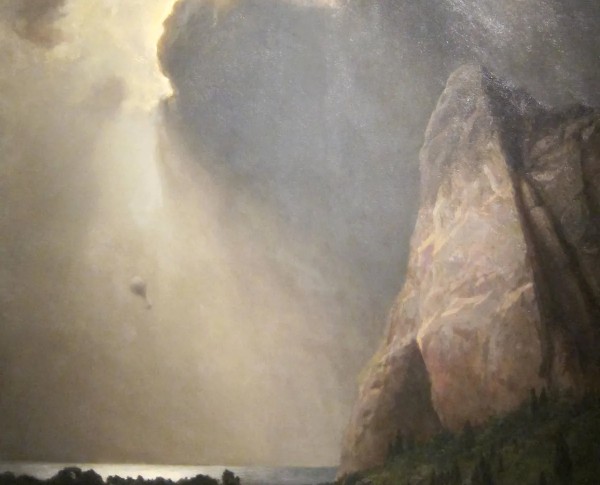
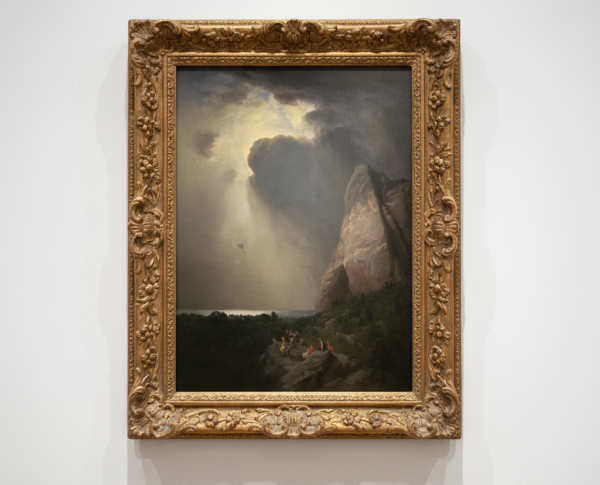
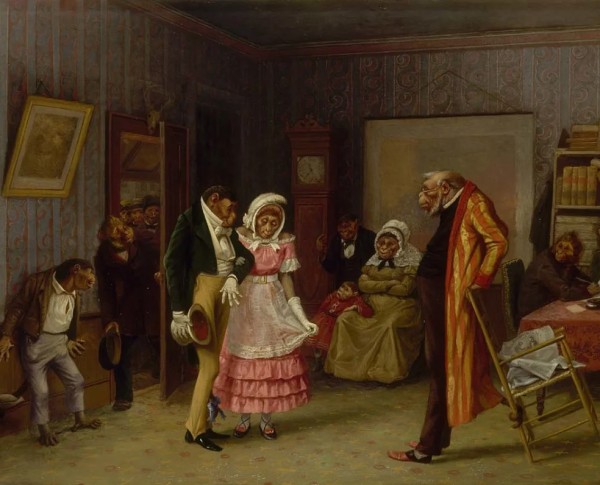
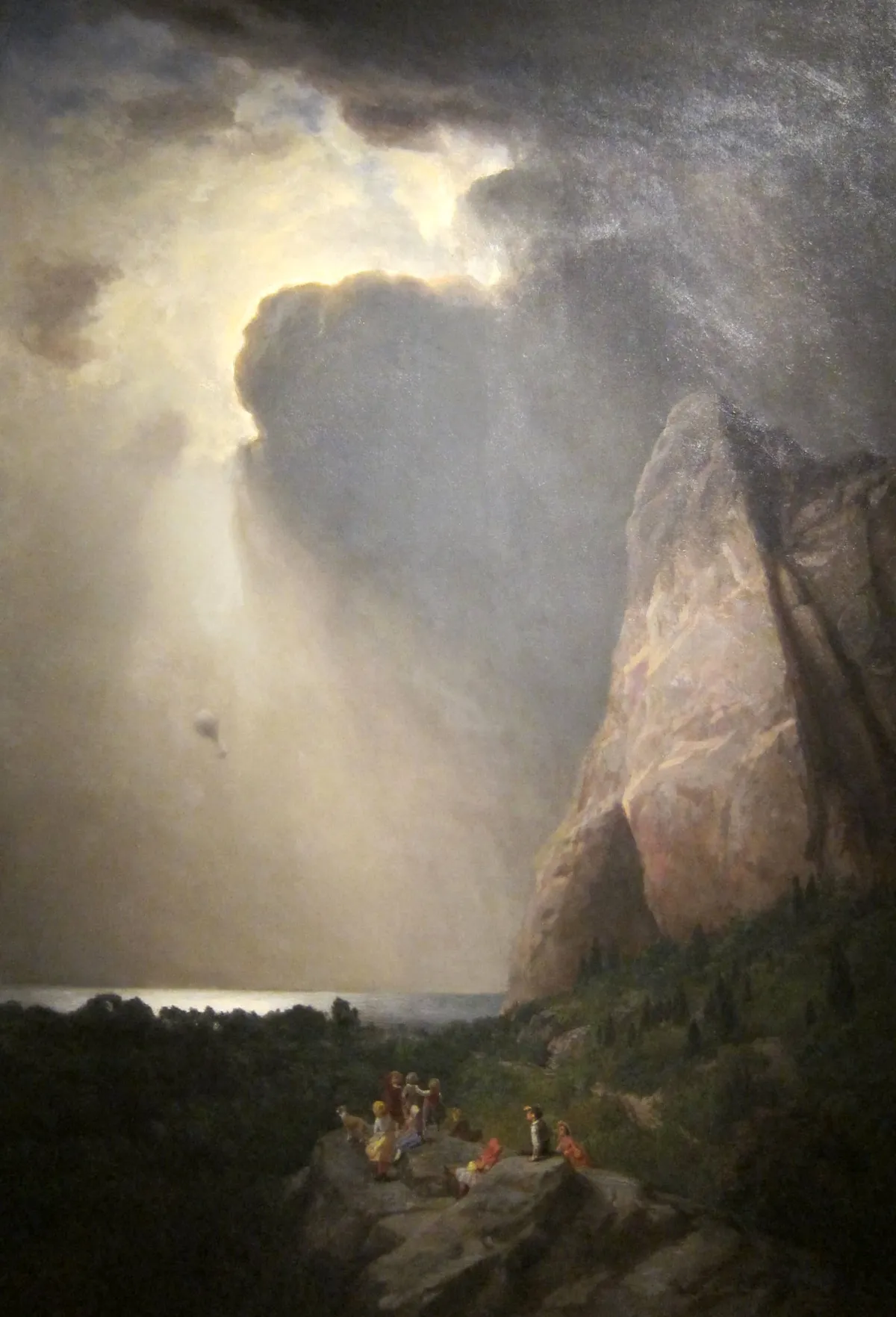
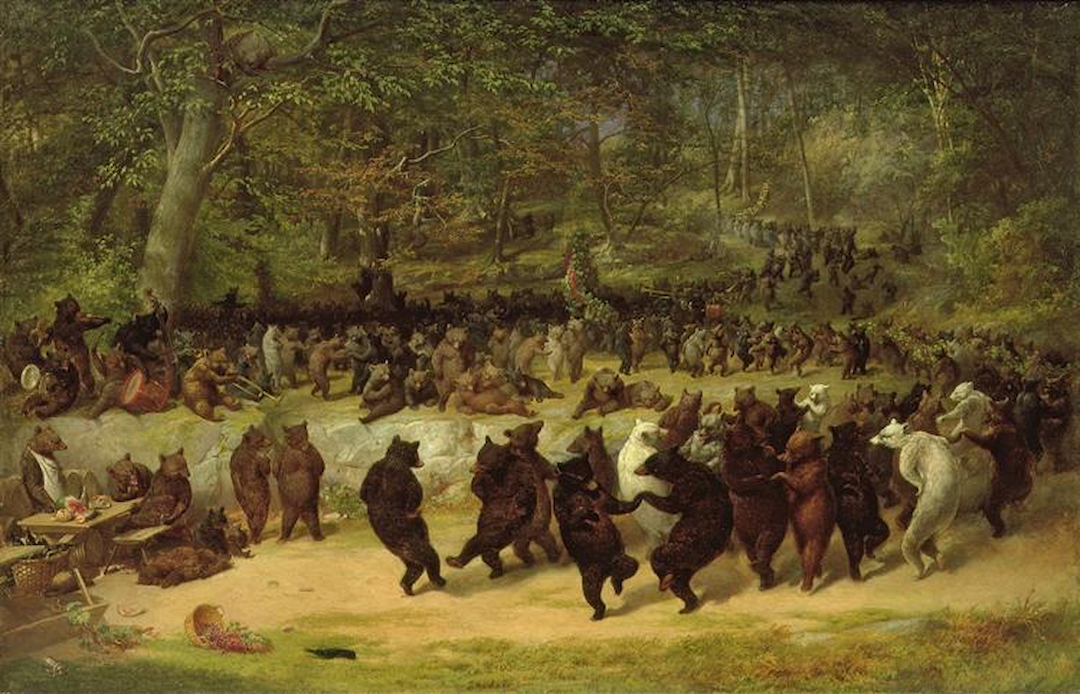
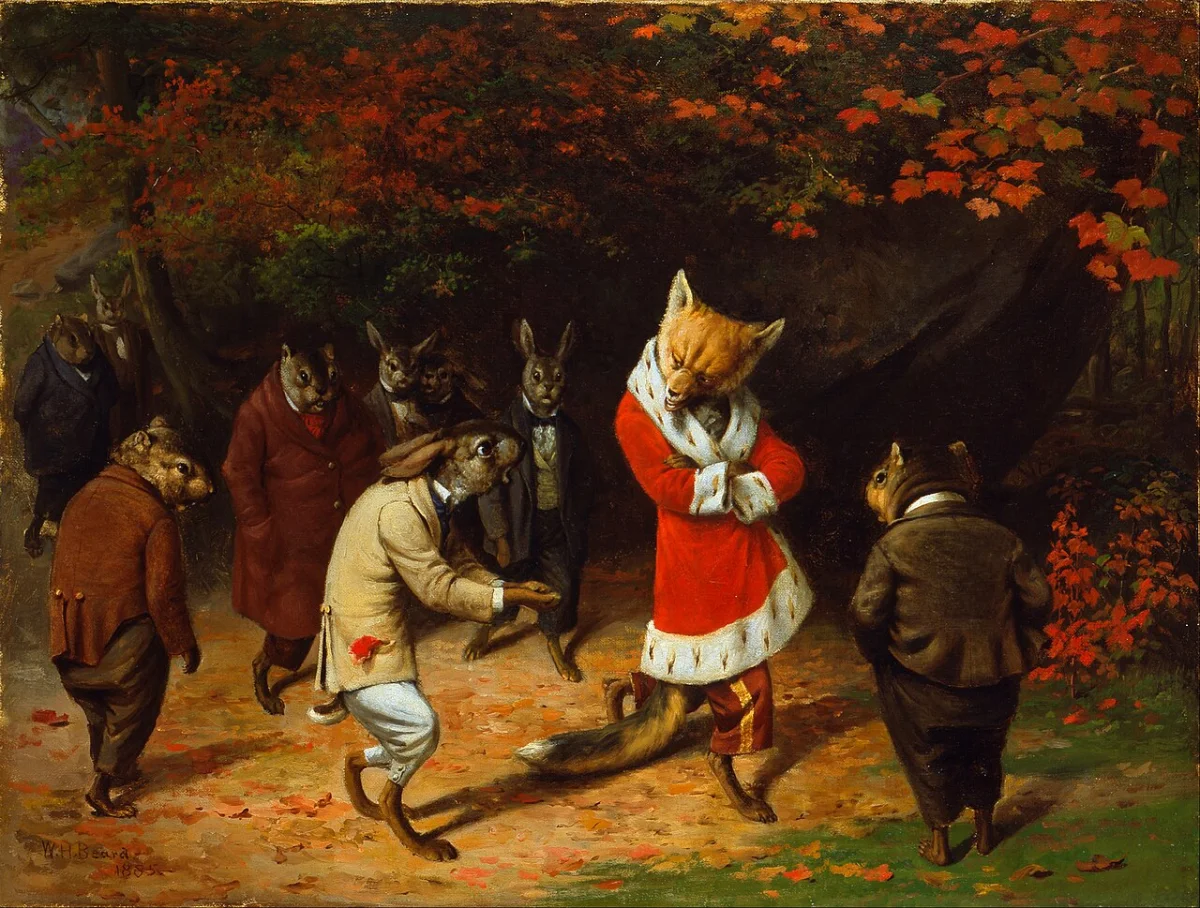
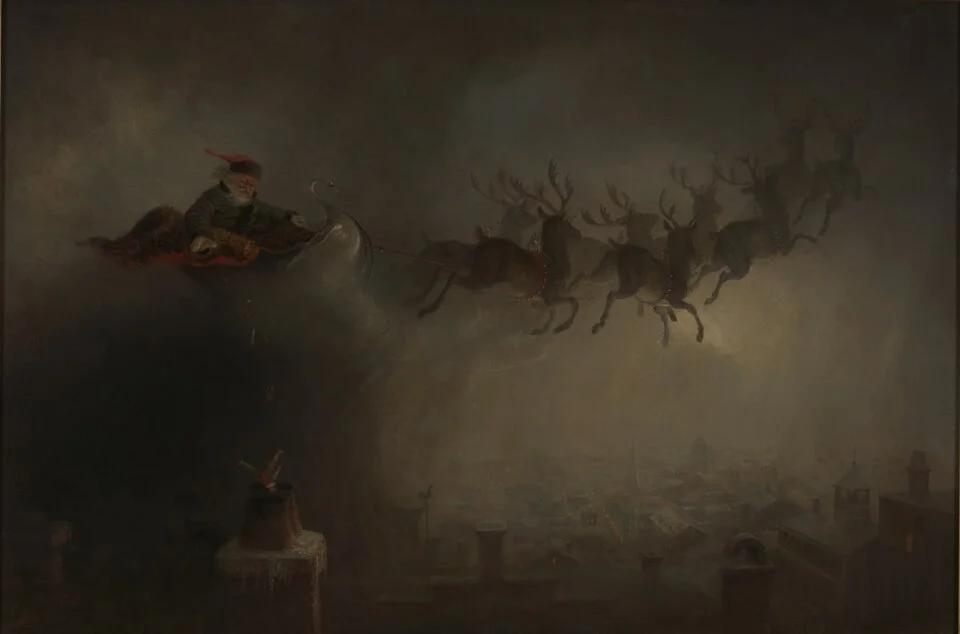
William Holbrook Beard’s "The Lost Balloon" demonstrates his exceptional technique with oil on canvas. Each brushstroke brings to life the whimsical yet poignant themes characteristic of Romanticism. The textures and colors create a vivid, immersive experience that draws the viewer into the narrative. Collectors who appreciate meticulous detail in oil on canvas works often seek out Beard’s paintings, including related products such as "The Bear Dance," for their personal collections.
In "The Lost Balloon," Beard weaves a narrative filled with symbolism, typical of the Romanticism era. The imagery in this fine art painting for sale invites viewers to interpret the deeper meanings behind the lost balloon and its journey. Beard’s storytelling prowess is also evident in "The Bear Dance," making both pieces desirable for those who cherish symbolic and thought-provoking art. Such works highlight the emotional depth found in Romanticism.
"The Lost Balloon" by William Holbrook Beard remains a prized acquisition for art enthusiasts searching for a hand-painted oil painting that embodies the spirit of Romanticism. Its historical significance and artistic mastery elevate it among other collectible works like "The Bear Dance." For those seeking a unique fine art painting for sale, Beard’s creations offer timeless appeal, making them essential additions to any serious art collection.
When Art Meets History
"The Lost Balloon" by William Holbrook Beard stands as a remarkable example of the Romanticism movement, capturing both the imagination and the spirit of its era. This hand-painted oil painting reflects the fascination with adventure and the unknown that defined the period. Like other iconic works such as "The Slave Ship" and "The Wanderer above the Mists 1817-18," Beard’s masterpiece merges historical context with artistic innovation, making it a cherished piece among enthusiasts of nineteenth-century art.
Techniques That Speak
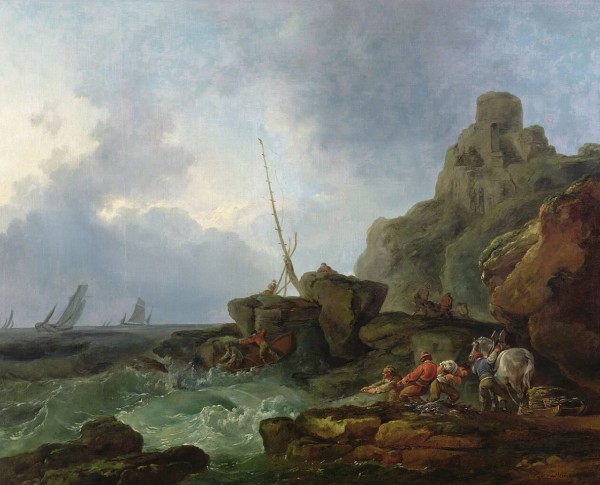
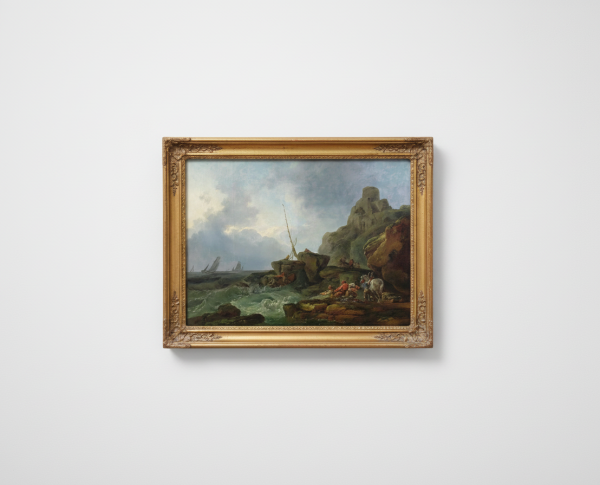
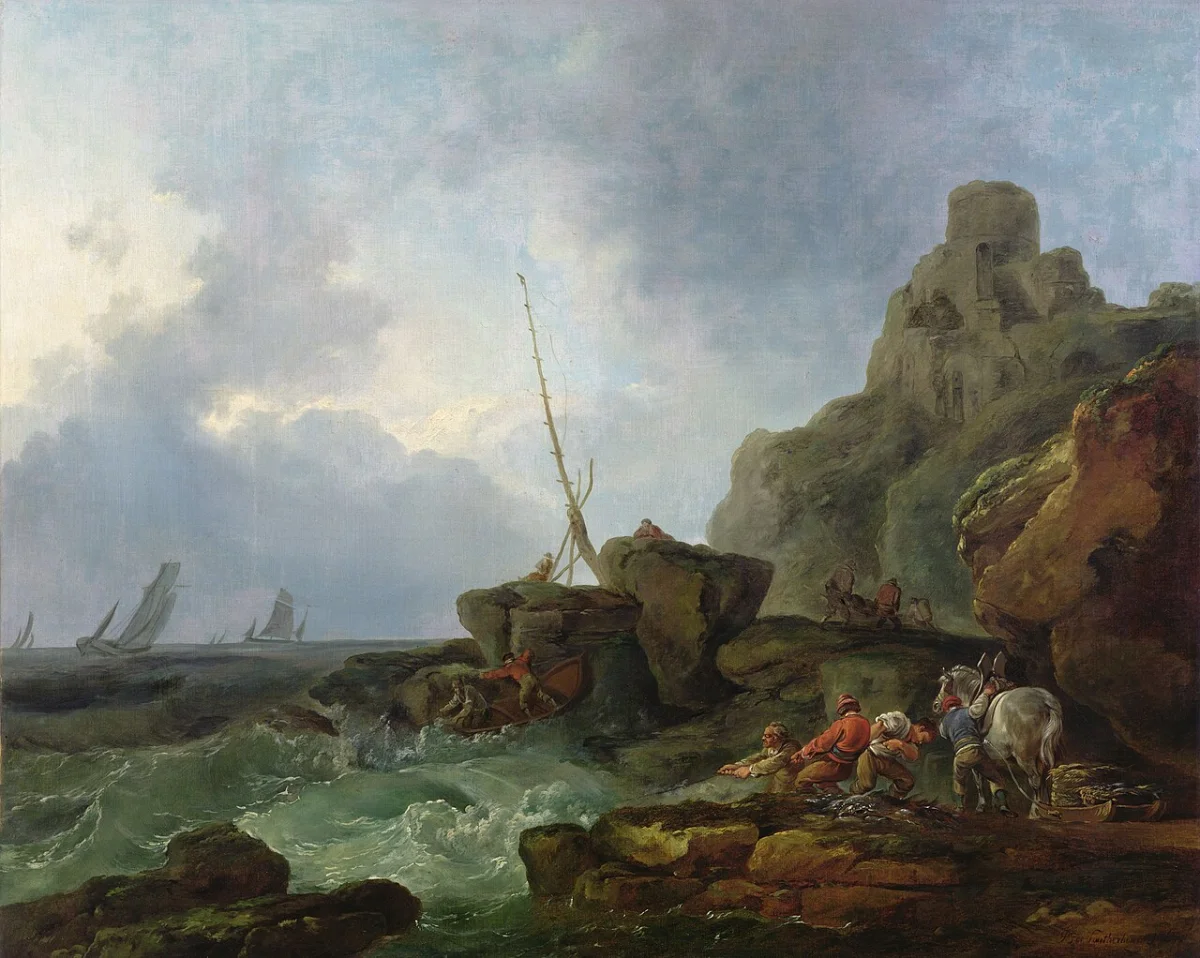
William Holbrook Beard’s mastery of oil on canvas is evident in every detail of "The Lost Balloon." His brushwork, combined with Romanticism’s emphasis on emotional depth, brings the scene to life with vivid colors and dramatic contrasts. This technique aligns with other celebrated works such as "Fishermen at Sea" and "Marine," showcasing Beard’s ability to evoke atmosphere. The painting’s nuanced textures and careful composition highlight the enduring appeal of oil on canvas in fine art.
Emotions on Display
"The Lost Balloon" radiates the intense emotions characteristic of Romanticism, evoking a sense of wonder and melancholy. Beard’s depiction of the drifting balloon mirrors themes of longing and exploration, similar to those found in "Portrait of a Gentleman." The figures and landscape communicate vulnerability and hope, inviting viewers to connect personally with the scene. This fine art painting for sale continues to resonate with audiences who seek works that stir the soul and ignite the imagination.
Coveted by Collectors
Coveted by collectors worldwide, "The Lost Balloon" by William Holbrook Beard holds a prized place among Romanticism artworks. Its striking imagery and expert execution make it a sought-after hand-painted oil painting. Collectors often compare its desirability to masterpieces like "The Wanderer above the Mists 1817-18" and "The Slave Ship." As a fine art painting for sale, it represents both artistic achievement and a valuable investment in the world of nineteenth-century art.
Related Romanticism Hand-Painted Oil Paintings by Other Artists
Other Famous Romanticism Artists:
Frequently Asked Questions About The Lost Balloon
What is the historical context of "The Lost Balloon"?
"The Lost Balloon," painted by William Holbrook Beard in the late 19th century, reflects the era's fascination with both the natural world and the burgeoning field of ballooning, which was a symbol of human innovation and exploration during that time.
What artistic techniques did William Holbrook Beard employ in this painting?
Beard utilized a combination of realism and romanticism in "The Lost Balloon," employing detailed brushwork to capture the textures of the landscape and the ethereal quality of the balloon, creating a sense of movement and emotion.
What symbolism is present in "The Lost Balloon"?
The balloon in the painting symbolizes aspirations and dreams, while its loss can be interpreted as a commentary on the fleeting nature of hope and the inevitability of loss in human experience.
How does "The Lost Balloon" reflect the themes of nature and humanity?
The painting juxtaposes the vastness of the natural landscape with the delicate, man-made balloon, highlighting the tension between human ambition and the overwhelming power of nature.
What influences can be seen in Beard's style in "The Lost Balloon"?
Beard's style in this work shows influences from the Hudson River School, particularly in his attention to light and atmosphere, as well as a focus on the sublime aspects of nature.
What emotions does "The Lost Balloon" evoke in viewers?
The painting elicits a sense of nostalgia and longing, inviting viewers to reflect on their own experiences of loss and the transient nature of life.
In what ways does "The Lost Balloon" serve as a commentary on the human condition?
The painting serves as a poignant reminder of the fragility of human endeavors and the inevitability of setbacks, encapsulating the duality of ambition and vulnerability inherent in the human experience.
What role does color play in "The Lost Balloon"?
Beard's use of color in "The Lost Balloon" enhances the emotional impact of the scene, with soft, muted tones conveying a sense of melancholy, while brighter hues in the sky suggest hope and possibility.
How does "The Lost Balloon" compare to other works by William Holbrook Beard?
Compared to Beard's other works, "The Lost Balloon" stands out for its emotional depth and thematic exploration of loss, while many of his other paintings focus more on wildlife and humor.
What is the significance of the balloon's position in the painting?
The balloon's position, drifting away from the viewer, symbolizes the unattainable nature of dreams and aspirations, suggesting that while we may strive for greatness, some things remain just out of reach.






















_GFM_Painting_(1).webp)


 100% Hand-Painted: Finished in 3-6 Weeks

.png)















_(1).webp)