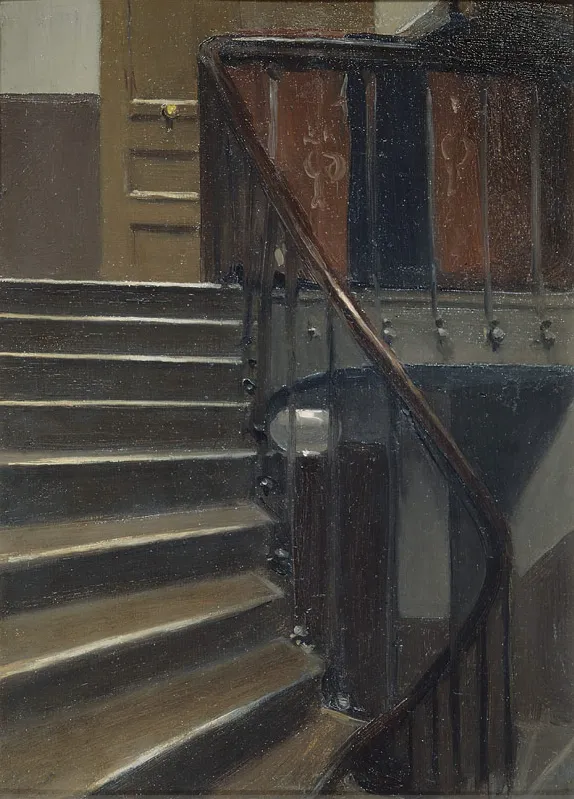
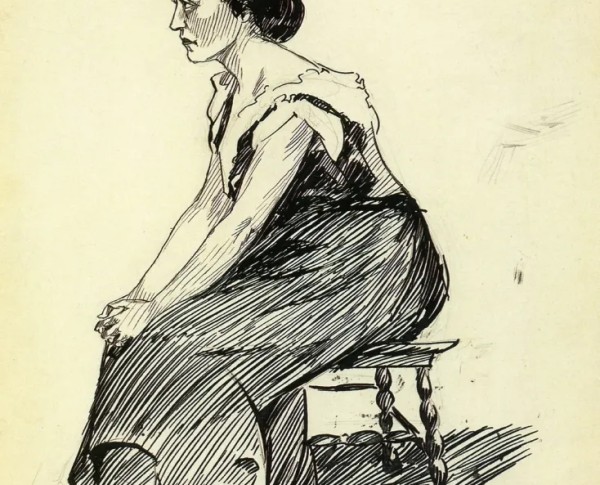
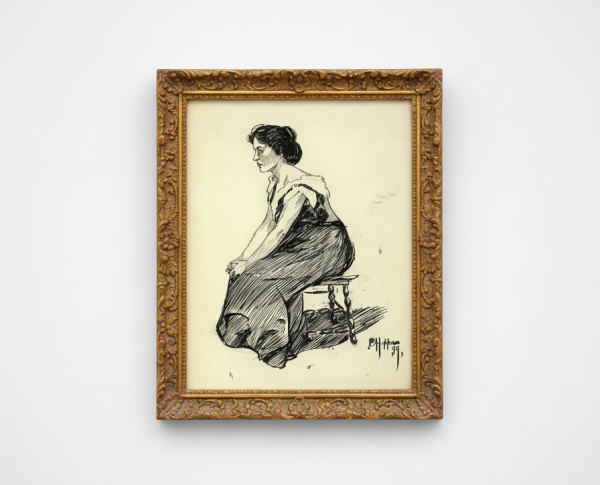
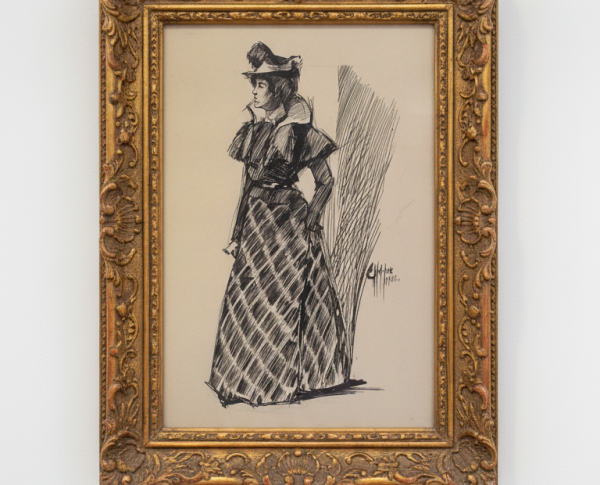
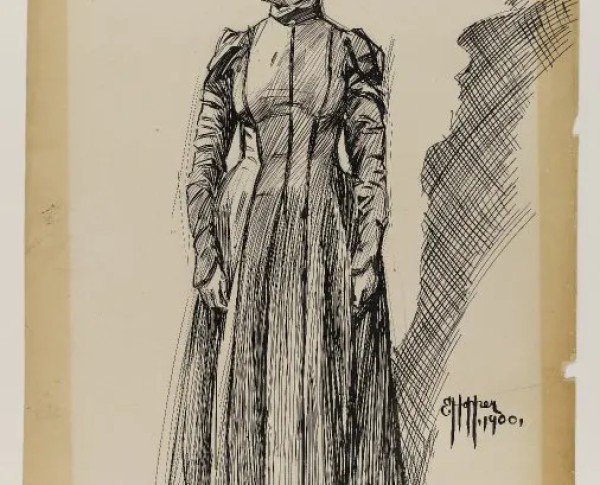
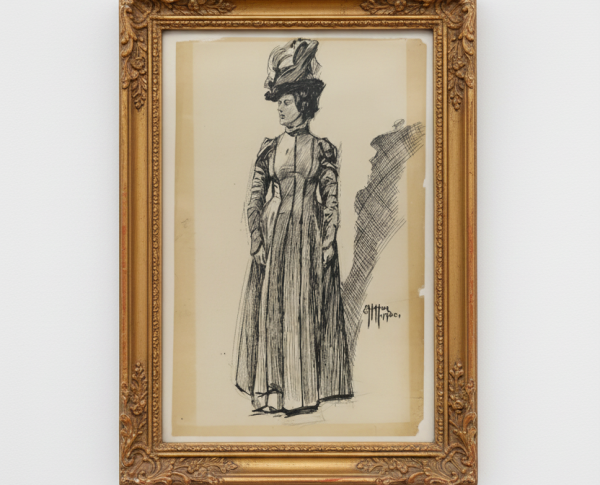
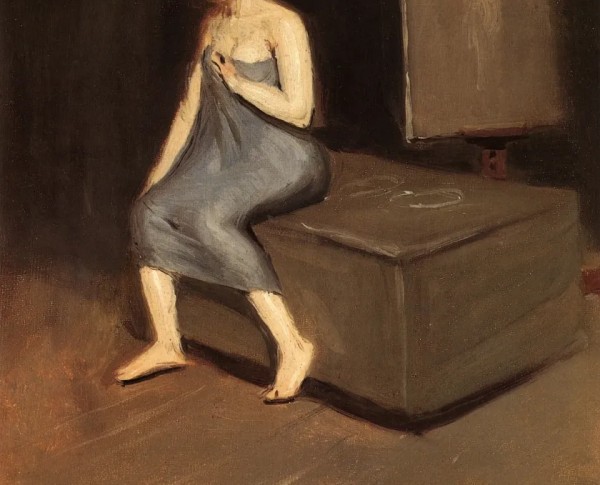
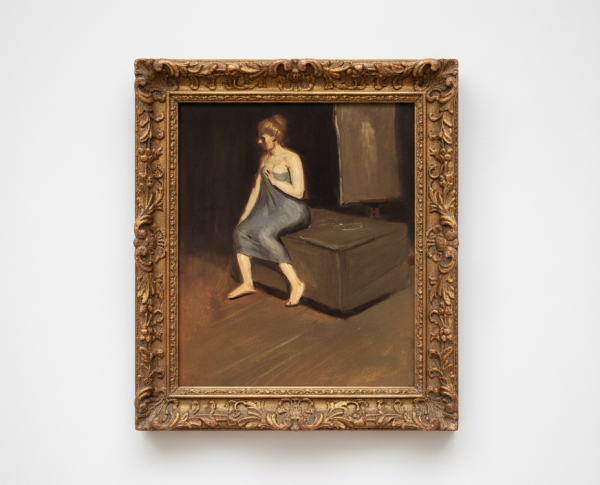
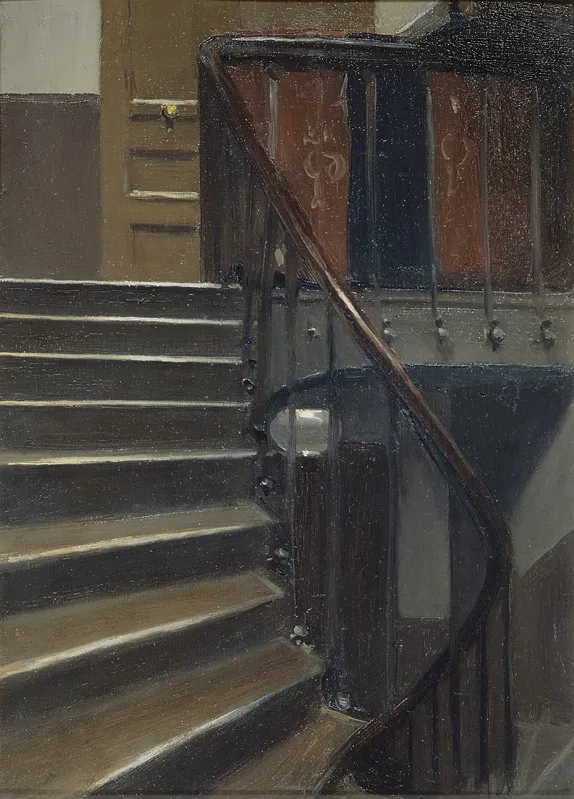
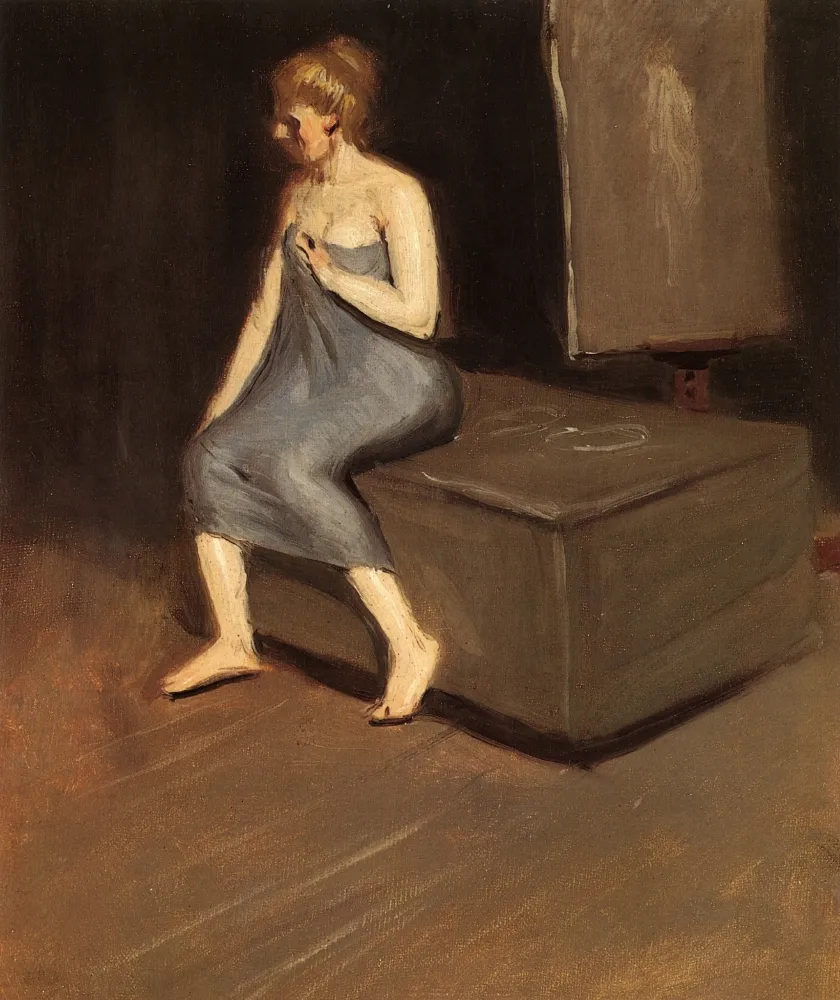
Hopper’s exceptional technique is evident in every brushstroke of this oil on canvas, where light, shadow, and subtle color harmonies create a compelling sense of place. The "Stairway at 48 rue de Lille, Paris" exemplifies the precision and emotion synonymous with the American Realism movement. Art enthusiasts will find echoes of this artistry in products like "Model in Towel" and "Sitting on Box," which also showcase Hopper’s mastery of mood and composition.
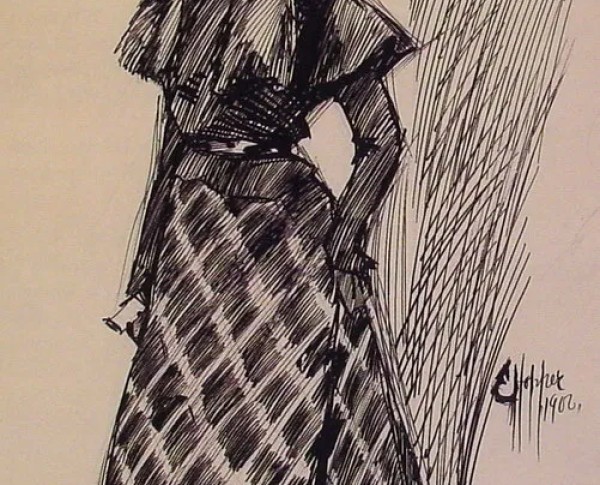
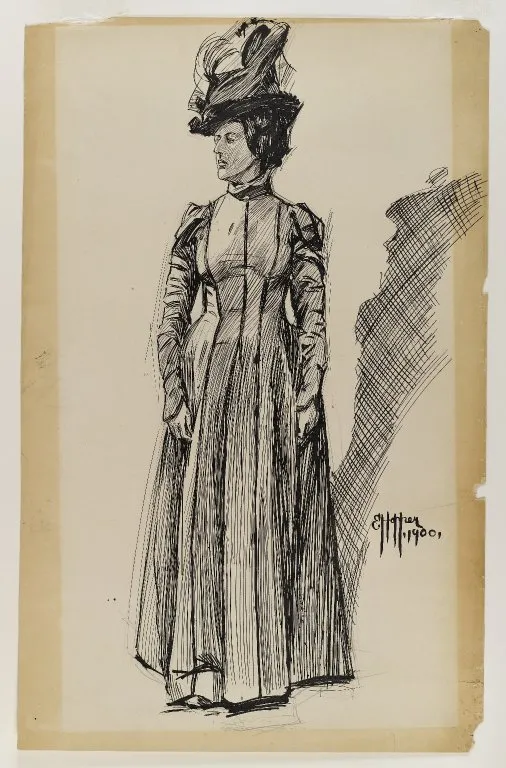
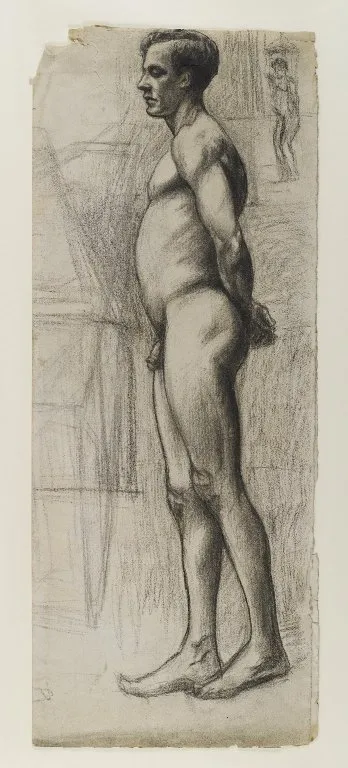
"Stairway at 48 rue de Lille, Paris" by Edward Hopper is more than a fine art painting for sale—it is a window into stories untold. The stairway, bathed in quiet light, becomes a symbol of transition and introspection, hallmarks of the American Realism movement. Fans of Hopper’s narrative style may also be drawn to related works such as "Standing Female Figure" and "Male Nude," which similarly invite personal interpretation.
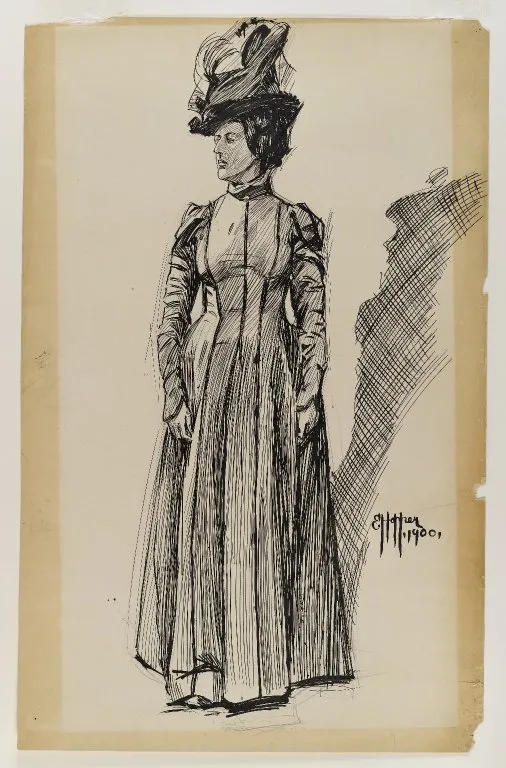
For collectors, owning "Stairway at 48 rue de Lille, Paris" means possessing a hand-painted oil painting that embodies the spirit of American Realism and the genius of Edward Hopper. This piece, along with related products like "Study of a Standing Woman" and "Model in Towel," represents a significant addition to any fine art collection. Each artwork offers a timeless appeal, making them sought-after treasures for discerning art lovers.
When Art Meets History
Edward Hopper’s "Stairway at 48 rue de Lille, Paris" stands as a remarkable example of American Realism, capturing the quiet beauty of everyday life. This hand-painted oil painting was created during Hopper’s formative years in Paris, a period that deeply influenced his artistic vision. Similar to other iconic works such as "A Friend in Need" and "No Graft Here," this piece offers a window into the era’s ambiance, making it an essential addition to any fine art collection.
Techniques That Speak
Hopper’s mastery of oil on canvas is evident in "Stairway at 48 rue de Lille, Paris," where the textured brushstrokes and subtle play of light evoke a sense of stillness and introspection. The artist’s approach, much like in "A Bachelor’s Dog" and "Dream of the Fisherman’s Wife," demonstrates the power of American Realism to transform ordinary moments into extraordinary visual stories. Each layer of paint tells its own tale, enriching the viewer’s experience of this evocative artwork.
Emotions on Display
This fine art painting for sale resonates with the quiet solitude characteristic of Hopper’s best works. "Stairway at 48 rue de Lille, Paris" invites viewers to reflect on their own experiences, much as "Dogs Playing Poker" does with its playful yet poignant narrative. The painting’s muted tones and careful composition evoke a sense of contemplation, embodying the emotional depth that defines the American Realism movement and making it a sought-after piece for collectors and art lovers alike.
Coveted by Collectors
Collectors seeking a unique hand-painted oil painting will find "Stairway at 48 rue de Lille, Paris" by Edward Hopper an exceptional choice. This work, alongside related paintings like "No Graft Here" and "A Friend in Need," represents a pinnacle of American Realism. Its historical significance, coupled with Hopper’s signature style, ensures its desirability in the art market. Owning such a masterpiece is a testament to one’s appreciation for timeless artistry and cultural heritage.
Related American Realism Hand-Painted Oil Paintings by Other Artists
Other Famous American Realism Artists:
Frequently Asked Questions About Stairway at 48 rue de Lille, Paris
What is the historical context of "Stairway at 48 rue de Lille, Paris"?
"Stairway at 48 rue de Lille, Paris" was painted in 1927, during a period when Edward Hopper was exploring themes of solitude and urban life. This era in Paris was marked by significant artistic movements, including Surrealism and Modernism, influencing Hopper's unique perspective.
What artistic techniques did Edward Hopper use in this painting?
Hopper employed a distinctive use of light and shadow to create depth and mood in "Stairway at 48 rue de Lille, Paris." His characteristic brushwork and color palette evoke a sense of stillness and introspection, common in his body of work.
What themes are explored in "Stairway at 48 rue de Lille, Paris"?
The painting explores themes of isolation, urban solitude, and the passage of time. Hopper often depicted scenes that evoke a sense of quiet introspection, reflecting the emotional landscape of modern life.
How does this painting reflect Hopper's overall artistic style?
"Stairway at 48 rue de Lille, Paris" exemplifies Hopper's signature style characterized by stark contrasts, geometric forms, and an emphasis on light. His ability to convey mood through architectural elements is a hallmark of his work.
What is the significance of the stairway in this painting?
The stairway serves as a metaphor for transition and movement, symbolizing both physical and emotional journeys. It invites viewers to contemplate the spaces between moments and the narratives that unfold within them.
In what ways does "Stairway at 48 rue de Lille, Paris" reflect the influence of European art movements?
The painting reflects the influence of European art movements such as Impressionism and Post-Impressionism, particularly in its treatment of light and color. Hopper's time in Paris allowed him to absorb these influences, which he integrated into his own unique style.
What emotions does Hopper evoke through the composition of this painting?
The composition evokes feelings of melancholy and contemplation. The solitary stairway, framed by shadows, creates an atmosphere that encourages viewers to reflect on their own experiences of solitude and connection.
How does this painting fit into Hopper's broader body of work?
"Stairway at 48 rue de Lille, Paris" fits into Hopper's broader body of work as a quintessential example of his exploration of urban life and isolation. It shares thematic and stylistic elements with other notable works, reinforcing his focus on the human condition.
What was Hopper's relationship with Paris, and how did it influence this painting?
Hopper's relationship with Paris was one of admiration and inspiration. His time in the city allowed him to engage with its vibrant art scene, which influenced his artistic development and the themes he explored in works like "Stairway at 48 rue de Lille, Paris."
What is the legacy of "Stairway at 48 rue de Lille, Paris" in the context of American art?
The legacy of "Stairway at 48 rue de Lille, Paris" lies in its embodiment of the American experience of modernity and urban life. It has influenced countless artists and remains a significant work in the canon of American art, showcasing Hopper's unique vision and emotional depth.






















_GFM_Painting_(1).webp)


 100% Hand-Painted: Finished in 3-6 Weeks

.png)















_(1).webp)