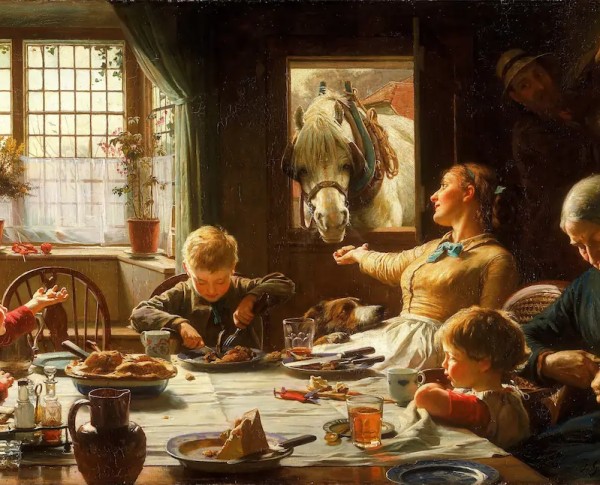
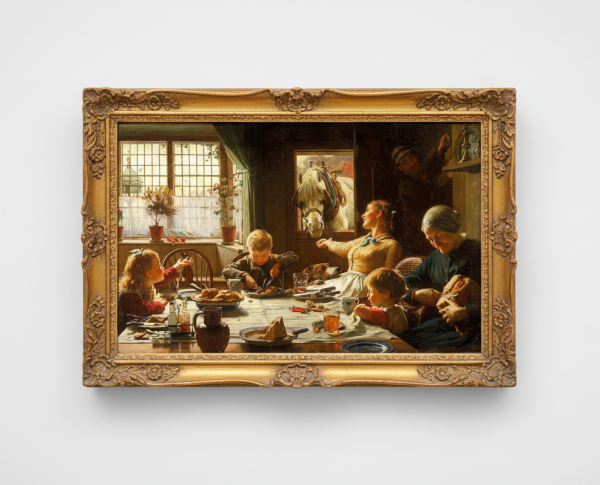
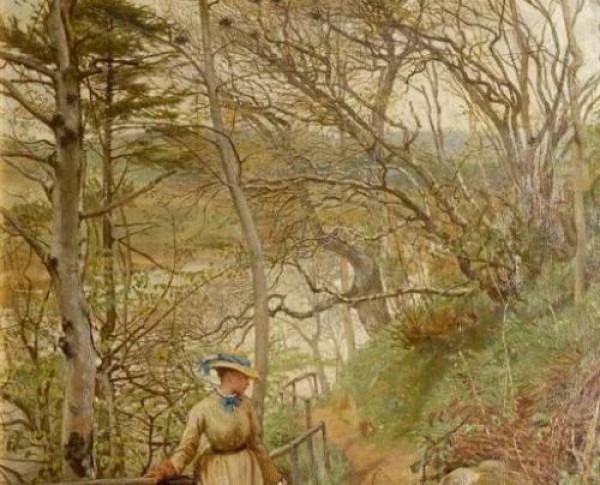
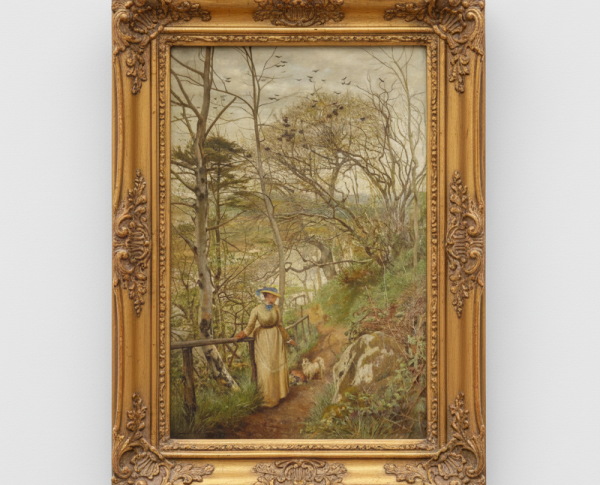
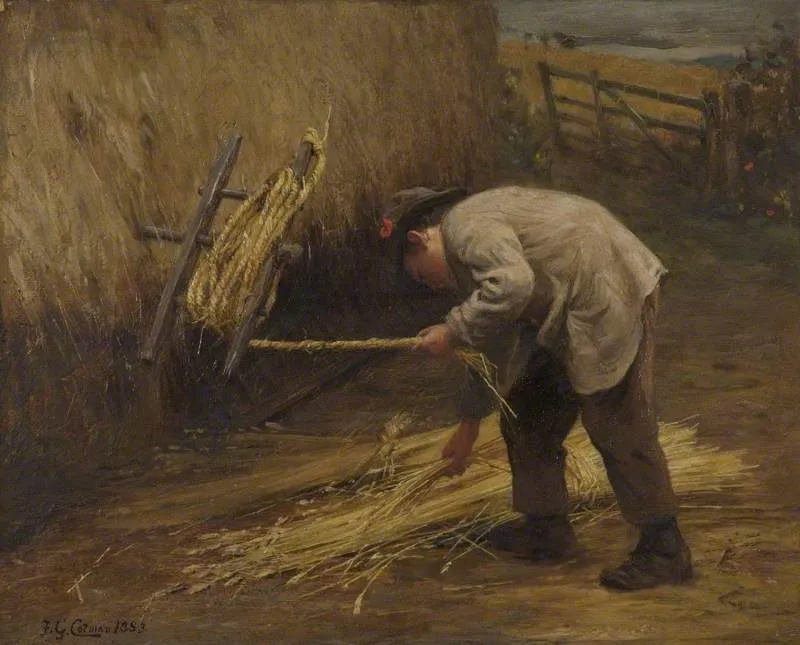
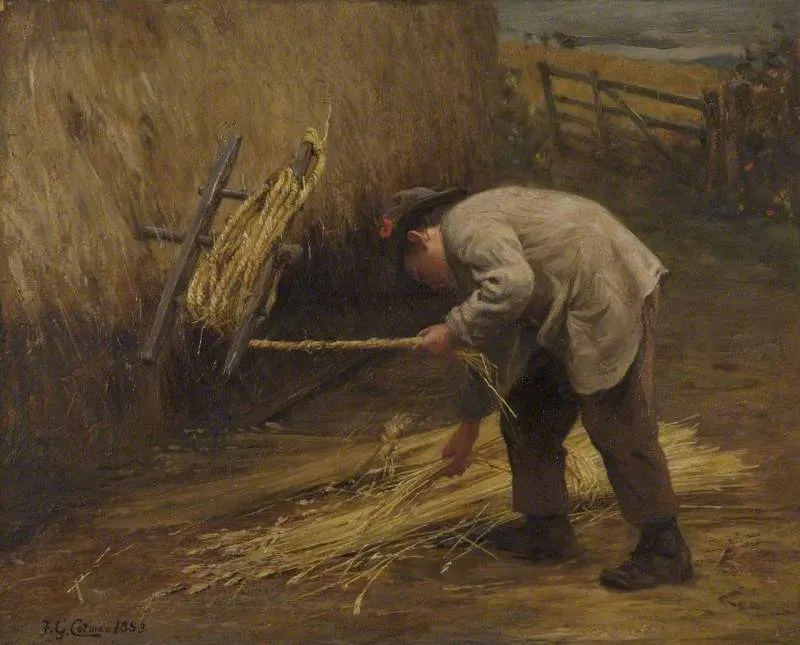
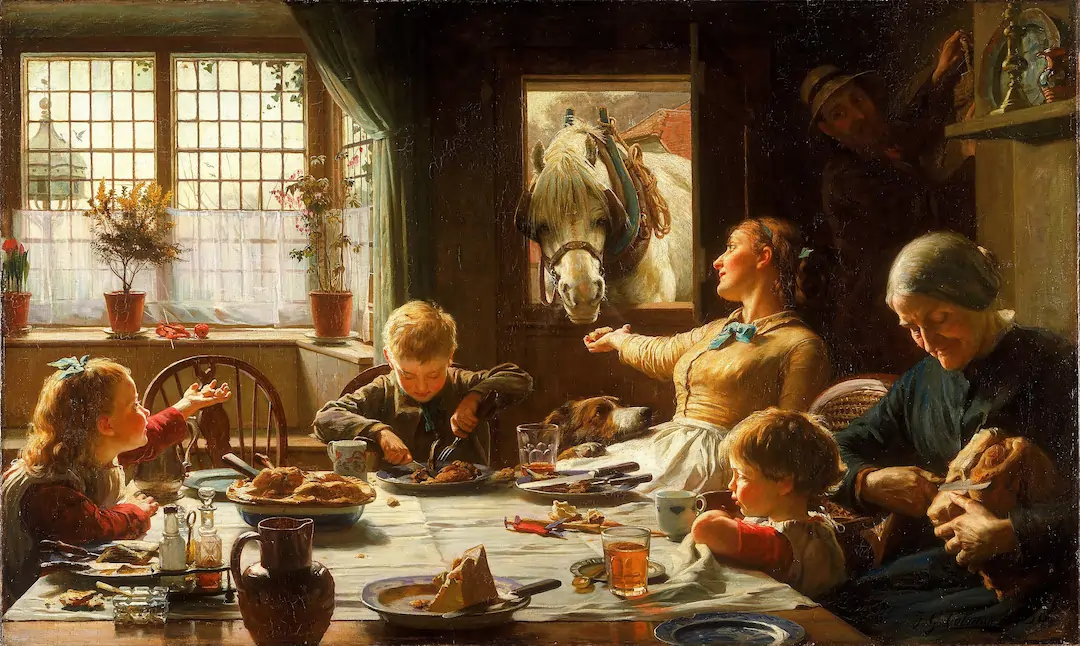
The meticulous brushwork in "Spinning Thatch Bands" demonstrates Cotman’s exceptional command of oil on canvas. Every stroke reveals the artist’s deep understanding of light and texture, hallmarks of the Post-Impressionism movement. Similar to his works "From Shade to Sunshine" and "One Of The Family," this painting showcases Cotman’s skill in rendering atmosphere and emotion. The technique highlights why his paintings remain celebrated among art enthusiasts and collectors worldwide.
"Spinning Thatch Bands" is more than a mere depiction of rural life; it is a narrative woven with cultural significance. Frederick George Cotman’s attention to detail invites viewers to uncover the stories and symbols within this fine art painting for sale. Like "Christ Church Ferry" and "Sunday Morning," Cotman’s work often explores themes of tradition and community, making each piece a rich tapestry of meaning that resonates through generations and appeals to discerning collectors.
Owning "Spinning Thatch Bands" by Frederick George Cotman means possessing a remarkable example of Post-Impressionism. This hand-painted oil painting is highly sought after, much like his related works "The Widow" and "Morning Mist on the Orwell." As a collector’s treasure, it not only enriches any art collection but also serves as a valuable investment. The painting’s authenticity and historical significance make it a standout piece among those looking for exceptional art.
When Art Meets History
"Spinning Thatch Bands" by Frederick George Cotman is a remarkable example of Post-Impressionism, a movement that bridged the gap between Impressionist spontaneity and modern artistic innovation. This hand-painted oil painting captures a moment in rural history, reflecting Cotman's fascination with daily life. Like "The Drinkers" and "Martinique Landscape," Cotman's work is rooted in authentic settings, making it a treasured piece for those interested in the evolution of art and the stories behind each stroke.
Techniques That Speak
Frederick George Cotman's mastery is evident in his use of oil on canvas, a medium favored by many Post-Impressionist artists. In "Spinning Thatch Bands," his brushwork conveys both texture and movement, echoing the tactile qualities seen in "Vase of Flowers" and "Starry Night." The interplay of light and color demonstrates Cotman's technical prowess, making this painting a standout example of Post-Impressionist technique and a testament to the enduring appeal of oil painting.
Emotions on Display
"Spinning Thatch Bands" evokes a sense of nostalgia and quiet industry, hallmarks of Frederick George Cotman's approach within the Post-Impressionism movement. The painting's intimate atmosphere draws viewers into the daily rhythms of rural life, much as "Canal" and "Starry Night" evoke their own moods. This fine art painting for sale is celebrated for its ability to convey both serenity and the subtle emotional undercurrents present in Cotman’s subjects.
Coveted by Collectors
As a hand-painted oil painting by Frederick George Cotman, "Spinning Thatch Bands" holds great appeal for collectors of Post-Impressionism. Its connection to related masterpieces like "The Drinkers" and "Vase of Flowers" enhances its desirability. With its rich historical context and skilled execution, this artwork stands as a prime example of fine art painting for sale, sought after by enthusiasts who appreciate both artistic heritage and investment value.
Related Post-Impressionism Hand-Painted Oil Paintings by Other Artists
Other Famous Post-Impressionism Artists:
Frequently Asked Questions About Spinning Thatch Bands
What is the historical context of "Spinning Thatch Bands"?
"Spinning Thatch Bands" was created during the early 20th century, a period marked by significant artistic movements such as Impressionism and Post-Impressionism. This era saw artists exploring new techniques and subjects, often influenced by the changing social and economic landscapes of their time.
What artistic techniques did Frederick George Cotman employ in this painting?
Cotman utilized a combination of brushwork and color theory to create depth and texture in "Spinning Thatch Bands." His use of light and shadow enhances the three-dimensional quality of the figures and the surrounding environment, a hallmark of his artistic style.
What themes are prevalent in "Spinning Thatch Bands"?
The painting explores themes of labor and community, depicting the traditional practice of thatching. It reflects the connection between people and their environment, emphasizing the importance of craftsmanship and the cultural heritage associated with rural life.
How does "Spinning Thatch Bands" reflect the artist's style?
This work exemplifies Cotman's characteristic approach to landscape and figure painting, blending realism with a touch of romanticism. His attention to detail and the portrayal of everyday life are central to his artistic identity.
What symbolic meanings can be derived from the elements in the painting?
The thatch bands themselves symbolize resilience and the continuity of tradition. They represent the labor-intensive process of maintaining cultural practices, serving as a metaphor for the strength and unity found within communities.
In what ways does "Spinning Thatch Bands" connect to the broader art movements of its time?
The painting connects to the broader art movements of its time by embracing naturalism and the depiction of everyday scenes. It aligns with the Impressionist focus on capturing fleeting moments and the essence of life, while also reflecting a growing appreciation for rural subjects.
What influences can be seen in Cotman's work in "Spinning Thatch Bands"?
Cotman's work shows influences from both English landscape painting and the European avant-garde movements. His ability to blend traditional techniques with modern sensibilities is evident in the composition and color palette of this piece.
How does the composition of "Spinning Thatch Bands" contribute to its overall impact?
The composition is carefully balanced, drawing the viewer's eye across the painting. The arrangement of figures and the dynamic lines of the thatch bands create a sense of movement, enhancing the narrative quality of the artwork and inviting contemplation.
What role does light play in "Spinning Thatch Bands"?
Light plays a crucial role in "Spinning Thatch Bands," as it highlights the textures of the thatch and the figures' expressions. Cotman's use of natural light not only adds realism but also evokes emotional resonance, emphasizing the warmth of the scene.
What can "Spinning Thatch Bands" teach us about the culture of its time?
The painting serves as a visual document of rural life and the significance of traditional crafts in early 20th-century society. It highlights the value placed on community and the preservation of cultural practices, offering insights into the social dynamics of the era.























_GFM_Painting_(1).webp)


 100% Hand-Painted: Finished in 3-6 Weeks

.png)















_(1).webp)