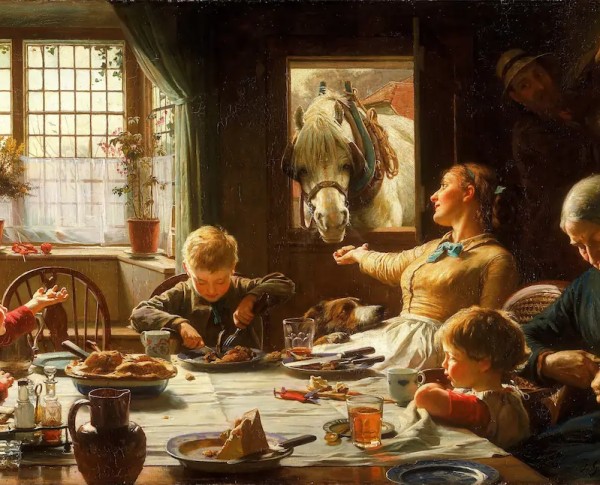
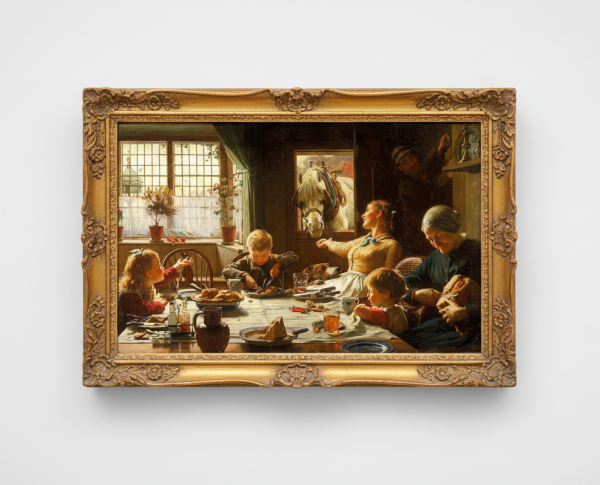
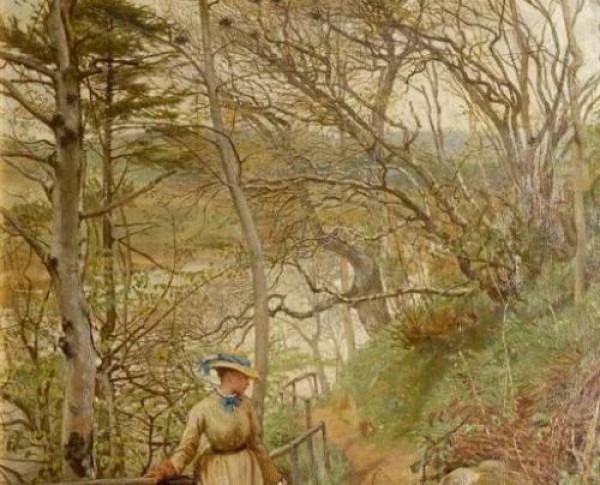
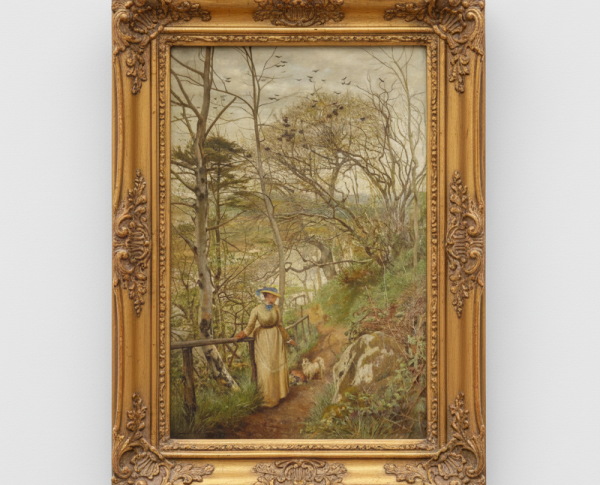
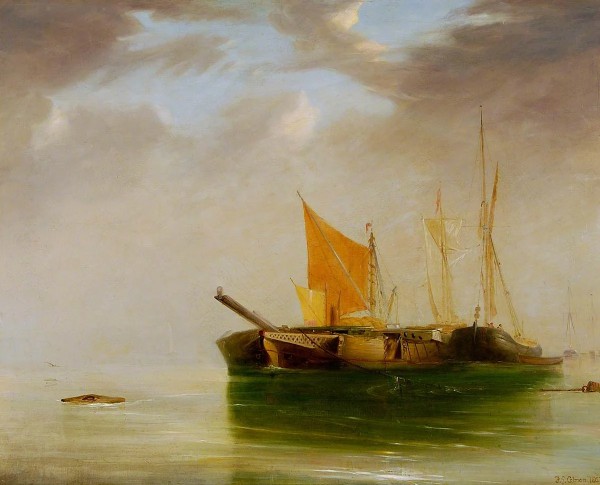
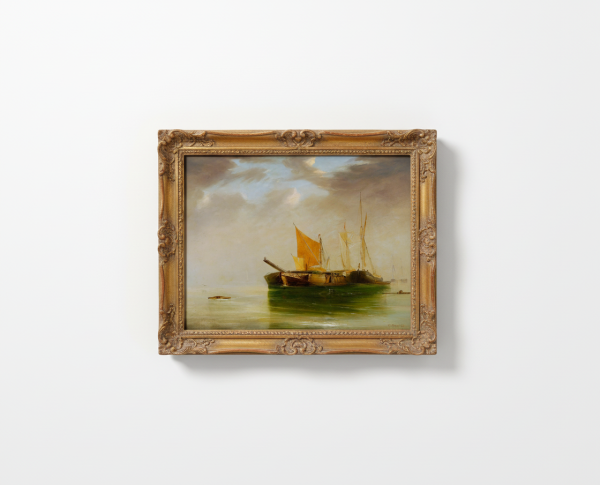
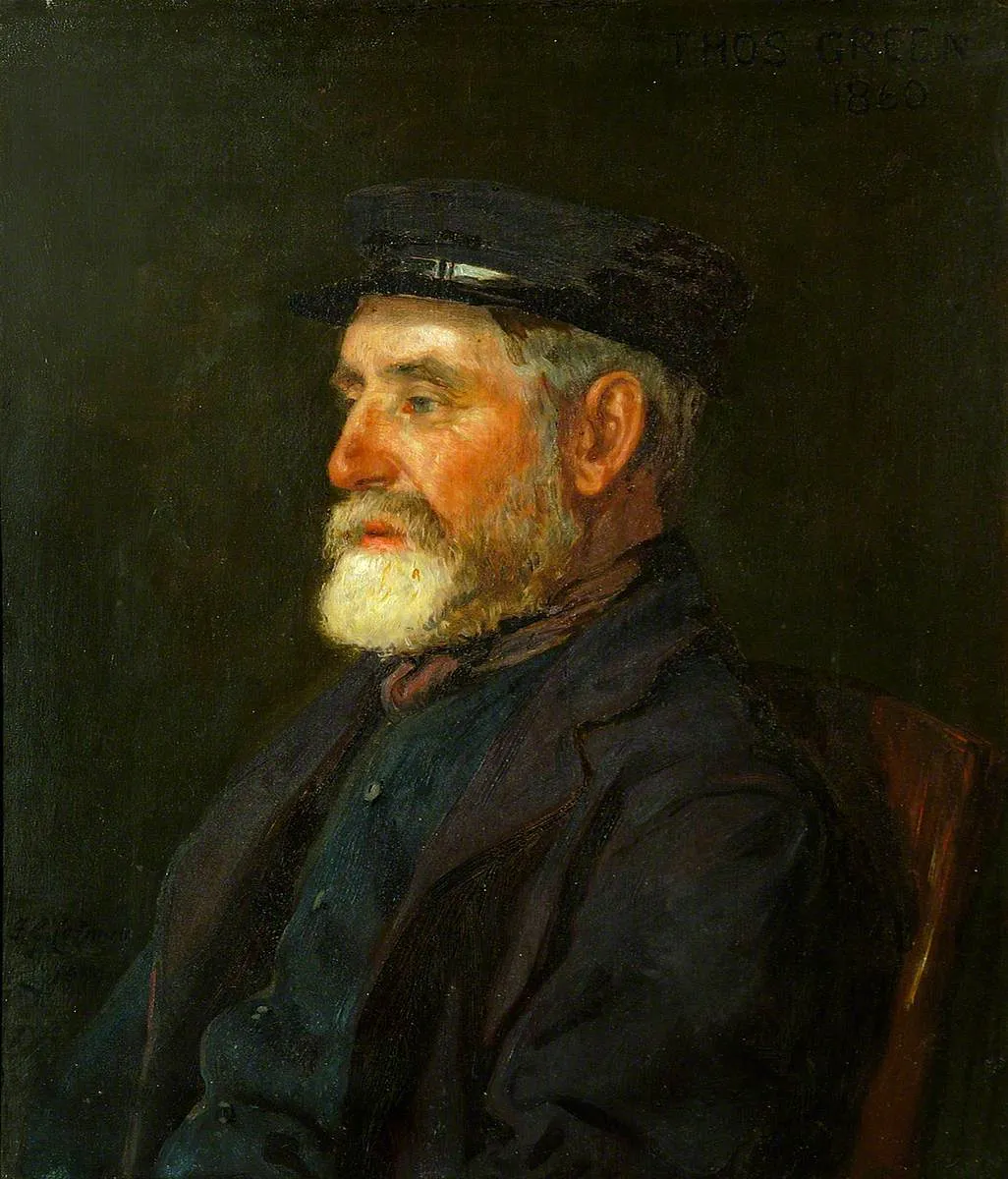
Frederick George Cotman’s "Thomas Green" showcases his exceptional technique with oil on canvas, a medium he mastered to evoke depth and vibrancy. The painting’s surface reveals a careful balance of color and texture, characteristic of the Post-Impressionism movement. Those drawn to Cotman’s style often explore other fine pieces like "Sunday Morning" or "The Dame School," each demonstrating his ability to breathe life into everyday subjects through the timeless medium of oil on canvas.
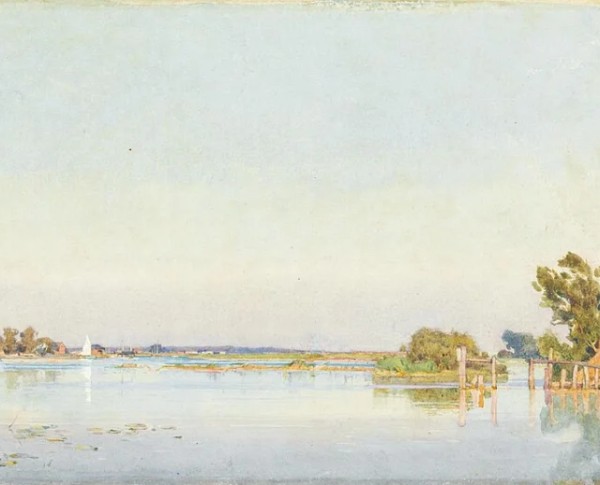
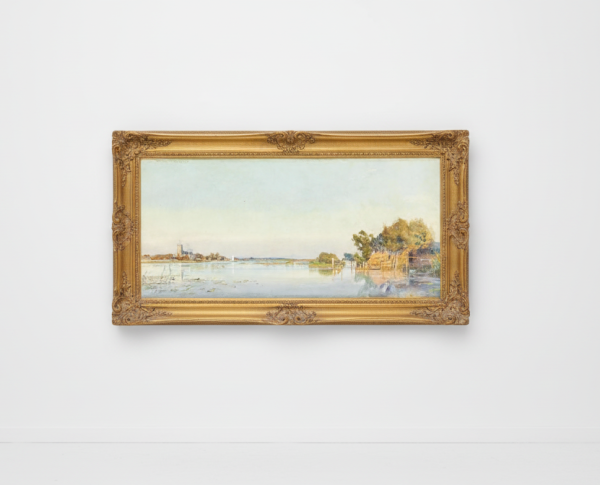
In "Thomas Green," Cotman weaves subtle narratives and symbols within the composition, inviting viewers to interpret the sitter’s story. As a fine art painting for sale, it appeals to those who value layered meaning and the nuanced expressions of the Post-Impressionism era. Collectors intrigued by Cotman’s storytelling might also consider "Morning Mist on the Orwell" or "Spinning Thatch Bands" to further explore the artist’s rich visual language and symbolic depth.
Owning "Thomas Green" by Frederick George Cotman means possessing a hand-painted oil painting that embodies the spirit of Post-Impressionism. This fine art painting for sale is highly sought after by collectors who appreciate Cotman’s legacy and the movement’s influence. Enhance your collection with related masterpieces such as "Fisherman at His Nets" or "Sunday Morning," and experience the enduring appeal and investment value of authentic, expertly crafted art.
When Art Meets History
"Thomas Green" by Frederick George Cotman stands as a testament to the enduring power of the Post-Impressionism movement. This hand-painted oil painting captures not only the likeness of its subject but also the historical context of its creation. Cotman’s work sits alongside masterpieces like "Wheat Field with a Lark" and "Self-portrait with hat," reflecting a period where artists broke traditional boundaries and embraced new forms of expression in their fine art painting for sale.
Techniques That Speak
Frederick George Cotman’s mastery is evident in every brushstroke of "Thomas Green," a stunning oil on canvas. His deft use of color and light embodies the Post-Impressionist approach, creating a vivid atmosphere reminiscent of related works such as "Old Woman Seen from Behind" and "Working the land." The textured layers and bold palette choices highlight Cotman's ability to evoke emotion and depth, making this oil on canvas a remarkable example of the movement’s innovative techniques.
Emotions on Display
"Thomas Green" is more than a portrait; it’s an exploration of human emotion through the lens of Post-Impressionism. Frederick George Cotman infuses the subject with a quiet dignity, echoing the introspective qualities found in "Driveway" and similar works. The hand-painted oil painting draws viewers into the sitter’s world, making them reflect on the emotional subtleties captured by Cotman. This connection is what elevates "Thomas Green" among fine art painting for sale today.
Coveted by Collectors
Collectors highly prize "Thomas Green" for its historical significance and Cotman’s Post-Impressionist technique. As an oil on canvas, it shares the esteemed company of related paintings like "Wheat Field with a Lark" and "Working the land." The fine art painting for sale market values such pieces for their craftsmanship and provenance, making "Thomas Green" a sought-after addition to any serious collection focused on the Post-Impressionist era and Frederick George Cotman’s legacy.
Related Post-Impressionism Hand-Painted Oil Paintings by Other Artists
Other Famous Post-Impressionism Artists:
Frequently Asked Questions About Thomas Green
What is the historical context of "Thomas Green"?
"Thomas Green" was painted during the early 19th century, a period marked by significant social and political changes in England. This era saw the rise of the Industrial Revolution, which influenced many artists, including Frederick George Cotman, who often depicted the relationship between nature and humanity.
Who is the subject of the painting "Thomas Green"?
The painting features Thomas Green, a notable figure in the local community, whose life and contributions reflect the values and challenges of his time. His portrayal serves as a representation of the common man during a transformative period in British history.
What artistic techniques did Frederick George Cotman employ in "Thomas Green"?
Cotman utilized a combination of realistic detail and expressive brushwork to convey the character of Thomas Green. His use of light and shadow enhances the three-dimensionality of the subject, while his color palette reflects the natural tones of the environment.
What symbolism can be found in "Thomas Green"?
The painting symbolizes the connection between humanity and nature, as Thomas Green is depicted in a pastoral setting. This reflects the Romantic ideals of the time, emphasizing the importance of individual experience and the beauty of the natural world.
How does "Thomas Green" reflect the artistic movements of its time?
"Thomas Green" embodies elements of Romanticism, particularly in its focus on emotion and the individual. Cotman's work also shows influences of realism, capturing the authenticity of his subject while celebrating the beauty of the English landscape.
What materials were used in the creation of "Thomas Green"?
The painting was created using oil on canvas, a medium favored by many artists of the period for its versatility and richness in color. This choice allowed Cotman to achieve depth and texture in his representation of Thomas Green.
What is the significance of the background in "Thomas Green"?
The background of the painting features a lush landscape that not only enhances the subject but also serves as a metaphor for the harmony between man and nature. It reflects the pastoral ideal that was prevalent in Romantic art, suggesting a simpler, more idyllic way of life.
How does "Thomas Green" compare to other works by Frederick George Cotman?
What themes are prevalent in "Thomas Green"?
The themes of identity, community, and the relationship between man and nature are central to "Thomas Green." The painting invites viewers to reflect on the significance of individual lives within the larger tapestry of society and the natural world.
Where can I view "Thomas Green"?
"Thomas Green" is part of our permanent collection and can be viewed in the 19th-century British art section of the gallery. We encourage visitors to explore this work in person to fully appreciate its historical and artistic significance.























_GFM_Painting_(1).webp)


 100% Hand-Painted: Finished in 3-6 Weeks

.png)















_(1).webp)