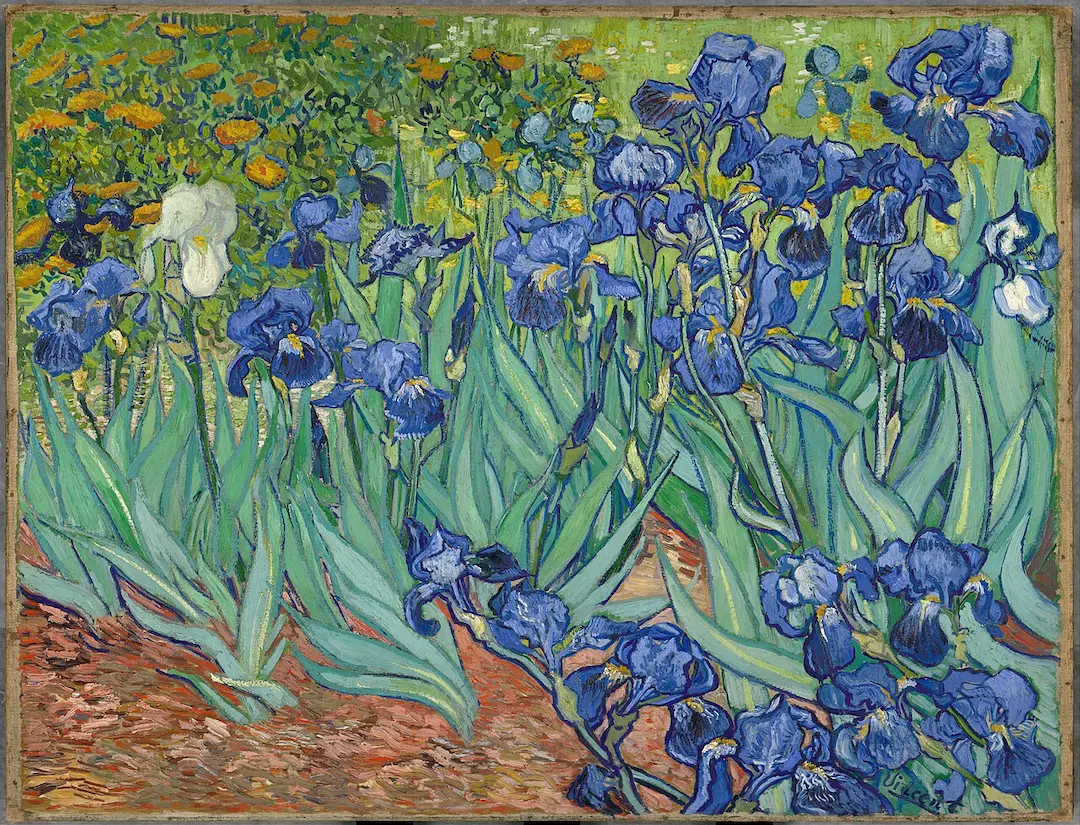
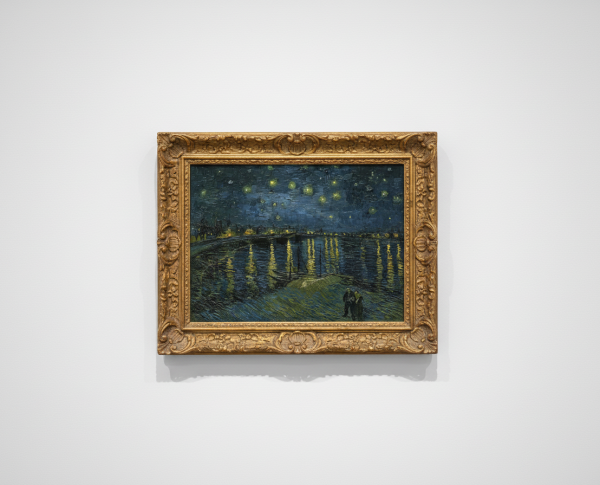
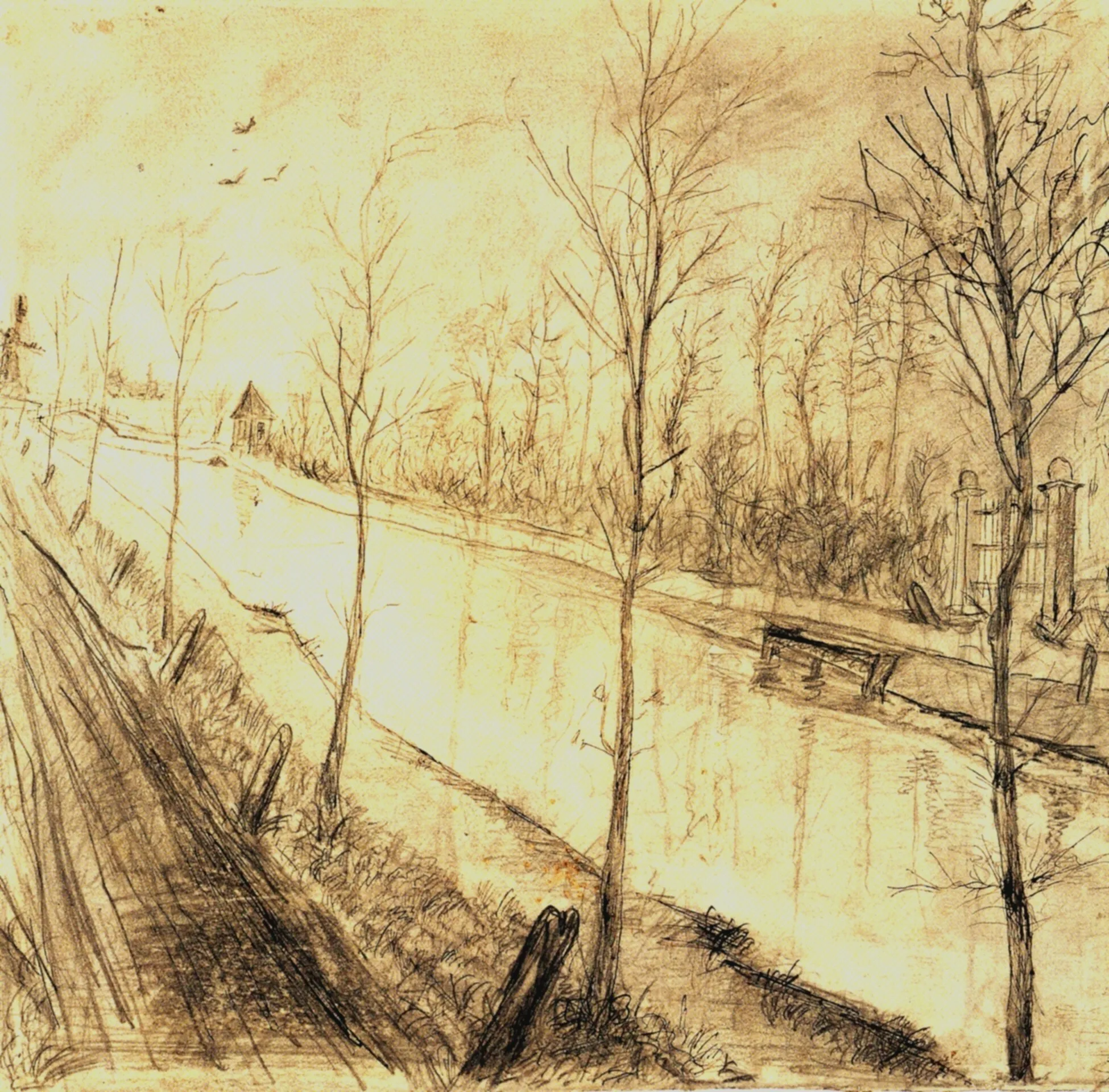
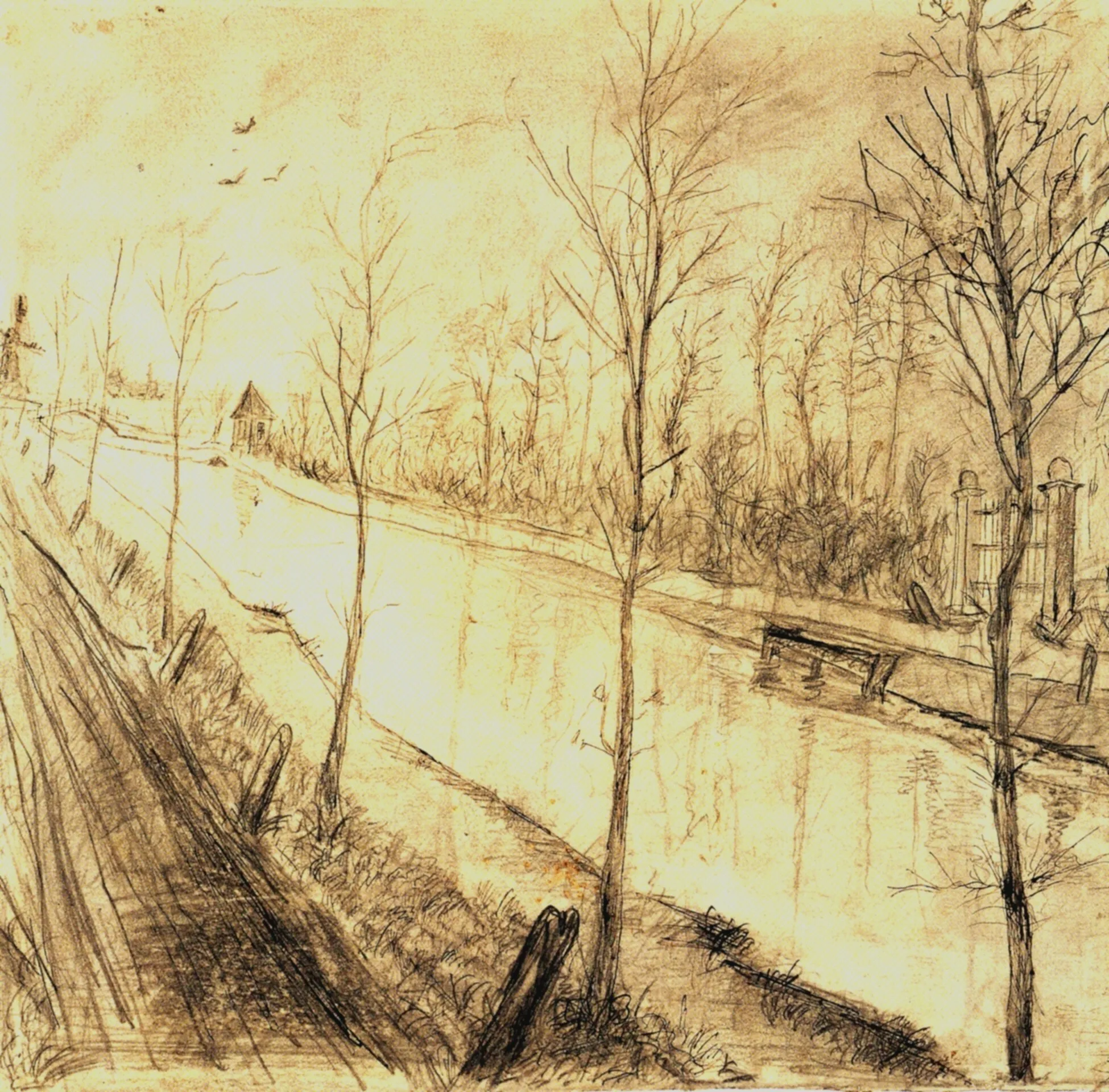
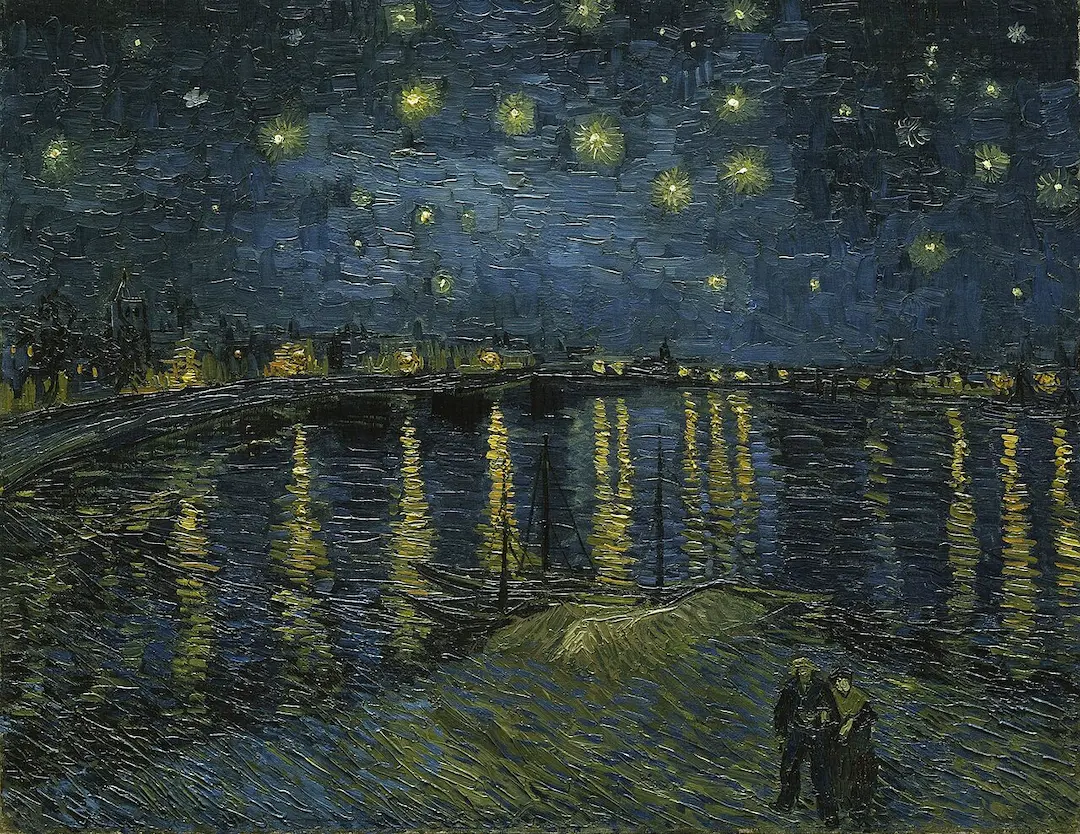
The “Canal” showcases Van Gogh’s mastery of the oil on canvas medium, a hallmark of the Post-Impressionism movement. Each stroke reveals his emotional intensity and attention to detail, creating a dynamic interplay of light and shadow. This technique sets Van Gogh apart from his contemporaries, making his works, including “Peatery in Drenthe” and “Vase With Twelve Sunflowers II,” prized among art lovers. The painting’s texture and depth evoke a sense of immediacy and life.
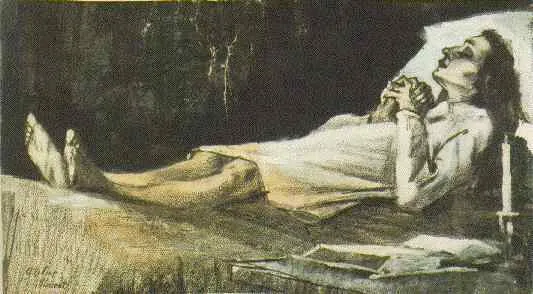
Every element within Van Gogh’s “Canal” tells a story, reflecting the symbolism common in Post-Impressionist fine art painting for sale. The tranquil waterway and vibrant surroundings hint at themes of solitude and renewal, resonating with viewers across generations. Van Gogh’s ability to infuse meaning into his landscapes is also evident in related works like “Woman on Her Deathbed” and “Town d’Avray: L’Etang au Batelier,” making each piece a window into his inner world.
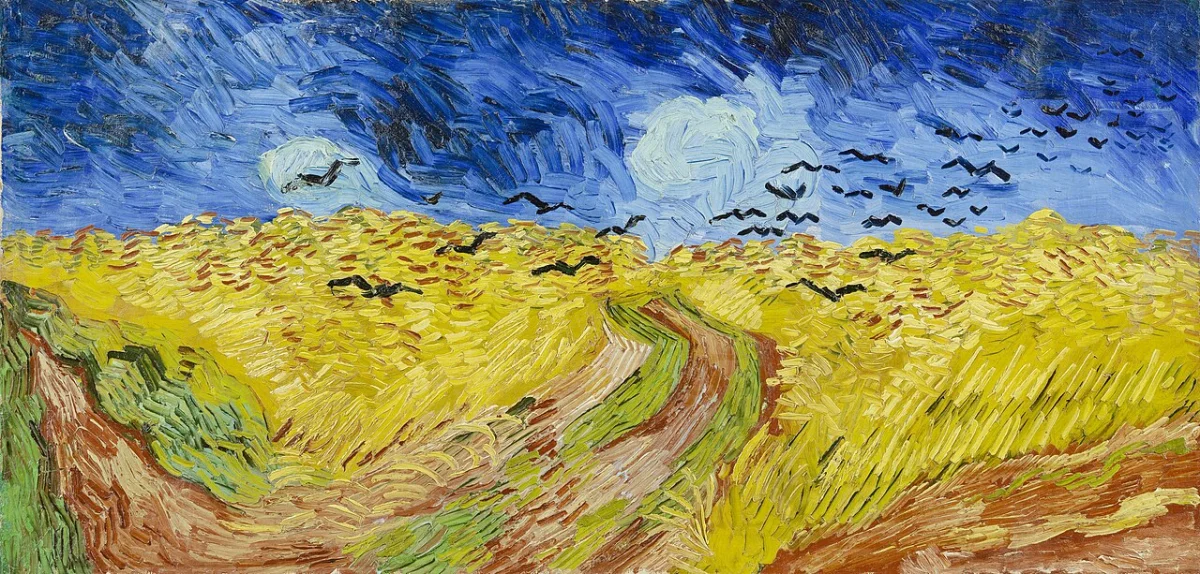
Owning “Canal” by Vincent Van Gogh means possessing a piece of Post-Impressionist history. This hand-painted oil painting is more than décor—it’s an investment in cultural heritage. Collectors often pair it with masterpieces like “Wheatfield with Crows” or “Vase With Twelve Sunflowers II,” enhancing the value of their collections. Whether displayed in a gallery or home, “Canal” remains a coveted fine art painting for sale, admired for its beauty and provenance.
When Art Meets History
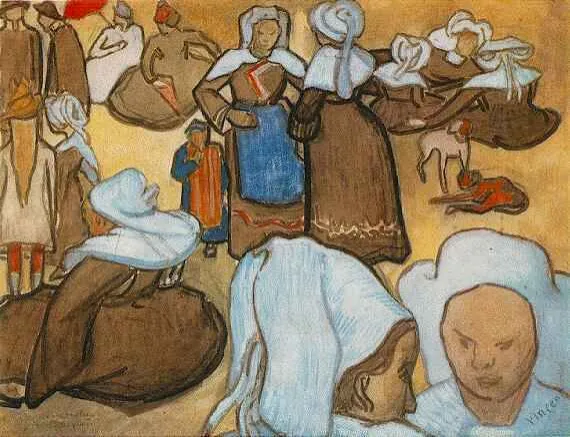
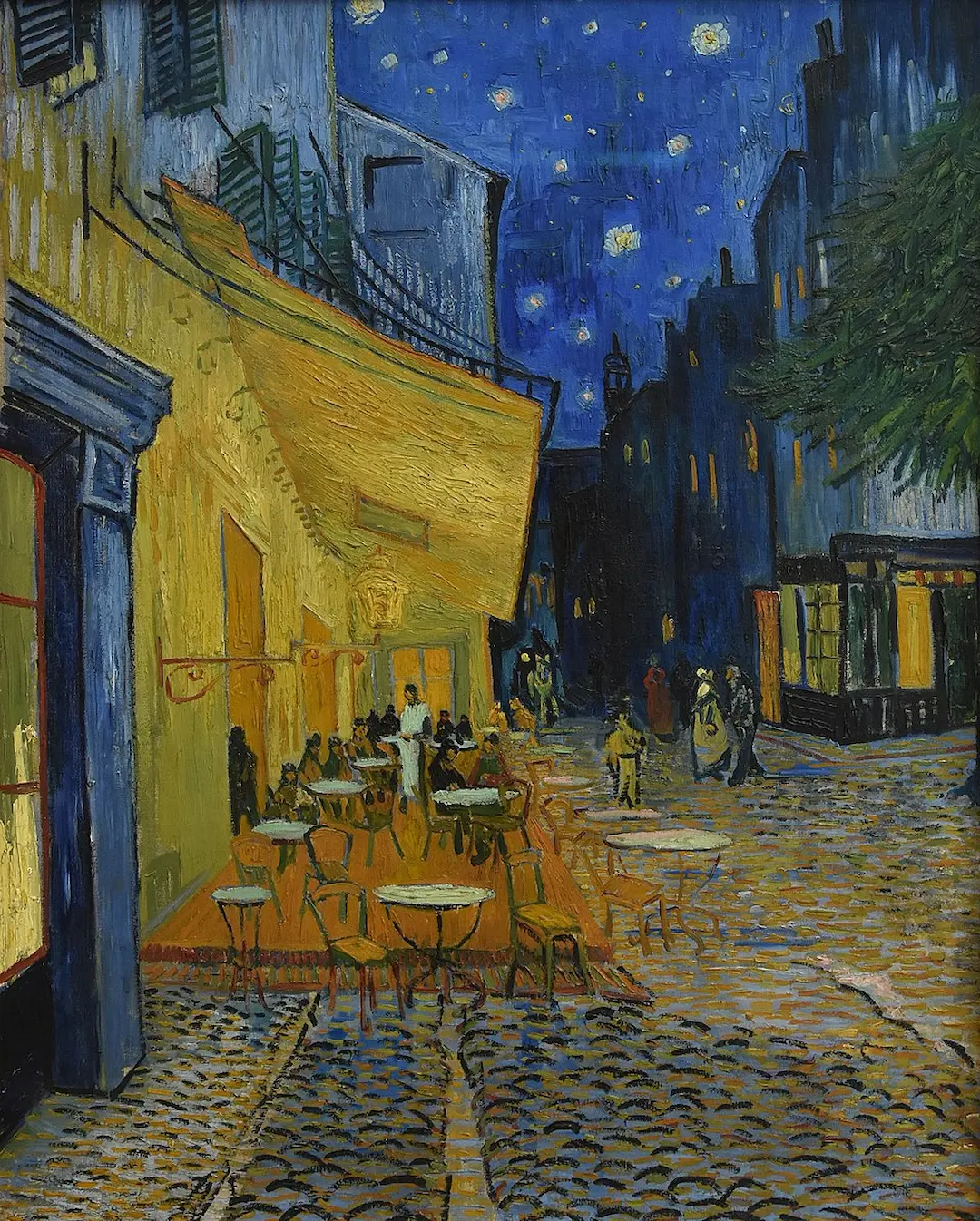
"Canal" by Vincent Van Gogh is a remarkable example of the Post-Impressionism movement, reflecting a time when artists sought new ways to express their inner visions. Painted during a period of immense creativity, this hand-painted oil painting captures the essence of daily life along tranquil waterways. Van Gogh’s contemporaries, such as those behind "The Night Café in Arles" and "Vision After the Sermon," also contributed works that redefined art’s relationship to history and emotion.
Techniques That Speak
Van Gogh’s "Canal" showcases his masterful use of oil on canvas, employing bold brushstrokes and vibrant colors to convey movement and atmosphere. The layering of paint and unique application techniques create a tactile sense of depth. Much like "The Yellow Christ" and "Where Do We Come From? What Are We? Where Are We Going?," this painting exemplifies the innovative spirit of Post-Impressionism, where each stroke adds meaning and intensity to the overall composition.
Emotions on Display
The emotional resonance of "Canal" is evident in its expressive color palette and dynamic composition. Van Gogh infuses the scene with a sense of contemplation and longing, inviting viewers to experience the world through his eyes. This fine art painting for sale stands alongside emotionally charged works like "One Of The Family," drawing collectors and art lovers alike who appreciate the profound psychological depth characteristic of the Post-Impressionism movement.
Coveted by Collectors
"Canal" remains a highly sought-after piece among art enthusiasts, celebrated for its historical significance and artistic mastery. Collectors value this hand-painted oil painting not just for its beauty, but for its connection to Van Gogh and the broader Post-Impressionist legacy. As with related masterpieces such as "The Night Café in Arles" and "Vision After the Sermon," owning such a work is both a privilege and an investment in the enduring power of fine art.
Related Post-Impressionism Hand-Painted Oil Paintings by Other Artists
Other Famous Post-Impressionism Artists:
Frequently Asked Questions About Canal
What is the historical context of Vincent Van Gogh's painting "Canal"?
"Canal" was painted during Van Gogh's time in the Netherlands, specifically in the late 19th century. This period was marked by Van Gogh's exploration of color and light, as well as his deep connection to the landscapes around him.
What artistic techniques did Van Gogh employ in "Canal"?
In "Canal," Van Gogh utilized bold brush strokes and vibrant colors to convey emotion and movement. His characteristic impasto technique adds texture, making the water appear dynamic and alive.
What themes are present in "Canal"?
The painting explores themes of nature, tranquility, and the passage of time. The serene depiction of the canal invites viewers to reflect on the beauty of the natural world and the simplicity of rural life.
How does "Canal" reflect Van Gogh's artistic evolution?
"Canal" is indicative of Van Gogh's transition from darker, more somber tones to brighter, more expressive colors. This painting showcases his growing mastery of color theory and emotional expression through landscape.
What symbolic elements can be found in "Canal"?
The canal itself symbolizes the flow of life and the passage of time. Water often represents change and movement, reflecting Van Gogh's own turbulent emotional landscape during this period.
How does "Canal" compare to other landscape paintings by Van Gogh?
What role does color play in "Canal"?
Color plays a crucial role in "Canal," as Van Gogh employs a vivid palette to evoke emotion and atmosphere. The blues and greens create a sense of calm, while the contrasting warm tones add depth and vibrancy to the scene.
What can we learn about Van Gogh's relationship with nature from "Canal"?
"Canal" reflects Van Gogh's profound appreciation for nature. His intimate portrayal of the landscape reveals his desire to connect with the environment, capturing its beauty and serenity amidst his personal struggles.
How does "Canal" fit into Van Gogh's overall body of work?
"Canal" is an essential piece within Van Gogh's oeuvre, showcasing his ability to blend emotion with landscape. It exemplifies his innovative approach to color and form, contributing to his legacy as one of the most influential artists in history.






















_GFM_Painting_(1).webp)


 100% Hand-Painted: Finished in 3-6 Weeks

.png)
















_(1).webp)