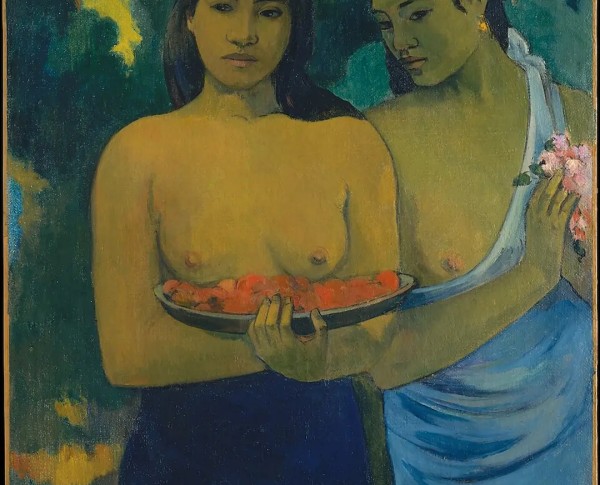
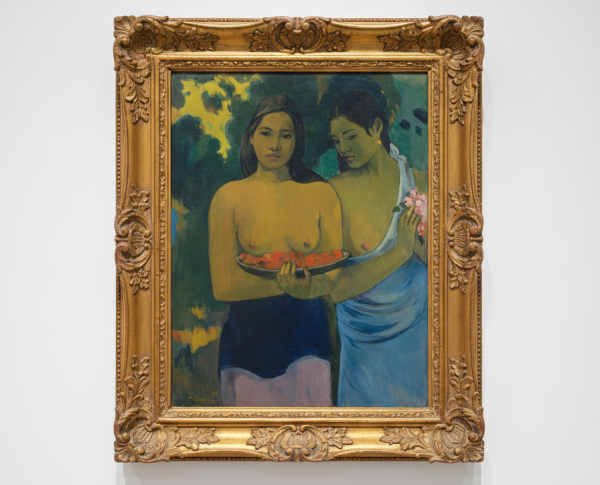
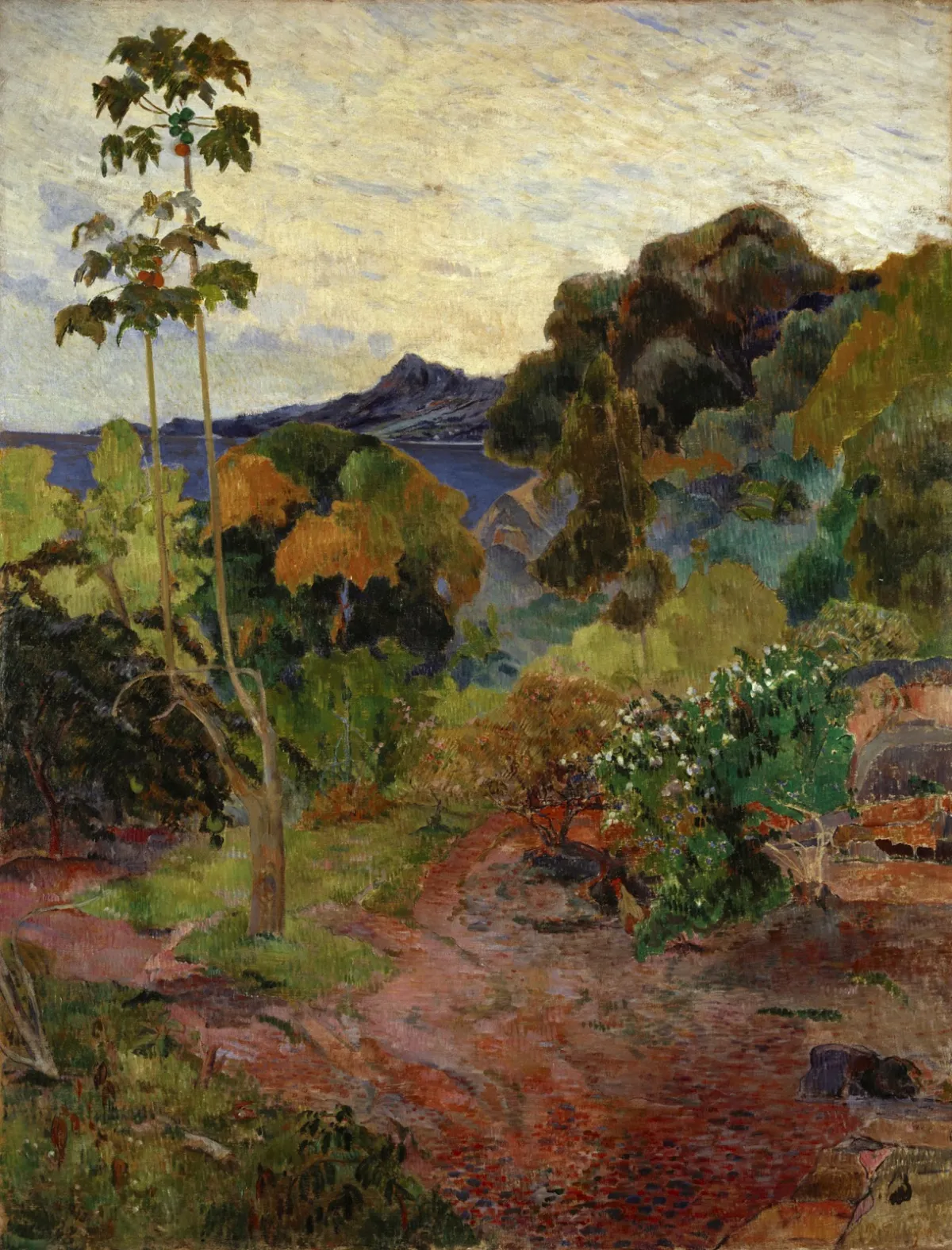
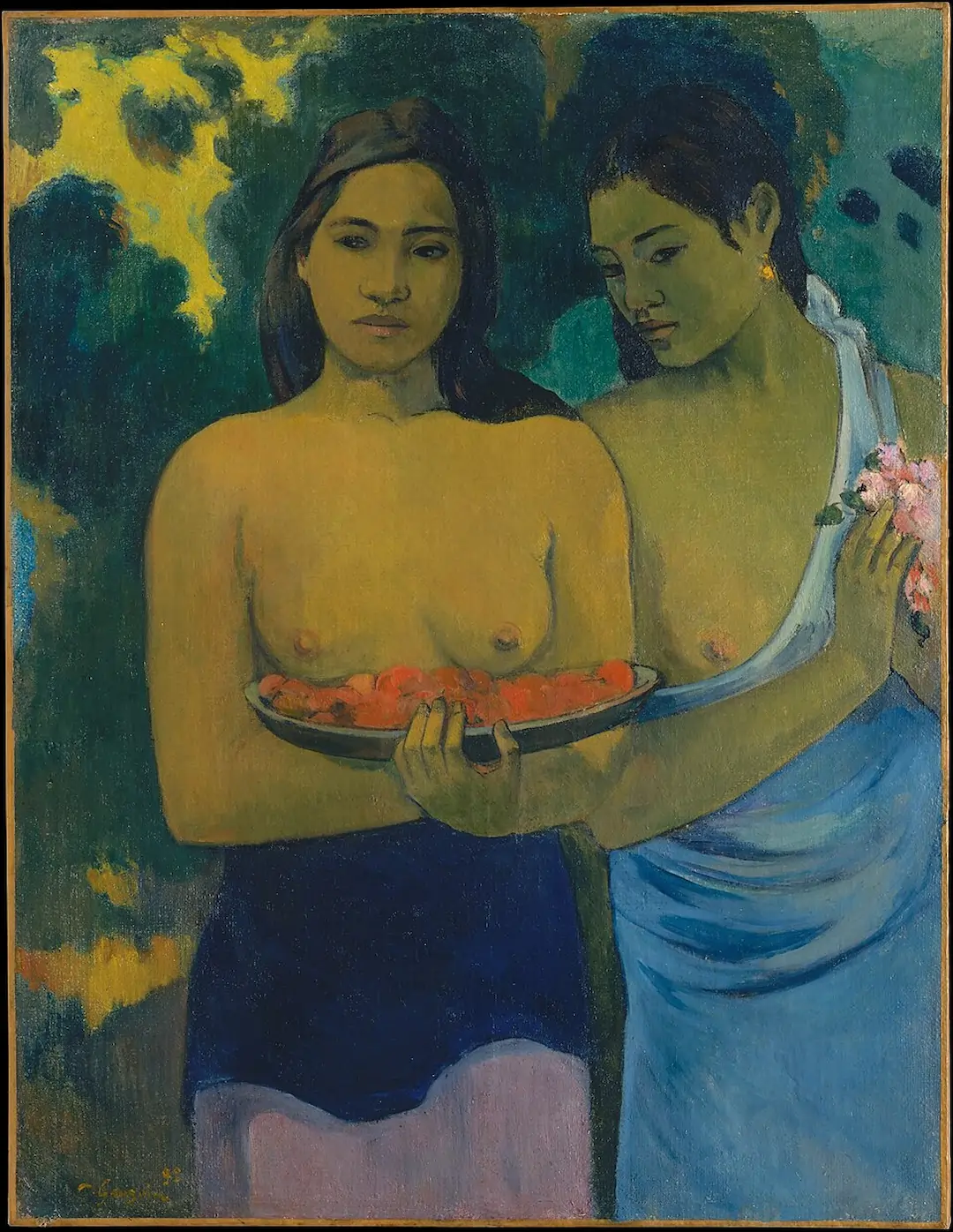
Gauguin’s technique in “Martinique Landscape” demonstrates a remarkable mastery of oil on canvas, blending vivid hues and expressive brushwork. His approach in this Post-Impressionist piece brings the tropical scenery to life, inviting viewers into a world of color and emotion. The painting’s composition mirrors themes explored in his other works, such as “Two Tahitian Women” and “The Siesta,” making it a vital addition to any collection of Post-Impressionist masterpieces.
Every detail in “Martinique Landscape” reveals Gauguin’s narrative depth and symbolic vision, hallmarks of his Post-Impressionism style. The painting’s tropical motifs and dynamic forms evoke stories of discovery and cultural encounter. As a fine art painting for sale, it appeals to those who appreciate meaningful art. Collectors often pair this piece with related works like “Where Do We Come From? What Are We? Where Are We Going?” to enrich their understanding of Gauguin’s artistic journey.
Owning “Martinique Landscape” by Paul Gauguin is more than acquiring a painting; it is embracing a piece of art history from the Post-Impressionism era. This hand-painted oil painting is highly sought after by collectors who value both aesthetic beauty and cultural significance. For those seeking to expand their collection, related products such as “Tahitian Women on the Beach” and “The Siesta” offer complementary glimpses into Gauguin’s evocative world.
When Art Meets History
"Martinique Landscape" by Paul Gauguin stands as a testament to the dynamic era of Post-Impressionism. Created during Gauguin’s transformative journey to the Caribbean, the hand-painted oil painting captures the lush scenery and vibrant culture of Martinique. This fine art piece reflects the artist’s fascination with exotic locales, much like his contemporaries in works such as "The Drinkers" and "Harvest At La Crau With Montmajour In The Background," making it a significant chapter in art history.
Techniques That Speak
Gauguin’s mastery of oil on canvas is evident in "Martinique Landscape," where bold brushstrokes and expressive colors evoke the tropical environment. His technique, characteristic of Post-Impressionism, emphasizes emotional resonance over realistic representation. This approach can also be seen in "Cypresses" and "Irises," where vivid palettes and dynamic forms communicate mood and atmosphere, further cementing Gauguin’s influence on the evolution of modern art.
Emotions on Display
"Martinique Landscape" radiates emotion through its interplay of color and form, inviting viewers into Gauguin’s personal vision of paradise. The painting’s vibrant hues and flowing lines convey a sense of tranquility and wonder, hallmarks of the Post-Impressionism movement. As with "Still Life with Beer Mug and Fruit," Gauguin’s work transcends mere depiction, offering a fine art painting for sale that stirs the soul and captivates the imagination.
Coveted by Collectors
Collectors worldwide prize "Martinique Landscape" for its unique blend of historical significance and artistic innovation. As a hand-painted oil painting by Paul Gauguin, it remains highly sought after alongside related masterpieces like "The Drinkers" and "Cypresses." The enduring appeal of this fine art painting for sale lies in its ability to bridge cultures and eras, making it a centerpiece in any distinguished collection of Post-Impressionism.
Related Post-Impressionism Hand-Painted Oil Paintings by Other Artists
Other Famous Post-Impressionism Artists:
Frequently Asked Questions About Martinique Landscape
What is the historical context of "Martinique Landscape"?
"Martinique Landscape" was painted by Paul Gauguin in 1887 during his stay in Martinique, a French Caribbean island. This period was significant for Gauguin as he sought to escape European civilization and explore the vibrant cultures and landscapes of the tropics.
What artistic techniques did Gauguin employ in this painting?
Gauguin utilized bold colors and simplified forms, characteristic of his post-impressionist style. He applied a technique known as "synthetism," which emphasizes flat areas of color and outlines, creating a sense of abstraction while still depicting a recognizable landscape.
What themes are present in "Martinique Landscape"?
The painting explores themes of nature, paradise, and the search for authenticity. Gauguin's depiction of the lush landscape reflects his fascination with the idea of an untouched, idyllic world, contrasting with the industrialized society of Europe.
How does "Martinique Landscape" reflect Gauguin's artistic philosophy?
Gauguin believed in the importance of expressing emotional experience rather than merely replicating reality. In "Martinique Landscape," he captures the essence of the tropical environment through vivid colors and stylized forms, aligning with his philosophy of art as a means of personal expression.
What influences can be seen in the composition of "Martinique Landscape"?
The composition of the painting is influenced by both Impressionism and Japanese woodblock prints, which Gauguin admired. The flattened perspective and bold color contrasts reflect these influences, showcasing his innovative approach to landscape painting.
What symbolism can be found in the elements of the painting?
The vibrant colors of the foliage and sky symbolize the vitality and exoticism of the Caribbean landscape. The presence of palm trees and other tropical flora represents a connection to nature and the idea of paradise, which were central to Gauguin's artistic vision.
How does "Martinique Landscape" compare to Gauguin's other works?
Compared to his later works, "Martinique Landscape" is more rooted in a realistic representation of the environment, while his subsequent pieces became increasingly abstract and symbolic. This painting serves as a bridge between his early impressionistic style and his later explorations of color and form.
What impact did "Martinique Landscape" have on future art movements?
The painting contributed to the development of modern art by influencing movements such as Fauvism and Expressionism. Its bold use of color and emotional depth paved the way for artists to explore abstraction and personal expression in their work.
What is the significance of the location depicted in "Martinique Landscape"?
The location is significant as it represents Gauguin's quest for a more authentic and unspoiled existence. Martinique, with its lush landscapes and vibrant culture, provided him with the inspiration to explore themes of paradise and the natural world, which became central to his oeuvre.
How does "Martinique Landscape" reflect the cultural interactions of its time?
The painting reflects the complex cultural interactions of the late 19th century, as European artists like Gauguin sought to engage with non-Western cultures. It highlights the fascination with and romanticization of the "exotic," which was prevalent among artists during this period, often leading to a deeper exploration of identity and culture.






















_GFM_Painting_(1).webp)


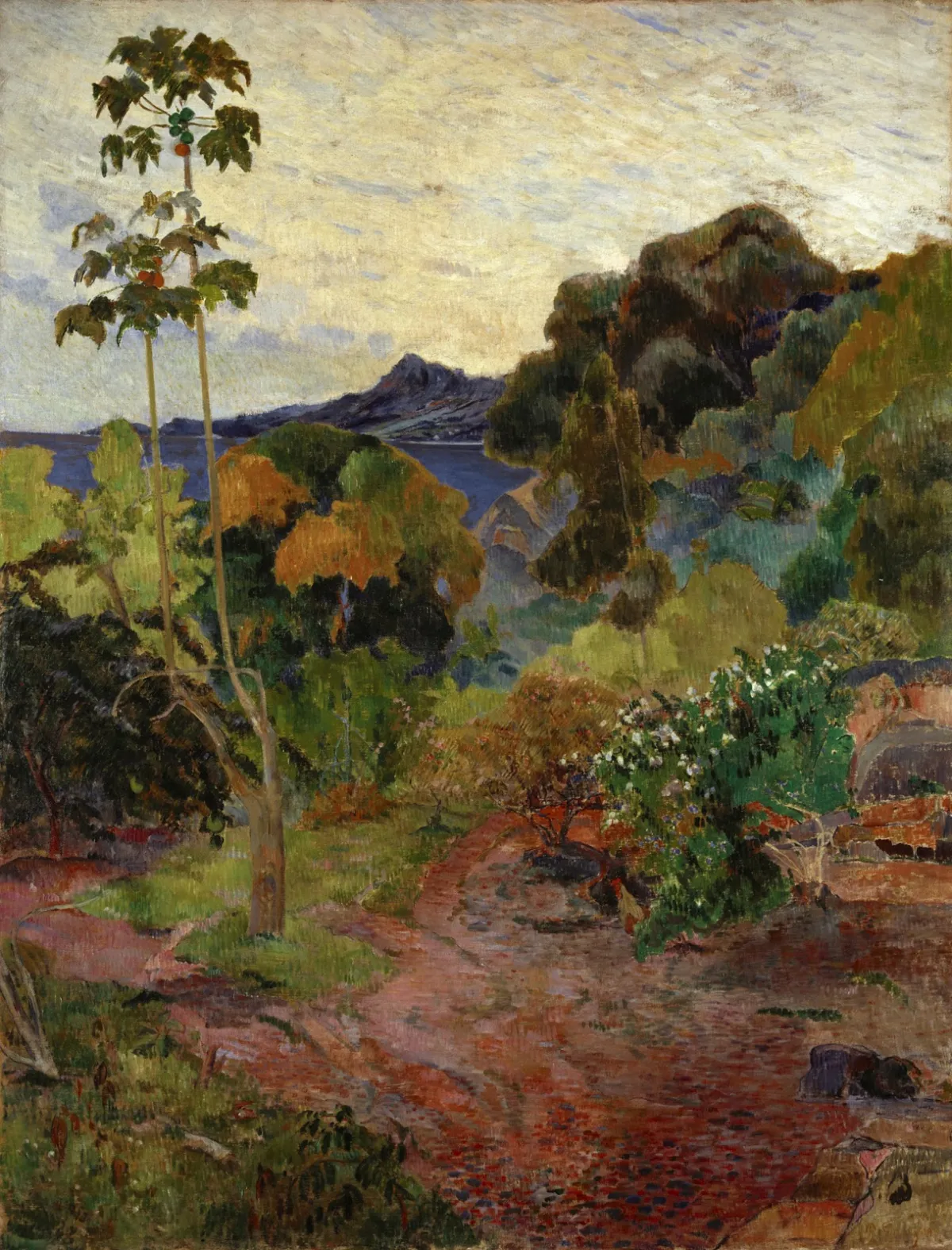
 100% Hand-Painted: Finished in 3-6 Weeks

.png)















_(1).webp)