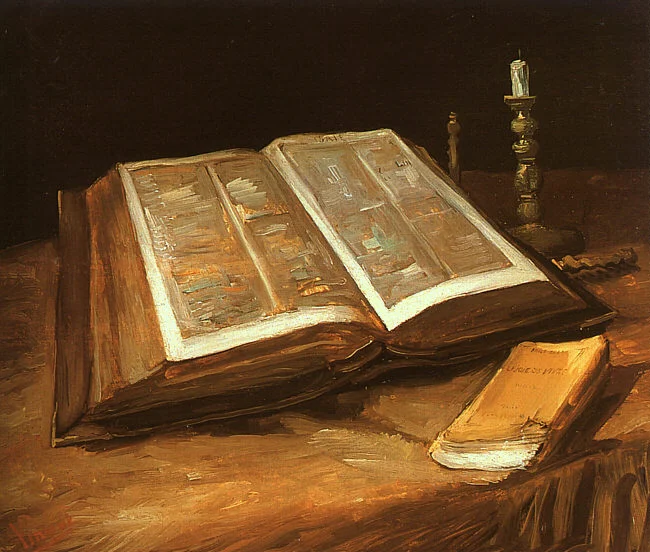
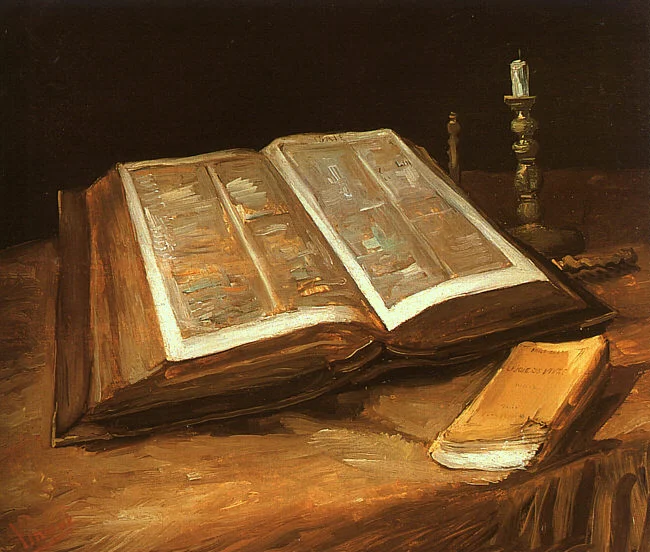
Van Gogh’s technique in "Still Life with Bible" showcases his signature brushwork and vibrant palette, typical of Post-Impressionism. The oil on canvas medium allows the artist to layer colors and textures, creating depth and movement within a still life composition. This painting, like "The White Orchard" and "Harvest At La Crau With Montmajour In The Background," reveals Van Gogh’s innovative approach, making it a coveted oil on canvas masterpiece for art lovers and collectors worldwide.
"Still Life with Bible" is rich in symbolism, intertwining themes of faith, literature, and personal struggle. Van Gogh’s thoughtful arrangement of objects invites viewers to contemplate the meaning behind each detail, much like his works "Bridges Across The Seine At Asnieres" and "At Eternity's Gate." This fine art painting for sale not only highlights Van Gogh’s narrative power but also exemplifies the emotional depth that defines the Post-Impressionism movement.
For art collectors and enthusiasts, "Still Life with Bible" by Vincent Van Gogh is more than just a hand-painted oil painting; it is a rare opportunity to own a piece of Post-Impressionist history. This work, alongside related pieces such as "The White Orchard" and "Cypresses," represents the pinnacle of Van Gogh’s artistic achievement. As a fine art painting for sale, it continues to captivate those searching for timeless beauty and profound meaning in every brushstroke.
When Art Meets History
"Still Life with Bible" by Vincent Van Gogh stands as a testament to the Post-Impressionism movement, blending history and emotion through masterful brushwork. Created in 1885, this hand-painted oil painting captures the spiritual and personal significance of the Bible in Van Gogh’s life. Like related works such as "A Sunday Afternoon on the Island of La Grande Jatte" and "Two Tahitian Women," it reflects the era’s evolving artistic philosophies and the deep connection between art and the human experience.
Techniques That Speak
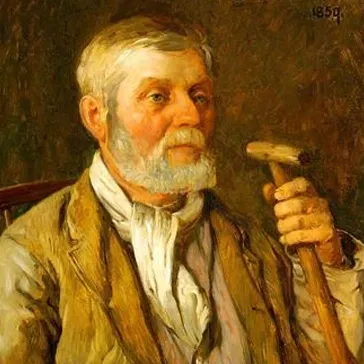
Van Gogh’s "Still Life with Bible" showcases his distinctive approach to oil on canvas, utilizing textured brushstrokes and vibrant contrasts. The painting’s bold use of color and light is emblematic of Post-Impressionism, a movement that sought to move beyond Impressionism’s limitations. In comparison to works like "One Of The Family," Van Gogh’s technique transforms everyday objects into deeply expressive subjects, making this oil on canvas a prime example of the artist’s innovative vision.
Emotions on Display
In "Still Life with Bible," Vincent Van Gogh channels profound emotion through his expressive composition and color choices. The interplay between the Bible and other objects in the scene evokes introspection, loss, and hope, hallmarks of the Post-Impressionism movement. This fine art painting for sale resonates with viewers on a personal level, much like "Two Tahitian Women" or "A Sunday Afternoon on the Island of La Grande Jatte," inviting contemplation of life’s deeper meanings.
Coveted by Collectors
As a celebrated work from the Post-Impressionism era, "Still Life with Bible" by Vincent Van Gogh is highly valued among art enthusiasts and collectors. Its status as a hand-painted oil painting enhances its desirability, drawing comparisons to masterpieces such as "One Of The Family." The painting’s rich historical context and emotional depth ensure it remains a sought-after fine art painting for sale, representing the enduring legacy of Van Gogh and his contemporaries.
Related Post-Impressionism Hand-Painted Oil Paintings by Other Artists
Other Famous Post-Impressionism Artists:
Frequently Asked Questions About Still Life with Bible
What is the historical context of "Still Life with Bible"?
"Still Life with Bible" was created by Vincent Van Gogh in 1885, during a period when he was deeply influenced by his religious upbringing and the social issues surrounding him in the Netherlands. This painting reflects his exploration of spirituality and the human condition.
What artistic techniques did Van Gogh employ in this painting?
Van Gogh utilized bold brush strokes and a vibrant color palette to convey emotion and depth. The use of impasto, where paint is laid on the canvas thickly, adds texture and intensity to the objects depicted, enhancing their presence.
What is the significance of the Bible in the painting?
The Bible symbolizes Van Gogh's struggle with faith and spirituality. It represents not only his personal beliefs but also the broader themes of hope and redemption that permeate his work during this period.
How does "Still Life with Bible" reflect Van Gogh's emotional state?
The painting captures Van Gogh's inner turmoil and quest for meaning. The somber tones and the arrangement of objects suggest a contemplation of life, death, and the search for solace in faith amidst personal challenges.
What other objects are included in the still life, and what do they represent?
In addition to the Bible, the still life includes a pipe and a book, which symbolize the duality of earthly pleasures and spiritual pursuits. These objects reflect Van Gogh's own conflicts between materialism and spirituality.
How does this painting compare to Van Gogh's other still lifes?
"Still Life with Bible" stands out among Van Gogh's still lifes due to its strong religious symbolism and emotional depth. While many of his still lifes focus on flowers and everyday objects, this work delves into more profound existential themes.
What influence did "Still Life with Bible" have on later artists?
This painting has influenced numerous artists who explore themes of spirituality and still life. Its emotional depth and innovative use of color and texture have inspired contemporary artists to incorporate similar elements into their own works.
What was Van Gogh's intention behind the composition of this painting?
Van Gogh intended to create a contemplative space that invites viewers to reflect on their own beliefs and experiences. The careful arrangement of objects encourages a dialogue between the viewer and the themes of faith and existence.
Where is "Still Life with Bible" currently displayed?
The painting is part of the collection at the Van Gogh Museum in Amsterdam, where it is preserved and showcased as a significant example of the artist's exploration of spirituality through still life.
What impact did this painting have on Van Gogh's career?
"Still Life with Bible" marked a pivotal moment in Van Gogh's artistic journey, solidifying his commitment to exploring complex themes through his art. It reflects his evolving style and deepening philosophical inquiries, contributing to his legacy as a profound artist.
















_GFM_Painting_(1).webp)


 100% Hand-Painted: Finished in 3-6 Weeks

.png)















_(1).webp)