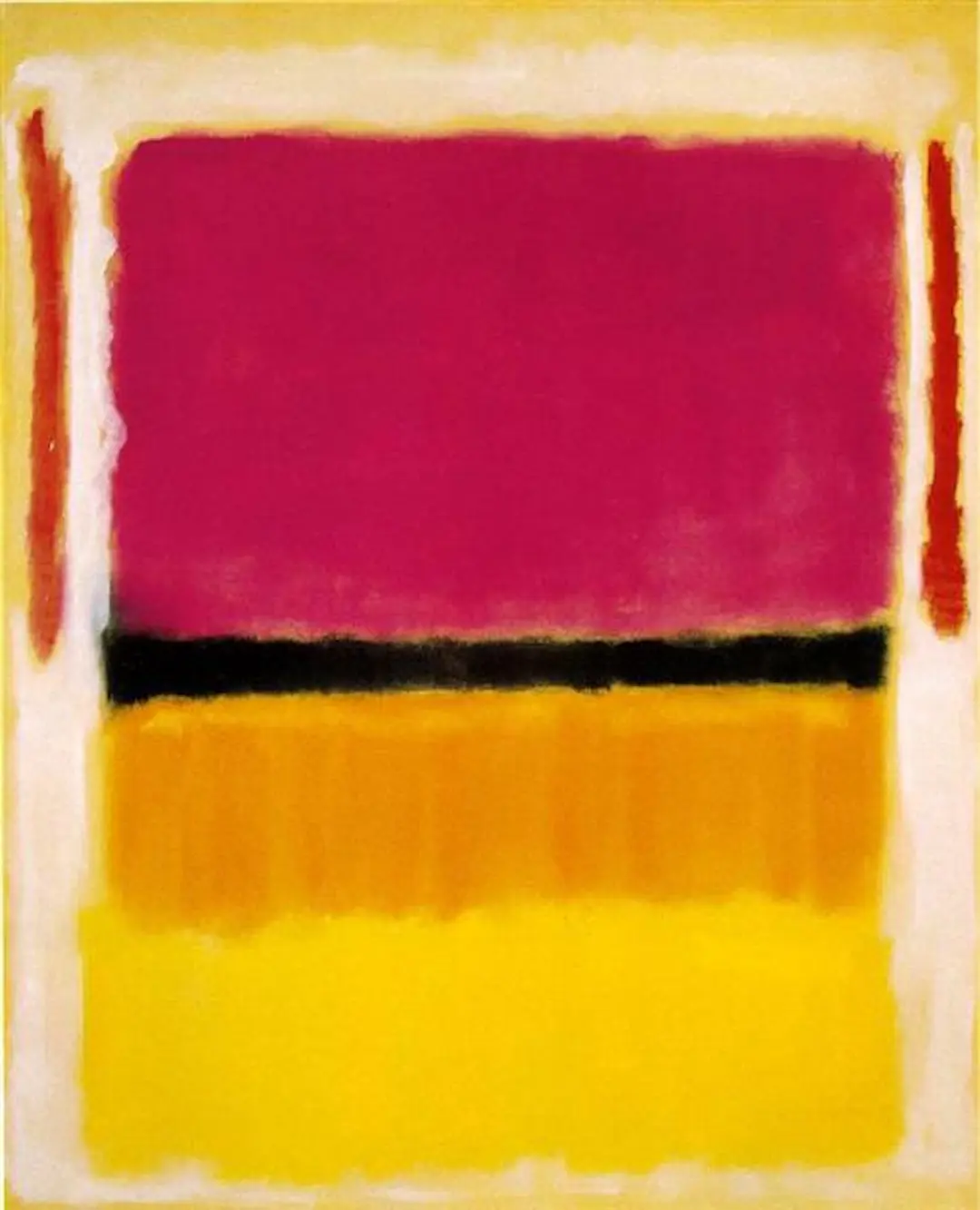
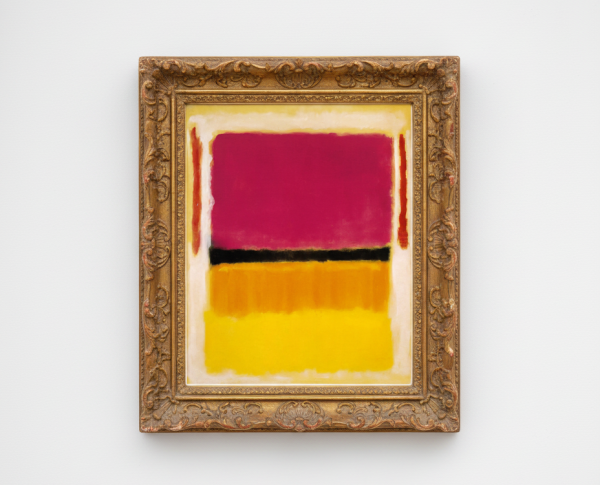
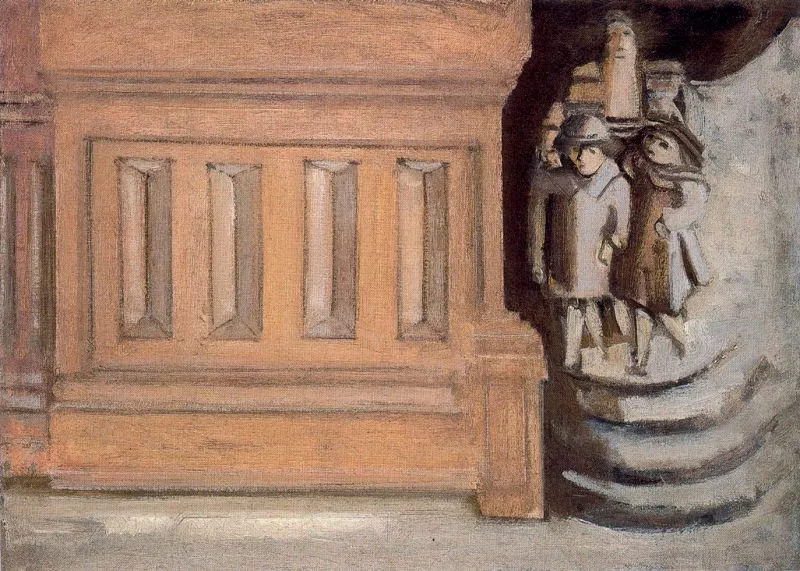
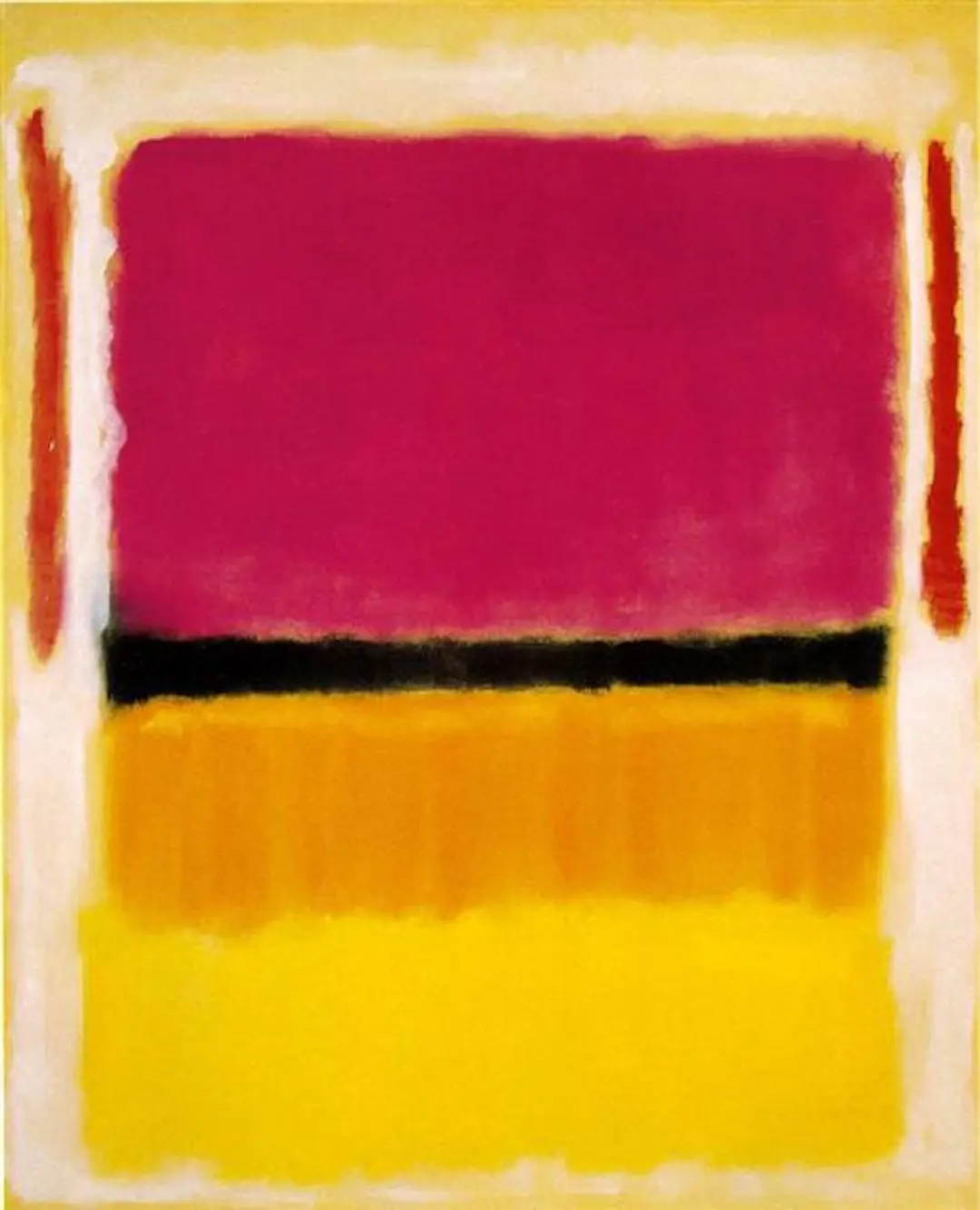
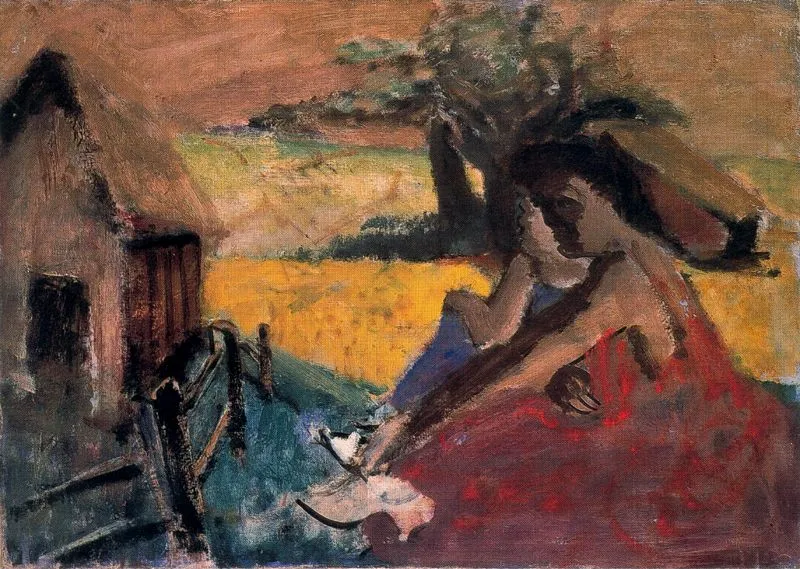
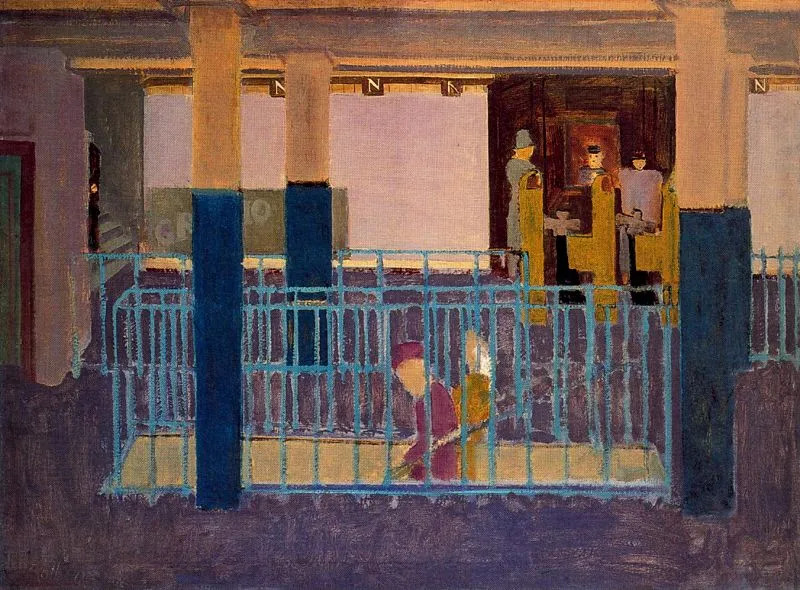
Mark Rothko’s technique in "Street Scene" demonstrates his expertise with oil on canvas. Through bold colors and layered textures, Rothko expresses the vibrancy and complexity of city life. Each brushstroke contributes to the painting’s dynamic energy, echoing the movement’s focus on emotion and spontaneity. Collectors of Abstract Expressionism will appreciate the parallels with Rothko’s other works, such as "Rural Scene" and "Untitled (Violet, Black, Orange, Yellow on White and Red), 1949."
Every element in "Street Scene" is thoughtfully composed, with abstract forms suggesting the bustle and rhythm of urban existence. The hand-painted oil painting encapsulates Rothko’s ability to convey meaning through color and shape. This piece, like "Composition I," invites endless interpretation, allowing viewers to find their own stories within the canvas. For admirers of fine art painting for sale, Rothko’s symbolic approach makes "Street Scene" a compelling addition to any collection.
Owning "Street Scene" means possessing a piece of Abstract Expressionist history. As an oil on canvas masterpiece by Mark Rothko, it complements related works such as "Interior" and "Rural Scene." This fine art painting for sale appeals to discerning collectors who value both artistic innovation and cultural significance. Rothko’s legacy endures through such remarkable paintings, making "Street Scene" a coveted work for those passionate about the evolution of modern art.
When Art Meets History
"Street Scene" by Mark Rothko stands as a testament to the transformative period of Abstract Expressionism. Painted during an era of rapid social change, this hand-painted oil painting captures the dynamic energy of urban life. Rothko’s work, alongside related paintings like "Colorful Life" and "Landscape," reflects a movement where artists broke traditional boundaries. The abstract forms and bold colors in "Street Scene" invite viewers to reflect on the intersection of art and history in the modern world.
Techniques That Speak
Mark Rothko’s mastery of oil on canvas is evident in "Street Scene," where layered hues and subtle blending create a sense of depth and movement. This technique, also seen in works such as "The Composition V111" and "Red Spot II," defines the Abstract Expressionism movement. Rothko’s approach allows the viewer’s eye to wander across the canvas, discovering new details with each glance. The painting’s surface reveals the artist’s unique process of building emotion through color and form.
Emotions on Display
"Street Scene" is more than a visual experience; it is a journey into emotion. Mark Rothko’s fine art painting for sale channels the intensity of human feeling through abstract shapes and vibrant palettes, echoing the emotional resonance found in "Poster for the Abrikosov Company." Within the Abstract Expressionism movement, Rothko sought to evoke contemplation and introspection, using color as a language of the soul. The painting invites viewers to explore their own emotional responses to its enigmatic forms.
Coveted by Collectors
As a hallmark of Abstract Expressionism, "Street Scene" by Mark Rothko is highly sought after by art enthusiasts and collectors alike. This hand-painted oil painting, much like Rothko’s "Landscape" and "Colorful Life," remains a coveted masterpiece in the world of modern art. The artist’s innovative vision and technique have made his works, including this one, prized additions to any serious collection, highlighting the enduring appeal of Abstract Expressionist paintings on the market today.
Related Abstract Expressionism Hand-Painted Oil Paintings by Other Artists
Other Famous Abstract Expressionism Artists:
Frequently Asked Questions About Street Scene
What is the historical context of "Street Scene"?
"Street Scene" was created during a period of significant social and artistic change in the mid-20th century, reflecting the urban experience and the complexities of modern life.
How does "Street Scene" reflect Mark Rothko's artistic style?
This painting showcases Rothko's exploration of color and form, emphasizing emotional resonance through abstract representation rather than realistic depiction.
What themes are present in "Street Scene"?
The artwork encapsulates themes of isolation, urban life, and the human condition, inviting viewers to reflect on their own experiences within a bustling city environment.
What techniques did Rothko use in "Street Scene"?
Rothko employed a technique of layering colors to create depth and texture, allowing the viewer to engage with the emotional undercurrents of the scene.
How does "Street Scene" compare to Rothko's other works?
While Rothko is best known for his color field paintings, "Street Scene" offers a more narrative approach, bridging his abstract style with representational elements.
What is the significance of the colors used in "Street Scene"?
The color palette in "Street Scene" is intentionally chosen to evoke specific emotions, with warm tones suggesting vibrancy and cooler shades hinting at melancholy.
How does "Street Scene" engage the viewer?
The painting invites viewers to immerse themselves in the scene, prompting personal reflection and emotional response through its abstract forms and colors.
What influences can be seen in "Street Scene"?
Rothko's work in "Street Scene" reflects influences from existential philosophy and the emotional turmoil of the post-war era, resonating with contemporary societal issues.
What is the symbolism behind the figures in "Street Scene"?
The figures in the painting symbolize the anonymity of urban life, representing the collective experience of individuals navigating through a crowded environment.
How has "Street Scene" been received by critics and art historians?
Critics have praised "Street Scene" for its innovative approach to abstraction and its ability to convey deep emotional narratives, solidifying Rothko's place in the canon of modern art.























_GFM_Painting_(1).webp)

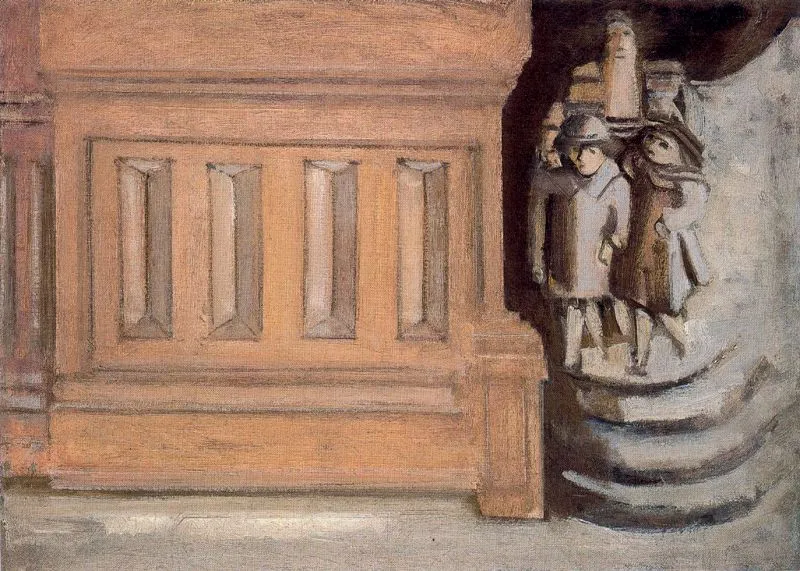

 100% Hand-Painted: Finished in 3-6 Weeks

.png)















_(1).webp)