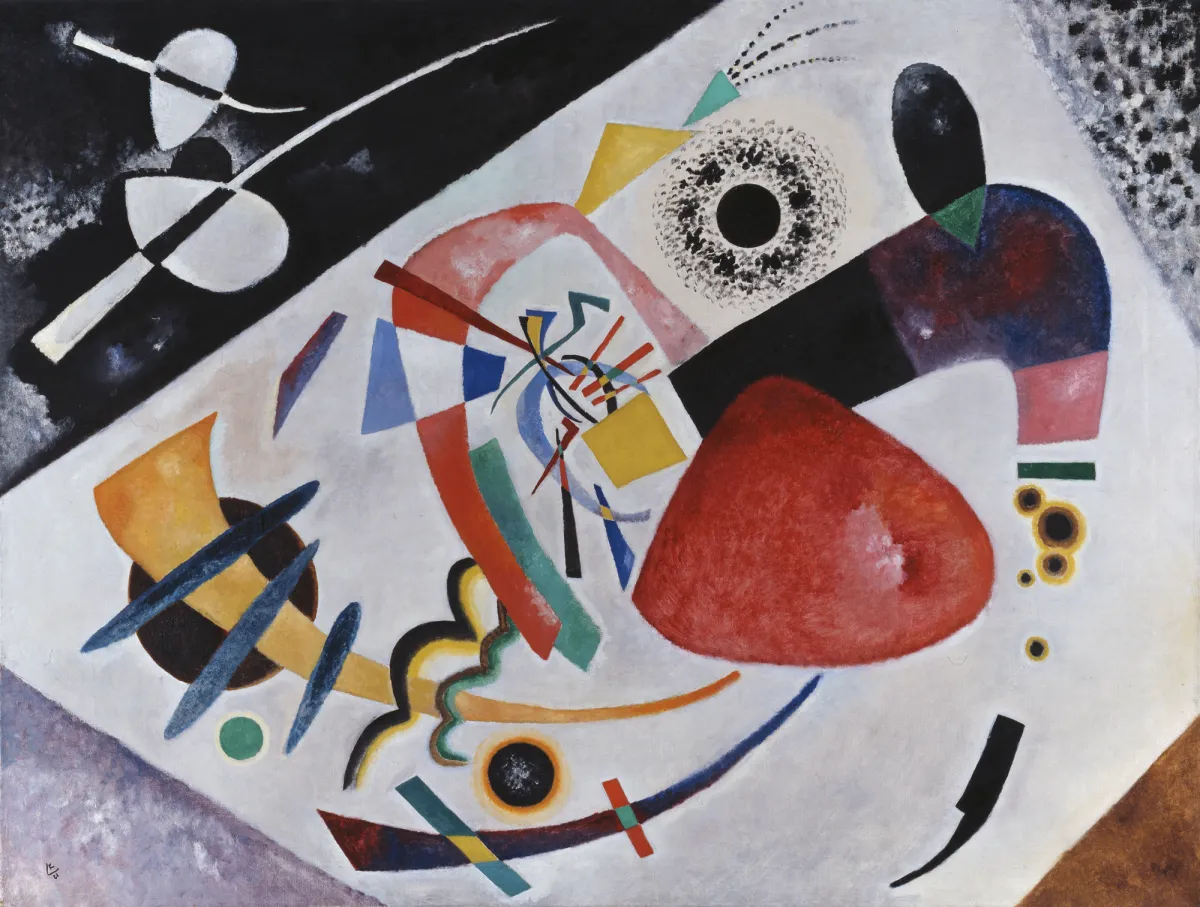
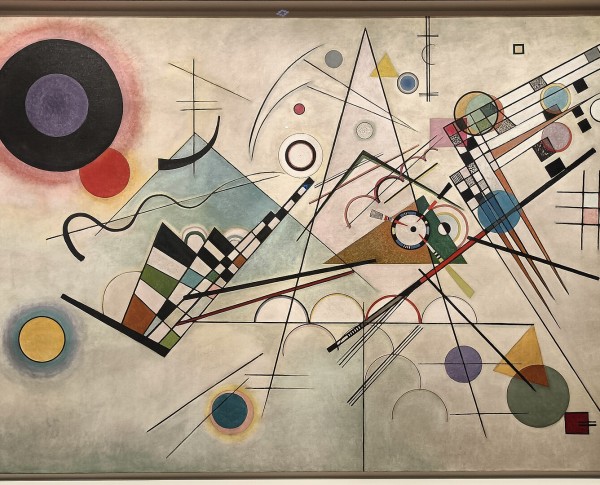
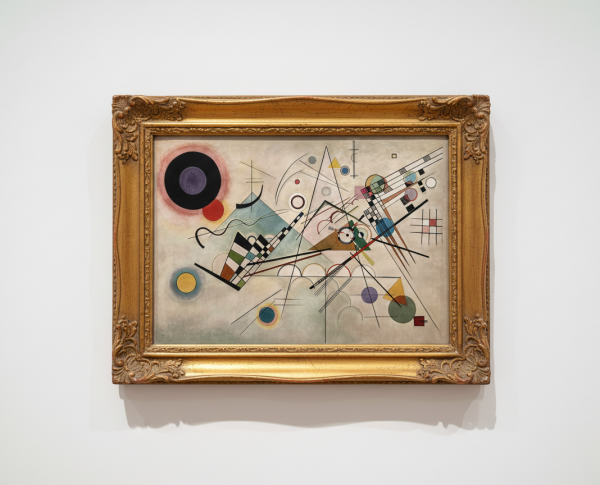
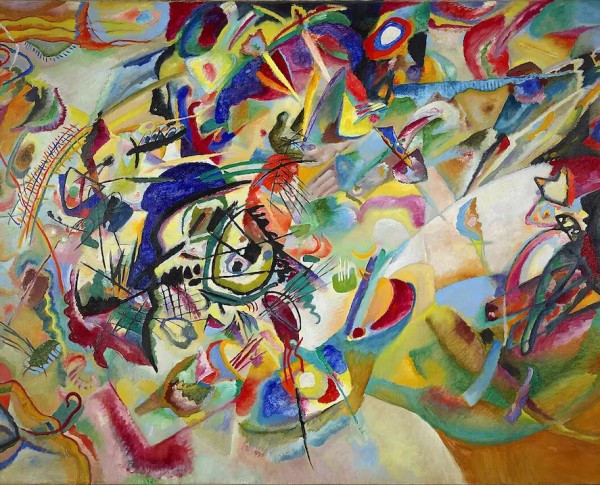
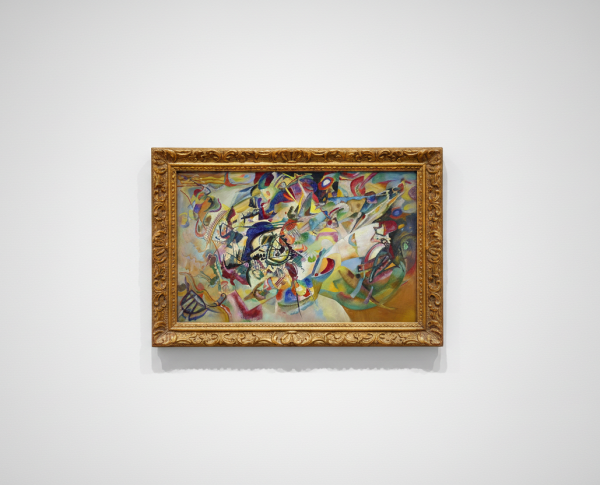
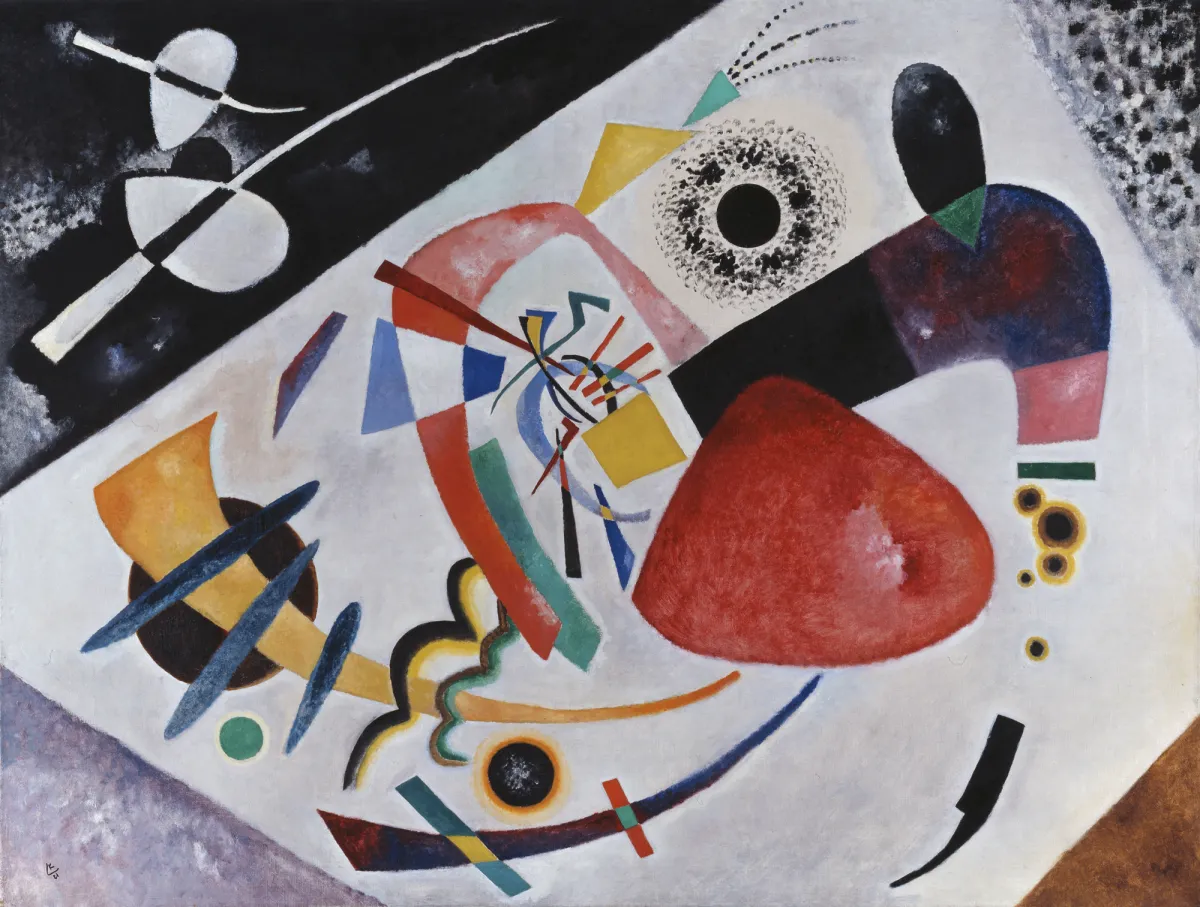
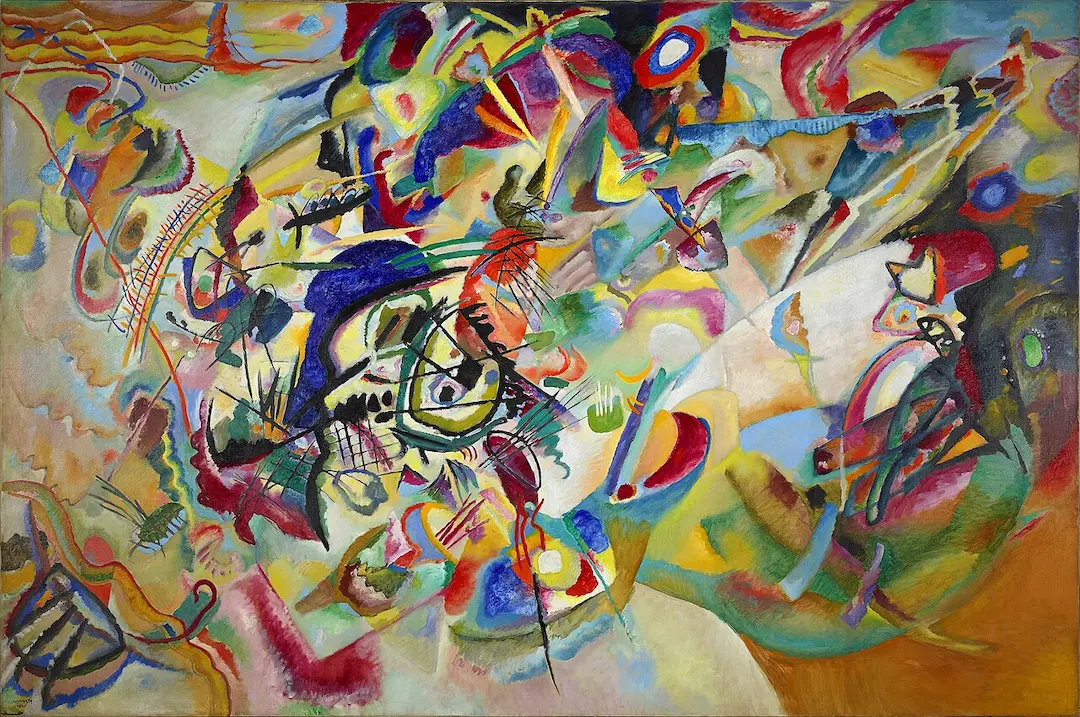
"Red Spot II" exemplifies Kandinsky’s pioneering use of oil on canvas, where each brushstroke reveals a deep understanding of abstraction and color theory. The artist’s unique technique transforms the medium into a vibrant symphony of shapes and hues. Collectors and enthusiasts can appreciate this mastery in other works like "Woman in Moscow" and "Yellow Red Blue," which further showcase Kandinsky’s remarkable skill in the Abstract Expressionism movement.
Every element in Kandinsky’s "Red Spot II" holds symbolic significance, inviting viewers to interpret the narrative woven into this fine art painting for sale. The bold red spot commands attention, suggesting themes of passion and energy. Exploring related works such as "Akhtyrka" and "Framework for a Pile of Hay and Farm" reveals recurring motifs and a cohesive visual language that defines Kandinsky’s contribution to Abstract Expressionism.
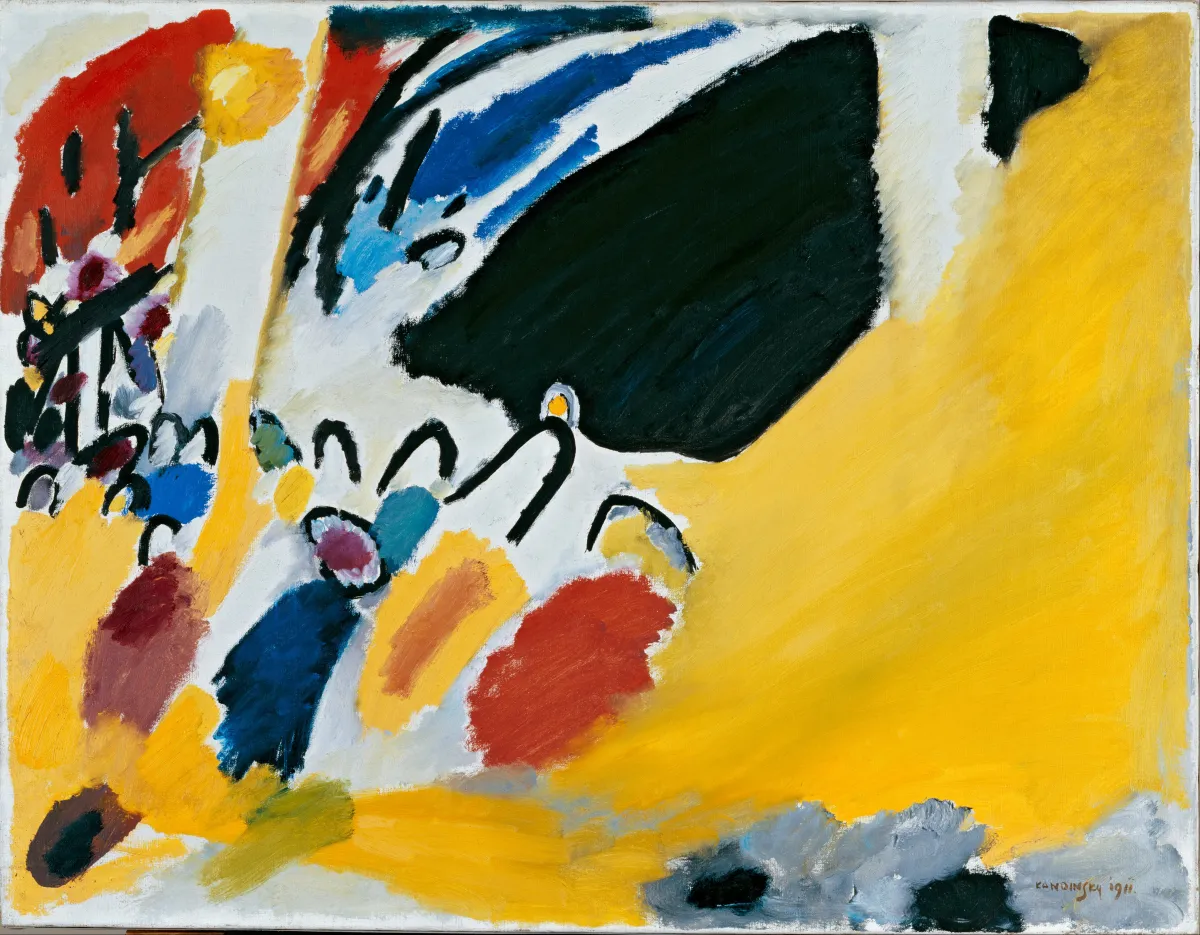
Owning "Red Spot II" by Wassily Kandinsky is more than acquiring a hand-painted oil painting; it is an investment in art history. This masterpiece, along with other celebrated works like "Improvisation 11," represents the pinnacle of the Abstract Expressionism movement. Collectors value these pieces for their originality and impact, making them highly sought-after items in the world of fine art painting for sale.
When Art Meets History
"Red Spot II" by Wassily Kandinsky stands as a milestone in the Abstract Expressionism movement. Created in 1921, this fine art painting for sale showcases the artist’s transition from figurative to abstract forms. Kandinsky’s innovative approach to composition influenced generations of artists, including those behind works like "Untitled (Violet, Black, Orange, Yellow on White and Red), 1949." The painting’s historical significance marks a pivotal moment in the evolution of modern art, captivating collectors and enthusiasts alike.
Techniques That Speak
Kandinsky’s mastery is evident in "Red Spot II," where he employed dynamic brushwork and a vibrant palette to craft a mesmerizing oil on canvas. The interplay of geometric shapes and bold colors exemplifies the core of Abstract Expressionism. Similar to the expressive techniques seen in "Untitled (Violet, Black, Orange, Yellow on White and Red), 1949," Kandinsky’s approach in this painting broke traditional barriers, allowing the canvas to communicate beyond words and inspiring countless artists worldwide.
Emotions on Display
In "Red Spot II," Wassily Kandinsky channels emotion through abstraction, using color and form to evoke a visceral response. The hand-painted oil painting radiates energy and passion, a hallmark of Abstract Expressionism. Much like the emotional depth found in "Untitled (Violet, Black, Orange, Yellow on White and Red), 1949," Kandinsky’s work invites viewers to interpret their own feelings, making each encounter with the painting a unique and personal experience.
Coveted by Collectors
"Red Spot II" remains a highly sought-after piece among art collectors, thanks to its historical significance and groundbreaking style. As a fine art painting for sale, it epitomizes the allure of Abstract Expressionism and the genius of Wassily Kandinsky. Collectors prize this oil on canvas not only for its aesthetic appeal but also for its connection to related masterpieces like "Untitled (Violet, Black, Orange, Yellow on White and Red), 1949," making it a valuable addition to any collection.
Related Abstract Expressionism Hand-Painted Oil Paintings by Other Artists
Other Famous Abstract Expressionism Artists:
Frequently Asked Questions About Red Spot II
What year was Red Spot II created?
Red Spot II was created in 1921, during a pivotal period in Wassily Kandinsky's artistic career.
What artistic movement is Red Spot II associated with?
This painting is associated with Abstract Expressionism, reflecting Kandinsky's exploration of non-representational art.
What is the significance of the color red in Red Spot II?
The color red often symbolizes passion, energy, and intensity, which are central themes in Kandinsky's exploration of emotional expression through color.
How does Red Spot II reflect Kandinsky's philosophy on art?
Kandinsky believed that art should evoke emotions and spiritual experiences, and Red Spot II exemplifies this through its vibrant colors and abstract forms.
What techniques did Kandinsky use in Red Spot II?
Kandinsky employed a combination of geometric shapes and bold color contrasts, utilizing oil on canvas to create a dynamic visual experience.
What themes are explored in Red Spot II?
The painting explores themes of abstraction, spirituality, and the relationship between color and emotion, reflecting Kandinsky's interest in synesthesia.
How does Red Spot II compare to Kandinsky's earlier works?
Compared to his earlier works, Red Spot II showcases a more refined abstraction and a deeper exploration of color theory and emotional resonance.
What influence did Kandinsky have on modern art?
Kandinsky is often regarded as a pioneer of abstract art, influencing countless artists and movements that followed, particularly in the realm of non-representational art.
Where is Red Spot II currently displayed?
Red Spot II is part of the permanent collection at the [insert gallery/museum name], where it continues to inspire visitors with its vibrant expression.
What is the overall impact of Red Spot II in the context of Kandinsky's oeuvre?
Red Spot II stands as a crucial work within Kandinsky's oeuvre, encapsulating his innovative approach to abstraction and his belief in the spiritual power of art.























_GFM_Painting_(1).webp)


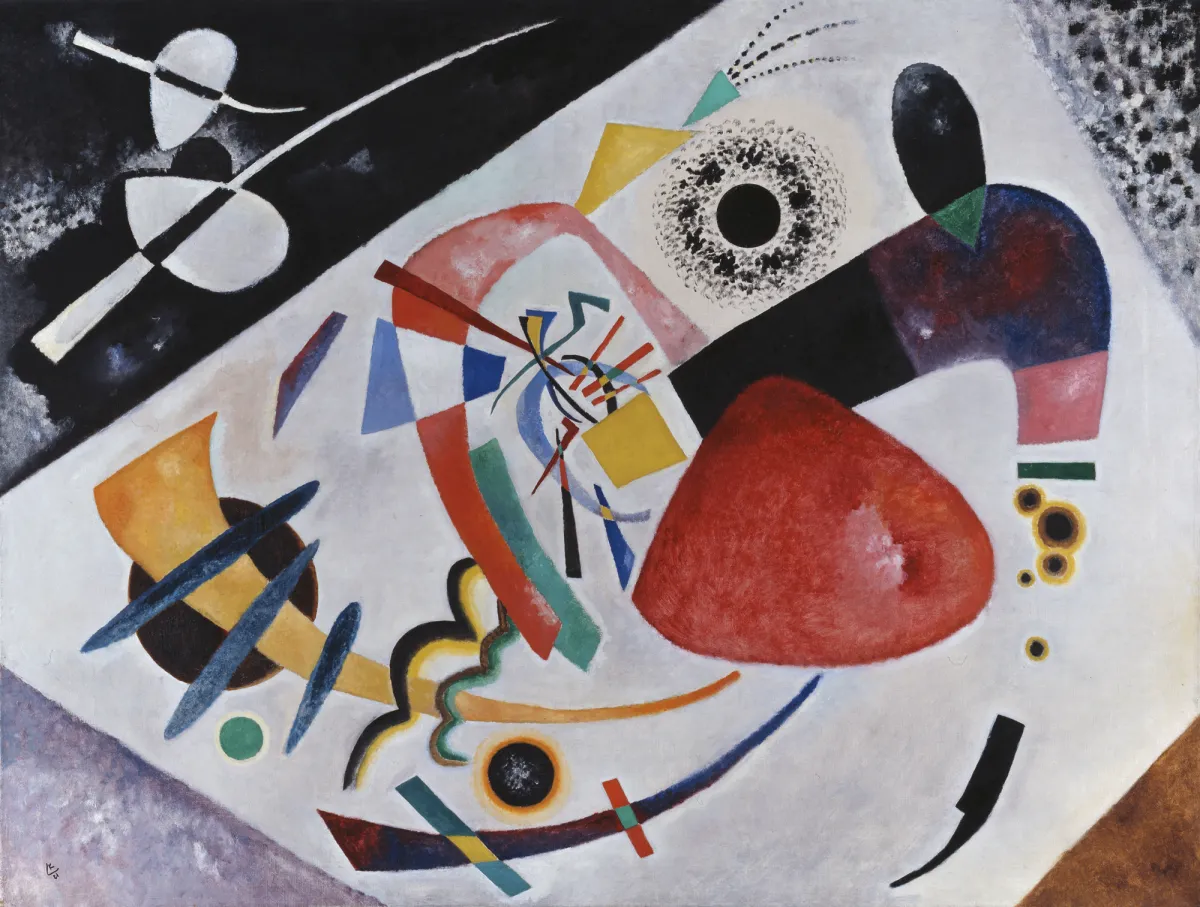
 100% Hand-Painted: Finished in 3-6 Weeks

.png)


















_(1).webp)