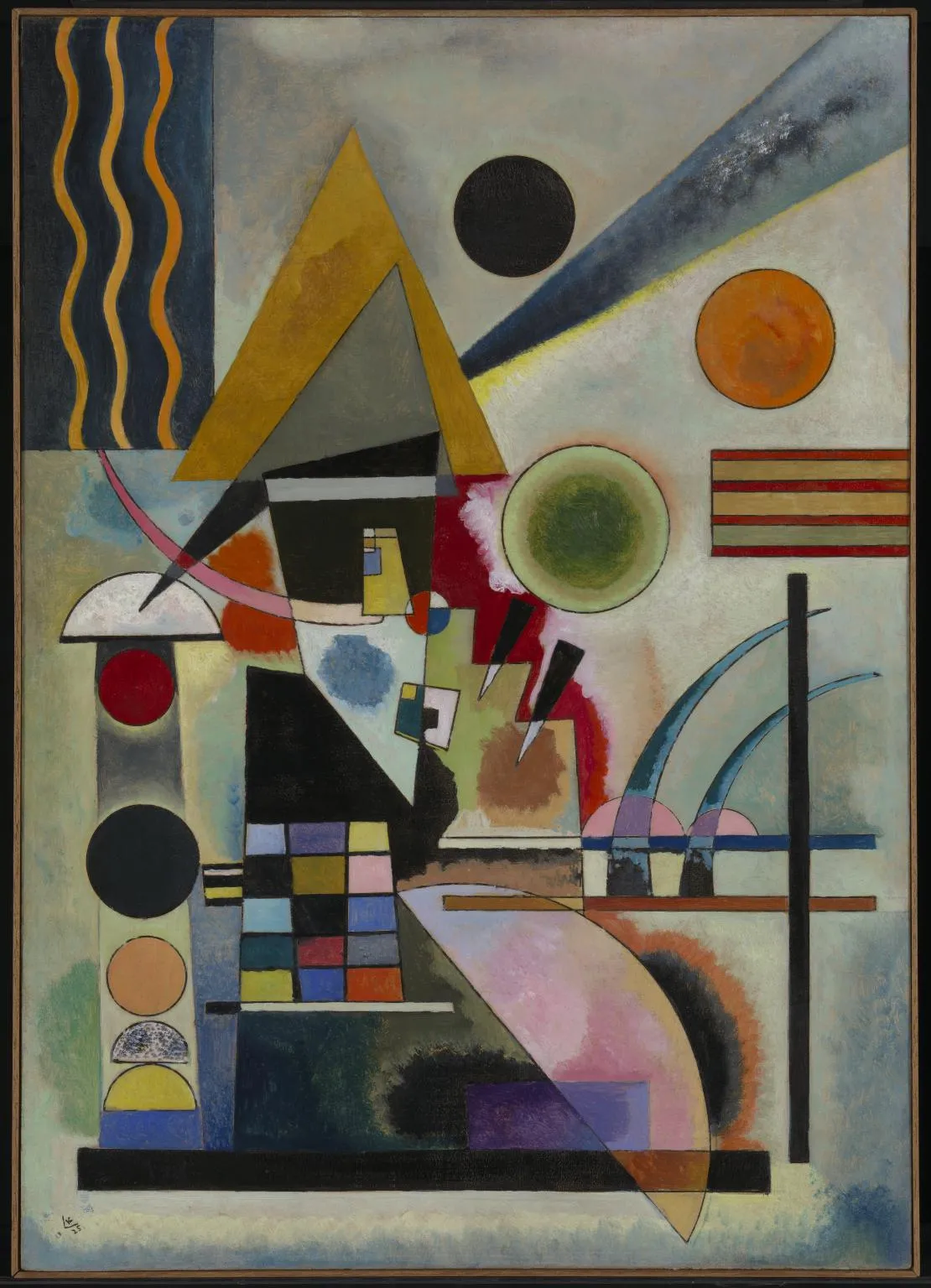
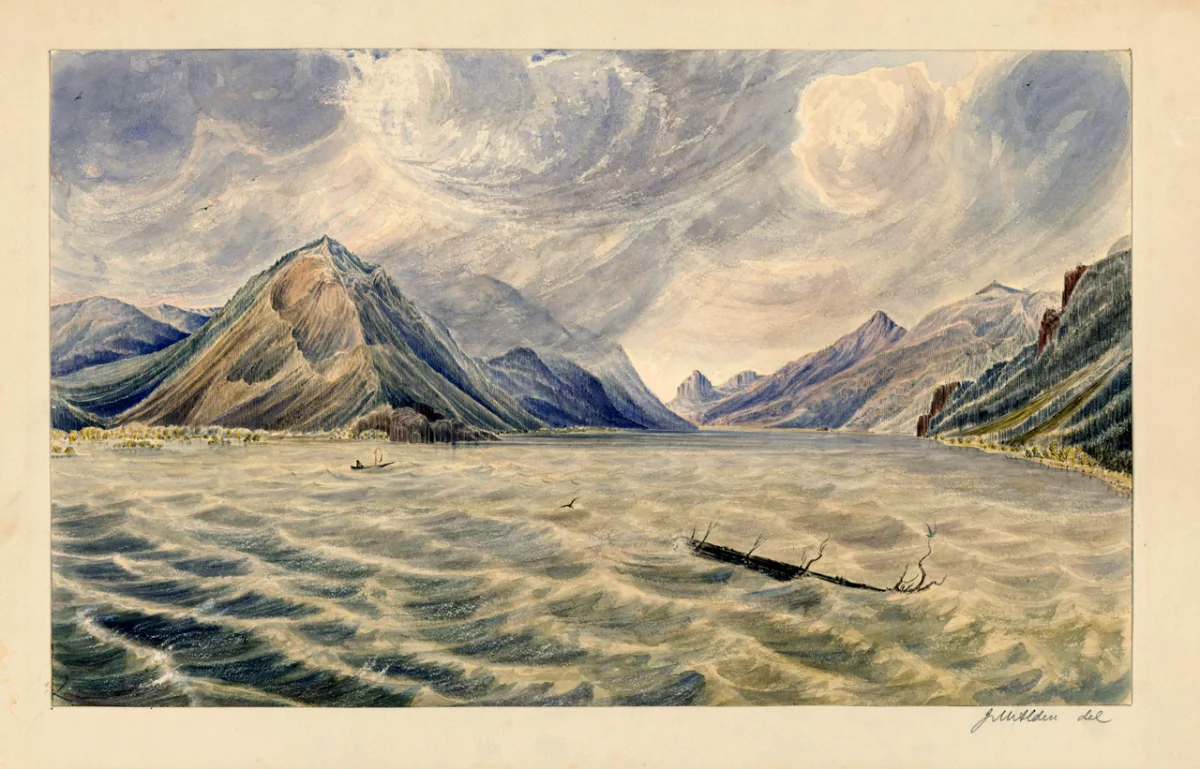
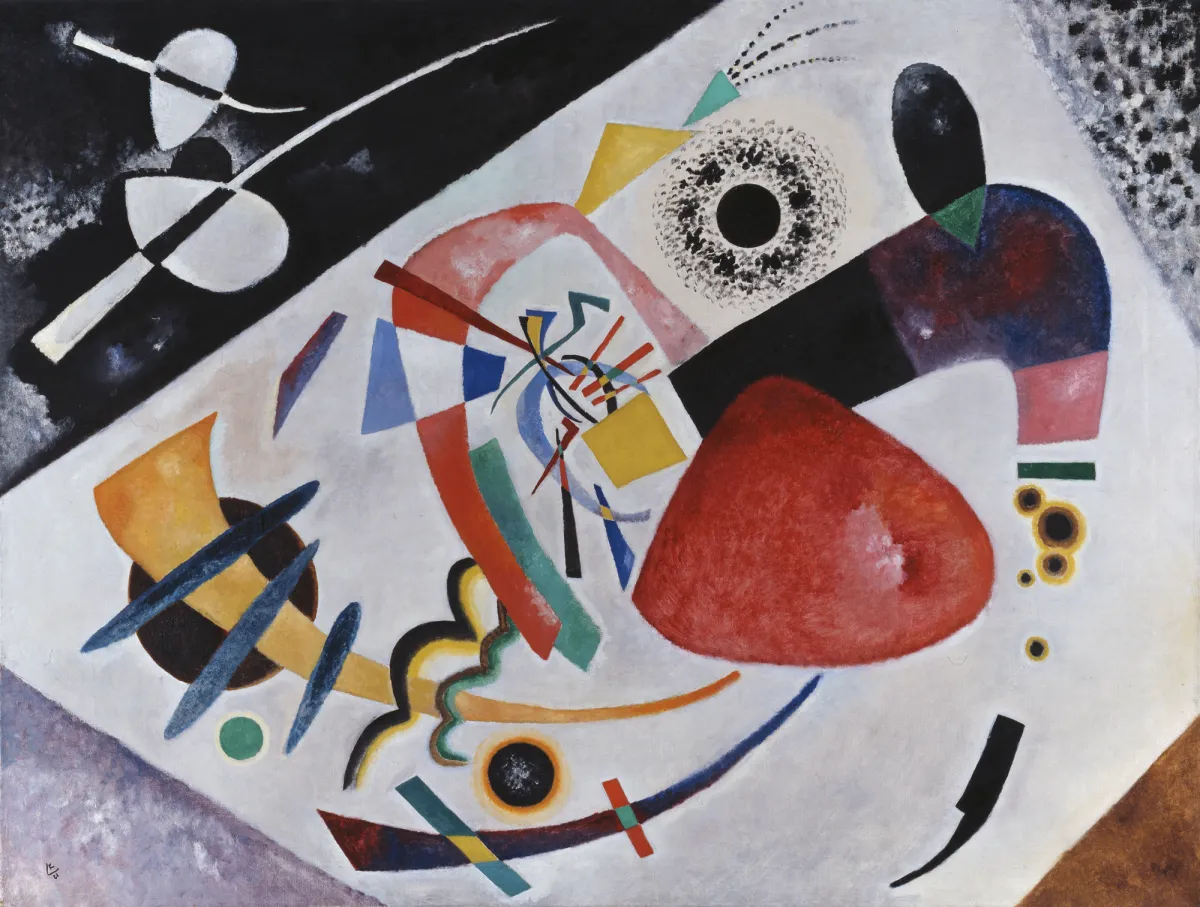
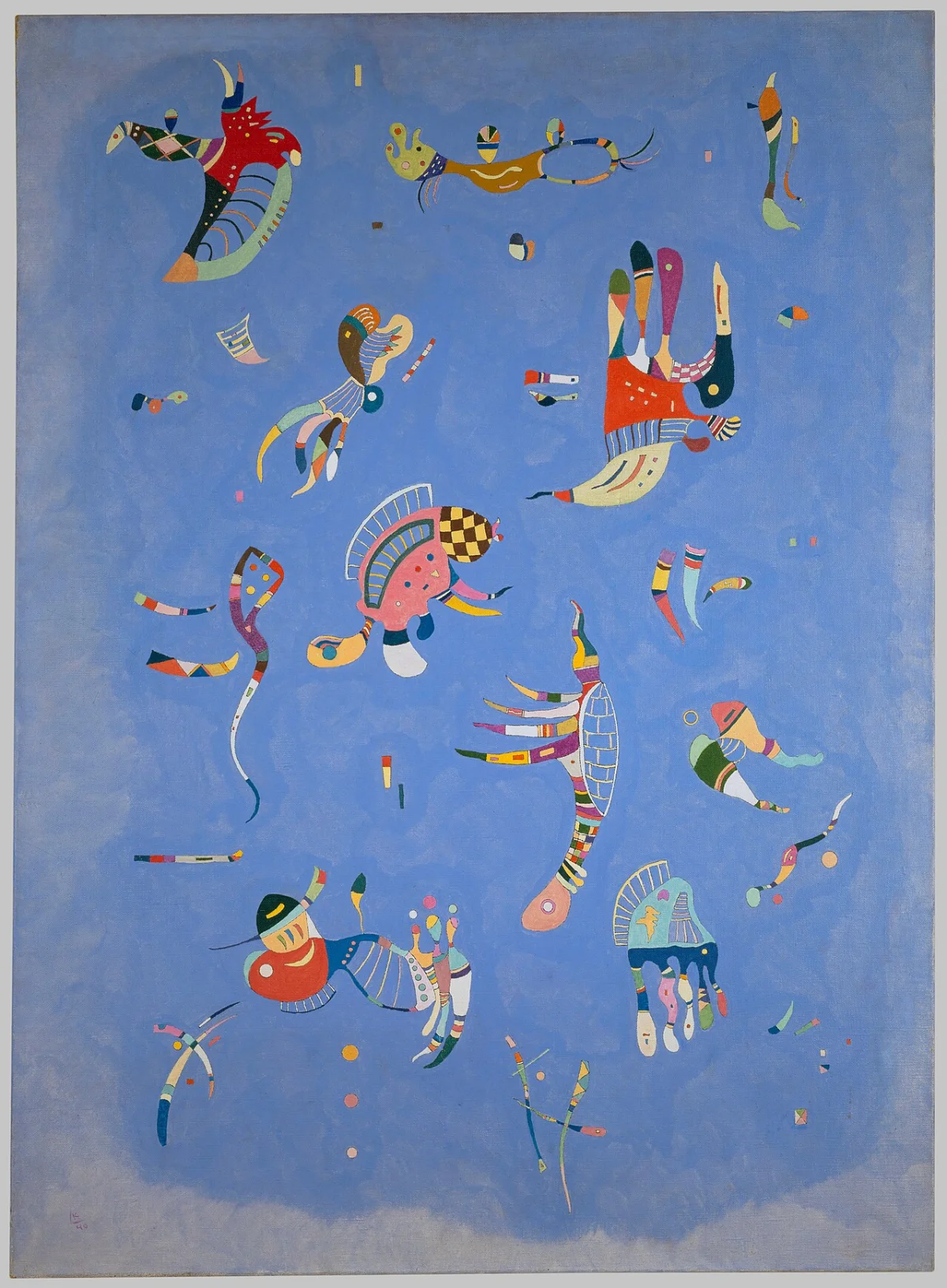
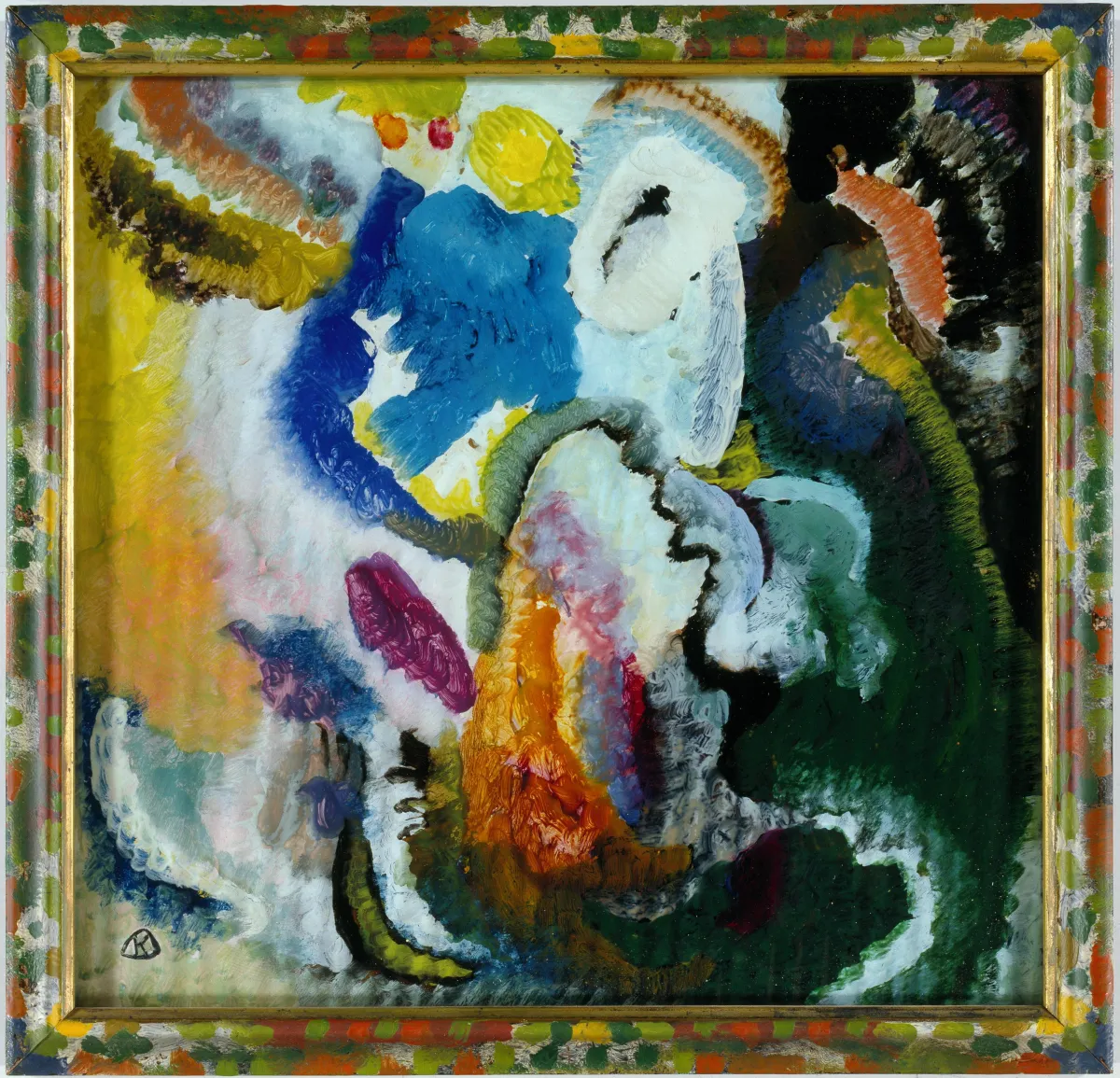
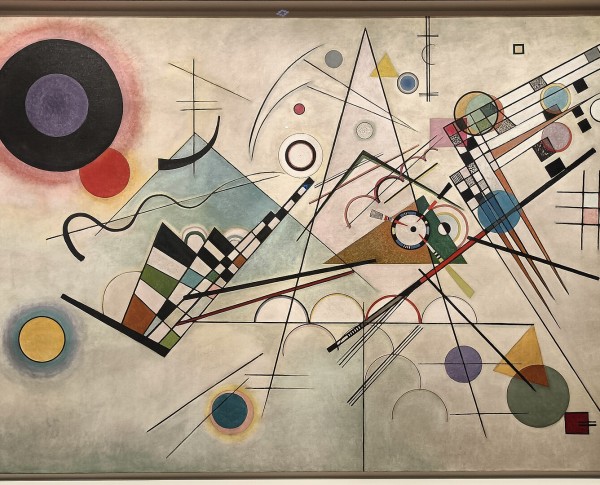
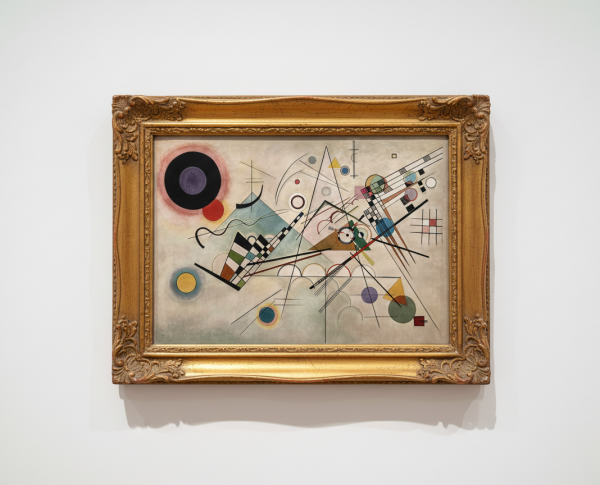
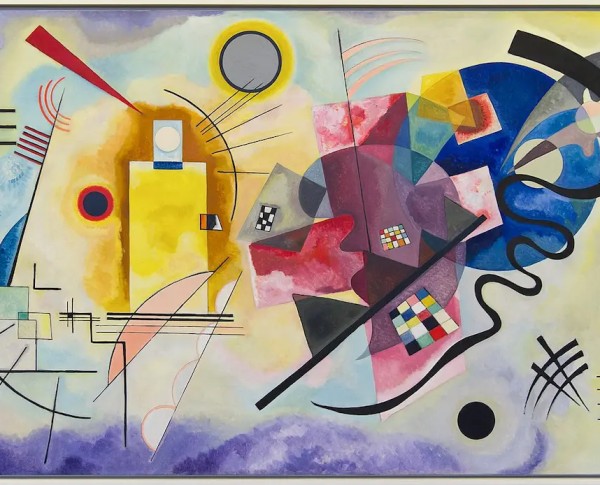
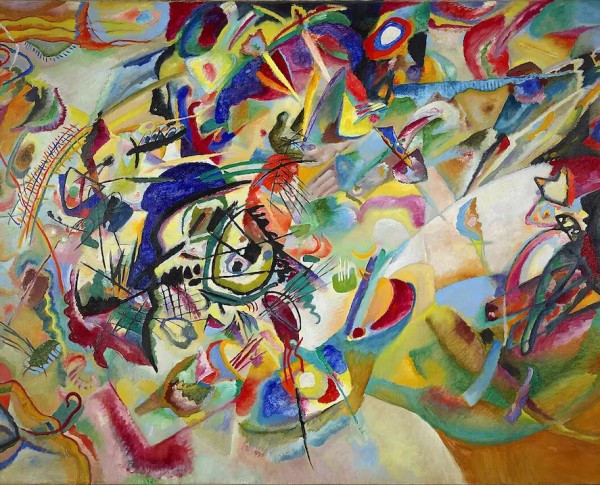
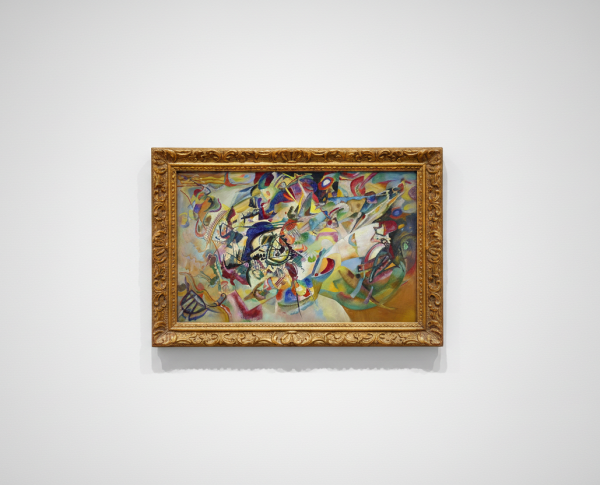
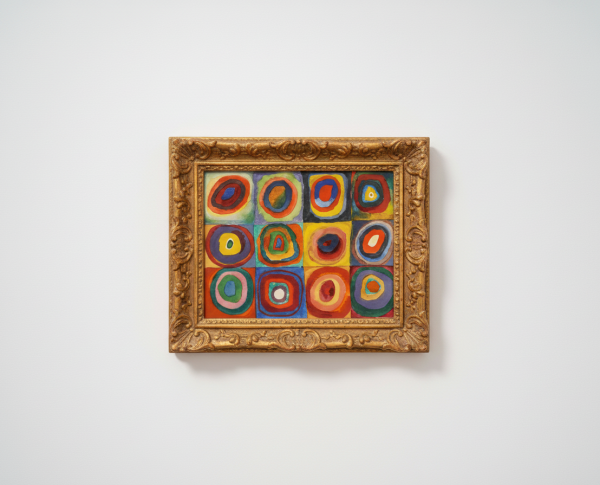
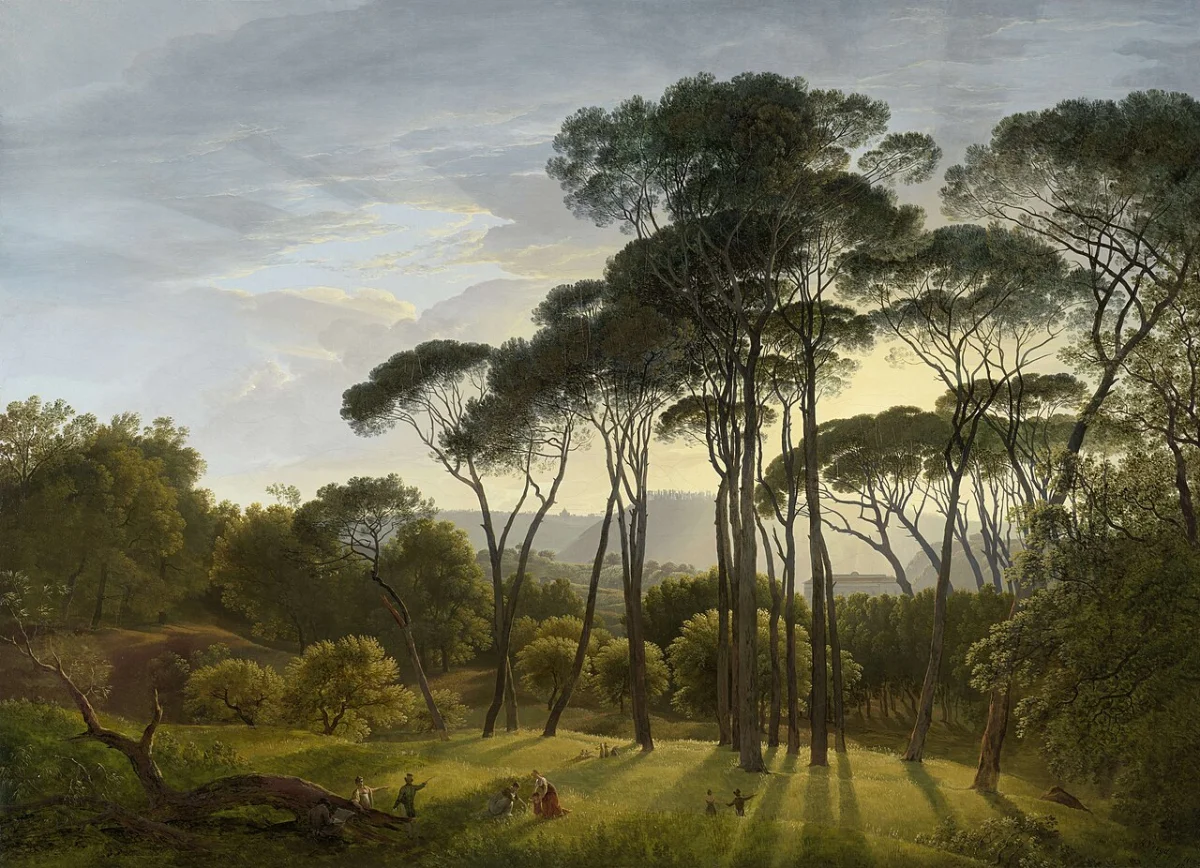
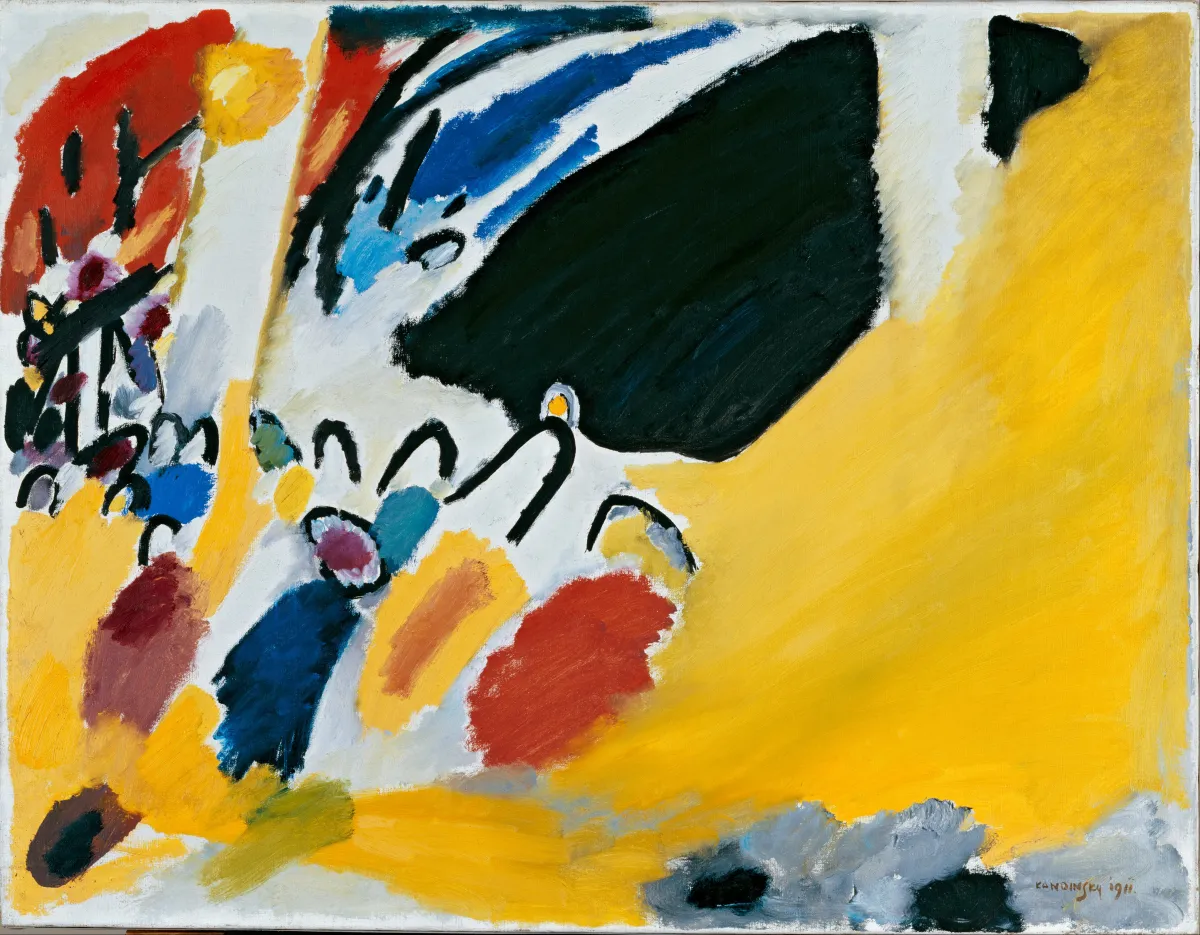
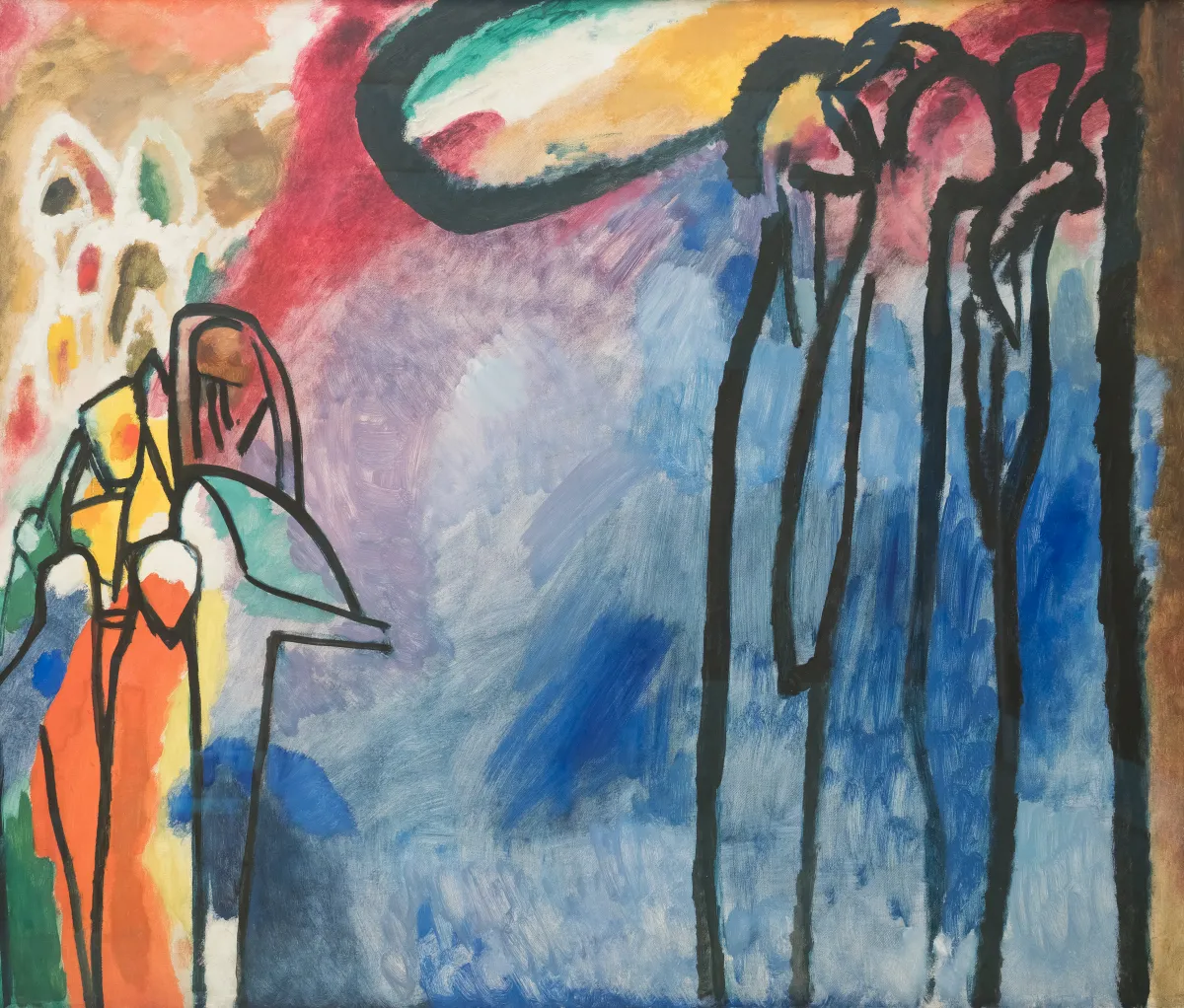
Kandinsky’s mastery is evident in every brushstroke of "Landscape," where the interplay of color and form exemplifies the essence of oil on canvas. Each element within the painting is meticulously crafted, highlighting the artist’s unique approach to abstraction and emotional expression. Art lovers frequently pair this work with other Kandinsky creations like "Bearded Old Man" and "Judgement Day" to cultivate a deeper understanding of his artistic evolution in Abstract Expressionism.
"Landscape" by Wassily Kandinsky weaves stories and symbols through its abstract forms, inviting viewers to interpret its mysteries. As a fine art painting for sale, it offers a glimpse into the artist’s exploration of spiritual and emotional themes, characteristic of the Abstract Expressionism movement. Collectors often seek related works, such as "Improvisation 11" and "Sketch for 'Composition II'," to expand their collection of symbolic and thought-provoking masterpieces.
For collectors, owning Kandinsky’s "Landscape" means possessing a significant piece of art history. This hand-painted oil painting not only enhances the aesthetic value of any collection but also serves as a conversation starter about the Abstract Expressionism movement. Many discerning buyers consider acquiring complementary works like "Woman in Moscow," "Church at Murnau," or "Bearded Old Man" to create a distinguished ensemble of Kandinsky’s visionary artistry.
When Art Meets History
Wassily Kandinsky’s "Landscape" stands as a pivotal hand-painted oil painting within the Abstract Expressionism movement. Created during a period of profound artistic evolution, this masterpiece captures the dynamic energy of the early 20th century. Kandinsky, renowned for his innovative approach, redefined artistic boundaries with "Landscape" and similar works like "Untitled (Violet, Black, Orange, Yellow on White and Red), 1949." His visionary perspective continues to influence modern art, making his paintings highly sought after by collectors and historians alike.
Techniques That Speak
Kandinsky’s "Landscape" exemplifies his mastery in the use of oil on canvas, a medium that allowed him to explore vibrant color palettes and bold, expressive brushstrokes. Through this technique, he conveyed emotion and movement, hallmarks of Abstract Expressionism. The textured layers in this painting reveal Kandinsky’s commitment to innovation, much like in other related paintings of his era. Each stroke in "Landscape" demonstrates the expressive potential of oil on canvas, setting a new standard for modern art.
Emotions on Display
"Landscape" by Wassily Kandinsky is a fine art painting for sale that delves deep into the spectrum of human emotion. The swirling forms and vivid colors evoke feelings of joy, chaos, and contemplation, characteristic of Abstract Expressionism. Kandinsky’s ability to translate inner experiences onto canvas is evident here, as in "Untitled (Violet, Black, Orange, Yellow on White and Red), 1949." This emotional resonance is what makes "Landscape" a timeless piece, inviting viewers to connect with the artist’s vision.
Coveted by Collectors
As a hand-painted oil painting, Kandinsky’s "Landscape" is highly coveted by collectors of fine art. Its significance within the Abstract Expressionism movement, along with its connection to related paintings like "Untitled (Violet, Black, Orange, Yellow on White and Red), 1949," enhances its desirability. Owning such a masterpiece means possessing a piece of art history, reflecting the artist’s pioneering spirit and the movement’s revolutionary ideals. The enduring appeal of "Landscape" ensures its place in prestigious collections worldwide.
Related Abstract Expressionism Hand-Painted Oil Paintings by Other Artists
Other Famous Abstract Expressionism Artists:
Frequently Asked Questions About Landscape
What is the historical context of Wassily Kandinsky's "Landscape"?
"Landscape" was created during a period of significant change in the early 20th century, marked by the rise of abstract art. Kandinsky, a pioneer of abstract expressionism, sought to break away from traditional representation and explore the emotional power of color and form.
What artistic movements influenced Kandinsky's work on "Landscape"?
Kandinsky was influenced by various movements, including Impressionism, Post-Impressionism, and the burgeoning Abstract art movement. His exposure to these styles informed his approach to color and composition in "Landscape."
What techniques did Kandinsky use in "Landscape"?
Kandinsky employed a variety of techniques in "Landscape," including bold brushstrokes, vibrant color palettes, and a dynamic interplay of geometric shapes. These techniques contribute to the painting's emotional resonance and abstract quality.
What is the significance of color in "Landscape"?
Color plays a crucial role in "Landscape," serving as a means of expression rather than mere representation. Kandinsky believed that colors evoke specific emotions and spiritual responses, reflecting his desire to connect viewers with deeper feelings.
How does "Landscape" reflect Kandinsky's philosophy of art?
Kandinsky's philosophy emphasized the idea that art should transcend the physical world and evoke spiritual experiences. "Landscape" embodies this belief by transforming a natural scene into an abstract representation that invites personal interpretation.
What symbols can be found in "Landscape"?
The painting features abstract forms that can be interpreted as symbols of nature, such as mountains and water. These elements are not depicted realistically but rather serve as a means to convey emotional and spiritual themes inherent in the landscape.
In what ways does "Landscape" challenge traditional artistic conventions?
"Landscape" challenges traditional conventions by prioritizing abstraction over realistic representation. Kandinsky's departure from the literal depiction of nature invites viewers to engage with the painting on an emotional and intellectual level, rather than a purely visual one.
What impact did "Landscape" have on future generations of artists?
"Landscape" had a profound impact on future generations, inspiring artists to explore abstraction and emotional expression in their work. Kandinsky's innovative approach laid the groundwork for movements such as Abstract Expressionism and Color Field painting.
How does "Landscape" fit into Kandinsky's overall body of work?
"Landscape" is a significant piece within Kandinsky's oeuvre, showcasing his evolution as an artist. It reflects his ongoing exploration of color, form, and abstraction, marking a pivotal moment in his transition towards more fully abstract compositions.
What is the legacy of "Landscape" in the context of modern art?
The legacy of "Landscape" lies in its role as a catalyst for the acceptance of abstraction in modern art. It exemplifies Kandinsky's belief in the transformative power of art, influencing countless artists and shaping the trajectory of 20th-century art movements.






















_GFM_Painting_(1).webp)


 100% Hand-Painted: Finished in 3-6 Weeks

.png)
















_(1).webp)