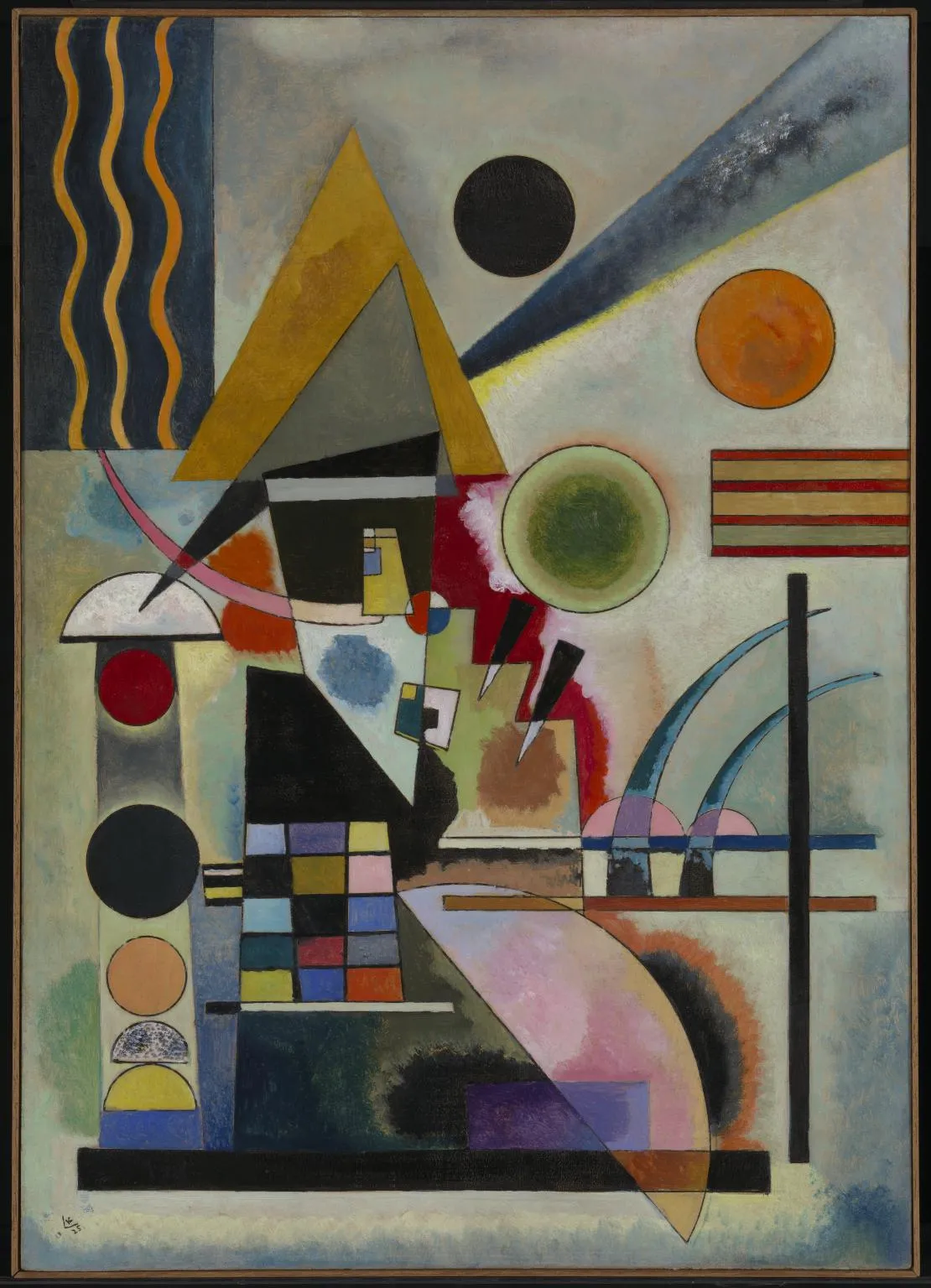
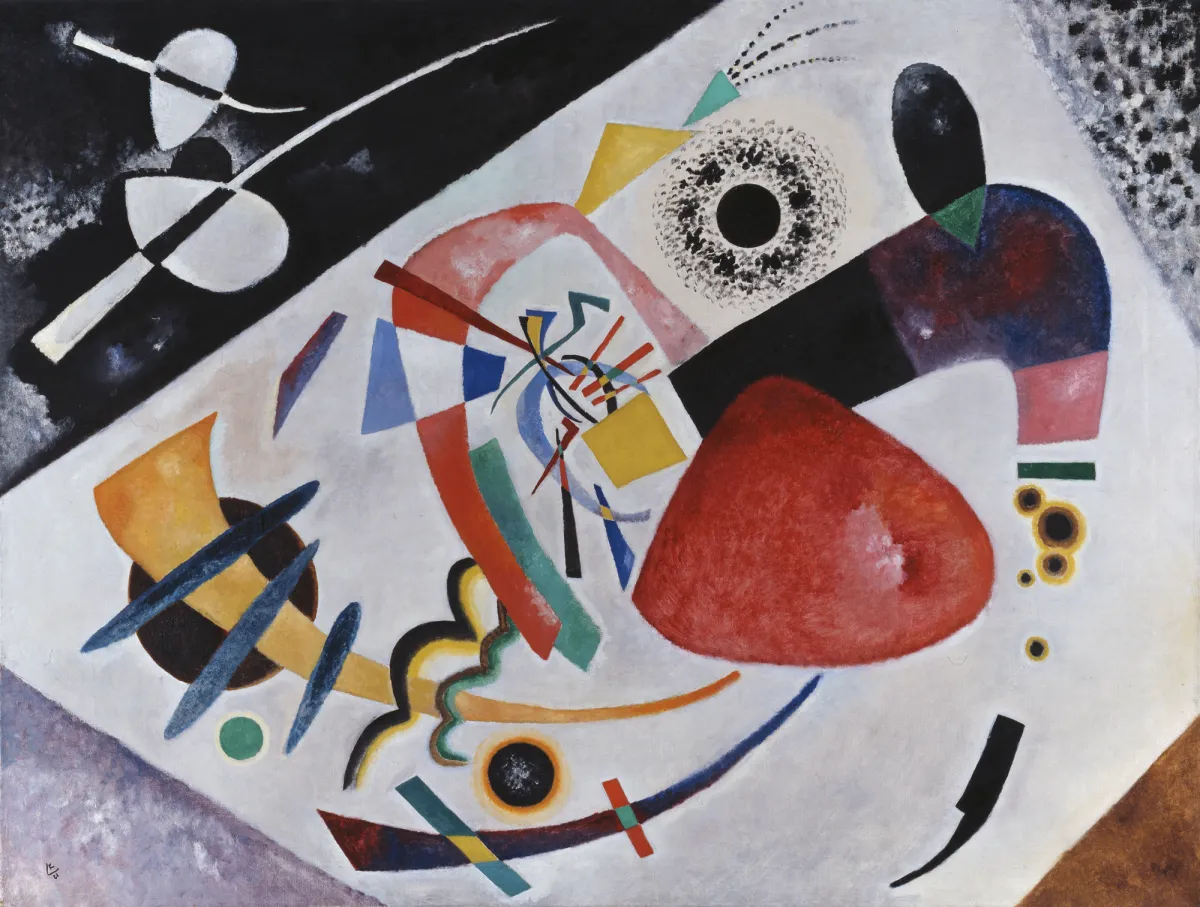
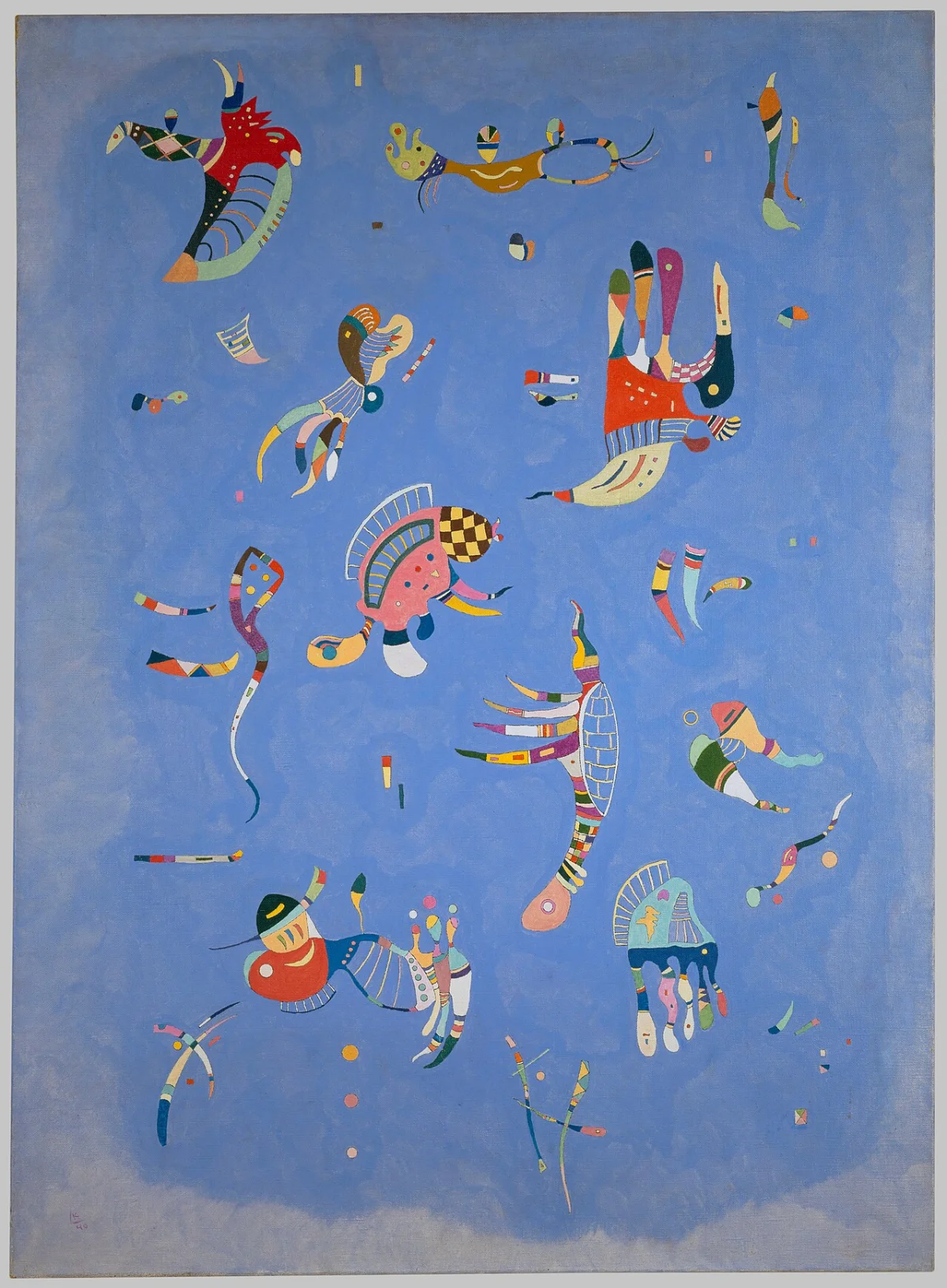
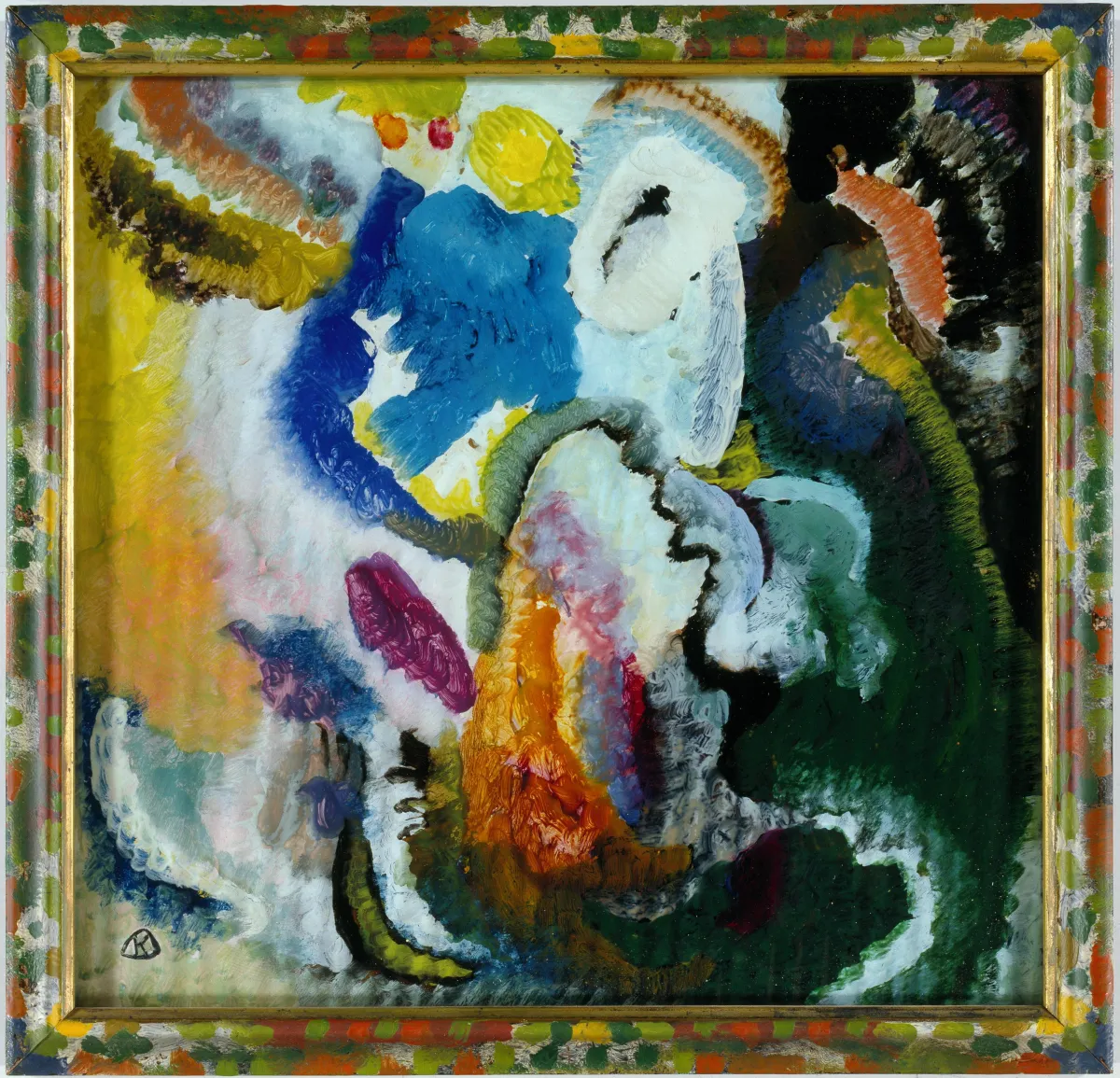
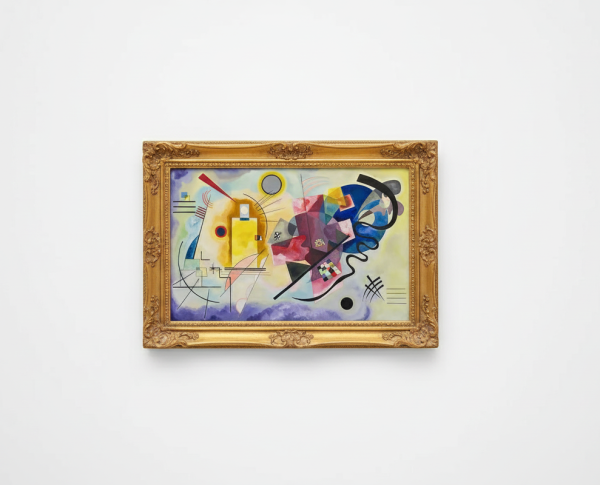
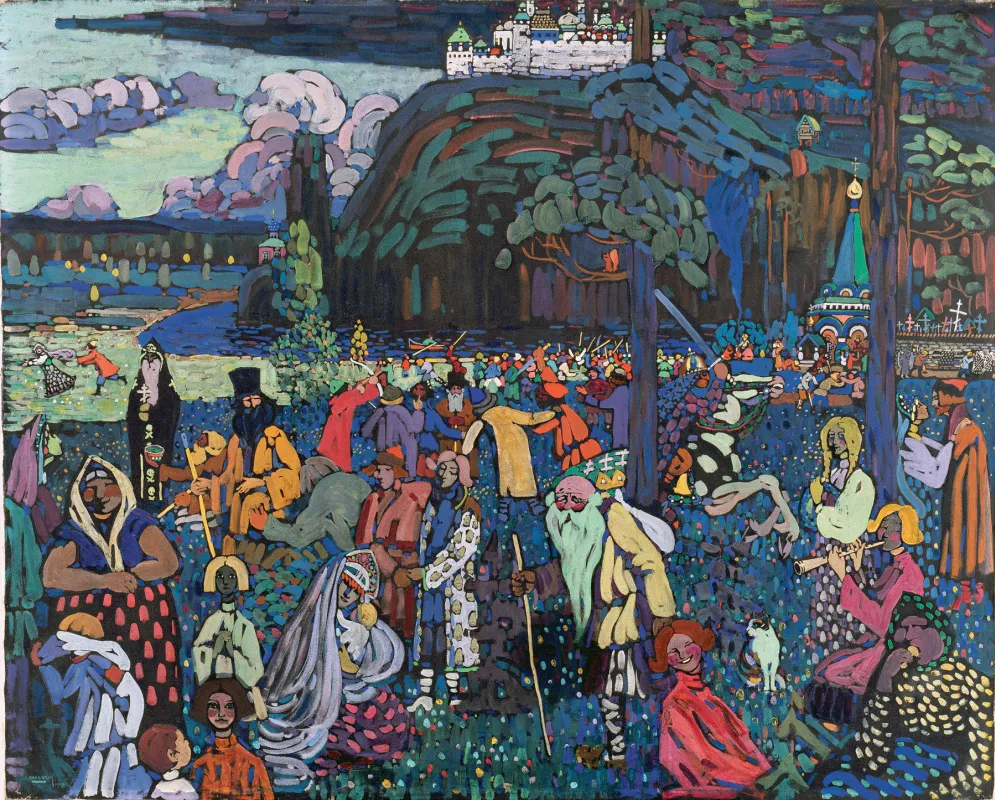
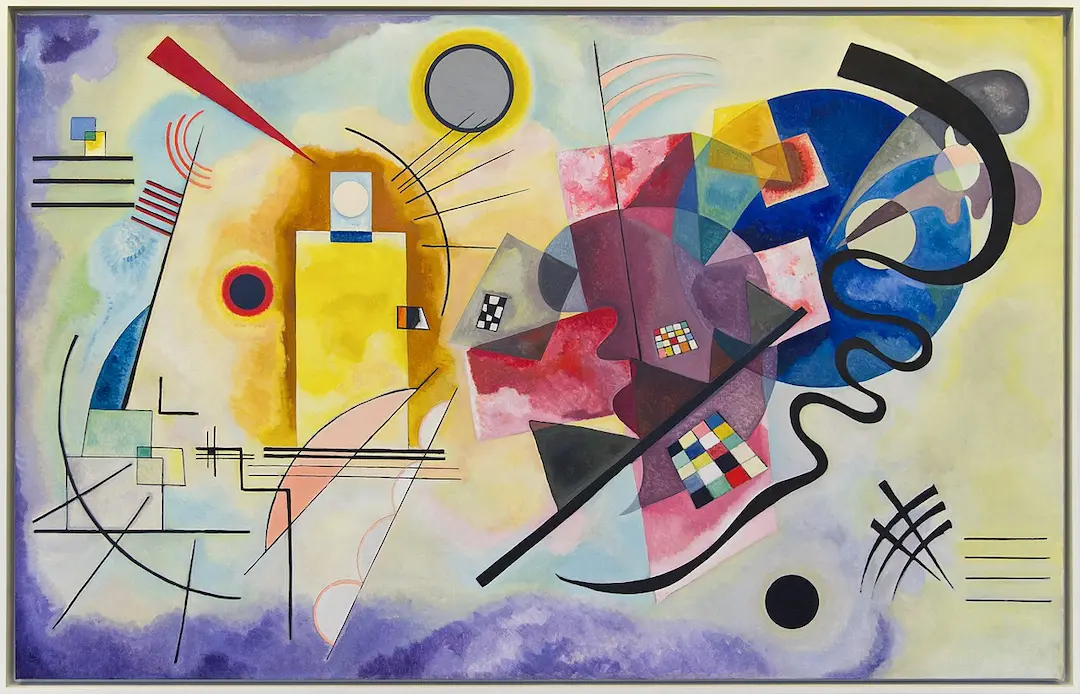
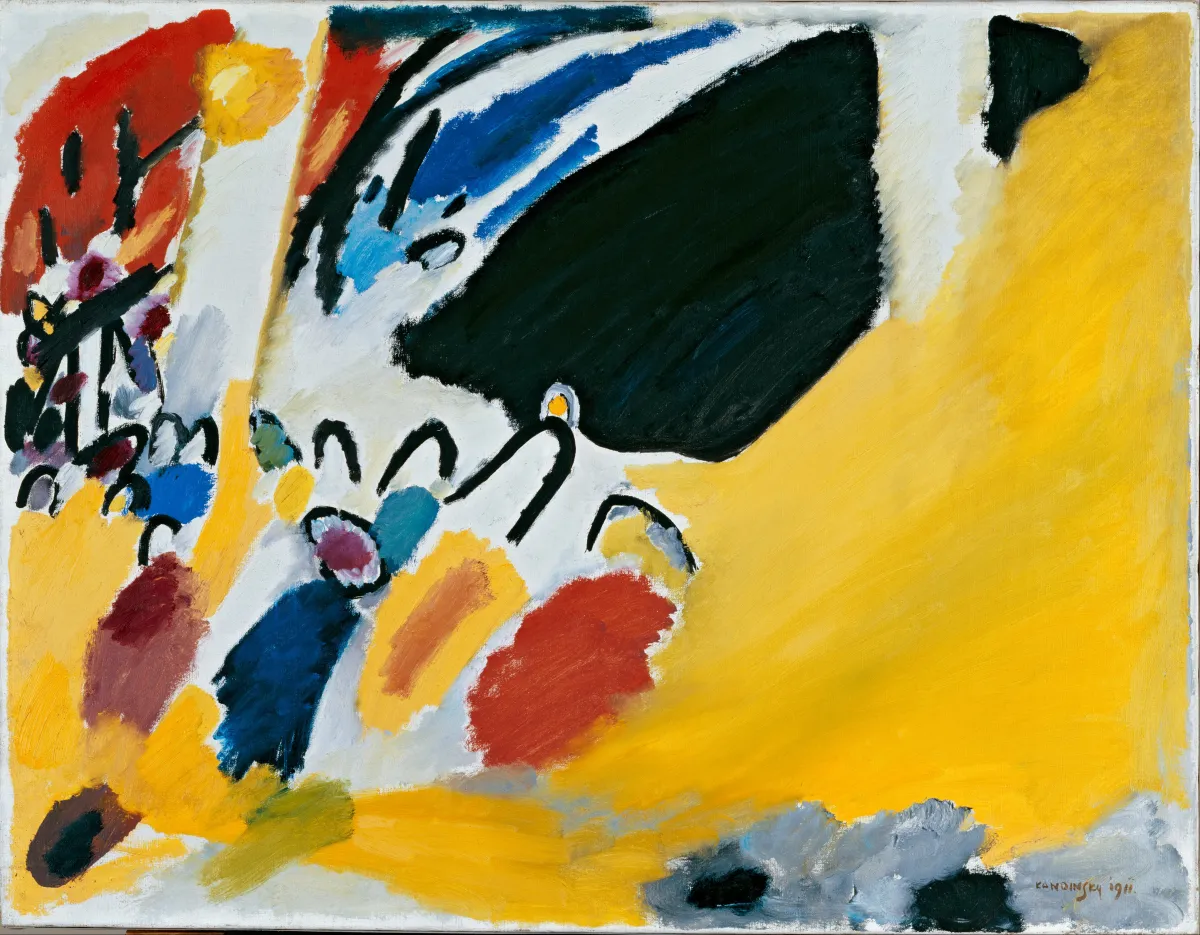
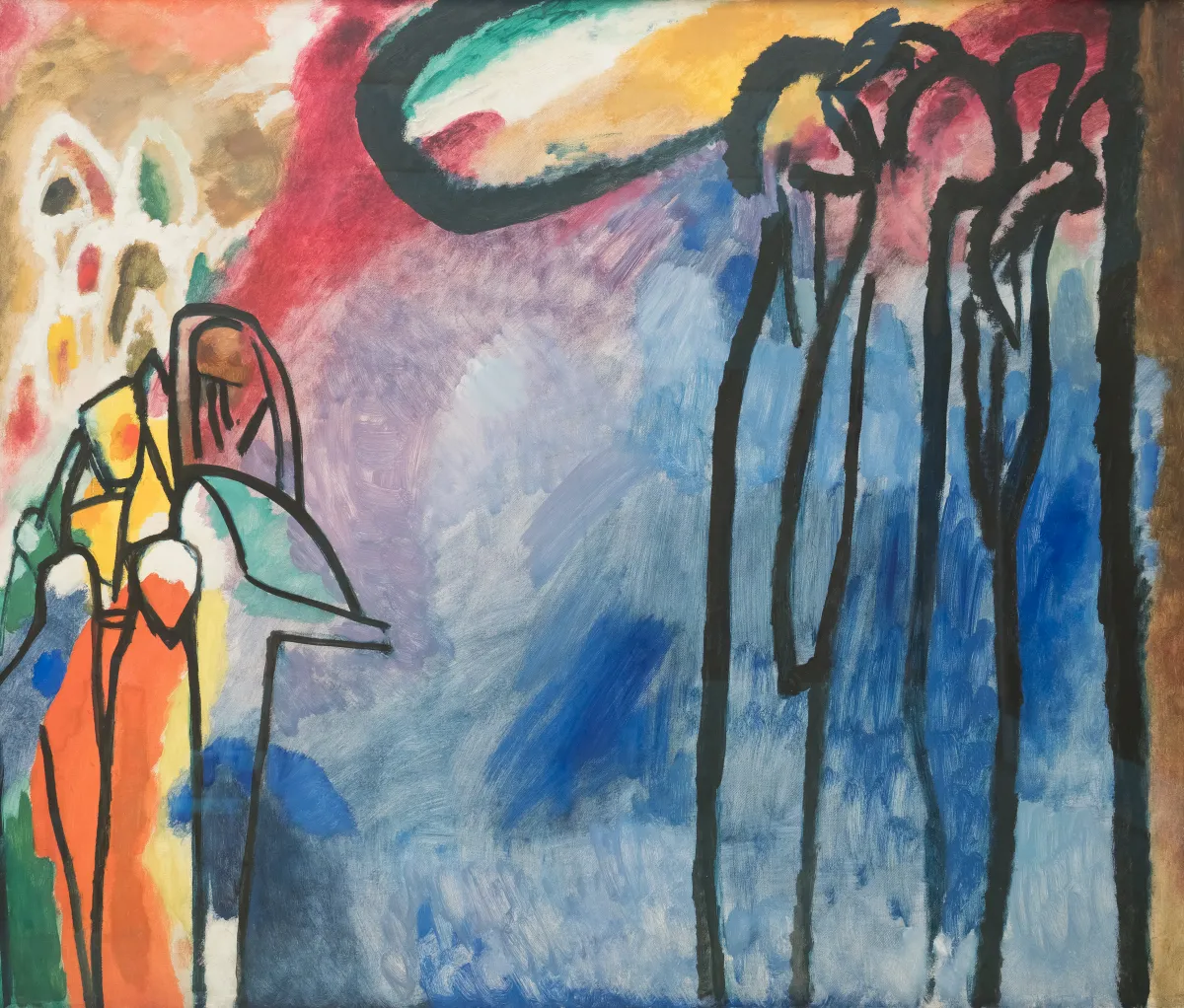
Through "Colorful Life," Kandinsky demonstrates exceptional technique with oil on canvas, blending expressive brushwork and radiant hues. Each stroke is deliberate, showcasing his mastery in translating emotion into abstract forms. As a leading figure in Abstract Expressionism, Kandinsky’s technique can be observed in other fine art painting for sale, like "Picture with a Horserider" and "Impression lll (Concert)," making his work a cornerstone of 20th-century art.
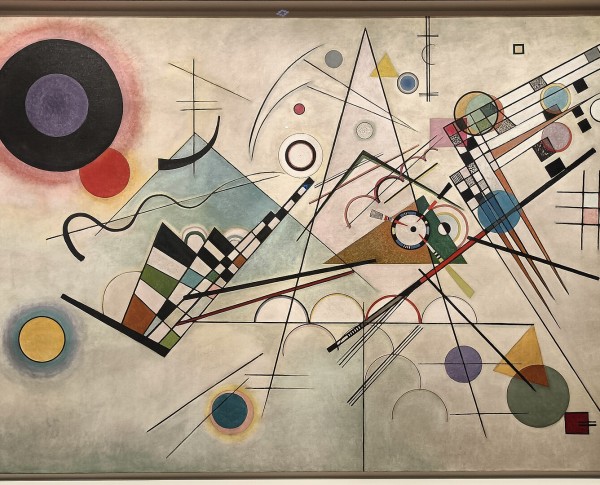
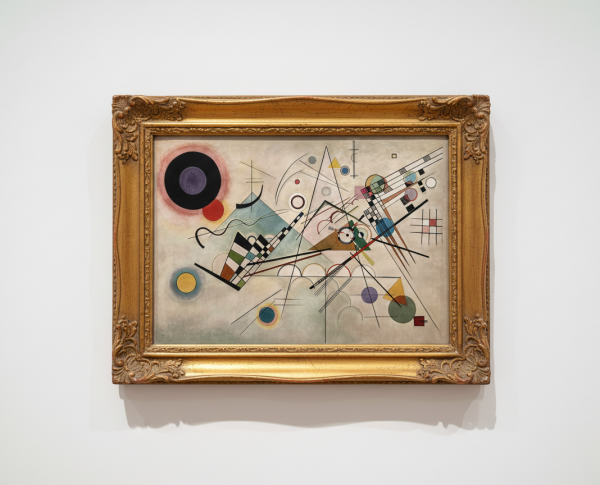
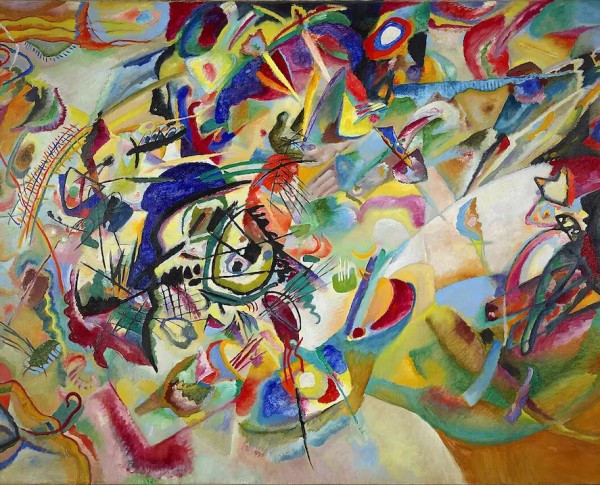
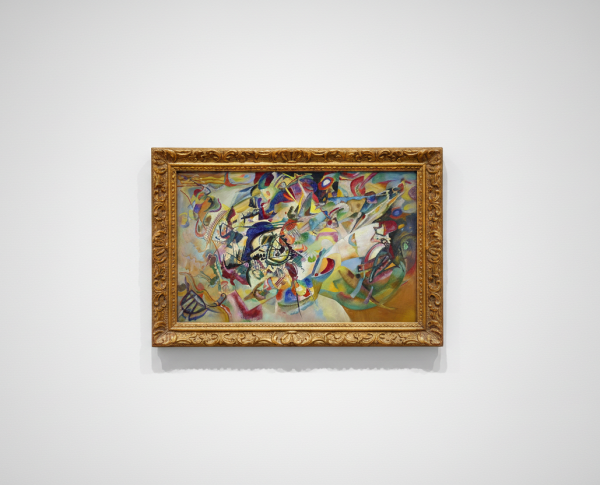
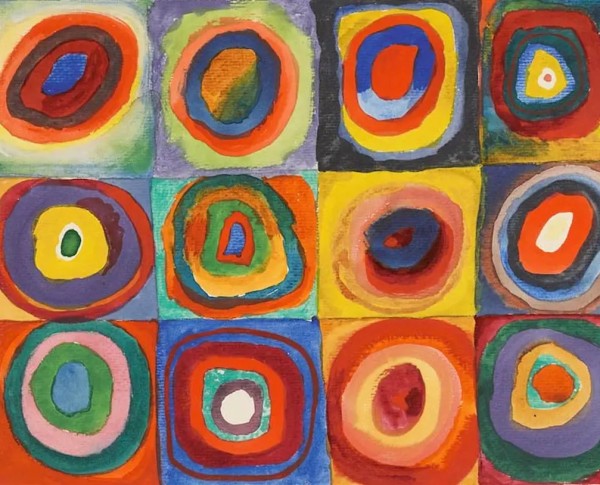
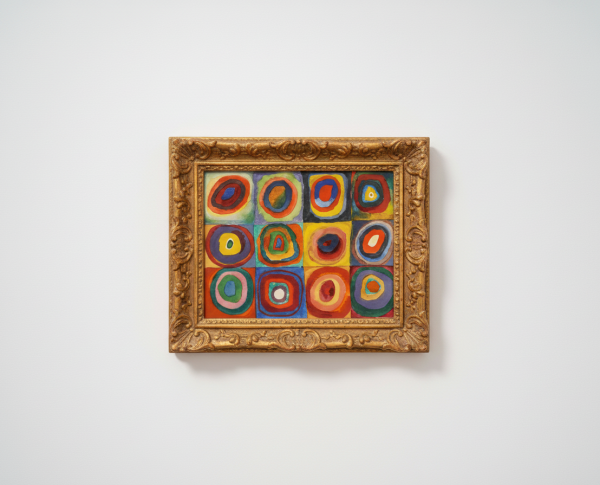
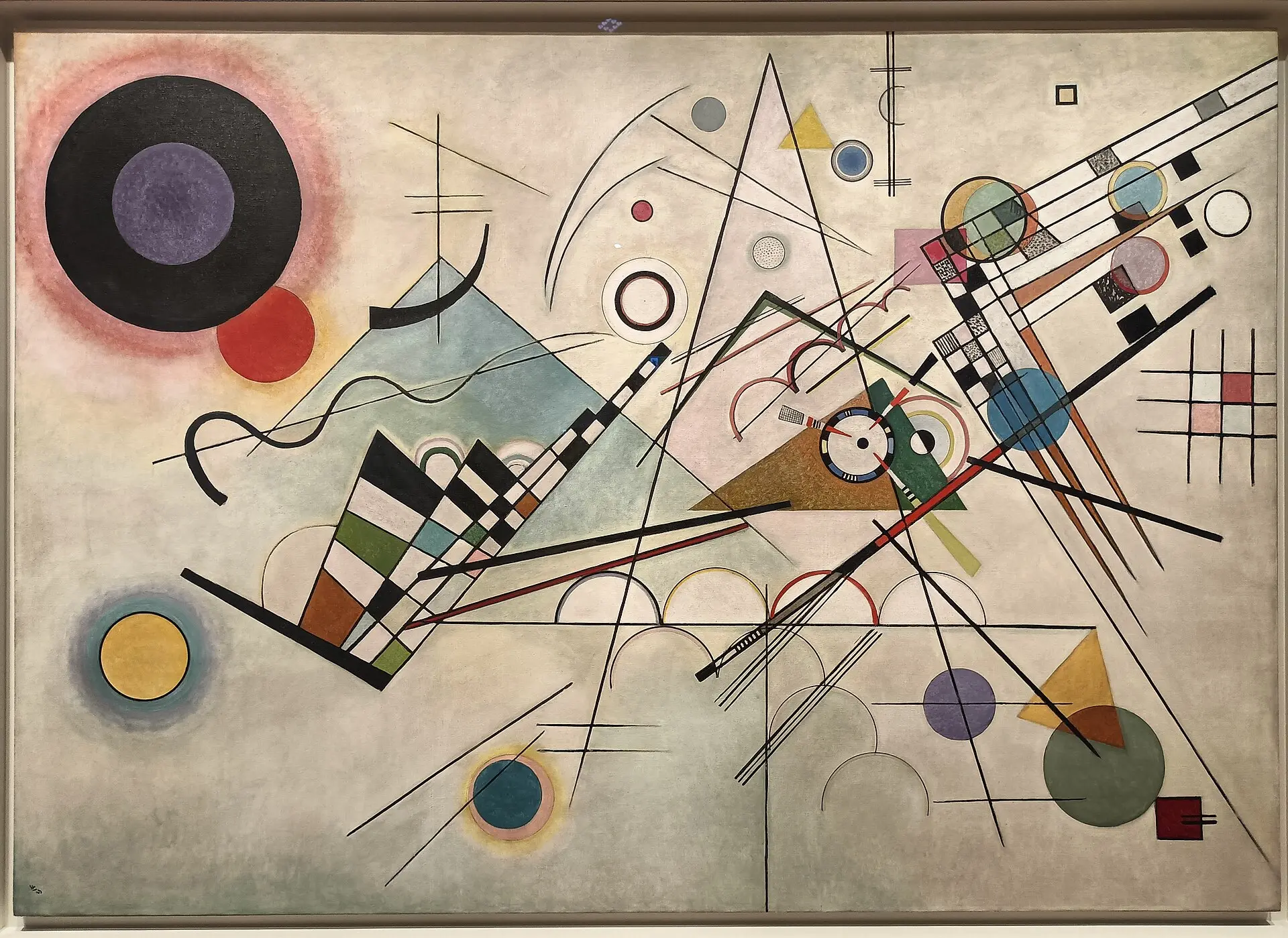
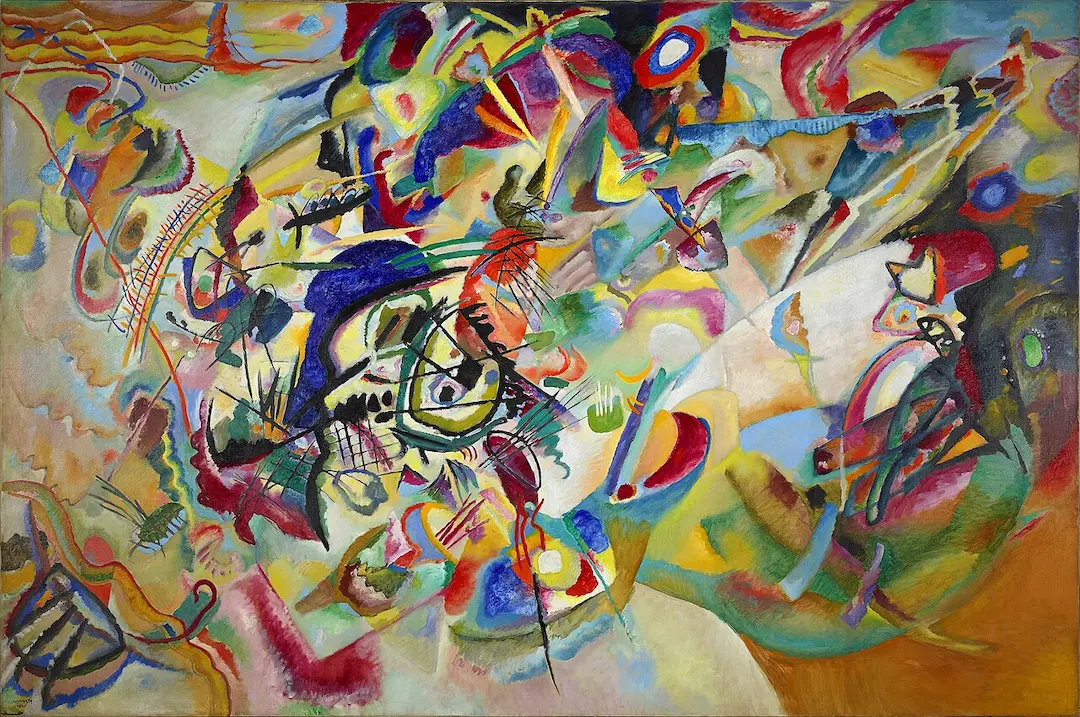
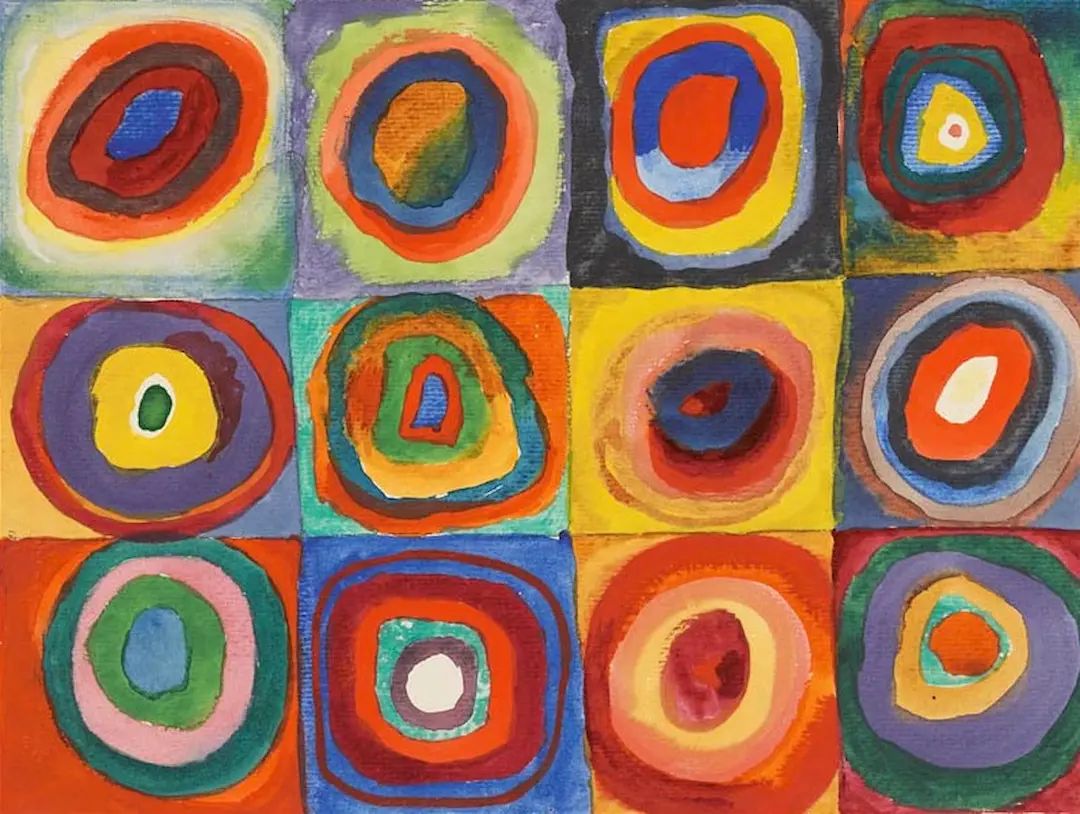
Every element within "Colorful Life" carries symbolic weight, inviting viewers to interpret its deeper meaning. Kandinsky’s hand-painted oil painting is rich with abstract motifs, reflecting his belief in the spiritual power of art. The painting’s lively composition and dynamic shapes echo themes found in related products such as "The Composition V111" and "Squares with Concentric Rings," both integral to understanding Kandinsky’s storytelling through color and form.
Owning "Colorful Life" is more than acquiring a fine art painting for sale; it’s embracing a piece of Abstract Expressionism history. Kandinsky’s oil on canvas works, including renowned pieces like "Mountain" and "Picture with a Horserider," remain highly sought after by collectors worldwide. This painting is not just an artwork, but a legacy, making it a prized addition to any collection alongside other masterpieces by Wassily Kandinsky.
When Art Meets History
"Colorful Life" by Wassily Kandinsky stands as a testament to the vibrant evolution of the Abstract Expressionism movement. Created during a time when artists sought new ways to convey emotion, this hand-painted oil painting reflects the innovative spirit of its era. Kandinsky’s work, alongside related paintings like "Untitled (Violet, Black, Orange, Yellow on White and Red), 1949", marked a pivotal moment in modern art, blending history and creativity in every brushstroke.
Techniques That Speak
Wassily Kandinsky’s mastery of oil on canvas is evident in "Colorful Life", where dynamic lines and bold colors interact to create a unique visual language. Utilizing techniques synonymous with Abstract Expressionism, Kandinsky manipulates texture and form to evoke movement and rhythm. These methods, also seen in related works, allow the viewer to experience the painting’s energy firsthand, making "Colorful Life" an exemplary piece for anyone seeking a fine art painting for sale.
Emotions on Display
"Colorful Life" captures a spectrum of emotions through its vivid palette and abstract forms, hallmarks of Kandinsky’s approach within Abstract Expressionism. The artist’s ability to translate feeling into visual expression sets this hand-painted oil painting apart. Drawing comparisons to the emotional intensity in "Untitled (Violet, Black, Orange, Yellow on White and Red), 1949", Kandinsky’s work invites viewers to explore personal interpretations, making each encounter with the painting a unique emotional journey.
Coveted by Collectors
As a cornerstone of Kandinsky’s legacy, "Colorful Life" remains highly sought after by collectors who appreciate the significance of oil on canvas masterpieces from the Abstract Expressionism era. The painting’s storied history and connection to related works enhance its appeal as a fine art painting for sale. Its enduring popularity underscores the timeless allure of Kandinsky’s vision, ensuring that "Colorful Life" continues to inspire admiration in both private and public collections worldwide.
Related Abstract Expressionism Hand-Painted Oil Paintings by Other Artists
Other Famous Abstract Expressionism Artists:
Frequently Asked Questions About Colorful Life
What is the historical context of "Colorful Life"?
"Colorful Life" was created during a period of significant artistic experimentation in the early 20th century, particularly within the context of the Expressionist movement. Kandinsky, a pioneer of abstract art, sought to convey emotional experiences through color and form, reflecting the tumultuous socio-political climate of the time.
What artistic techniques did Kandinsky employ in "Colorful Life"?
Kandinsky utilized a combination of geometric shapes, vibrant colors, and dynamic compositions in "Colorful Life." His innovative use of color theory and abstraction aimed to evoke feelings and spiritual experiences, moving away from representational art towards a more expressive visual language.
What is the significance of color in "Colorful Life"?
In "Colorful Life," color plays a crucial role in conveying emotion and meaning. Kandinsky believed that colors had intrinsic spiritual values and could evoke specific feelings. The bold and contrasting colors in the painting symbolize vitality, energy, and the complexity of human emotions.
How does "Colorful Life" reflect Kandinsky's philosophy of art?
Kandinsky's philosophy emphasized the connection between art and spirituality. In "Colorful Life," he sought to transcend the material world, allowing viewers to experience a deeper emotional response. The painting serves as a visual representation of his belief that art should resonate with the soul.
What themes are explored in "Colorful Life"?
The themes of vitality, harmony, and the interconnectedness of life are central to "Colorful Life." Kandinsky explores the relationship between color, form, and emotion, inviting viewers to reflect on the essence of existence and the beauty of life's complexities.
In what ways does "Colorful Life" exemplify abstract art?
"Colorful Life" exemplifies abstract art through its non-representational forms and emphasis on color and composition over realistic depiction. Kandinsky's departure from traditional artistic conventions allows for a more personal interpretation, inviting viewers to engage with the artwork on an emotional level.
What influences can be seen in "Colorful Life"?
Kandinsky was influenced by various artistic movements, including Impressionism and Fauvism, as well as his interest in music and spirituality. These influences are evident in "Colorful Life," where the interplay of color and rhythm creates a visual symphony that resonates with the viewer.
How does "Colorful Life" relate to Kandinsky's other works?
"Colorful Life" shares thematic and stylistic similarities with Kandinsky's other works, notably his exploration of abstraction and color theory. It reflects his ongoing quest to express the inexpressible and to capture the essence of human experience through visual art.
What impact did "Colorful Life" have on the art world?
"Colorful Life" contributed to the evolution of abstract art and influenced subsequent generations of artists. Kandinsky's innovative approach to color and form challenged traditional artistic norms and paved the way for future movements, such as Abstract Expressionism.
What legacy did Kandinsky leave through works like "Colorful Life"?
Kandinsky's legacy is marked by his role as a pioneer of abstract art and his profound impact on modern art. "Colorful Life" exemplifies his belief in the transformative power of art, inspiring artists to explore new dimensions of expression and to connect with viewers on a deeper emotional level.























_GFM_Painting_(1).webp)


 100% Hand-Painted: Finished in 3-6 Weeks

.png)















_(1).webp)