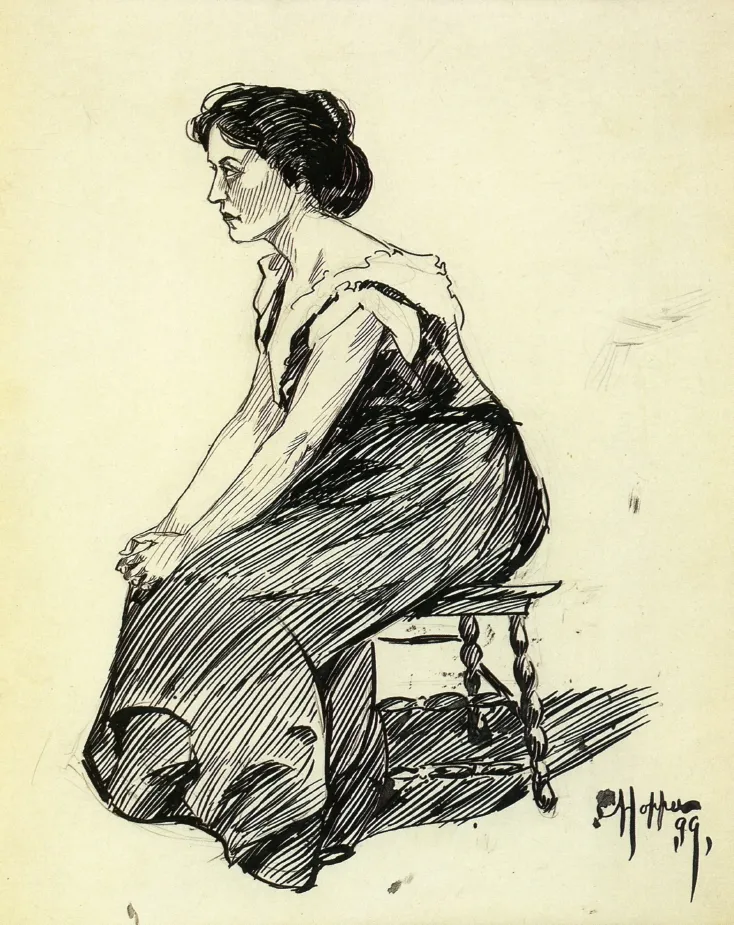
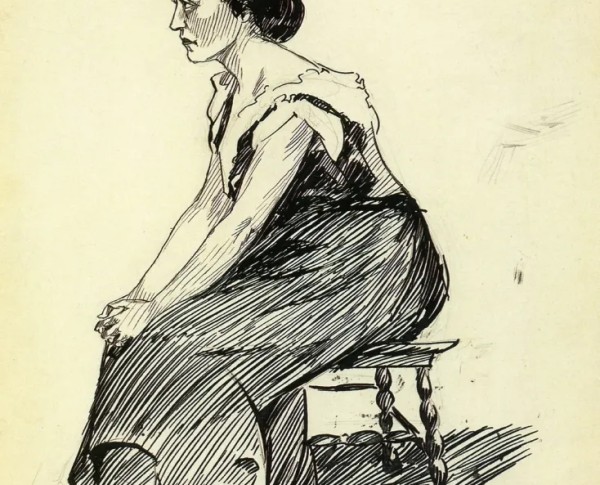
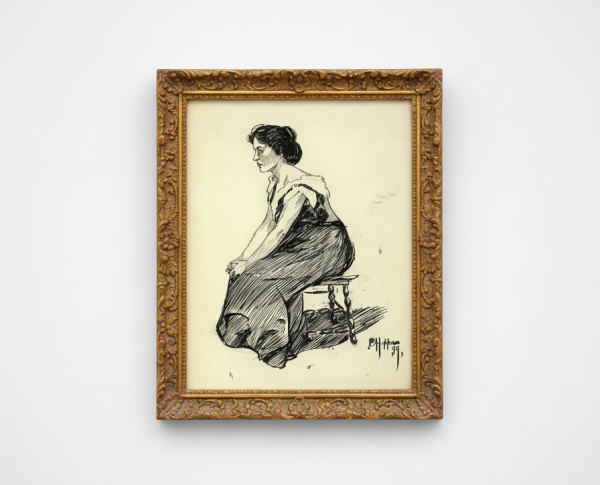
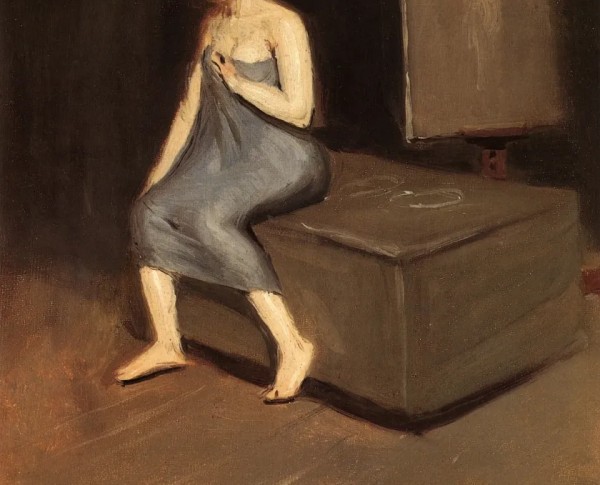
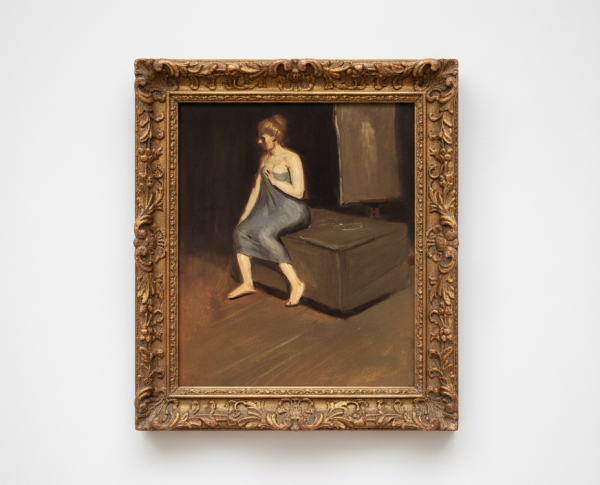
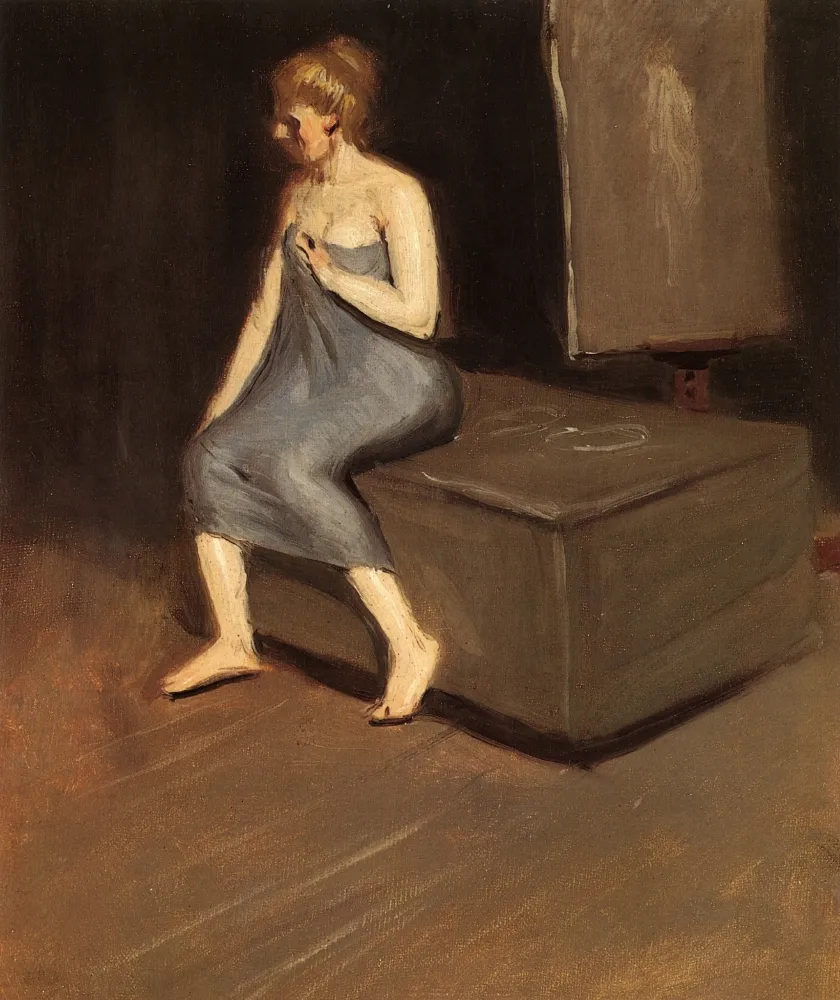
Edward Hopper’s "Study of a Seated Woman" showcases his remarkable technique with oil on canvas, illustrating his command over light, shadow, and composition. Each brushstroke conveys emotion and depth, inviting viewers to ponder the inner world of the subject. This painting highlights Hopper’s ability to blend realism with a sense of narrative, solidifying his reputation as a leading figure in the American Realism movement.
Within "Study of a Seated Woman," Edward Hopper weaves subtle stories and symbols that invite interpretation. The poised figure, rendered in a fine art painting for sale, evokes feelings of contemplation and solitude—hallmarks of the American Realism movement. Hopper’s attention to detail and nuanced use of color encourage viewers to explore the deeper emotional layers and societal themes present in this timeless work of art.
For art enthusiasts and collectors, "Study of a Seated Woman" by Edward Hopper represents a valuable hand-painted oil painting from the American Realism era. Owning such a piece means possessing a slice of art history, crafted by one of the movement’s most influential artists. Its enduring appeal and masterful execution ensure that it remains a coveted fine art painting for sale in galleries and private collections around the world.
When Art Meets History
"Study of a Seated Woman" by Edward Hopper is a remarkable example of American Realism, capturing the nuanced interplay between subject and setting. Created during a period of significant cultural change, this hand-painted oil painting reflects Hopper’s fascination with solitude and introspection. Alongside his other works and related paintings like "A Bachelor’s Dog" and "Dogs Playing Poker," Hopper’s art continues to offer a window into American society and its evolving identity through the lens of realism.
Techniques That Speak
Edward Hopper’s mastery of oil on canvas is evident in "Study of a Seated Woman," where brushwork and lighting coalesce to create a lifelike atmosphere. His use of subtle color gradients and sharp contrasts gives the subject depth and presence, characteristics central to the American Realism movement. Techniques seen here echo across related works such as "A Friend in Need" and "Dream of the Fisherman’s Wife," showcasing Hopper’s influence on the genre’s technical evolution.
Emotions on Display
In "Study of a Seated Woman," Edward Hopper captures a profound sense of quiet contemplation, a hallmark of American Realism. The sitter’s pose and expression evoke feelings of solitude, inviting viewers to connect with the emotional undercurrents of the scene. This fine art painting for sale resonates with collectors and enthusiasts alike, drawing parallels to the emotional depth found in works like "Waterloo" and "Dogs Playing Poker," where narrative and mood intertwine seamlessly.
Coveted by Collectors
"Study of a Seated Woman" remains highly sought after among art collectors, celebrated for its exemplary depiction of American Realism by Edward Hopper. Its enduring appeal lies in both the artist’s reputation and the universal themes portrayed. As with related paintings such as "A Bachelor’s Dog" and "A Friend in Need," this oil on canvas stands as a testament to the lasting value and desirability of Hopper’s work in the world of fine art collecting.
Related American Realism Hand-Painted Oil Paintings by Other Artists
Other Famous American Realism Artists:
Frequently Asked Questions About Study of a Seated Woman
What is the historical context of Edward Hopper's "Study of a Seated Woman"?
"Study of a Seated Woman" was created in 1925, a time when America was experiencing significant social and cultural changes. The painting reflects the isolation and introspection characteristic of Hopper's work, which often captures the essence of modern life in America.
What artistic techniques did Edward Hopper use in this painting?
Hopper employed a distinct use of light and shadow to create depth and mood in "Study of a Seated Woman." His mastery of color and composition draws the viewer's eye to the figure, emphasizing her solitude and contemplation.
What themes are explored in "Study of a Seated Woman"?
The painting explores themes of solitude, introspection, and the human condition. Hopper often depicted figures in isolation, prompting viewers to reflect on the emotional and psychological states of his subjects.
How does "Study of a Seated Woman" fit into Hopper's overall body of work?
This painting is emblematic of Hopper's exploration of urban life and individual experience. It shares similarities with his other works, where he often portrays solitary figures in urban settings, highlighting themes of loneliness and introspection.
What is the significance of the seated position of the woman in the painting?
The seated position of the woman suggests a moment of pause and contemplation, inviting viewers to consider her thoughts and emotions. This posture enhances the theme of introspection that is prevalent in Hopper's work.
What symbolism can be found in "Study of a Seated Woman"?
The figure's isolation can be interpreted as a symbol of the human experience in the modern world. The empty space surrounding her may represent the emotional distance and disconnection often felt in urban environments.
How does the color palette affect the mood of the painting?
Hopper's use of muted colors and soft lighting creates a contemplative and melancholic atmosphere. The color palette enhances the emotional weight of the scene, drawing attention to the woman's solitude.
What influences can be seen in Hopper's style in this painting?
Hopper's style is influenced by both Impressionism and Realism, combining the two to create a unique portrayal of light and shadow. His focus on everyday subjects and psychological depth reflects the influence of modernist movements in art.
What impact did "Study of a Seated Woman" have on contemporary art?
The painting has influenced contemporary artists by highlighting the emotional and psychological dimensions of solitude. Hopper's ability to convey complex human experiences through simple compositions continues to resonate in modern art.
In what ways does "Study of a Seated Woman" reflect the American experience?
The painting captures the essence of the American experience in the early 20th century, particularly the feelings of isolation and disconnection in urban settings. Hopper's work often reflects the complexities of modern life, making it a poignant commentary on American society.






















_GFM_Painting_(1).webp)


 100% Hand-Painted: Finished in 3-6 Weeks

.png)















_(1).webp)