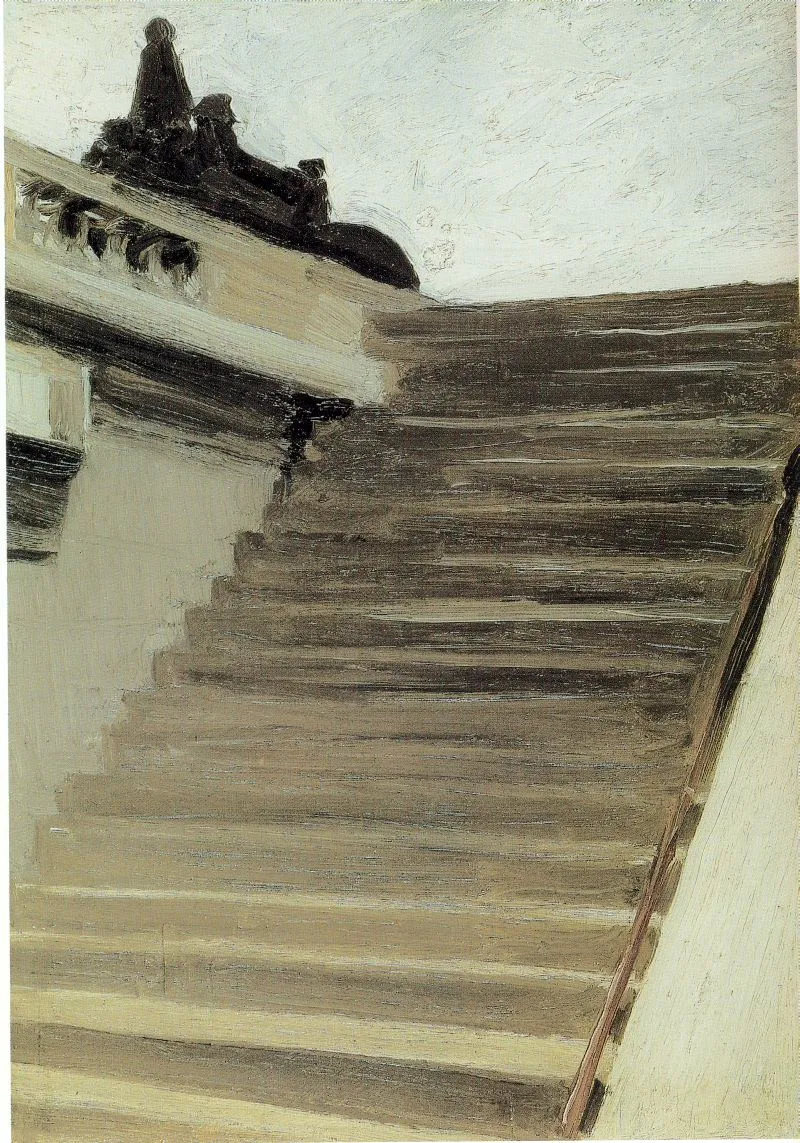
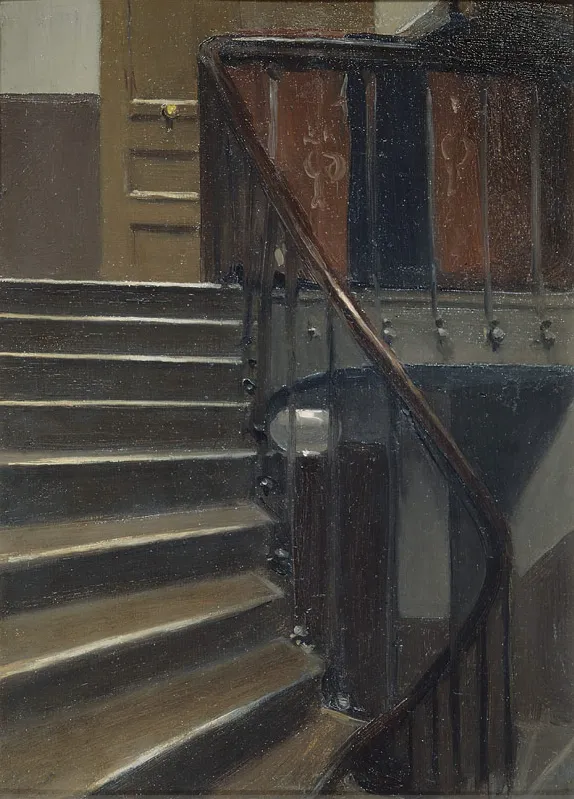
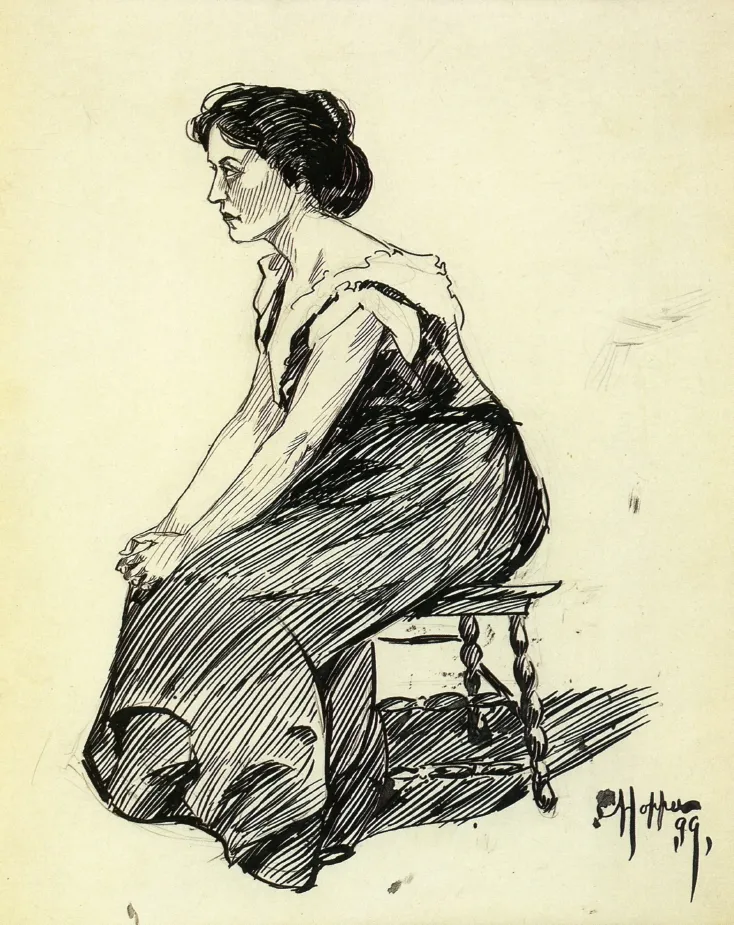
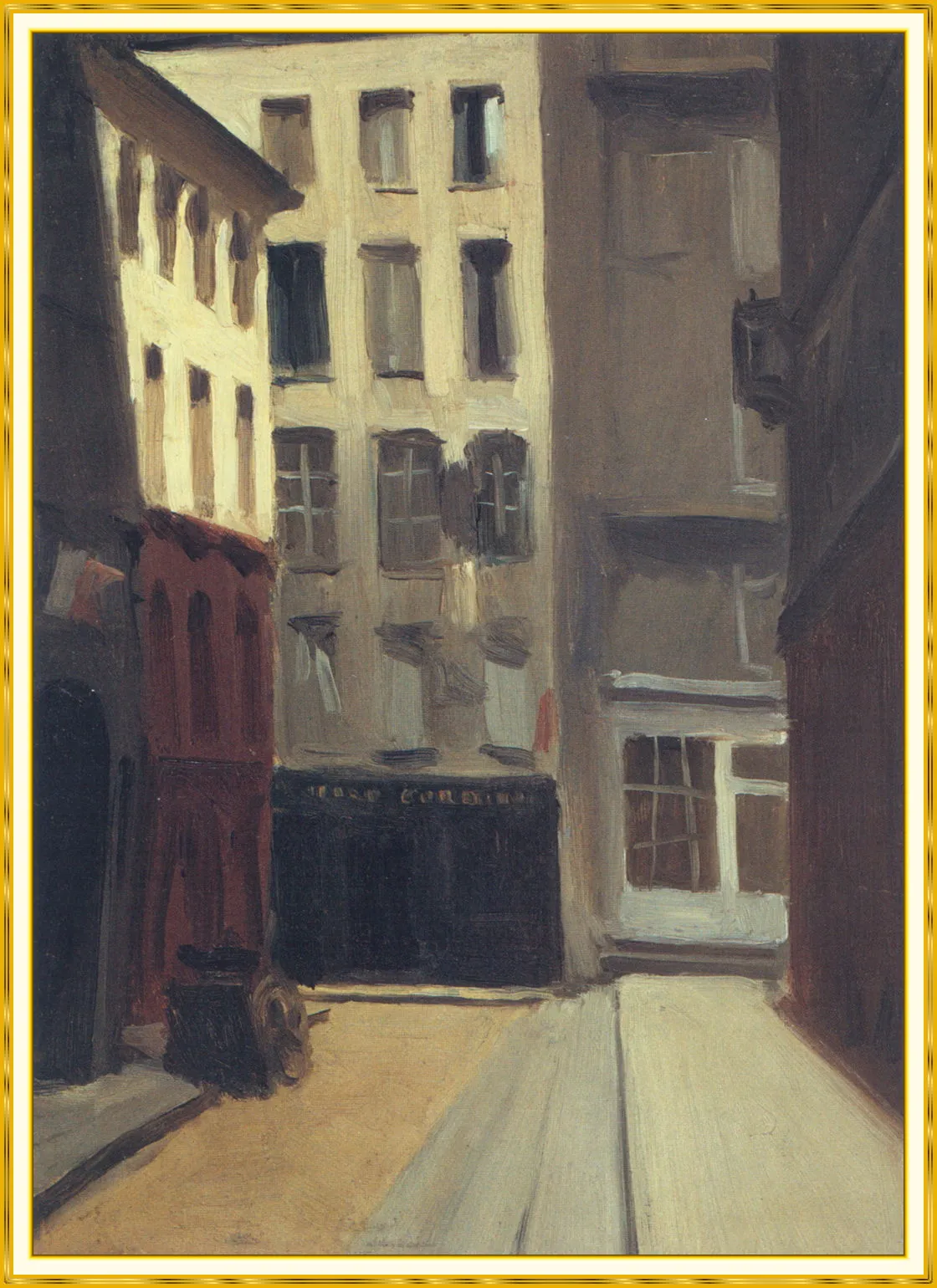
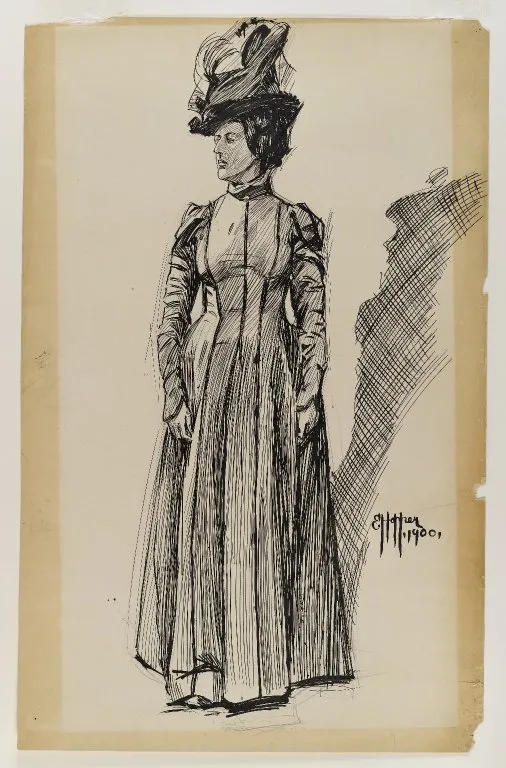
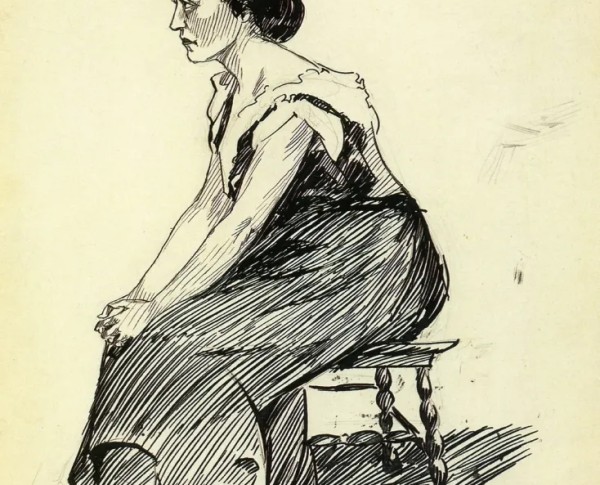
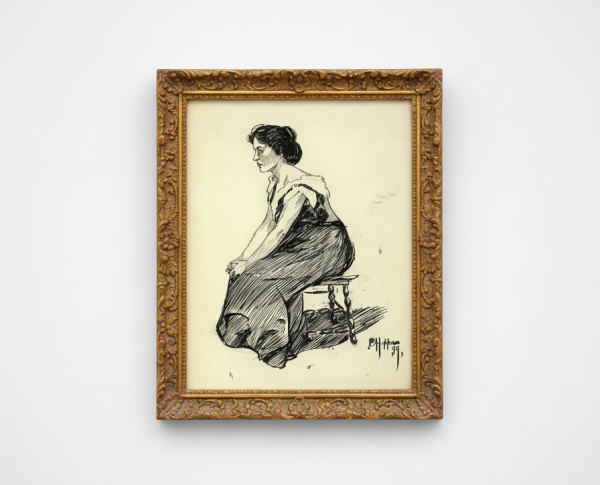
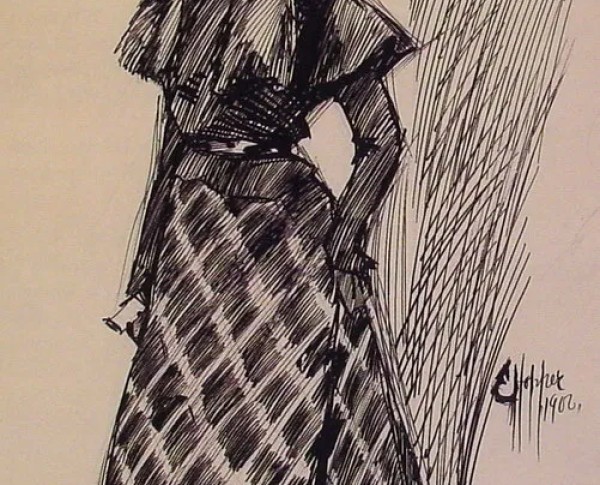
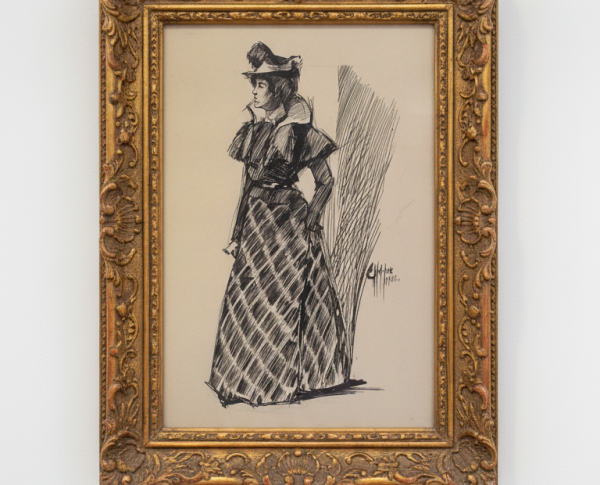
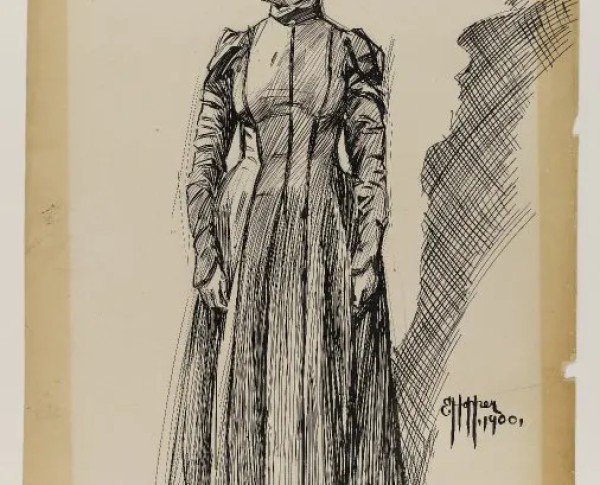
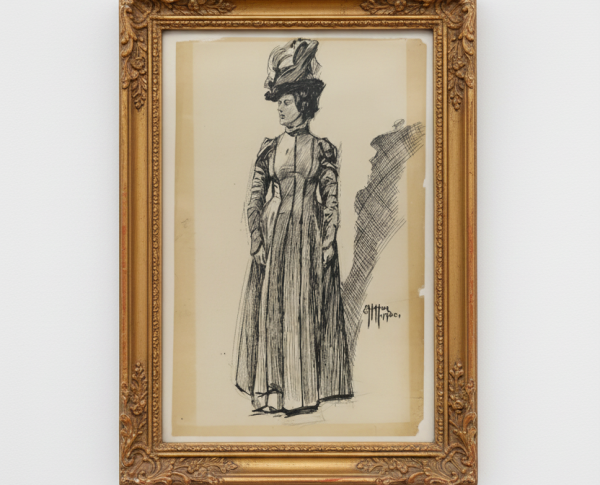
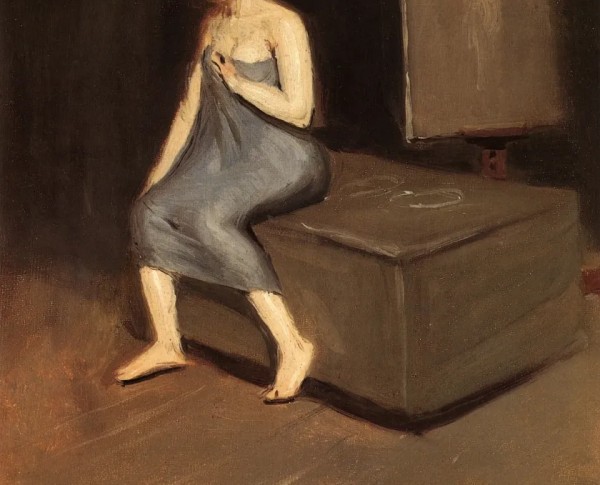
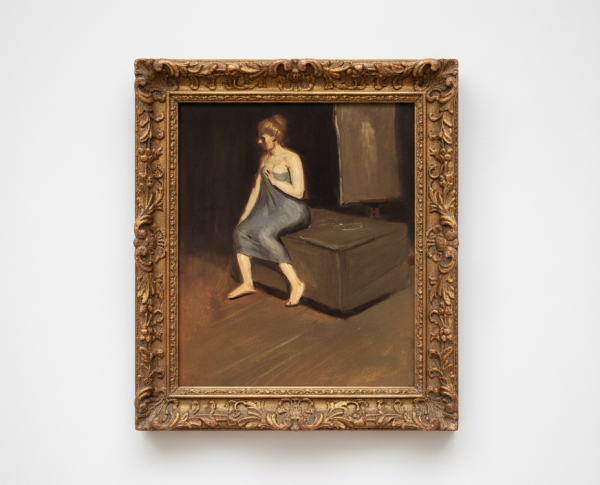
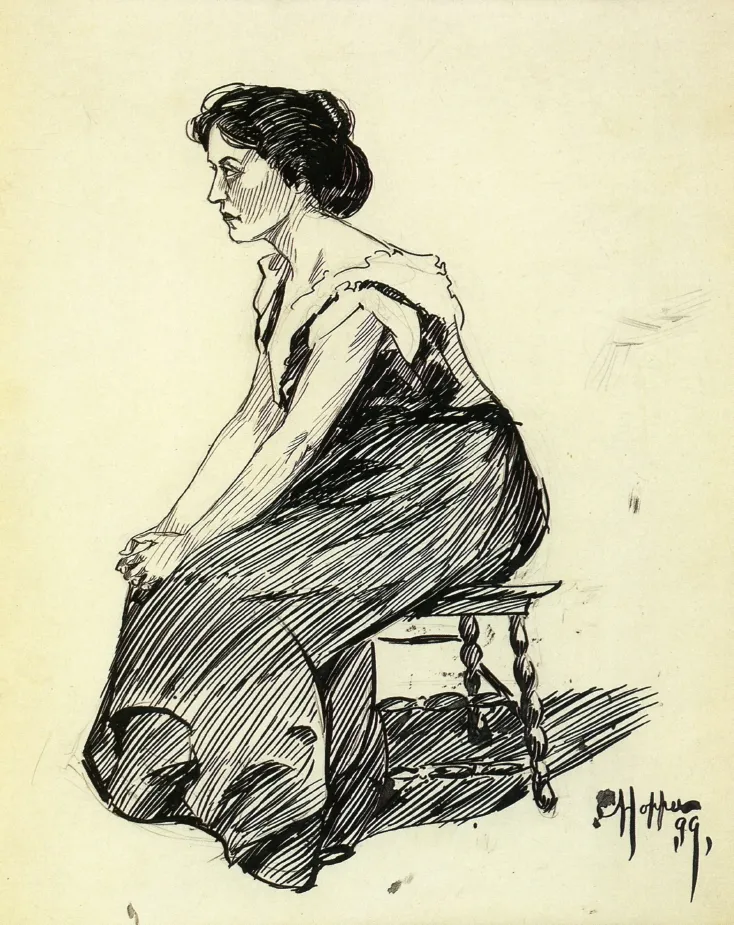
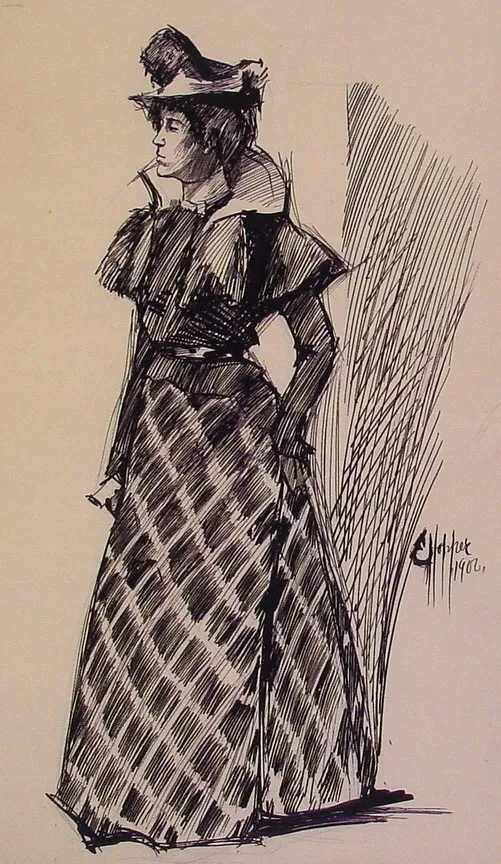
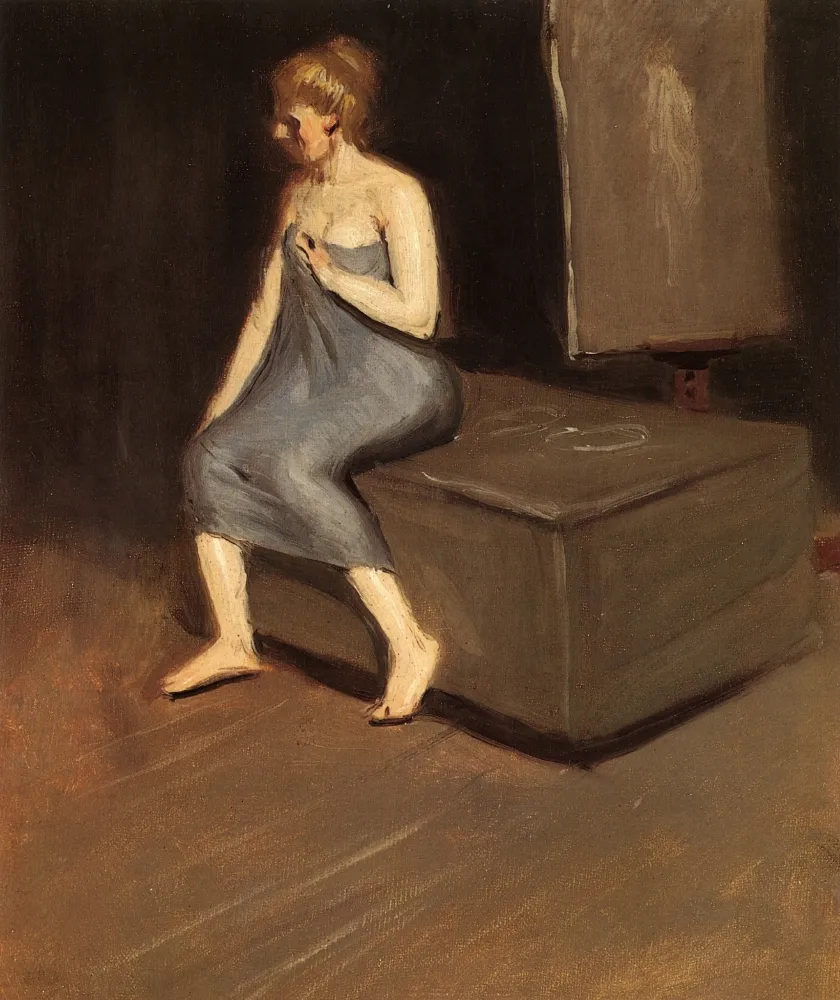
Hopper’s technique in "Standing Female Figure" showcases his expertise in oil on canvas, with each brushstroke contributing to the painting’s lifelike quality. The subtle play of light and shadow reveals the artist’s mastery, a hallmark of the American Realism movement. Collectors seeking authentic representations of everyday life will appreciate the meticulous attention to detail. Enhance your collection with related works like "Study of a Seated Woman" and "Study of a Standing Woman."
Within "Standing Female Figure," Hopper weaves stories and symbols that invite viewers to interpret the subject’s quiet solitude. This fine art painting for sale offers a glimpse into the nuanced world of American Realism, where every gesture and expression holds meaning. The painting resonates with those who appreciate narrative depth, much like Hopper’s other works, including "Study of a Seated Woman" and "Study of a Standing Woman," which explore similar themes.
Owning "Standing Female Figure" by Edward Hopper means possessing a hand-painted oil painting that embodies the spirit of American Realism. This fine art painting for sale appeals to discerning collectors who value history, technique, and emotional resonance. Pair it with related products such as "Study of a Seated Woman" or "Study of a Standing Woman" to create a cohesive and meaningful display in your home or gallery.
When Art Meets History
"Standing Female Figure" by Edward Hopper stands as a testament to the American Realism movement, capturing the spirit of early 20th-century America. This hand-painted oil painting resonates with the social and historical context of its time, reflecting the everyday life and quiet introspection that Hopper is renowned for. Alongside related works like "No Graft Here" and "A Waterloo," Hopper’s art continues to inspire collectors and historians who seek authentic glimpses into American culture.
Techniques That Speak
Edward Hopper’s mastery of oil on canvas is evident in "Standing Female Figure," where subtle brushwork and nuanced lighting bring the subject to life. The artist’s technique emphasizes realism, using carefully layered colors and shadows to create depth and emotion. Like his contemporaries in the American Realism movement, Hopper’s approach distinguishes this painting from others, setting it apart from works such as "Dogs Playing Poker" or "Dream of the Fisherman's Wife" through its meticulous attention to detail.
Emotions on Display
In "Standing Female Figure," Edward Hopper conveys a sense of solitude and quiet contemplation, hallmarks of his style within American Realism. This fine art painting for sale draws viewers into the inner world of its subject, inviting empathy and reflection. The emotional resonance of Hopper’s work connects it to related pieces like "A Bachelor’s Dog" and "No Graft Here," all of which explore the complexities of human experience through evocative yet understated imagery.
Coveted by Collectors
"Standing Female Figure" remains highly sought-after among art enthusiasts, especially those who appreciate hand-painted oil paintings from the American Realism era. Edward Hopper’s reputation, bolstered by masterpieces such as "A Waterloo" and "Dogs Playing Poker," ensures that his works are prized additions to private and public collections. This painting’s unique blend of historical significance and artistic technique makes it a standout choice for discerning collectors in search of authentic American art.
Related American Realism Hand-Painted Oil Paintings by Other Artists
Other Famous American Realism Artists:
Frequently Asked Questions About Standing Female Figure
What is the historical context of Edward Hopper's "Standing Female Figure"?
"Standing Female Figure," painted in 1922, reflects the post-World War I era in America, a time characterized by a shift in social dynamics and the emergence of modernism in art.
What artistic techniques did Edward Hopper employ in "Standing Female Figure"?
Hopper utilized a combination of realism and impressionism, focusing on light and shadow to create depth and evoke emotional responses, while maintaining a strong sense of composition.
What themes are prevalent in "Standing Female Figure"?
The painting explores themes of isolation and introspection, common in Hopper's work, reflecting the psychological state of individuals in modern society.
How does "Standing Female Figure" represent femininity?
The figure's posture and expression convey a sense of contemplation and strength, challenging traditional representations of women in art during the early 20th century.
What symbolism can be found in "Standing Female Figure"?
The standing position of the figure symbolizes independence, while the use of light suggests vulnerability, creating a complex portrayal of the female experience.
How does "Standing Female Figure" fit into Hopper's broader body of work?
This painting is emblematic of Hopper's exploration of solitude and the human condition, serving as a precursor to his more famous works that delve deeper into similar themes.
What influence did "Standing Female Figure" have on contemporary artists?
The work has inspired numerous contemporary artists to explore themes of isolation and identity, reinforcing Hopper's lasting impact on modern art.
What is the significance of the color palette used in "Standing Female Figure"?
The muted color palette enhances the mood of introspection and melancholy, typical of Hopper's style, and contributes to the overall emotional resonance of the piece.
How does the composition of "Standing Female Figure" contribute to its meaning?
The careful arrangement of the figure within the space creates a sense of tension and balance, inviting viewers to engage with the emotional narrative of the piece.
In what ways does "Standing Female Figure" reflect the societal changes of the 1920s?
The painting captures the shifting roles of women in society during the 1920s, symbolizing both newfound independence and the lingering challenges of modern life.






















_GFM_Painting_(1).webp)


 100% Hand-Painted: Finished in 3-6 Weeks

.png)















_(1).webp)