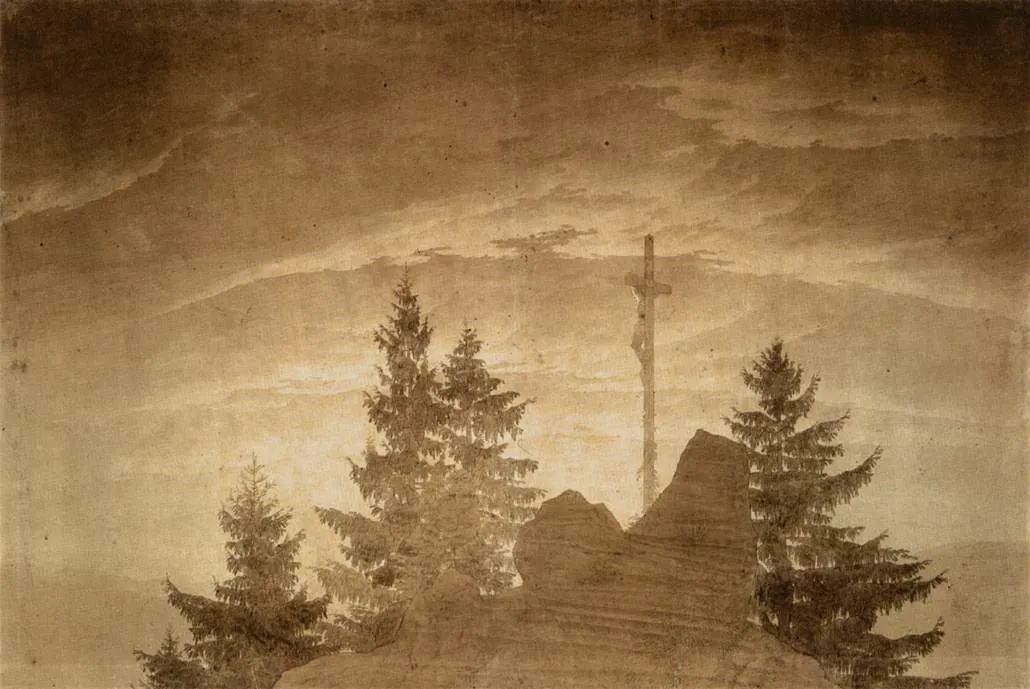
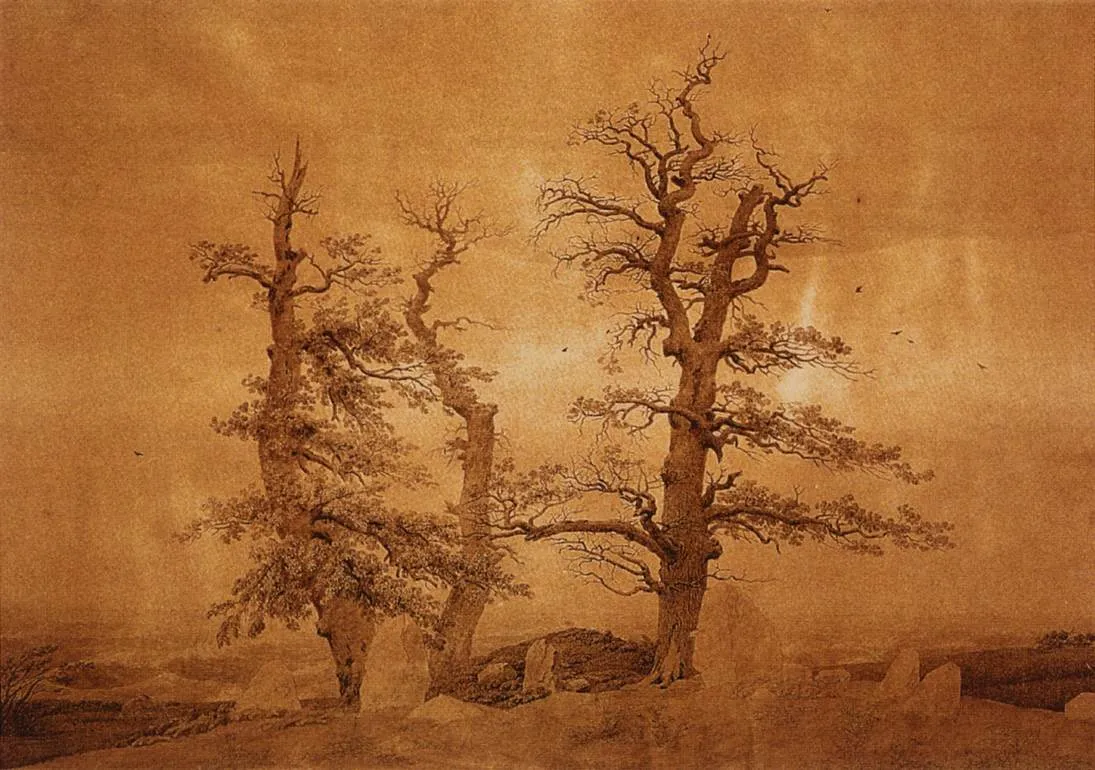
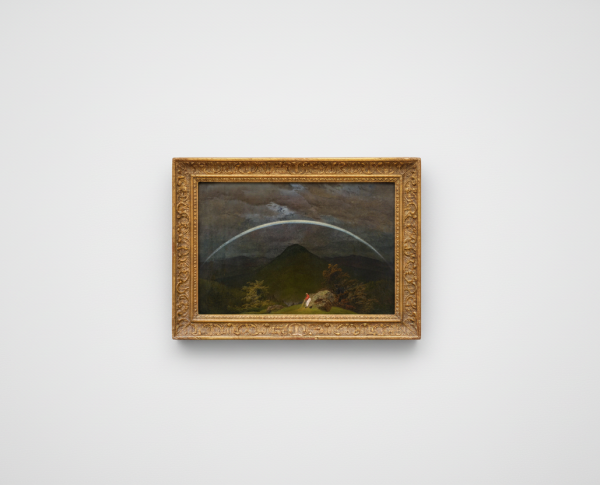
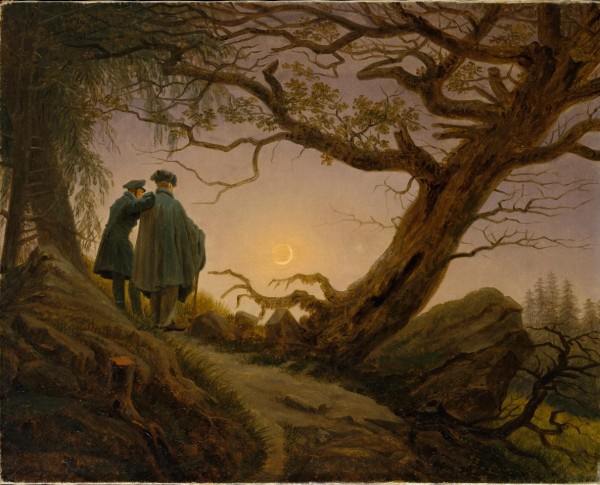
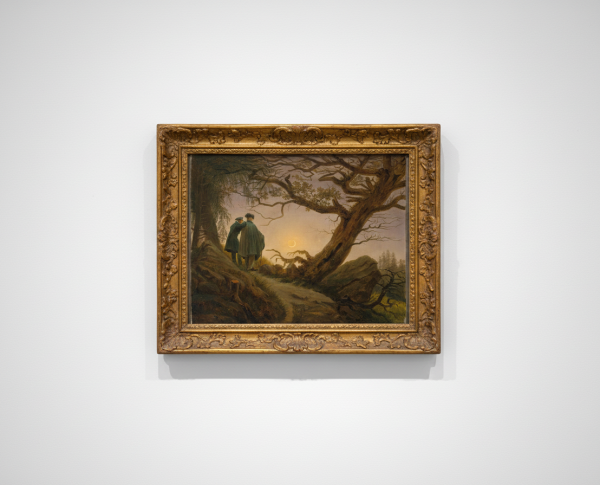
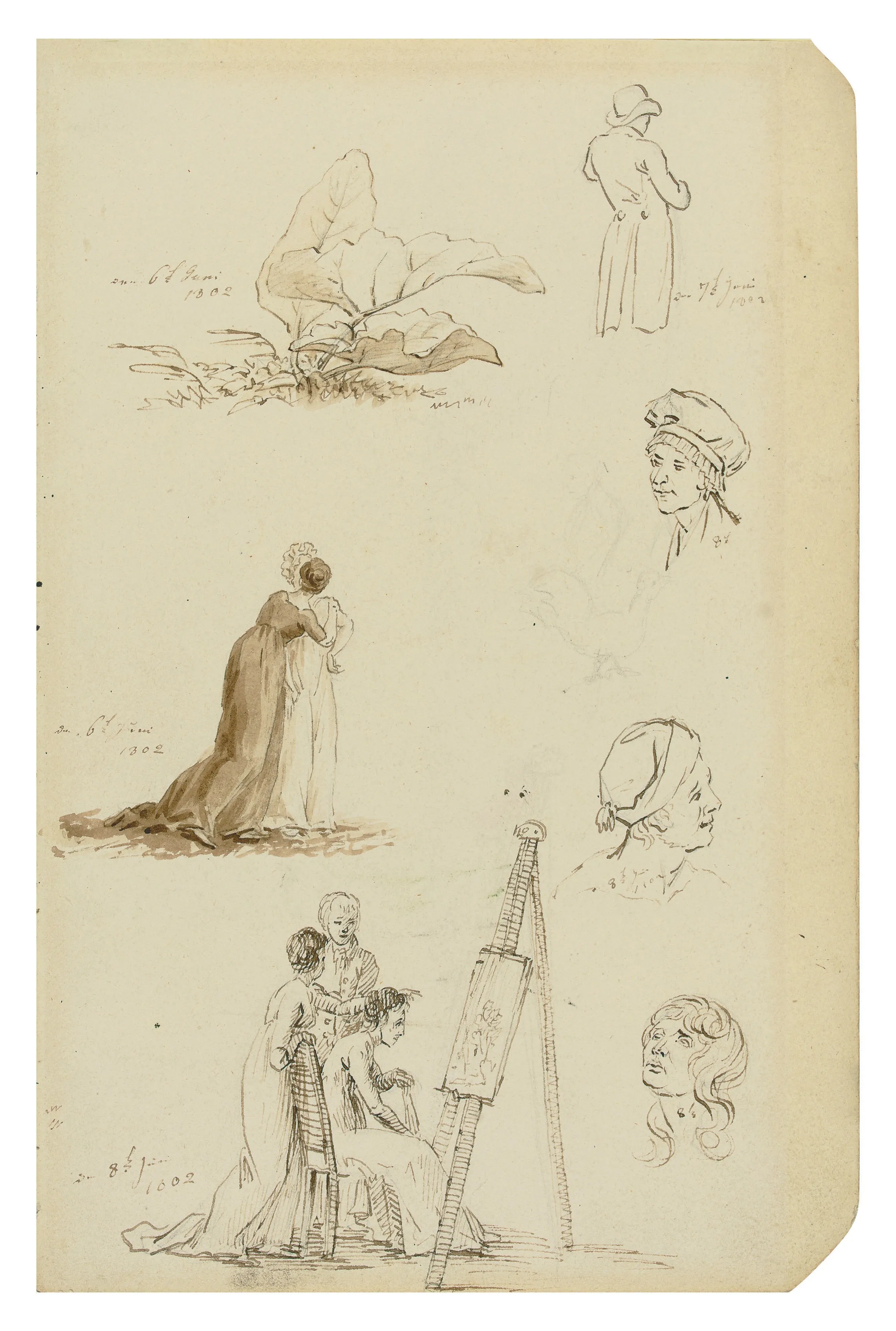
"Study of heads, figures, and foliage" by Caspar David Friedrich exemplifies the meticulous technique found in oil on canvas works from the Romanticism era. Each brushstroke reveals his dedication to detail and atmosphere, making this piece a standout in his portfolio. The painting’s texture and composition highlight Friedrich’s skill in rendering both human figures and natural elements. Similar masterpieces like "Ship in the Arctic Ocean" and "Mountain Landscape with Rainbow" reflect his remarkable approach.
In "Study of heads, figures, and foliage," Caspar David Friedrich weaves stories and symbols that invite viewers to explore the depths of Romanticism. This fine art painting for sale captures fleeting emotions and the subtle interplay between humanity and nature. Friedrich’s choice of subjects and motifs often hints at deeper narratives, encouraging reflection. Collectors may also appreciate related works such as "Rock arch in the Uttewalder Grund" for their symbolic richness and evocative power.
For those seeking a unique addition to their collection, "Study of heads, figures, and foliage" by Caspar David Friedrich is an exceptional hand-painted oil painting. As a Romanticism masterpiece, it resonates with both history and artistic innovation. Its enduring appeal is matched by related products like "Ernst Theodor Johann Bruckner" and "Mountain Landscape with Rainbow," making it a prized choice for connoisseurs of fine art and collectors of Friedrich’s evocative works.
When Art Meets History
"Study of heads, figures, and foliage" by Caspar David Friedrich is a remarkable example of the Romanticism movement, where emotion and nature intertwine. This hand-painted oil painting captures the spirit of an era when artists sought deeper connections with their surroundings and subjects. Friedrich, known for masterpieces like "Sunrise with Sea Monsters" and "Salisbury Cathedral from the Bishop's Grounds," brings historical context to life, inviting viewers to reflect on the depth and meaning behind each brushstroke.
Techniques That Speak
Caspar David Friedrich’s mastery is evident in his use of oil on canvas, a medium that allows for rich textures and subtle gradations of color. In "Study of heads, figures, and foliage," Friedrich’s careful layering and blending techniques evoke a sense of realism and emotional resonance. The painting’s detailed foliage and expressive faces echo the style seen in related works such as "Granada" and "Portrait of Giuseppe Roberti," showcasing the artist’s technical prowess within the Romanticism movement.
Emotions on Display
This fine art painting for sale is a testament to Friedrich’s ability to convey powerful emotions through subtle gestures and atmospheric landscapes. "Study of heads, figures, and foliage" draws viewers into a contemplative state, much like his other famous works, including "Madame Pasteur." The Romanticism movement emphasized personal feeling and the sublime, which Friedrich captures masterfully, making each figure and leaf pulse with life and meaning, inviting deep reflection from admirers and collectors alike.
Coveted by Collectors
Collectors worldwide seek "Study of heads, figures, and foliage" for its unique blend of historical significance and artistic mastery. As a hand-painted oil painting by Caspar David Friedrich, it holds a special place among Romanticism era treasures. Alongside related paintings such as "Sunrise with Sea Monsters" and "Salisbury Cathedral from the Bishop's Grounds," this work represents an exceptional opportunity for those looking to own a piece of fine art history, cherished for its beauty and enduring value.
Related Romanticism Hand-Painted Oil Paintings by Other Artists
Other Famous Romanticism Artists:
Frequently Asked Questions About Study of heads, figures, and foliage
What is the historical context of "Study of heads, figures, and foliage"?
"Study of heads, figures, and foliage" was created during the Romantic period, a time when artists sought to express emotion and the sublime in nature. Caspar David Friedrich, a prominent figure in this movement, often explored themes of spirituality and the human condition through his work.
What artistic techniques did Caspar David Friedrich employ in this painting?
Friedrich utilized a combination of detailed drawing and atmospheric effects to create depth and emotion. His use of light and shadow enhances the three-dimensionality of the figures and foliage, while his careful attention to natural forms reflects his deep appreciation for nature.
What is the significance of the figures depicted in the painting?
The figures in "Study of heads, figures, and foliage" represent the connection between humanity and nature. They embody the Romantic ideal of introspection and the search for meaning within the natural world, inviting viewers to reflect on their own existence.
How does Friedrich's work reflect the themes of the Romantic movement?
Friedrich's painting embodies key Romantic themes such as individualism, the sublime, and a deep reverence for nature. His focus on emotional expression and the exploration of the human spirit aligns with the broader goals of the Romantic artists of his time.
What symbolism can be found in the foliage depicted in the painting?
The foliage in "Study of heads, figures, and foliage" symbolizes growth, life, and the interconnectedness of all living things. It serves as a backdrop that enhances the emotional weight of the figures, suggesting that nature is an integral part of the human experience.
What influence did Caspar David Friedrich have on later artists?
Friedrich's exploration of landscape and emotional depth influenced subsequent generations of artists, particularly those involved in Symbolism and Expressionism. His ability to convey mood through nature paved the way for artists to explore similar themes in their own work.
How does "Study of heads, figures, and foliage" compare to Friedrich's other works?
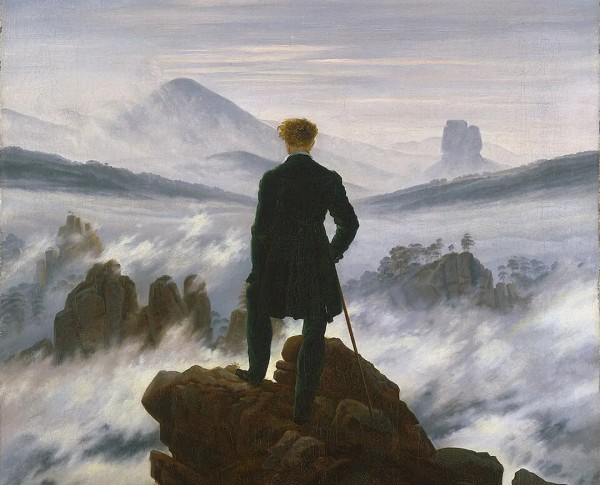
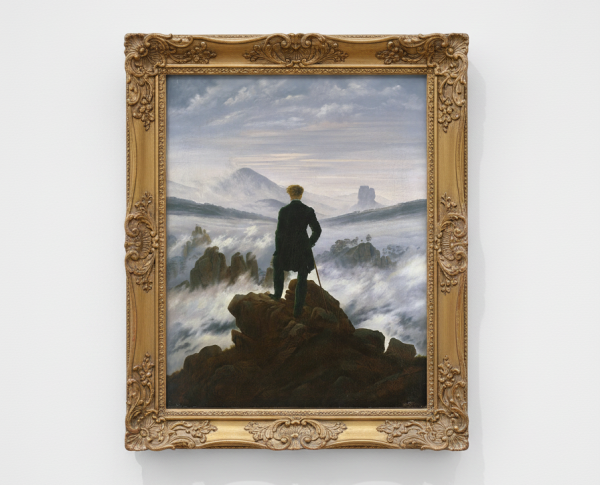
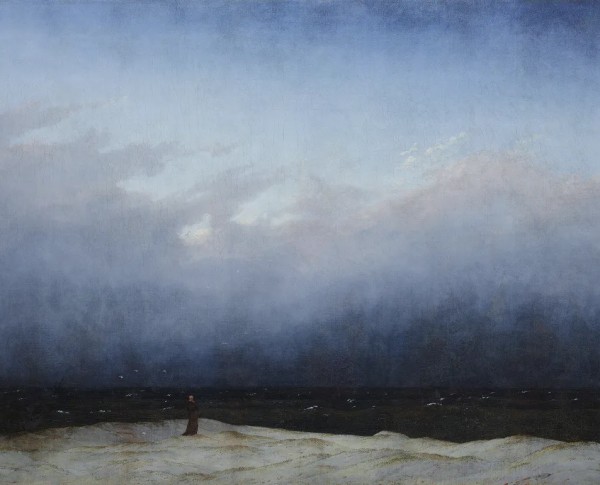
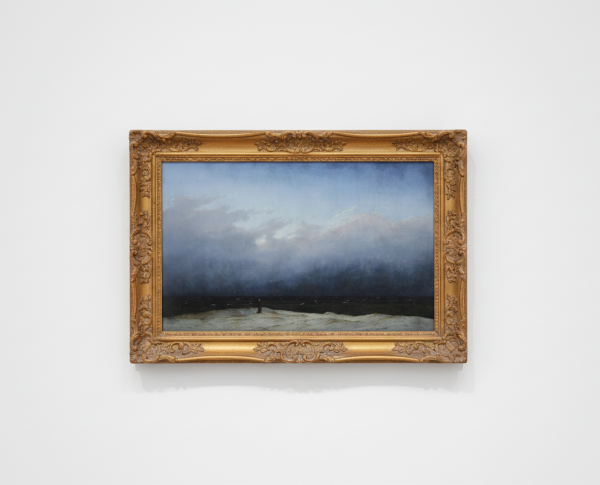
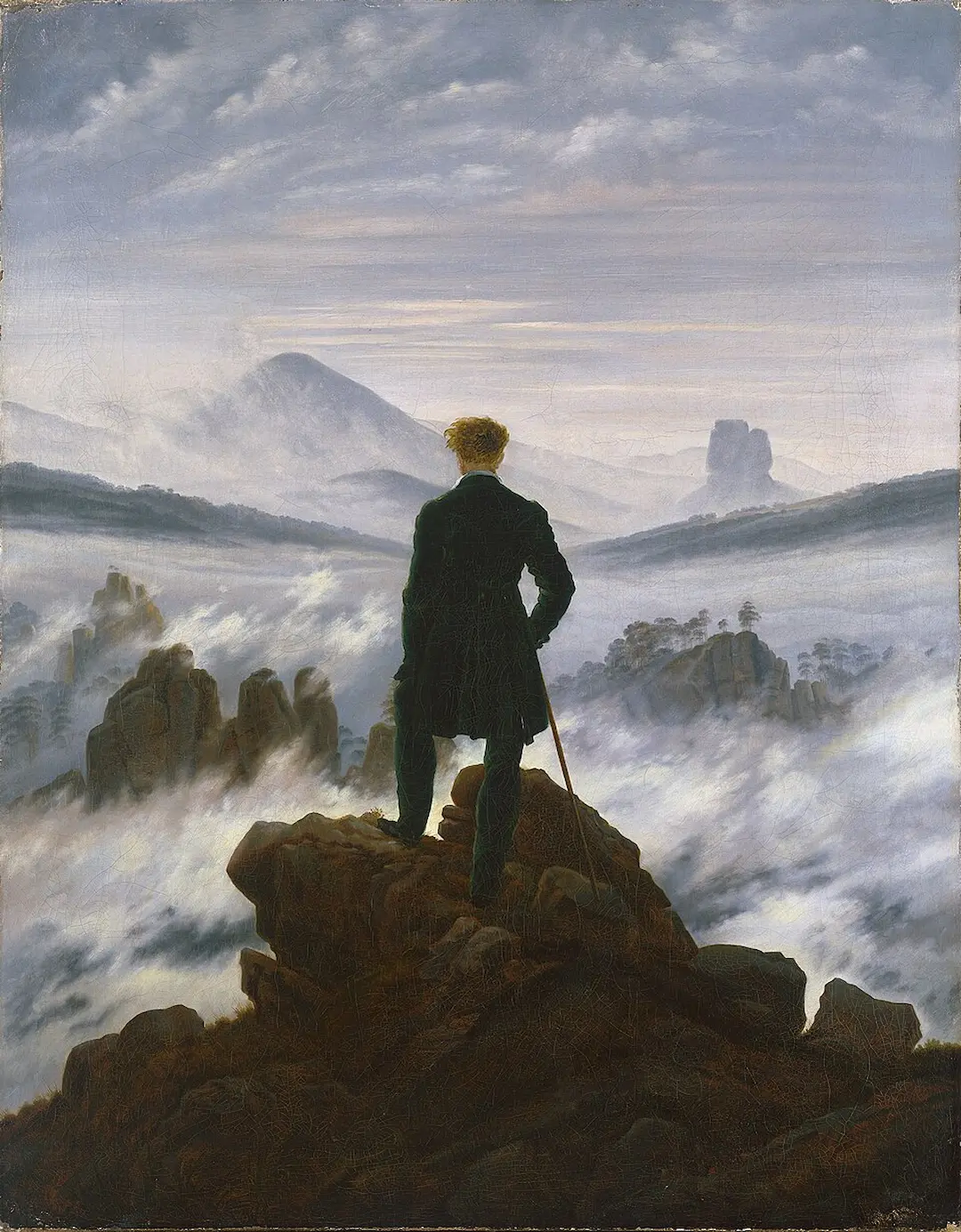
This painting shares thematic and stylistic similarities with Friedrich's other works, such as "Wanderer above the Sea of Fog." Both pieces reflect his fascination with the relationship between humanity and nature, as well as his mastery of atmospheric effects and emotional expression.
What role does light play in "Study of heads, figures, and foliage"?
Light in this painting serves to highlight the figures and create a sense of depth, drawing the viewer's eye towards the central elements. The interplay of light and shadow enhances the emotional resonance of the scene, emphasizing the contemplative nature of the figures.
What is the overall message of "Study of heads, figures, and foliage"?
The overall message of the painting revolves around the exploration of self and the search for meaning within the natural world. It encourages viewers to reflect on their own place in the universe and the profound connections between humanity and nature.
How has "Study of heads, figures, and foliage" been received by art critics over time?
Art critics have historically praised "Study of heads, figures, and foliage" for its emotional depth and technical mastery. It is regarded as a significant work within Friedrich's oeuvre and is often highlighted as a quintessential example of Romantic art, showcasing the artist's innovative approach to landscape and figure painting.























_GFM_Painting_(1).webp)


 100% Hand-Painted: Finished in 3-6 Weeks

.png)

















_(1).webp)