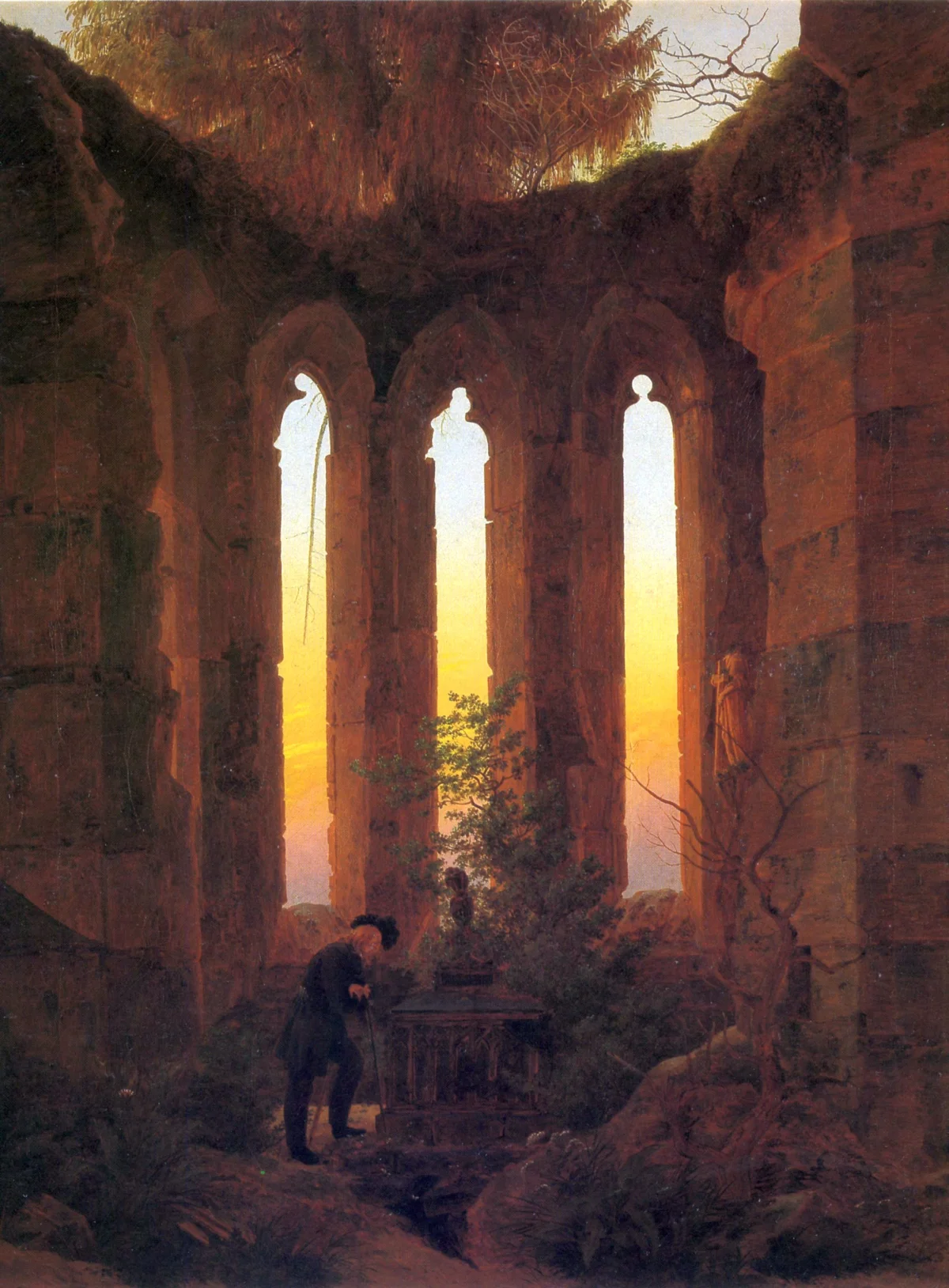
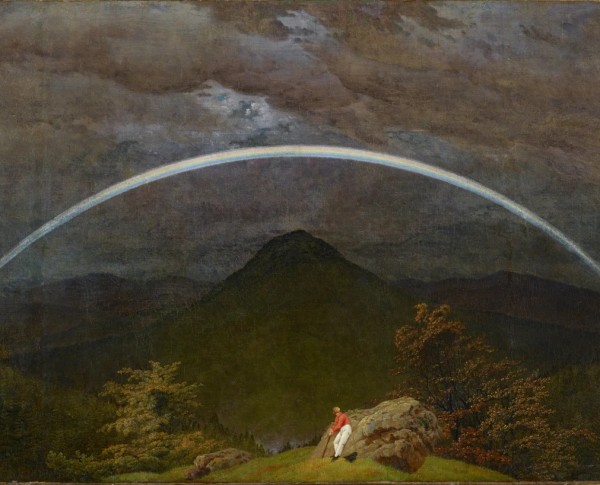
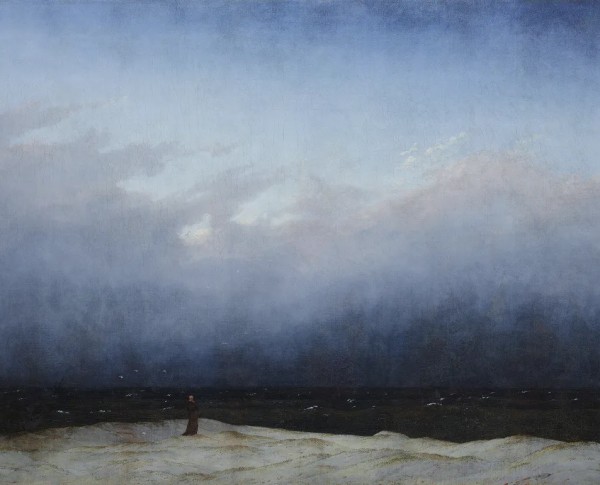
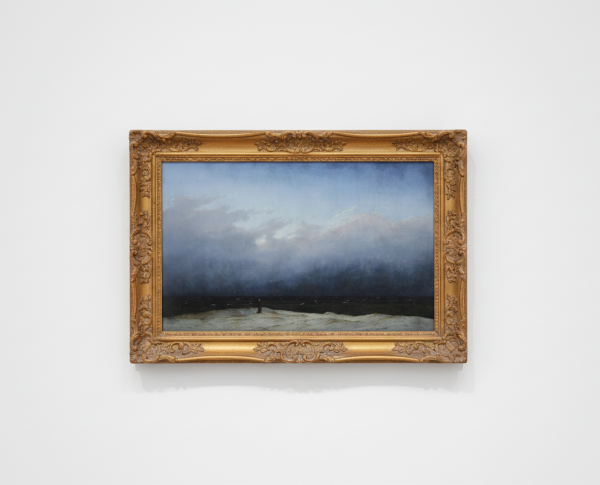
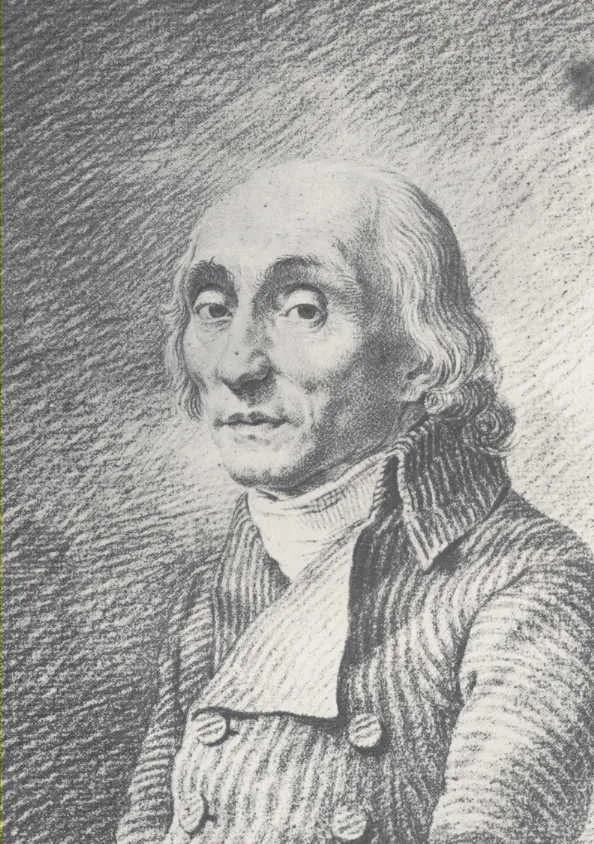
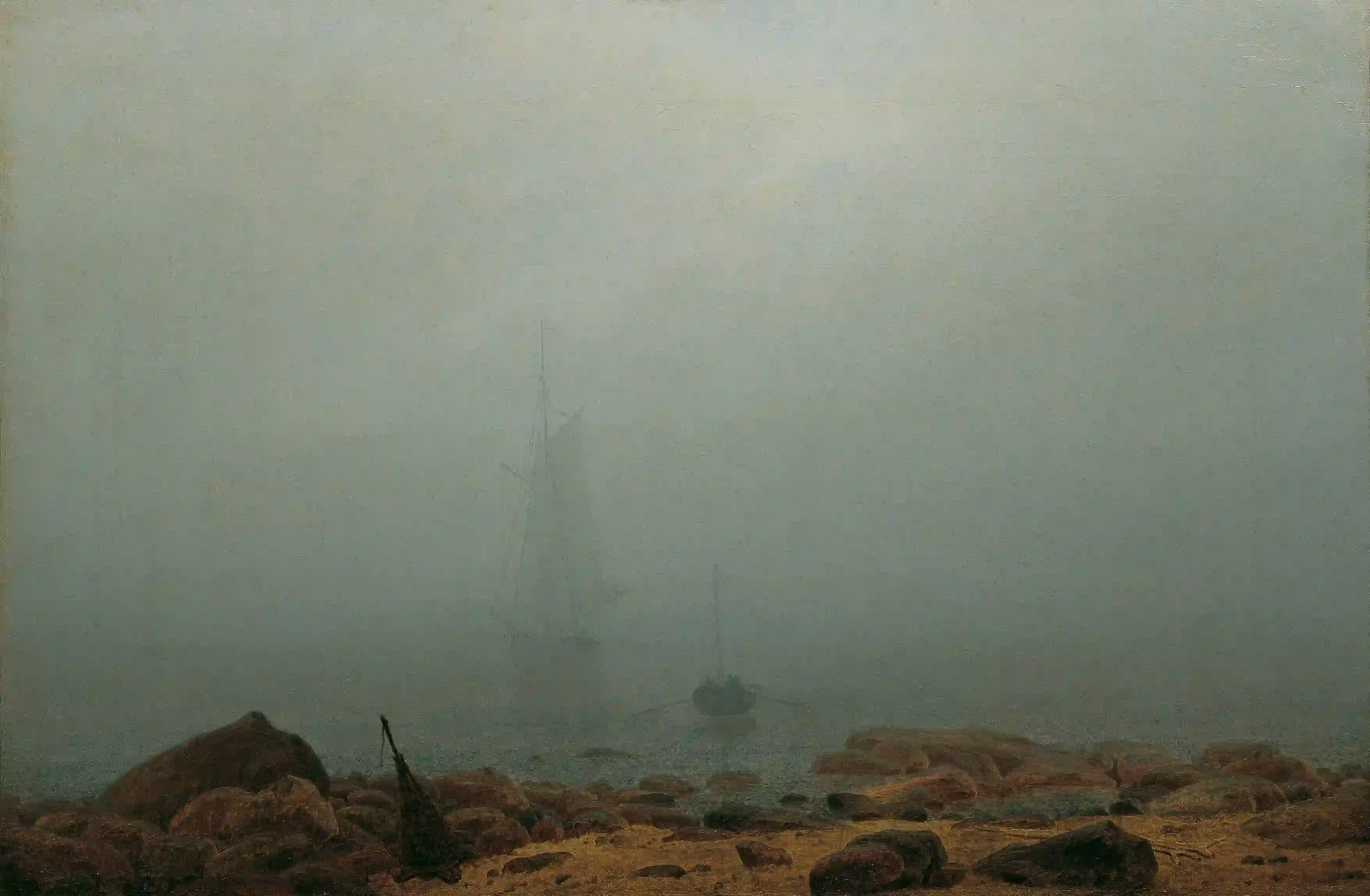
Caspar David Friedrich’s meticulous technique is evident in every detail of "Ernst Theodor Johann Bruckner." This exquisite oil on canvas exemplifies the artist’s ability to evoke mood and atmosphere through delicate brushwork and careful composition. Much like "Fog" and "Self-portrait as a young man," this painting demonstrates Friedrich’s command of light and shadow, hallmark traits of Romanticism. Each stroke reinforces the artwork’s enduring appeal, making it a highlight among classic oil on canvas creations.
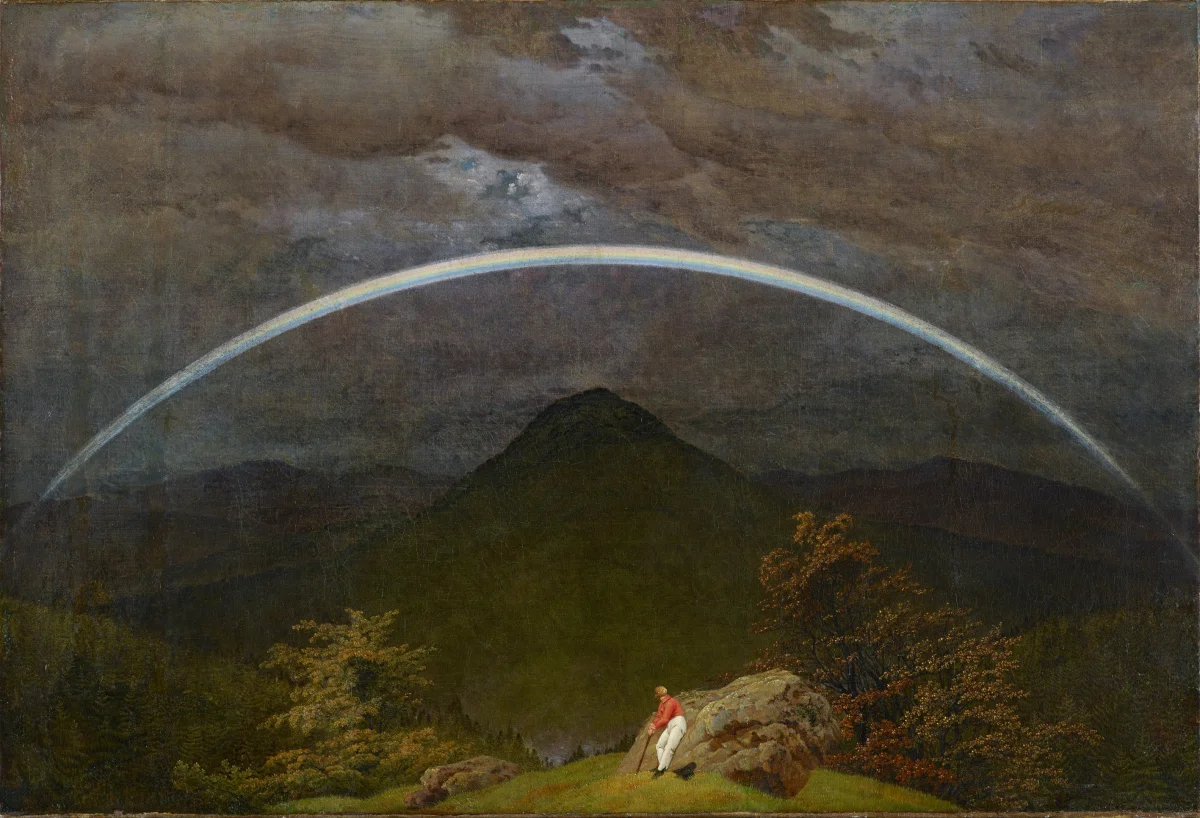
Within "Ernst Theodor Johann Bruckner," Caspar David Friedrich weaves subtle narratives and symbolism typical of the Romanticism movement. The contemplative mood and evocative setting echo themes seen in "Wolves in the Forest in Front of a Cave" and "Landscape in the Riesengebirge." As a fine art painting for sale, it resonates with collectors seeking works rich in meaning. Friedrich’s thoughtful imagery invites interpretation, ensuring the painting’s place in the annals of symbolic and emotional fine art.
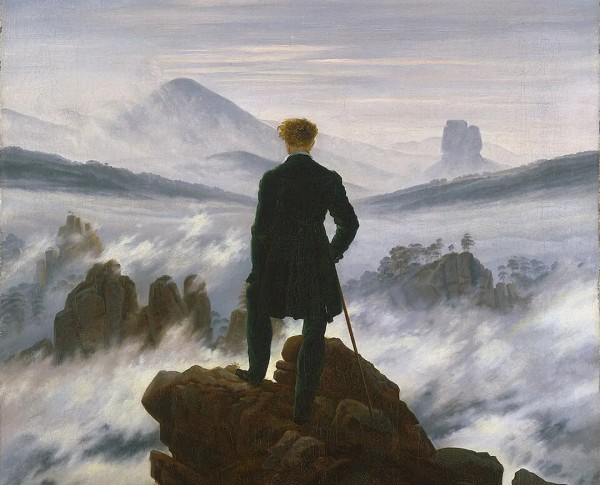
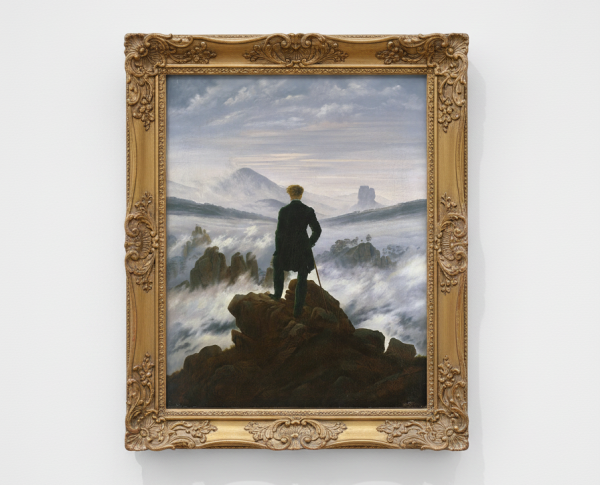
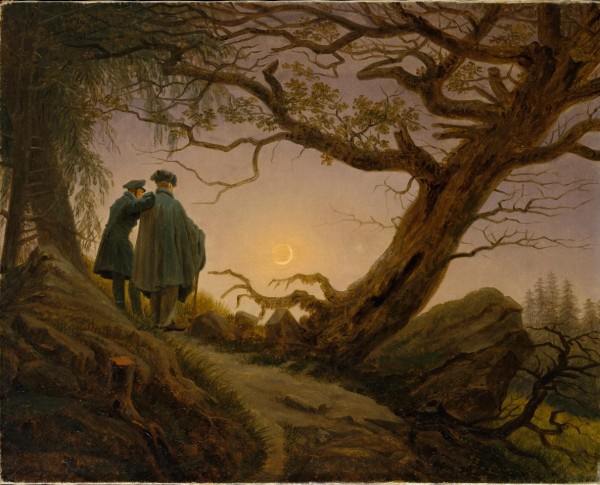
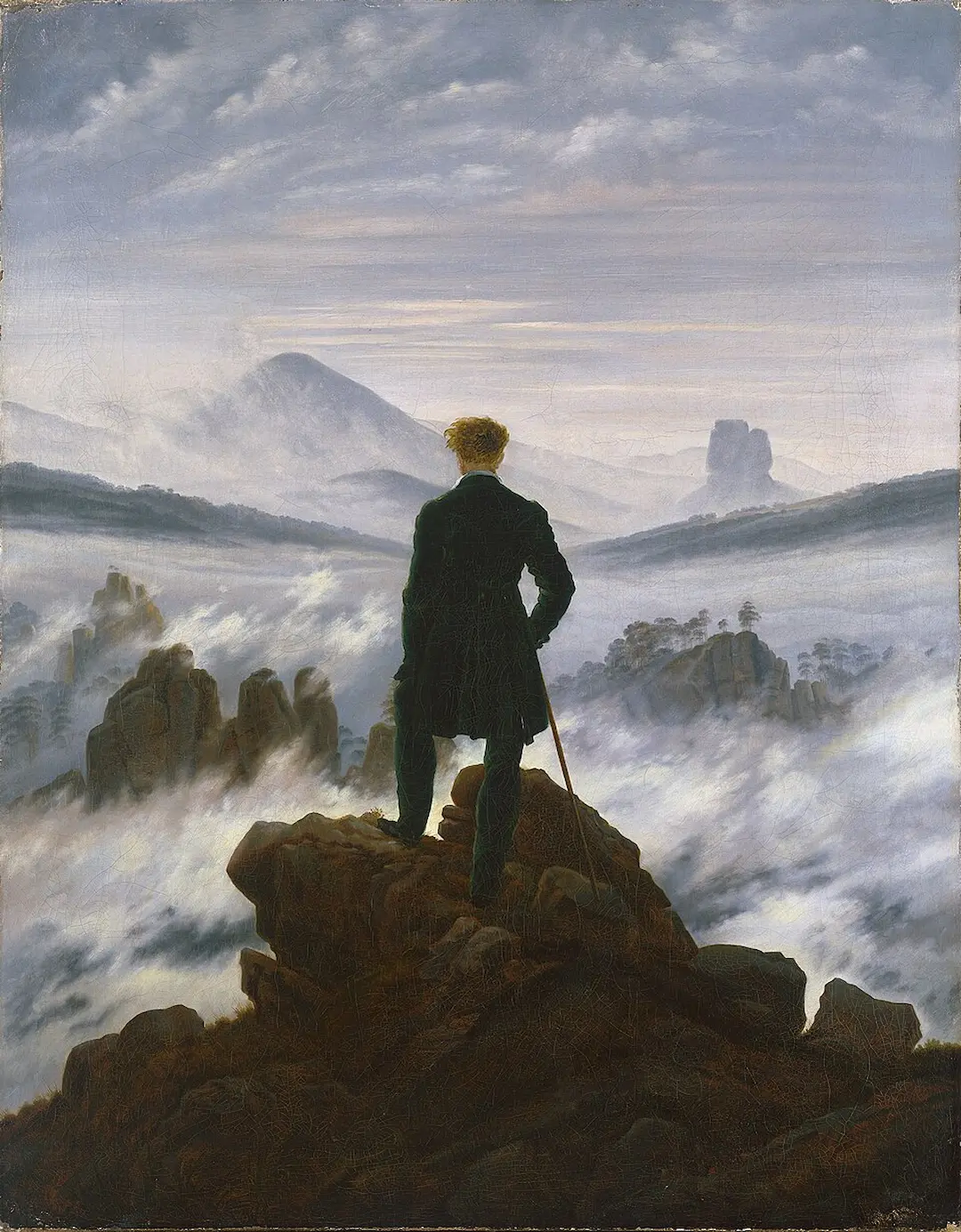
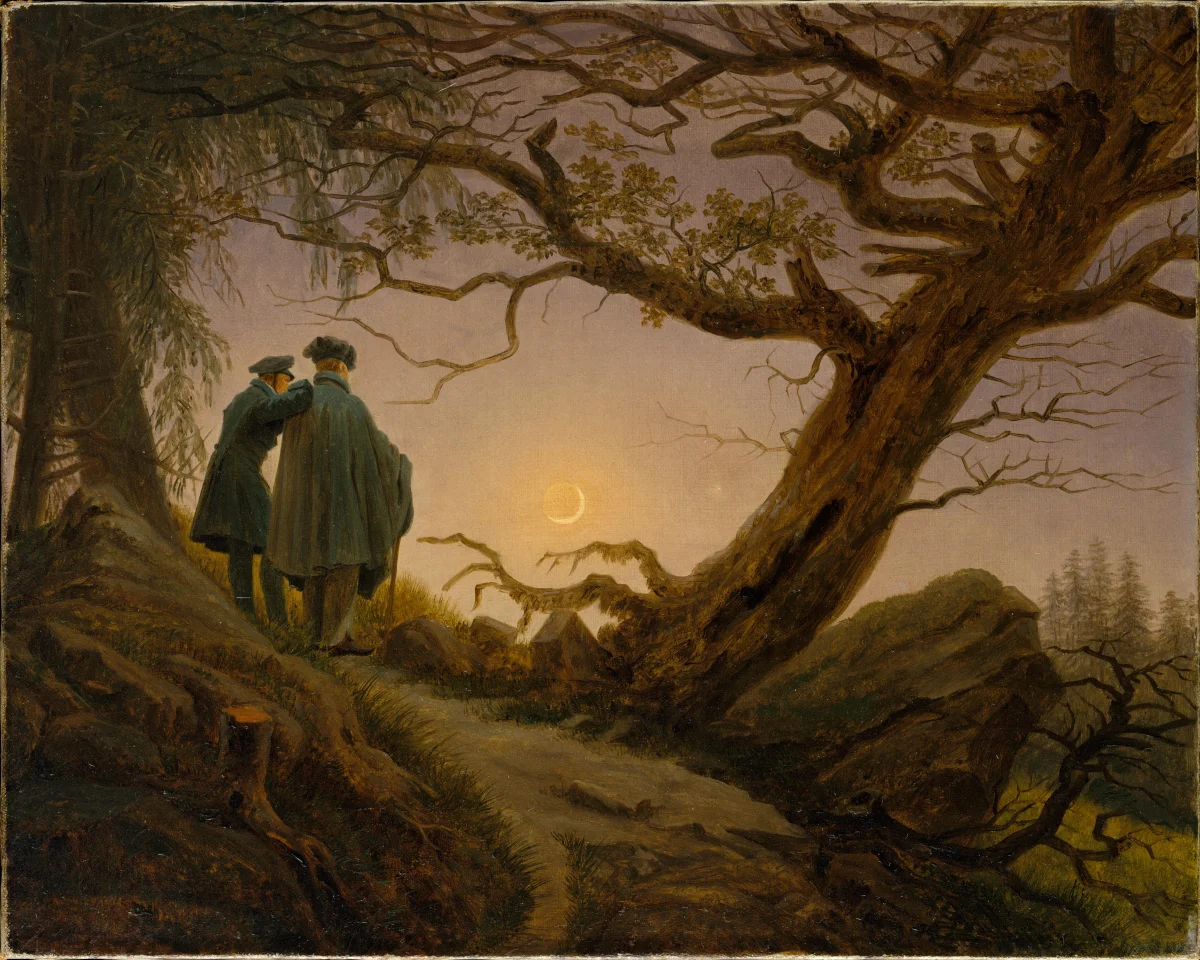
For enthusiasts of Romanticism and Caspar David Friedrich’s legacy, "Ernst Theodor Johann Bruckner" is a coveted acquisition. This hand-painted oil painting stands alongside renowned pieces like "Two men contemplating the Moon" and "The Wanderer above the Mists 1817-18." Owning such a work connects collectors to a pivotal era in art history. Whether displayed alongside related masterpieces or as a centerpiece, this painting exemplifies the timeless allure of fine art painting for sale.
When Art Meets History
"Ernst Theodor Johann Bruckner" by Caspar David Friedrich stands as a testament to the Romanticism movement, capturing the spirit of its time. This hand-painted oil painting not only immortalizes its subject but also reflects the deep connection between personal identity and historical context. Friedrich, renowned for his evocative landscapes, brings a similar intensity to portraits. Related works such as "The Hay Wain, 1821" and "Pietro Rossi prisonner of the Scaligeri" also echo the era’s fascination with emotion and narrative.
Techniques That Speak
Caspar David Friedrich’s mastery is evident in the meticulous application of oil on canvas, a hallmark of Romanticism. Through delicate brushwork and careful layering, he achieves both depth and luminosity, making "Ernst Theodor Johann Bruckner" a compelling visual experience. The artist’s technique resonates with those seen in "Presumed portrait of Jean Vasserot" and "Carving The Turkey By," where texture and light reveal subtle emotional undertones, elevating each oil on canvas work to a new level of artistry.
Emotions on Display
The emotional resonance in "Ernst Theodor Johann Bruckner" is unmistakable, as Caspar David Friedrich channels the introspective spirit of Romanticism. The subject’s gaze and posture evoke a sense of longing and contemplation, drawing viewers into a reflective state. This fine art painting for sale joins the ranks of expressive pieces like "Rinaldo and Armida," where the interplay of light and shadow conveys deep inner worlds, making each viewing a personal journey through feeling and thought.
Coveted by Collectors
Collectors are consistently drawn to the allure of Friedrich’s works, and "Ernst Theodor Johann Bruckner" is no exception. As a hand-painted oil painting from the Romanticism era, it stands alongside treasures such as "The Hay Wain, 1821" and "Pietro Rossi prisonner of the Scaligeri." Its historical significance and artistic merit make it a highly sought-after fine art painting for sale, appealing to those who value both aesthetic beauty and the enduring legacy of masterful oil paintings.
Related Romanticism Hand-Painted Oil Paintings by Other Artists
Other Famous Romanticism Artists:
Frequently Asked Questions About Ernst Theodor Johann Bruckner
What is the historical context of "Ernst Theodor Johann Bruckner"?
This painting was created during the early 19th century, a period marked by Romanticism, which emphasized emotion, nature, and individualism. Caspar David Friedrich, a leading figure of this movement, sought to capture the sublime aspects of the natural world and the human experience.
Who was Ernst Theodor Johann Bruckner?
Ernst Theodor Johann Bruckner was a notable figure in the 19th century, known for his contributions to music and philosophy. Friedrich's choice to depict him reflects the artist's interest in intellectual figures of his time and their connection to the Romantic ideals of creativity and inspiration.
What artistic techniques did Caspar David Friedrich employ in this painting?
Friedrich utilized a combination of chiaroscuro and atmospheric perspective to create depth and emotion. His use of light and shadow enhances the mood of the painting, inviting viewers to contemplate the subject's introspective nature.
What symbols are present in "Ernst Theodor Johann Bruckner"?
The painting features elements such as the landscape and the figure's posture, which symbolize the connection between humanity and nature. The rugged terrain and expansive sky reflect the Romantic ideal of nature as a source of inspiration and contemplation.
How does this painting reflect Romantic ideals?
This work embodies Romanticism through its emphasis on individual emotion and the sublime beauty of nature. Friedrich's portrayal of Bruckner in a contemplative pose amidst a dramatic landscape highlights the Romantic belief in the power of nature to evoke deep feelings and thoughts.
What role does the landscape play in the painting?
The landscape serves as a crucial backdrop that enhances the emotional and philosophical themes of the work. It symbolizes the vastness of nature and the inner turmoil of the human spirit, mirroring Bruckner's own introspective journey.
What is the significance of the color palette used in this painting?
Friedrich's color palette features muted tones and soft contrasts, which evoke a sense of melancholy and reflection. The colors contribute to the overall atmosphere, reinforcing the themes of solitude and contemplation that are central to the work.
How does "Ernst Theodor Johann Bruckner" compare to other works by Caspar David Friedrich?
This painting shares thematic elements with other works by Friedrich, such as "Wanderer above the Sea of Fog," where the exploration of the self in relation to nature is prevalent. However, this piece uniquely focuses on a specific individual, adding a personal narrative to the broader Romantic themes.
What impact did "Ernst Theodor Johann Bruckner" have on subsequent artists?
The painting influenced later artists by emphasizing the importance of individual experience and emotional depth. Its exploration of the relationship between man and nature paved the way for future movements that sought to capture the complexities of human emotion in relation to the environment.
What can viewers learn from "Ernst Theodor Johann Bruckner" today?
Viewers can appreciate the painting as a reflection of the Romantic era's values, particularly the significance of introspection and the beauty of nature. It encourages contemplation of one's place within the natural world and the emotional responses it evokes.























_GFM_Painting_(1).webp)


 100% Hand-Painted: Finished in 3-6 Weeks

.png)















_(1).webp)