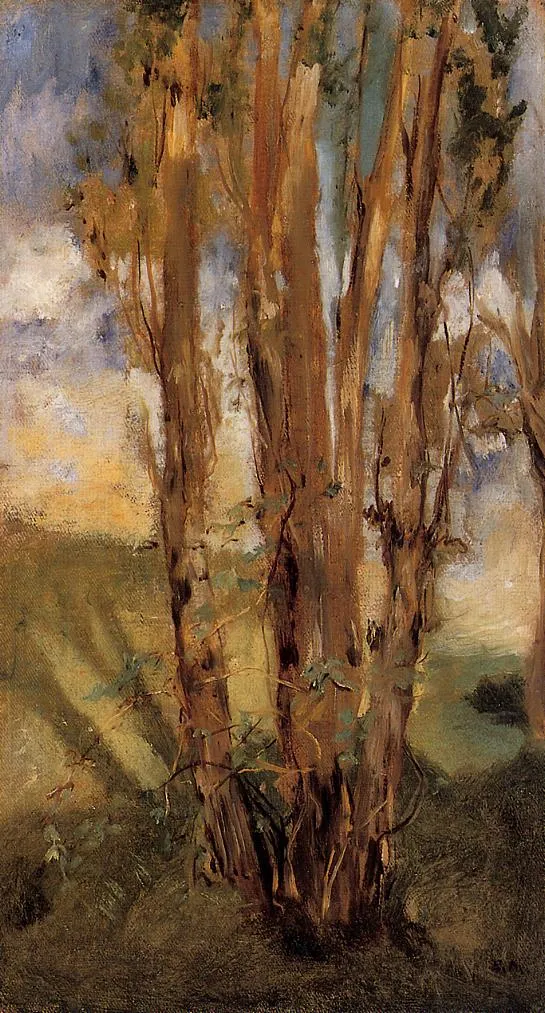
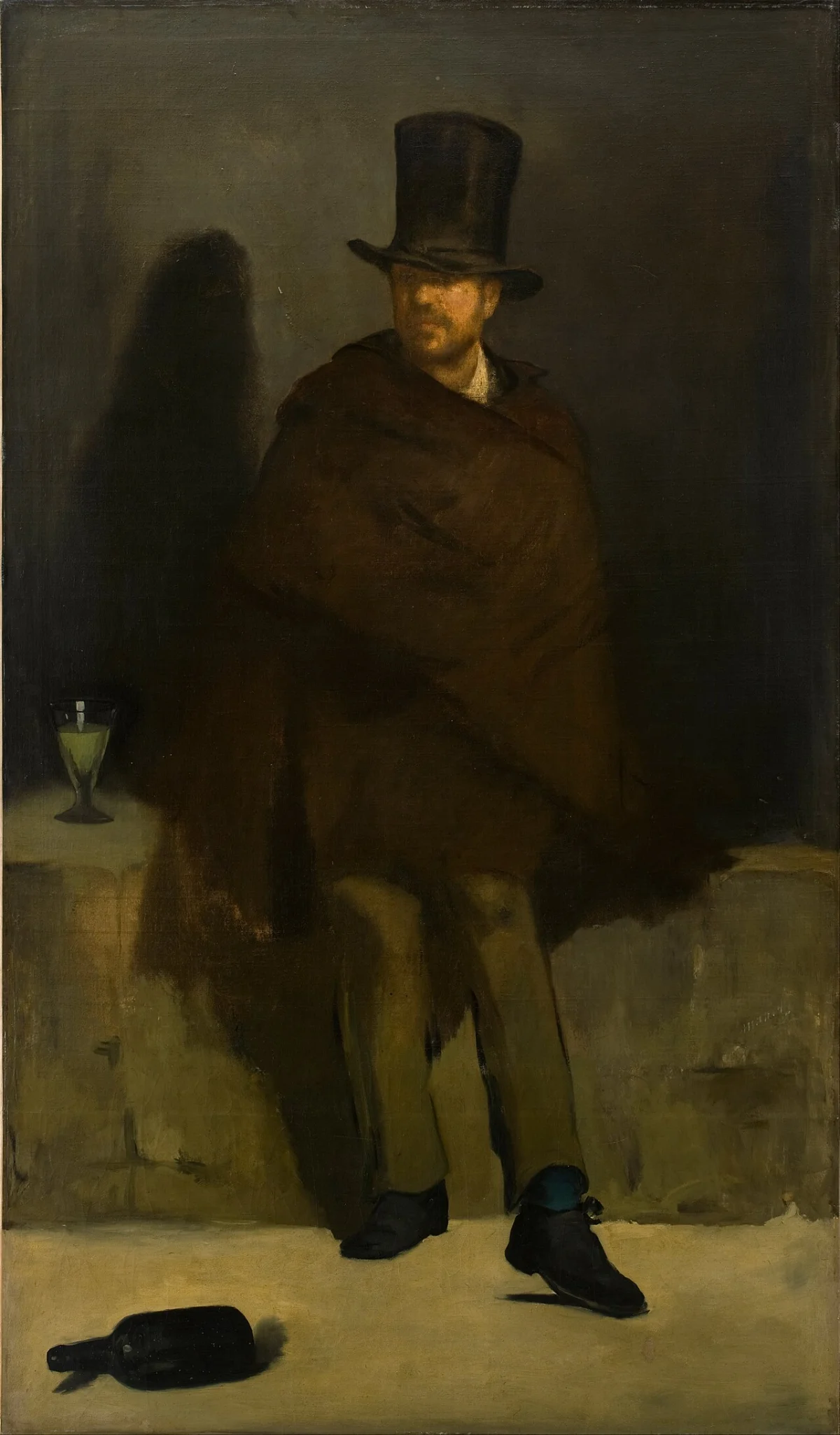
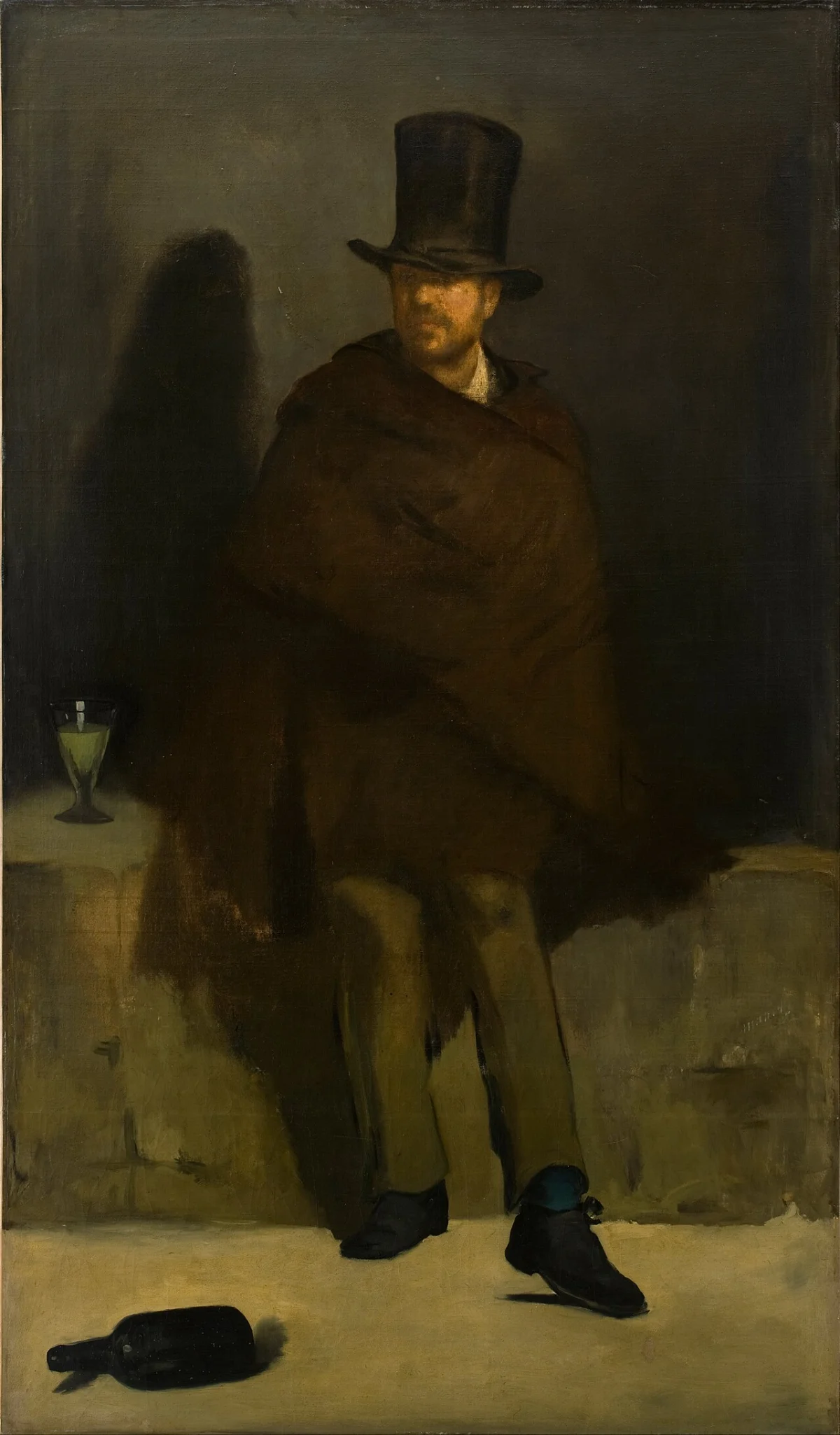
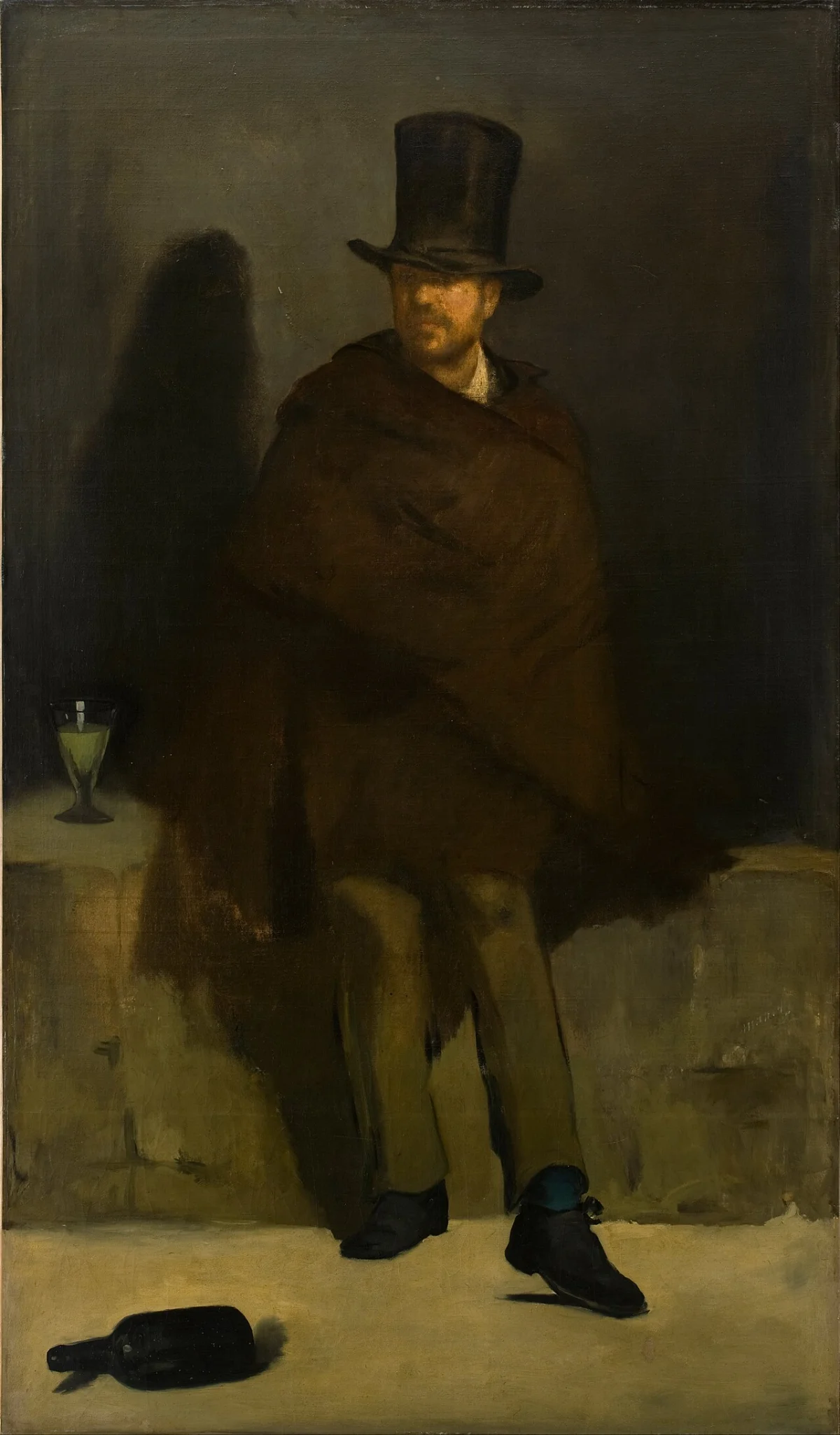
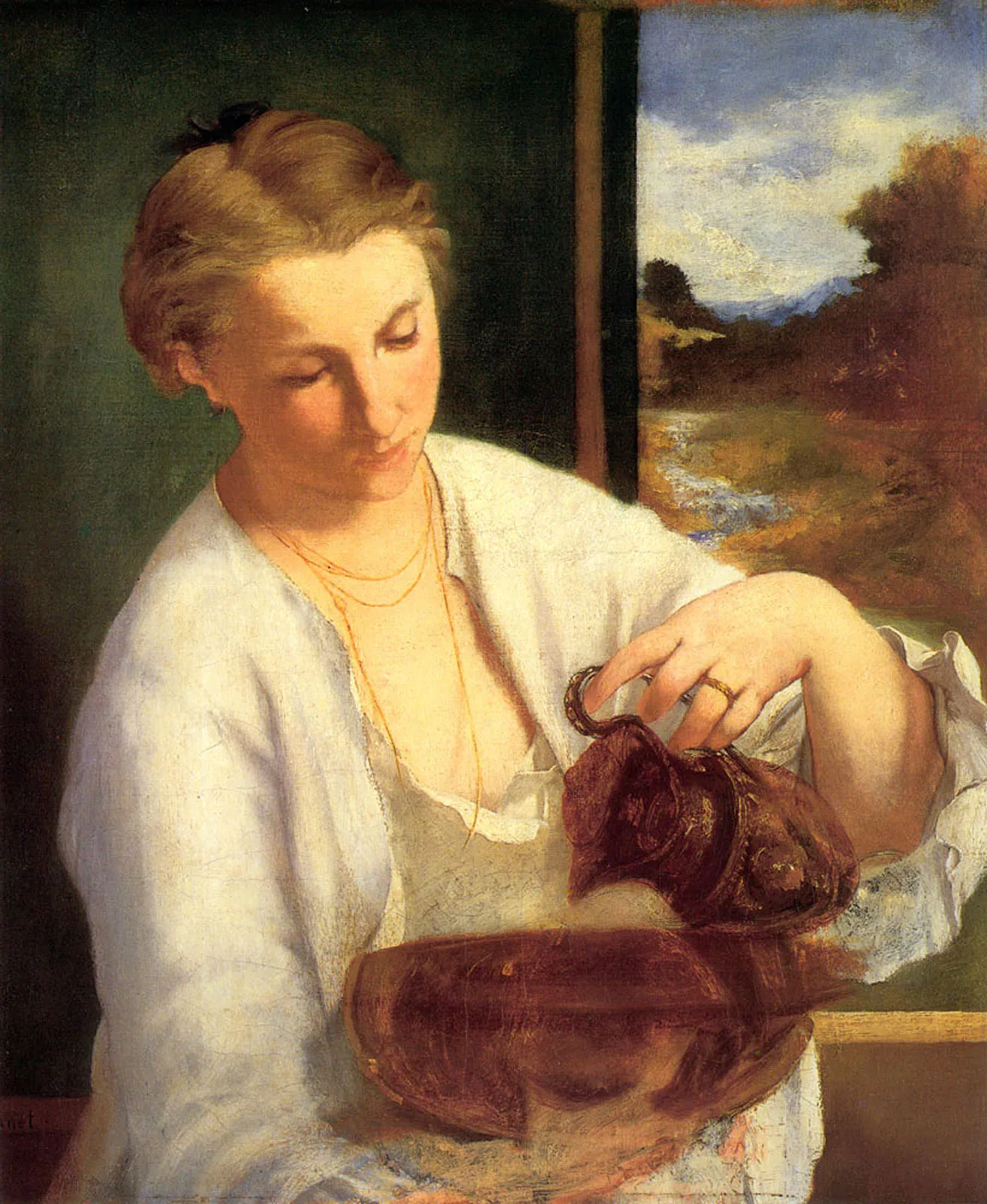
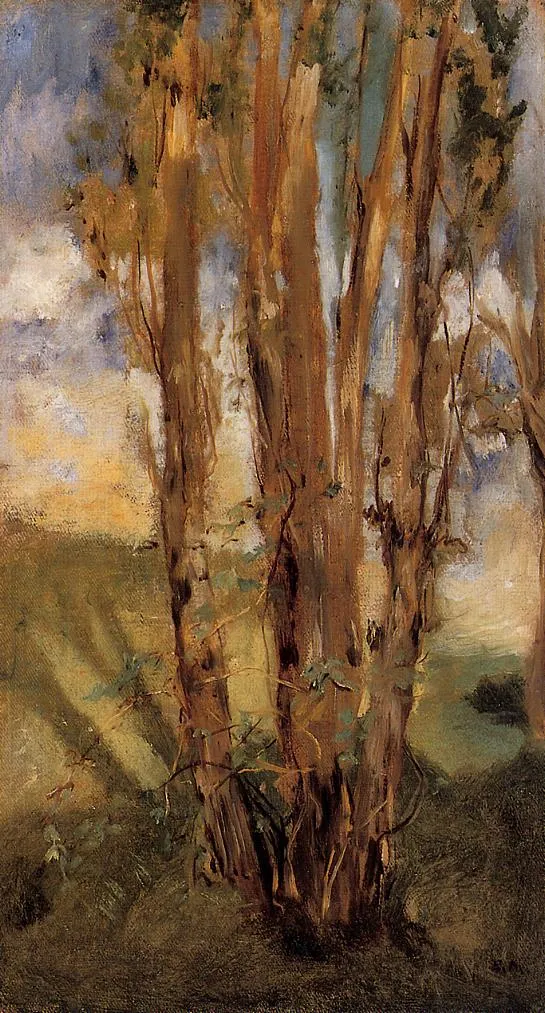
Manet’s exceptional skill is evident in the meticulous oil on canvas technique used in "The Absinthe Drinker." Each brushstroke conveys emotion and realism, reflecting the artist’s dedication to authenticity. The subtle interplay of light and shadow enhances the subject’s presence, making this artwork a centerpiece for any collection. Explore other Manet works, like "Study of Trees" and "A Woman Pouring Water," to appreciate the depth of his Realist vision.
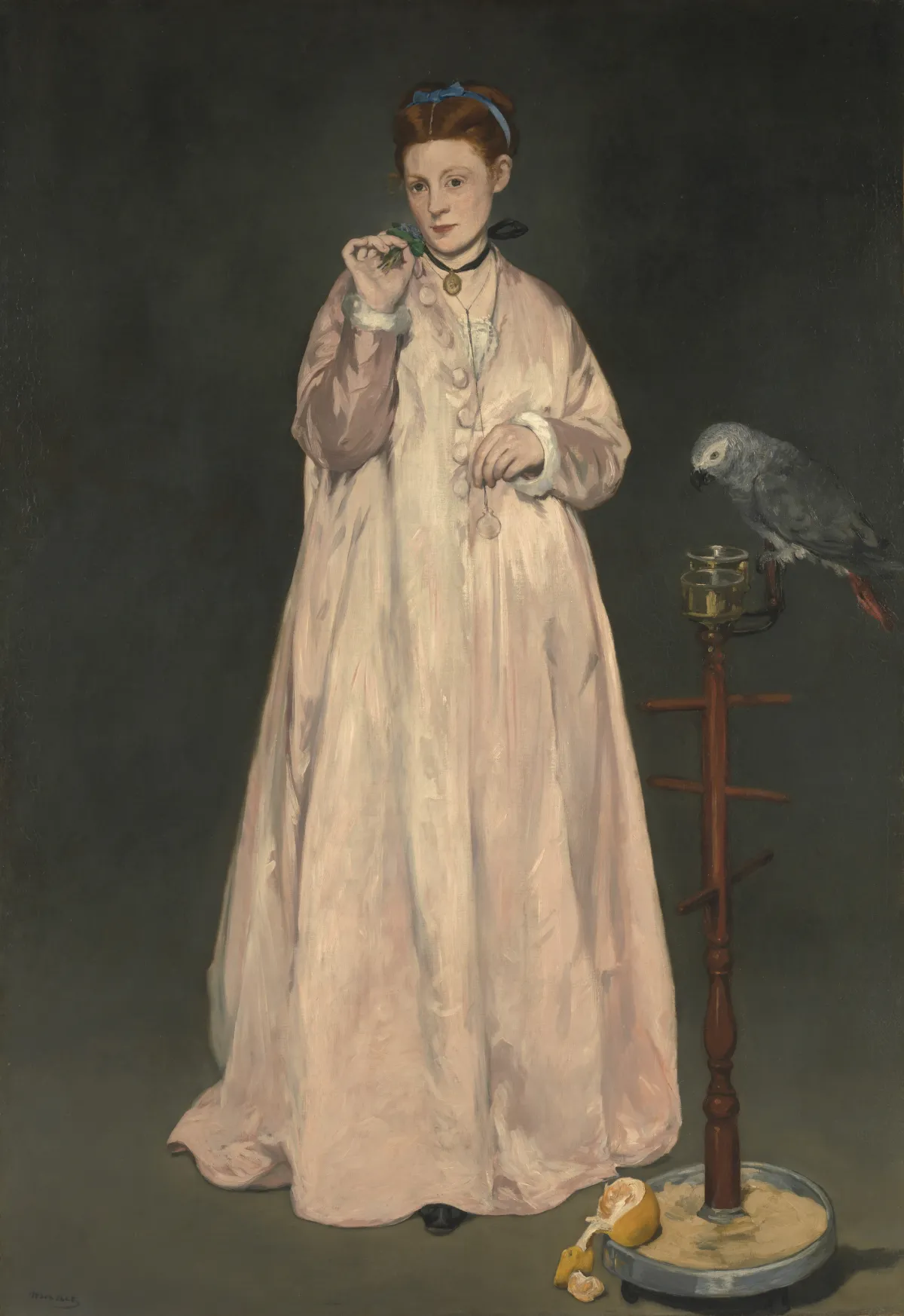
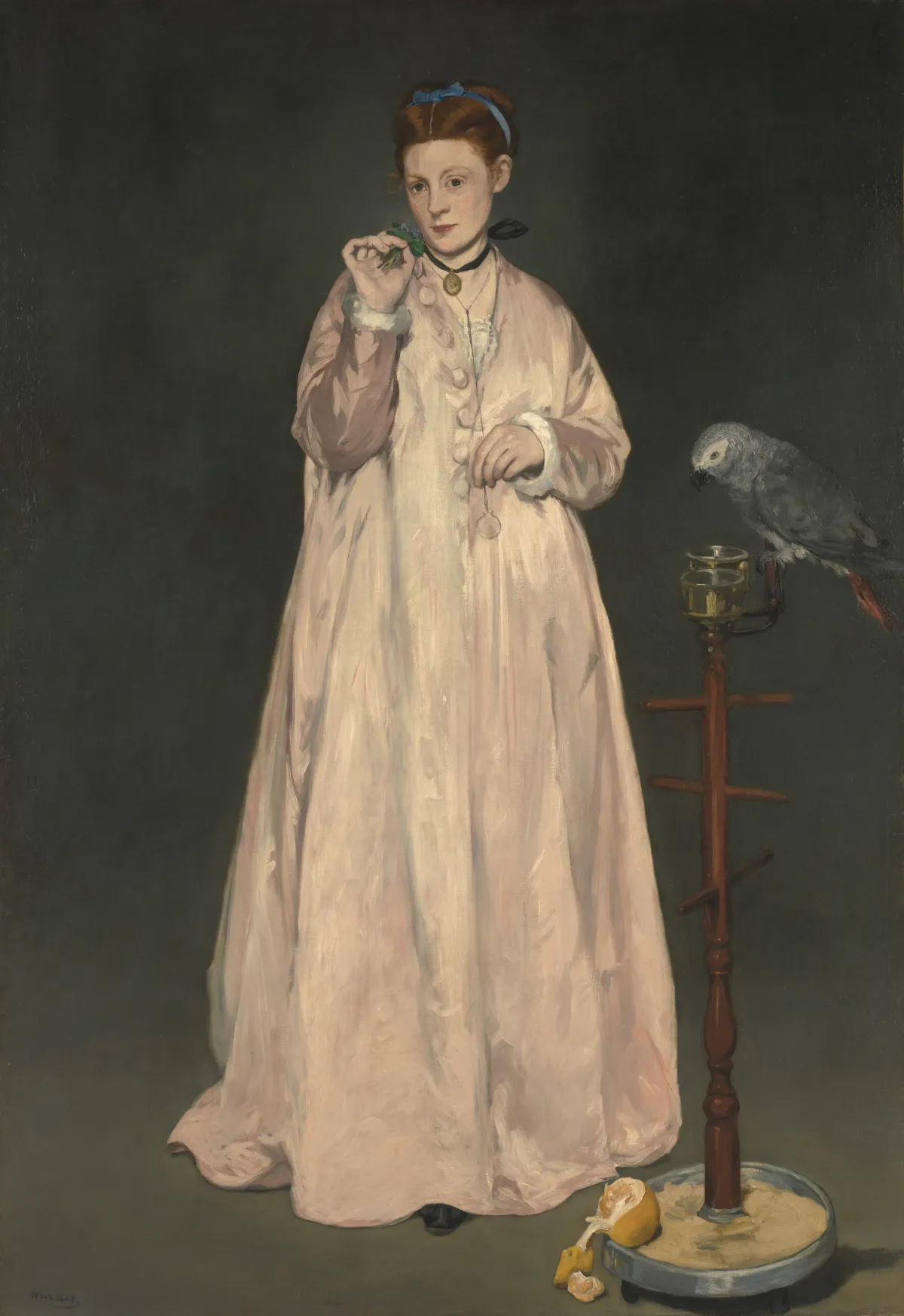
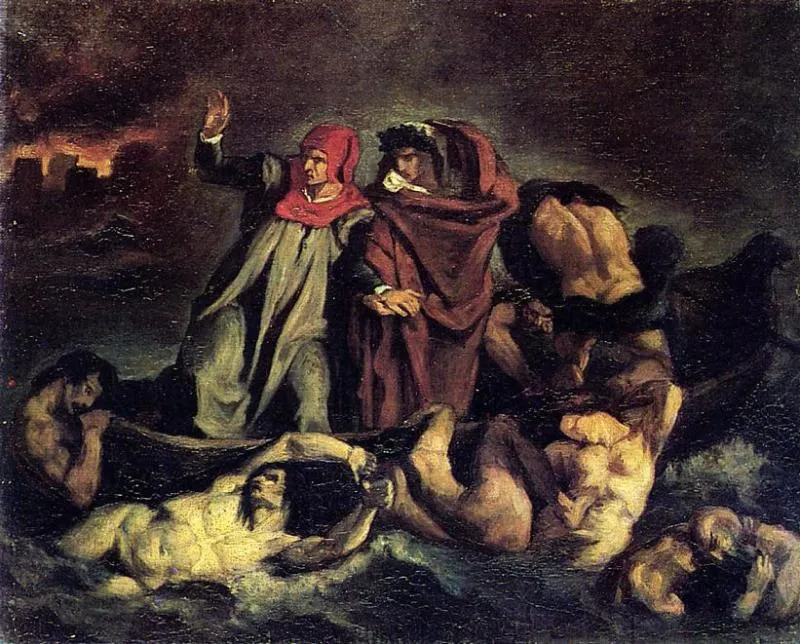
"The Absinthe Drinker" is more than just a fine art painting for sale; it is a window into 19th-century Parisian society. Manet’s portrayal of the solitary figure invites viewers to ponder themes of isolation and urban life. The painting’s symbolism resonates with those who admire Realism. Complement your appreciation with related products such as "The Barque of Dante" and "A Young Lady in 1866," each telling its own compelling story.
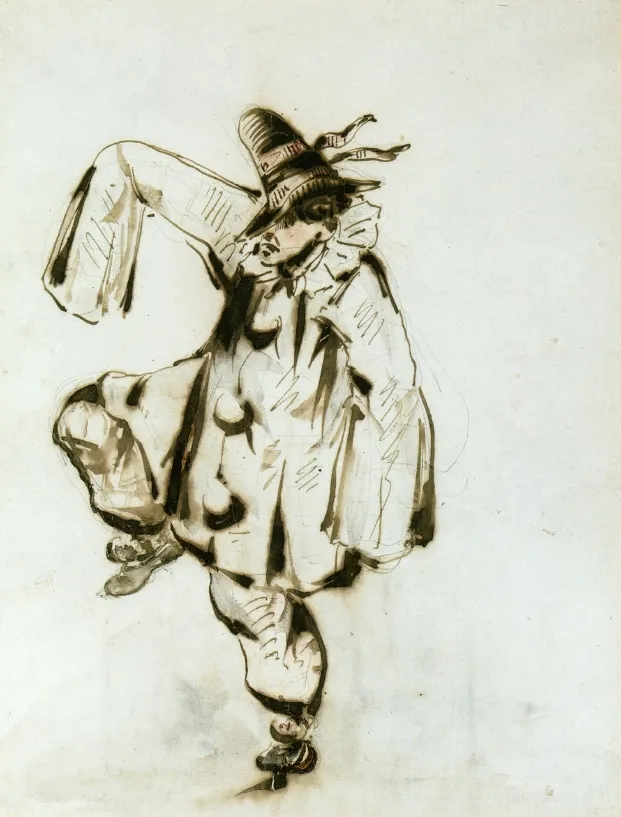
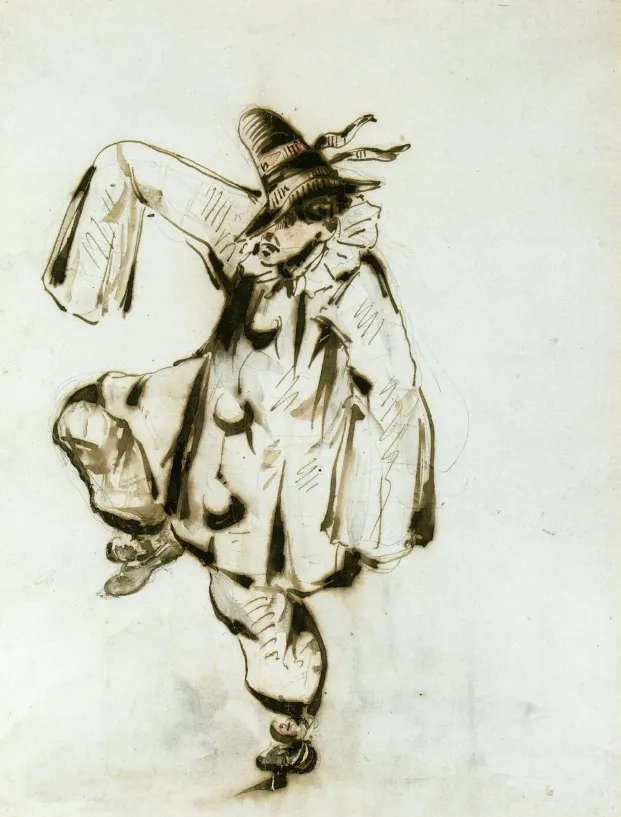
Owning "The Absinthe Drinker" as a hand-painted oil painting offers collectors a tangible piece of art history. Manet’s masterpiece, rooted in the Realism movement, retains immense value and appeal. This painting, along with "Pierrot Dancing" and "Study of Trees," represents the pinnacle of fine art painting for sale. Enhance your collection with these distinguished works that celebrate the legacy of Edouard Manet and the enduring power of oil on canvas.
When Art Meets History
"The Absinthe Drinker," created by Edouard Manet, stands as a remarkable example of the Realism movement. Painted in 1859, this hand-painted oil painting captures the social realities of 19th-century Paris. Manet’s approach was bold for his time, depicting ordinary people in everyday situations. This work paved the way for other masterpieces like "The Sun Lit Pines" and "Cold Morning on the Range," each reflecting the evolving themes of Realism in art history.
Techniques That Speak
Manet’s "The Absinthe Drinker" showcases his mastery of oil on canvas, using loose brushwork and a muted palette to emphasize mood and character. The artist’s technique in this painting influenced many contemporaries and later works such as "In the Wild North…" and "The Walk to Work." The subtle blending and attention to light create an evocative atmosphere, making this piece a standout among other Realist paintings by Edouard Manet.
Emotions on Display
The subject of "The Absinthe Drinker" exudes a sense of solitude and melancholy, common in Realism. Edouard Manet’s skillful portrayal invites viewers to empathize with the character’s isolation. This fine art painting for sale resonates with emotions that transcend time, much like the expressive qualities found in "The Walk to Work" and "Cold Morning on the Range." The painting’s emotional depth continues to captivate audiences and art lovers worldwide.
Coveted by Collectors
As a significant work in the Realism movement, "The Absinthe Drinker" by Edouard Manet remains highly sought after by collectors. The hand-painted oil painting’s historical relevance and artistic innovation have contributed to its enduring appeal. Alongside related pieces like "The Sun Lit Pines" and "In the Wild North…," this painting is a prized addition to any collection. Authentic oil on canvas works from this era are always in high demand among art enthusiasts.
Related Realism Hand-Painted Oil Paintings by Other Artists
Other Famous Realism Artists:
Frequently Asked Questions About The absinthe drinker
What is the historical context of "The absinthe drinker"?
"The absinthe drinker" was painted by Édouard Manet in 1859, during a period in France marked by the rise of modernity and the exploration of urban life. The painting reflects the social issues of the time, particularly the effects of absinthe consumption, which was a popular but controversial drink among the Parisian bourgeoisie and artists.
What artistic techniques did Manet use in "The absinthe drinker"?
Manet employed loose brushwork and a muted color palette to convey a sense of immediacy and realism. His use of light and shadow creates depth, while the composition draws attention to the solitary figure of the drinker, emphasizing themes of isolation and melancholy.
What does the figure in "The absinthe drinker" symbolize?
The figure in "The absinthe drinker" symbolizes the alienation and despair experienced by individuals in modern urban life. The drinker, depicted in a moment of introspection, reflects the struggles of those who sought solace in absinthe, often leading to addiction and social withdrawal.
How does "The absinthe drinker" relate to Manet's other works?
This painting is consistent with Manet's exploration of contemporary life and social themes. Like his other works, it challenges traditional representations of subjects and engages with the realities of 19th-century Paris, making it a pivotal piece in his oeuvre.
What role does color play in "The absinthe drinker"?
Color in "The absinthe drinker" plays a crucial role in establishing mood and atmosphere. The subdued greens and browns evoke a sense of gloom and introspection, while the contrasting highlights draw attention to the figure's face and the glass, symbolizing both allure and danger.
What impact did "The absinthe drinker" have on the art world?
The painting was significant in its candid portrayal of a social issue, influencing subsequent artists to address contemporary themes in their work. It contributed to the evolution of modern art by breaking away from idealized representations and embracing realism.
How does "The absinthe drinker" reflect the theme of modernity?
"The absinthe drinker" reflects modernity through its focus on urban life and the psychological complexities of individuals within that environment. Manet's portrayal of the drinker captures the essence of modern existence, characterized by isolation and the search for meaning amidst societal changes.
What is the significance of absinthe in the painting?
Absinthe serves as a powerful symbol of escapism and the darker aspects of modern life. In the painting, it represents both the allure of intoxication and the potential for addiction, highlighting the struggles faced by individuals in a rapidly changing society.
How has "The absinthe drinker" been interpreted by art critics?
Art critics have often interpreted "The absinthe drinker" as a commentary on the social and psychological effects of alcohol consumption. Many have noted its poignant depiction of loneliness and despair, positioning it as a critical reflection on the human condition in the context of 19th-century Paris.
What are the key elements of composition in "The absinthe drinker"?
The composition of "The absinthe drinker" is characterized by the central placement of the figure, which draws the viewer's eye immediately. The use of negative space around the figure enhances the sense of isolation, while the table and glass create a narrative that invites contemplation of the drinker's state of mind.























_GFM_Painting_(1).webp)


 100% Hand-Painted: Finished in 3-6 Weeks

.png)















_(1).webp)