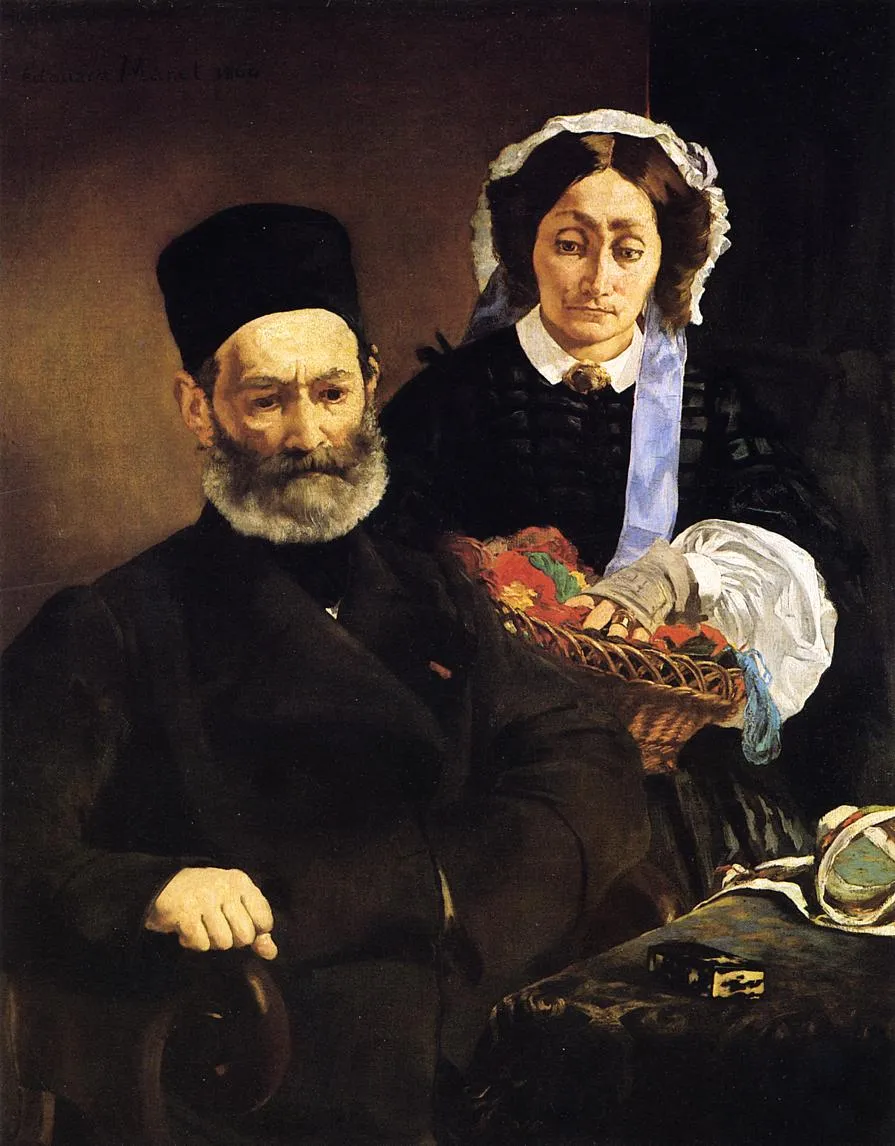
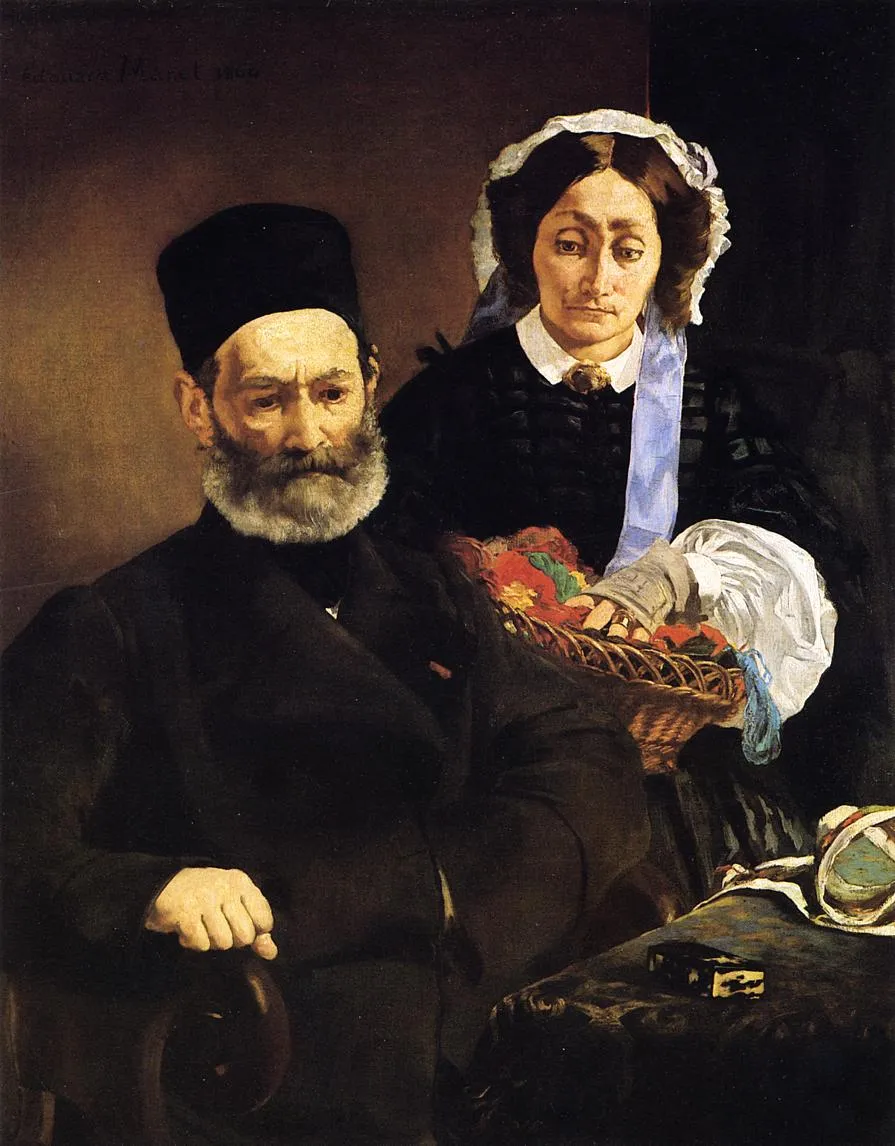
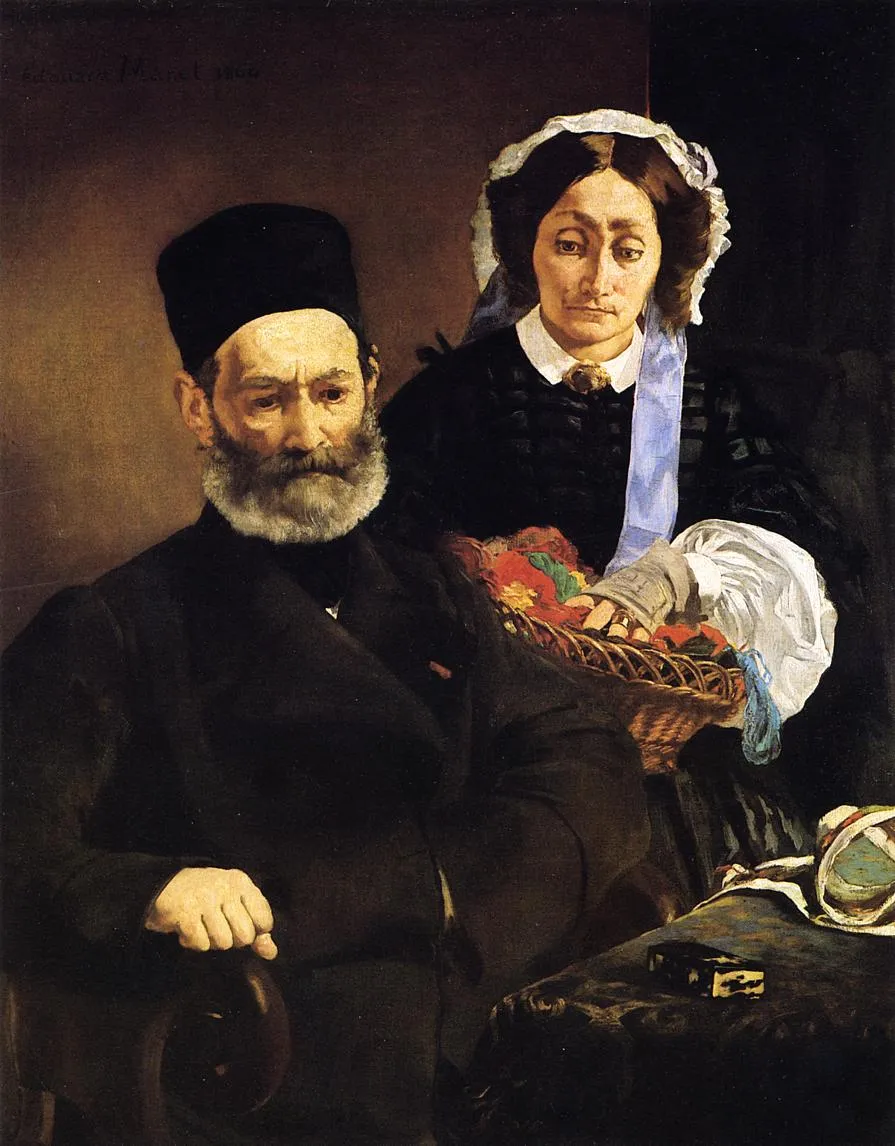
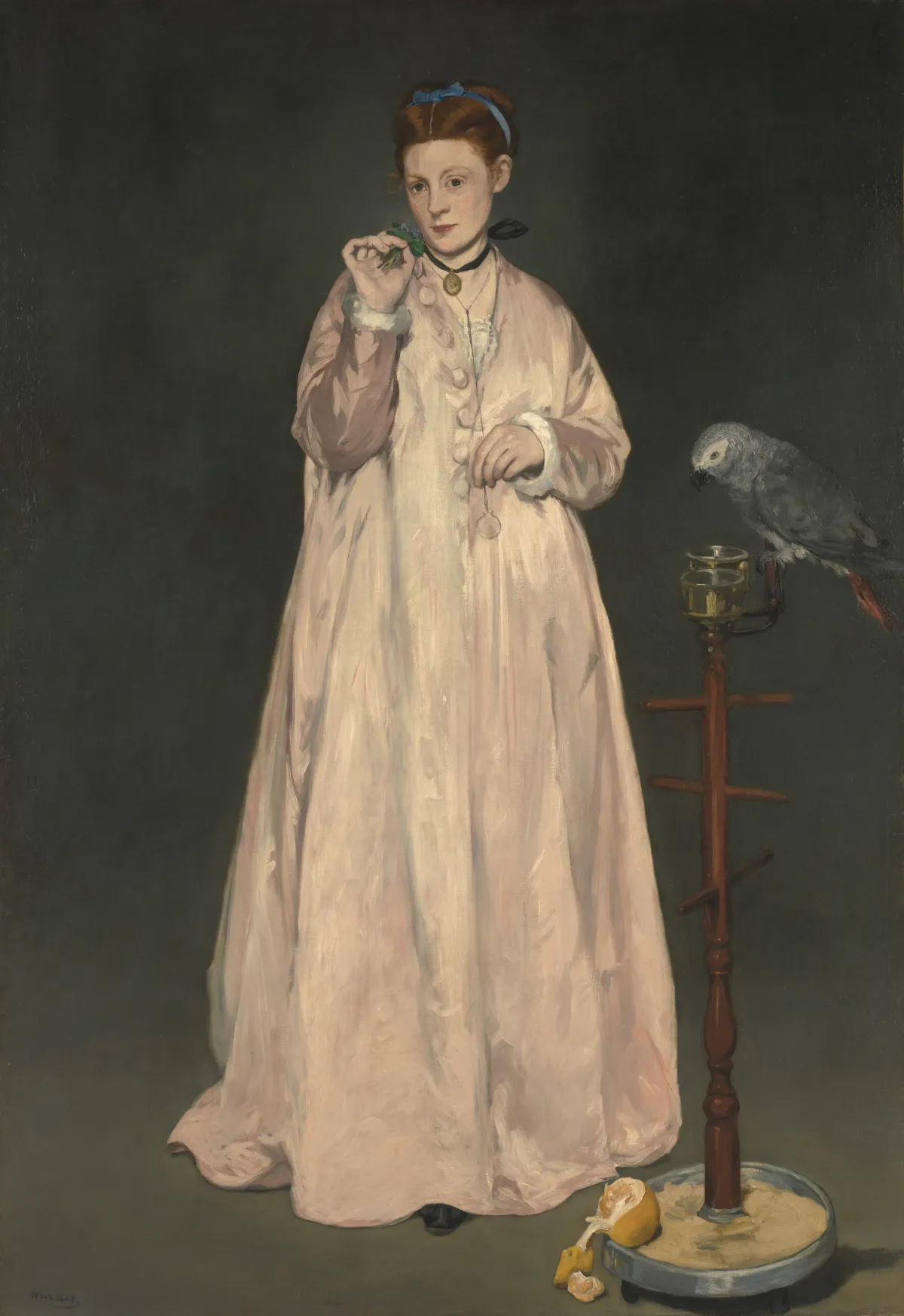
"Portrait of Monsieur and Madame Auguste Manet" is a remarkable hand-painted oil painting by the celebrated Edouard Manet, a key figure in the Realism movement. This masterpiece captures the essence of familial intimacy and the artist’s innovative approach to portraiture. Art enthusiasts seeking a fine art painting for sale will appreciate the historical significance and emotional depth found in Manet’s works, alongside related pieces such as "The Boy with Cherries" and "The Italian woman."
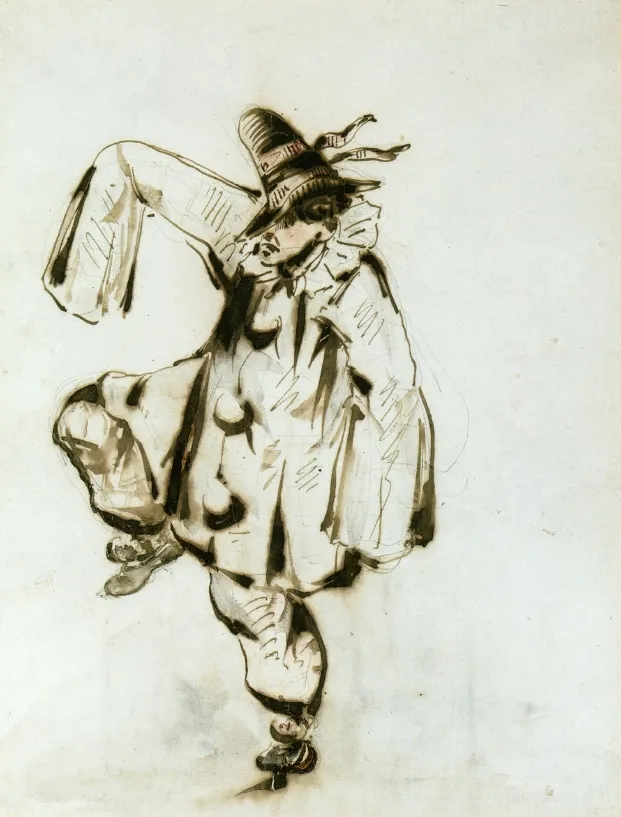
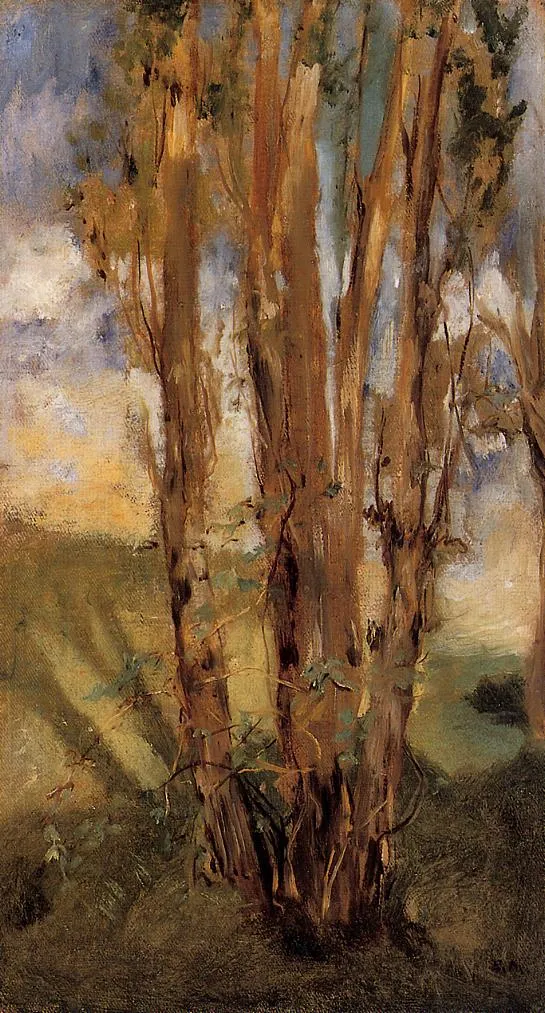
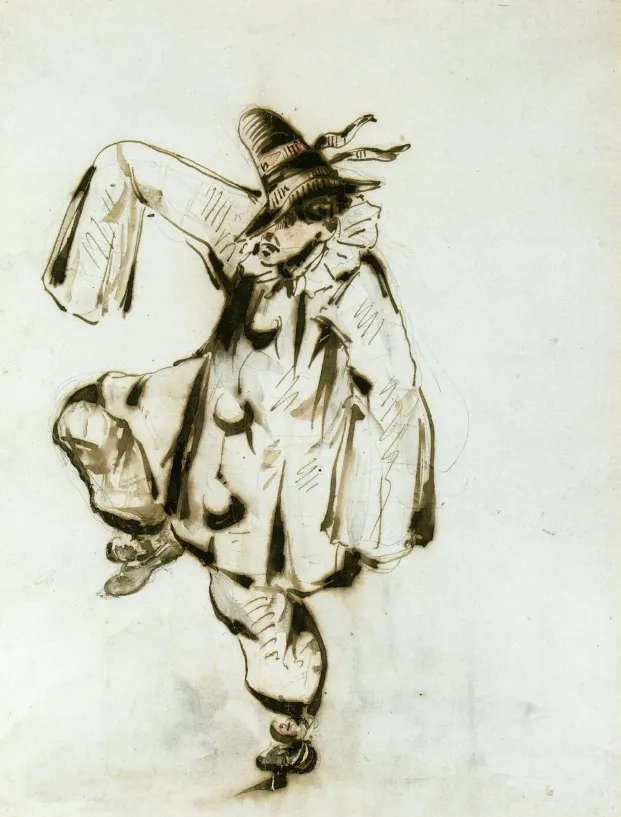
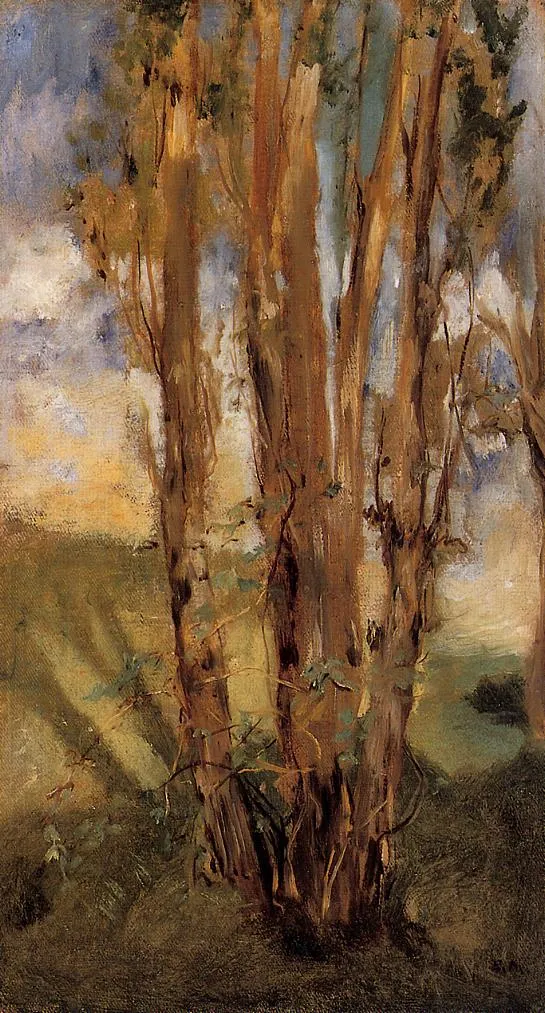
Edouard Manet’s "Portrait of Monsieur and Madame Auguste Manet" exemplifies his mastery with oil on canvas, blending meticulous detail with expressive brushwork. As a leading force in Realism, Manet’s technique brings his subjects to life, making each portrait resonate with authenticity. Collectors who admire this style may also enjoy other oil on canvas works, including "Study of trees" and "Pierrot dancing," which showcase the artist’s refined skill and unique vision.
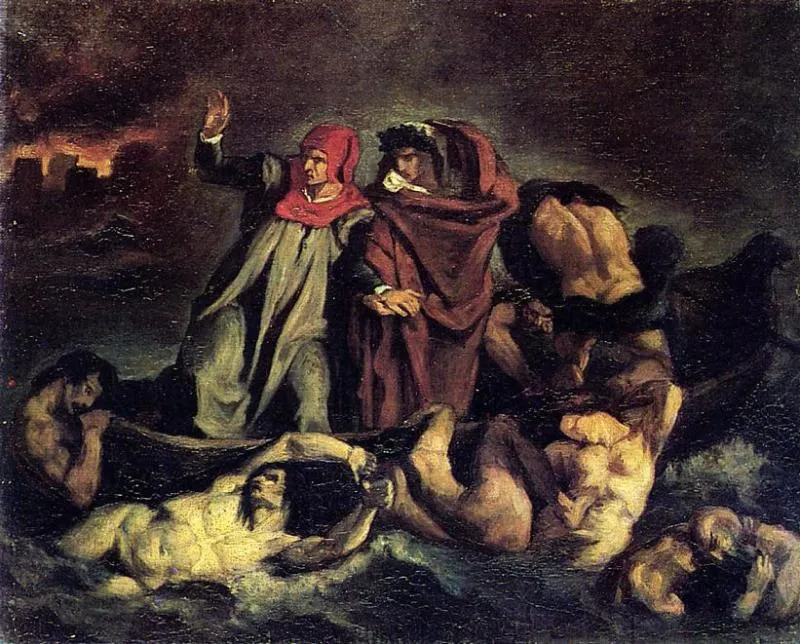
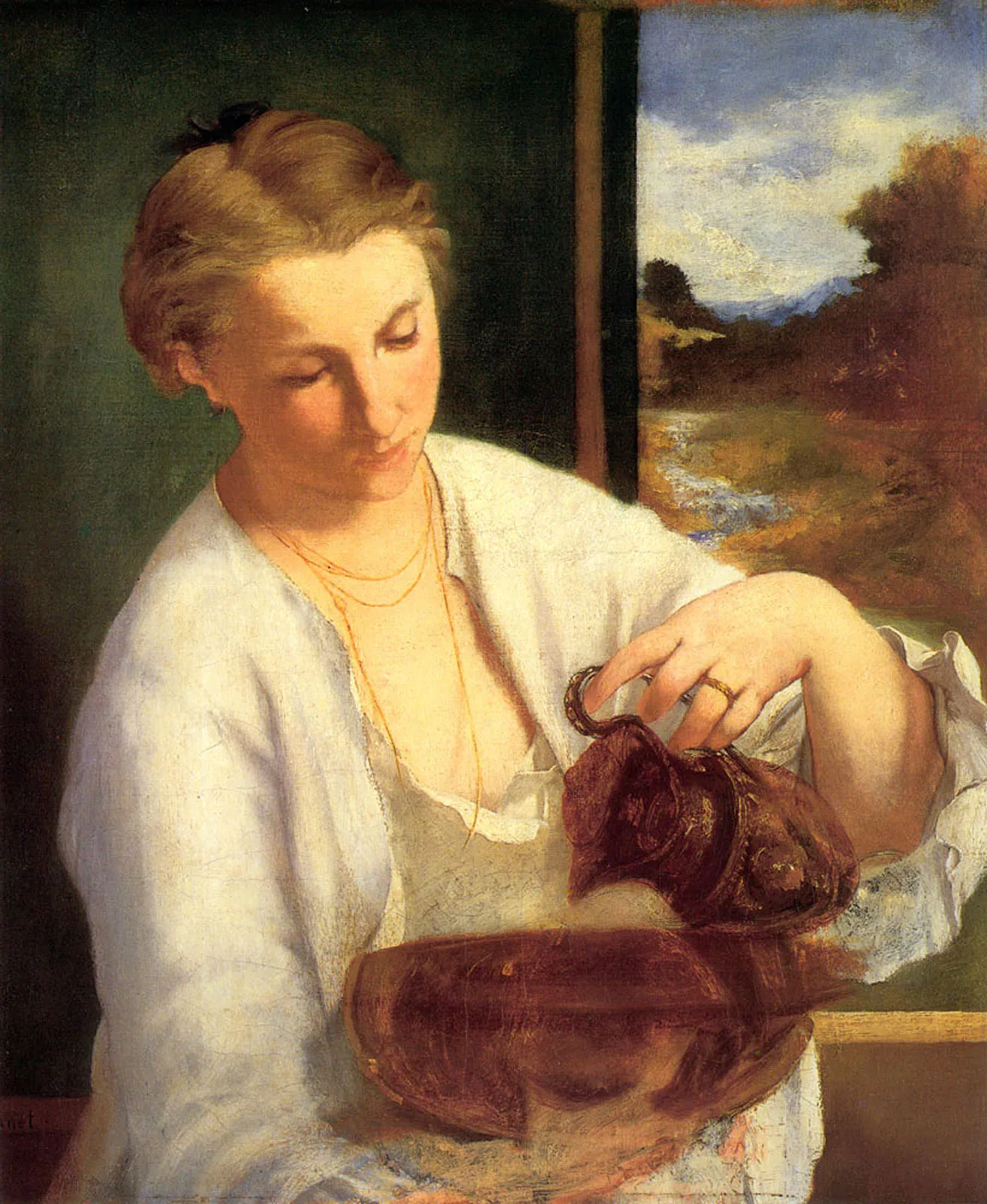
This hand-painted oil painting is more than a simple likeness; it tells the story of Edouard Manet’s relationship with his parents, set against the backdrop of the Realism movement. The subtle gestures and thoughtful composition imbue the portrait with layers of meaning. For those interested in acquiring a fine art painting for sale, Manet’s symbolic storytelling can also be found in related pieces like "A woman pouring water" and "The barque of Dante."
Owning "Portrait of Monsieur and Madame Auguste Manet" means possessing a piece of art history, crafted by a master of oil on canvas. As a standout example of Realism, this painting appeals to collectors seeking authenticity and emotional resonance. Those looking for a fine art painting for sale may also consider complementary works by Manet, such as "The Italian woman" or "The Boy with Cherries," to enrich their collection with timeless beauty.
When Art Meets History
"Portrait of Monsieur and Madame Auguste Manet" by Edouard Manet is a remarkable example of the Realism movement, capturing a moment in the lives of the artist’s parents. This hand-painted oil painting not only showcases Manet’s skill but also reflects the social and cultural context of his era. Similar to works like "The Gleaners" and "Le Printemps," Manet’s portrait offers a window into the everyday lives of ordinary people, making history tangible through art.
Techniques That Speak
Edouard Manet’s mastery is evident in the refined brushwork and subtle tonal contrasts of this oil on canvas. His technique, which influenced many contemporaries, brings depth and realism to the figures of Monsieur and Madame Auguste Manet. Like "A Path In A Wood" and "Portrait of Sebastián de Morra," the painting demonstrates Manet’s commitment to truthful representation, emphasizing natural light and realistic textures that define the Realism movement.
Emotions on Display
This fine art painting for sale captures the quiet dignity and understated affection between Manet’s parents. Through his sensitive portrayal, Edouard Manet invites viewers to connect emotionally with his subjects, much like the evocative scenes in "A Dash for the Timber." The thoughtful expressions and gentle composition highlight the artist’s ability to convey deep emotion, making this work a moving testament to familial bonds within the Realism movement.
Coveted by Collectors
"Portrait of Monsieur and Madame Auguste Manet" is highly sought after by collectors who appreciate the significance of Edouard Manet’s contributions to the Realism movement. This hand-painted oil painting, comparable in importance to masterpieces like "The Gleaners" and "Le Printemps," stands as a testament to Manet’s enduring legacy. Its provenance and historical importance make it a prized addition to any collection of fine art painting for sale.
Related Realism Hand-Painted Oil Paintings by Other Artists
Other Famous Realism Artists:
Frequently Asked Questions About Portrait of Monsieur and Madame Auguste Manet
What is the historical context of "Portrait of Monsieur and Madame Auguste Manet"?
This painting was created in 1874, during a period of significant artistic innovation in France, characterized by the rise of Impressionism and a departure from traditional academic art forms.
Who are the subjects of the painting?
The subjects are Édouard Manet's close friends, Monsieur and Madame Auguste Manet, who were influential figures in the Parisian art scene of the time.
What artistic techniques did Manet employ in this portrait?
Manet utilized loose brushwork and a vibrant color palette, which were hallmarks of his style, to create a sense of immediacy and intimacy in the portrayal of the couple.
How does this painting reflect Manet's artistic philosophy?
Manet's approach to this portrait emphasizes realism and the psychological depth of his subjects, showcasing his belief in capturing the essence of modern life.
What is the significance of the setting in the portrait?
The setting, featuring a simple yet elegant interior, highlights the Manets' social status while also focusing attention on the couple's expressions and interactions.
What symbolism can be found in the clothing of Monsieur and Madame Manet?
The couple's attire reflects the fashion of the 19th century, symbolizing their social standing and the cultural norms of the bourgeoisie during that era.
How does this work compare to other portraits of the time?
Unlike many traditional portraits that emphasized idealization, Manet's work presents a more candid and personal representation, aligning with the emerging Impressionist movement.
What was the public's reaction to this painting when it was first exhibited?
The painting received mixed reviews, with some critics praising its modernity and others finding it too unconventional compared to established portraiture of the time.
In what ways does this painting exemplify the concept of modernity in art?
This portrait exemplifies modernity by breaking away from classical conventions, focusing on everyday subjects, and capturing the fleeting moments of contemporary life.
What influence did "Portrait of Monsieur and Madame Auguste Manet" have on future artists?
The painting influenced subsequent generations of artists by encouraging a more personal and expressive approach to portraiture, paving the way for modern artistic movements.






















_GFM_Painting_(1).webp)


 100% Hand-Painted: Finished in 3-6 Weeks

.png)















_(1).webp)