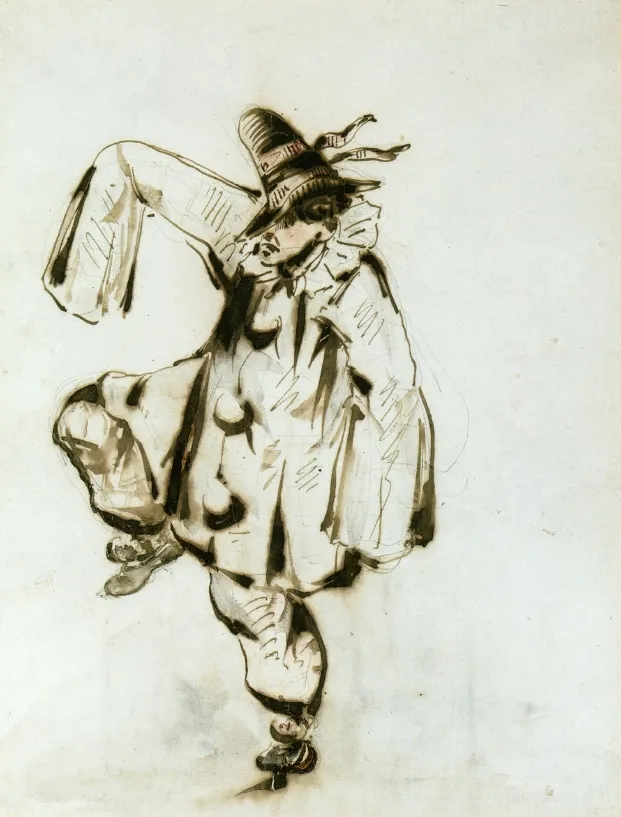
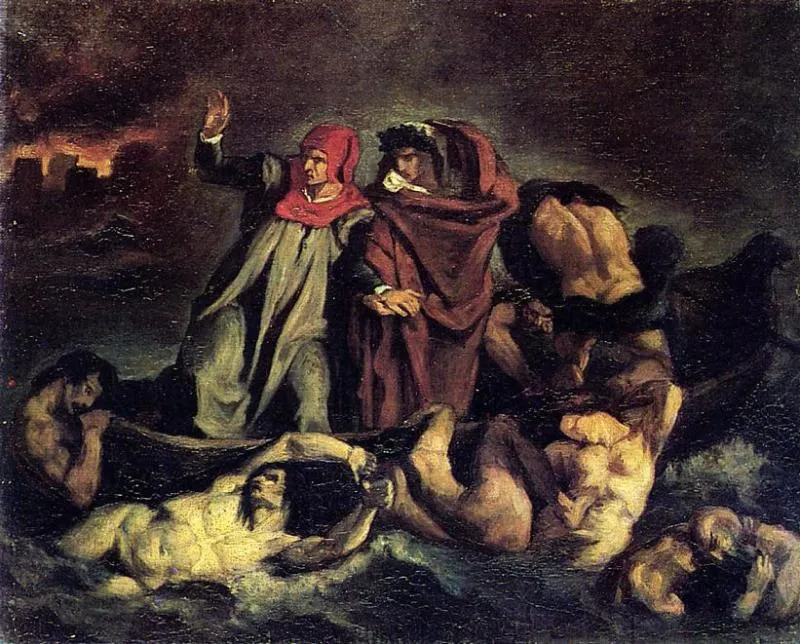
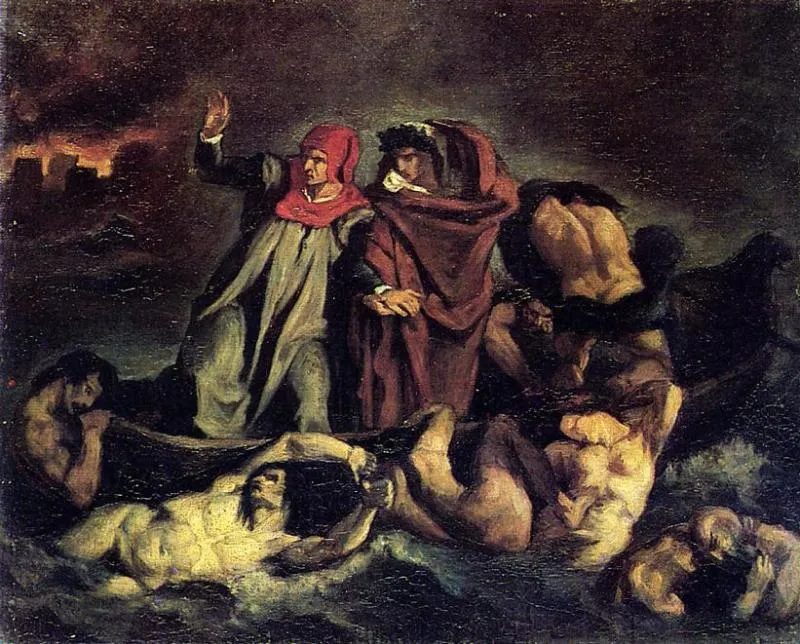
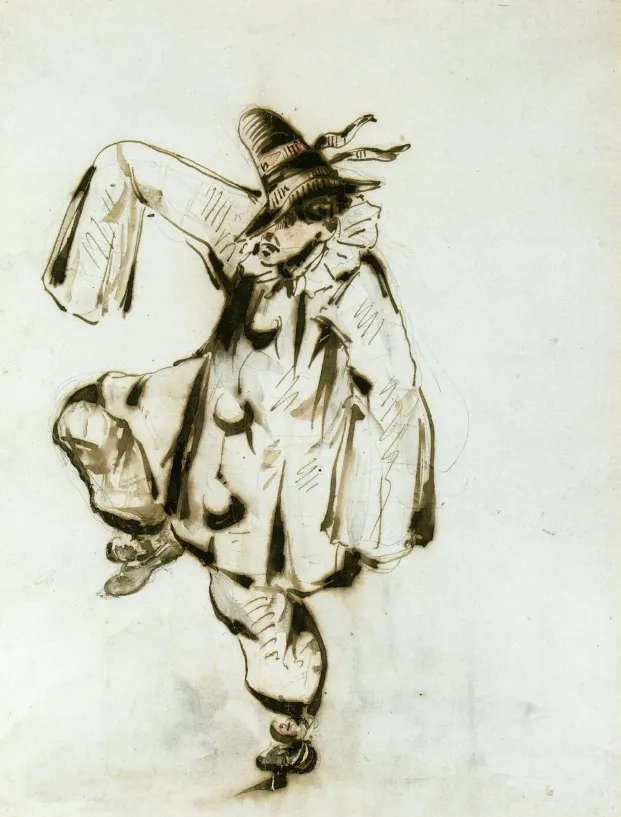
Edouard Manet’s skillful use of oil on canvas is evident in "The Barque of Dante," where each brushstroke contributes to the painting's vivid realism. The composition showcases Manet’s technical prowess, blending light and shadow to create dramatic tension. As a leading figure in the Realism movement, his technique in this oil on canvas work parallels the artistry seen in "Pierrot dancing," making both pieces highly sought after by discerning art collectors.
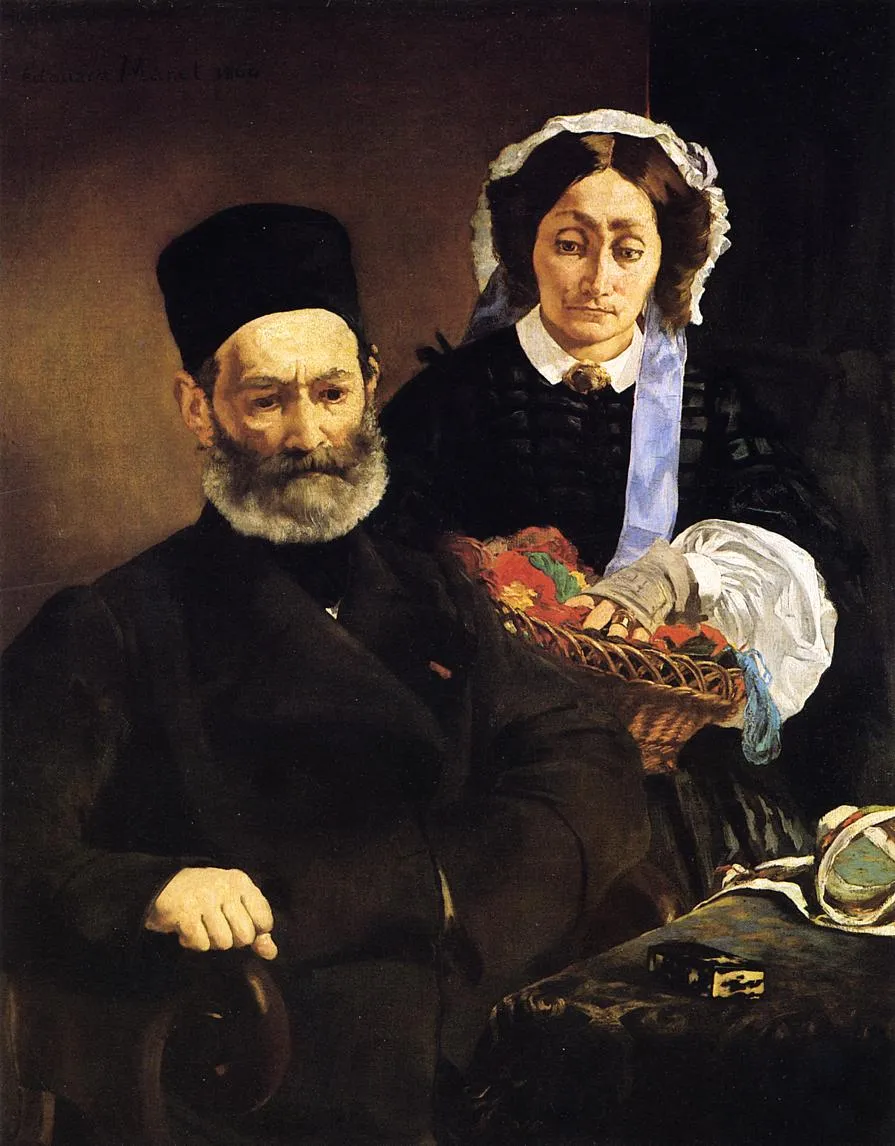
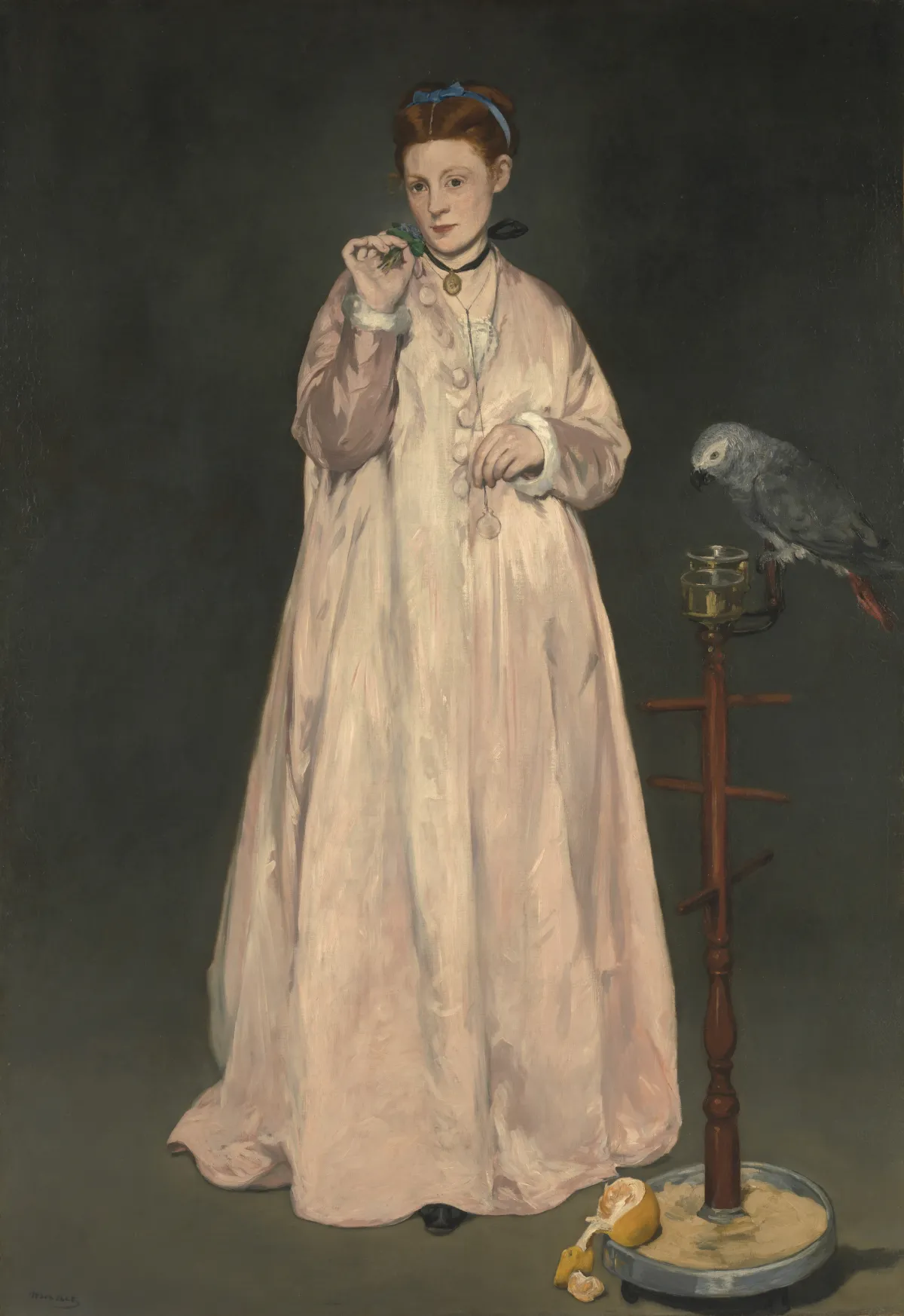
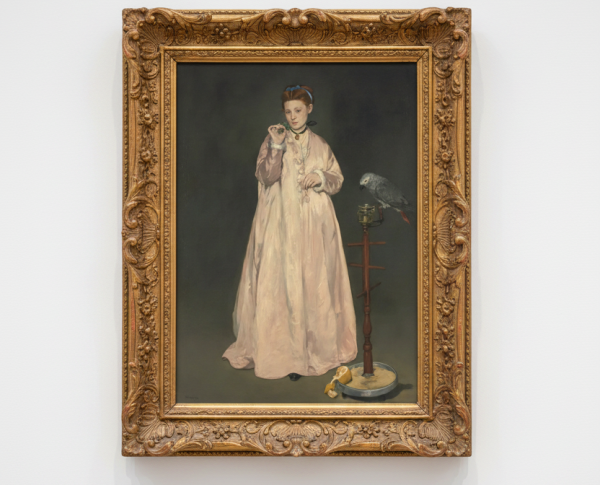
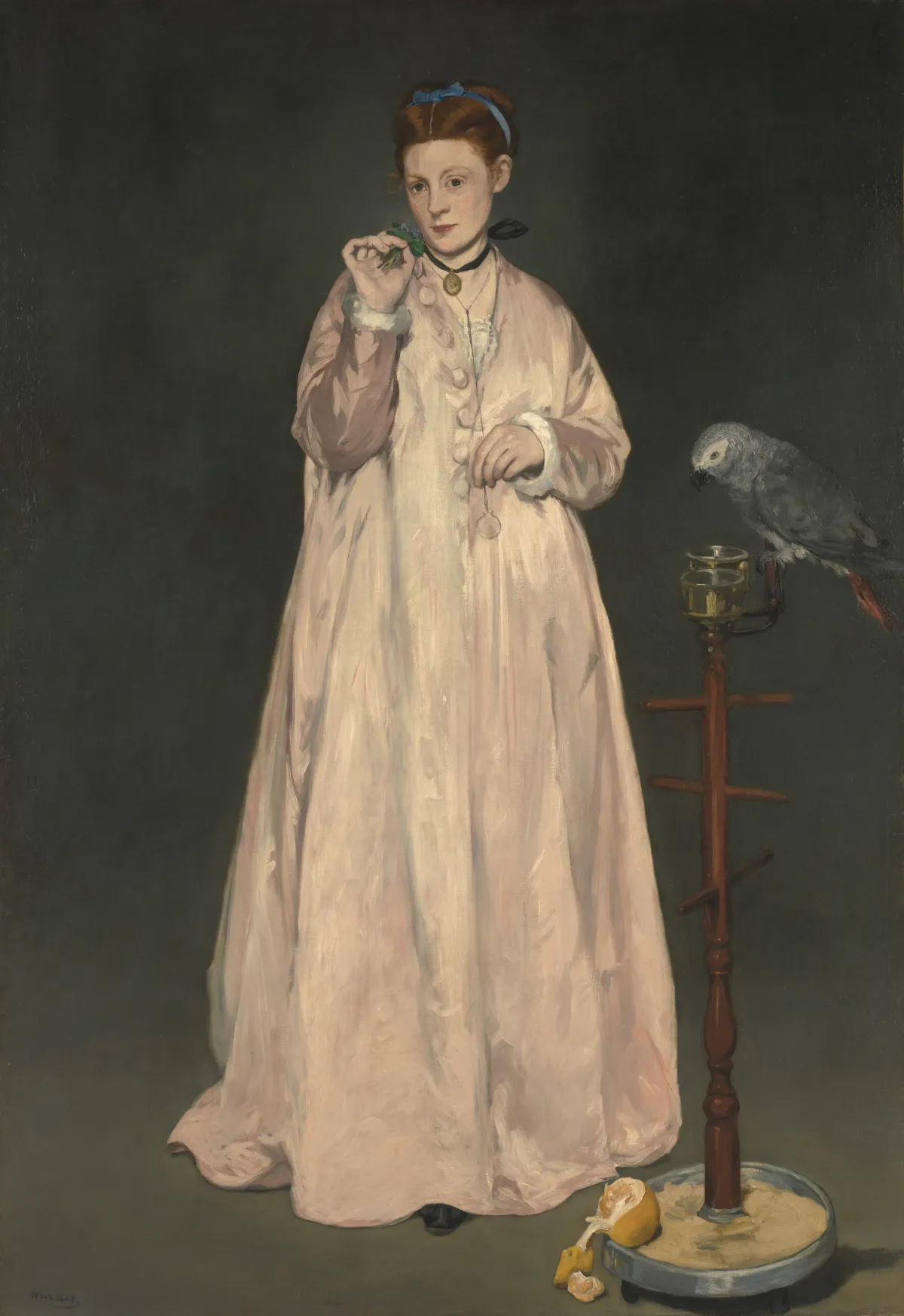
"The Barque of Dante" is rich with allegorical imagery and narrative depth, a hallmark of Manet’s approach within the Realism movement. The painting weaves together mythological elements and human emotion, inviting viewers to explore its layered meanings. For those interested in a fine art painting for sale that offers both visual beauty and intellectual intrigue, this Manet masterpiece stands out—complementing collections featuring works like "A Young Lady in 1866" and "Pierrot dancing."
Owning "The Barque of Dante" by Edouard Manet means acquiring a hand-painted oil painting that embodies the spirit of Realism. Its historical context and artistic mastery make it a prized possession for collectors. As a fine art painting for sale, it pairs beautifully with related works such as "A Young Lady in 1866" and "Pierrot dancing," enhancing the prestige and depth of any art collection with its timeless allure and enduring significance.
When Art Meets History
"The Barque of Dante" by Edouard Manet stands as a remarkable hand-painted oil painting, offering a vivid glimpse into the Realism movement. Created during a period when artists sought to portray the world truthfully, Manet’s interpretation is both historical and innovative. This artwork, alongside related paintings like "Lady Godiva" and "A Dash for the Timber," captures significant moments with authenticity, bridging the gap between myth and reality through the lens of Realism.
Techniques That Speak
Edouard Manet’s masterful use of oil on canvas in "The Barque of Dante" showcases the technical prowess associated with the Realism movement. His brushwork and attention to detail bring each figure and wave to life, echoing the same care seen in works like "Surrender At Santa Anna" and "The Sergeant." The composition’s depth and lighting highlight Manet’s commitment to depicting the world as he saw it, setting his art apart from his contemporaries.
Emotions on Display
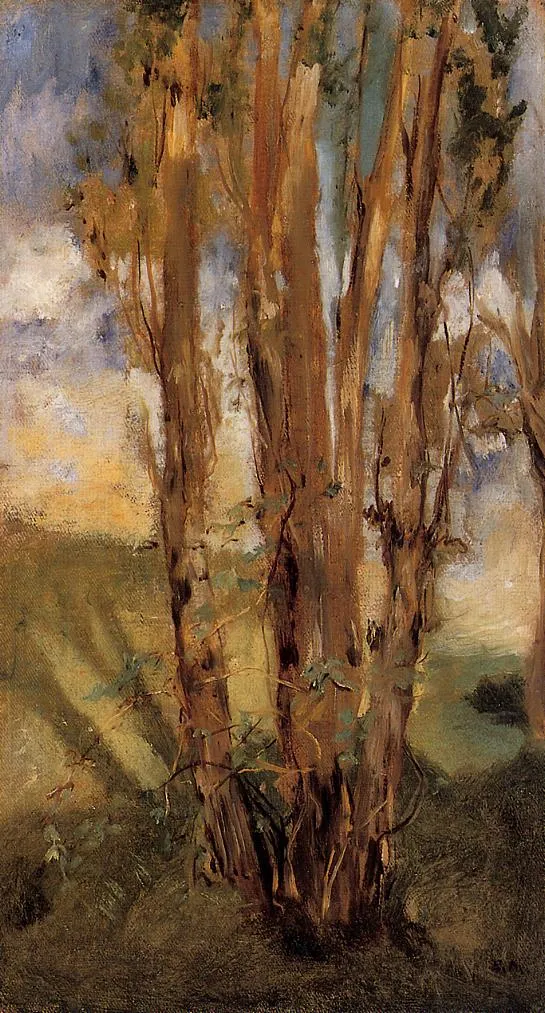
"The Barque of Dante" powerfully conveys the emotional turmoil of its subjects, a hallmark of Manet’s approach to Realism. The expressions and gestures in this fine art painting for sale invite viewers into the narrative, much like "Study for the Surrender of Santa Anna." Manet’s ability to evoke empathy and reflection through his characters is a testament to his skill, ensuring that each scene resonates with genuine feeling and timeless relevance.
Coveted by Collectors
As a prized example of Realism, "The Barque of Dante" by Edouard Manet remains highly sought after among collectors of hand-painted oil paintings. Its historical significance and technical brilliance make it a standout piece, sharing the spotlight with related works such as "Lady Godiva" and "A Dash for the Timber." Owning such a masterpiece offers a unique connection to the era and the enduring legacy of Manet’s artistic vision.
Related Realism Hand-Painted Oil Paintings by Other Artists
Other Famous Realism Artists:
Frequently Asked Questions About The barque of Dante
What is the historical context of "The barque of Dante"?
"The barque of Dante" was created by Édouard Manet in 1878, during a period of significant artistic transition in France, marked by the rise of Impressionism and a departure from traditional academic painting. This work reflects Manet's engagement with contemporary themes and his interest in literary subjects.
What literary work inspired "The barque of Dante"?
The painting is inspired by Dante Alighieri's "Divine Comedy," specifically the scene where Dante and Virgil navigate the river Styx. Manet captures the essence of this literary journey, intertwining visual art with literary narrative.
What artistic techniques did Manet employ in this painting?
Manet utilized loose brushwork and a bold color palette, which were characteristic of his style. The composition is dynamic, with figures arranged in a triangular formation, drawing the viewer's eye through the scene and creating a sense of movement.
What is the significance of the figures depicted in the painting?
The figures in "The barque of Dante" represent Dante and Virgil, symbolizing the journey through the afterlife. Their expressions convey a sense of contemplation and solemnity, reflecting the weight of their journey and the themes of redemption and knowledge.
How does "The barque of Dante" reflect Manet's artistic philosophy?
Manet's philosophy emphasized the importance of modernity and the exploration of contemporary subjects. In "The barque of Dante," he merges classical themes with modern techniques, showcasing his belief in the relevance of art to contemporary life.
What symbolism can be found in the painting's composition?
The composition of the painting symbolizes the journey of the soul. The boat, a vessel of transition, represents the passage between life and death, while the dark waters of the Styx evoke the unknown aspects of the afterlife.
What role does color play in "The barque of Dante"?
Color in "The barque of Dante" serves to enhance the emotional tone of the painting. The use of dark hues contrasts with lighter elements, creating a dramatic atmosphere that underscores the gravity of the depicted journey.
How did "The barque of Dante" influence later artists?
The painting influenced later artists by demonstrating the potential of literary subjects in visual art. Manet's innovative approach to composition and color inspired subsequent movements, including Symbolism and Post-Impressionism.
What was the initial reception of "The barque of Dante"?
Upon its exhibition, "The barque of Dante" received mixed reviews. While some critics praised its boldness and originality, others were perplexed by its departure from traditional representation, reflecting the contentious nature of artistic innovation during Manet's time.
Where is "The barque of Dante" currently displayed?
"The barque of Dante" is part of the collection at the Musée d'Orsay in Paris, France. The museum houses an extensive collection of Impressionist and Post-Impressionist masterpieces, providing a fitting context for Manet's work.






















_GFM_Painting_(1).webp)


 100% Hand-Painted: Finished in 3-6 Weeks

.png)















_(1).webp)