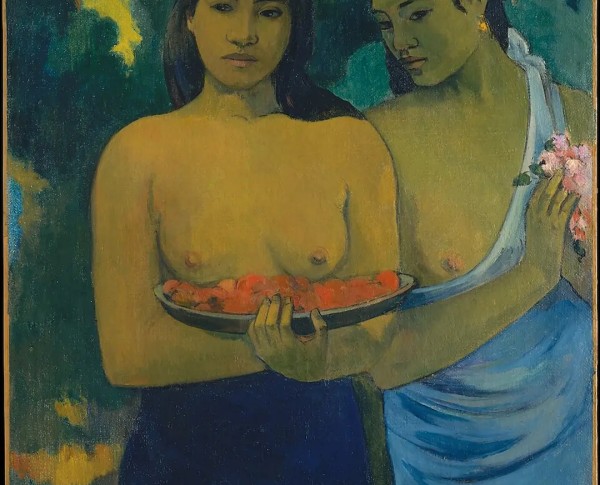
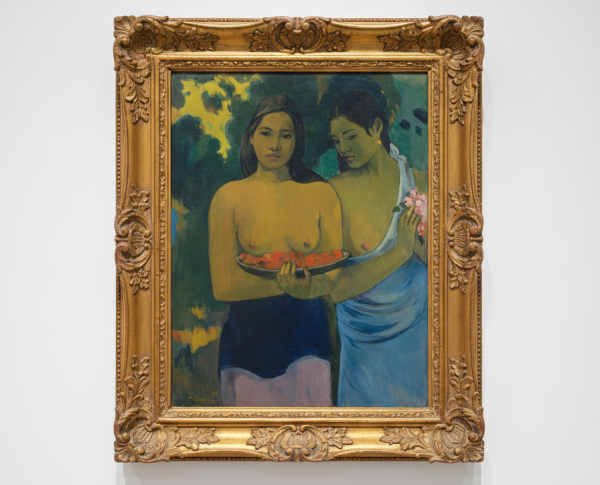
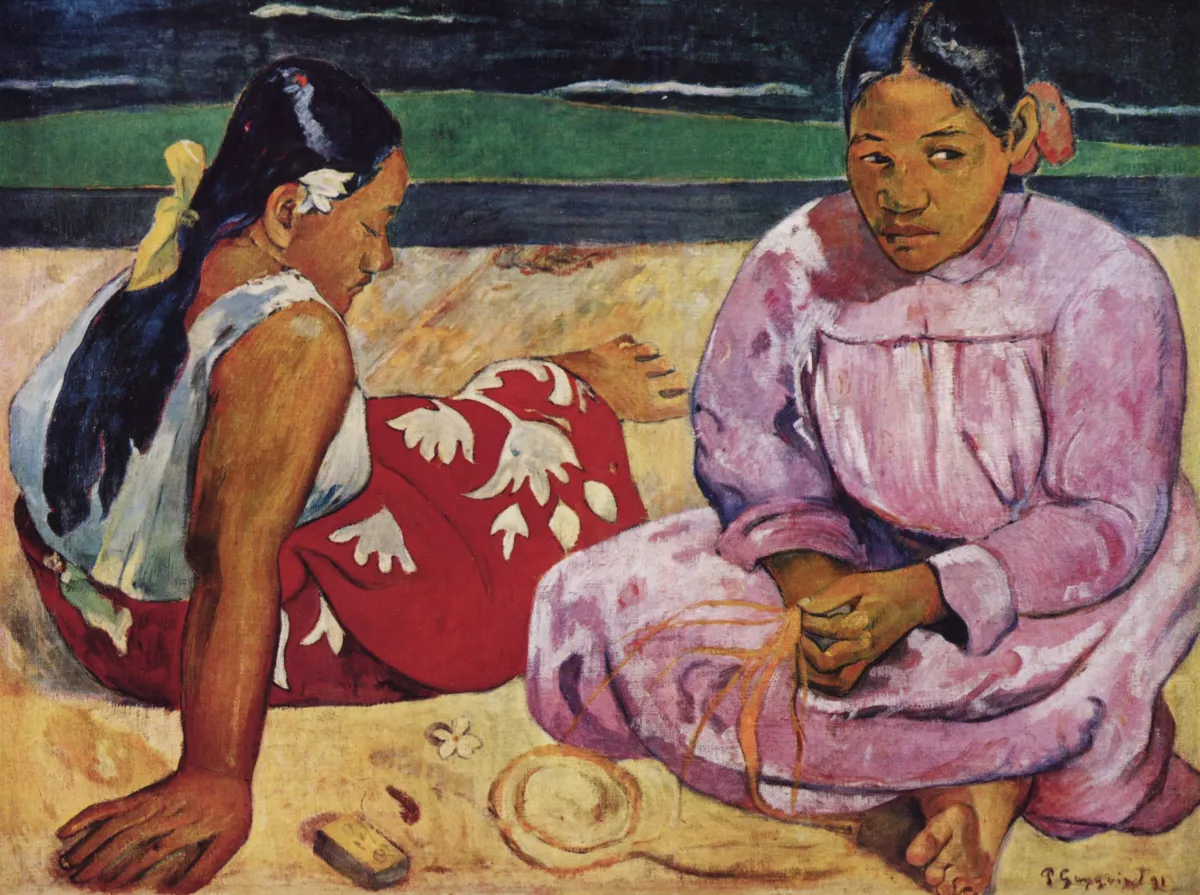
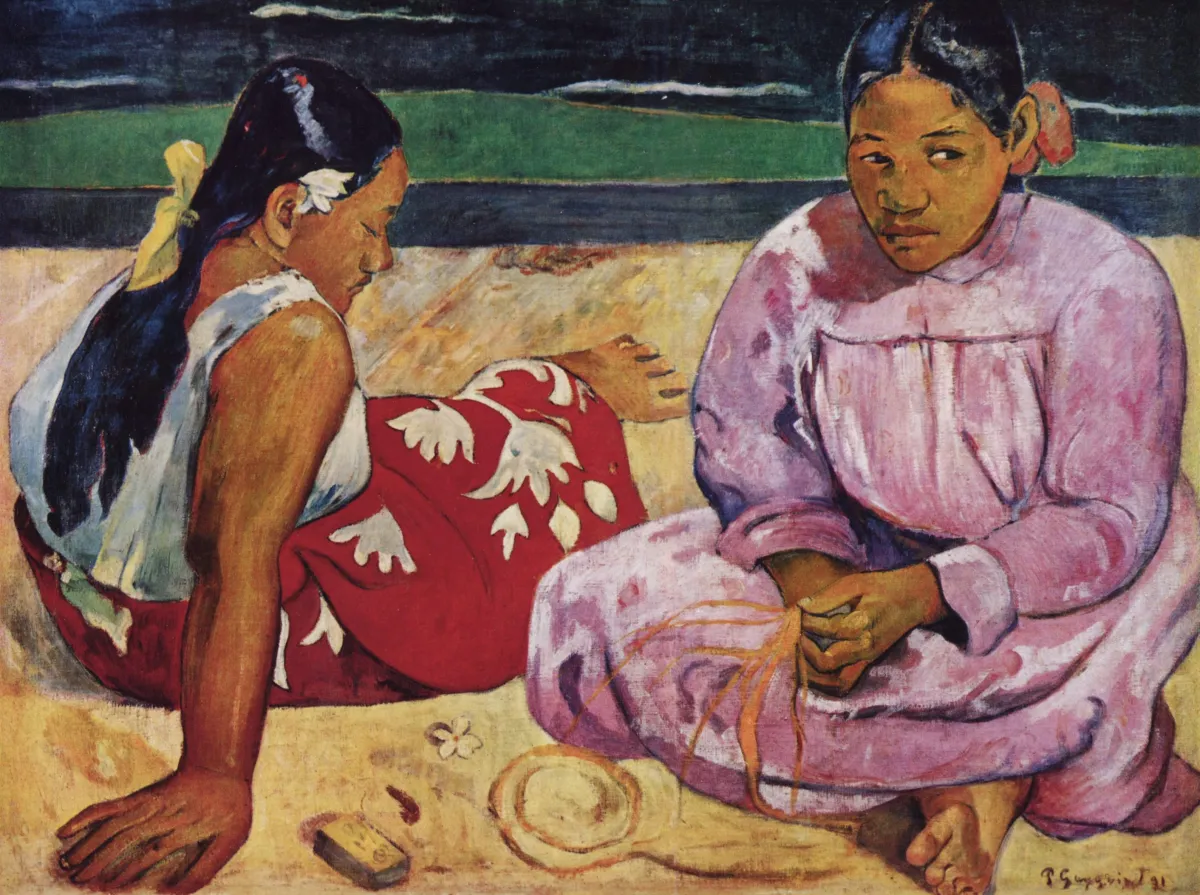
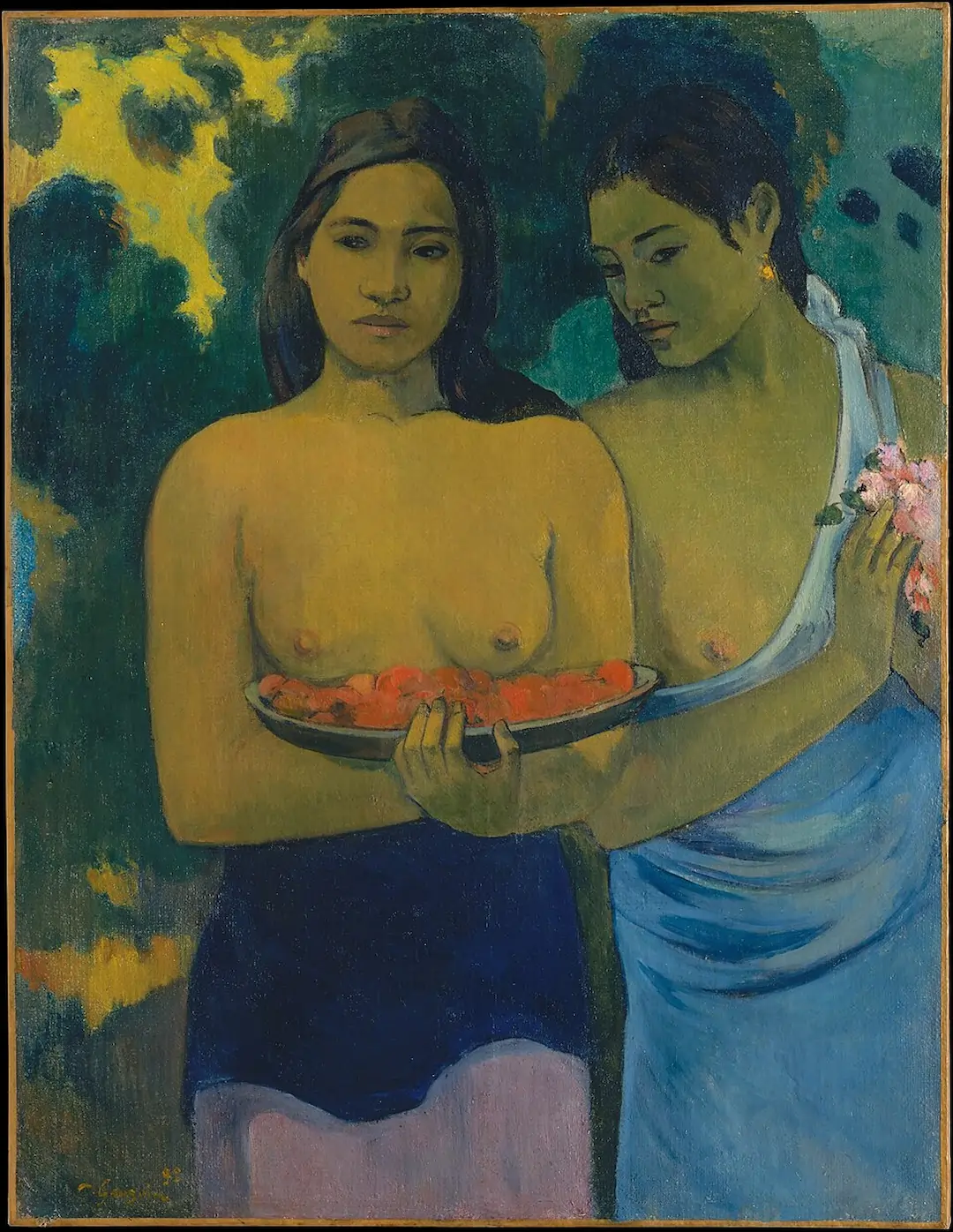
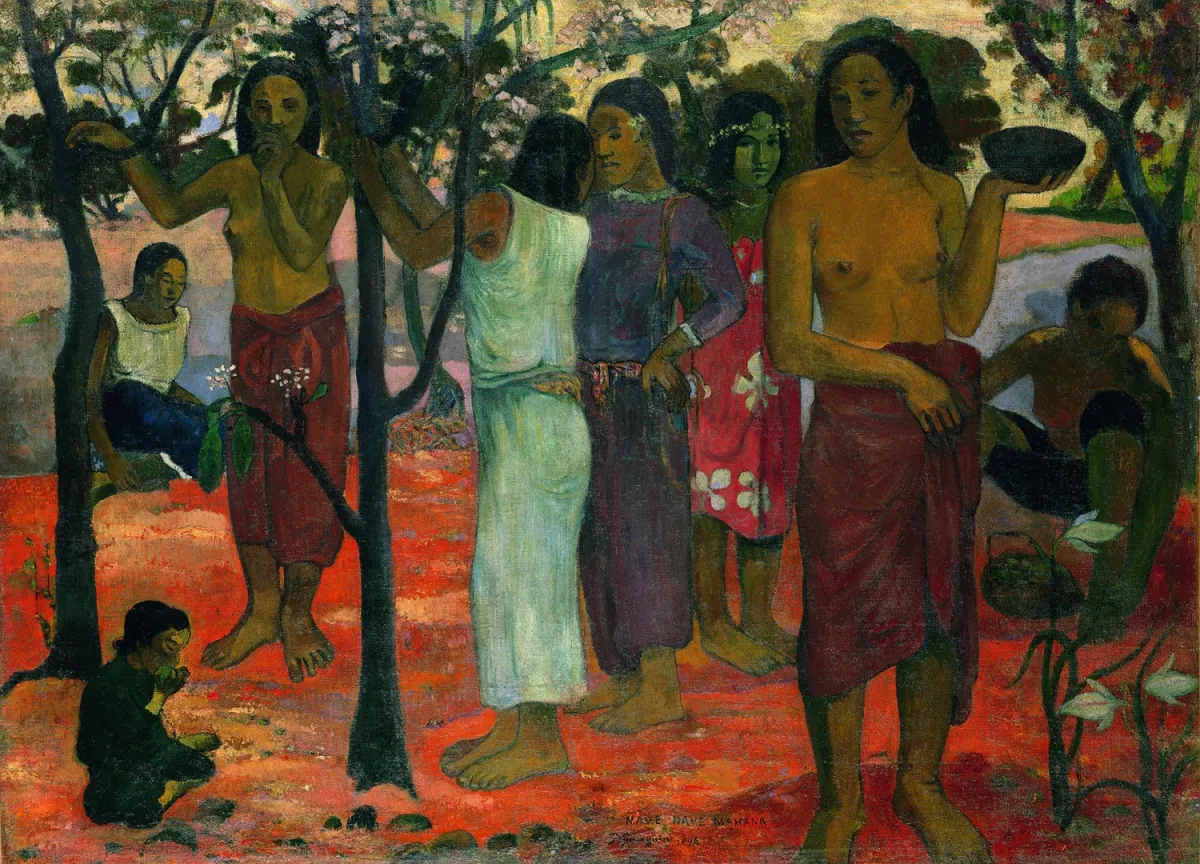
Paul Gauguin’s “Tahitian Women on the Beach” is a masterful oil on canvas, showcasing his innovative use of color and form. The brushwork and composition reveal the artist’s Post-Impressionist approach to capturing emotion and atmosphere. This painting, along with other notable works such as “Nave Nave Mahana” and “Two Tahitian Women,” highlights Gauguin’s ability to transform everyday scenes into deeply expressive art, making each oil on canvas a true collector’s piece.
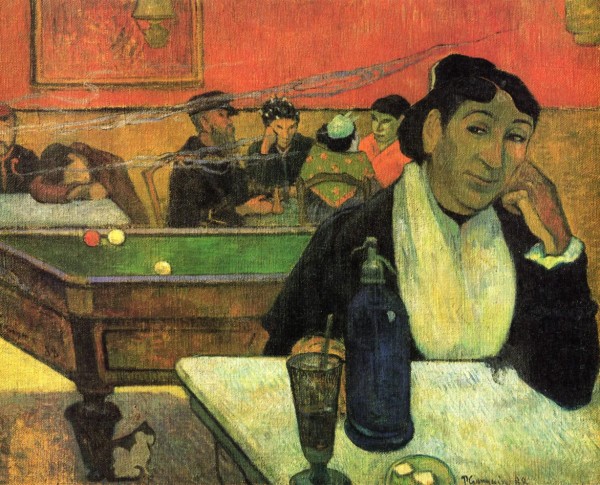
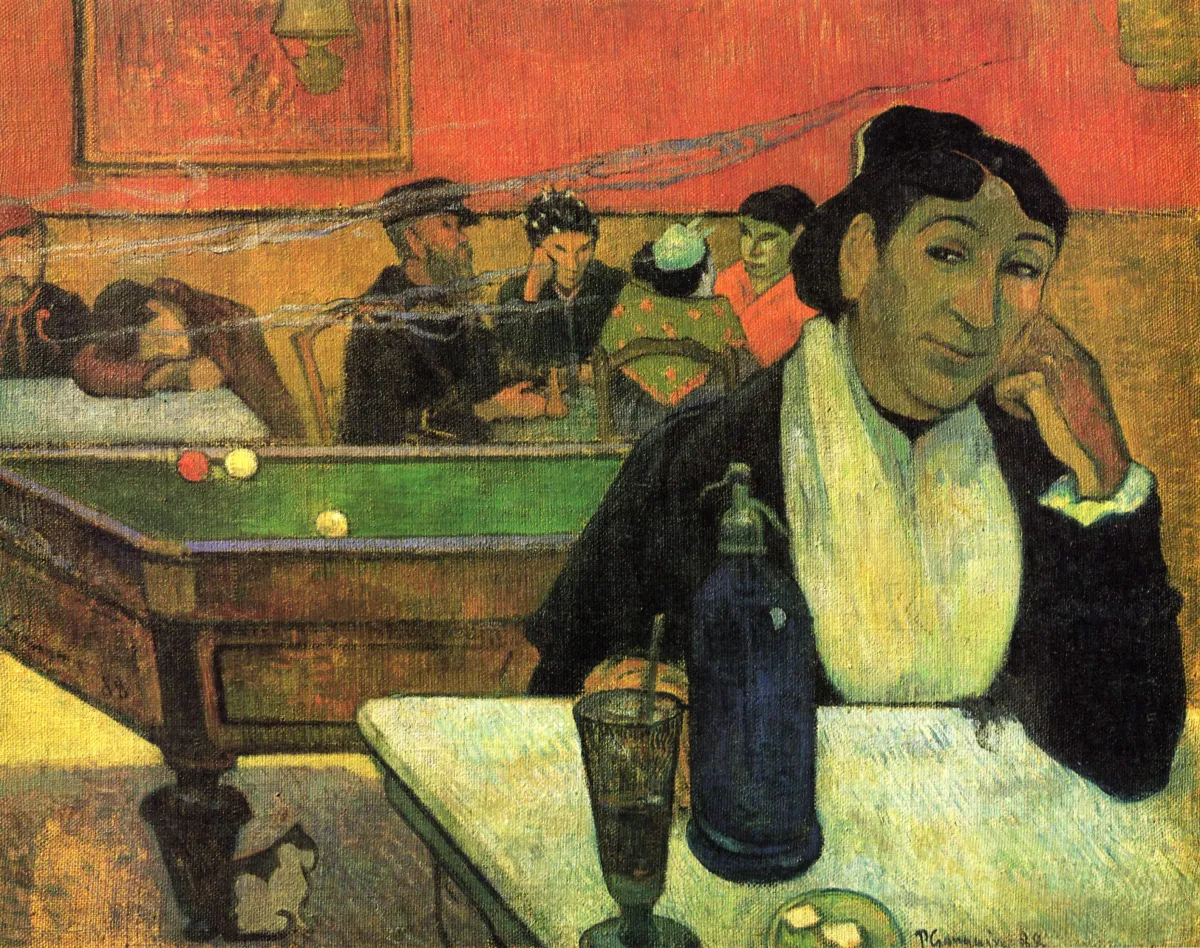
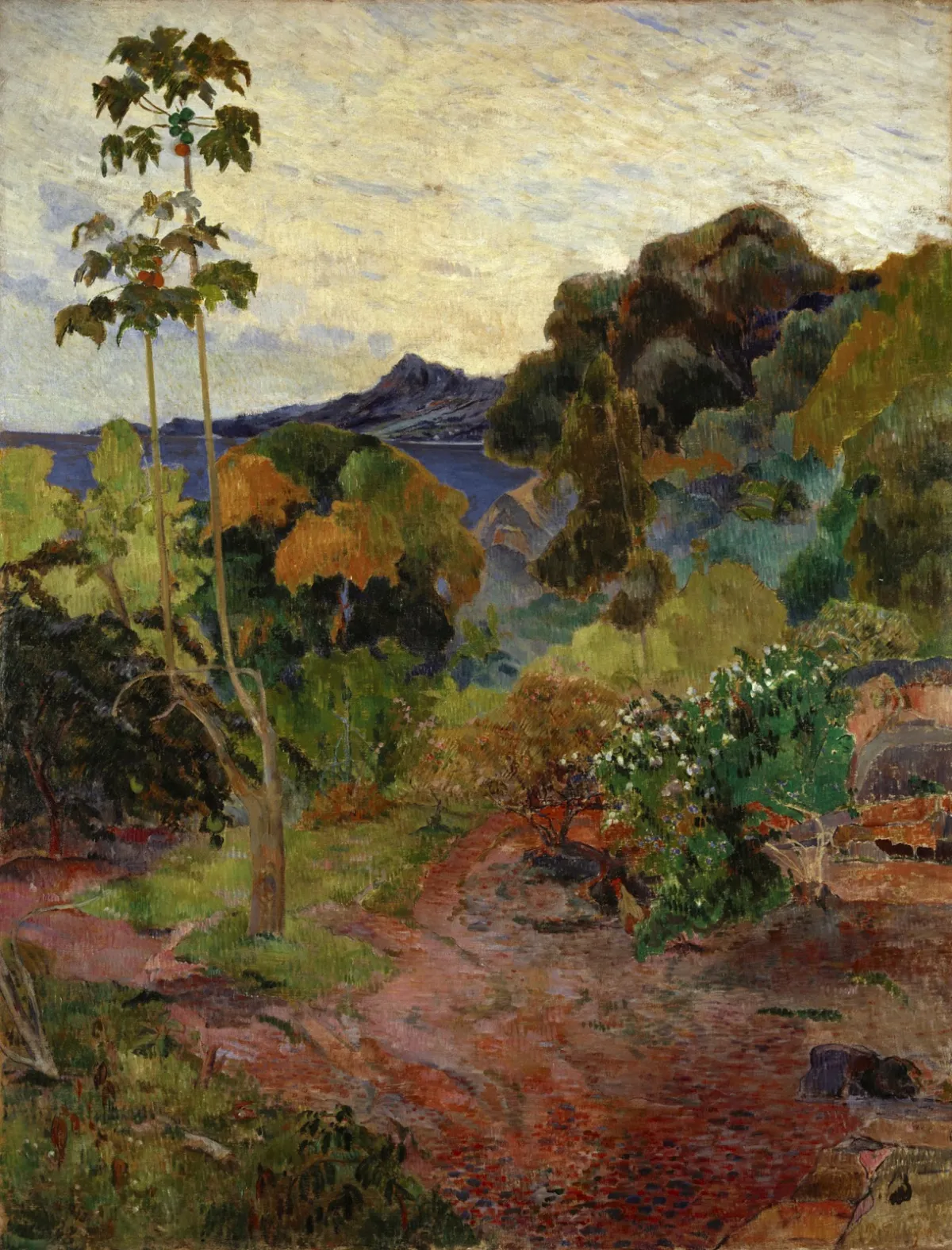
In “Tahitian Women on the Beach,” Gauguin weaves stories and symbols that reflect Tahitian culture and his personal quest for meaning. The figures and landscape are not merely decorative but serve as metaphors for tranquility and connection to nature. As a quintessential fine art painting for sale, this piece, along with “Martinique Landscape” and “The Night Café in Arles,” invites viewers to interpret the layered narratives and symbolic gestures embedded within Gauguin’s work.
Owning “Tahitian Women on the Beach” is like possessing a piece of Post-Impressionist history. This hand-painted oil painting by Paul Gauguin is highly sought after by collectors who appreciate its cultural significance and artistic mastery. For those interested in expanding their collection, related products such as “Manaò tupapaú” and “Where Do We Come From? What Are We? Where Are We Going?” offer further opportunities to experience the richness of Gauguin’s creative legacy.
When Art Meets History
"Tahitian Women on the Beach" by Paul Gauguin stands as a testament to the transformative Post-Impressionism movement. Painted in 1891, this hand-painted oil painting captures the artist’s fascination with Tahitian culture and landscape. Gauguin’s journey to the South Pacific inspired a series of works, including "The Models" and "At Eternity’s Gate," each reflecting his quest for authenticity. The painting bridges European art traditions with vibrant Polynesian influences, setting a new standard in modern art history.
Techniques That Speak
Paul Gauguin’s mastery of oil on canvas is evident in "Tahitian Women on the Beach," where bold outlines and flat fields of color evoke depth and emotion. His Post-Impressionist style, seen also in "Bowl With Peonies And Roses," emphasizes expressive brushwork and symbolic use of color. Gauguin’s technique transforms ordinary scenes into spiritual narratives, demonstrating how the medium of oil on canvas can communicate profound meaning within a fine art painting for sale.
Emotions on Display
In "Tahitian Women on the Beach," Gauguin conveys a sense of tranquility and introspection, inviting viewers to connect emotionally with the subjects. The hand-painted oil painting radiates calm through its warm, earthy palette and relaxed poses. Like "Vincent's Boarding House in Hackford Road, Brixton, London," this work reflects the artist’s deep empathy for everyday life. The painting’s serene mood is central to its enduring appeal in the Post-Impressionism movement.
Coveted by Collectors
"Tahitian Women on the Beach" is a highly sought-after fine art painting for sale among collectors and museums worldwide. Paul Gauguin’s innovative vision and signature Post-Impressionist style make this oil on canvas a prized addition to any collection. Alongside masterworks like "An English Traveling Circus," Gauguin’s paintings continue to command admiration and high valuations, underscoring their lasting significance in the world of art investment and appreciation.
Related Post-Impressionism Hand-Painted Oil Paintings by Other Artists
Other Famous Post-Impressionism Artists:
Frequently Asked Questions About Tahitian Women on the Beach
What is the historical context of "Tahitian Women on the Beach"?
"Tahitian Women on the Beach" was created by Paul Gauguin in 1891 during his first visit to Tahiti, a period marked by European colonialism and a fascination with the exoticism of the South Pacific.
What artistic techniques did Gauguin employ in this painting?
Gauguin utilized bold colors, simplified forms, and a flat perspective to create a sense of emotional intensity and to emphasize the beauty of the Tahitian landscape and its inhabitants.
What themes are explored in "Tahitian Women on the Beach"?
The painting explores themes of femininity, paradise, and the contrast between Western civilization and the perceived simplicity of indigenous life, reflecting Gauguin's romanticized view of Tahitian culture.
How does this painting reflect Gauguin's artistic philosophy?
Gauguin believed in the importance of expressing emotion through color and form rather than adhering to realistic representation, which is evident in the vibrant hues and stylized figures in this work.
What is the significance of the figures depicted in the painting?
The figures of the Tahitian women symbolize both the allure and the complexity of the indigenous experience, serving as a focal point for Gauguin's exploration of cultural identity and sensuality.
What role does color play in "Tahitian Women on the Beach"?
Color is used expressively in this painting to evoke emotion and atmosphere, with warm tones creating a sense of intimacy and connection to the tropical landscape.
How does "Tahitian Women on the Beach" fit into the Symbolist movement?
The painting aligns with the Symbolist movement by prioritizing personal expression and emotional resonance over realism, using symbolic elements to convey deeper meanings about life and nature.
What impact did "Tahitian Women on the Beach" have on modern art?
This work influenced later artists by challenging conventional artistic norms and encouraging the use of color and abstraction, paving the way for movements such as Fauvism and Expressionism.
What is the cultural significance of the setting in the painting?
The beach setting represents an idyllic paradise, contrasting with the industrialized world of Europe, and reflects Gauguin's desire to escape modernity in search of spiritual and artistic renewal.
How does this painting reflect Gauguin's personal experiences in Tahiti?
Gauguin's experiences in Tahiti profoundly influenced his work, as he sought to capture the essence of a culture he viewed as more authentic and spiritually rich than his own, often infusing his personal struggles into his art.






















_GFM_Painting_(1).webp)


 100% Hand-Painted: Finished in 3-6 Weeks

.png)















_(1).webp)