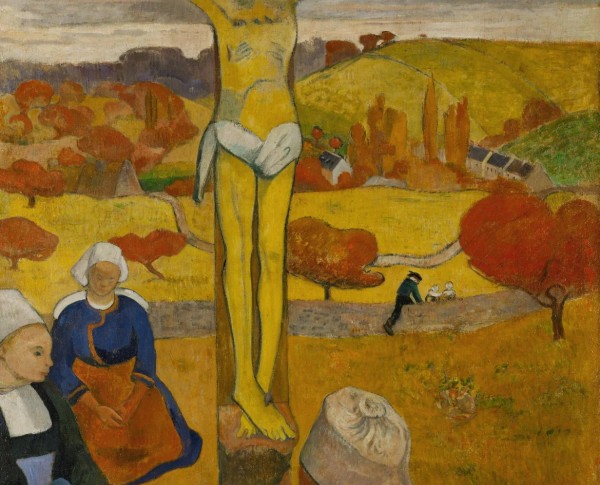
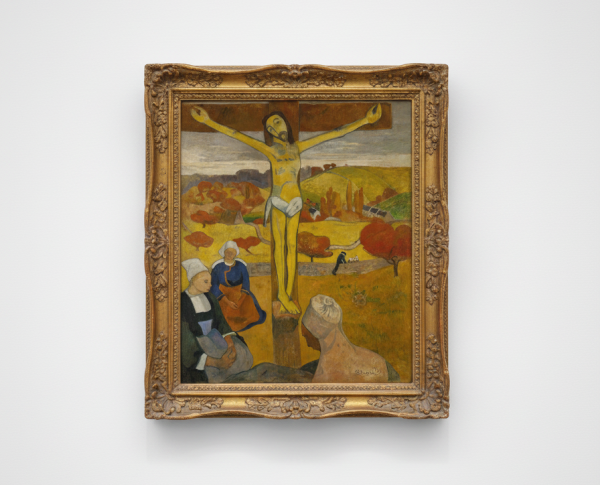
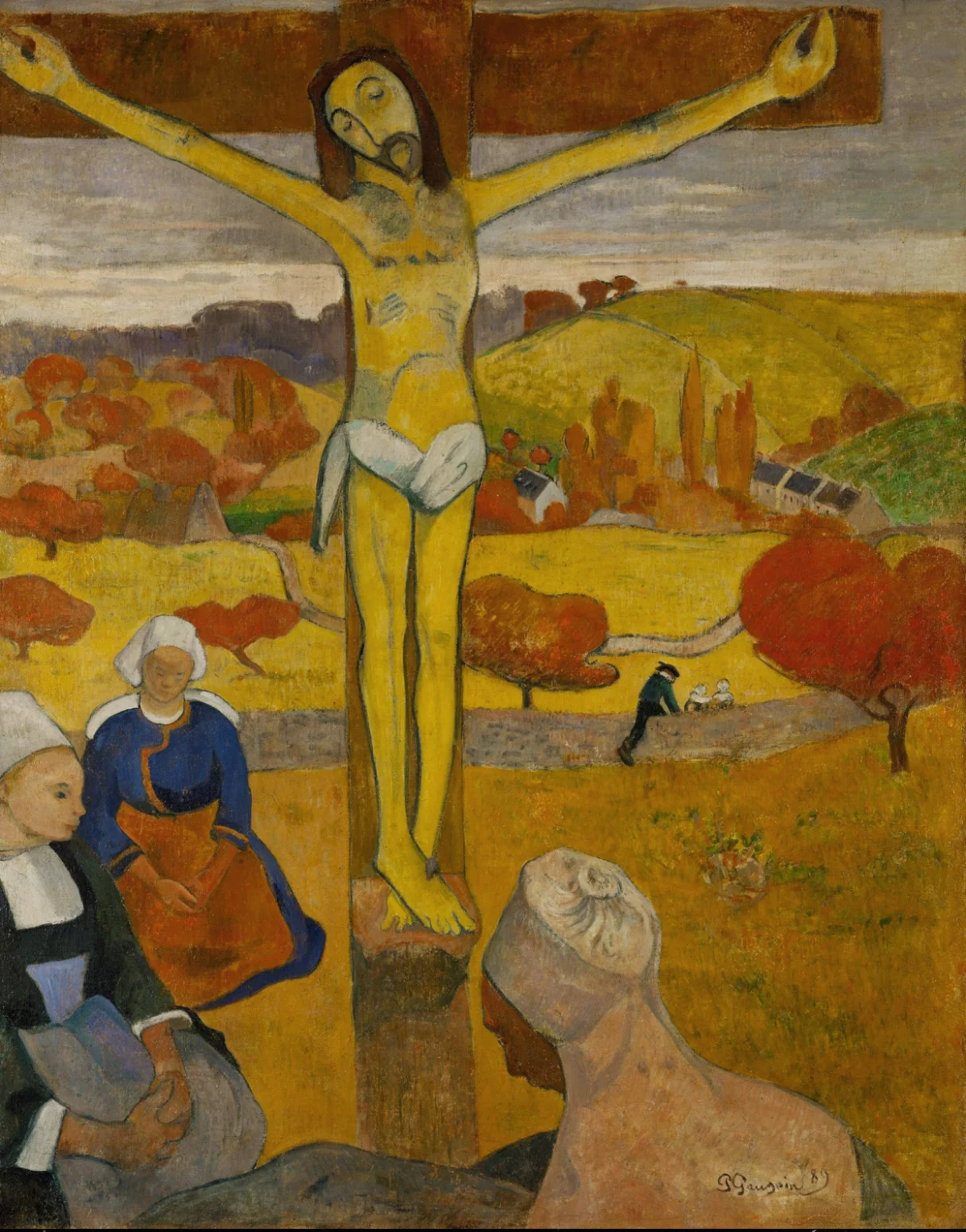
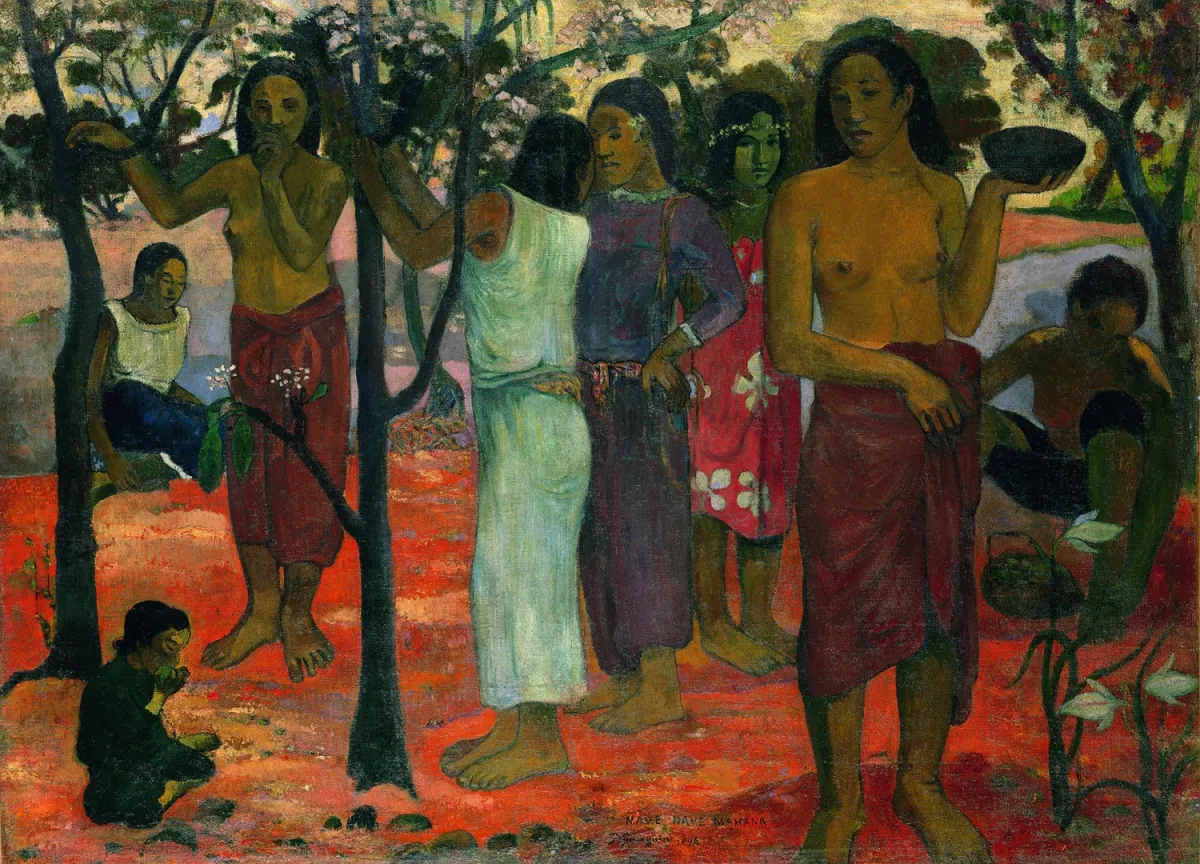
Paul Gauguin’s "The Yellow Christ" demonstrates his exceptional technique in oil on canvas, utilizing bold hues and simplified forms to evoke emotion and spirituality. As a leader in Post-Impressionism, Gauguin’s brushwork in this painting reveals his innovative vision. Collectors interested in oil on canvas works often also appreciate his other pieces, such as "Nave Nave Mahana" and "The Siesta," which showcase similar mastery and thematic depth.
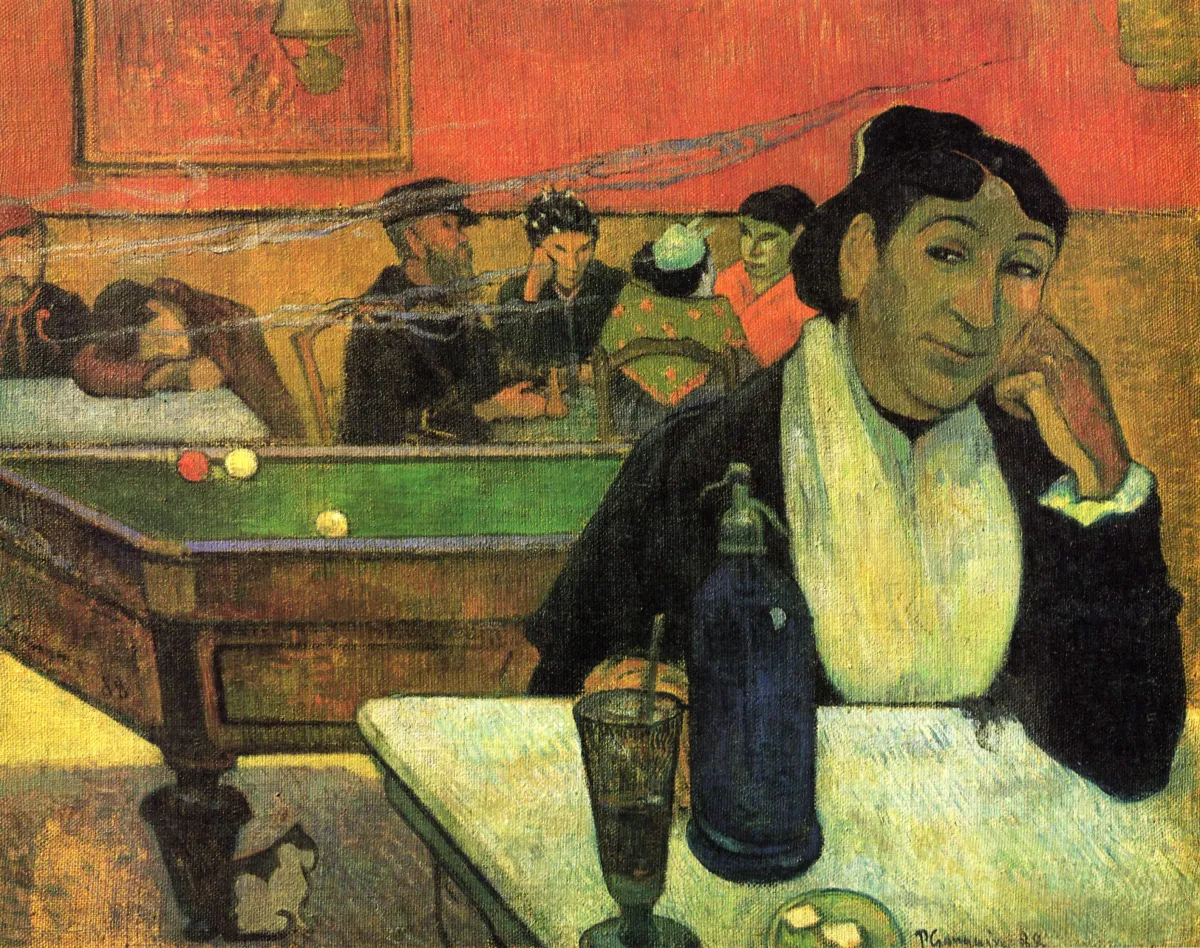
The narrative within "The Yellow Christ" is rich with religious symbolism and personal expression, hallmarks of Gauguin’s Post-Impressionism style. This fine art painting for sale invites viewers to explore themes of faith, suffering, and hope through its vivid palette and evocative composition. Art enthusiasts often seek related paintings like "The Night Café in Arles" and "Ia Orana Maria" to delve deeper into the symbolic storytelling that defines Gauguin’s legacy.
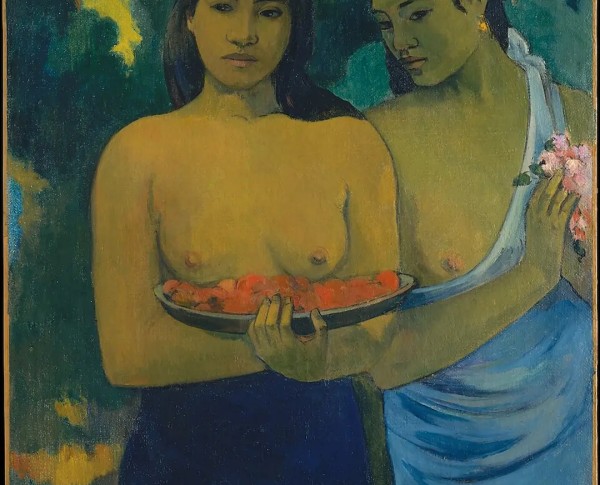
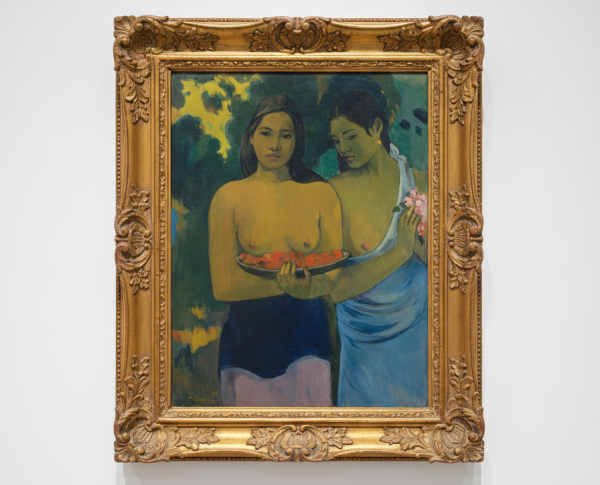
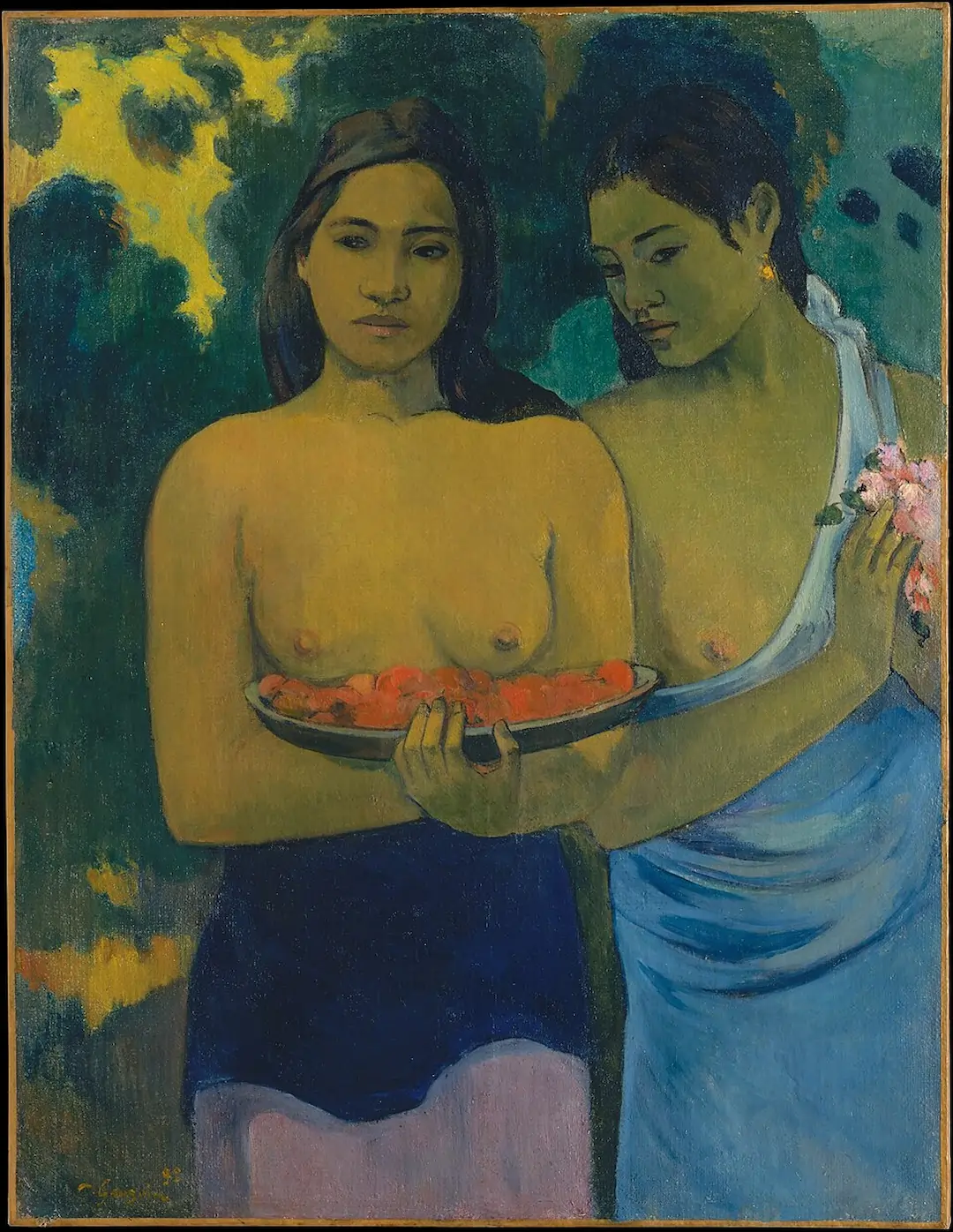
Owning "The Yellow Christ" by Paul Gauguin is a rare opportunity for any collector of Post-Impressionism. The hand-painted oil painting offers a unique blend of historical significance and artistic brilliance. Collectors frequently expand their galleries with related products such as "Two Tahitian Women" and "The Siesta," ensuring a diverse and valuable selection of fine art painting for sale that celebrates Gauguin’s enduring influence.
When Art Meets History
"The Yellow Christ" by Paul Gauguin is a remarkable example of the Post-Impressionism movement, created in 1889. This hand-painted oil painting reflects Gauguin's fascination with religious symbolism and rural life in Brittany. Like "Starry Night Over The Rhone" and "Still Life with Beer Mug and Fruit," it captures a moment in time, blending history and spirituality. Gauguin’s innovative approach set the stage for future artists and established a new direction in modern art.
Techniques That Speak
Paul Gauguin’s mastery is evident in "The Yellow Christ" through his use of bold colors and simplified forms, characteristic of oil on canvas works from the Post-Impressionism era. The painting’s vibrant yellows and expressive outlines create a sense of depth and emotion, much like "Peach Trees in Blossom" and "Vase With Red Poppies." Gauguin’s unique technique distinguishes this piece as a pivotal example of how oil on canvas can convey powerful narratives.
Emotions on Display
"The Yellow Christ" evokes profound emotion, capturing the spiritual intensity and rural devotion of its subjects. Gauguin’s fine art painting for sale stands alongside masterpieces like "Starry Night" in its ability to stir deep feelings in viewers. The expressive faces and dramatic use of color invite contemplation, making this work a moving testament to the Post-Impressionism movement’s focus on personal vision and emotional resonance.
Coveted by Collectors
As one of Paul Gauguin’s most influential works, "The Yellow Christ" remains a prized hand-painted oil painting among collectors and art enthusiasts. Its significance within the Post-Impressionism movement, alongside related works such as "Starry Night Over The Rhone," ensures its lasting appeal. The painting’s bold style and historical context make it a sought-after addition for those searching for a fine art painting for sale that embodies both artistic innovation and cultural heritage.
Related Post-Impressionism Hand-Painted Oil Paintings by Other Artists
Other Famous Post-Impressionism Artists:
Frequently Asked Questions About The Yellow Christ
What is the historical context of "The Yellow Christ"?
"The Yellow Christ" was painted by Paul Gauguin in 1889 during his stay in Pont-Aven, Brittany, France. This period marked a significant shift in Gauguin's artistic style as he sought to express deeper emotional and spiritual themes through color and form.
What artistic movements does "The Yellow Christ" represent?
The painting is often associated with Post-Impressionism, a movement that emphasized personal expression and the use of bold colors. Gauguin's work reflects a departure from naturalism, focusing instead on symbolic content and emotional resonance.
What are the primary colors used in "The Yellow Christ" and their significance?
The predominant use of yellow in the painting symbolizes divinity and spiritual enlightenment. Gauguin's choice of color contrasts with the somber tones of the surrounding landscape, highlighting the figure of Christ and emphasizing his importance within the composition.
How does "The Yellow Christ" reflect Gauguin's interest in spirituality?
Gauguin was deeply influenced by his interest in spirituality and religion, which is evident in "The Yellow Christ." The painting juxtaposes the sacred figure of Christ with the everyday life of the Breton people, suggesting a connection between the divine and the mundane.
What is the significance of the setting in "The Yellow Christ"?
The setting of "The Yellow Christ" is a rural Breton landscape, which reflects Gauguin's fascination with the simplicity and spirituality of peasant life. The stark contrast between the figure of Christ and the natural surroundings emphasizes the theme of isolation and the search for meaning.
What role does symbolism play in "The Yellow Christ"?
Symbolism is central to "The Yellow Christ," as Gauguin employs visual elements to convey deeper meanings. The yellow color of Christ represents transcendence, while the dark, muted colors of the background suggest the struggles of human existence, creating a dialogue between the sacred and the secular.
How did "The Yellow Christ" influence future artists?
"The Yellow Christ" has had a lasting impact on modern art, influencing artists who sought to explore emotional depth and spiritual themes through abstraction and color. Its innovative approach to form and color paved the way for movements such as Fauvism and Expressionism.
What techniques did Gauguin use in "The Yellow Christ"?
Gauguin employed bold brushstrokes and a flat application of color in "The Yellow Christ," which deviated from traditional techniques of depth and perspective. This method allowed him to create a more emotional and symbolic representation of the subject matter.
What is the significance of the figure of Christ in the painting?
The figure of Christ in "The Yellow Christ" serves as a central symbol of sacrifice and redemption. Gauguin's portrayal emphasizes the spiritual struggle and the search for faith, inviting viewers to reflect on their own beliefs and the nature of suffering.
How does "The Yellow Christ" reflect Gauguin's personal beliefs?
Gauguin's personal beliefs, particularly his quest for spiritual truth and a deeper understanding of existence, are reflected in "The Yellow Christ." The painting embodies his desire to transcend the material world and connect with a higher spiritual reality, showcasing his unique vision as an artist.






















_GFM_Painting_(1).webp)


 100% Hand-Painted: Finished in 3-6 Weeks

.png)















_(1).webp)