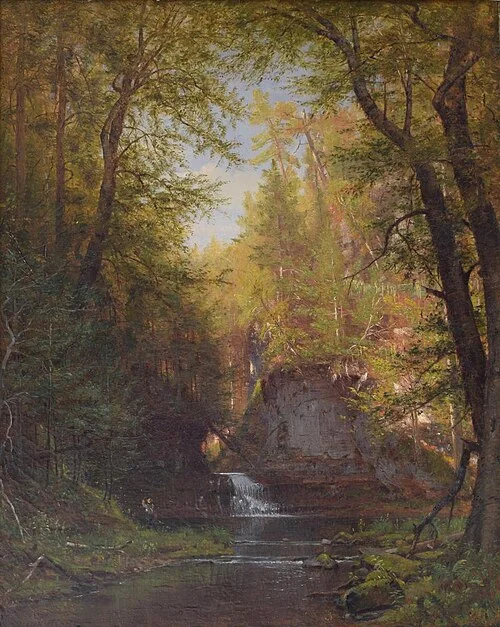
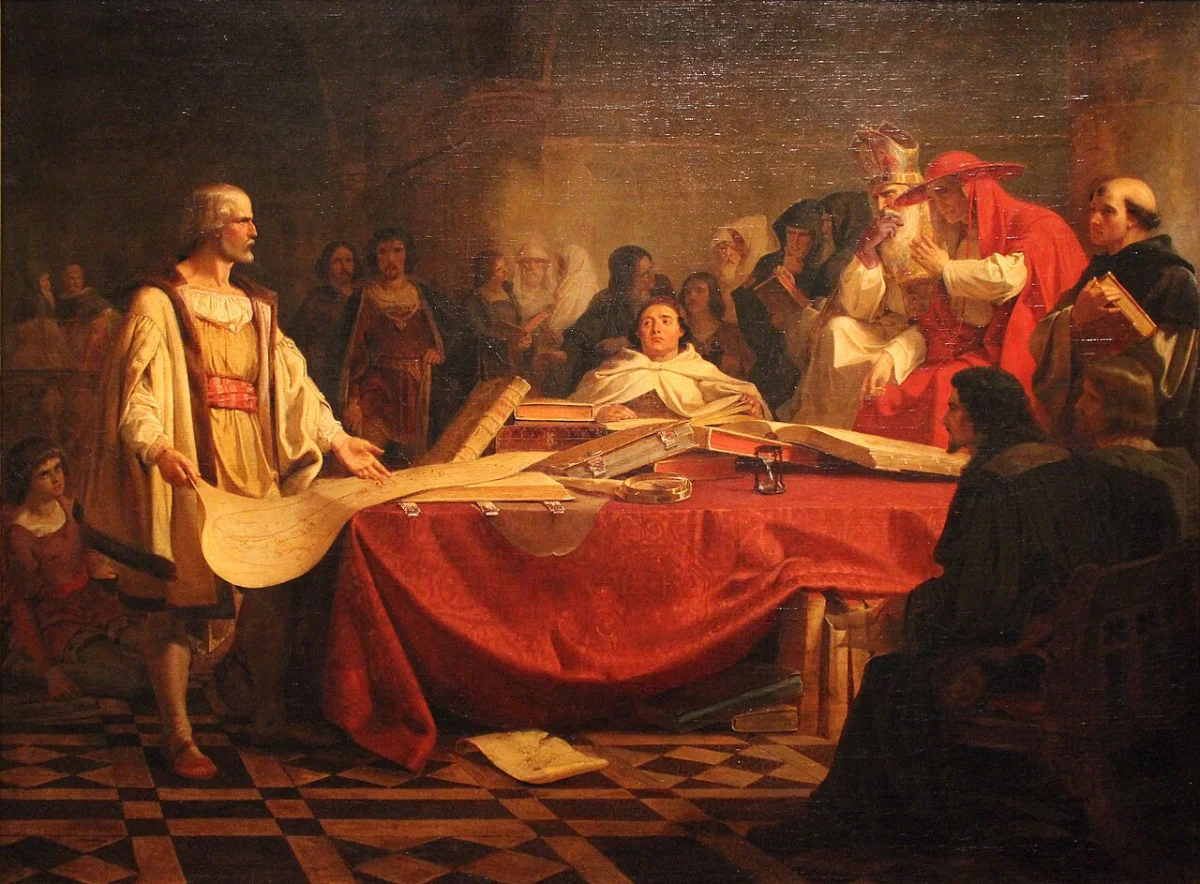
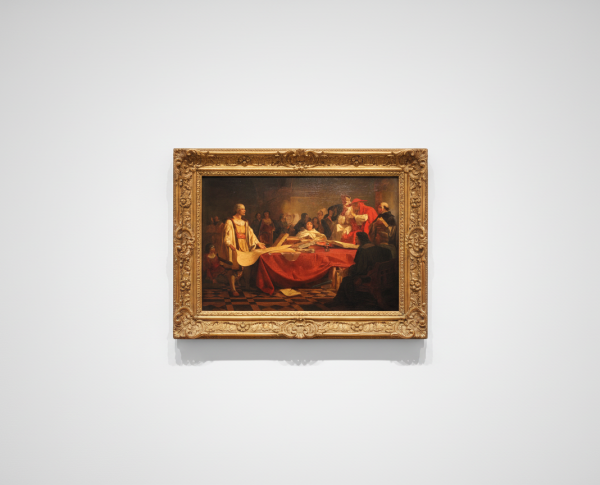
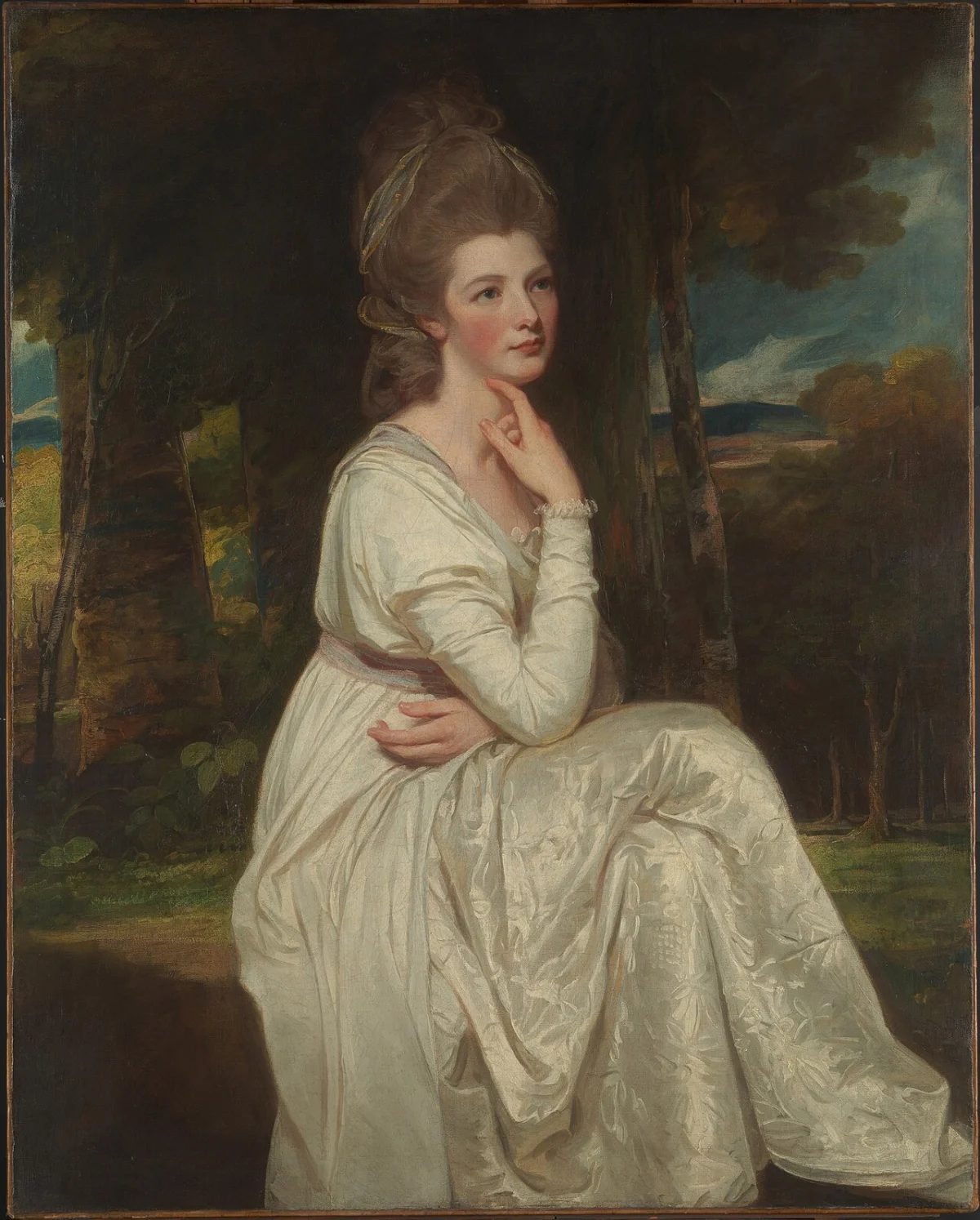
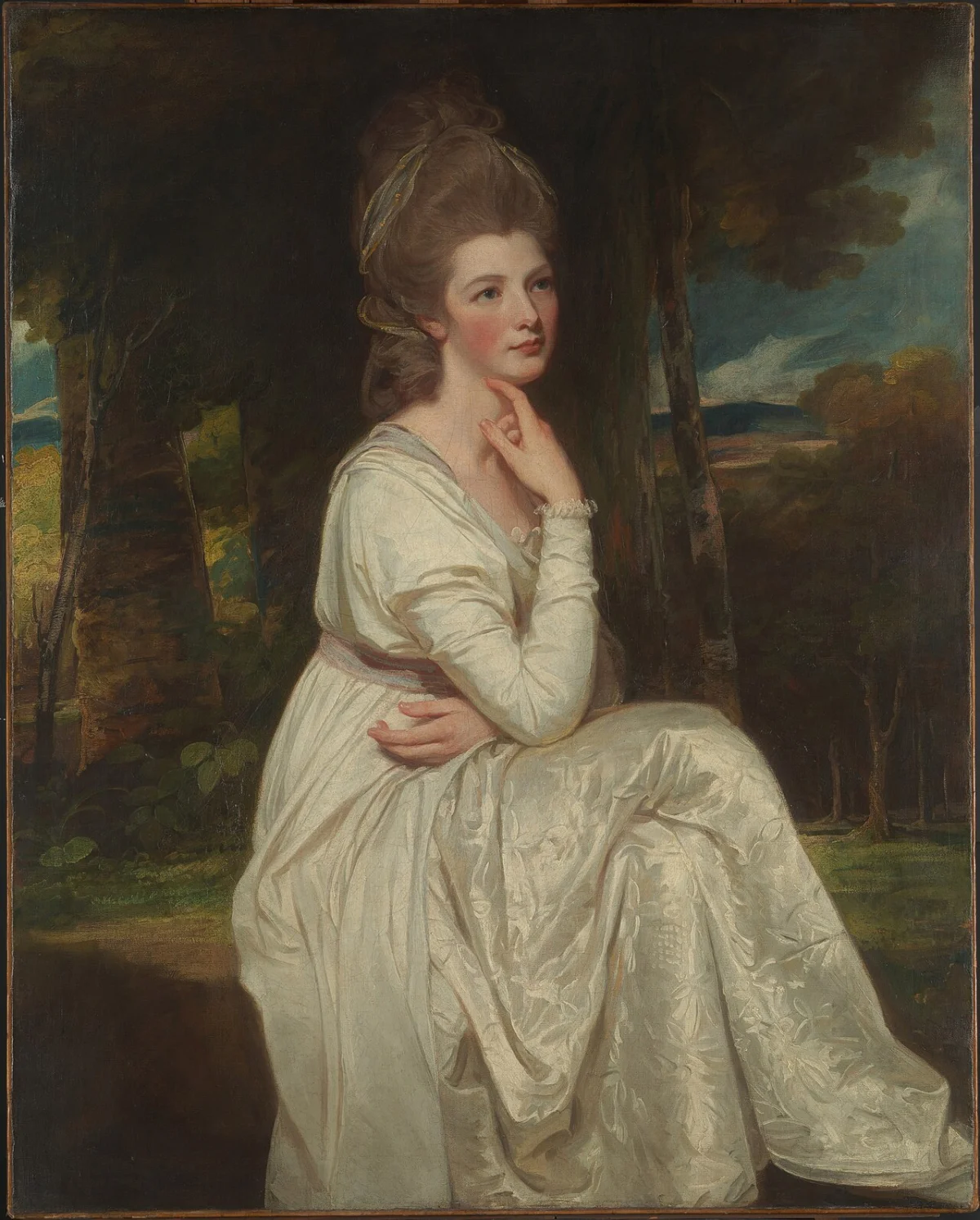
Emanuel Gottlieb Leutze’s "The Countess" demonstrates his technical brilliance with oil on canvas, a medium beloved during the Romanticism era. Each brushstroke reveals his attention to detail and mastery of light, bringing the subject’s presence to life. This painting shares its refined technique with other masterpieces like "Portrait of a Gentleman" and "Worthington Whittredge," making it an essential study for admirers of classical artistry and the expressive power of oil on canvas.
"The Countess" is not just a fine art painting for sale; it is a narrative woven with symbolism and emotion, hallmarks of the Romanticism movement. Leutze infuses the canvas with subtle stories, inviting viewers to interpret the countess’s gaze and surroundings. Art enthusiasts drawn to narrative depth may also find interest in related works such as "Washington Crossing the Delaware 1851" and "Washington Crossing the Delaware," each echoing the artist’s storytelling prowess.
For collectors and aficionados, "The Countess" by Emanuel Gottlieb Leutze represents a pinnacle of Romanticism—a hand-painted oil painting that embodies the movement’s ideals. Its rarity and historical context add to its value, making it a prized possession alongside related products like "Bird Nesting" or "Portrait of a Gentleman." Owning such a masterpiece provides not only aesthetic pleasure but also a tangible connection to the rich legacy of fine art painting for sale.
When Art Meets History
"The Countess" by Emanuel Gottlieb Leutze, a masterwork of the Romanticism movement, beautifully intertwines historical narrative with artistic vision. Leutze, renowned for his historical scenes, captures a moment in time with remarkable clarity. This hand-painted oil painting is a testament to the era’s fascination with emotion and grandeur, much like his contemporaries in works such as "Bear and Cubs" and "The Light of the World." Leutze’s legacy continues to inspire collectors and historians alike.
Techniques That Speak
Emanuel Gottlieb Leutze’s "The Countess" showcases his mastery of oil on canvas, using rich textures and luminous colors to evoke a sense of depth and realism. The artist’s brushwork, reminiscent of other Romanticism pieces like "Weymouth Bay: Bowleaze Cove and Jordon Hill," brings vitality to the subject matter. Through expert layering and subtle shading, Leutze creates an immersive scene that draws viewers in, exemplifying the technical prowess found in his finest paintings.
Emotions on Display
In "The Countess," Leutze channels the Romanticism movement’s emphasis on sentiment and drama, capturing the subject’s inner world through expressive detail. The painting’s atmosphere is charged with emotion, similar to the mood found in "Fishermans Home" and "View of Arkona with Moon Rising." This fine art painting for sale offers an intimate glimpse into the countess’s thoughts, making it a captivating addition to any collection that values emotional resonance in art.
Coveted by Collectors
"The Countess" remains highly sought after among art enthusiasts and collectors of Romanticism-era works. Emanuel Gottlieb Leutze’s reputation, bolstered by masterpieces like "The Light of the World," ensures that this hand-painted oil painting commands admiration and value. As a fine art painting for sale, it represents not only artistic excellence but also a piece of history, making it a prized acquisition for those passionate about 19th-century oil on canvas masterpieces.
Related Romanticism Hand-Painted Oil Paintings by Other Artists
Other Famous Romanticism Artists:
Frequently Asked Questions About "The Countess"
Who is the subject of "The Countess"?
The subject of "The Countess" is a prominent figure in 19th-century society, often interpreted as a representation of aristocratic women of the time, embodying grace and elegance.
What artistic style is employed in "The Countess"?
Emanuel Gottlieb Leutze utilized a Romantic style in "The Countess," characterized by its emphasis on emotion, dramatic lighting, and detailed realism, which was typical of the era.
What is the historical context of "The Countess"?
What symbolism is present in "The Countess"?
The painting is rich in symbolism, with elements such as the attire and accessories of the Countess representing wealth, status, and the societal expectations placed upon women of her rank.
How does Leutze convey the character of the Countess?
Leutze conveys the character of the Countess through her poised posture, confident expression, and the intricate details of her clothing, which together suggest both strength and vulnerability.
What techniques did Leutze use in "The Countess"?
Leutze employed techniques such as chiaroscuro to create depth and volume, as well as meticulous brushwork to enhance the texture of fabrics and the subtlety of facial expressions.
What role does color play in "The Countess"?
The color palette in "The Countess" is carefully chosen to evoke a sense of opulence and warmth, with rich hues that highlight the subject's nobility and the luxuriousness of her surroundings.
How does "The Countess" reflect gender roles of its time?
The painting reflects the traditional gender roles of the 19th century, portraying the Countess as a figure of beauty and grace while subtly critiquing the limitations placed on women in society.
What influence did "The Countess" have on future artists?
"The Countess" influenced future artists by demonstrating the power of portraiture to convey not only likeness but also the social and emotional narratives of its subjects, paving the way for modern interpretations of identity in art.
In what ways is "The Countess" significant in Leutze's body of work?























_GFM_Painting_(1).webp)


 100% Hand-Painted: Finished in 3-6 Weeks

.png)


















_(1).webp)