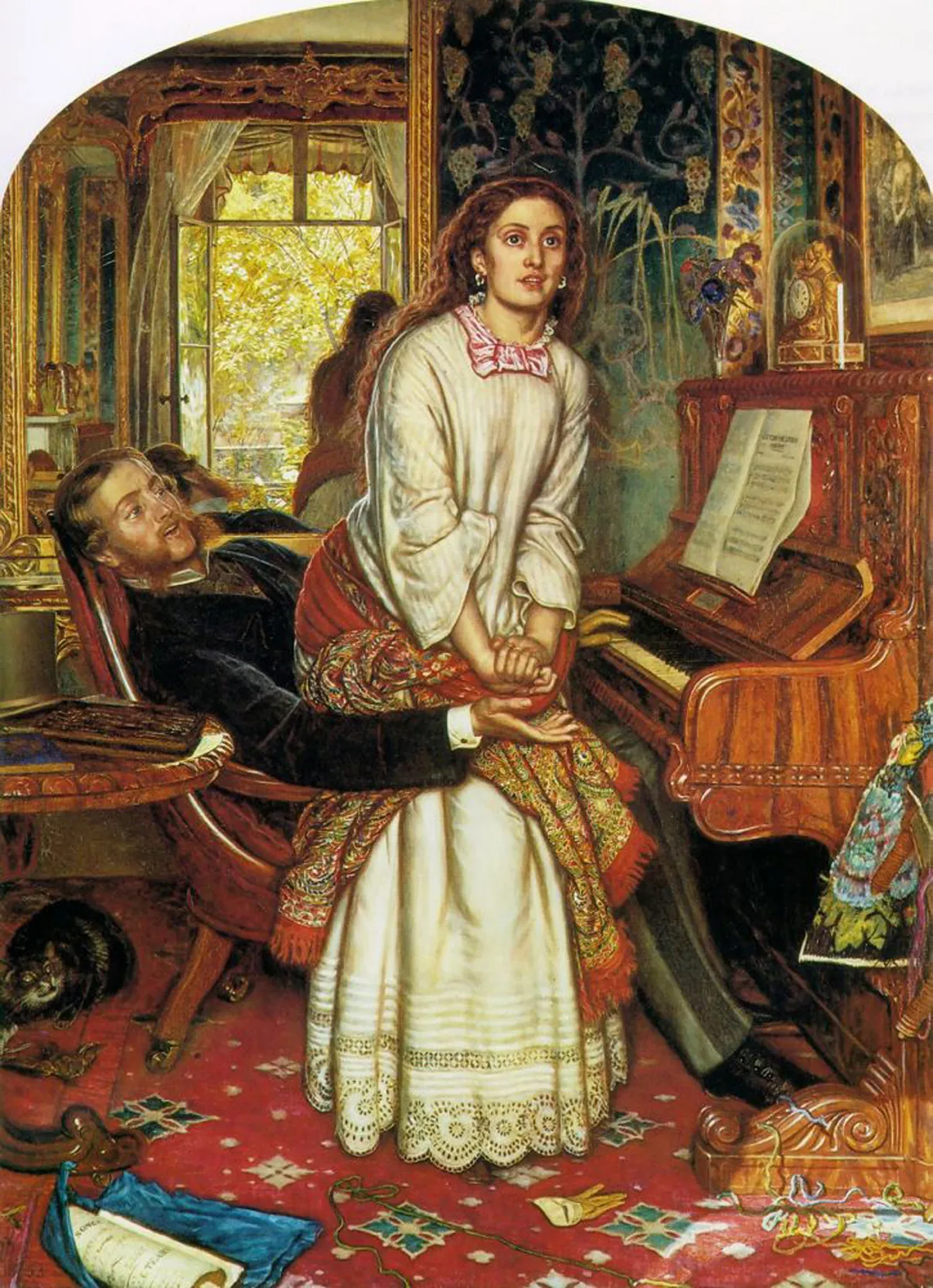
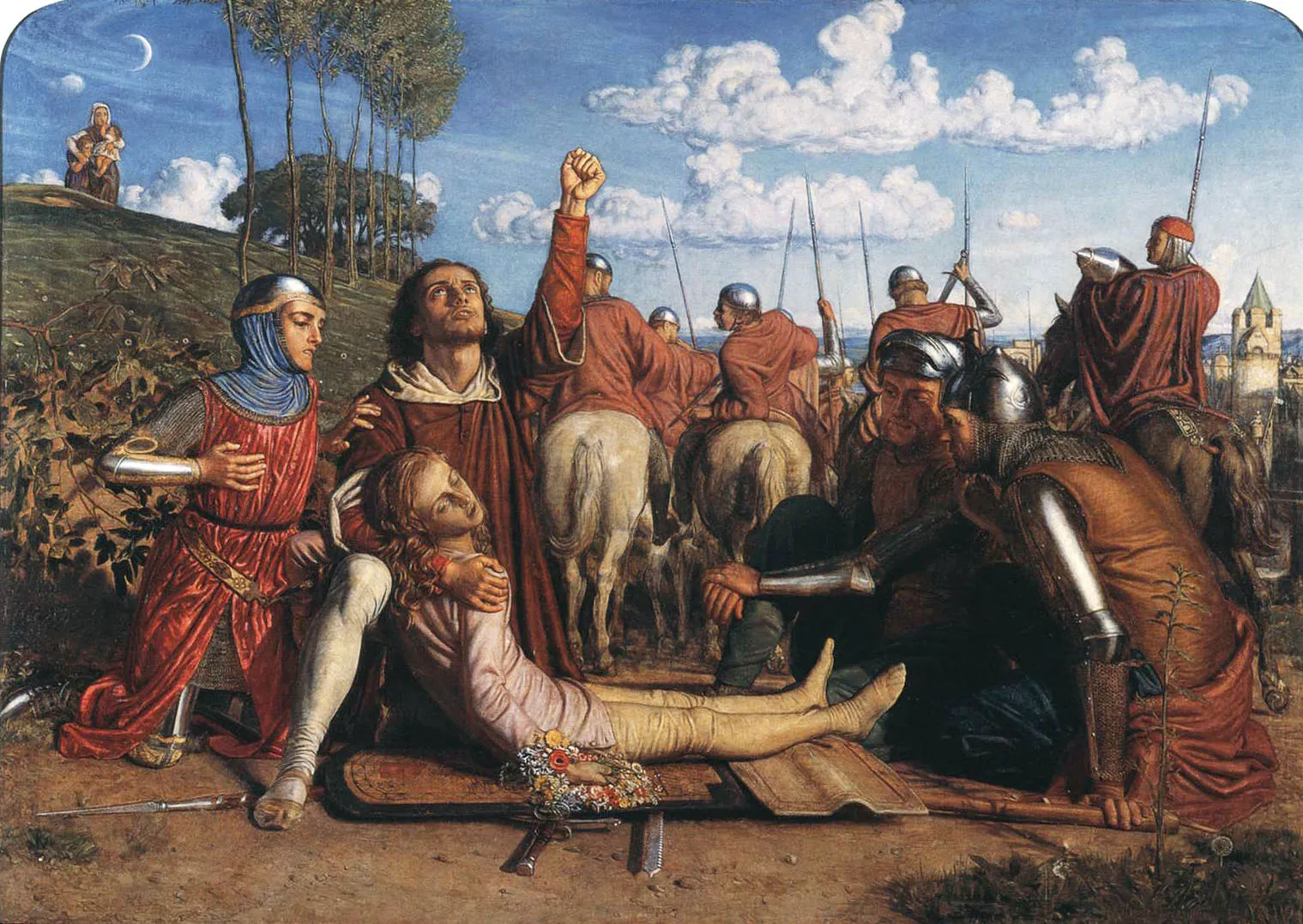
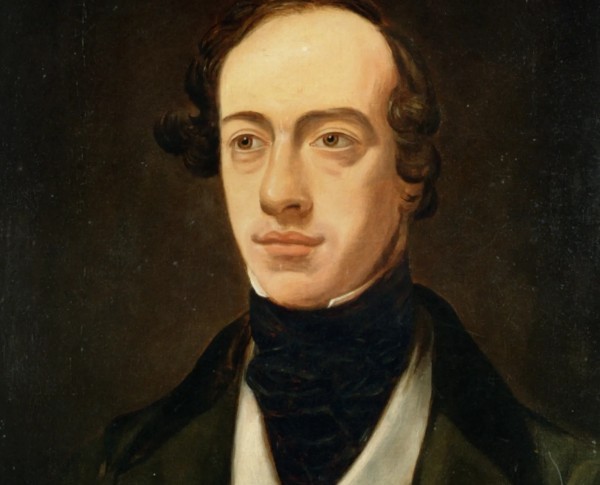
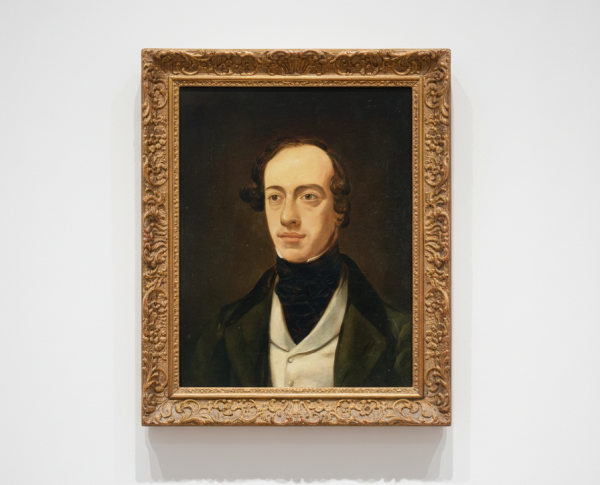
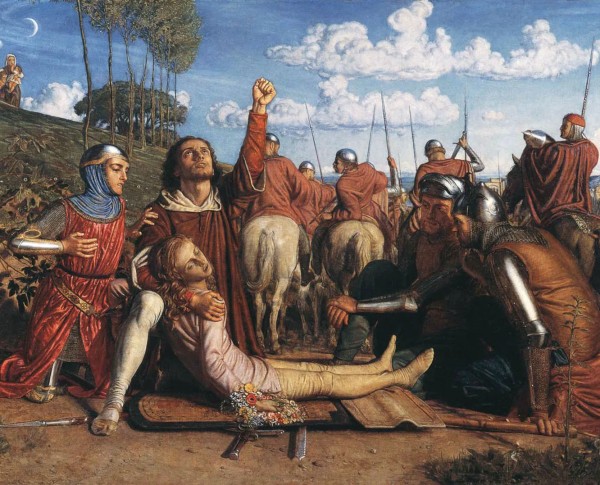
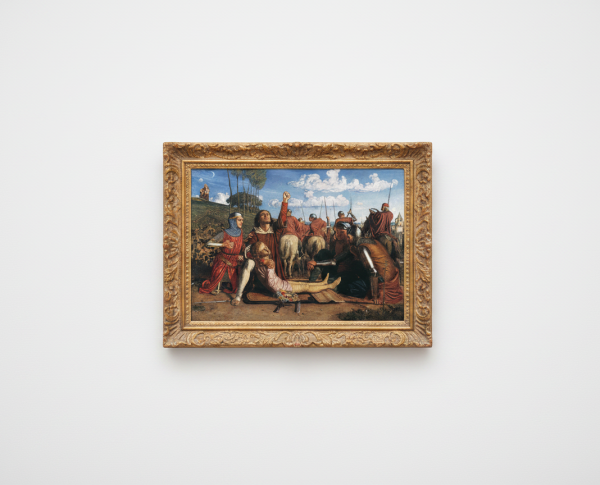
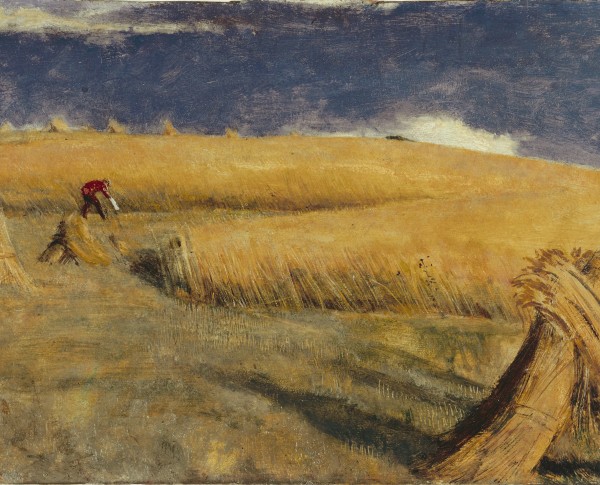
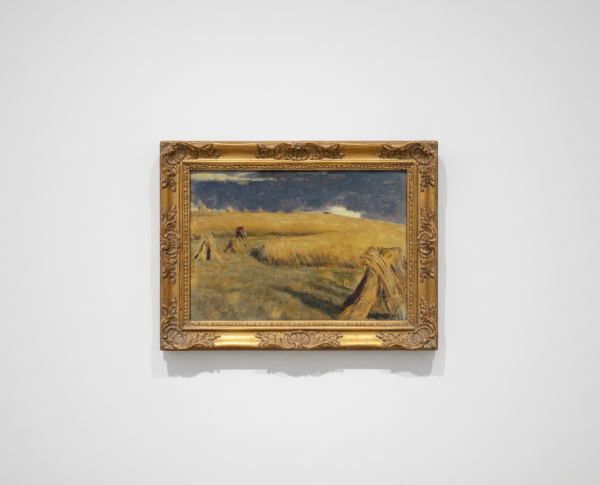
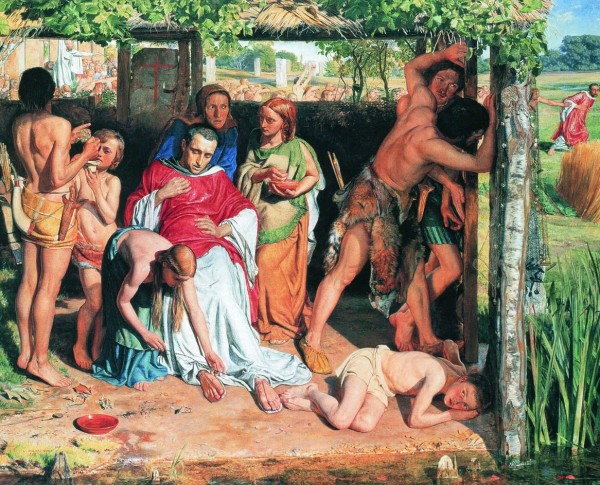
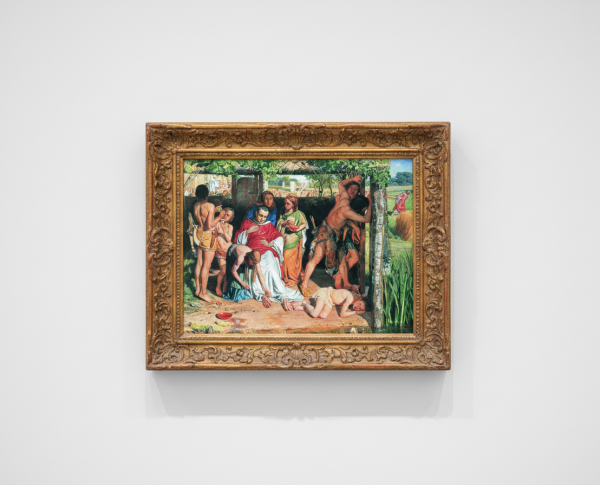
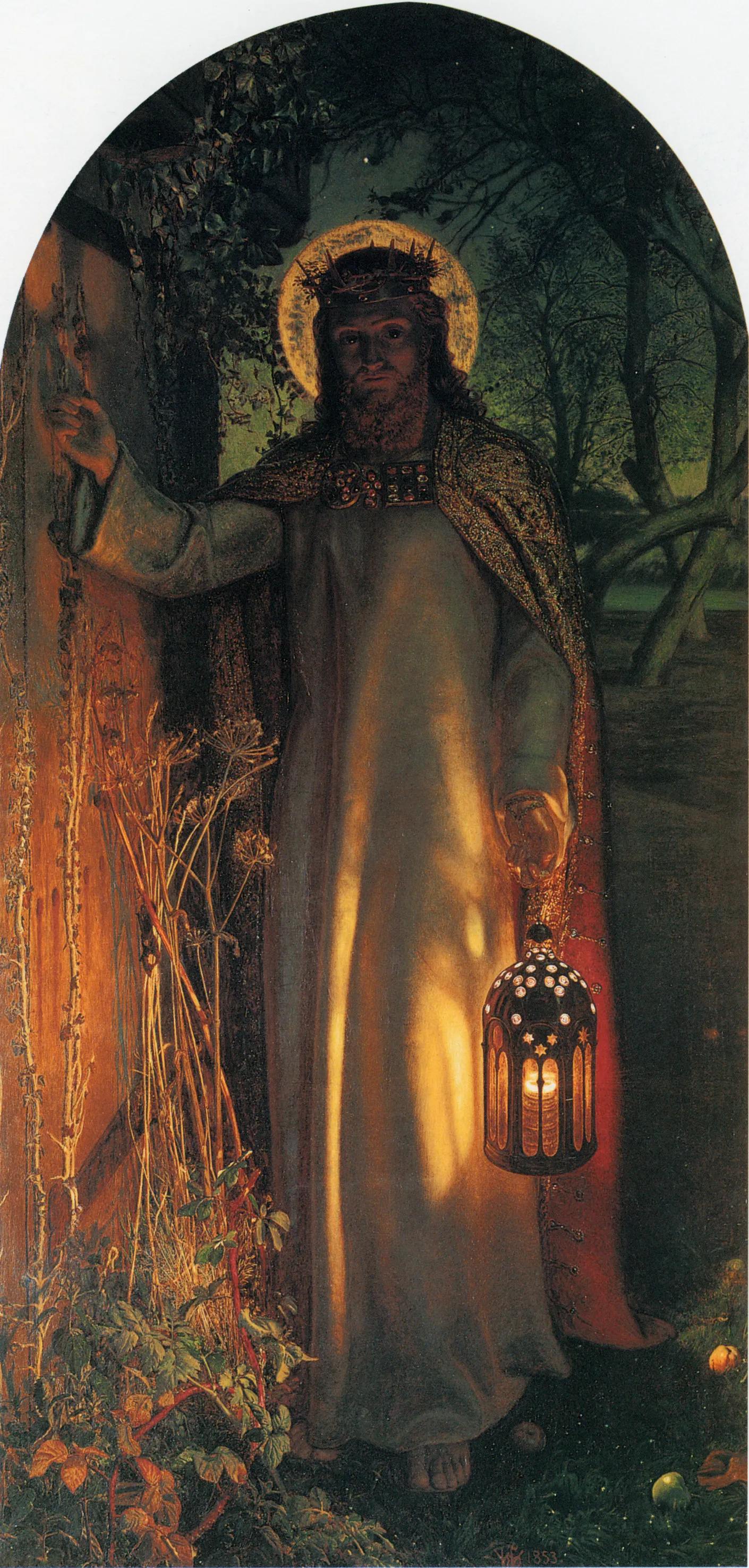
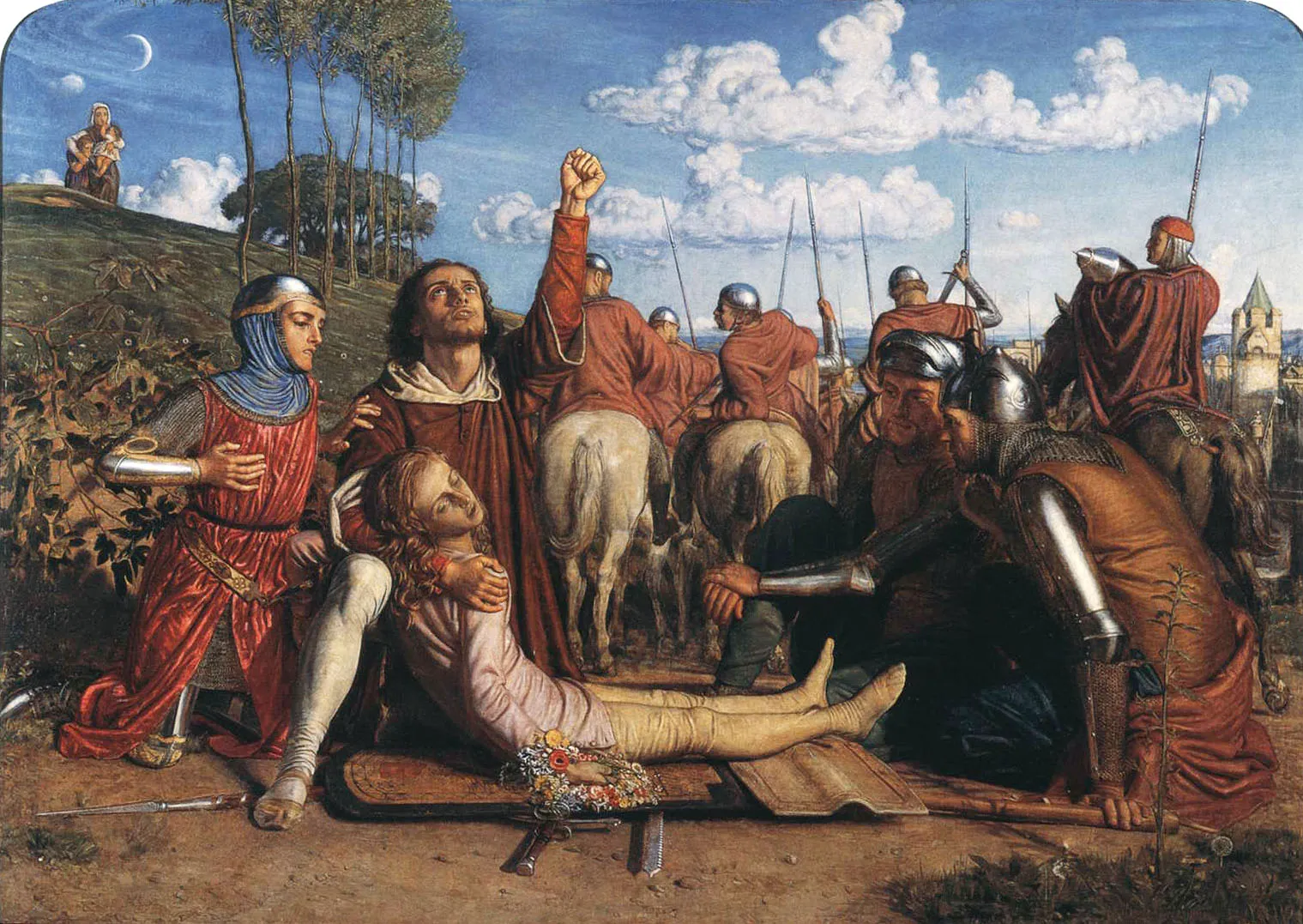
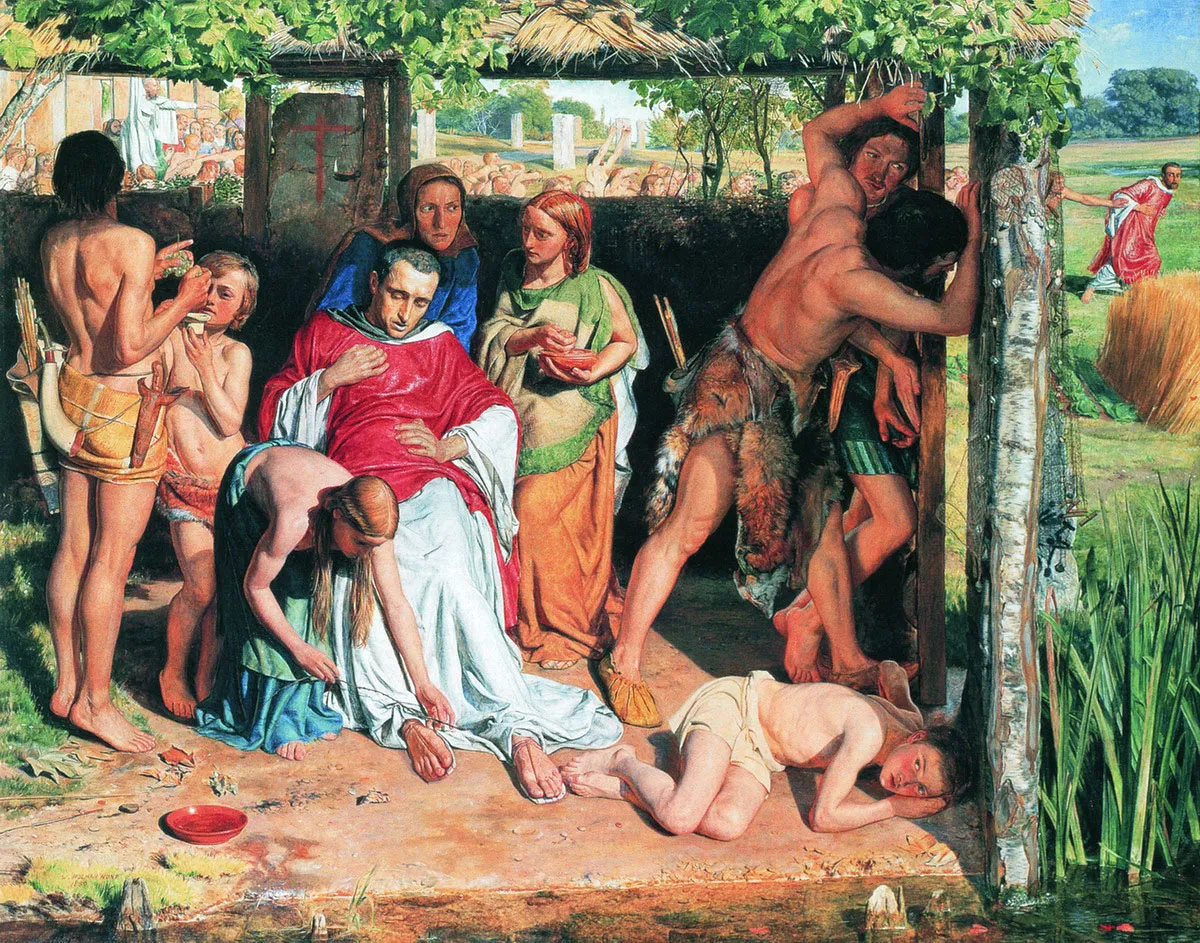
William Holman Hunt’s technique in "The Light of the World" demonstrates remarkable skill, with each brushstroke contributing to the painting’s luminous effect. The oil on canvas medium brings out rich textures and vibrant colors, hallmarks of the Romanticism era. Hunt’s mastery is equally evident in related works such as "A Converted British Family Sheltering a Christian Priest from the Persecution of the Druids" and "Rienzi Vowing to Obtain Justice for the Death of his Young Brother."
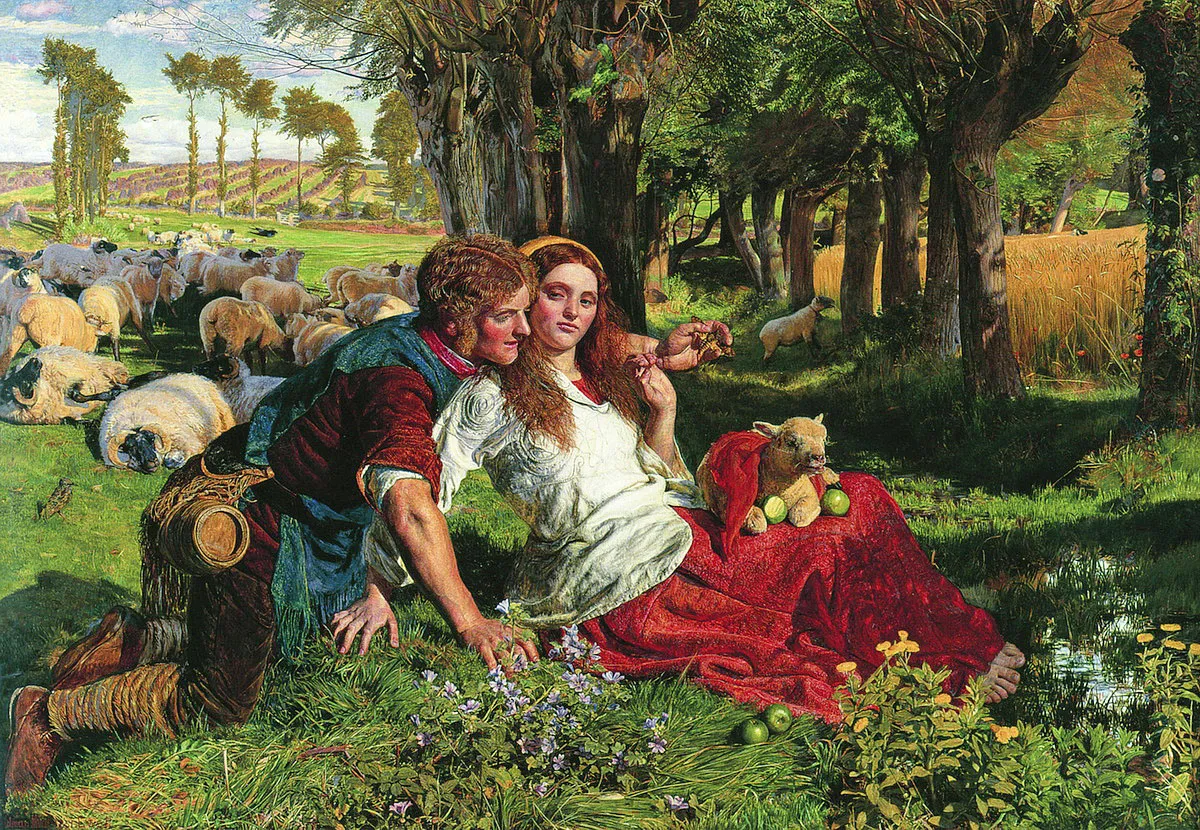
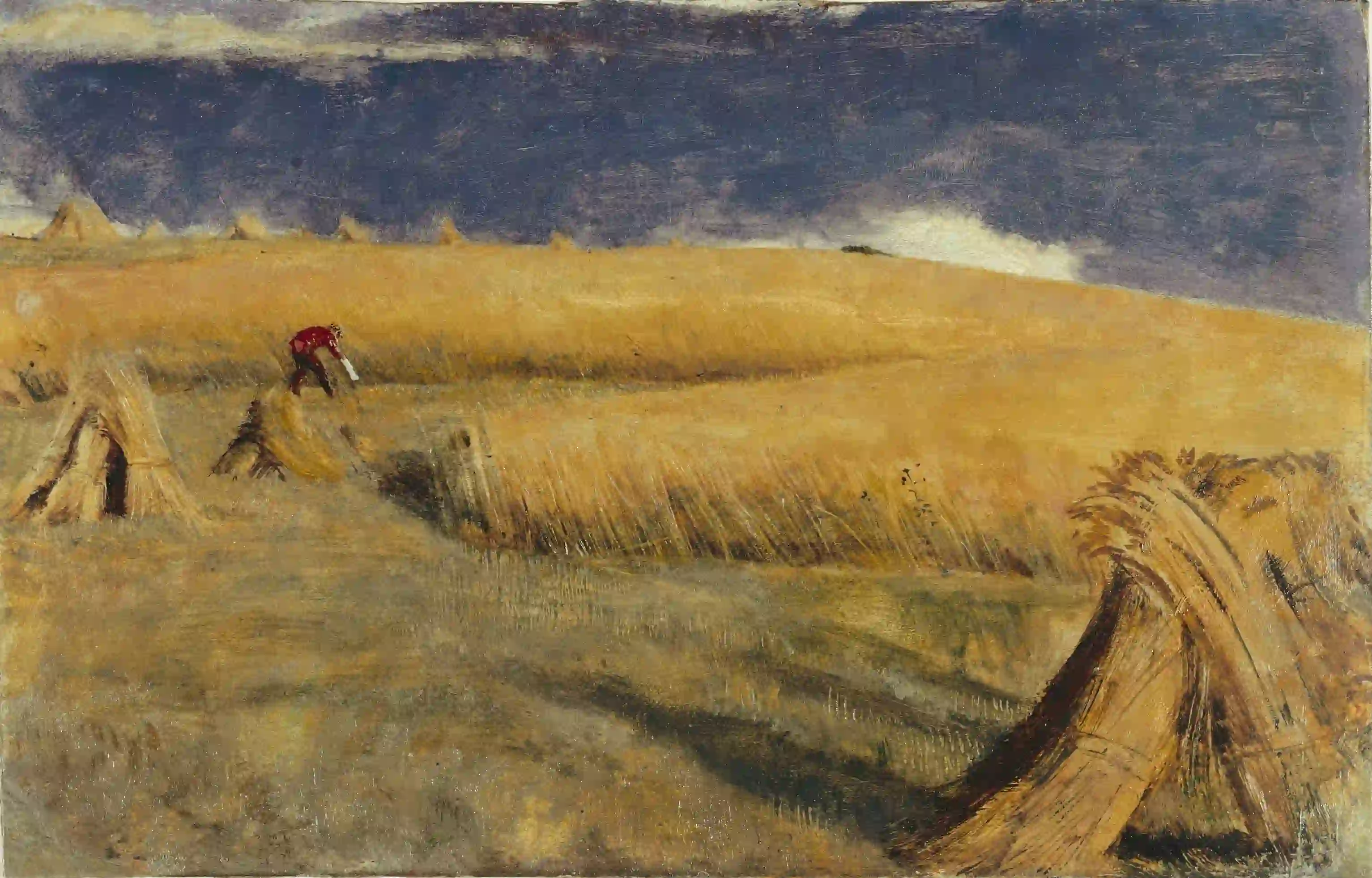
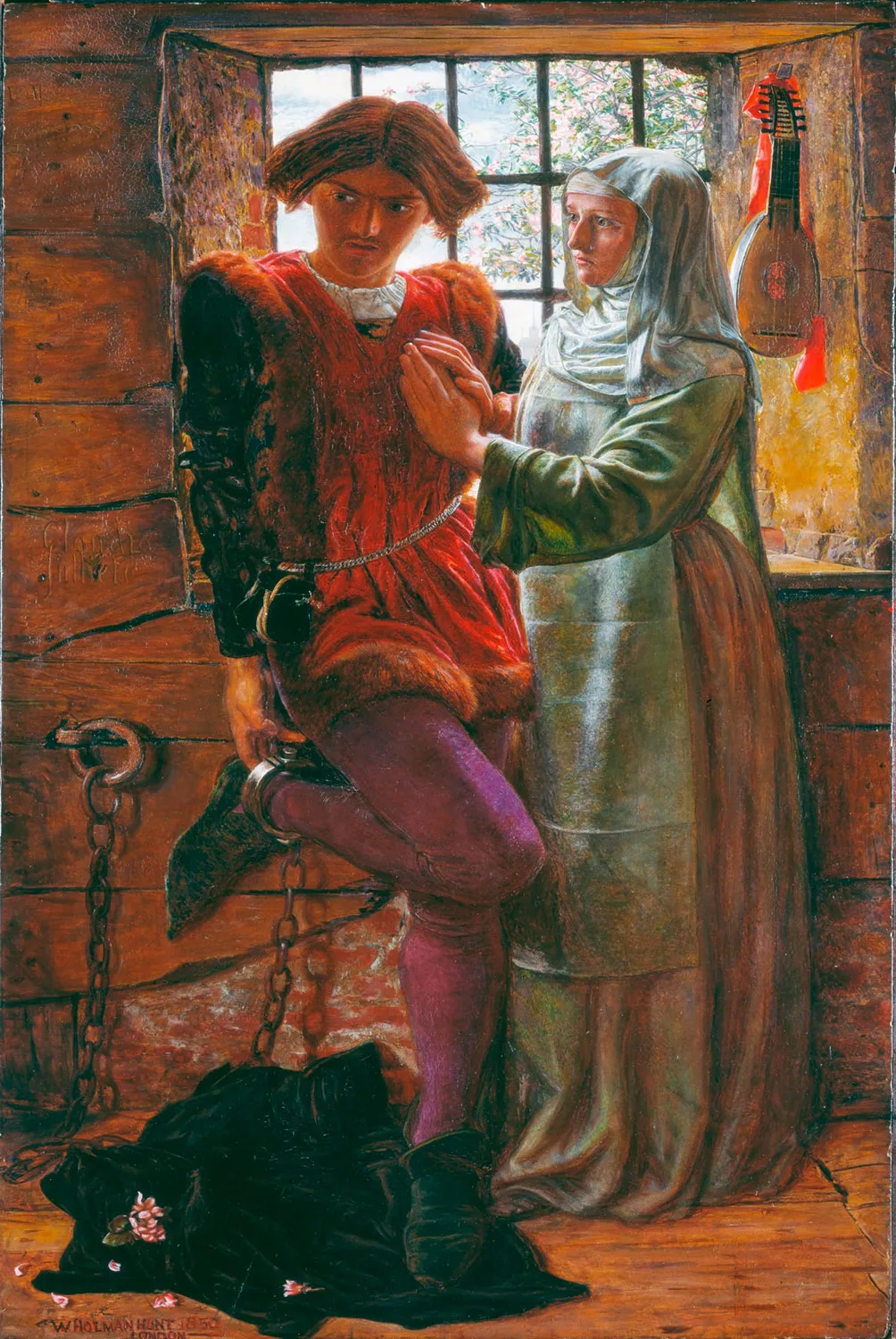
"The Light of the World" is more than a fine art painting for sale; it is a narrative woven with religious symbolism and emotional intensity. William Holman Hunt infused the scene with metaphors of hope and redemption, themes prevalent in the Romanticism movement. Collectors and admirers often explore similar motifs in Hunt’s other works, including "Cornfield at Ewell" and "Claudio and Isabella," each offering layers of meaning and visual storytelling.
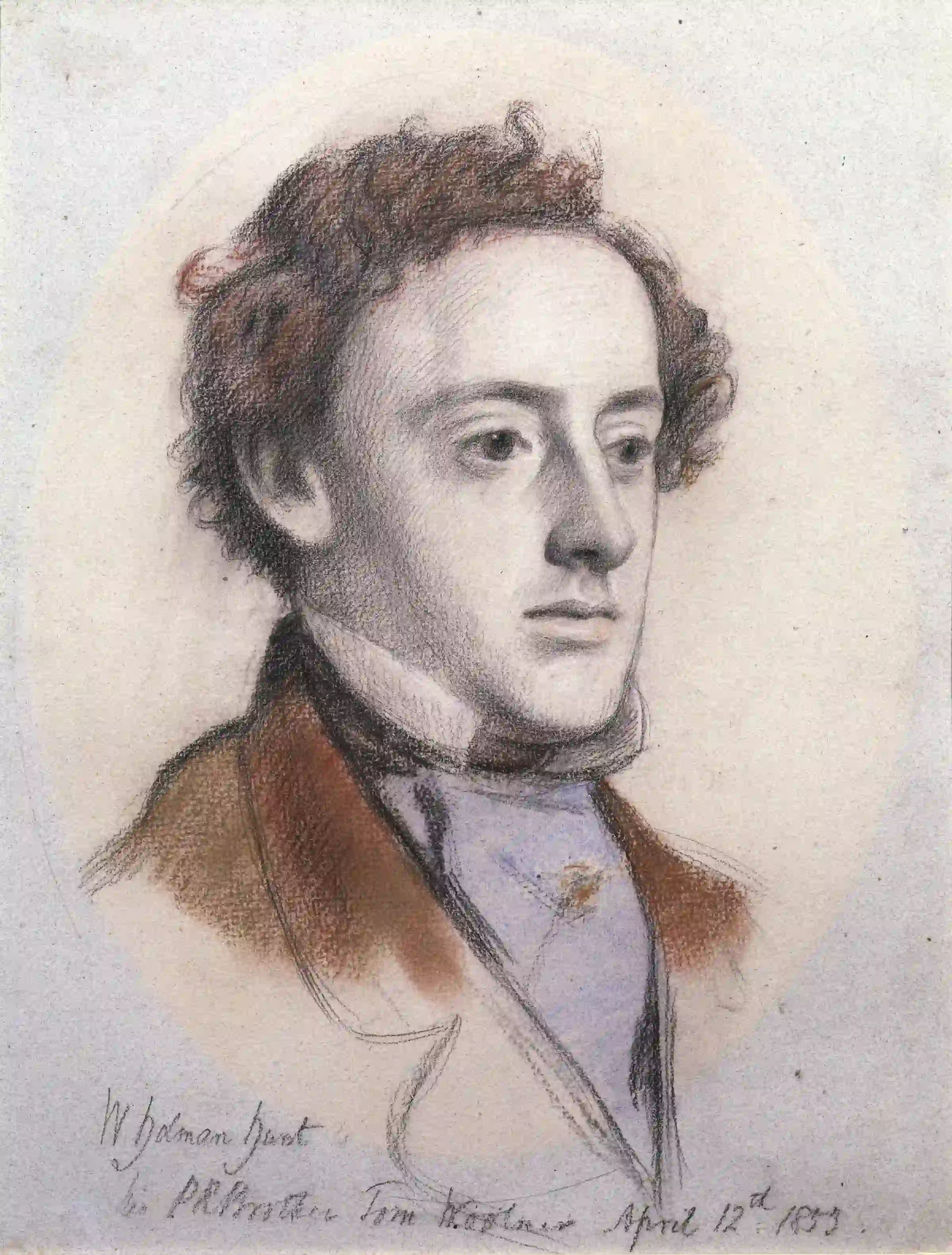
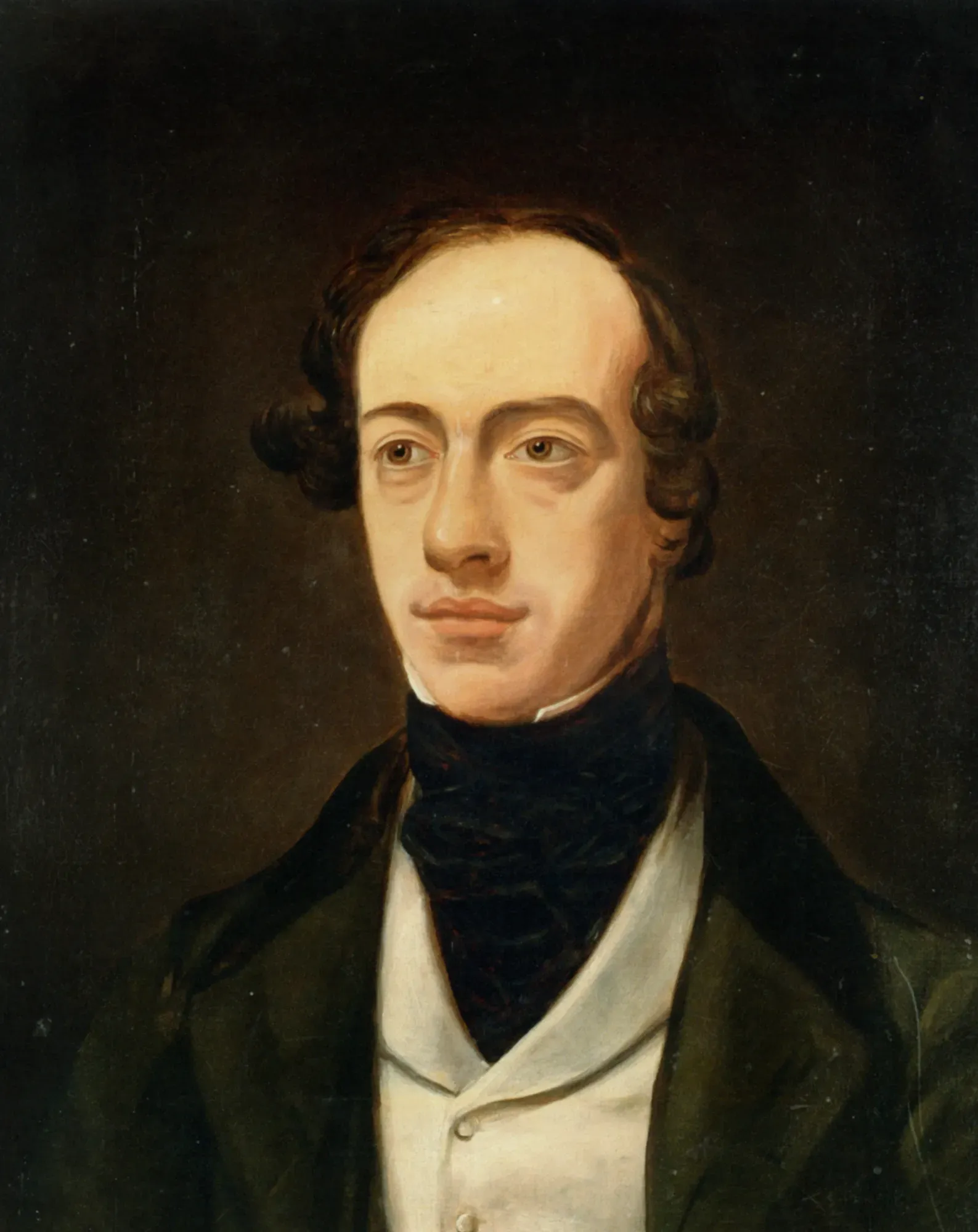
For those seeking a hand-painted oil painting that embodies the Romanticism movement, "The Light of the World" by William Holman Hunt is a coveted addition. Its timeless message and unparalleled craftsmanship make it a centerpiece among fine art painting for sale. Collectors frequently pair this masterpiece with related products such as "Portrait of William Pink" and "Cornfield at Ewell" to enrich their collections with Hunt’s evocative artistry.
When Art Meets History
"The Light of the World" by William Holman Hunt stands as a timeless masterpiece within the Romanticism movement. Created in the mid-19th century, this hand-painted oil painting reflects both religious symbolism and the era’s fascination with personal revelation. Like related works such as "Cross in the Mountains" and "Ship in the Arctic Ocean," Hunt’s painting captures a pivotal moment in art history, where spiritual narratives and emotional depth converged on canvas, leaving a lasting impact on generations of viewers and collectors alike.
Techniques That Speak
William Holman Hunt’s meticulous use of oil on canvas brings "The Light of the World" to life with luminous detail and vibrant color. The careful brushwork and dramatic lighting, hallmarks of the Romanticism movement, create a sense of depth and realism. This technique is also evident in related pieces like "The Kiss 1859" and "The Sea," demonstrating how oil on canvas allows artists to evoke mood and atmosphere, elevating the narrative power of fine art painting for sale.
Emotions on Display
"The Light of the World" radiates emotional intensity, a signature trait of Romanticism. William Holman Hunt masterfully conveys hope, longing, and spiritual awakening through the figure’s expression and posture. This hand-painted oil painting resonates deeply, similar to the evocative storytelling in "Mercury Gives Paris the Apple of Discord." Hunt’s ability to capture profound emotions in his fine art painting for sale ensures that viewers form a personal connection with the work, making it eternally relevant.
Coveted by Collectors
Collectors highly prize "The Light of the World" by William Holman Hunt, recognizing its significance within Romanticism and its influence on related works such as "Cross in the Mountains." As a fine art painting for sale, its enduring popularity is matched by the ongoing demand for masterpieces from this era. The painting’s rich symbolism, historical context, and masterful technique make it a standout piece, sought after by enthusiasts who appreciate oil on canvas treasures from the Romantic period.
Related Romanticism Hand-Painted Oil Paintings by Other Artists
Other Famous Romanticism Artists:
Frequently Asked Questions About The Light of the World
What is the historical context of "The Light of the World"?
"The Light of the World" was painted by William Holman Hunt in 1851, during the Pre-Raphaelite movement, which sought to return to the detail, intense colors, and complex compositions of pre-Renaissance art. This period was marked by a reaction against the industrialization of society and a desire to depict spiritual themes.
What are the main themes represented in the painting?
The painting embodies themes of redemption, spiritual awakening, and the invitation to faith. It symbolizes Christ as the light in the darkness of the world, emphasizing the importance of personal choice in accepting divine guidance.
What does the symbolism of the door represent in the painting?
The door in "The Light of the World" is significant as it symbolizes the human heart. Its absence of a handle on the outside suggests that individuals must choose to open the door to Christ, representing free will and the personal nature of faith.
How does Hunt's use of color contribute to the painting's message?
Hunt employs a vibrant color palette to evoke emotion and highlight the contrast between light and darkness. The warm, glowing light surrounding Christ signifies hope and divine presence, while the darker background represents the struggles of humanity.
What artistic techniques did Hunt use in "The Light of the World"?
William Holman Hunt utilized meticulous detail and a technique known as "glazing," where multiple layers of translucent paint are applied to create depth and luminosity. This approach enhances the realism and vibrancy of the work, characteristic of the Pre-Raphaelite style.
Who are the figures depicted in the painting, and what do they represent?
The central figure is Christ, depicted as the divine light, while the surrounding elements, such as the lantern and the flora, symbolize enlightenment and the beauty of creation. The figure of Christ is meant to be inviting and approachable, embodying the message of salvation.
What is the significance of the lantern in the painting?
The lantern represents the light of faith and knowledge that Christ offers to the world. It serves as a metaphor for guidance and the illumination of truth, reinforcing the theme of spiritual enlightenment.
How does "The Light of the World" reflect Hunt's personal beliefs?
Hunt was deeply influenced by his Christian faith, and this painting reflects his conviction in the importance of spiritual awakening and the individual's relationship with Christ. His works often convey moral and religious messages, emphasizing the transformative power of faith.
What impact did "The Light of the World" have on the art community at the time?
The painting was initially met with mixed reactions, but it ultimately contributed to the growing recognition of the Pre-Raphaelite Brotherhood. Its intricate detail and profound symbolism challenged traditional artistic norms and inspired future generations of artists to explore similar themes.
Where can "The Light of the World" be viewed today?
"The Light of the World" is part of the collection at the Keble College, Oxford. It remains a significant work within the Pre-Raphaelite canon and continues to be studied for its artistic and theological implications.























_GFM_Painting_(1).webp)


 100% Hand-Painted: Finished in 3-6 Weeks

.png)















_(1).webp)