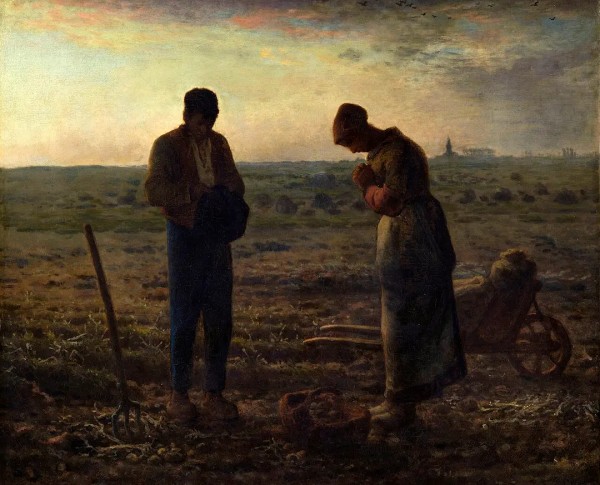
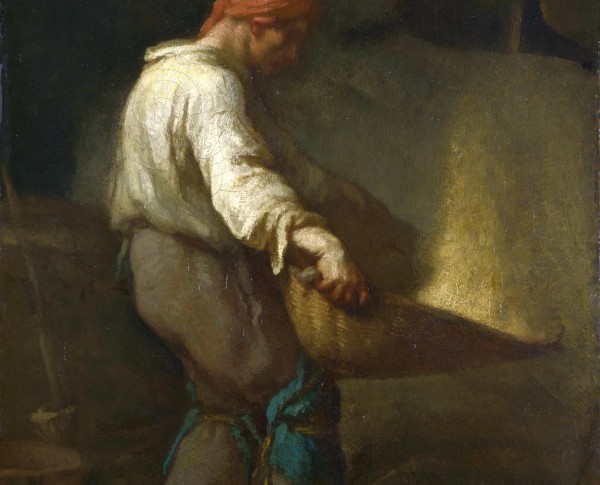
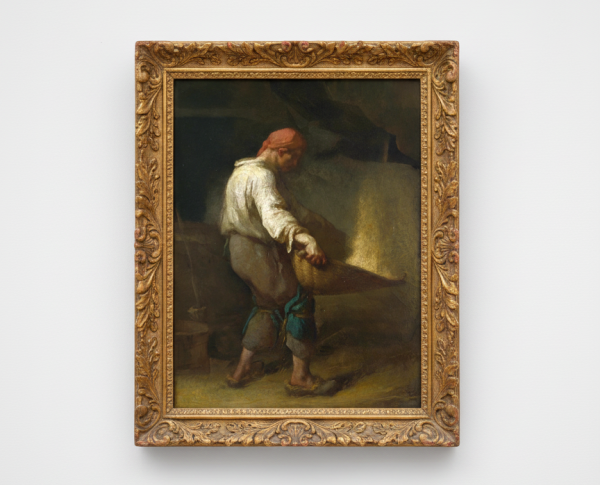
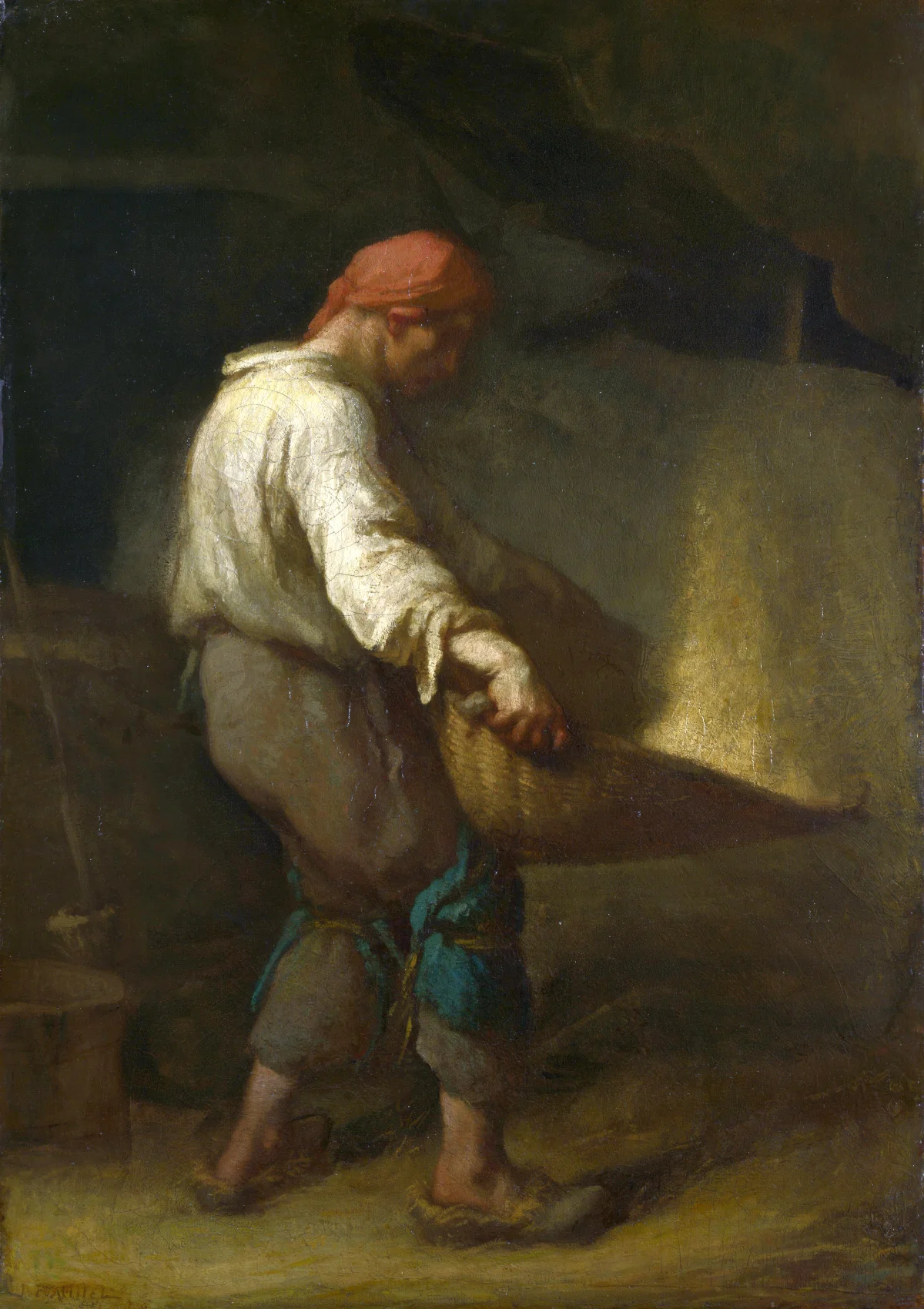
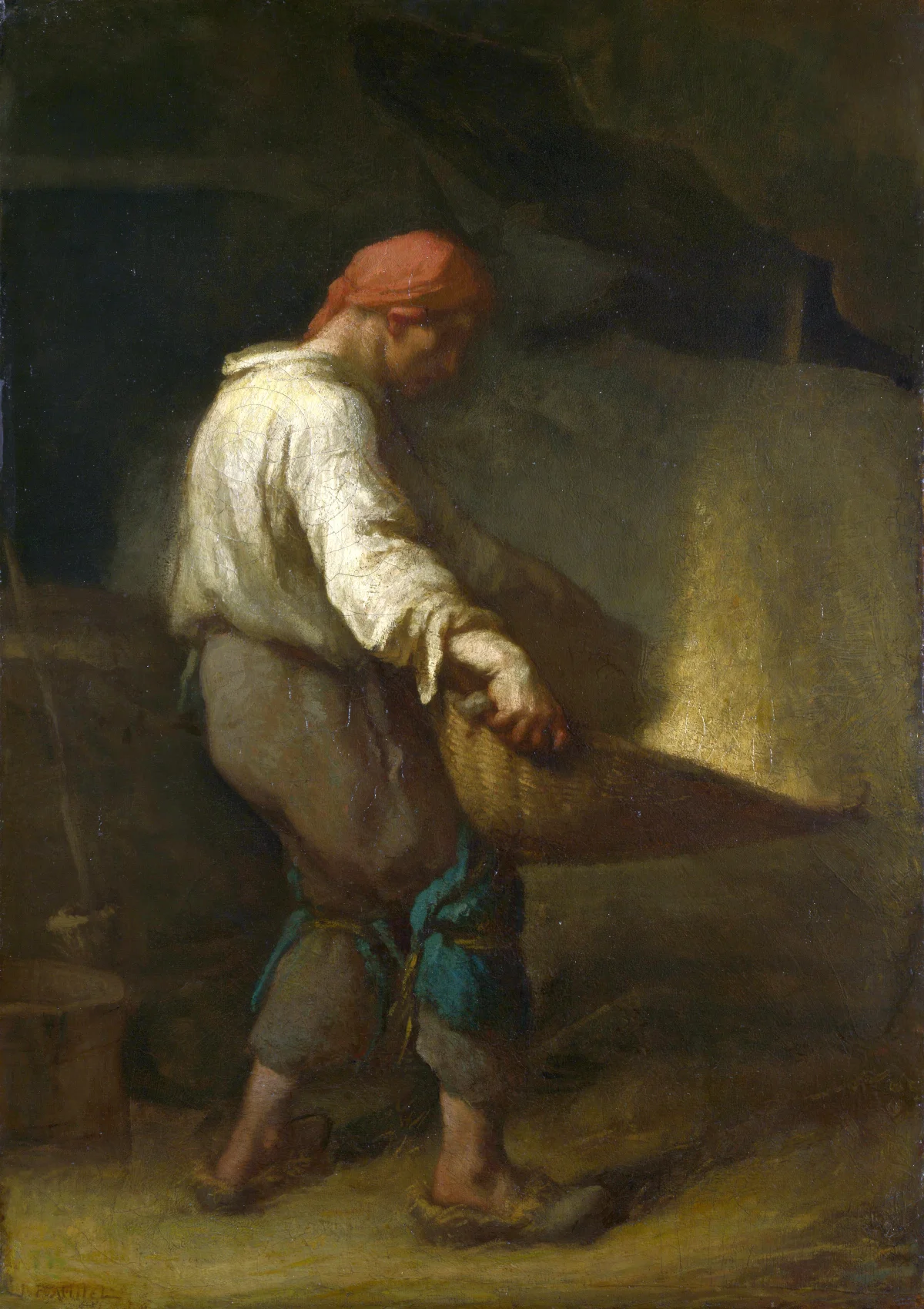
In "The Winnower," every brushstroke demonstrates Jean-Francois Millet’s expert technique with oil on canvas. The artist’s mastery is evident in the textured depiction of wheat and the lifelike rendering of the figure, hallmarks of the Realism movement. This painting, like "The Angelus, 1857-59", showcases Millet’s ability to blend color and light, elevating everyday scenes into timeless works of art that appeal to both collectors and admirers of classic technique.
"The Winnower" by Jean-Francois Millet tells a compelling story of labor and perseverance, common themes in the Realism movement. Through this fine art painting for sale, viewers witness the symbolic importance of rural life and the nobility of agricultural work. Similar to "The Angelus, 1857-59", Millet imbues his subjects with a quiet dignity, inviting us to reflect on the deeper social message behind each carefully crafted scene.
Owning "The Winnower" is a rare opportunity for collectors to acquire a hand-painted oil painting that embodies the spirit of the Realism movement. Jean-Francois Millet’s works, including "The Angelus, 1857-59", are highly sought after for their emotional depth and technical prowess. This masterpiece is not just a visual delight but a valuable addition to any collection, representing the enduring legacy of fine art painting for sale from a celebrated artist.
When Art Meets History
"The Winnower" by Jean-Francois Millet is a remarkable hand-painted oil painting that captures the essence of rural life during the 19th century. As a leading figure in the Realism movement, Millet focused on the dignity and resilience of agricultural workers. This approach also resonates in related paintings such as "Morning in the Pine-tree Forest" and "Breezing Up (or A Fair Wind)", which similarly depict everyday scenes with profound historical significance.
Techniques That Speak
Jean-Francois Millet skillfully employs oil on canvas to bring "The Winnower" to life, utilizing earthy tones and textured brushstrokes to highlight the physicality of labor. The Realism movement’s emphasis on truthful representation is evident in Millet’s attention to detail, a technique also admired in works like "Las Meninas" and "Lady Godiva". The artist’s mastery of oil on canvas ensures that each figure and gesture conveys authenticity and a deep respect for his subjects.
Emotions on Display
"The Winnower" radiates powerful emotion through its depiction of a solitary worker immersed in his daily toil. Millet’s fine art painting for sale draws viewers into the quiet dignity of rural existence, much like "A Dash for the Timber" captures dramatic energy. The painting’s subdued palette and careful composition evoke empathy and admiration for the subject, embodying the Realism movement’s commitment to portraying genuine human experience.
Coveted by Collectors
This iconic hand-painted oil painting by Jean-Francois Millet is highly sought after by collectors who appreciate the Realism movement’s influence on art history. "The Winnower" stands alongside masterpieces like "Lady Godiva" and "Las Meninas" as a testament to the enduring appeal of authentic, heartfelt representation. Owning such a fine art painting for sale is an opportunity to connect with the profound legacy of Millet and his contemporaries.
Related Realism Hand-Painted Oil Paintings by Other Artists
Other Famous Realism Artists:
Frequently Asked Questions About The Winnower
What is the historical context of "The Winnower"?
"The Winnower," painted by Jean-Francois Millet in 1848, reflects the socio-economic conditions of rural France during the mid-19th century, a time marked by the Industrial Revolution and significant changes in agricultural practices.
What artistic techniques did Millet use in "The Winnower"?
Millet employed a naturalistic style characterized by earthy tones and a focus on the human figure within the landscape. His use of chiaroscuro enhances the three-dimensionality of the subjects and the overall composition.
What is the significance of the figure in "The Winnower"?
The central figure represents the hardworking peasant, symbolizing the dignity of labor and the connection between humanity and the land. This portrayal elevates the status of rural workers in art, challenging contemporary social hierarchies.
How does "The Winnower" reflect the Realism movement?
As a key work of the Realism movement, "The Winnower" emphasizes the everyday lives of ordinary people, moving away from romanticized depictions of nature and focusing on the authenticity of rural existence.
What are the symbolic elements present in "The Winnower"?
The act of winnowing symbolizes the separation of the valuable from the worthless, reflecting broader themes of labor, sustenance, and the cycles of life. The grain itself serves as a metaphor for the fruits of hard work and perseverance.
What role does light play in "The Winnower"?
Light in "The Winnower" is used to create depth and focus, illuminating the figure and emphasizing the physicality of the labor being performed. This technique draws the viewer's attention to the subject's toil and the surrounding environment.
How does "The Winnower" compare to other works by Millet?
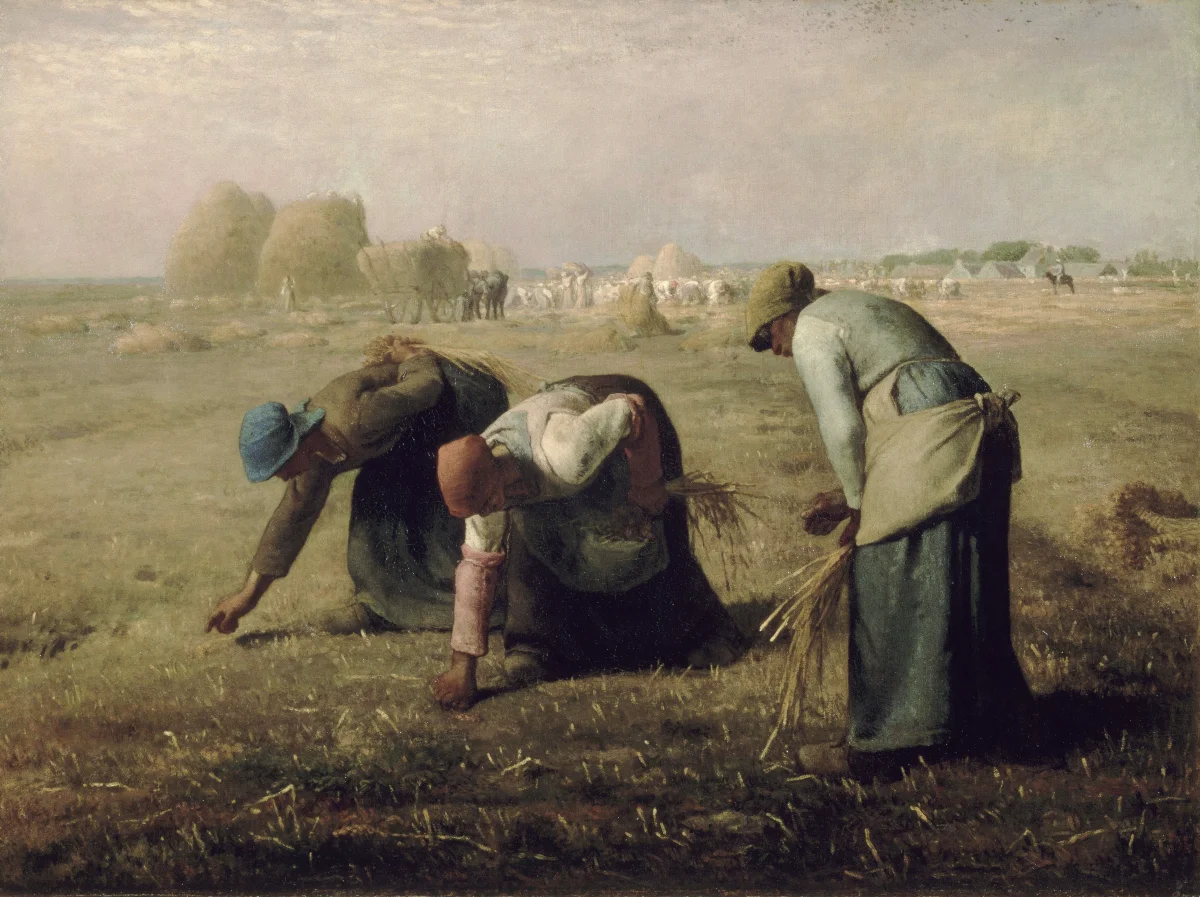
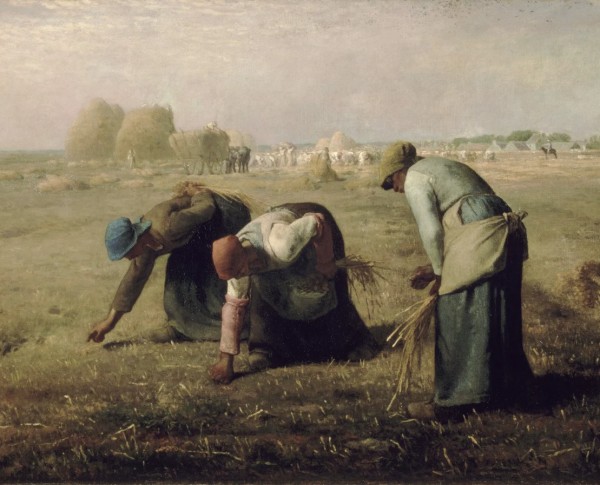
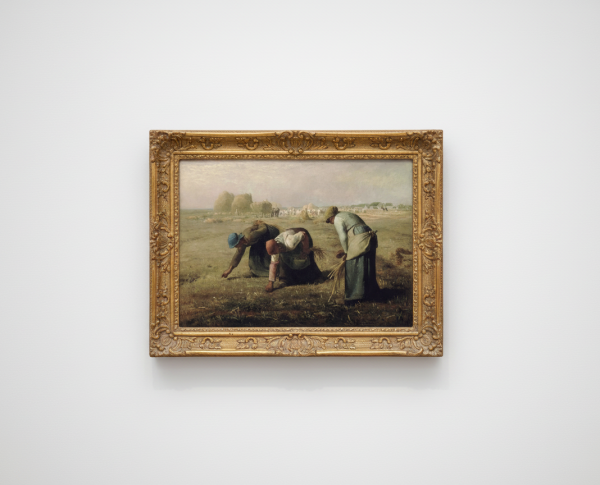
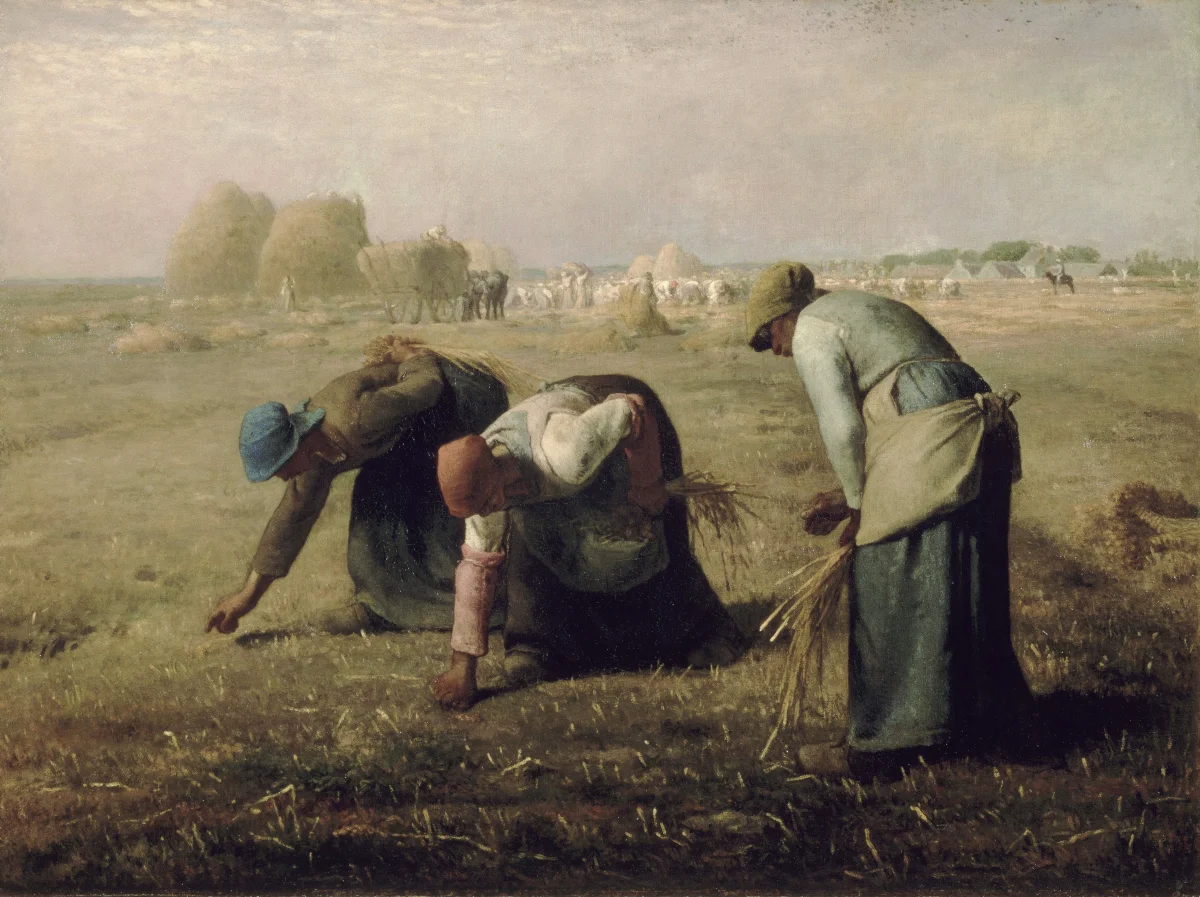
Similar to other works by Millet, such as "The Gleaners," "The Winnower" shares themes of rural life and the dignity of labor. However, it uniquely captures a specific agricultural process, showcasing Millet's deep connection to the land and its people.
What impact did "The Winnower" have on later artists?
"The Winnower" influenced subsequent generations of artists by reinforcing the importance of depicting everyday life and the working class. Its focus on realism paved the way for later movements, including Impressionism and Social Realism.
What is the current location of "The Winnower"?
"The Winnower" is part of the collection at the Museum of Fine Arts in Boston, where it continues to be studied and appreciated for its historical and artistic significance.
How does "The Winnower" embody the values of the 19th-century French society?
The painting embodies the values of hard work, perseverance, and respect for the agrarian lifestyle that were prevalent in 19th-century French society, particularly during a time of social upheaval and the rise of the working class.






















_GFM_Painting_(1).webp)


 100% Hand-Painted: Finished in 3-6 Weeks

.png)
















_(1).webp)